
Bird
Common Moorhen: where to see it
Gallinula chloropus
This bird species is recorded in 180 protected areas of the atlas, including 138 whose official Natura 2000 form lists it. Within the atlas countries, it is mostly observed in the United Kingdom, France and Spain (15 countries in all). Most records (8 in 10) lie between sea level and 300 m. Records are spread throughout the year. It has a wingspan of 52 cm and weighs 348 g. Its EU population is assessed as secure (2013–2018 Birds Directive reporting).
Best time to see it: all year round
Records published on GBIF by month (CC0 and CC BY 4.0 licences only), in the atlas countries, all years combined; they also reflect observer activity.
Key facts
- Wingspan
- 52 cm Wikidata, after app.bto.org
- Weight
- 348 g Wikidata, after Lislevand et al. 2007
- Clutch size
- 5.8 eggs on average Wikidata, after Jetz et al. 2008
Status and protection
Birds Directive II/B
The species is listed in Annex II/B of the Birds Directive.
EU population assessed as secure, decreasing in the short term (2013–2018 Birds Directive reporting). EU breeding population: 672,000–921,000 pairs.
Distribution
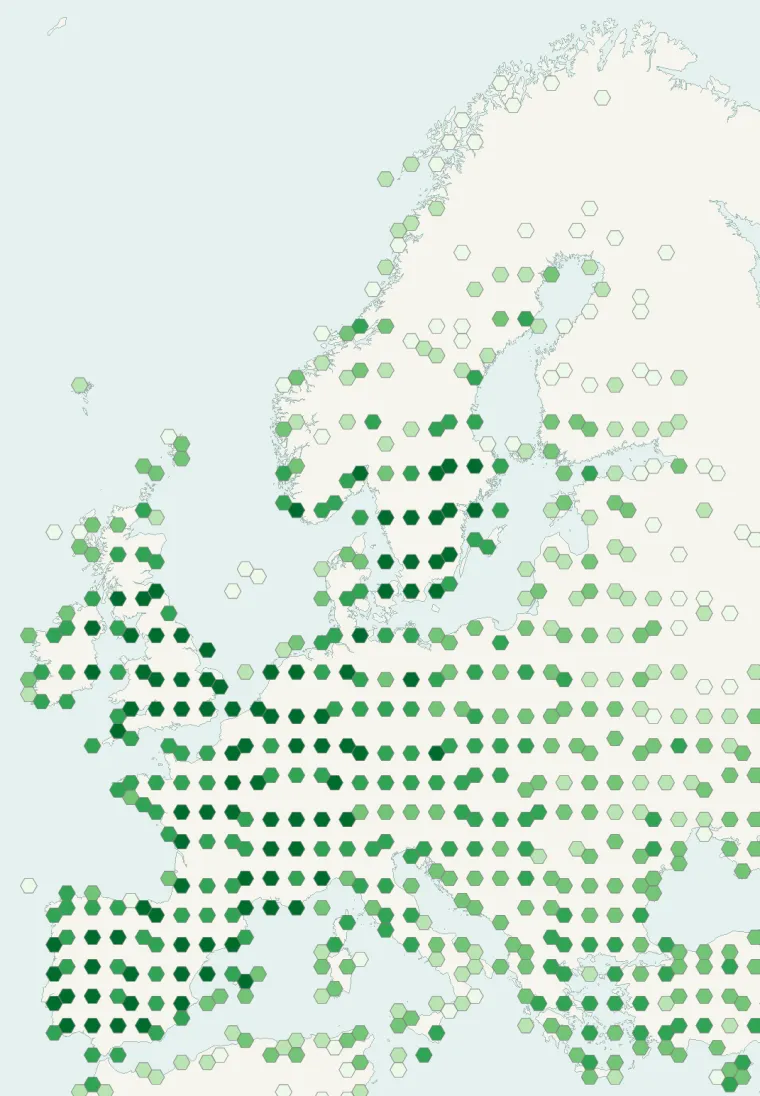
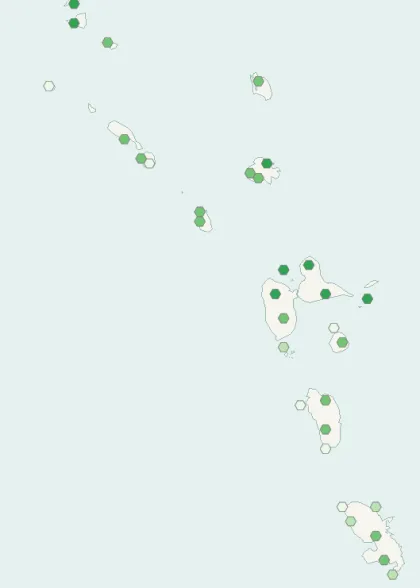
Records published on GBIF (CC0 and CC BY 4.0 licences): the darker the shade, the more records there are; they also reflect observation effort.
Atlas countries where it is recorded
Listen
-
0:10 · © Joost van Bruggen · CC BY-SA 4.0 · Wikimedia Commons · Original file
-
0:10 · © Joost van Bruggen · CC BY-SA 4.0 · Wikimedia Commons · Original file
-
0:21 · © Mikko Heikkinen · CC BY-SA 4.0 · Wikimedia Commons · Original file
From Wikipedia
The common moorhen (Gallinula chloropus), also known as the waterhen, is a bird species in the rail family (Rallidae). It is distributed across many parts of the Old World, across Africa, Europe, and Asia. It lives around well-vegetated marshes, ponds, canals and other wetlands. The species is not found in the polar regions or many tropical rainforests; generally it is one of the most common Old World rail species, together with the Eurasian coot in some regions.
Source: Wikipedia, article “Common moorhen” (version of October 4, 2026) · history and authors · licence CC BY-SA 4.0
Protected areas where it is recorded
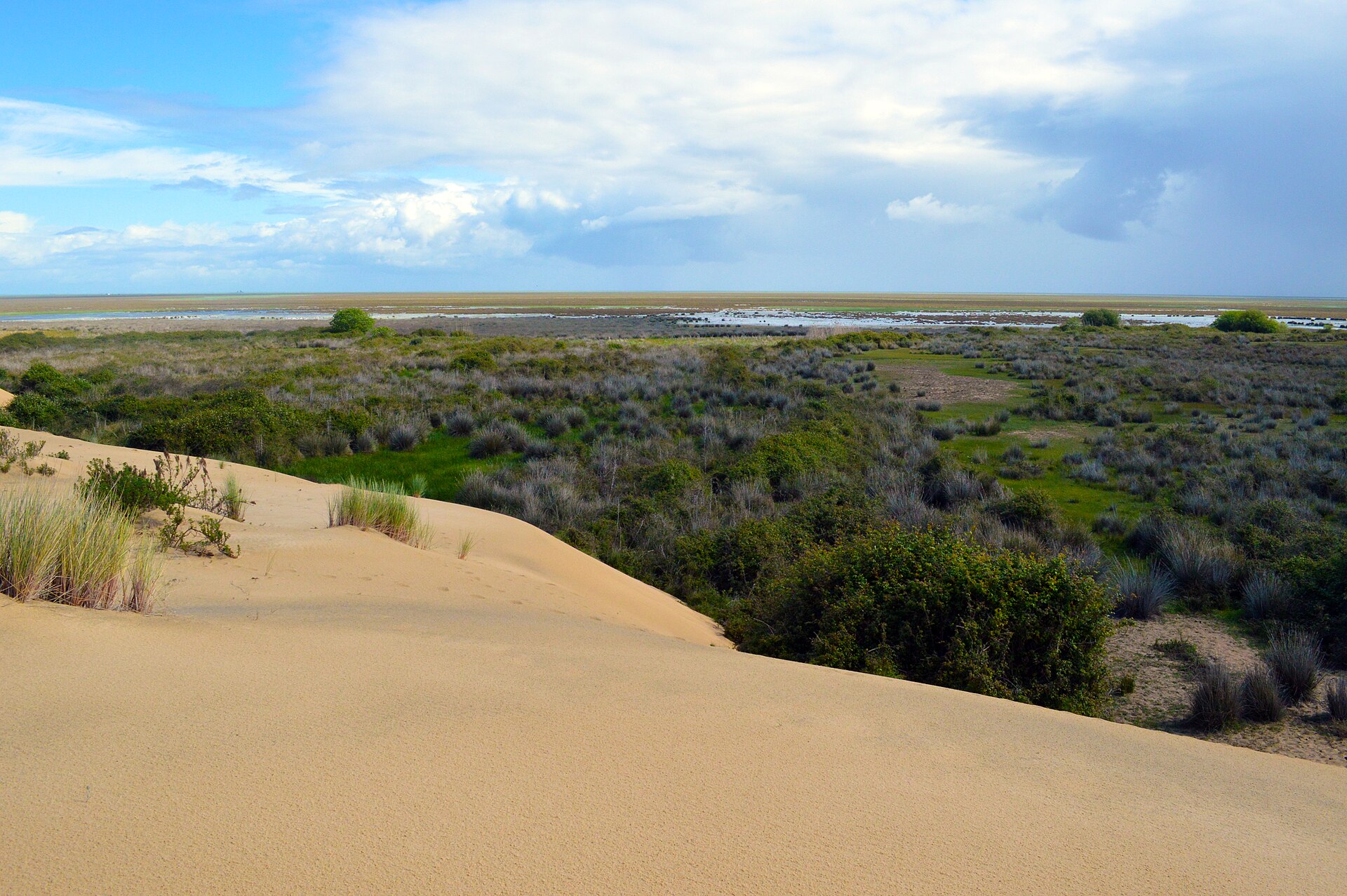
Natura 2000 · breeding, resident, wintering, passage 3,423 records
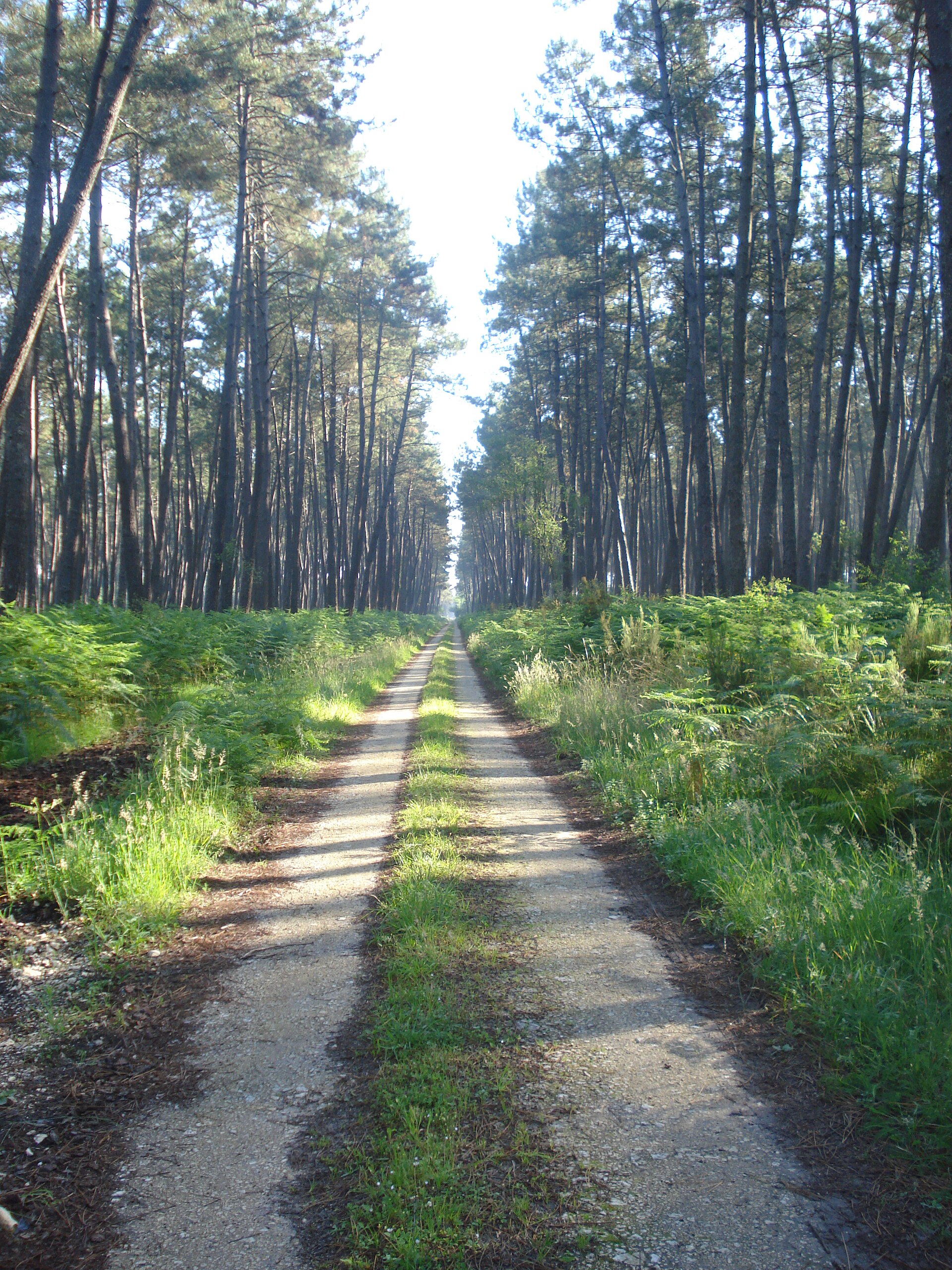
Natura 2000 · wintering, passage, breeding 3,143 records
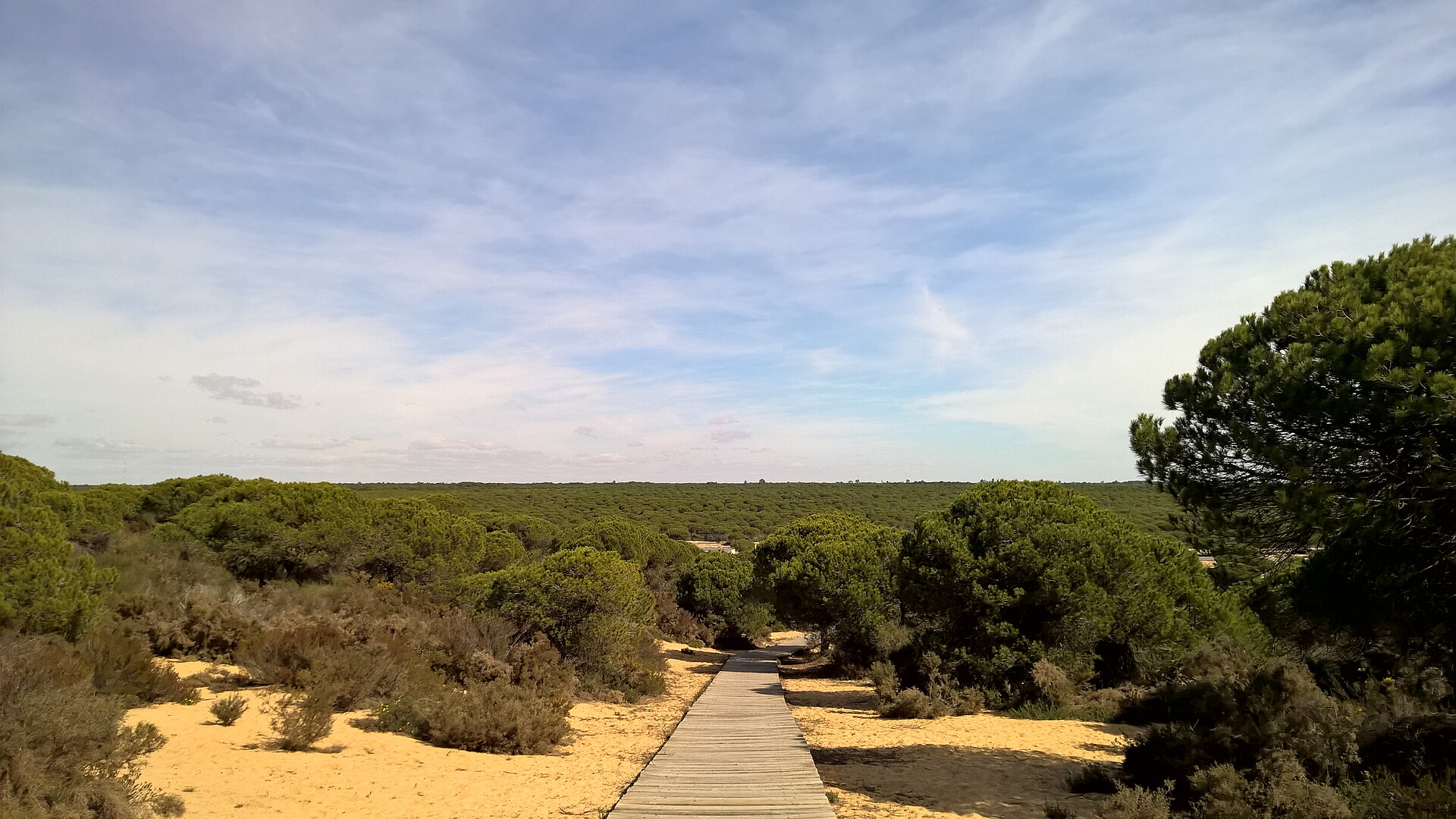
Natura 2000 · breeding, resident, wintering, passage 3,109 records
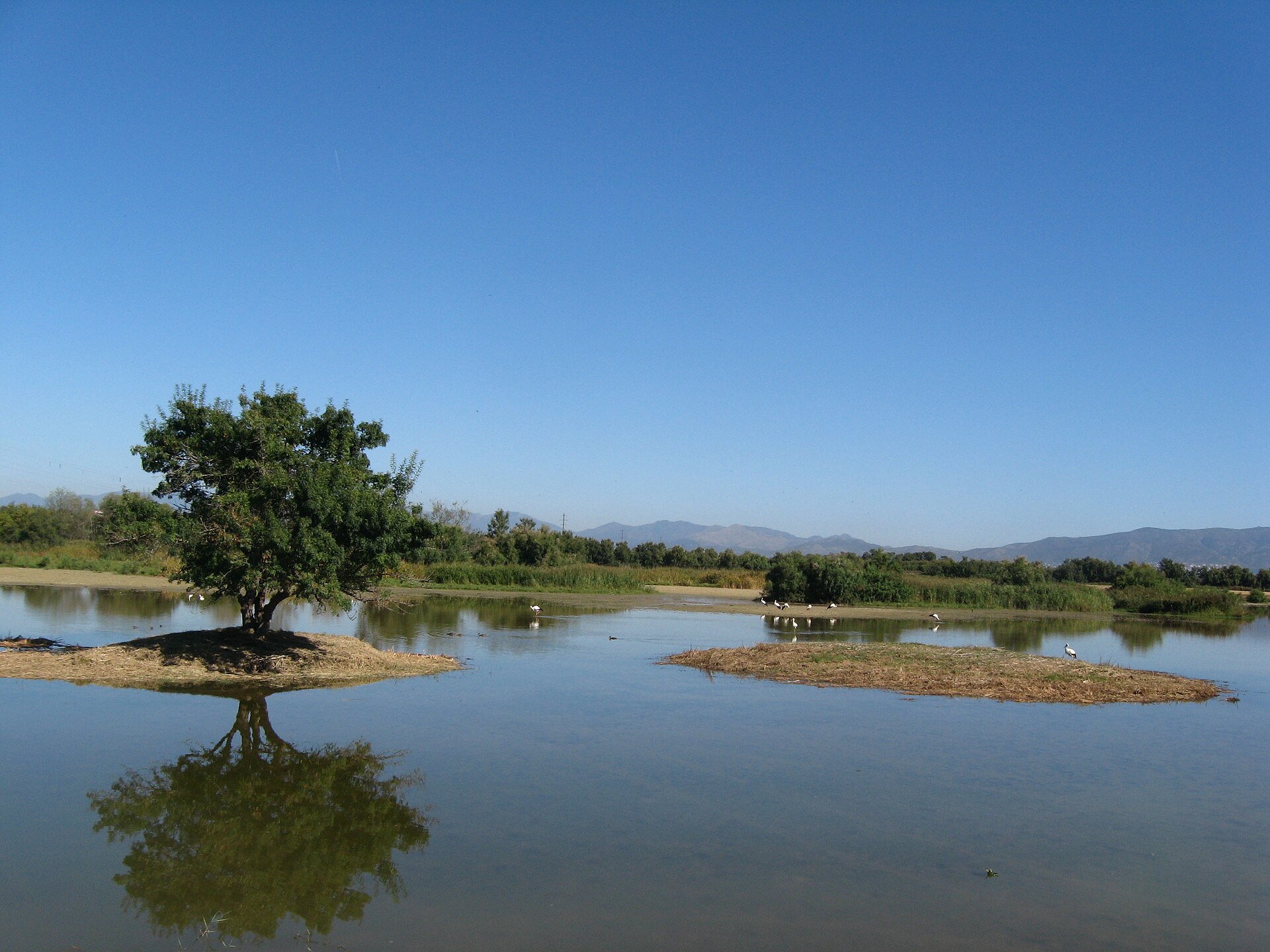
Natura 2000 · resident 3,103 records
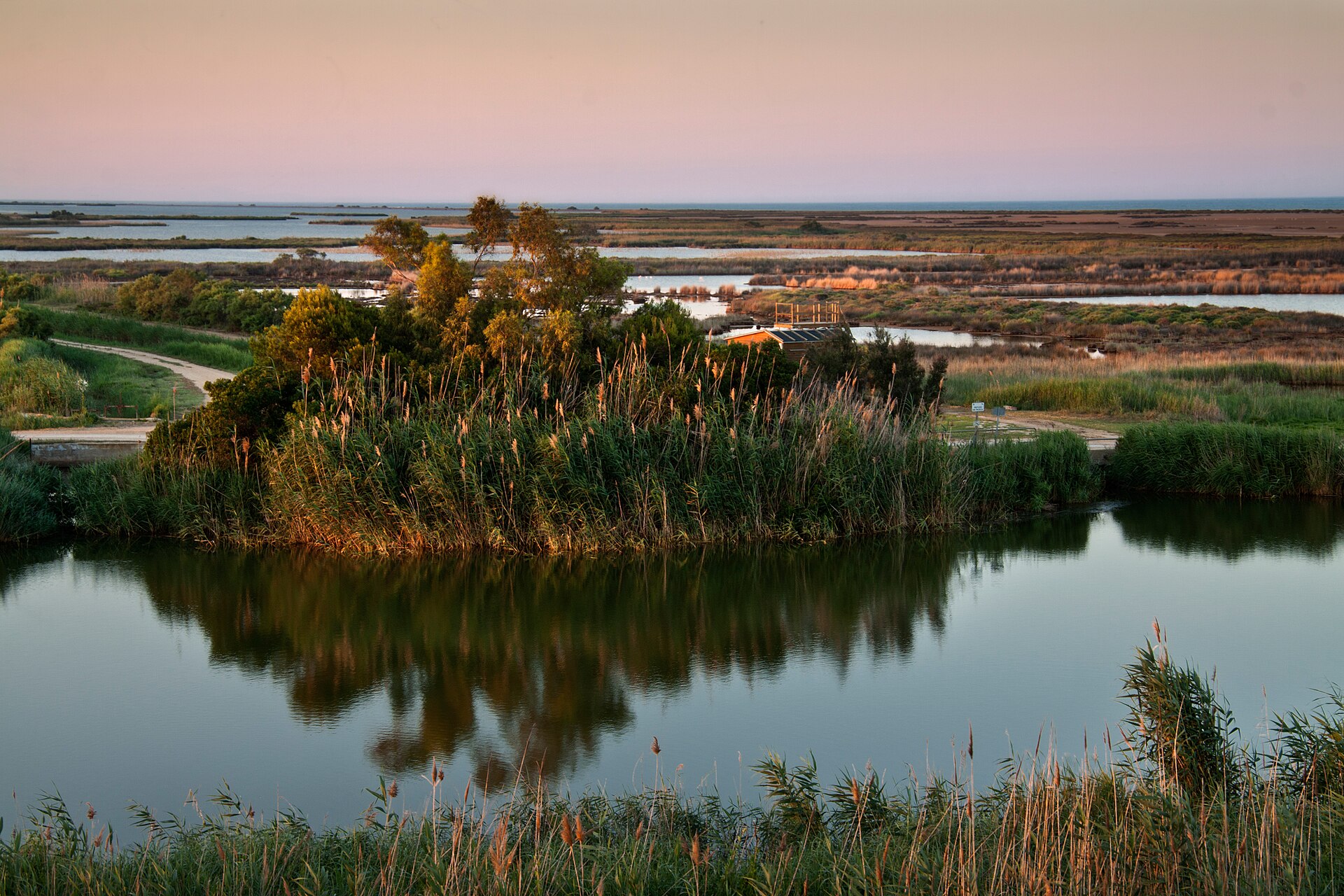
Natura 2000 · resident 2,990 records

Natura 2000 · passage, wintering, resident, breeding 1,045 records
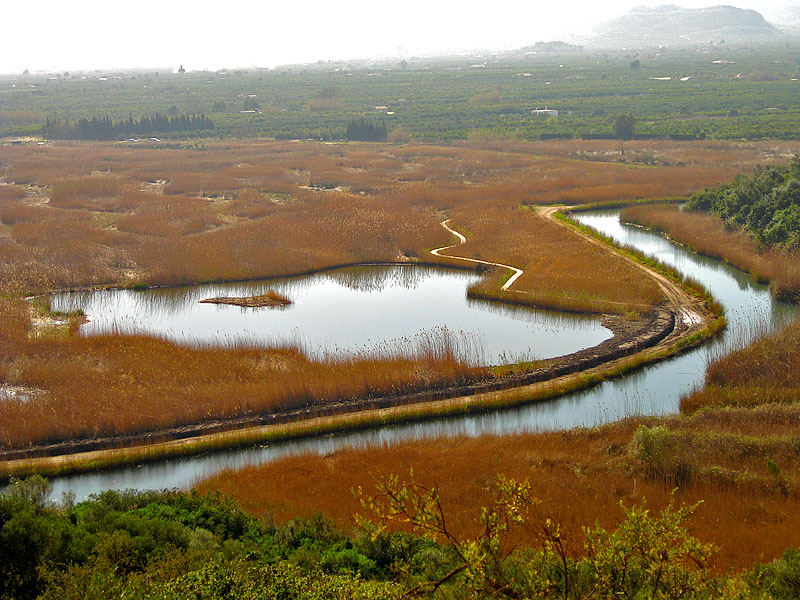
Natura 2000 · resident 894 records

Natura 2000 · breeding, wintering, passage 890 records

Natura 2000 · resident, breeding 669 records
Natura 2000 · breeding, wintering 443 records
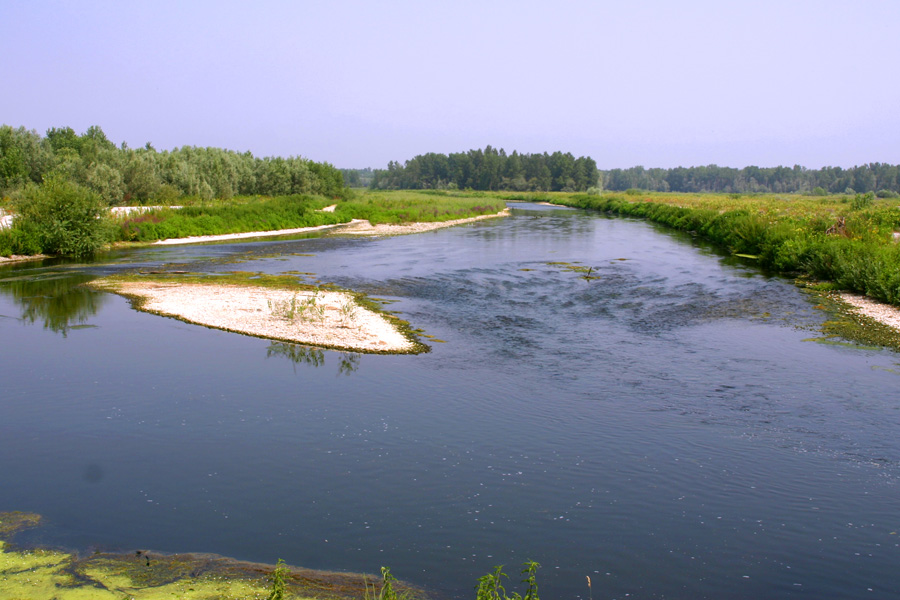
Natura 2000 · resident 393 records
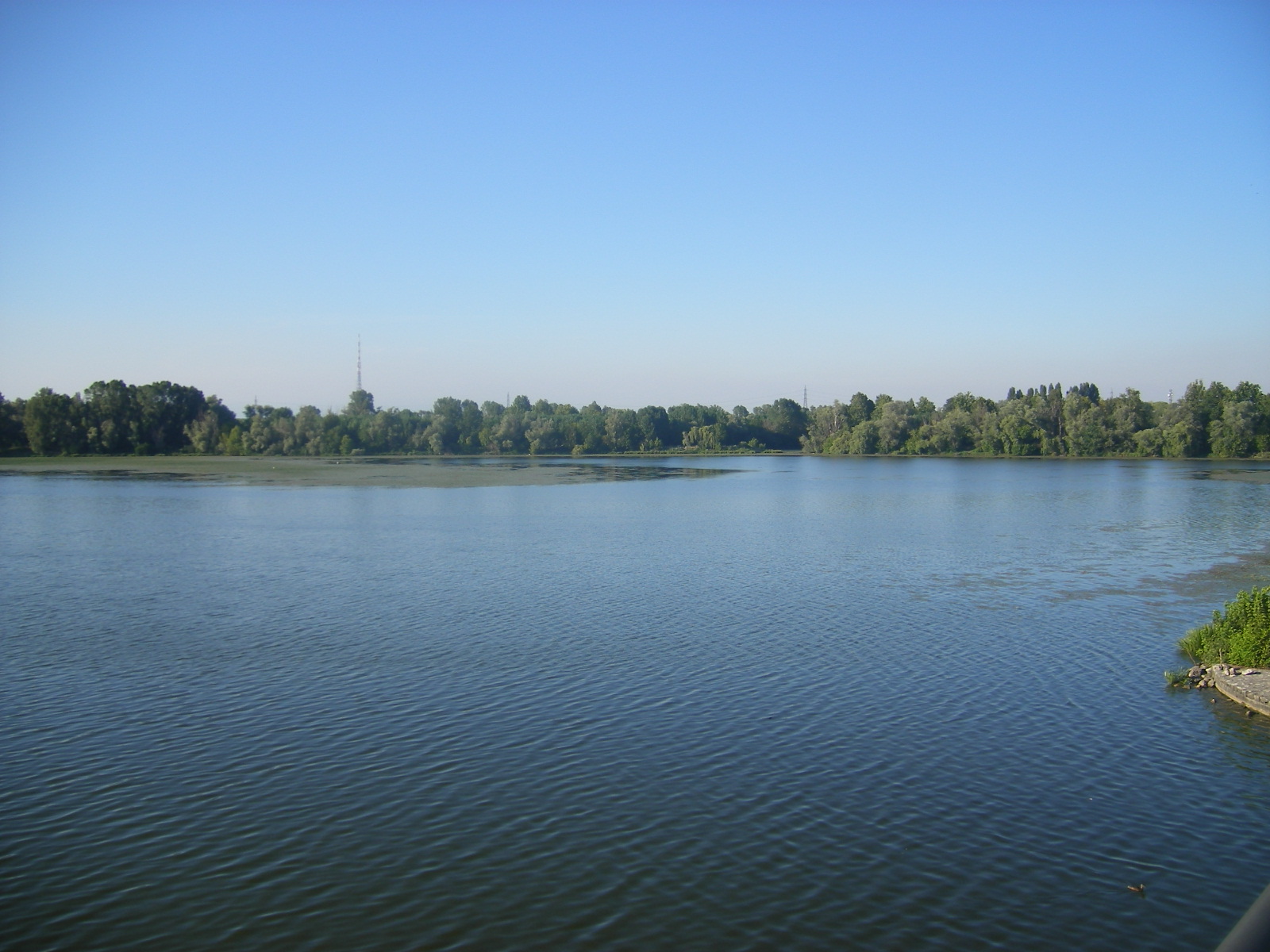
Natura 2000 · passage, wintering, resident, breeding 59 records
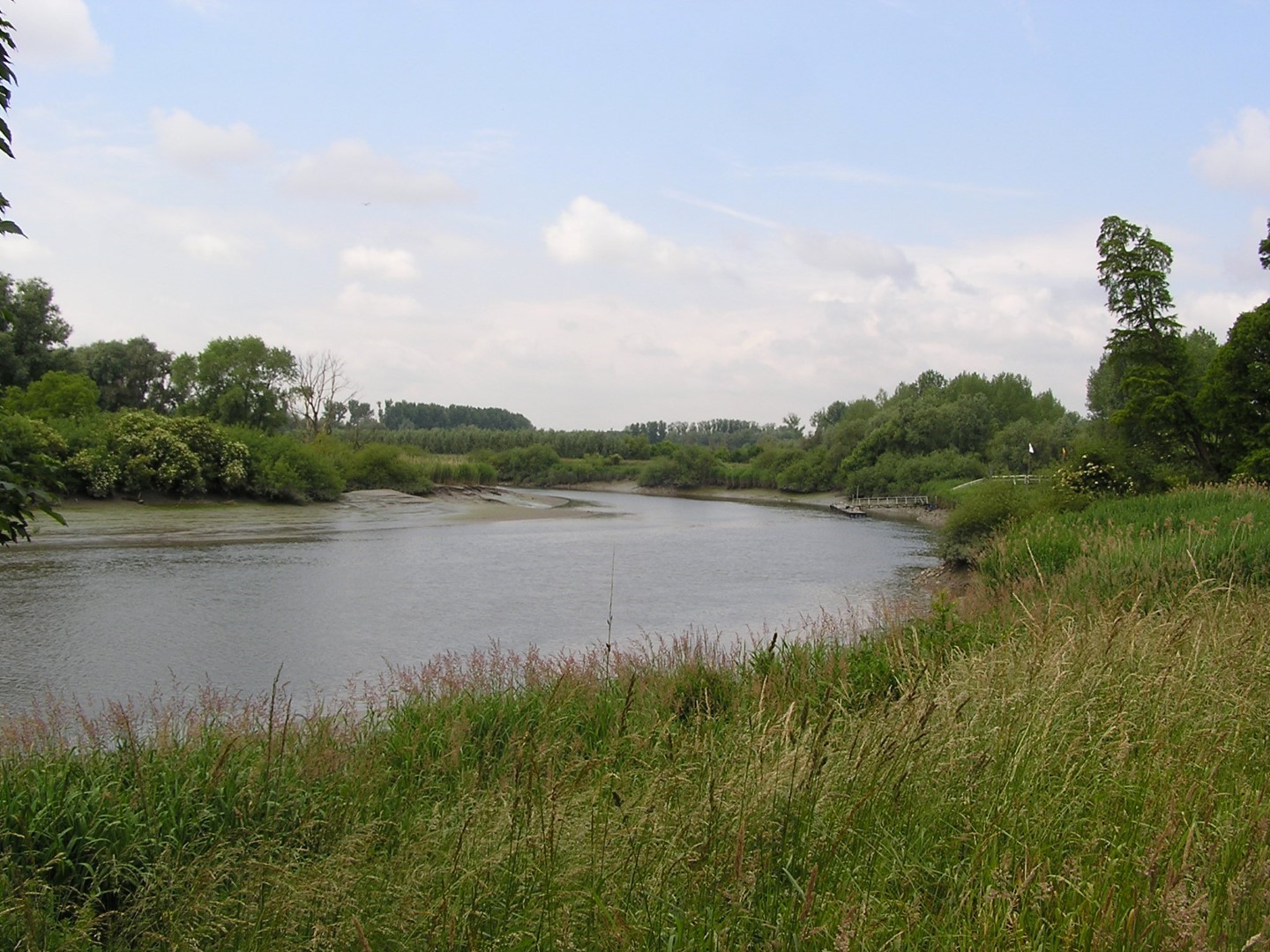
19,373 records
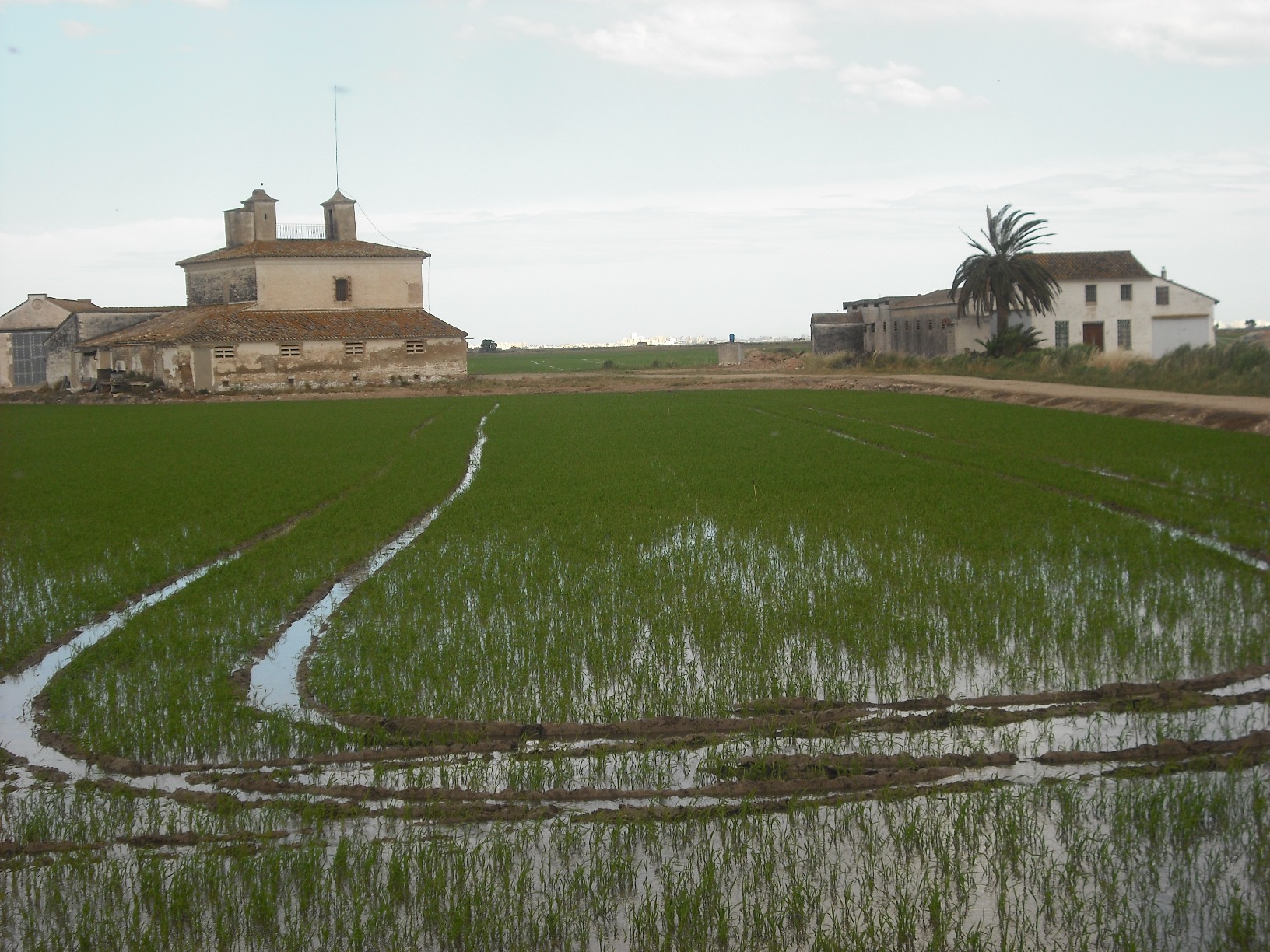
8,330 records

6,868 records

6,682 records
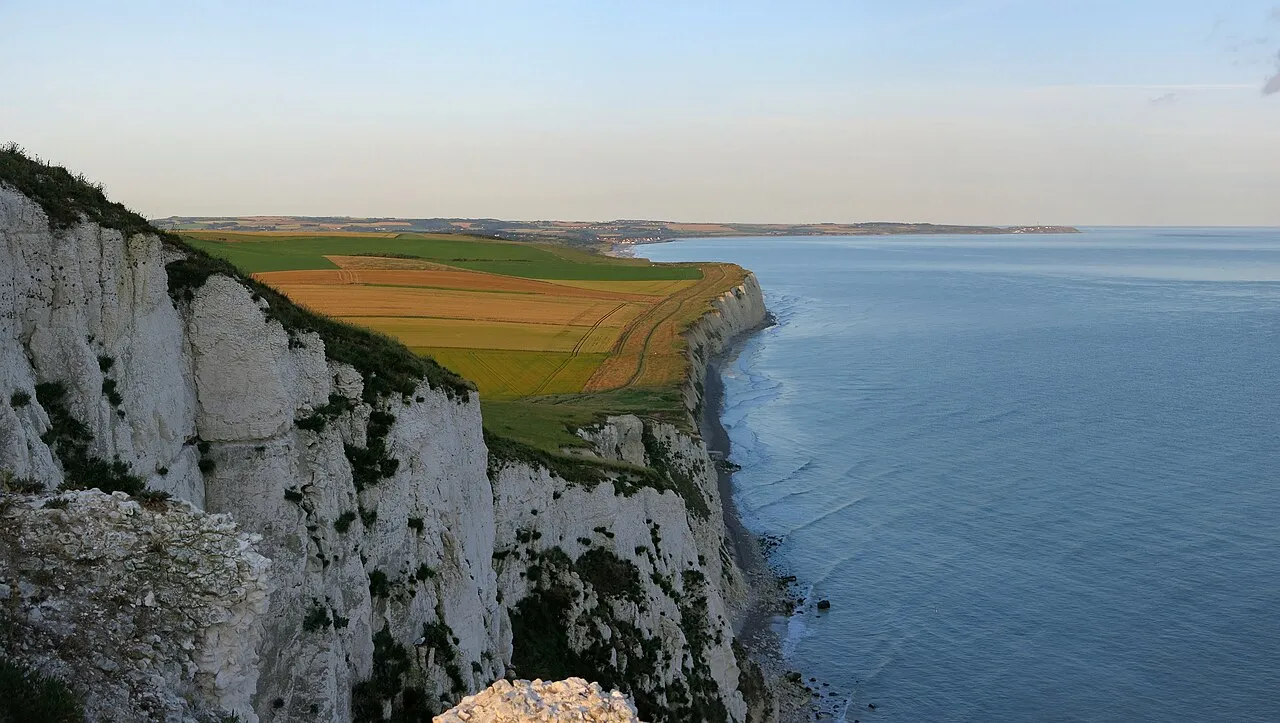
6,481 records
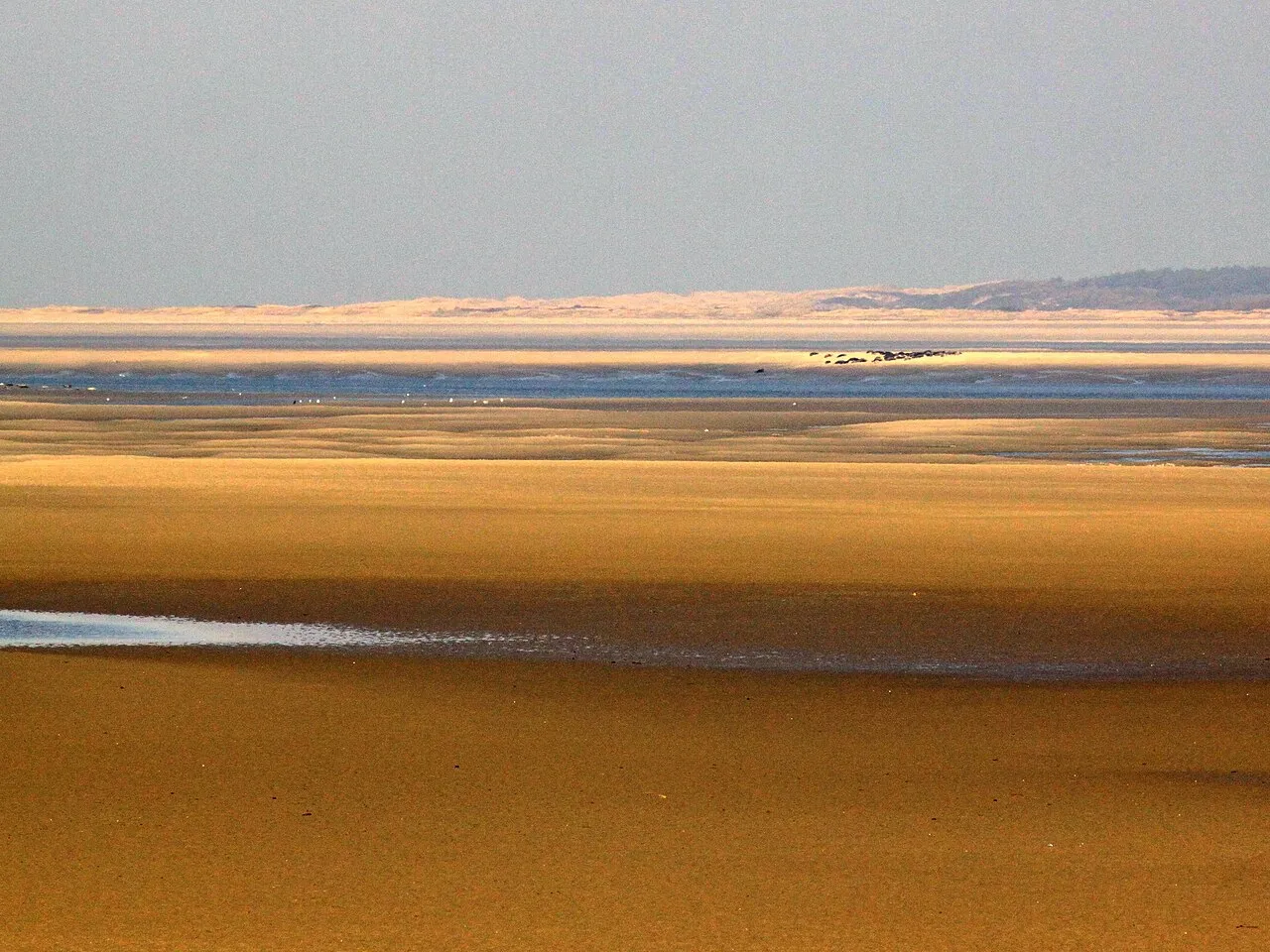
5,777 records
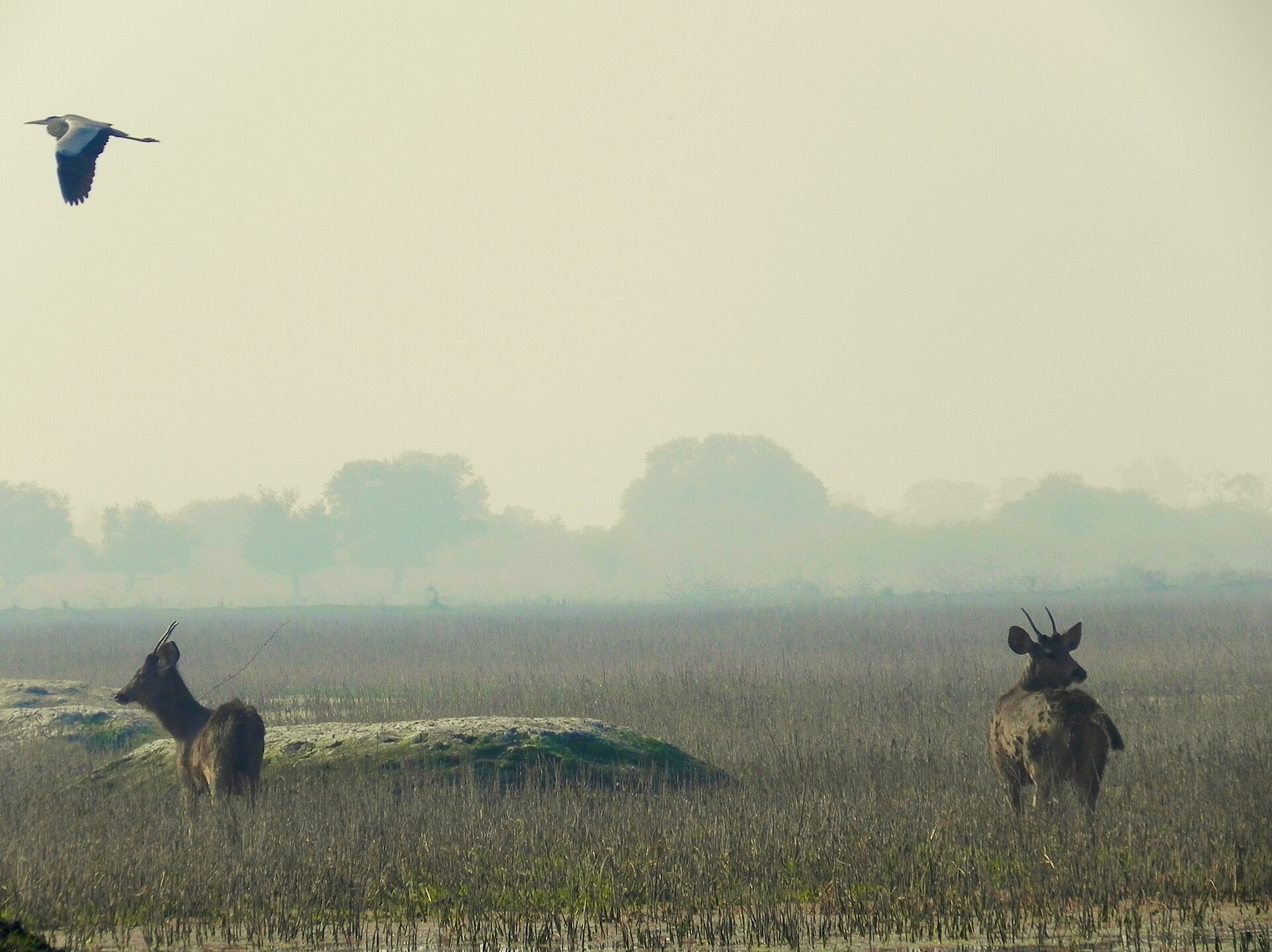
4,790 records
3,764 records

2,800 records
2,157 records

2,113 records
966 records
954 records

530 records
407 records

378 records
345 records

324 records

236 records

232 records
224 records
220 records

217 records

166 records
101 records
100 records
84 records

80 records
77 records

74 records
68 records

64 records
62 records

54 records
52 records
40 records

29 records

24 records
12 records
12 records
8 records
6 records
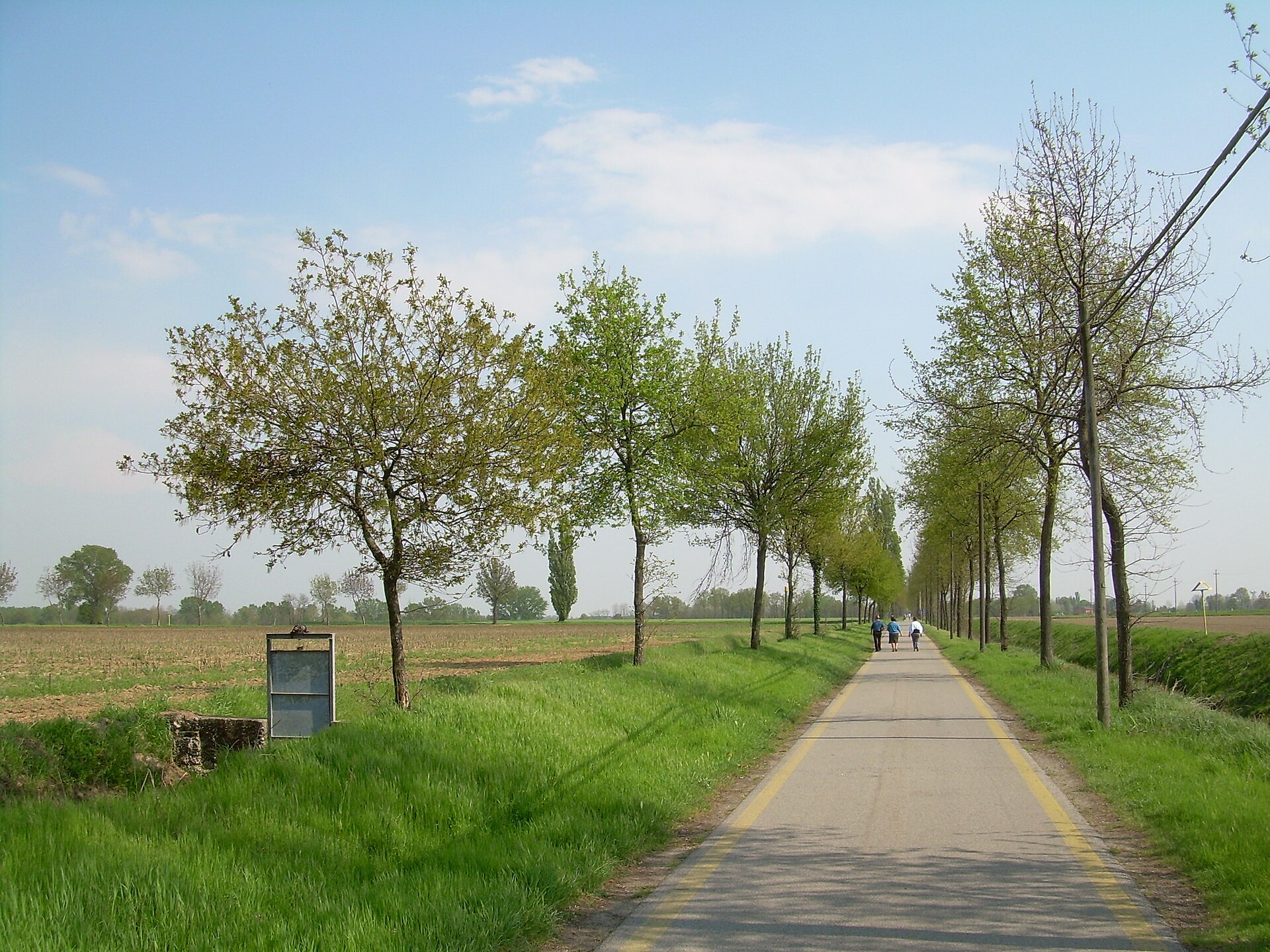
Natura 2000 · resident
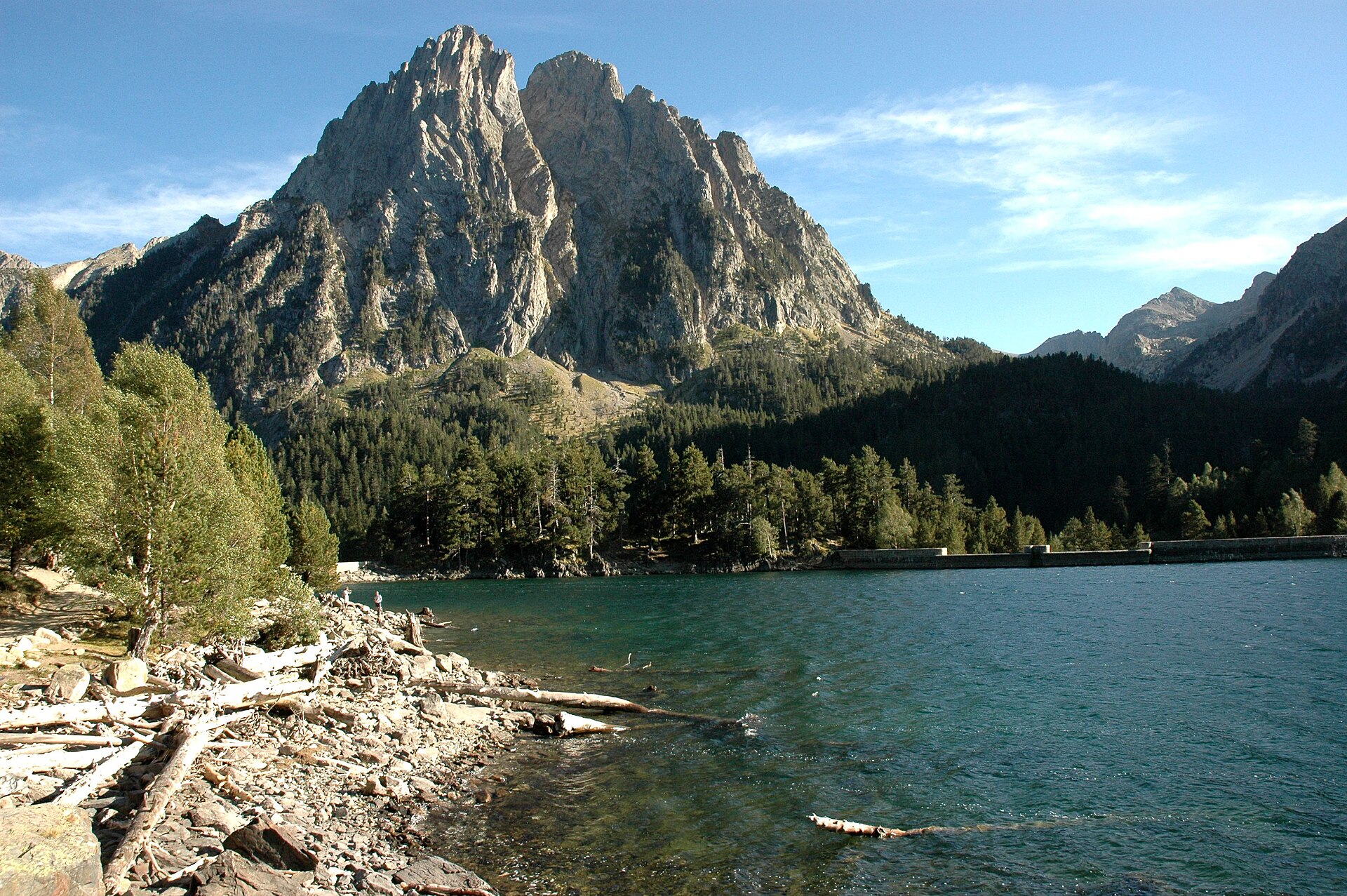
Natura 2000 · resident
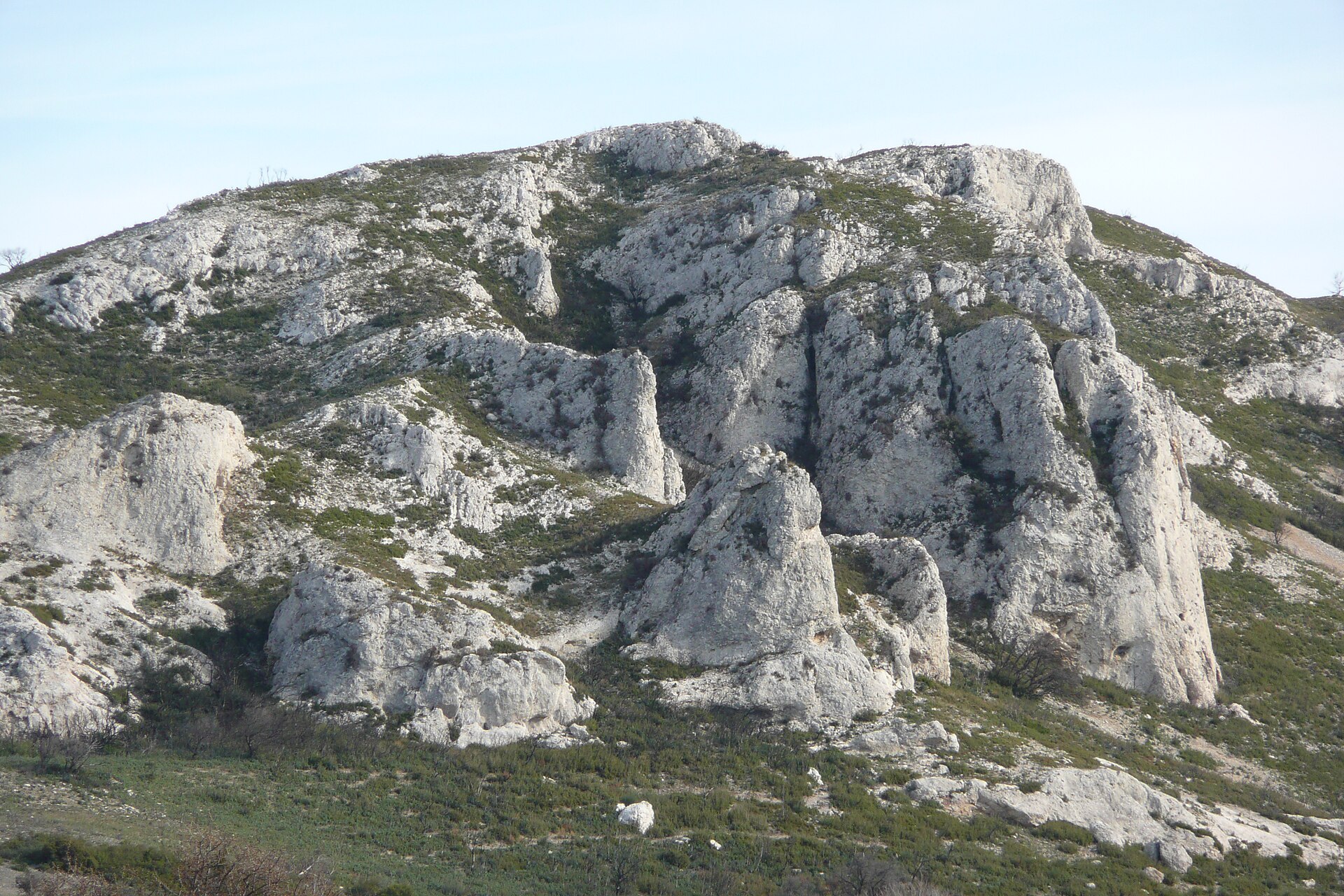
Natura 2000 · resident
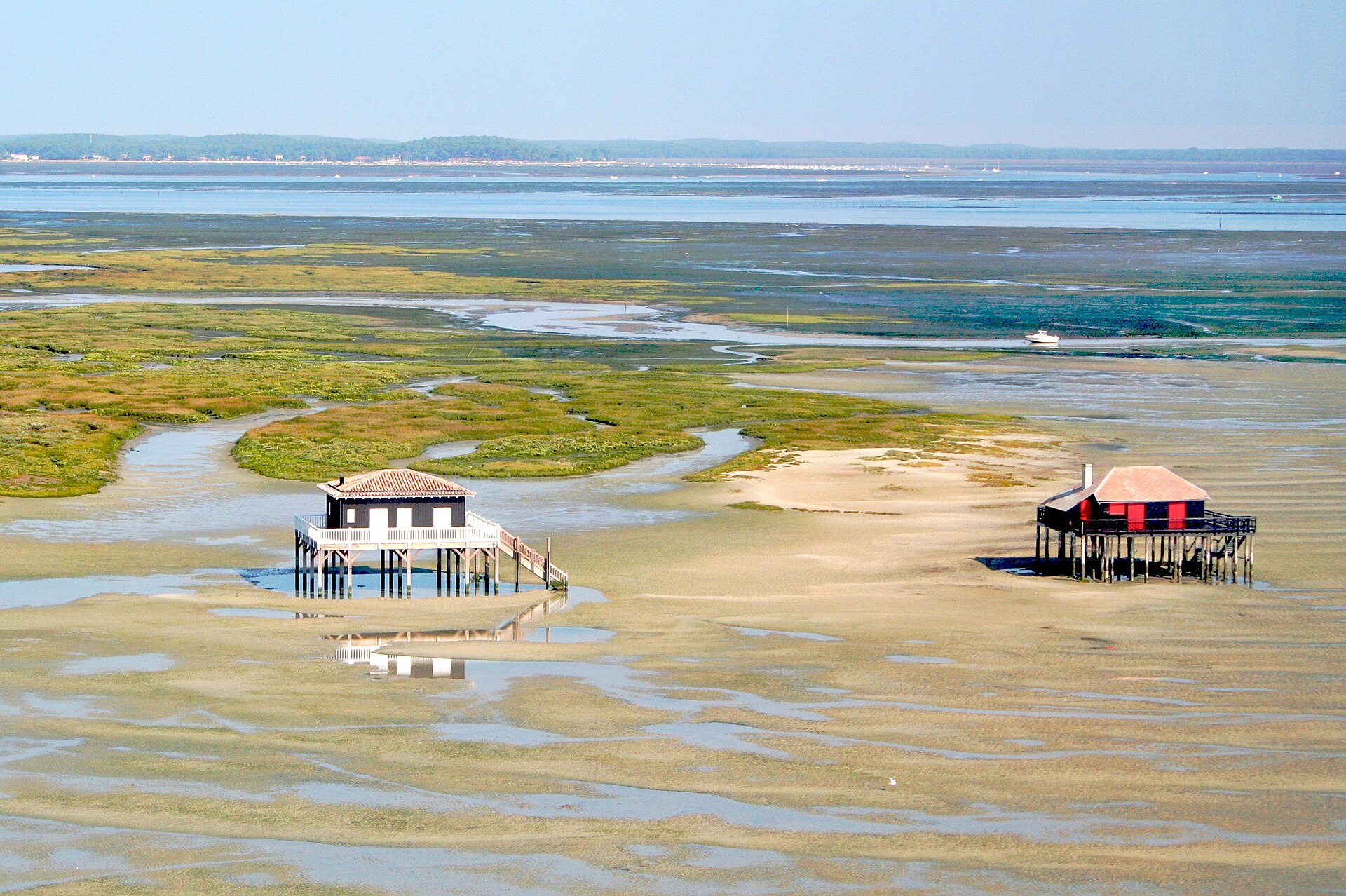
Natura 2000 · wintering, passage, breeding

Natura 2000 · wintering, passage, breeding
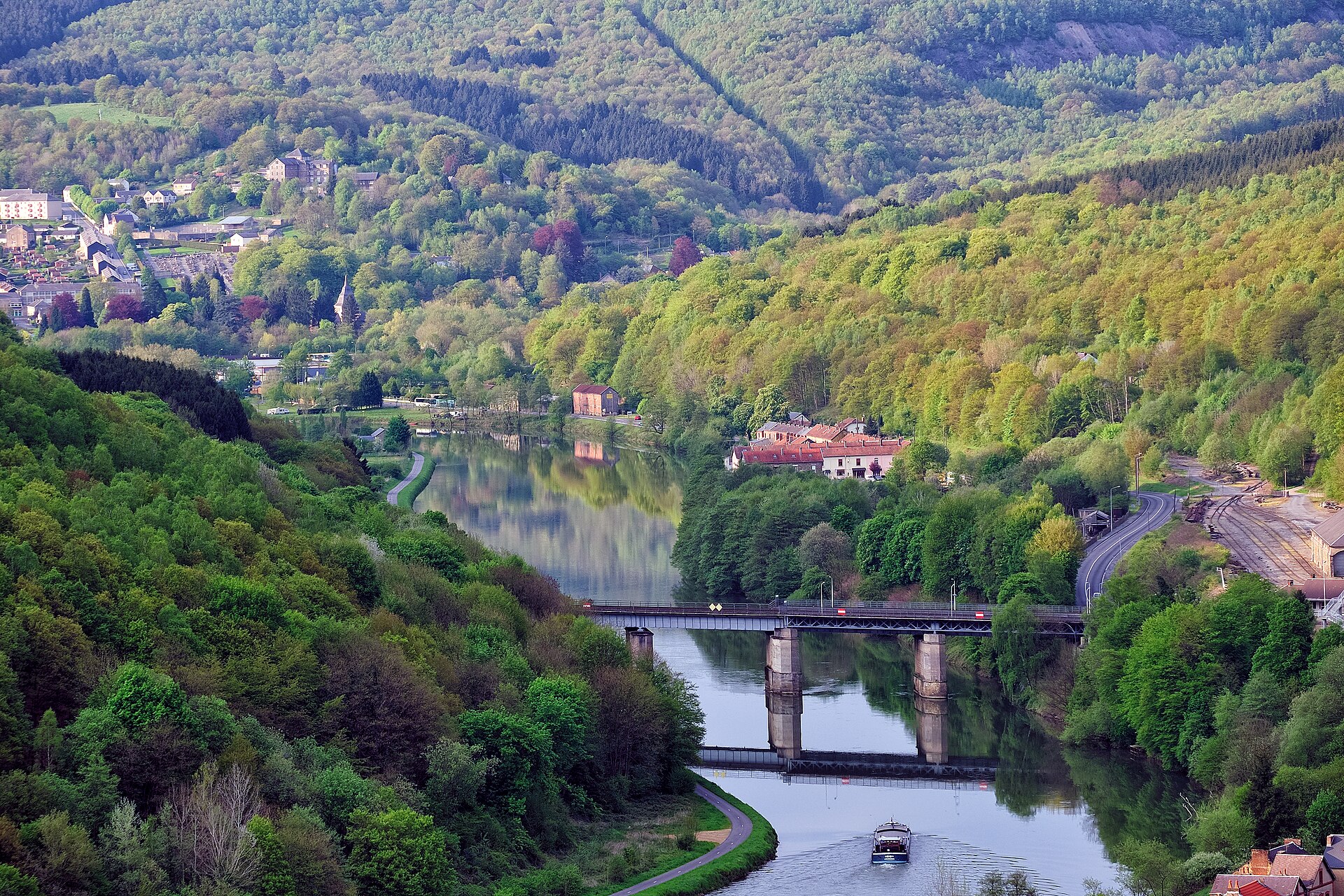
Natura 2000 · breeding
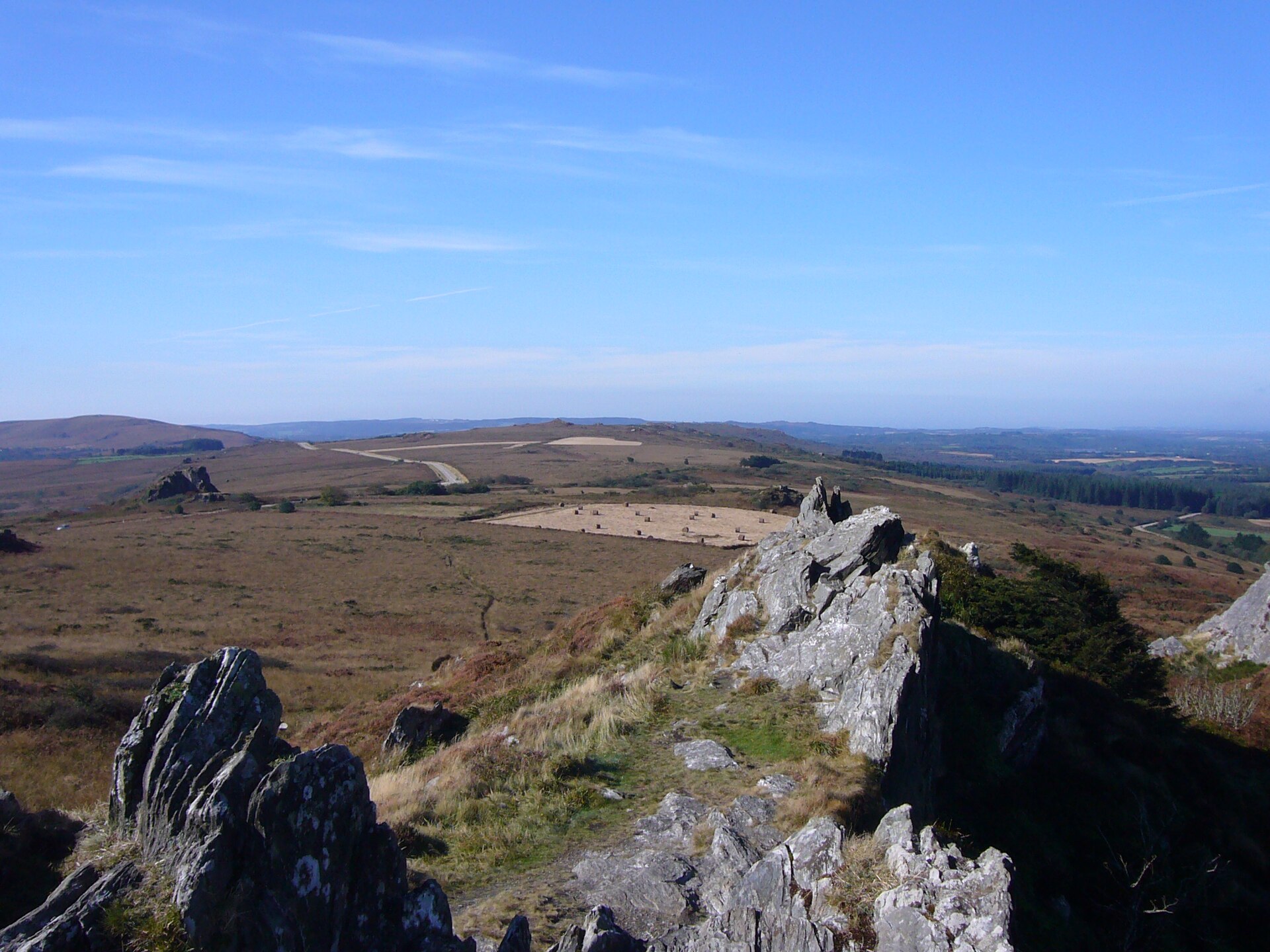
Natura 2000 · wintering

Natura 2000 · resident
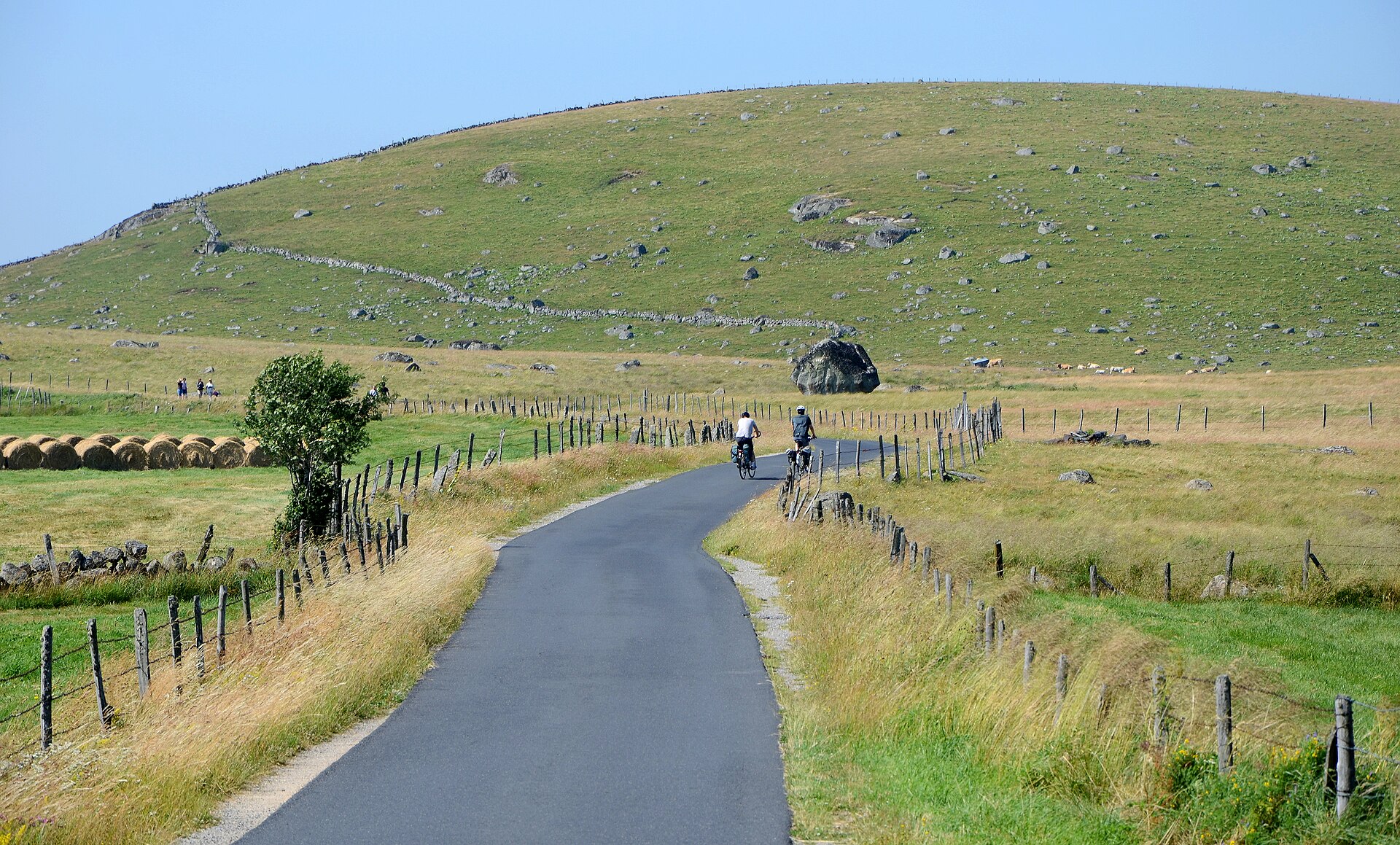
Natura 2000 · breeding, passage, wintering
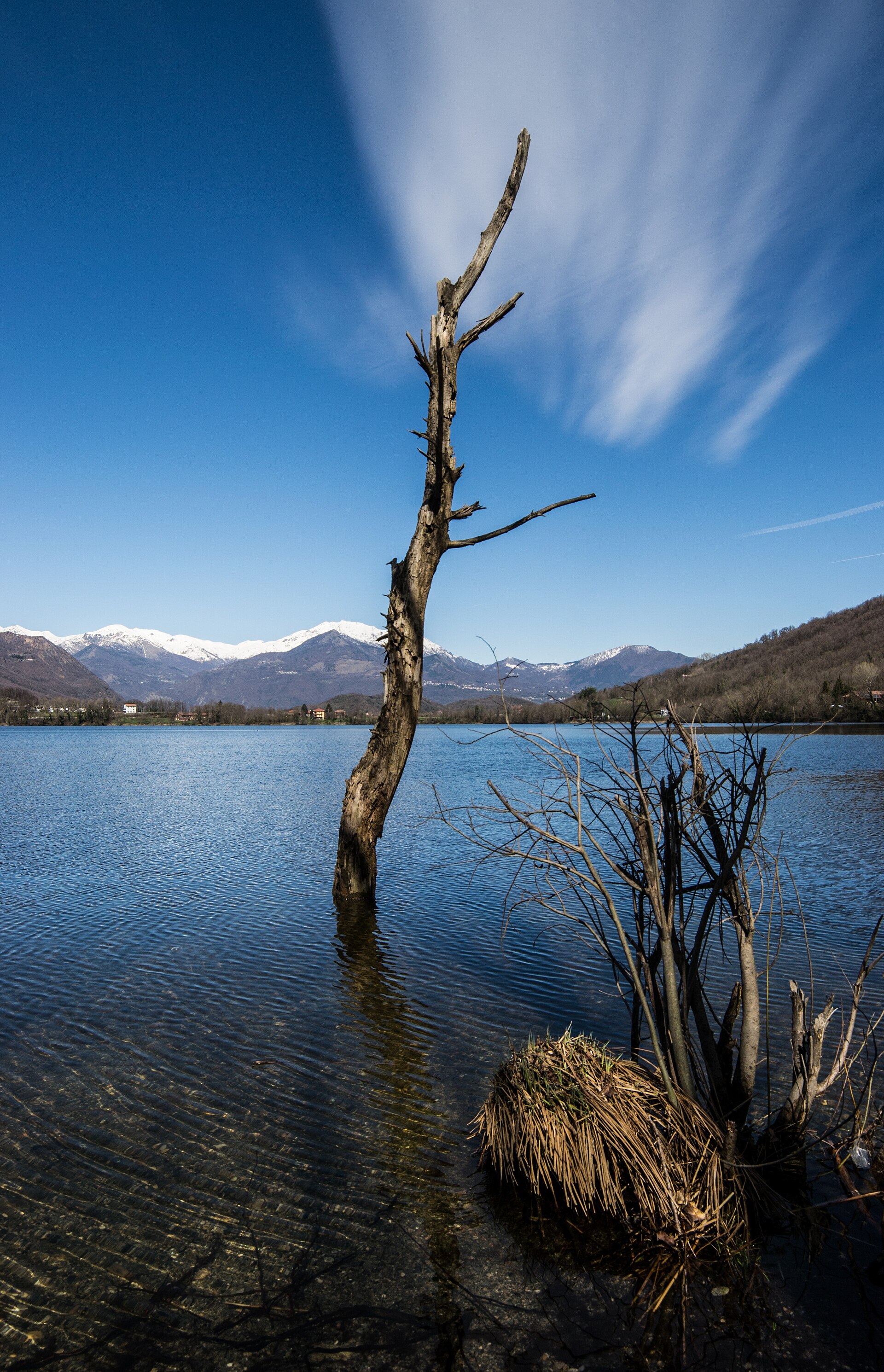
Natura 2000 · breeding, resident

Natura 2000 · breeding, wintering
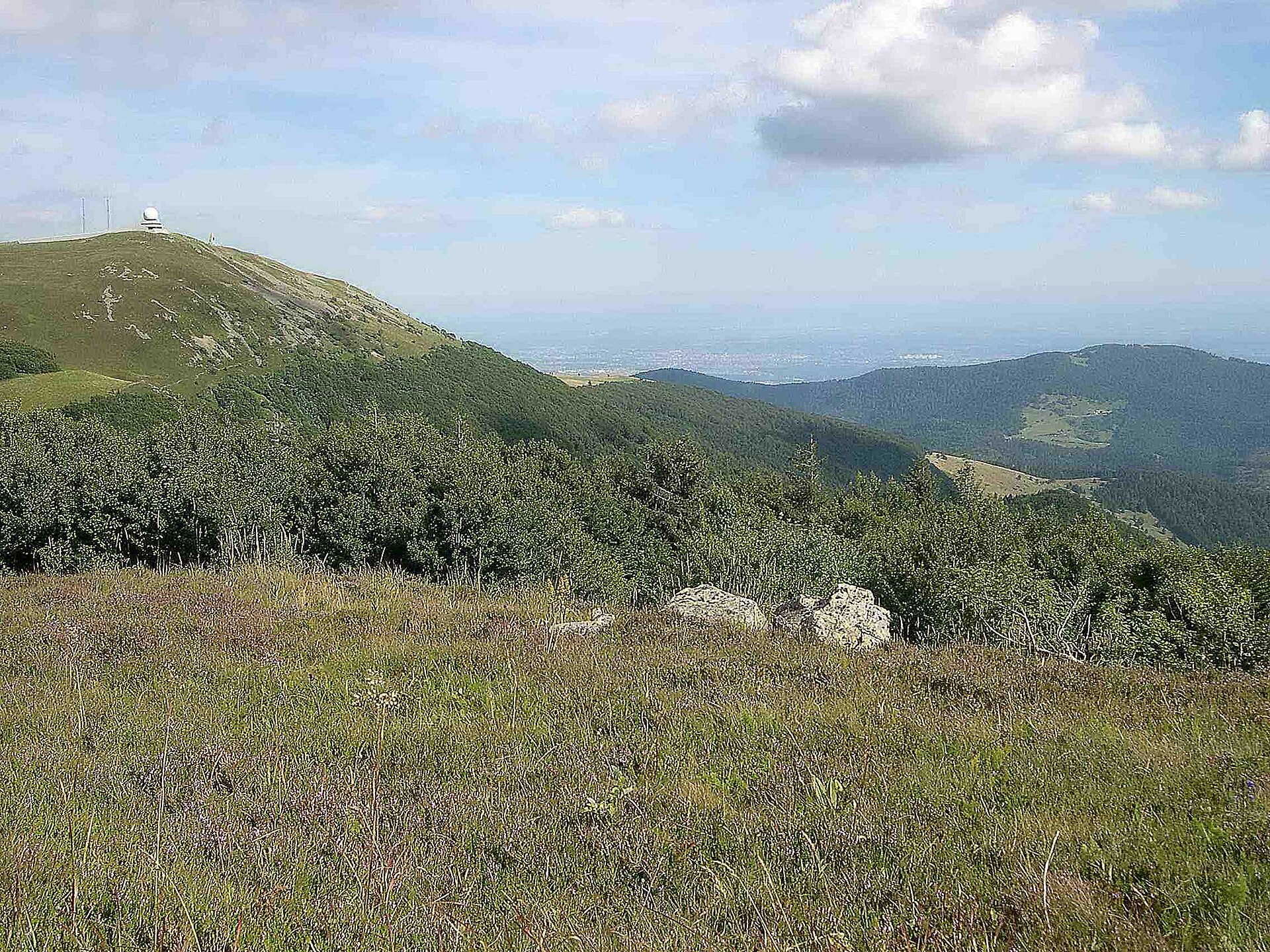
Natura 2000 · resident
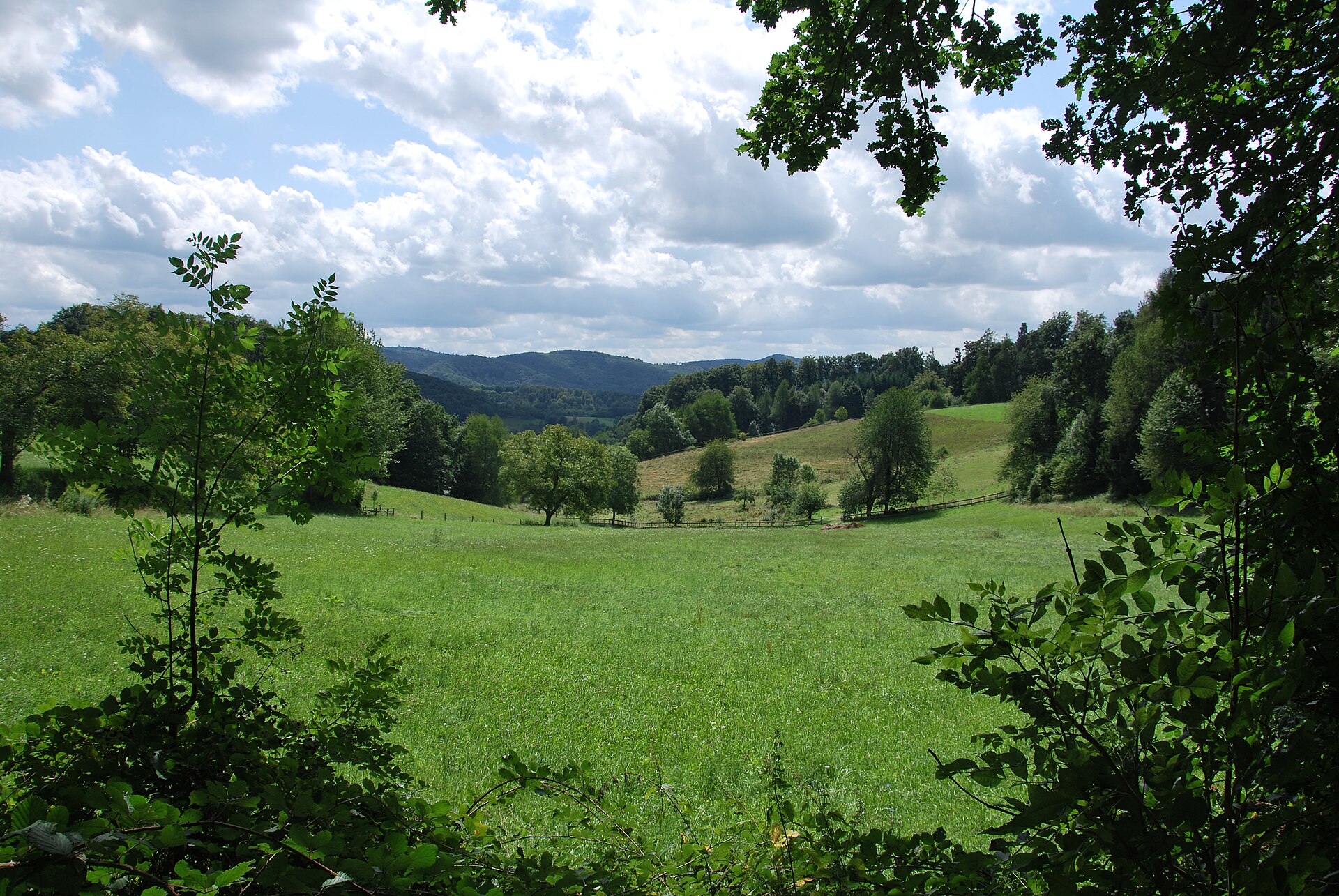
Natura 2000 · breeding, wintering

Natura 2000 · breeding

Natura 2000 · breeding
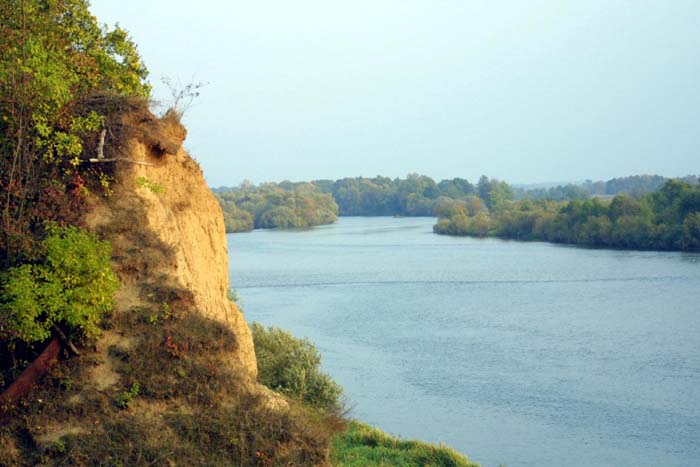
Natura 2000 · breeding
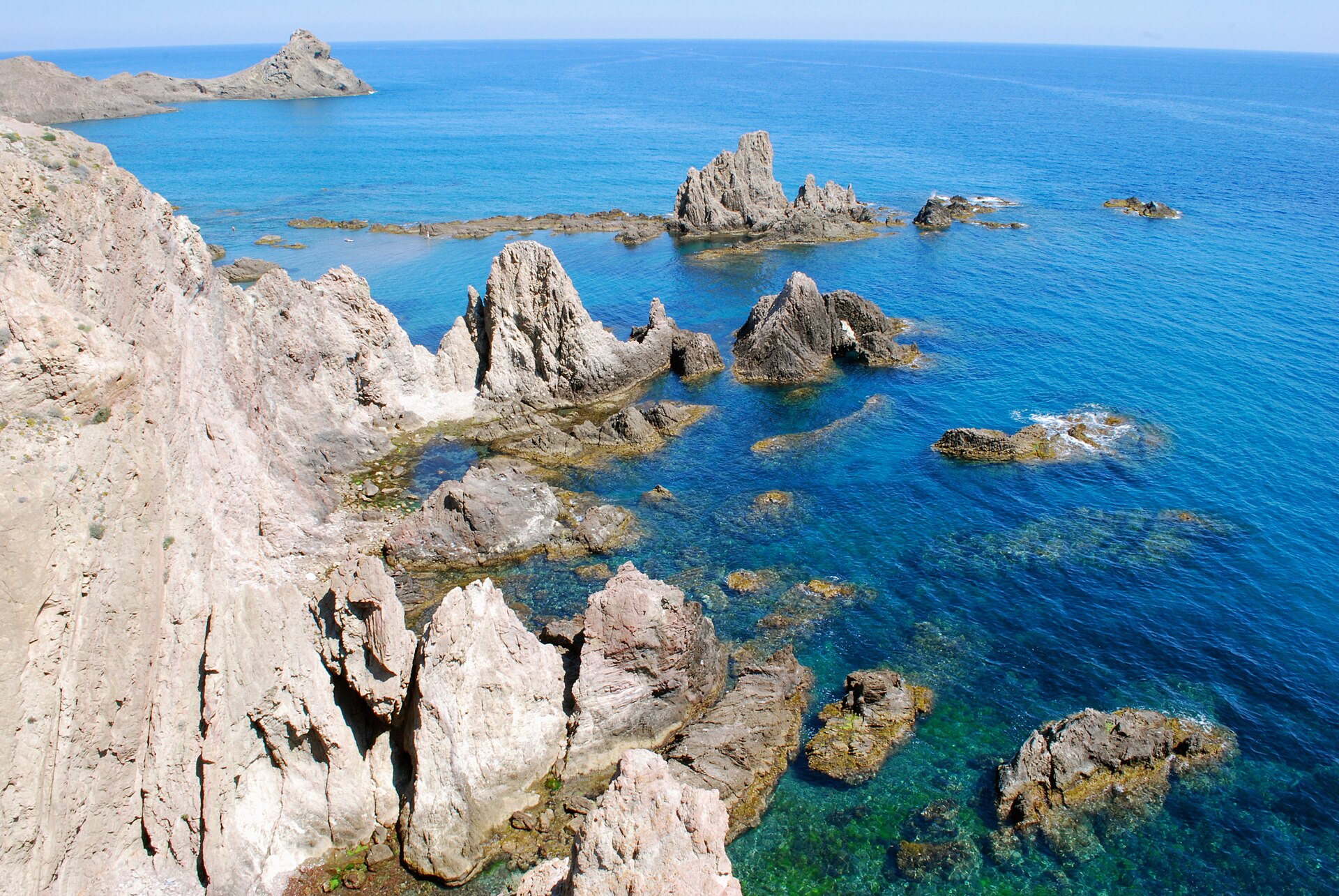
Natura 2000 · breeding, wintering
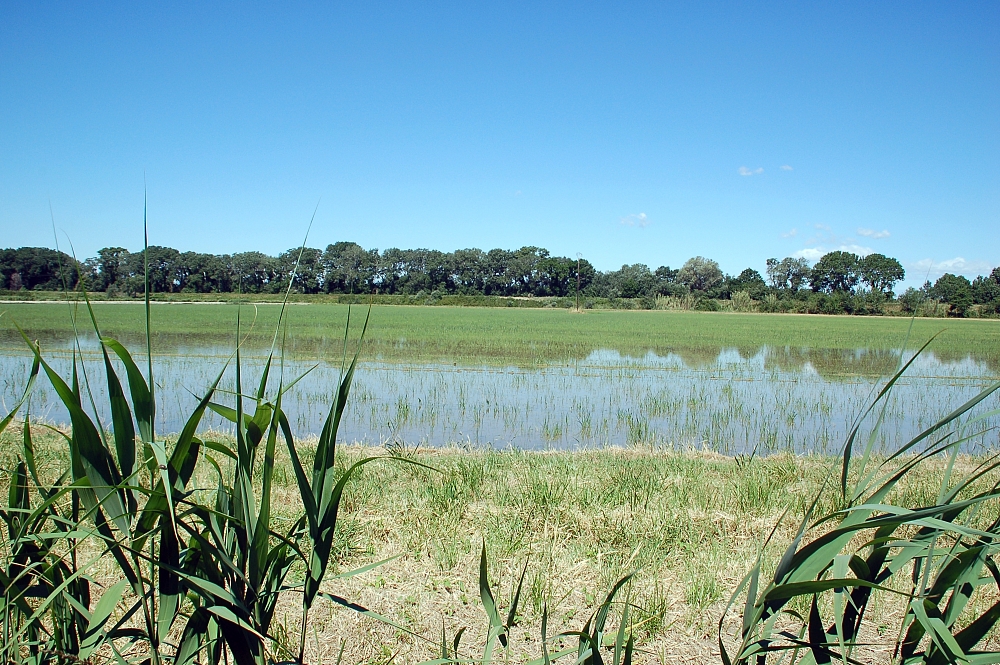
Natura 2000 · resident
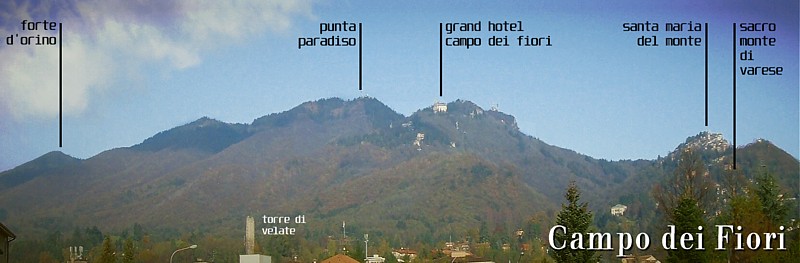
Natura 2000 · resident

Natura 2000 · resident

Natura 2000 · breeding
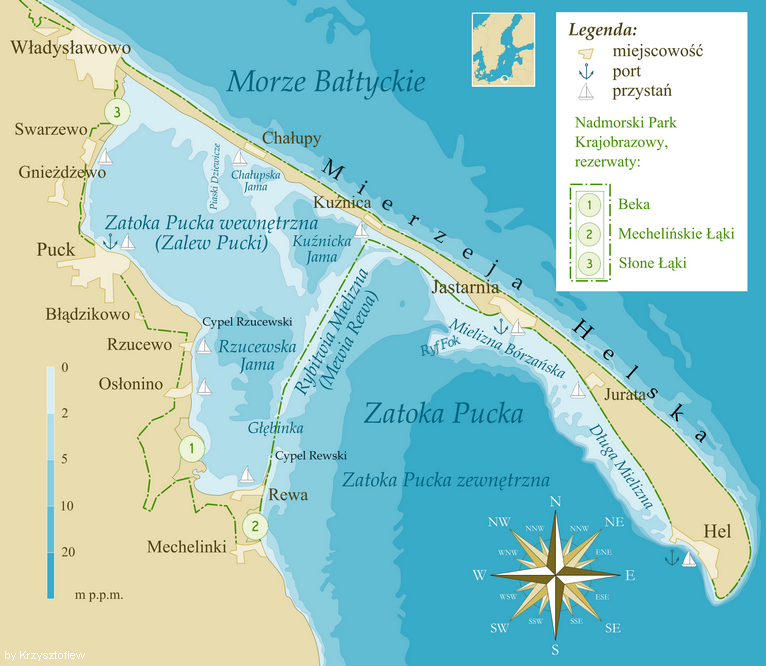
Natura 2000 · wintering, passage, breeding
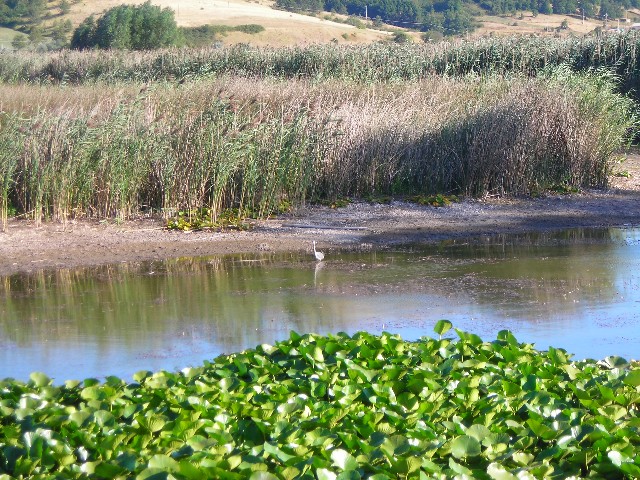
Natura 2000 · resident

Natura 2000 · resident

Natura 2000 · wintering
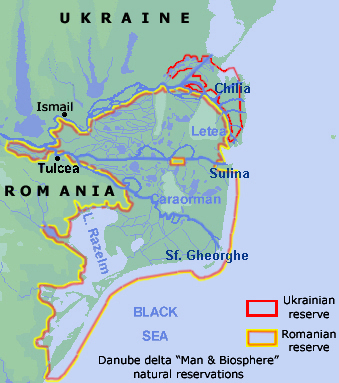
Natura 2000 · resident
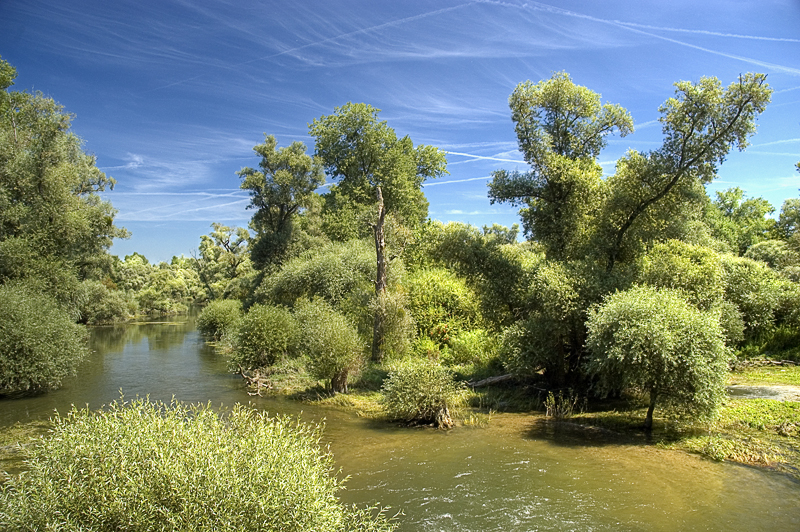
Natura 2000 · wintering
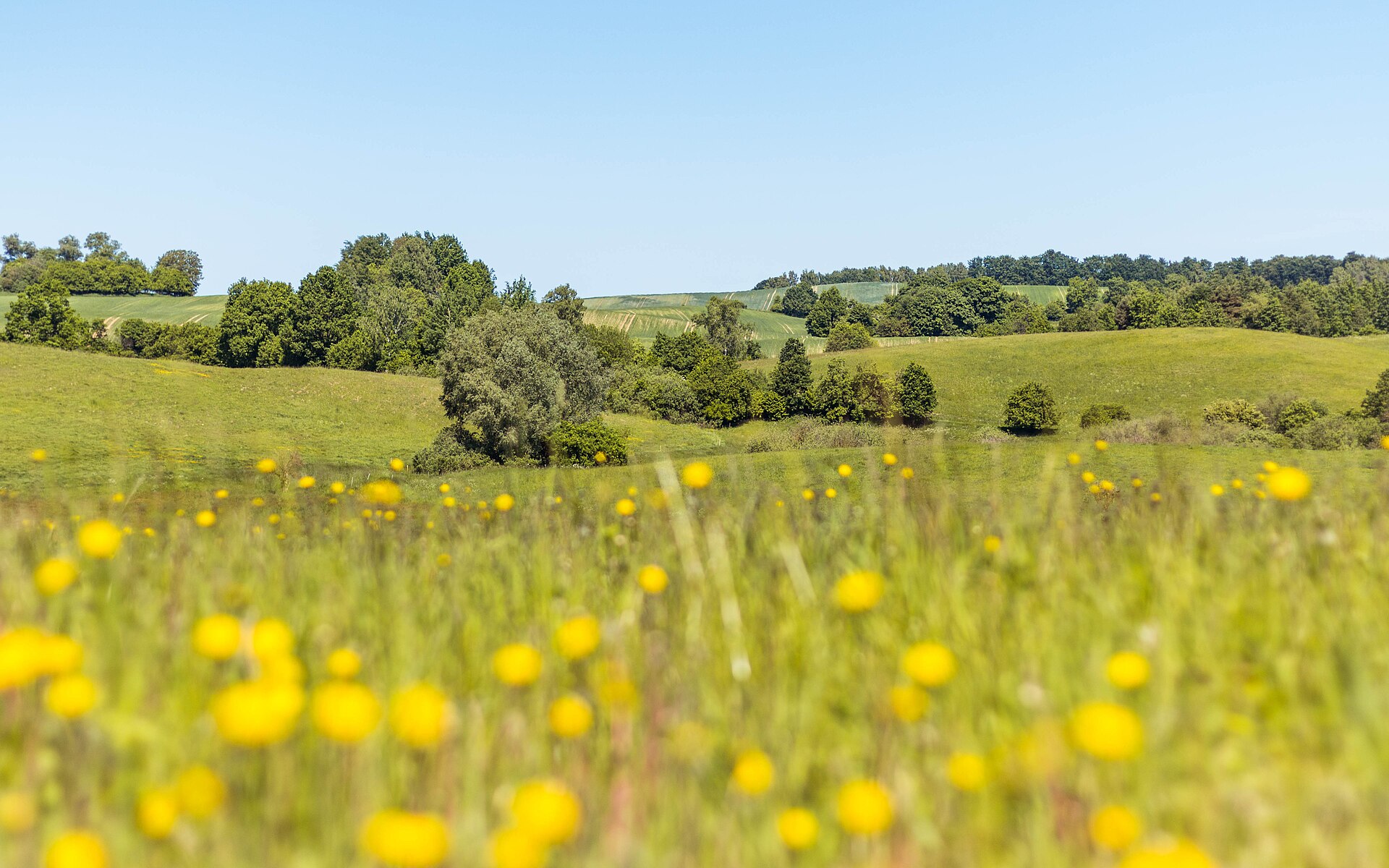
Natura 2000 · breeding
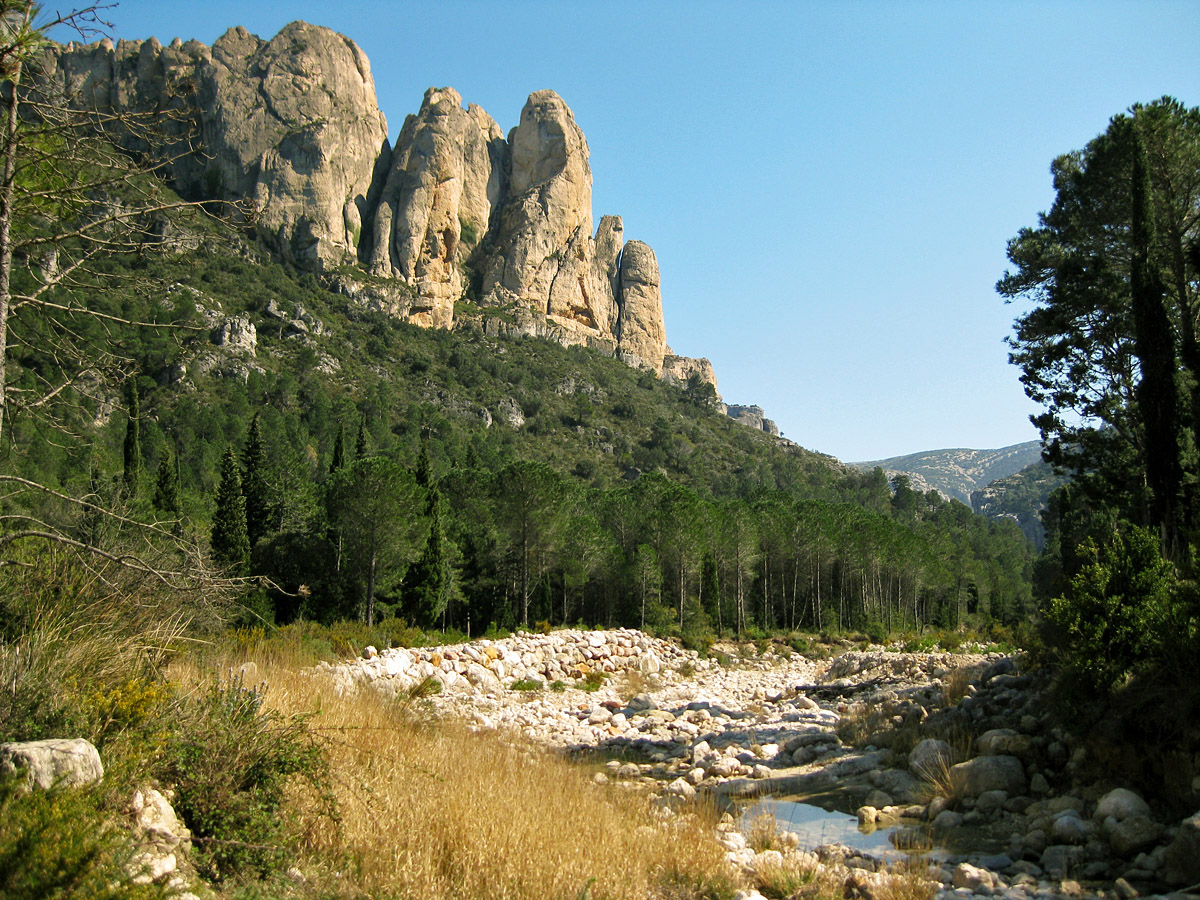
Natura 2000 · resident
Natura 2000 · breeding

Natura 2000 · breeding
Natura 2000 · resident
Natura 2000 · passage
Natura 2000 · resident
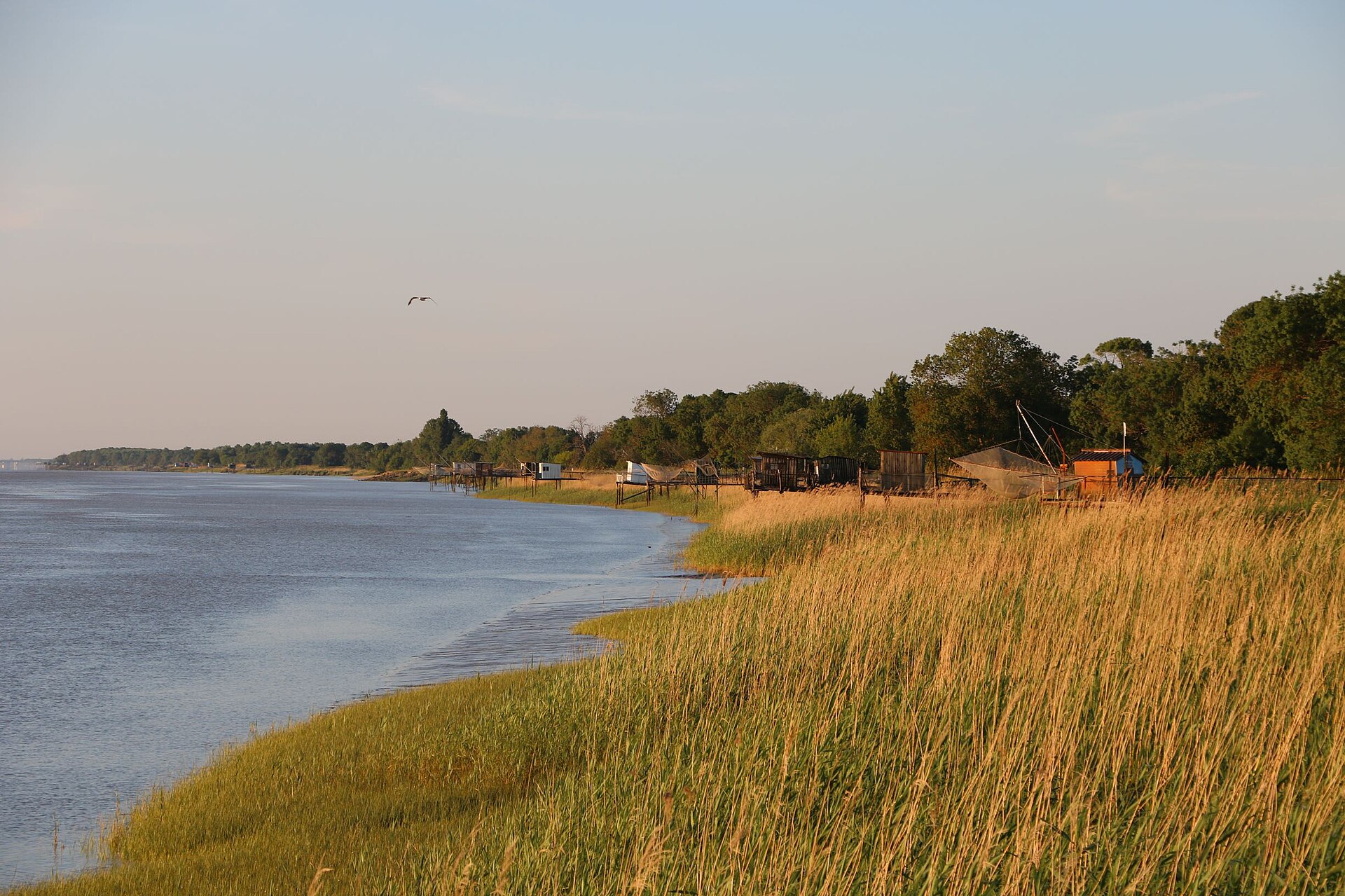
Natura 2000 · breeding, wintering

Natura 2000 · wintering, resident
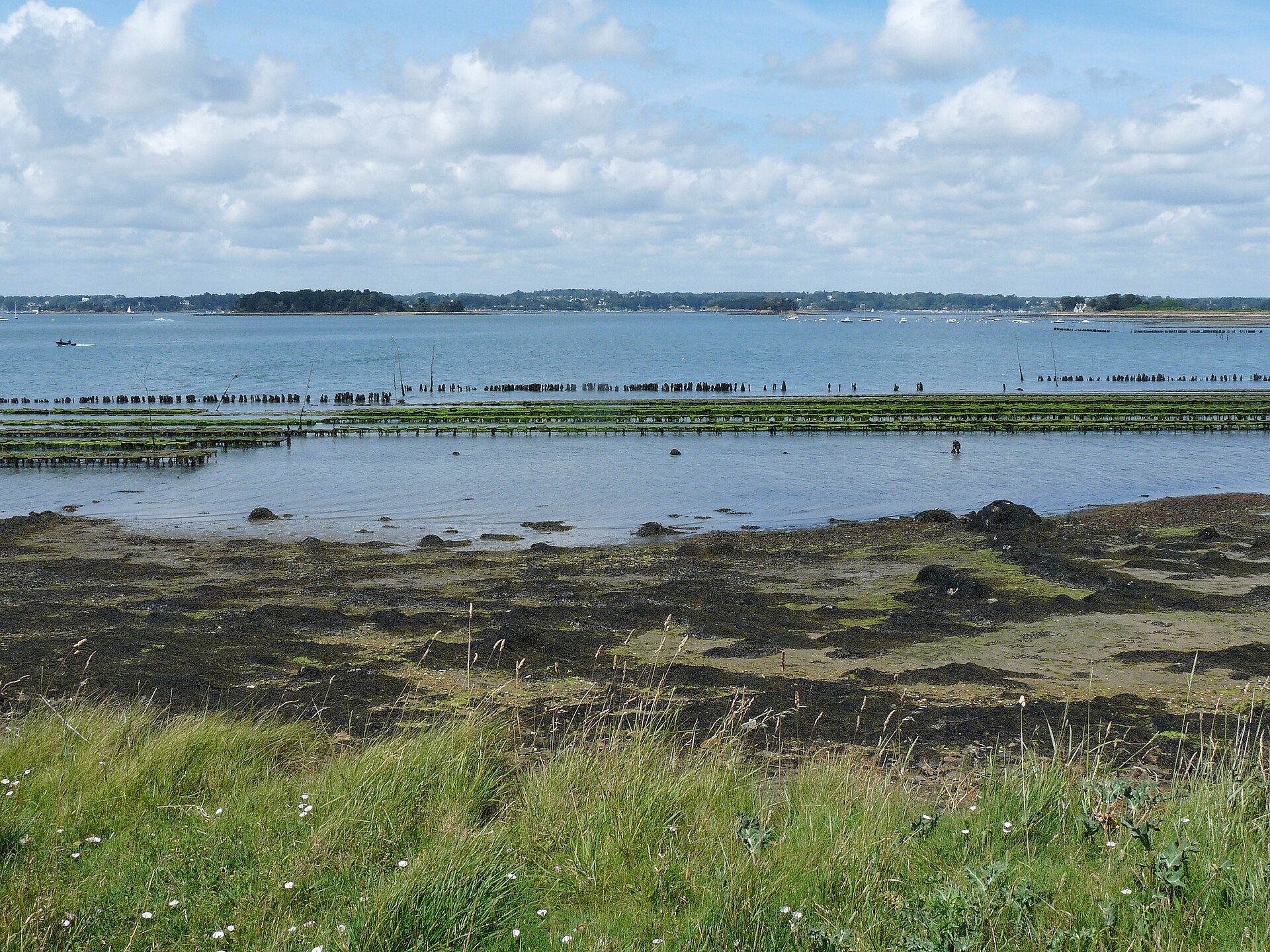
Natura 2000 · wintering

Natura 2000 · breeding

Natura 2000 · breeding
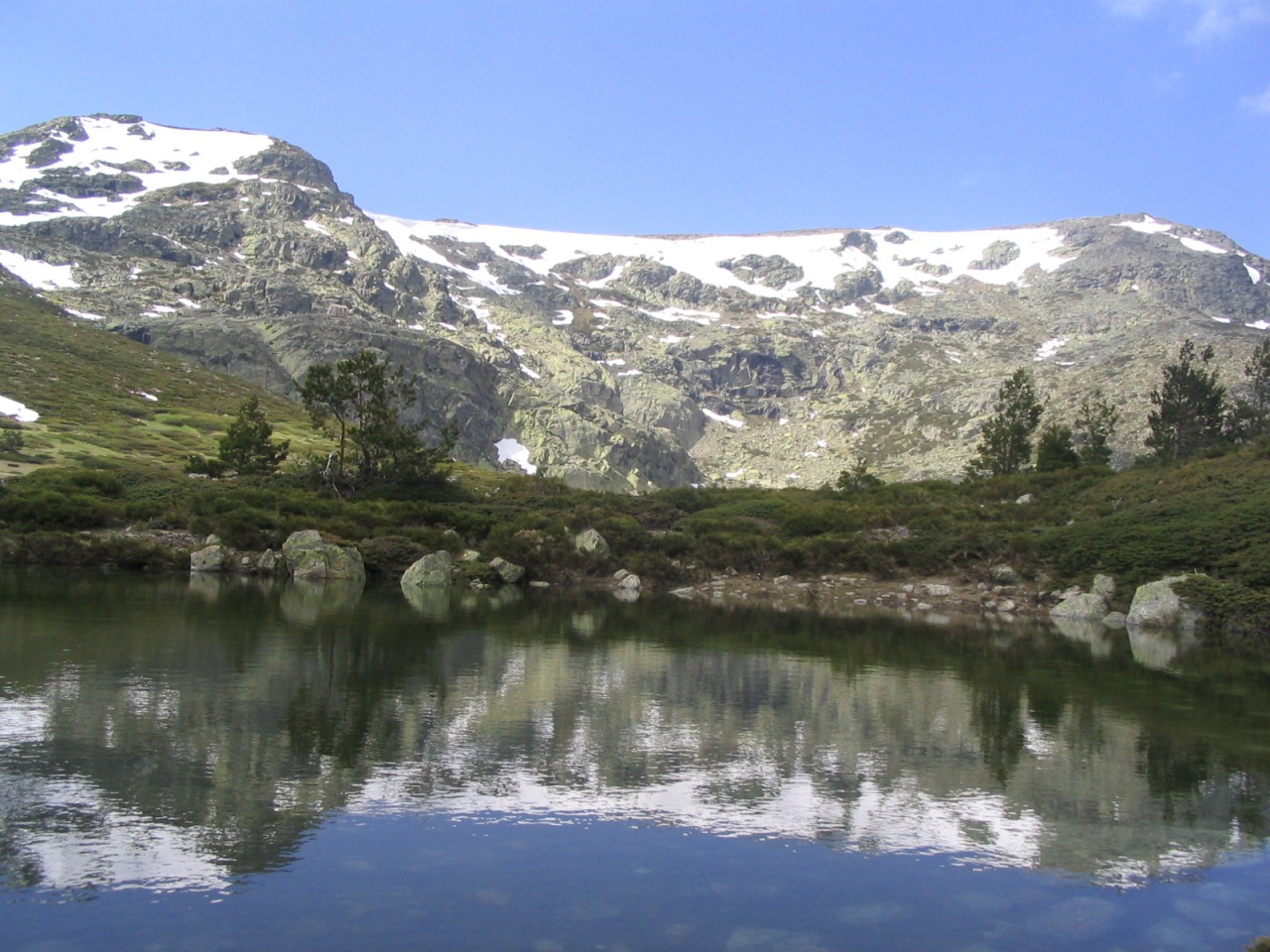
Natura 2000 · resident

Natura 2000 · breeding
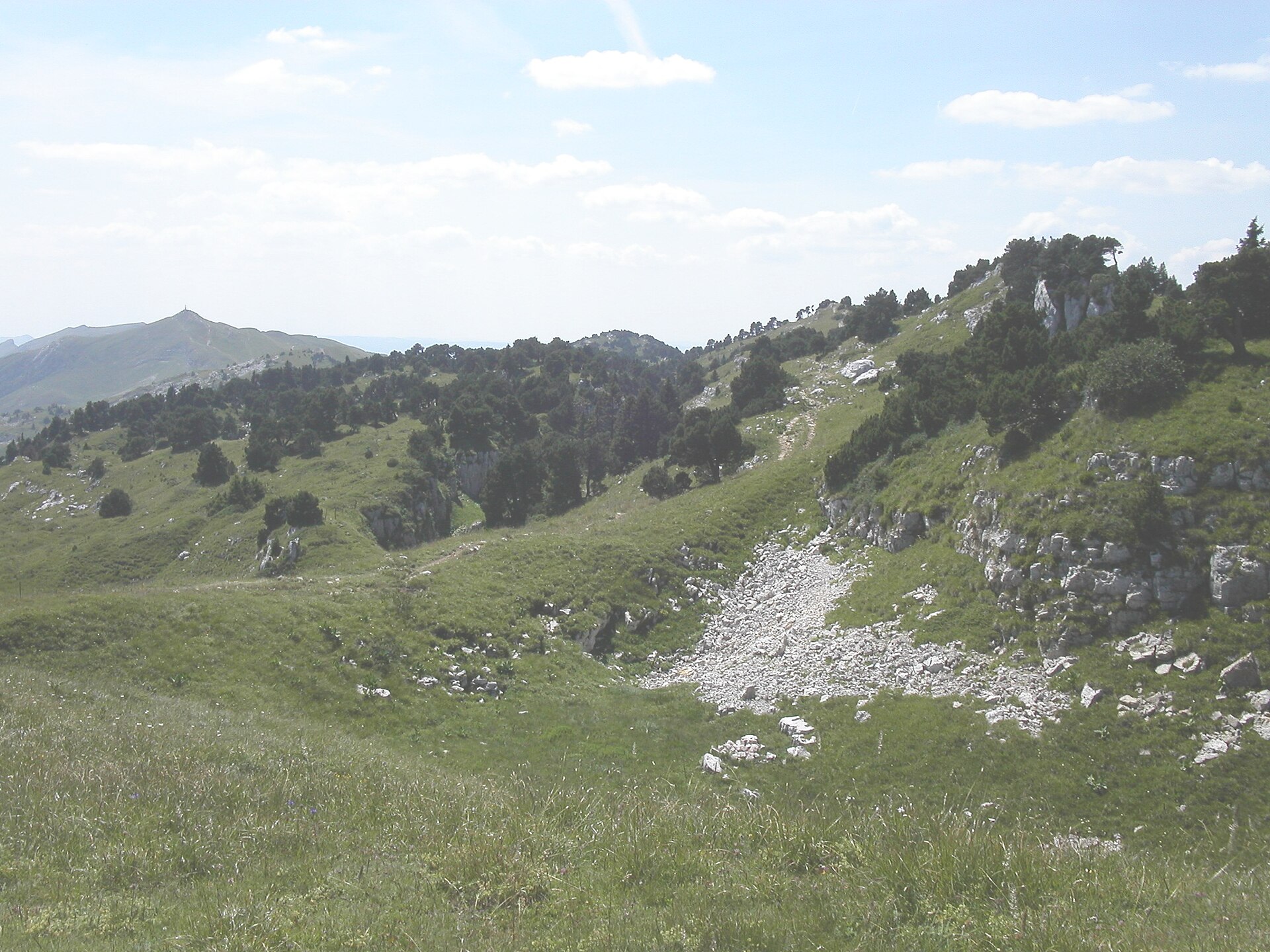
Natura 2000 · breeding
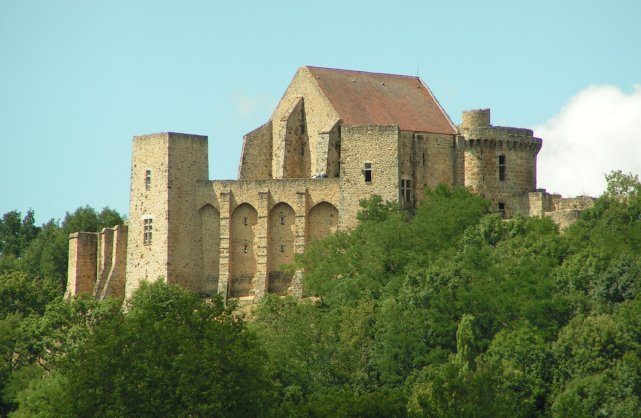
Natura 2000 · breeding
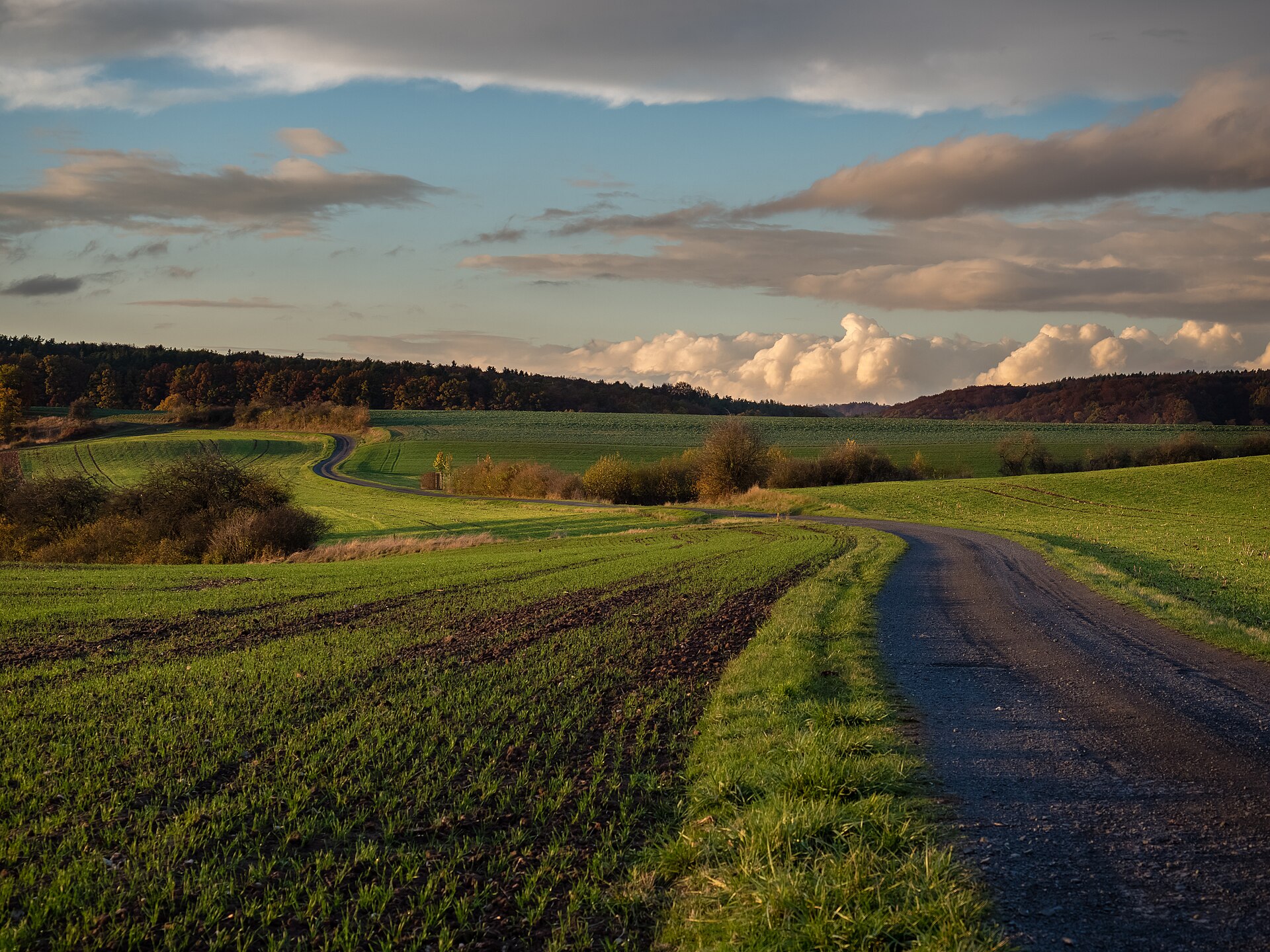
Natura 2000 · passage

Natura 2000 · resident
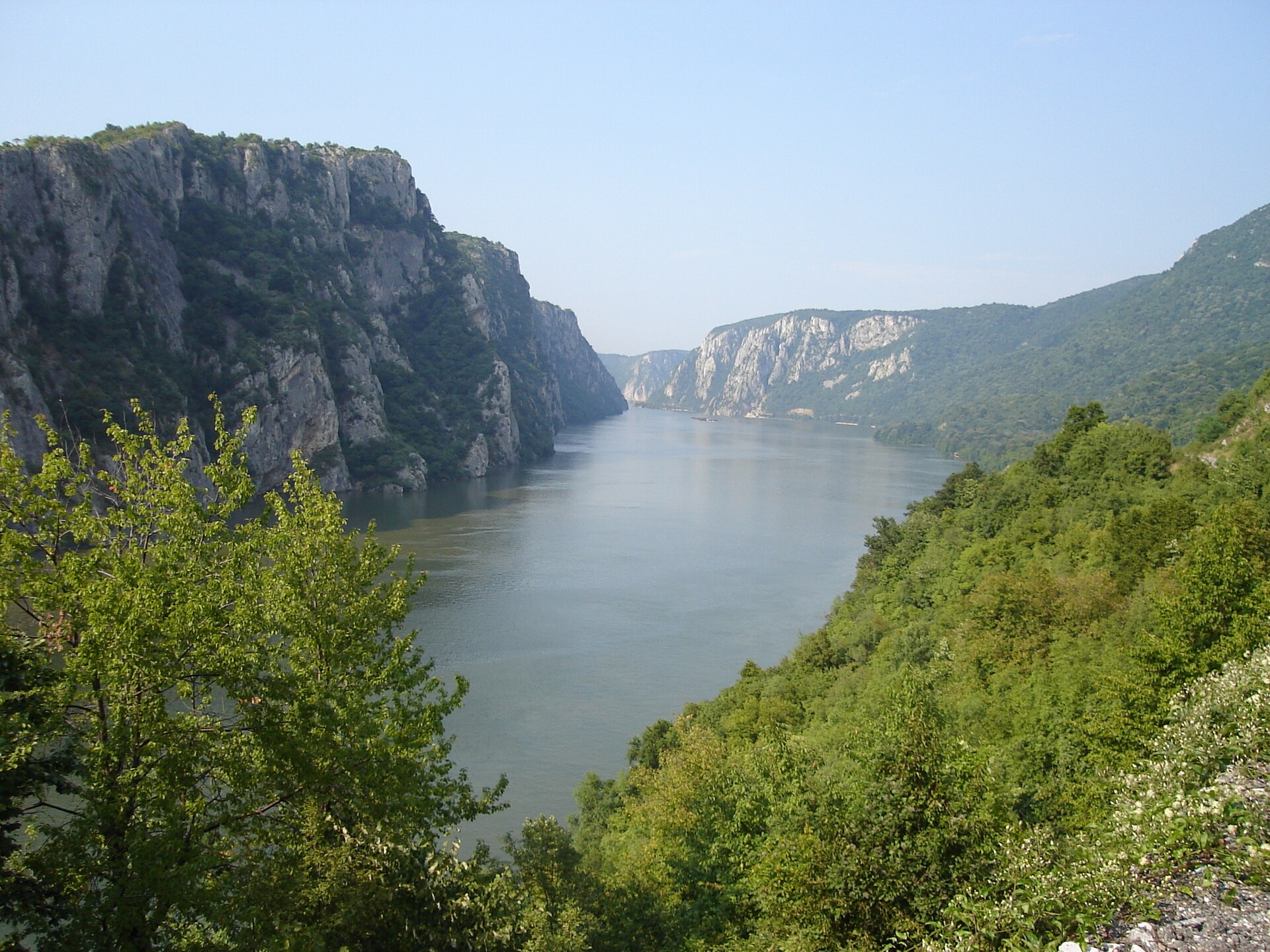
Natura 2000 · passage, breeding, wintering
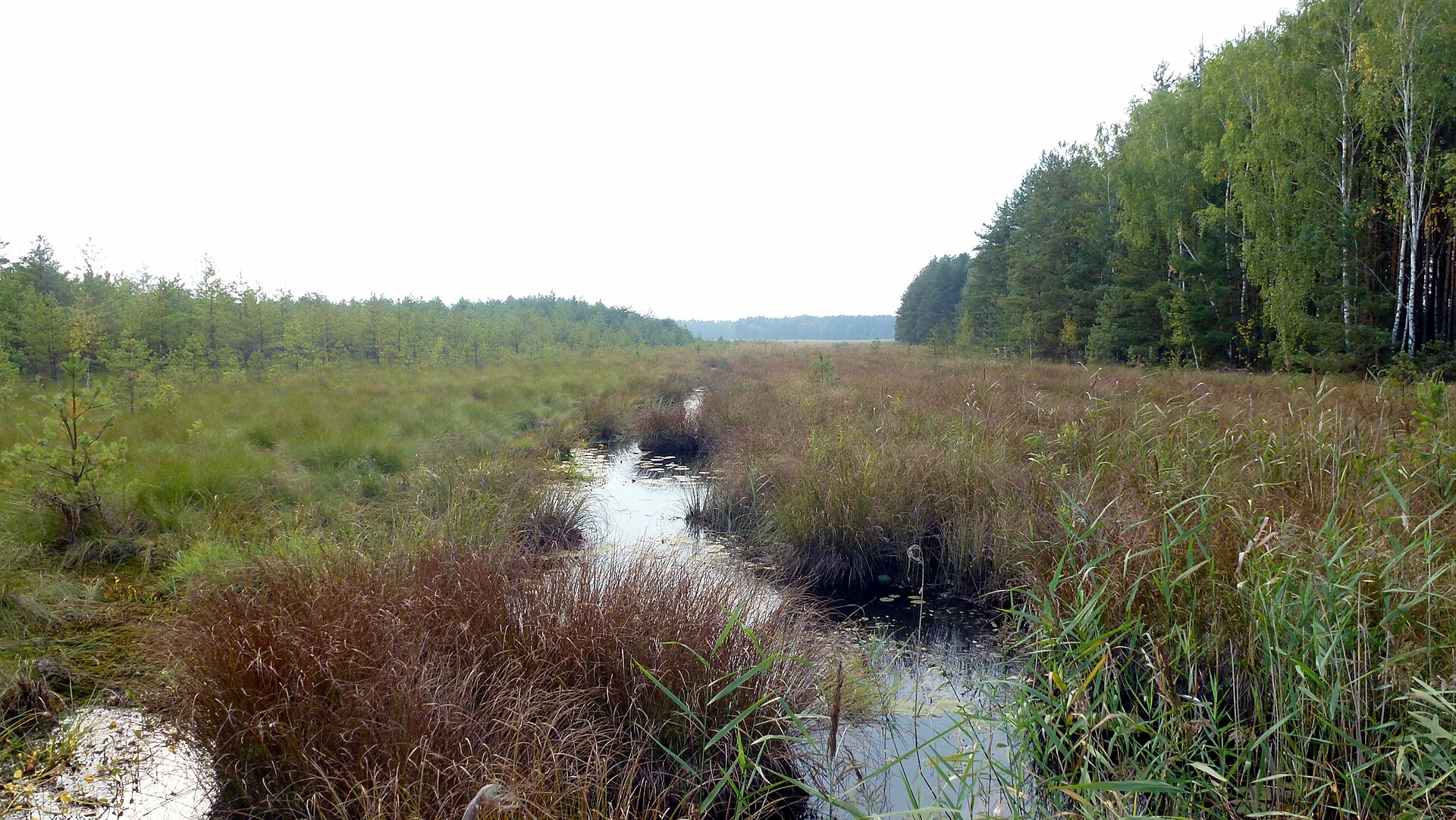
Natura 2000 · breeding
Natura 2000 · breeding
Natura 2000 · breeding
Natura 2000 · passage, wintering, breeding
Natura 2000 · passage, breeding, wintering
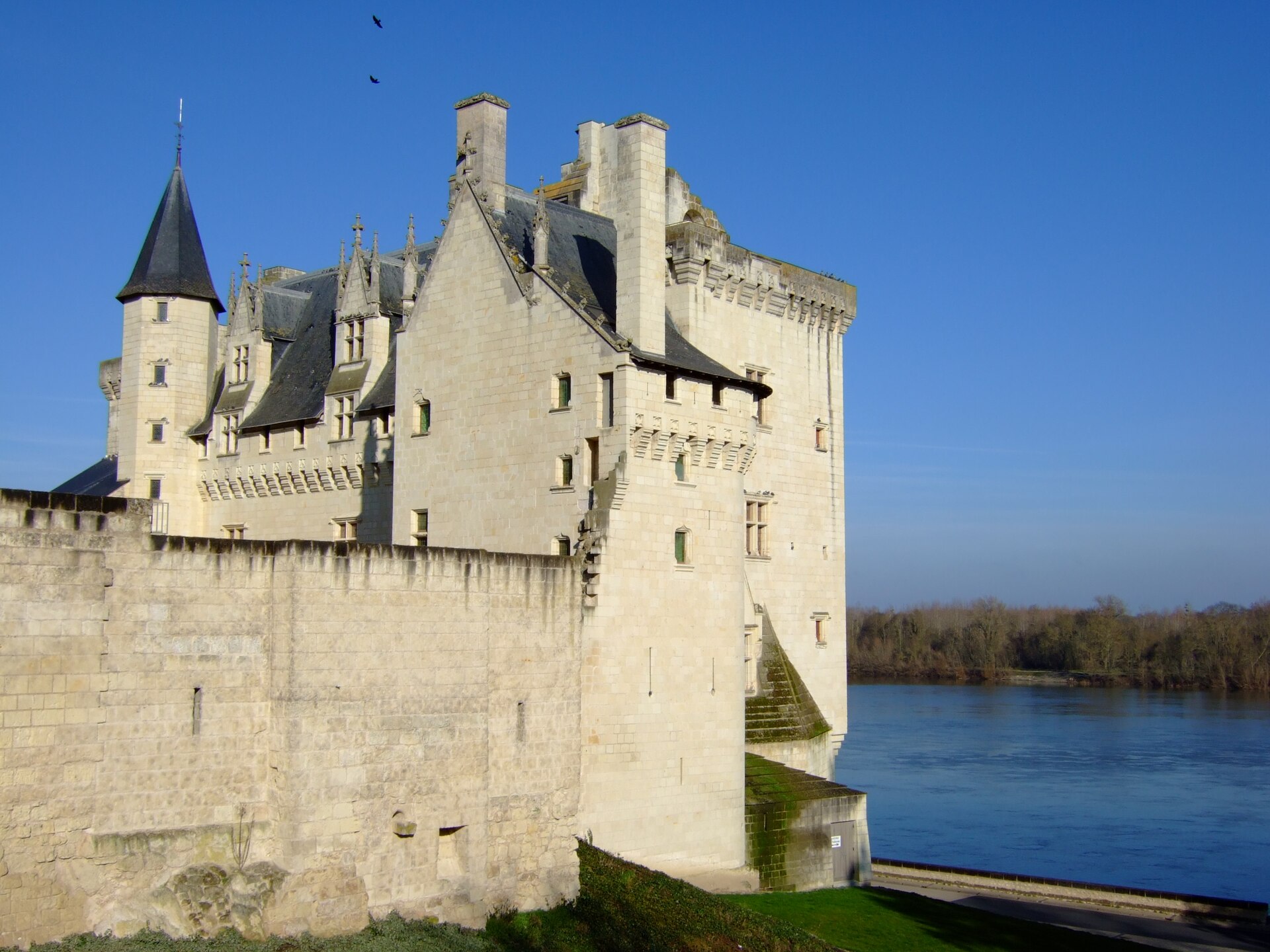
Natura 2000 · breeding, wintering
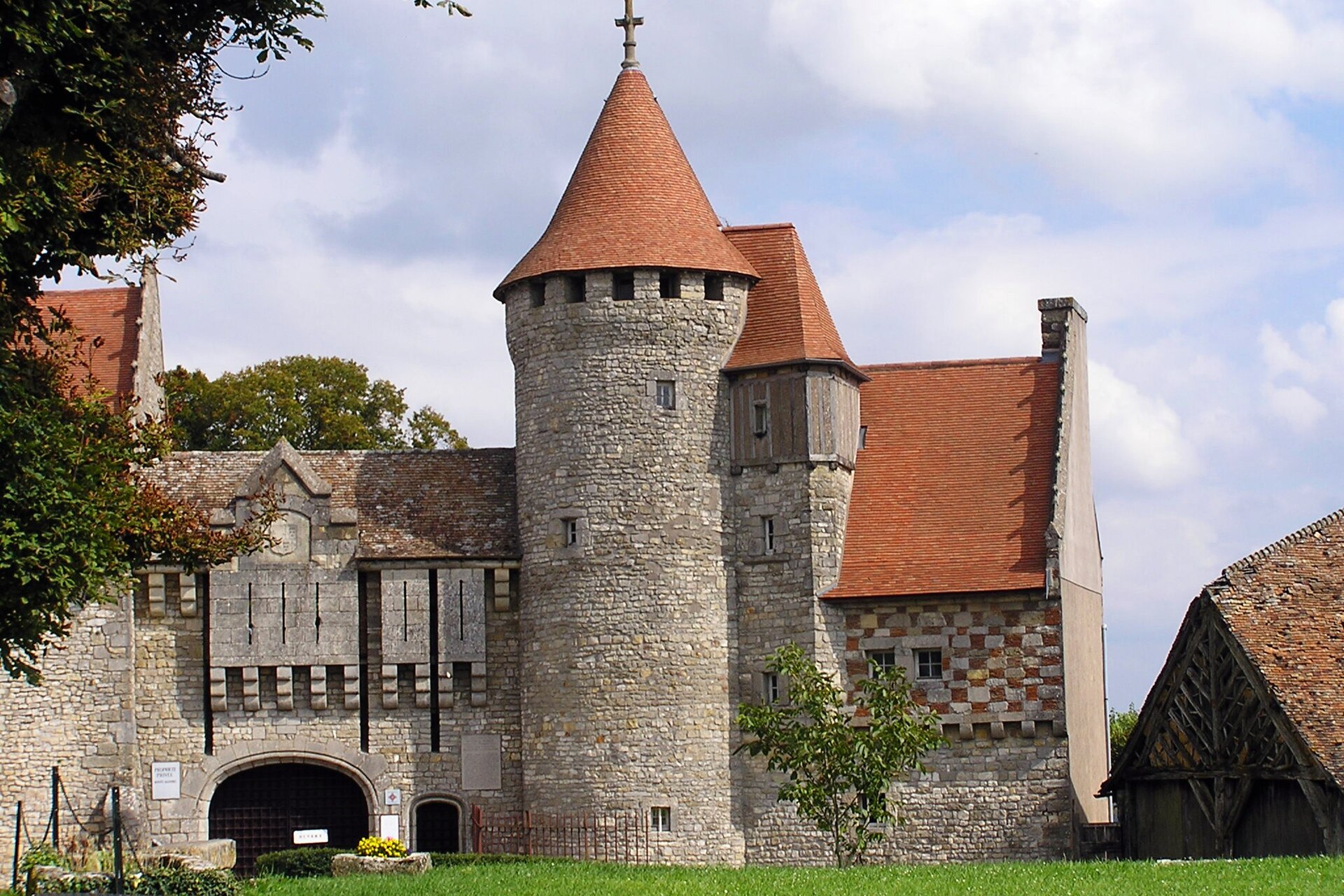
Natura 2000 · resident, breeding
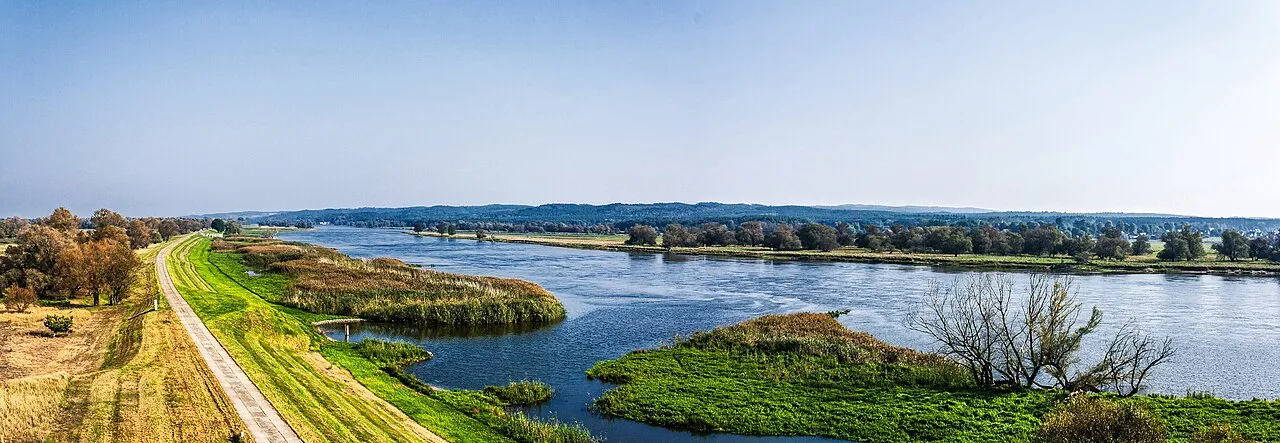
Natura 2000 · breeding, passage
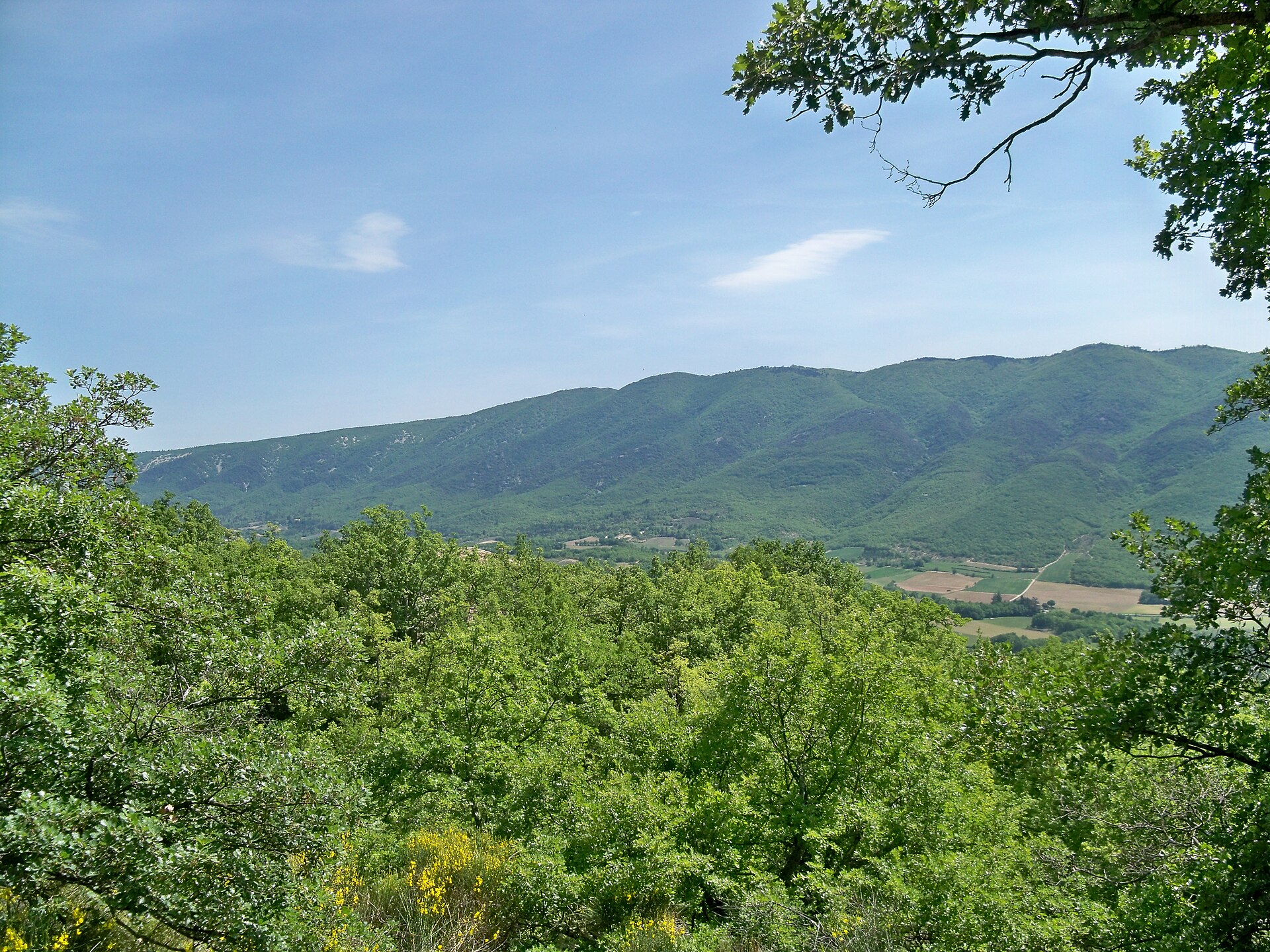
Natura 2000 · resident

Natura 2000 · breeding, wintering

Natura 2000 · wintering, breeding, passage, resident
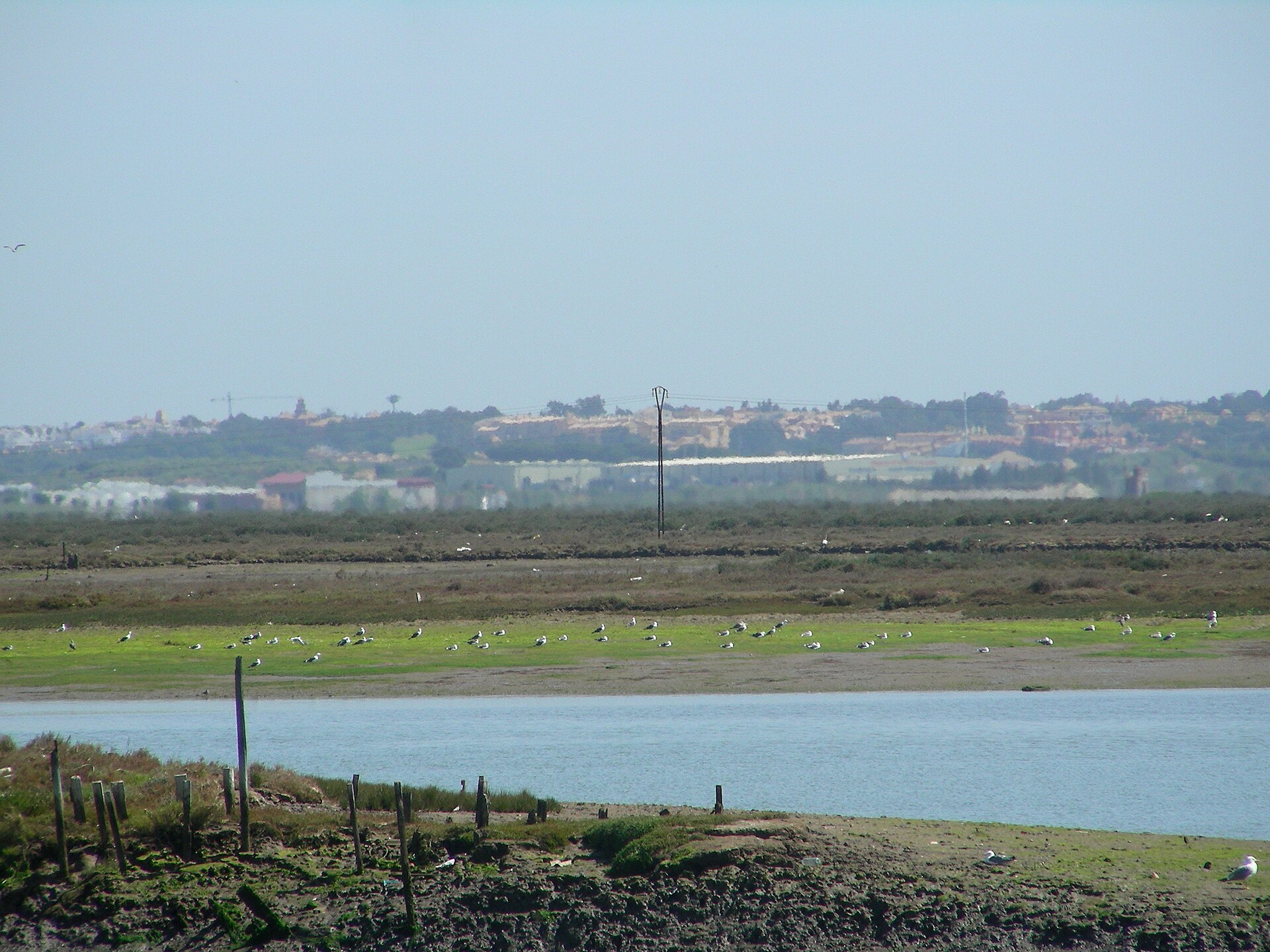
Natura 2000 · breeding, wintering
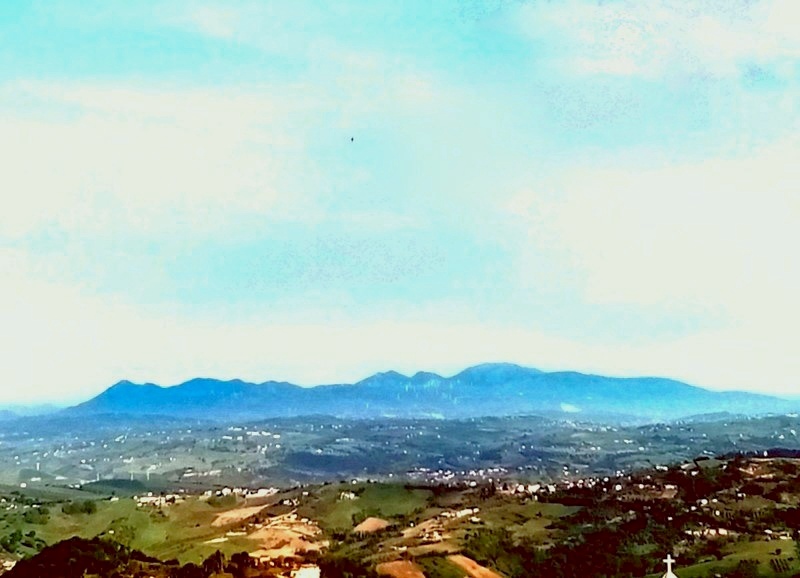
Natura 2000 · wintering, resident, passage
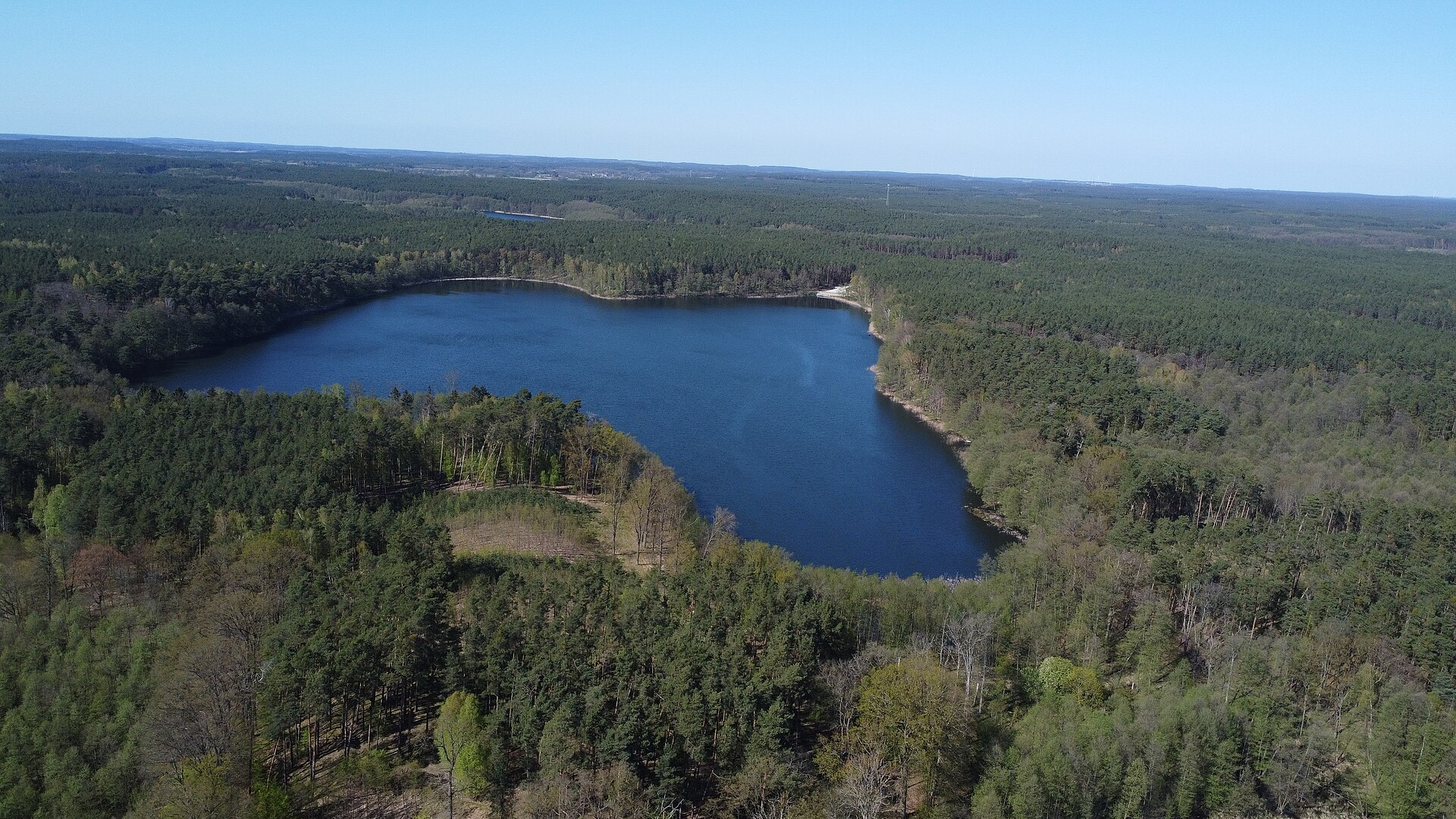
Natura 2000 · breeding, passage
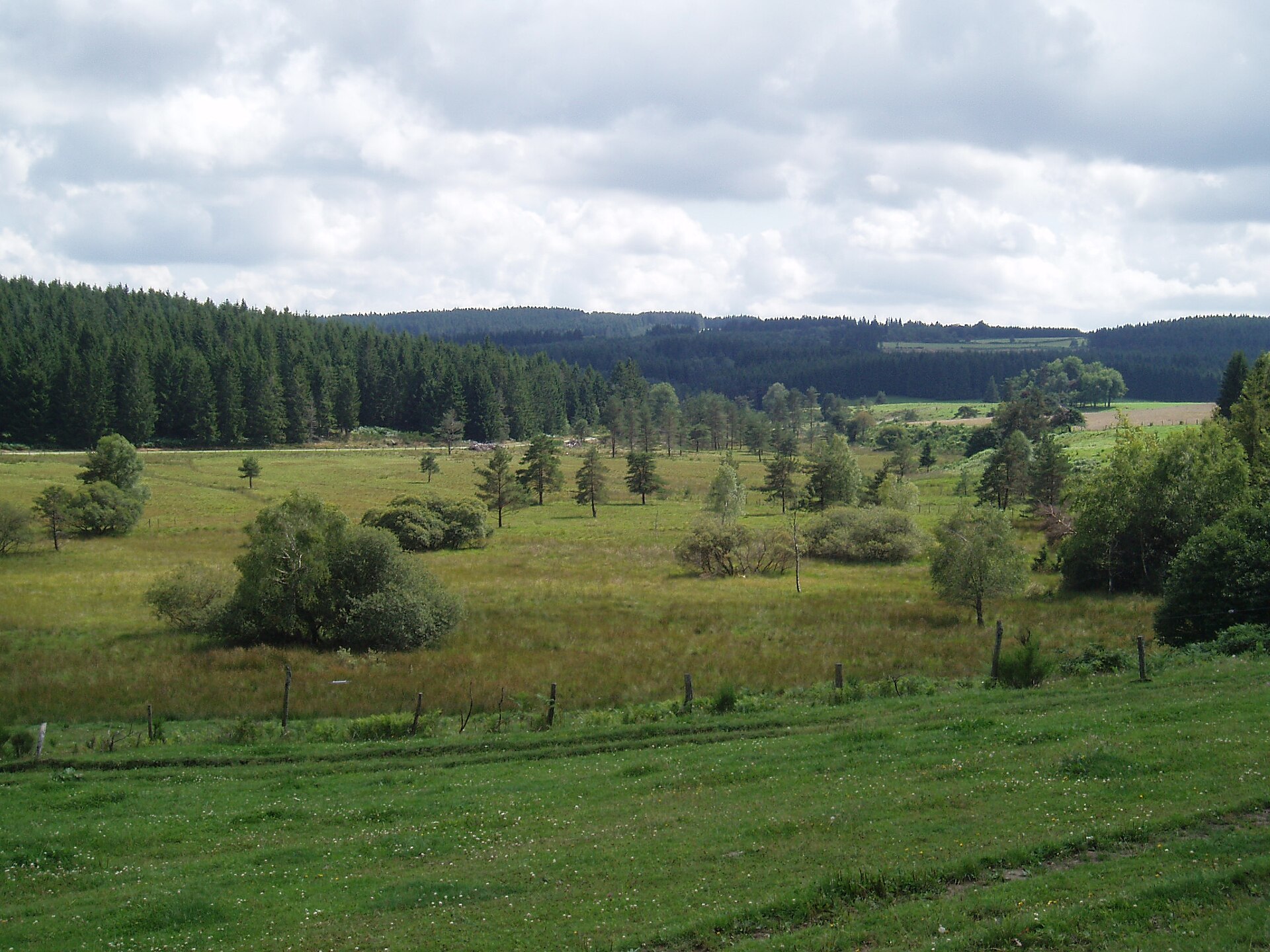
Natura 2000 · wintering, passage, breeding

Natura 2000 · breeding
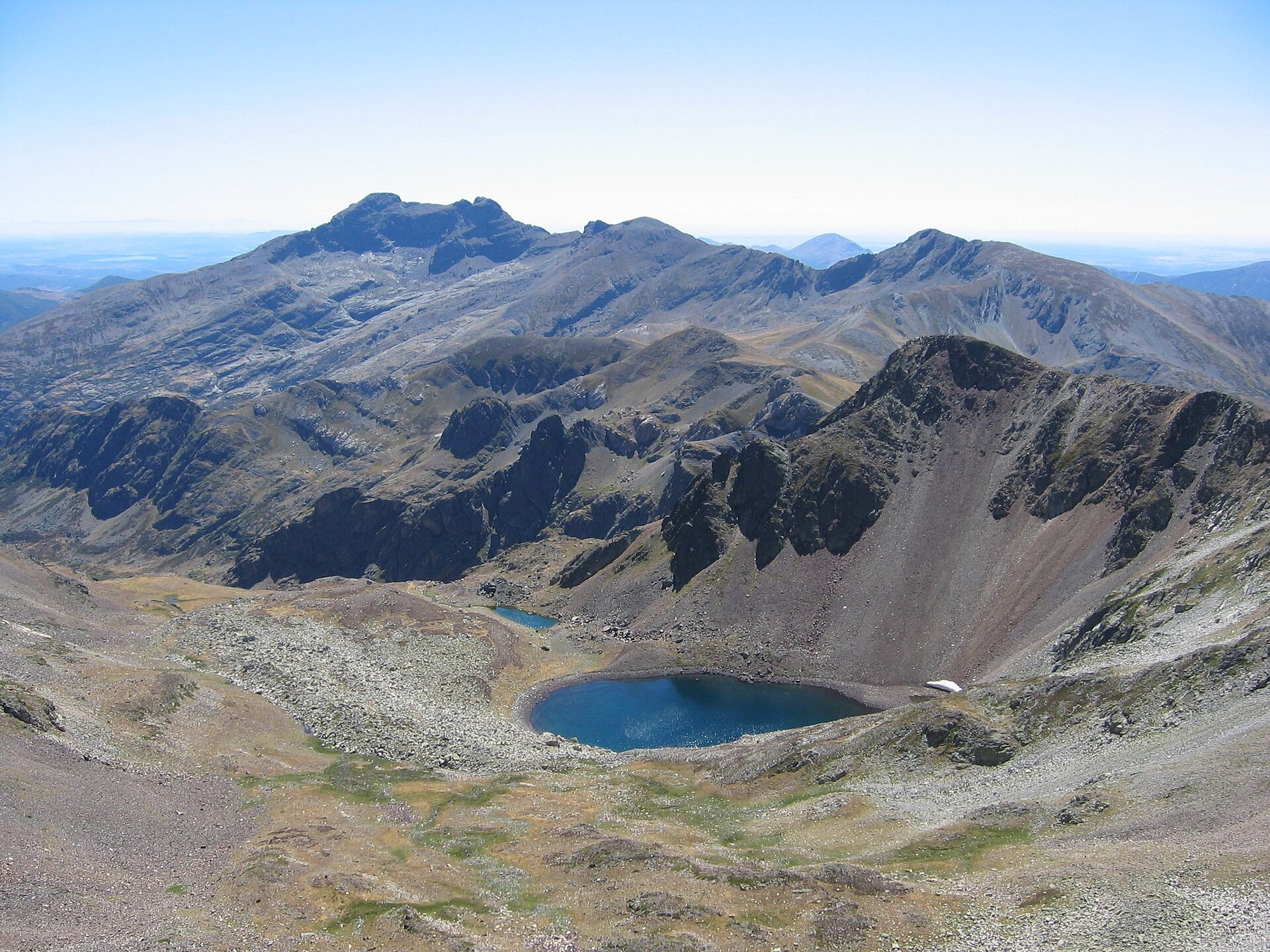
Natura 2000 · resident

Natura 2000 · resident
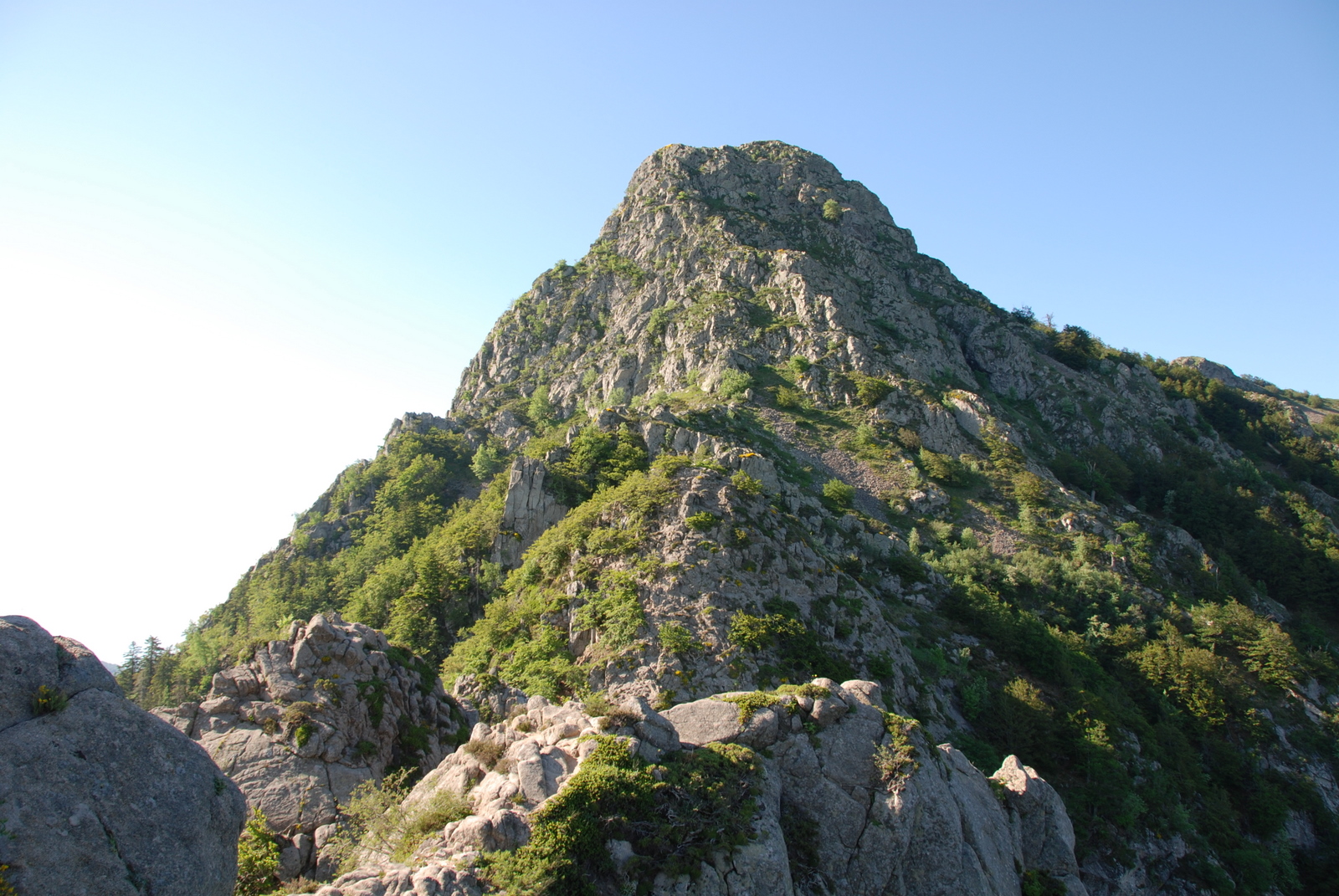
Natura 2000 · resident
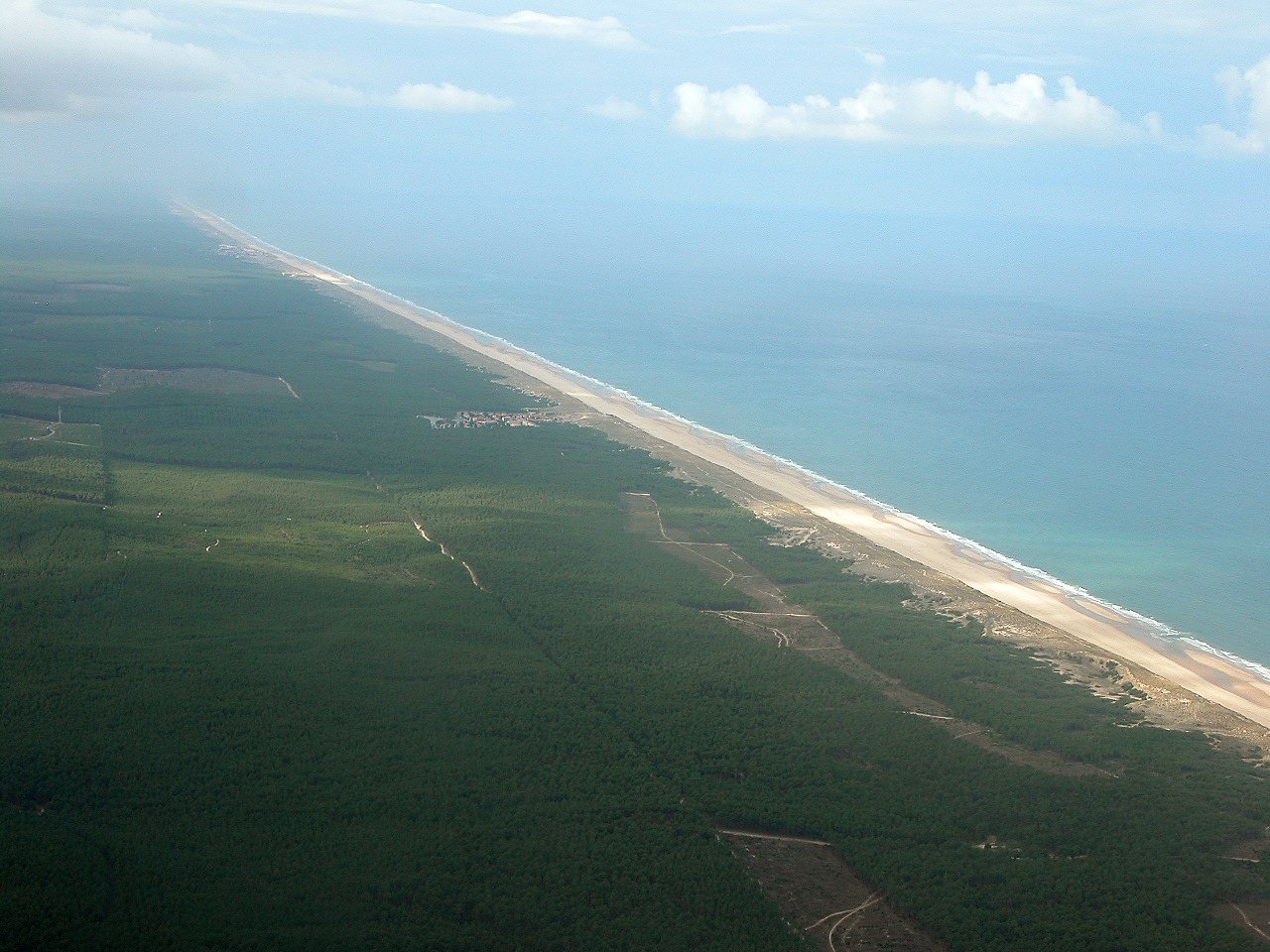
Natura 2000 · wintering

Natura 2000 · resident
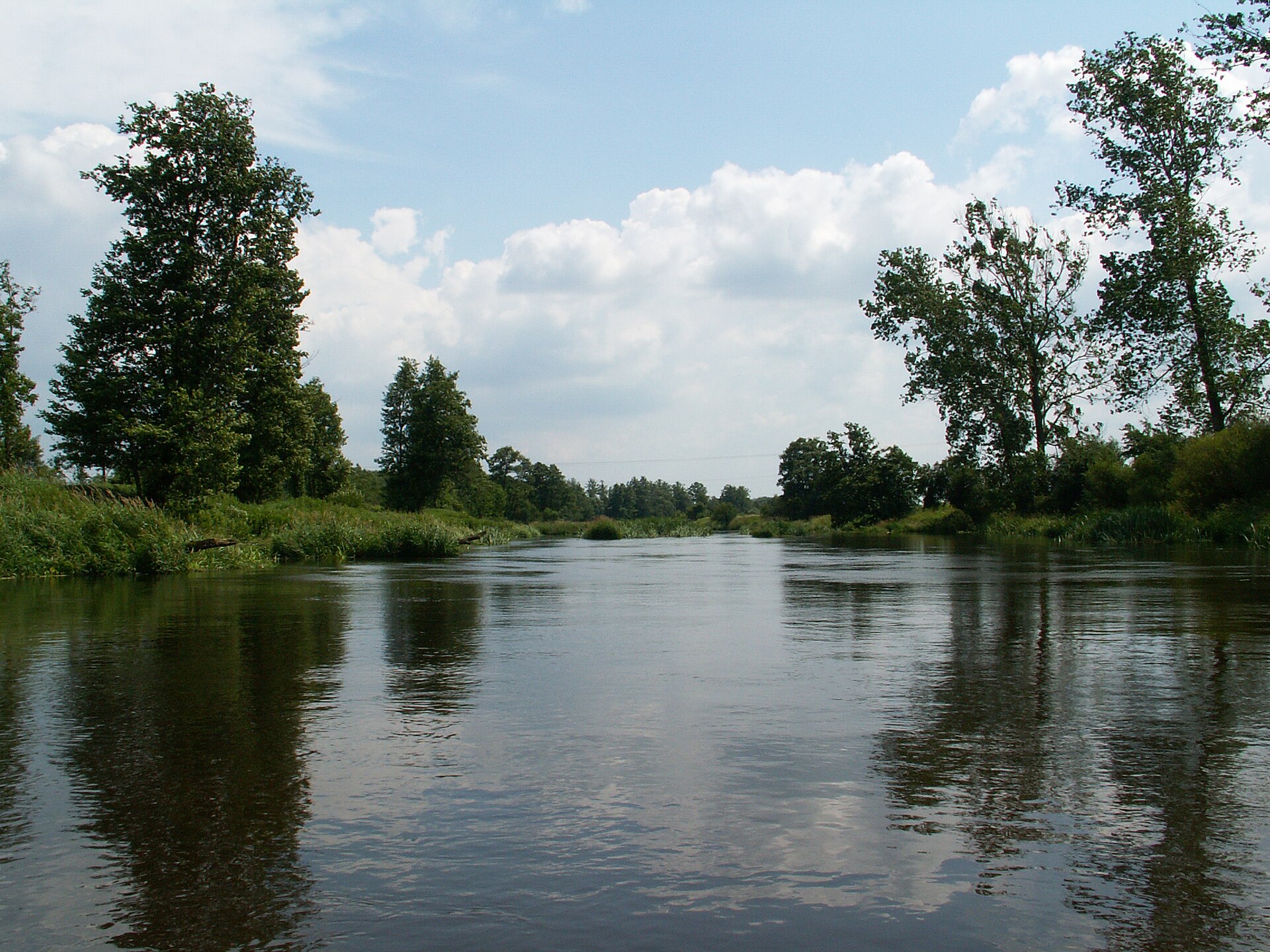
Natura 2000 · breeding
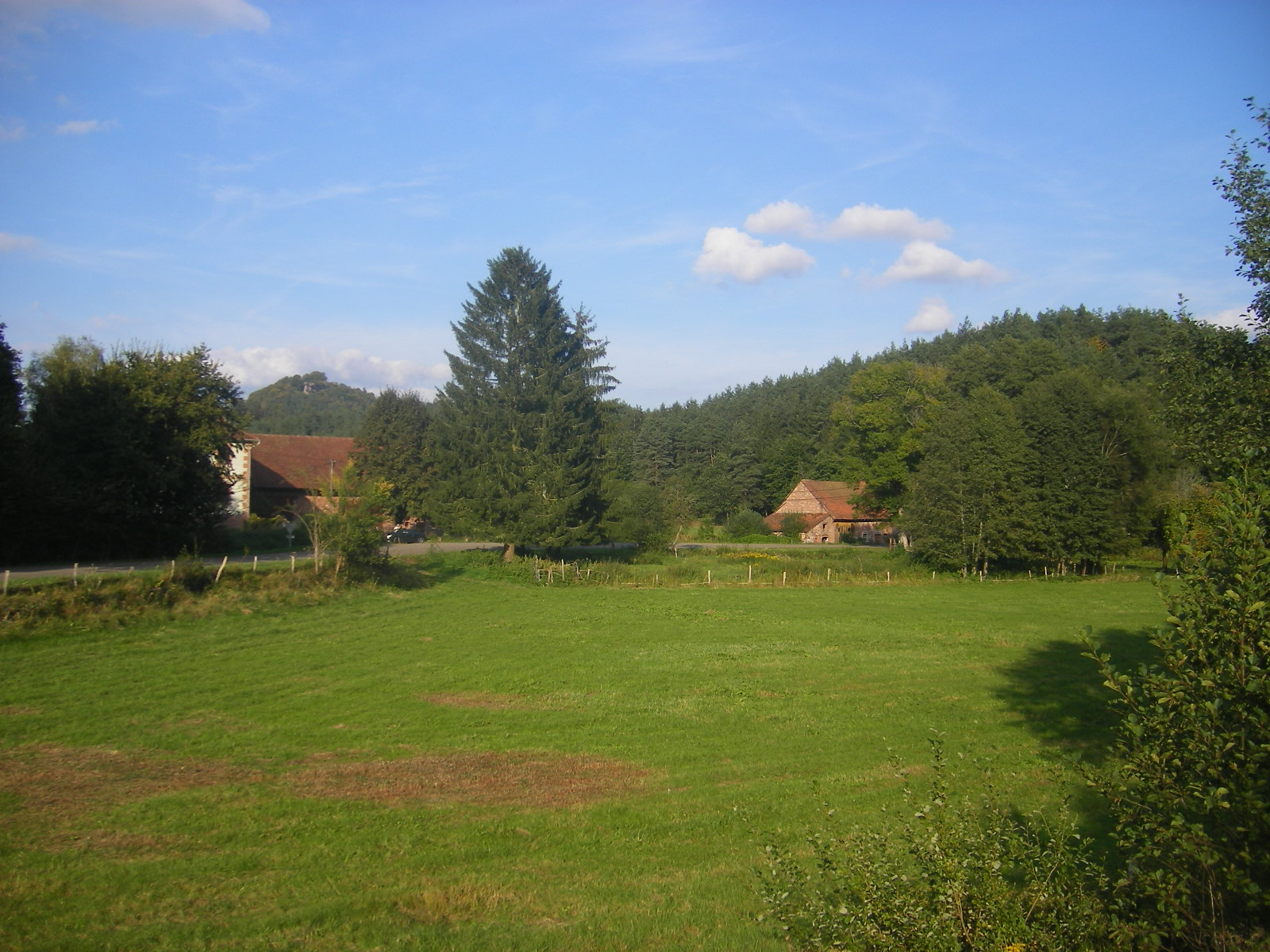
Natura 2000 · resident
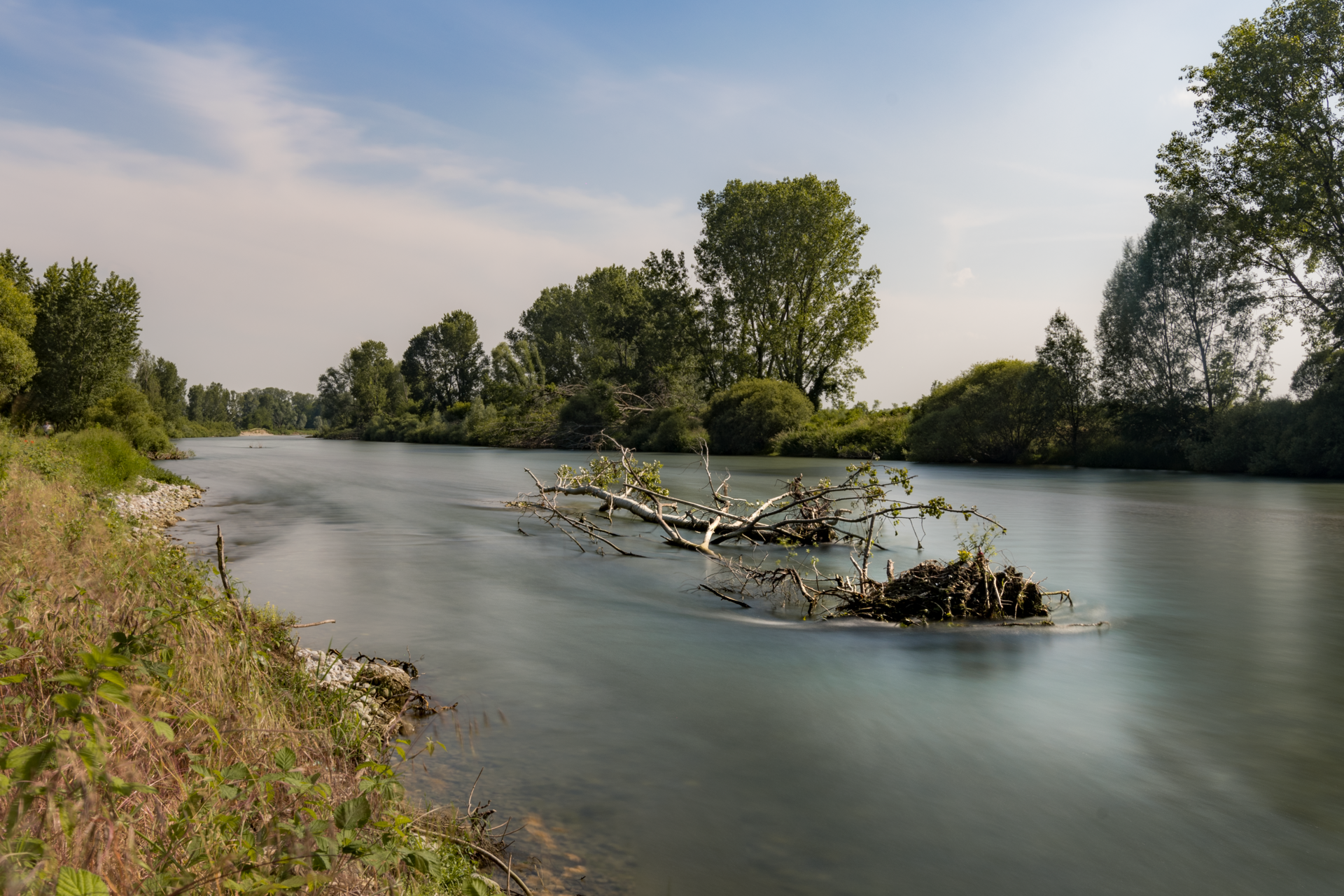
Natura 2000 · breeding, resident
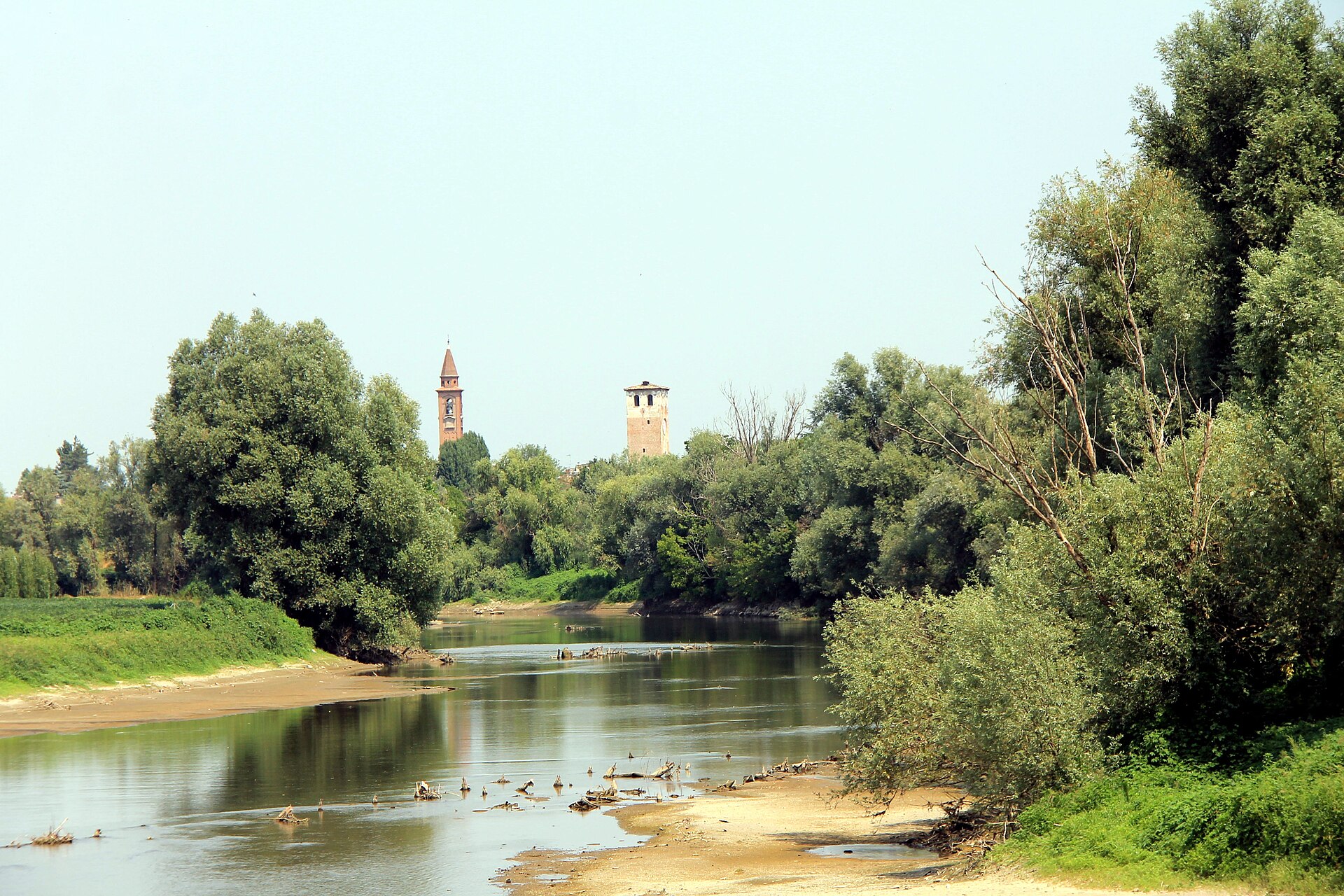
Natura 2000 · wintering, passage, breeding, resident
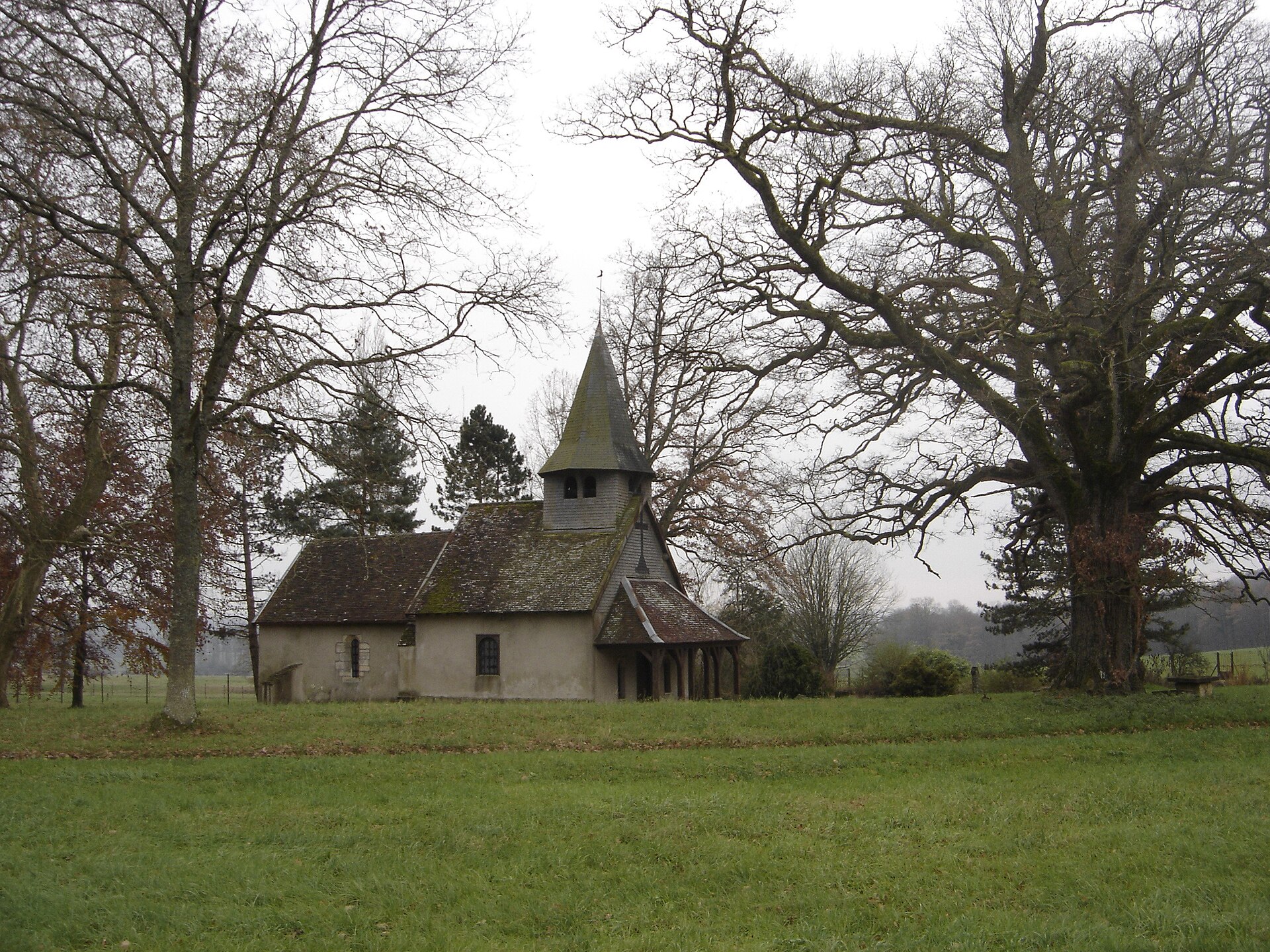
Natura 2000 · wintering, passage, breeding

Natura 2000 · passage

Natura 2000 · resident, passage

Natura 2000 · passage
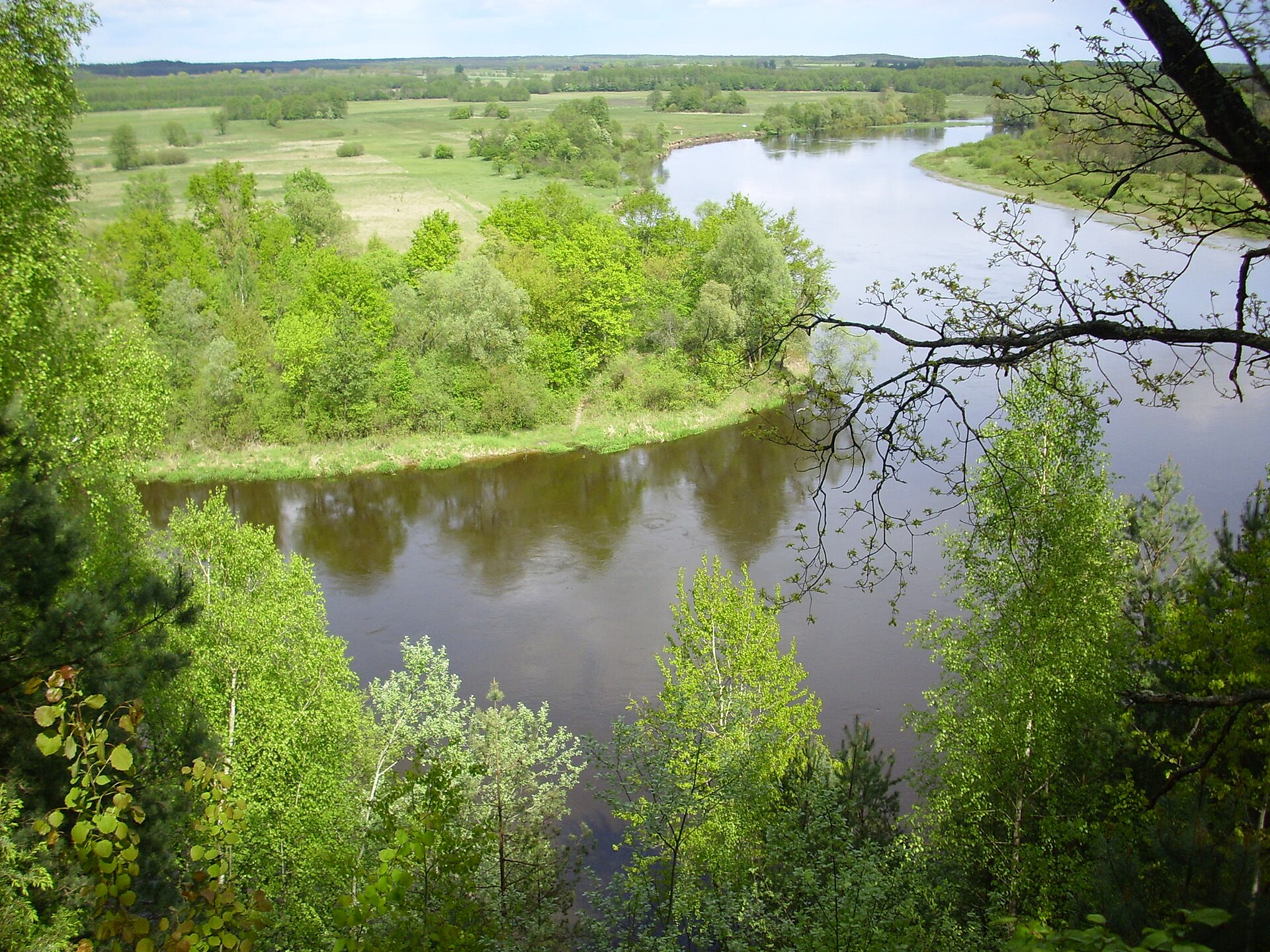
Natura 2000 · breeding
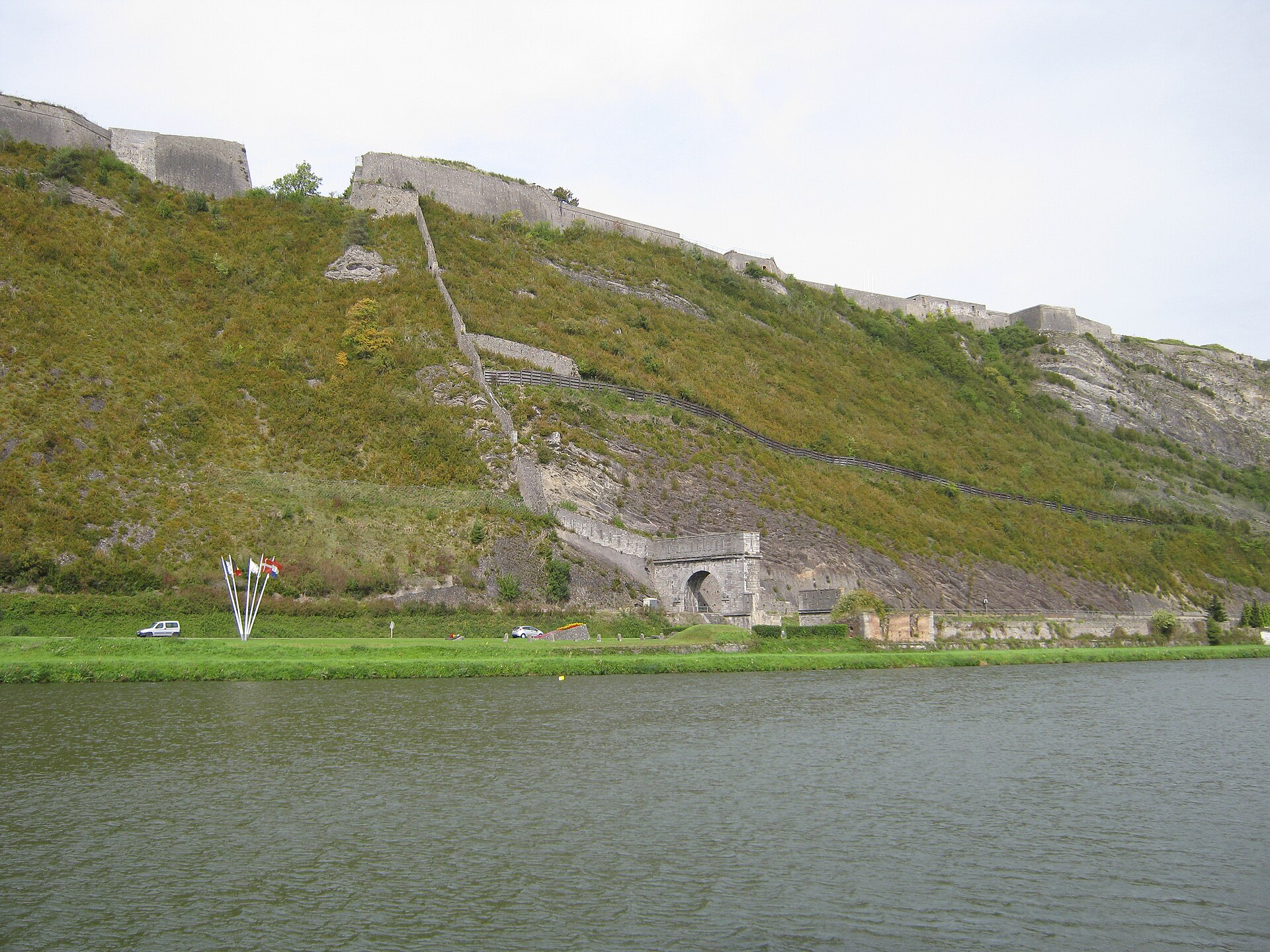
Natura 2000 · breeding
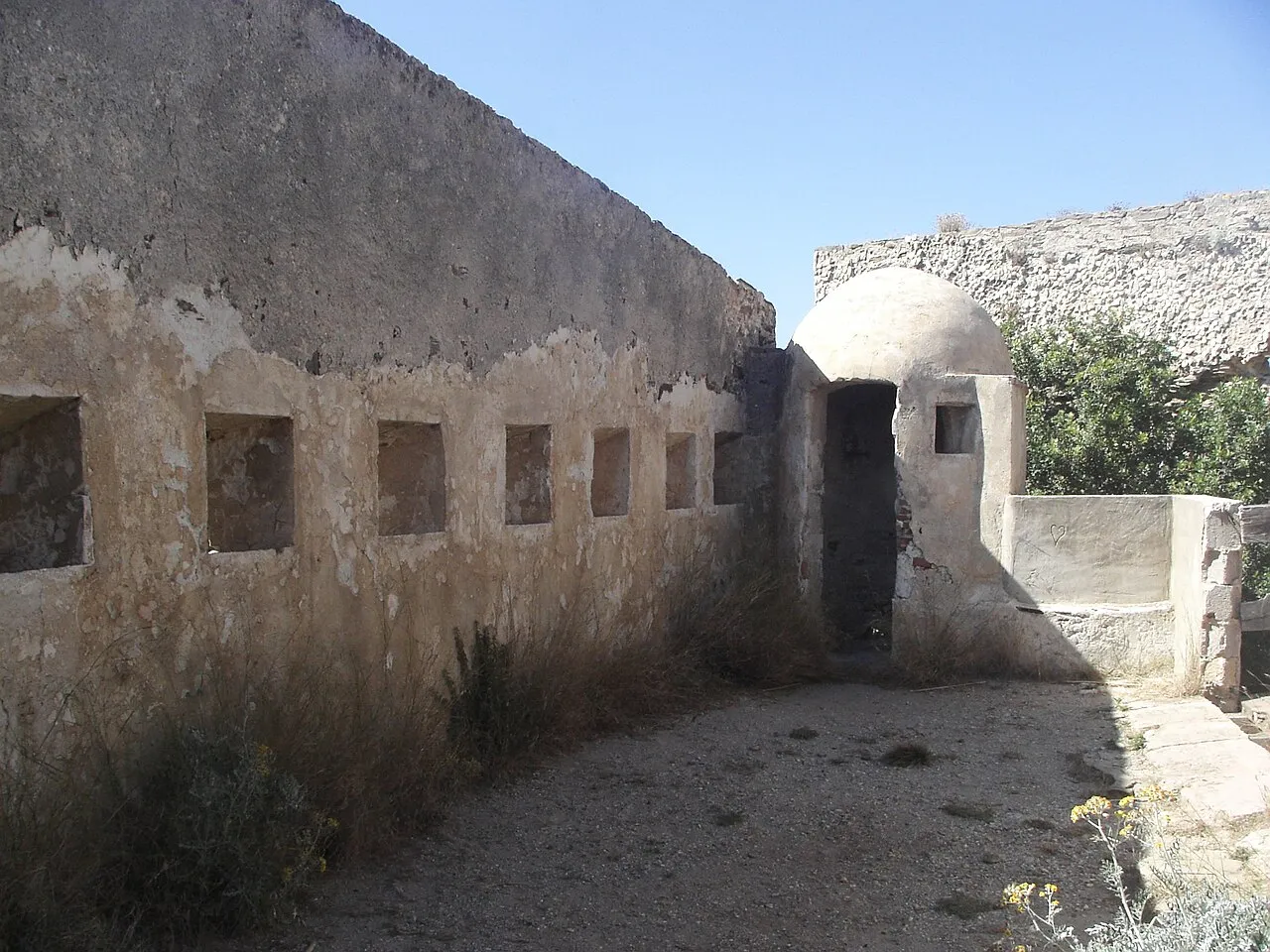
Natura 2000 · resident

Natura 2000 · resident
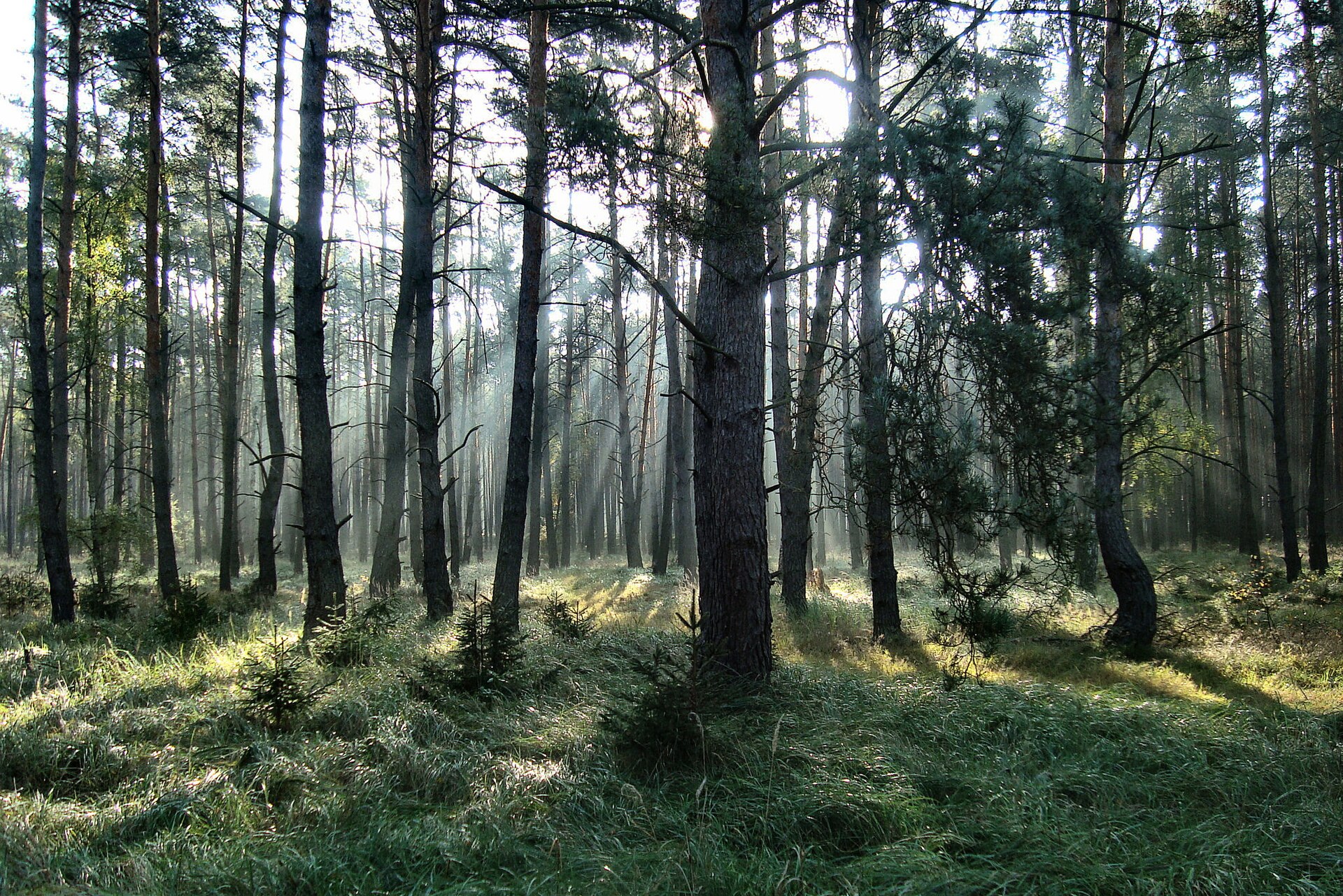
Natura 2000 · breeding
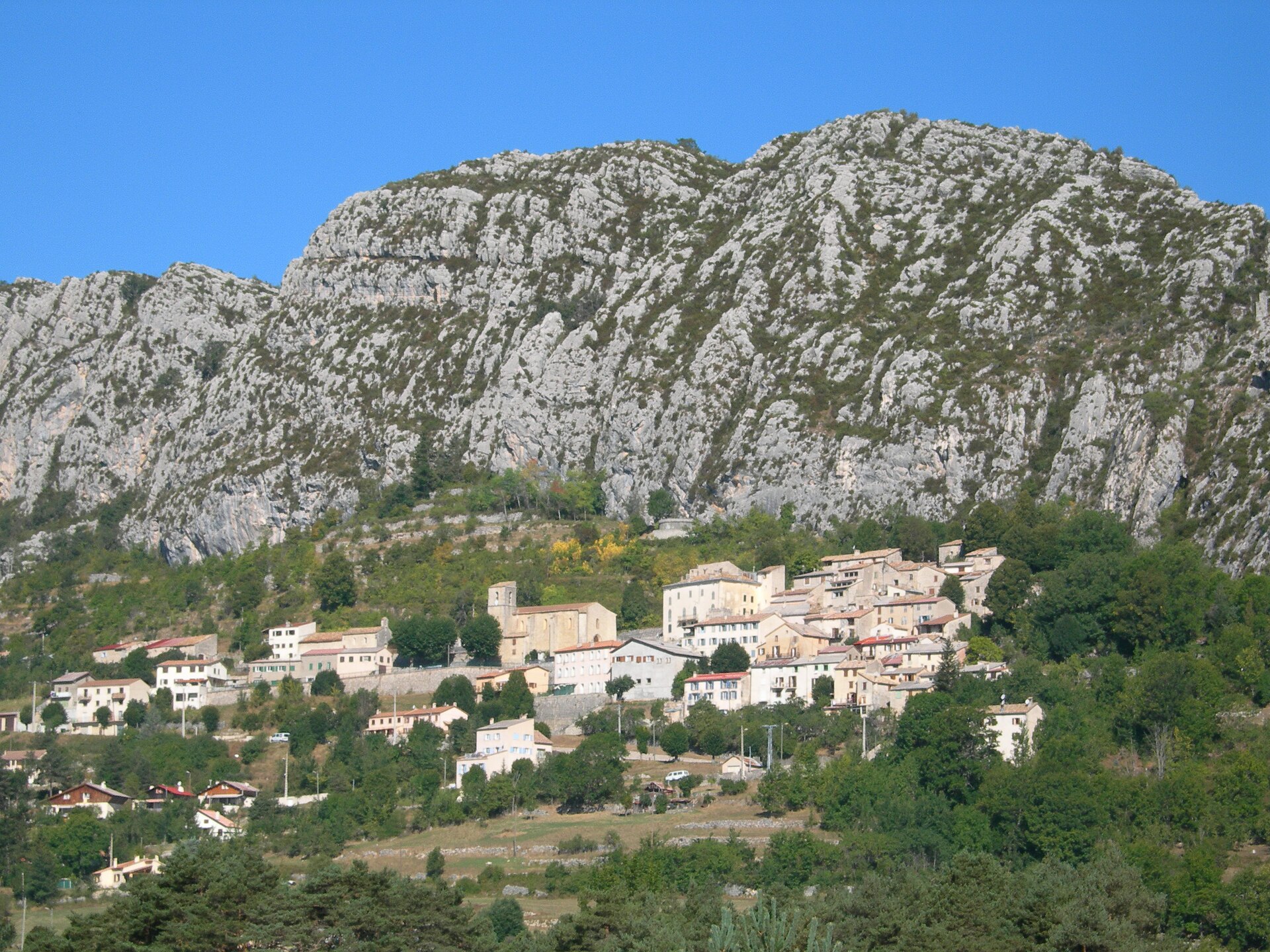
Natura 2000 · resident

Natura 2000 · breeding, passage

Natura 2000 · resident

Natura 2000 · resident, breeding
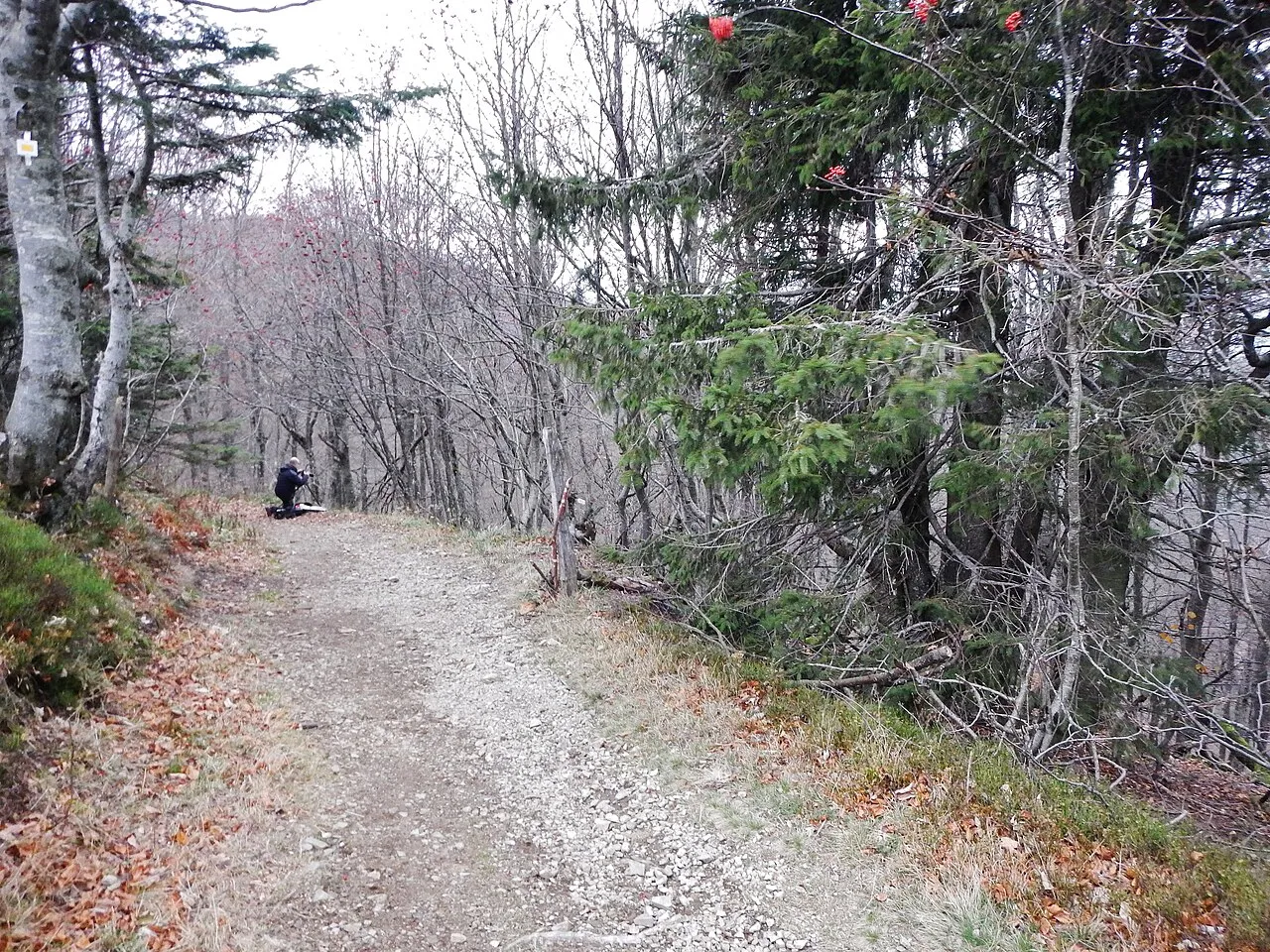
Natura 2000 · resident
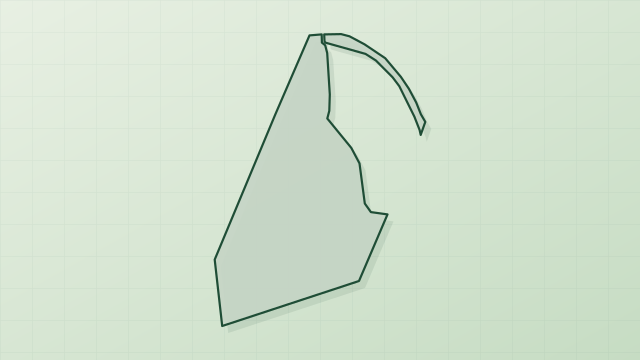
Natura 2000 · wintering

Natura 2000 · wintering
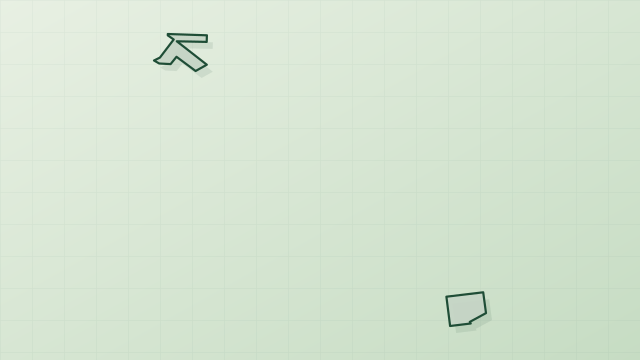
Natura 2000 · breeding
Natura 2000 · wintering

Natura 2000 · breeding, wintering
Natura 2000 · resident

Natura 2000 · breeding

Natura 2000 · wintering
Natura 2000 · breeding, wintering

Natura 2000 · resident
Natura 2000 · breeding

Natura 2000 · breeding, wintering
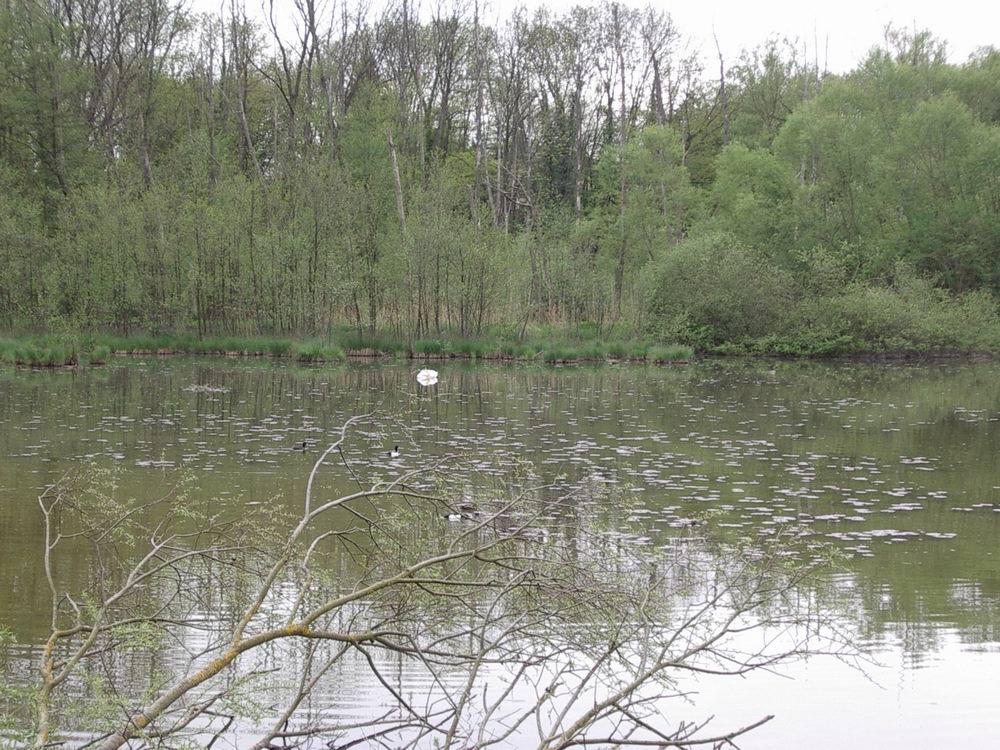
Natura 2000 · resident
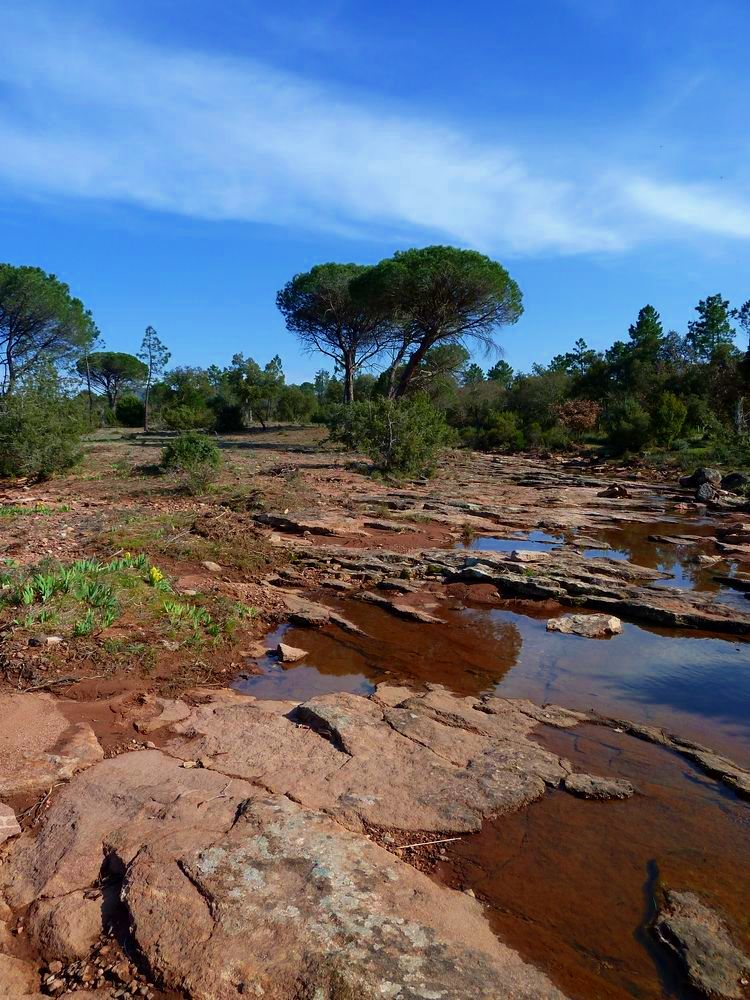
Natura 2000 · resident

Natura 2000 · resident
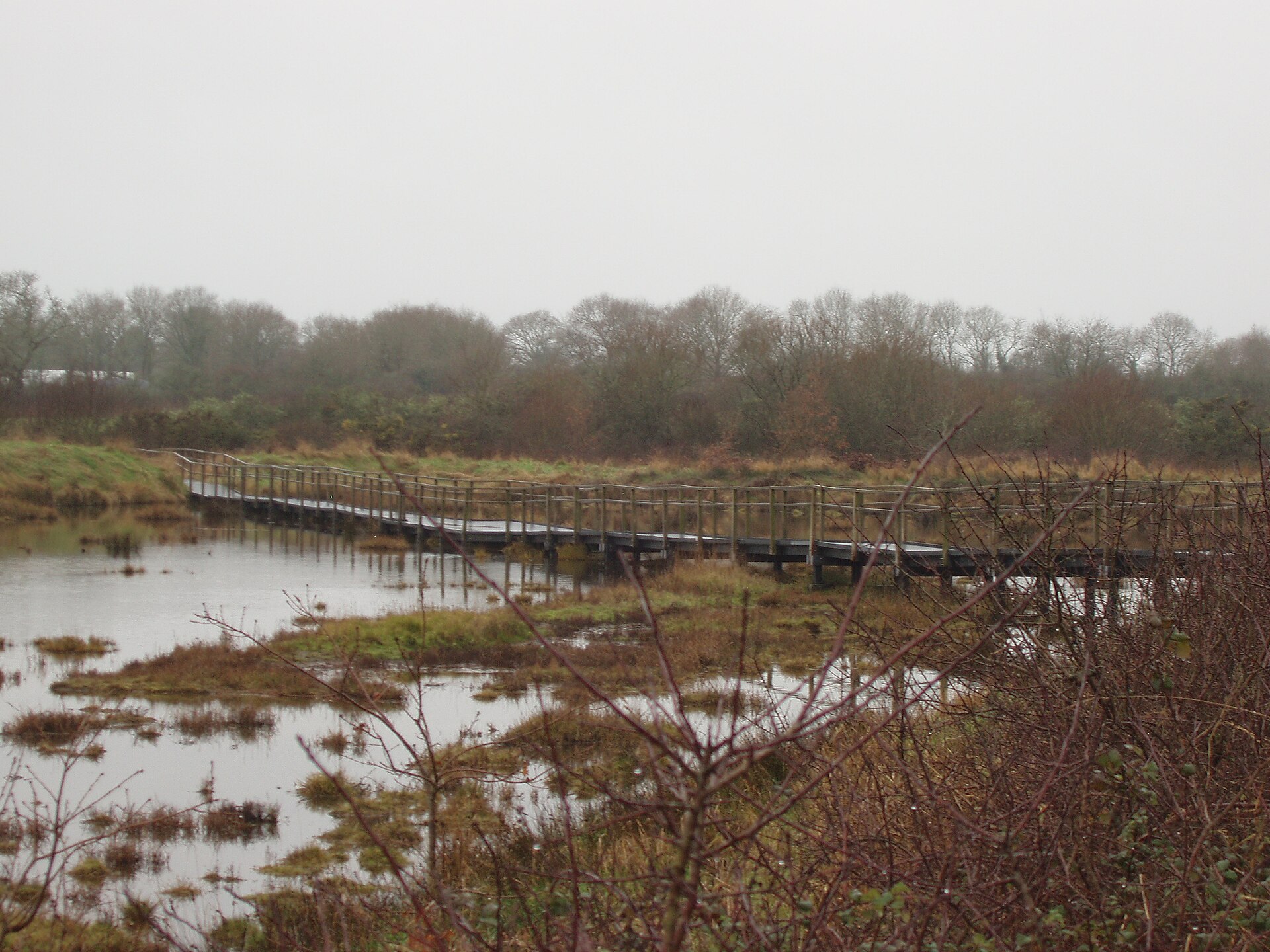
Natura 2000 · wintering

Natura 2000 · breeding, passage, wintering

Natura 2000 · resident

Natura 2000 · resident

Natura 2000 · passage, breeding, wintering

Natura 2000 · resident
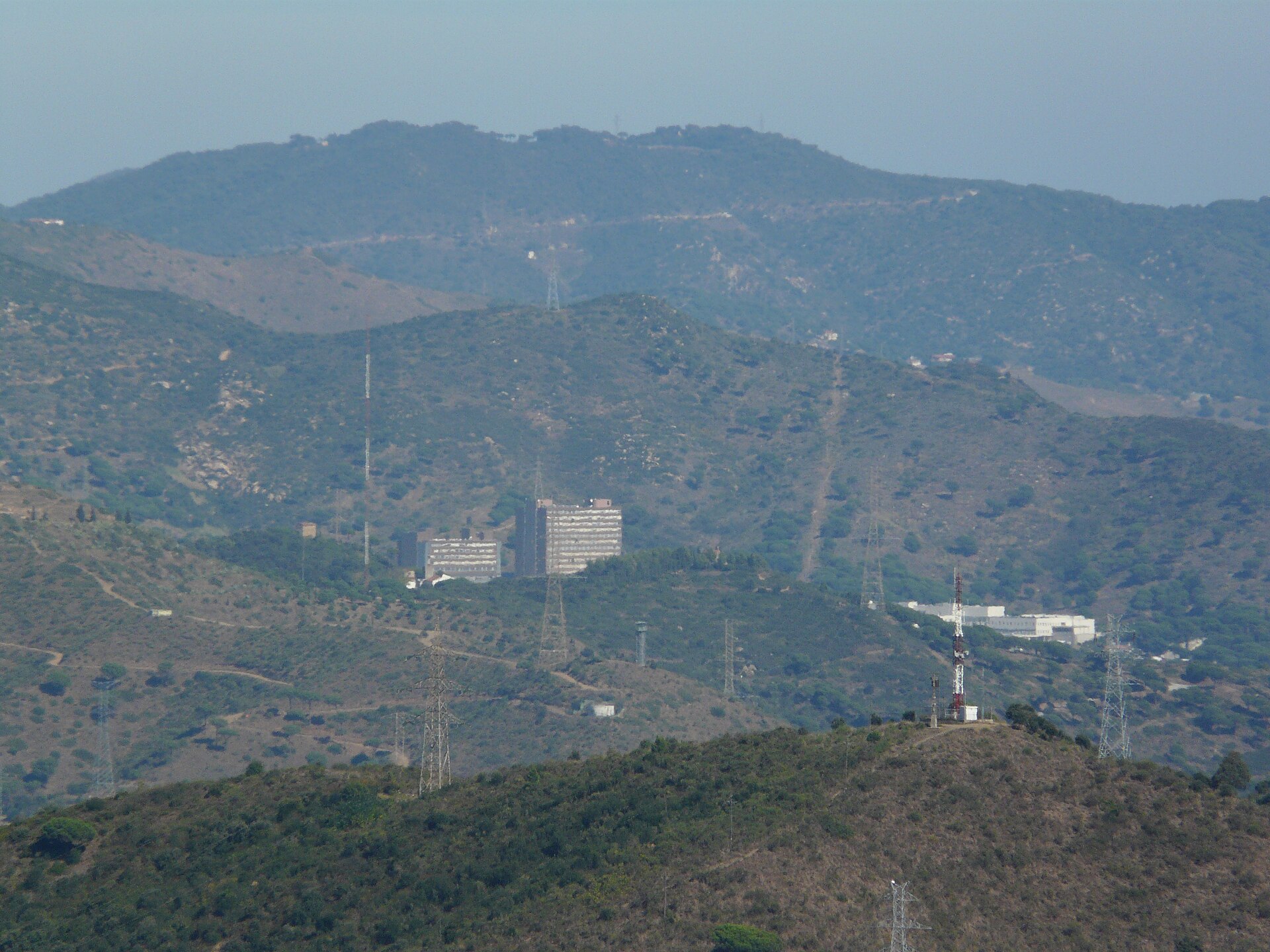
Natura 2000 · resident
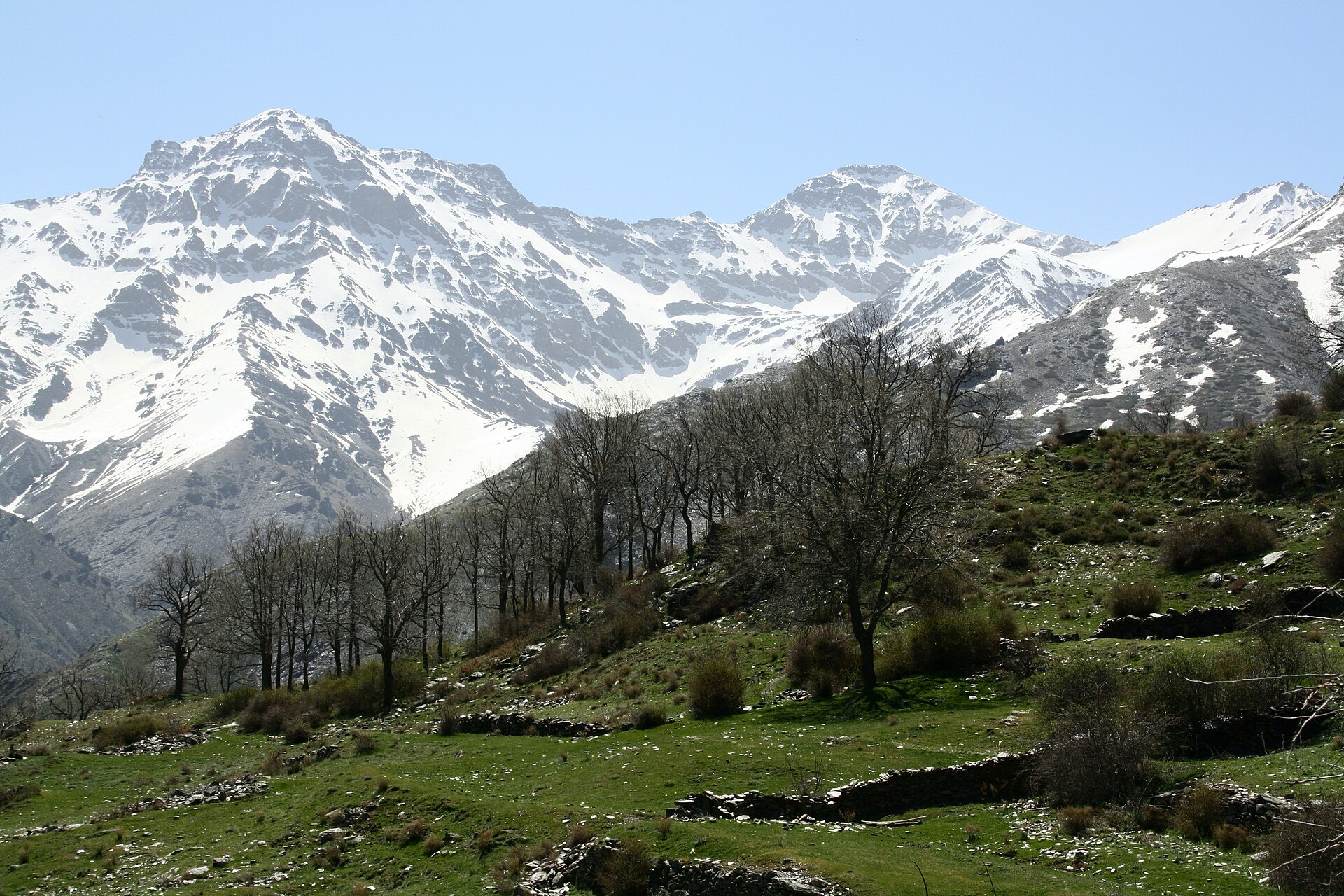
Natura 2000 · wintering, breeding
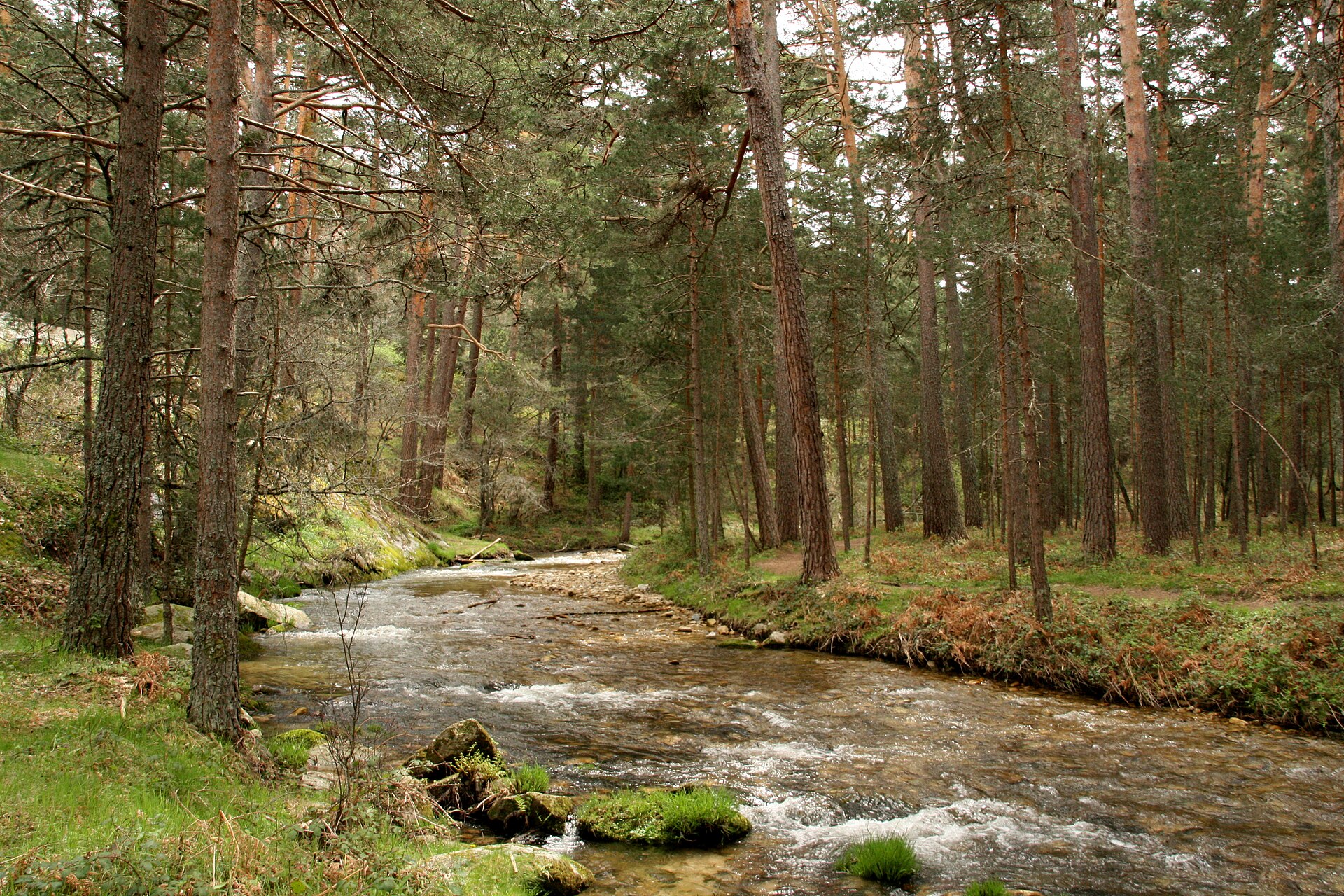
Natura 2000 · resident
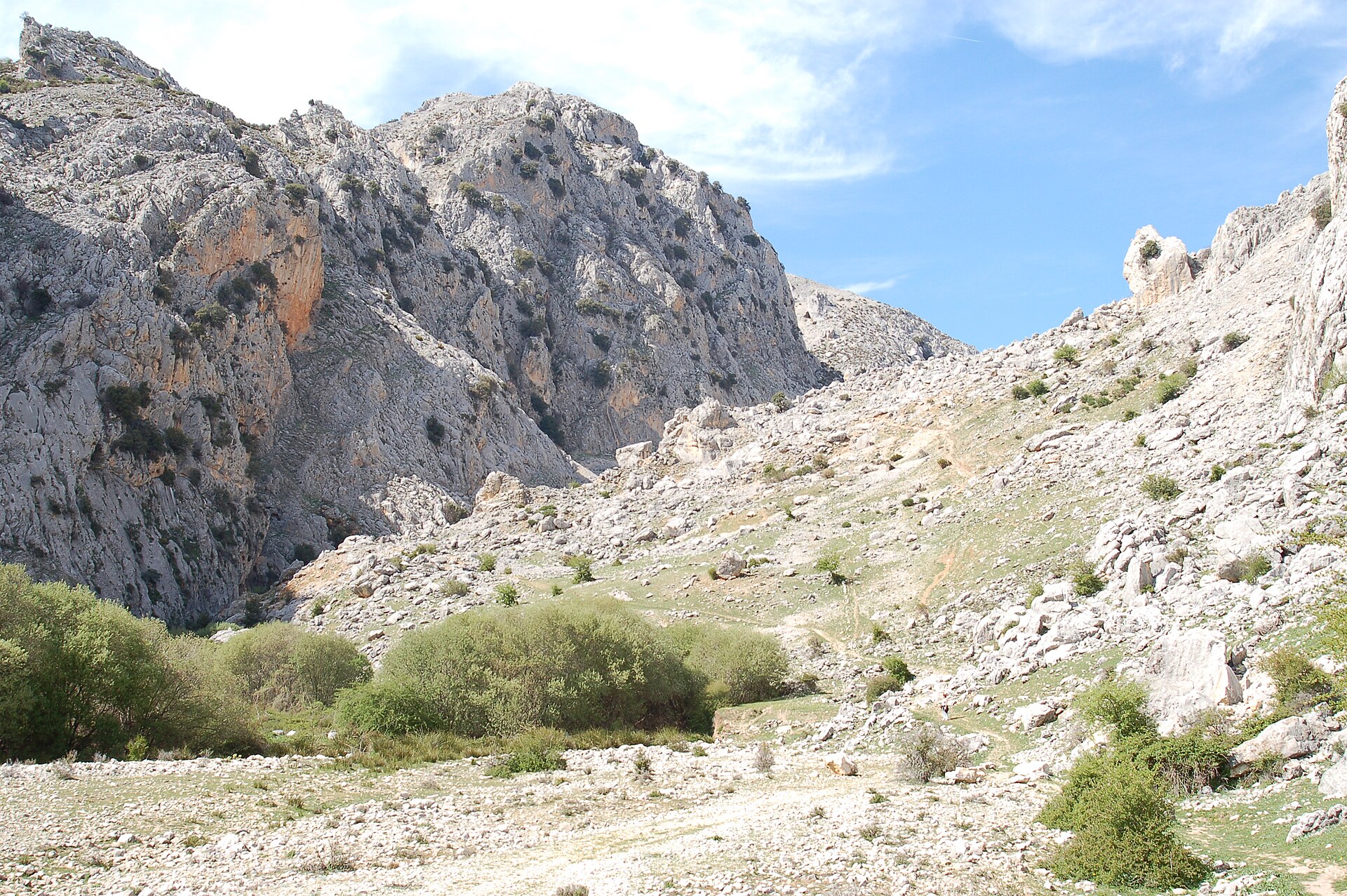
Natura 2000 · wintering
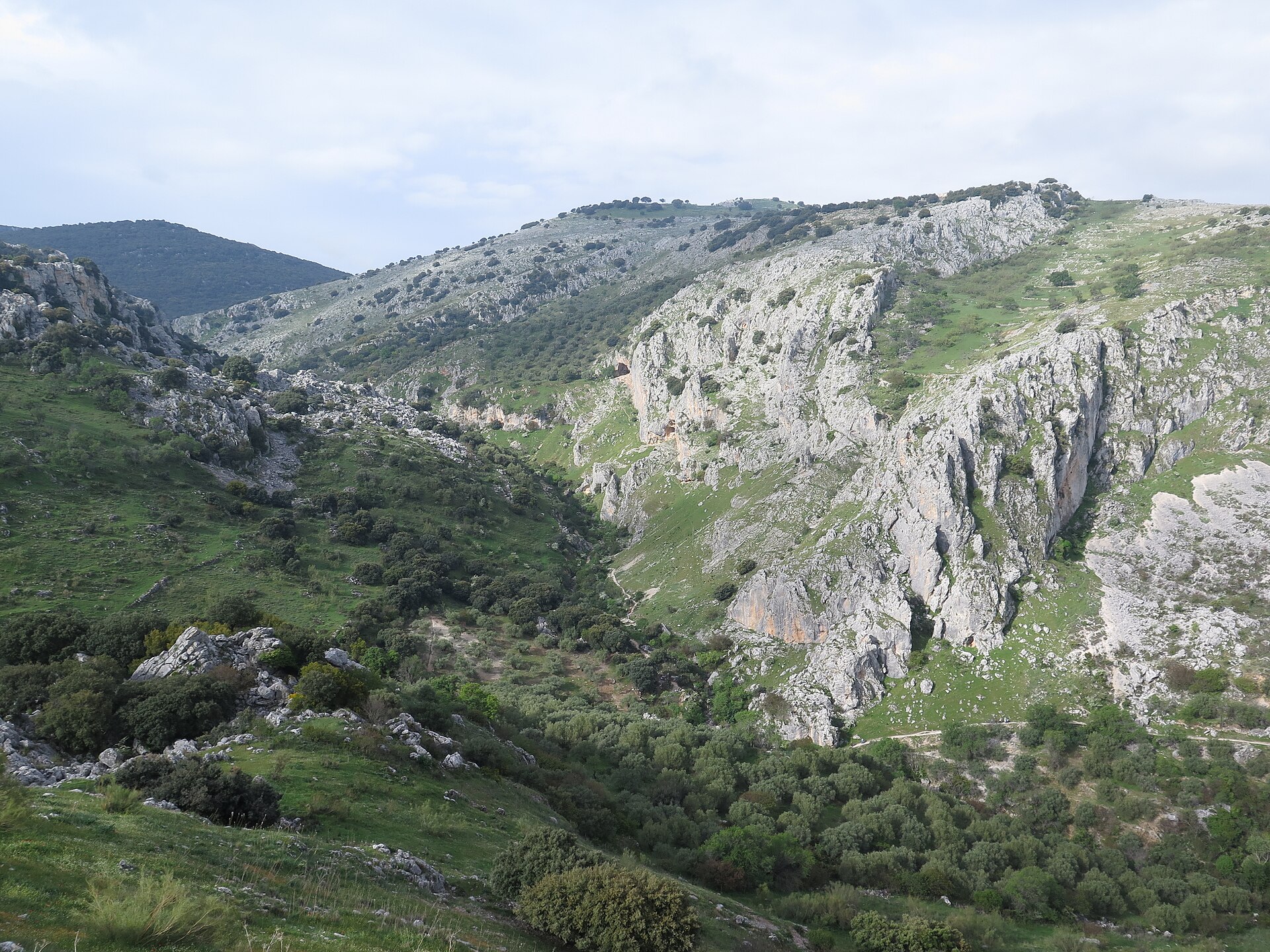
Natura 2000 · resident
Natura 2000 · passage
Natura 2000 · passage, breeding
Natura 2000 · breeding
Natura 2000 · passage, wintering
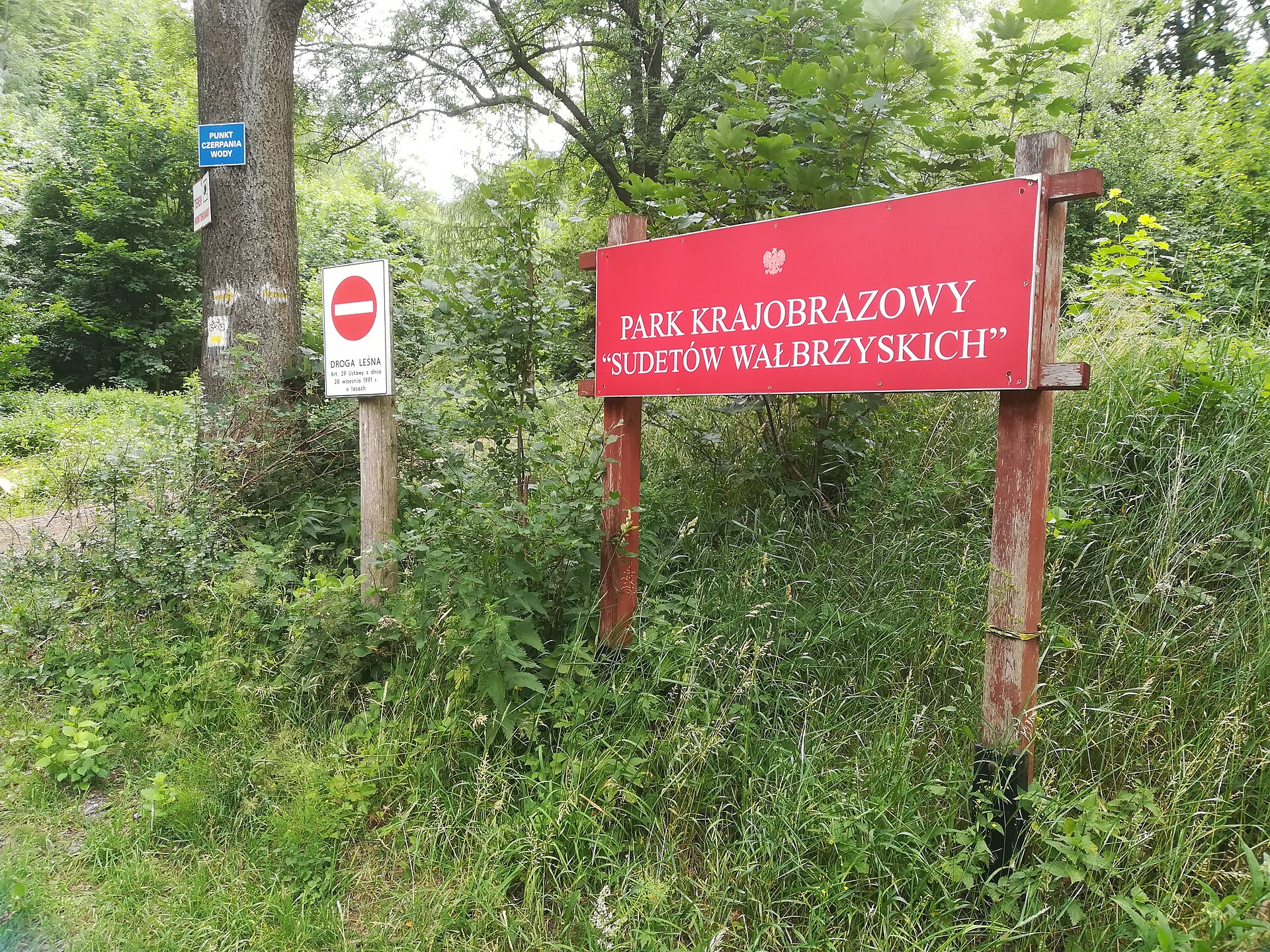
Natura 2000 · breeding
Natura 2000 · wintering, resident, passage, breeding
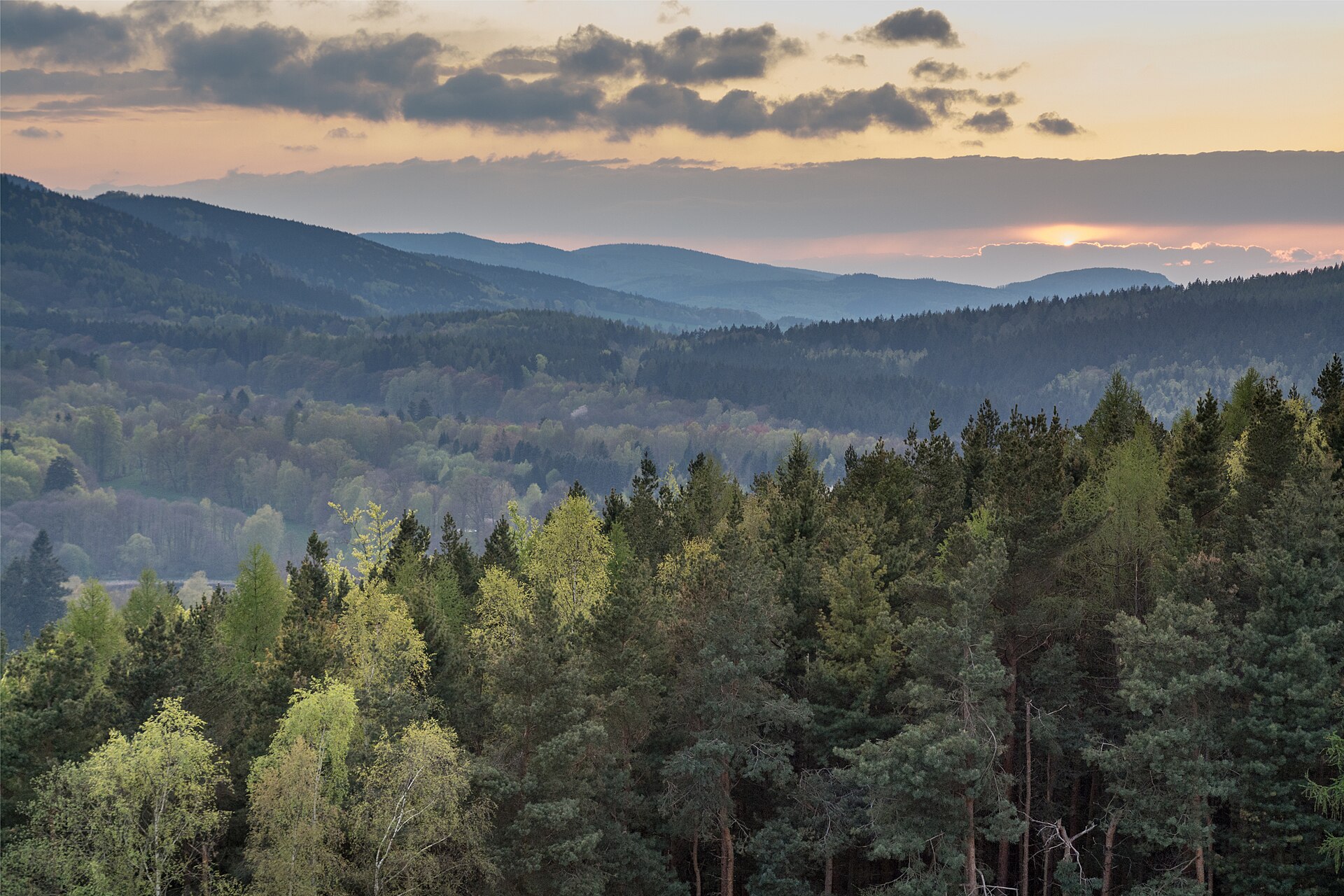
Natura 2000 · breeding
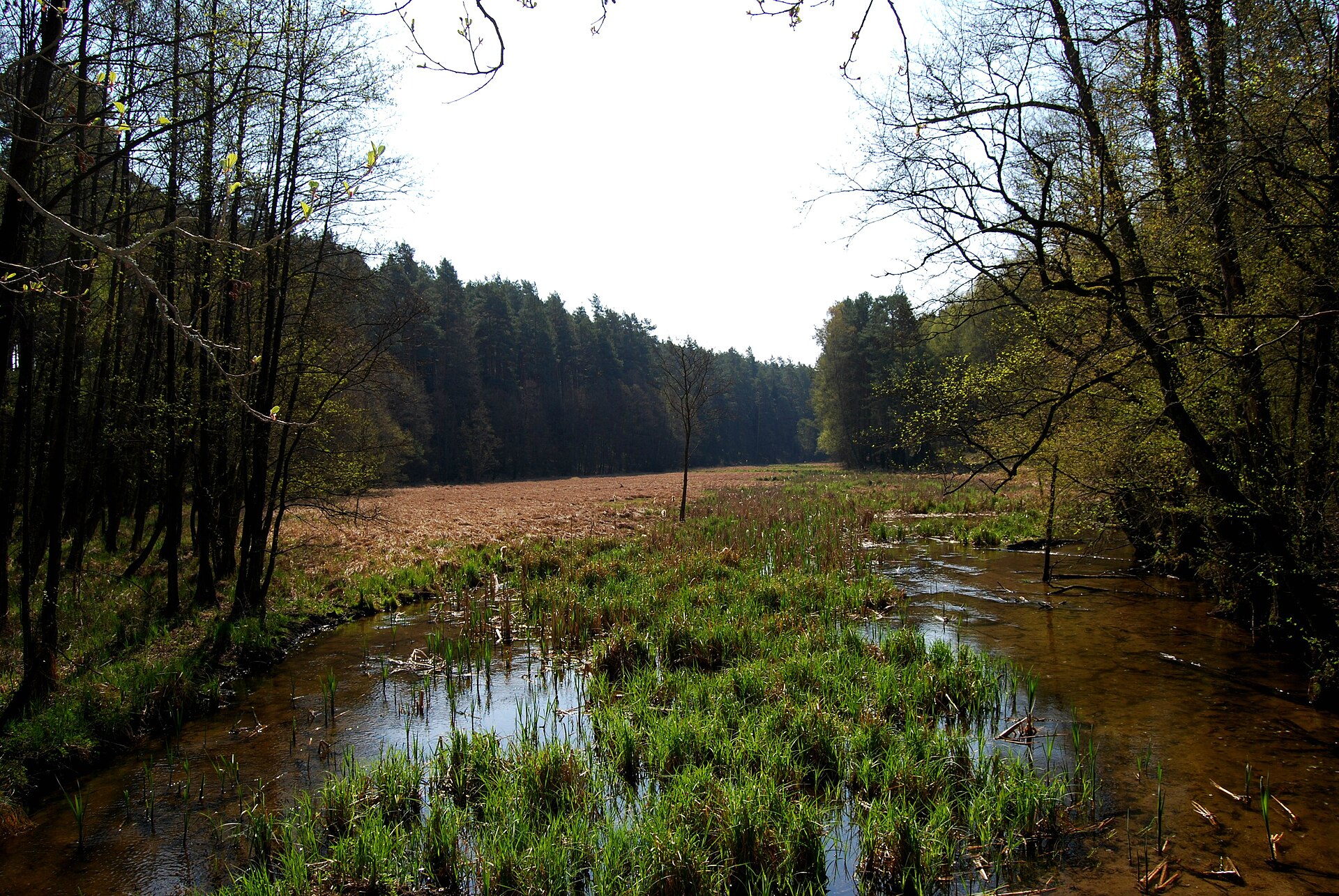
Natura 2000 · breeding
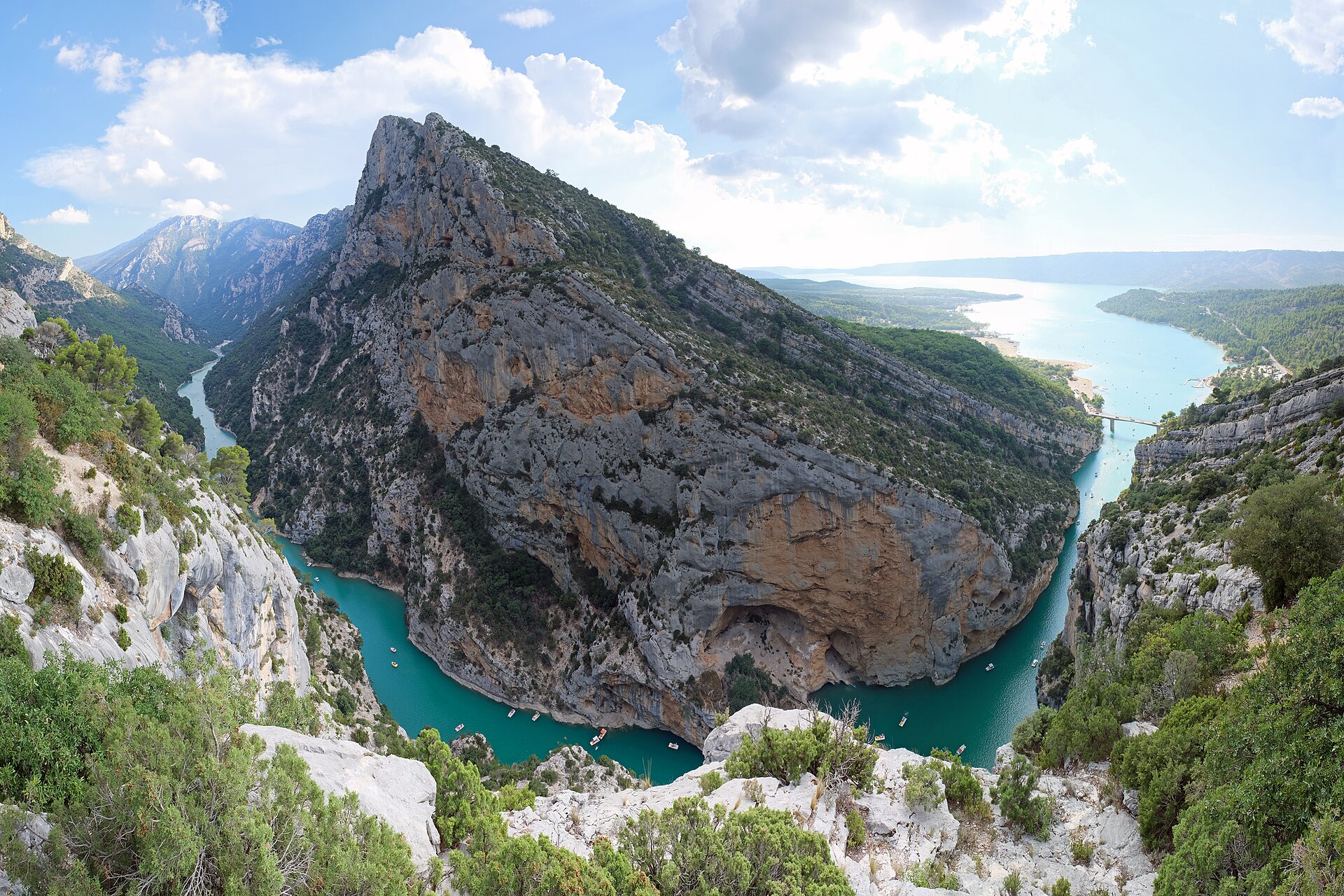
Natura 2000 · resident

Natura 2000 · resident, wintering, passage
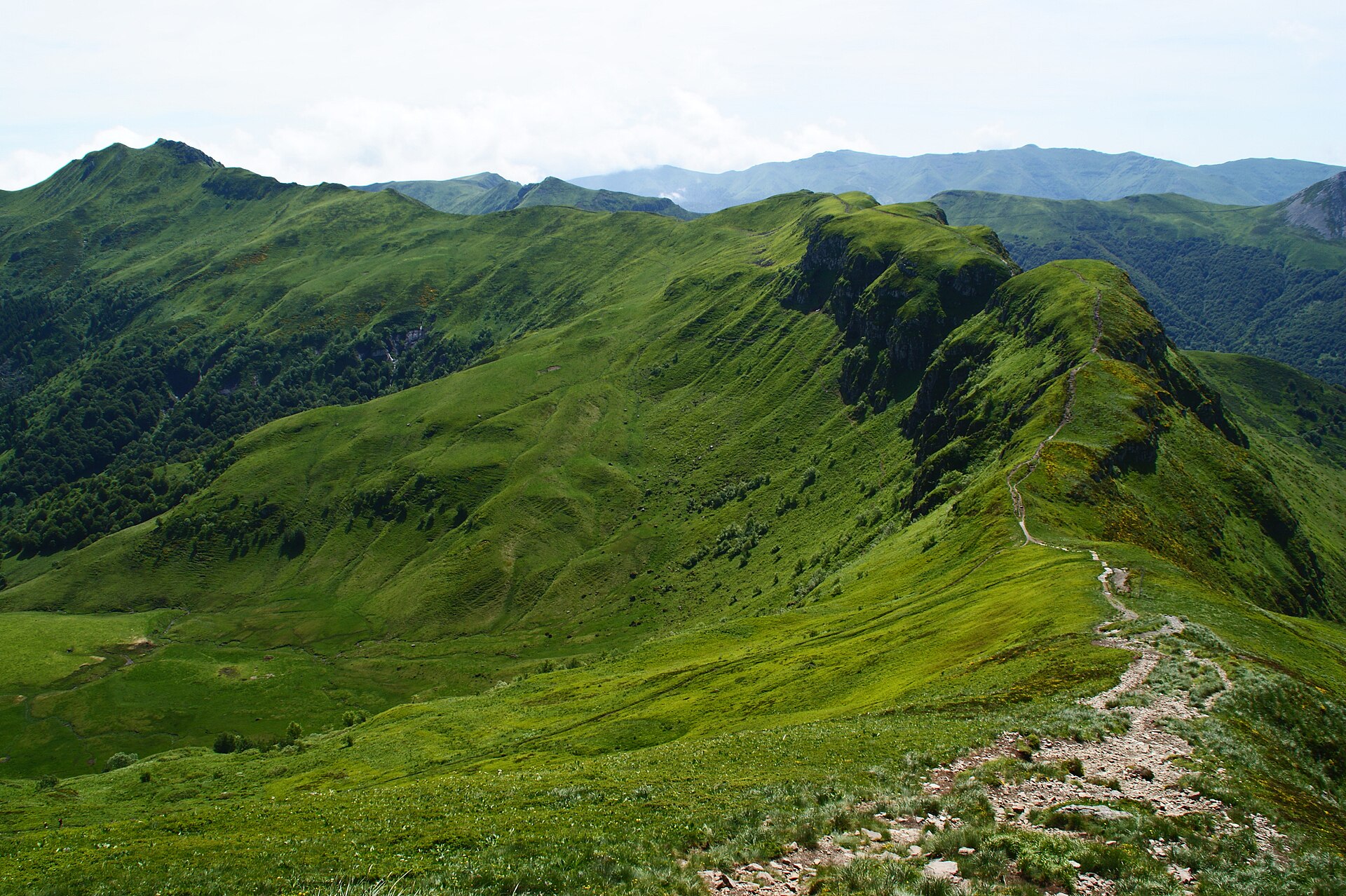
Natura 2000 · passage, breeding, wintering
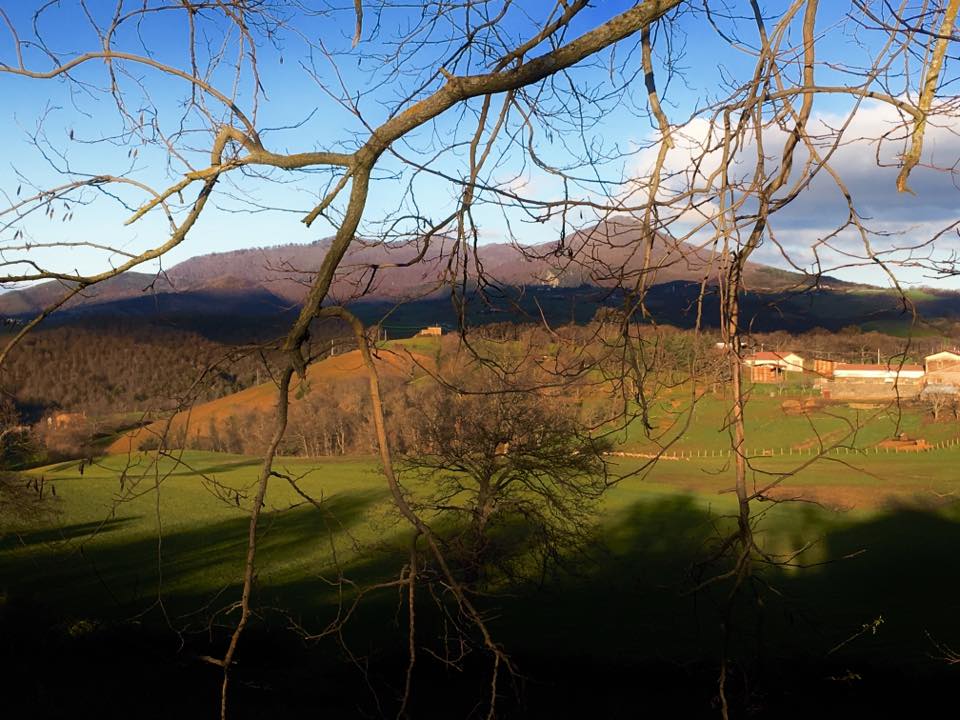
Natura 2000 · resident
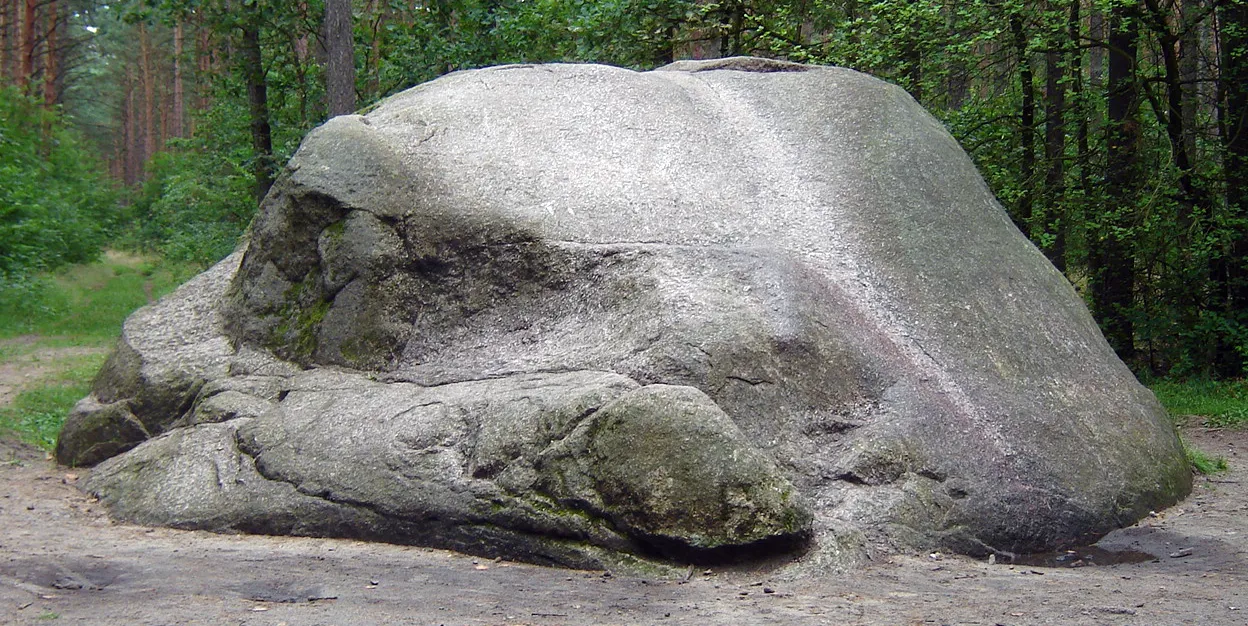
Natura 2000 · breeding
Natura 2000 · breeding

Natura 2000 · breeding
Other species to discover
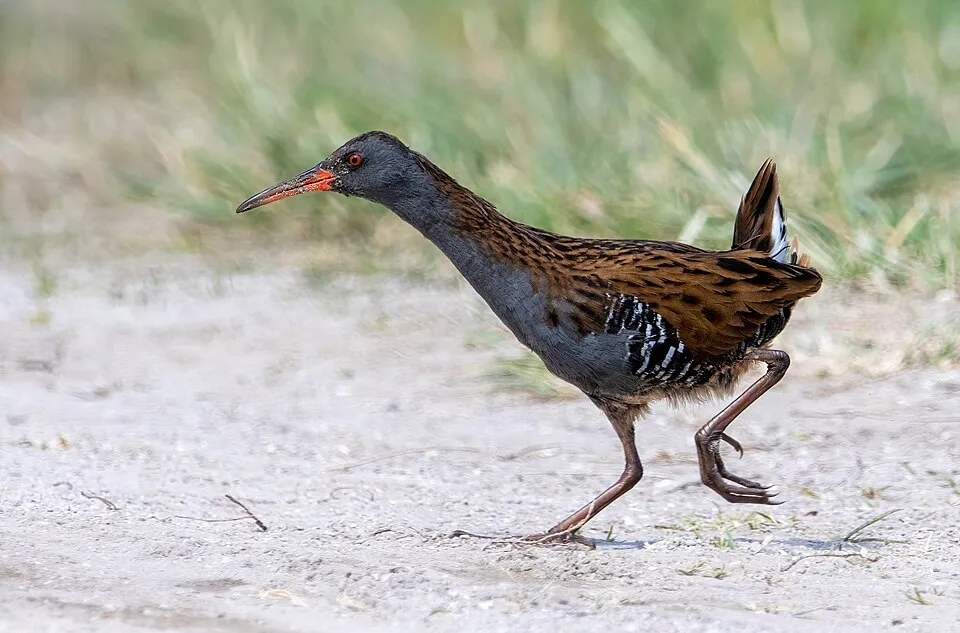 Brown-cheeked rail
Rallus aquaticus 111 places in common
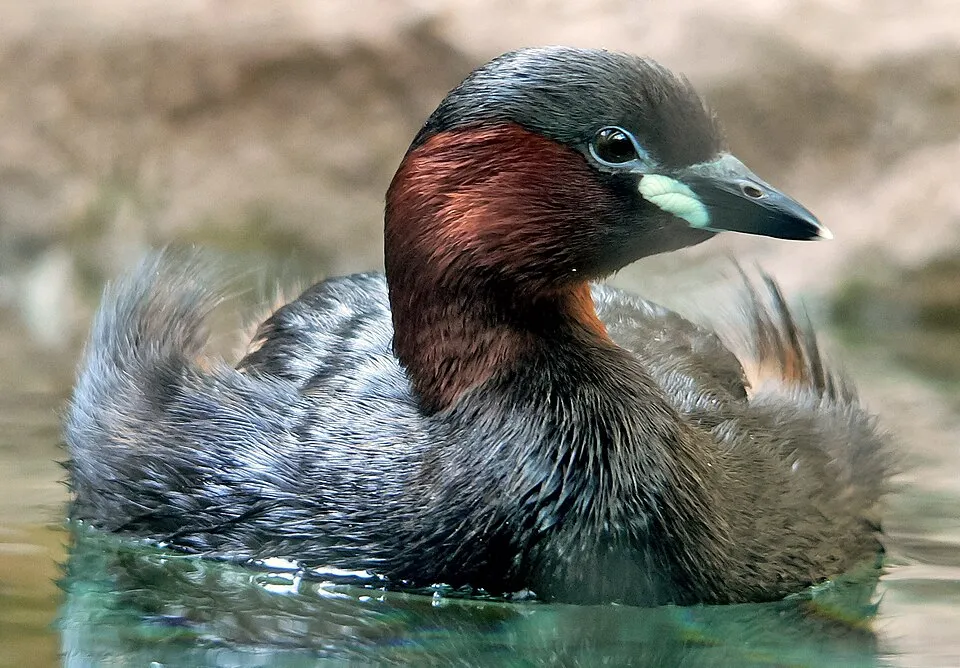 Little Grebe
Tachybaptus ruficollis 131 places in common
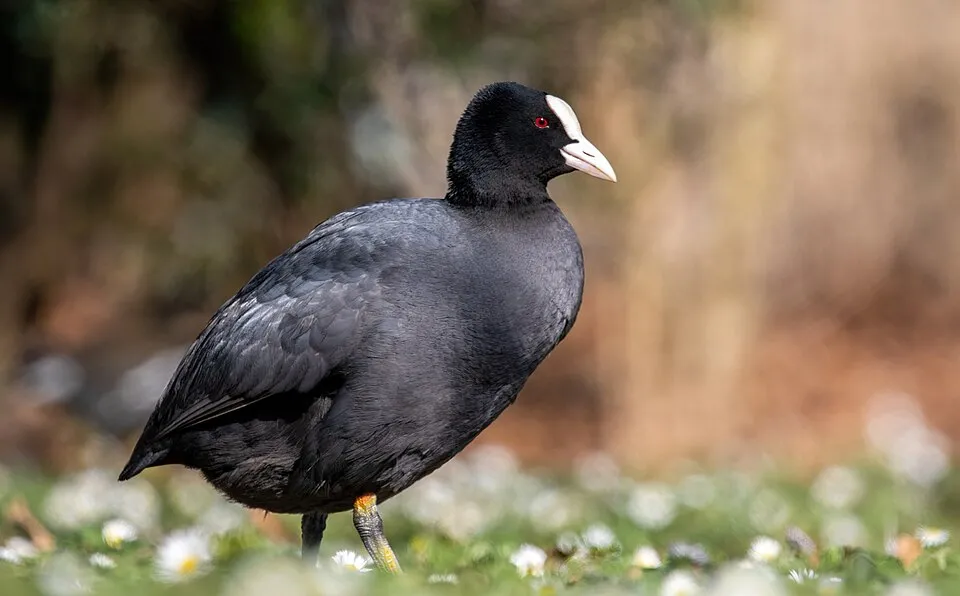 Common Coot
Fulica atra 138 places in common
 Green Sandpiper
Tringa ochropus 97 places in common
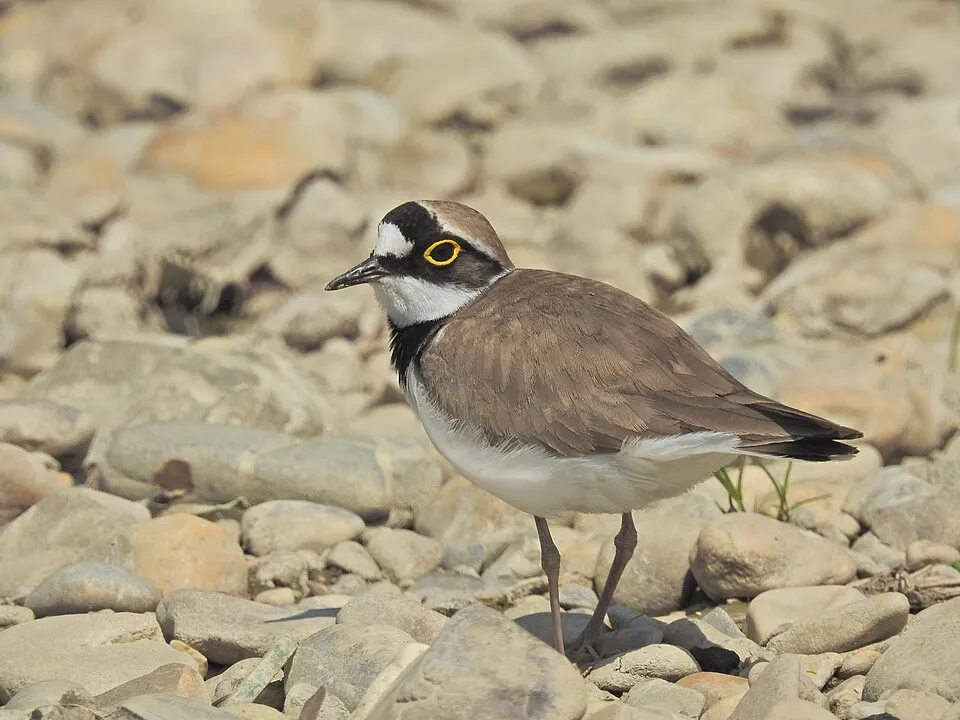 Little Ringed Plover
Charadrius dubius 90 places in common
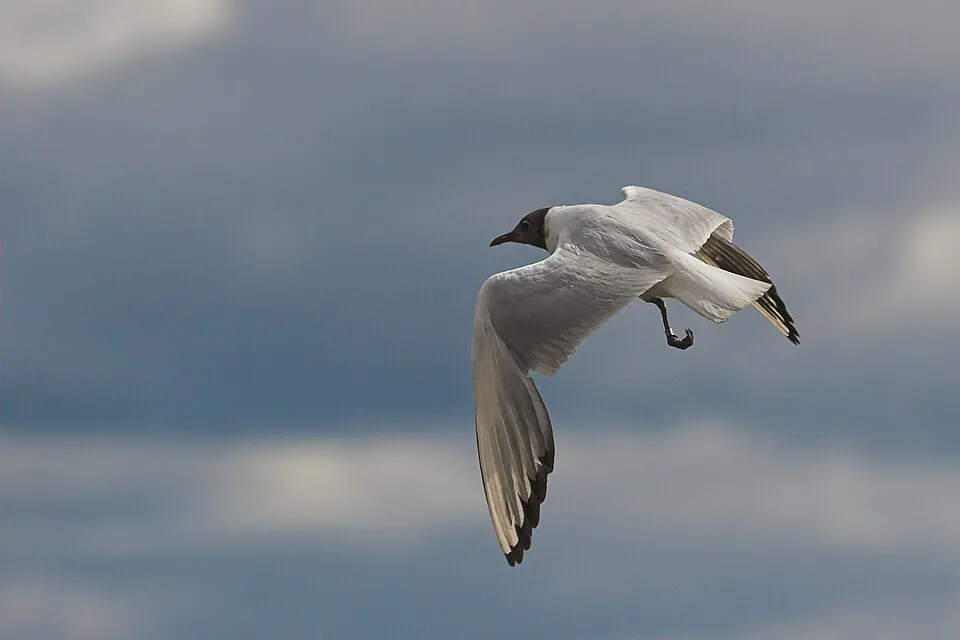 Black-headed gull
Larus ridibundus 94 places in common
Sources and credits
- Presence: most-recorded species of each place on GBIF and species of Community interest in the Natura 2000 forms (EEA, CC-BY 4.0); absence from the list does not mean the species is absent.
- Common names: Wikidata (CC0) and GBIF.
- Photos and sounds: Wikimedia Commons, author and licence given for each file.
- Classification: GBIF Backbone Taxonomy (GBIF Secretariat), CC BY 4.0, doi:10.15468/39omei.
- Countries, elevations, months and maps: GBIF.org, CC0 or CC BY 4.0 occurrences only, accessed October 22, 2026, GBIF.org.
- Base map: Natural Earth (public domain).
- Excerpt: Wikipedia, CC BY-SA 4.0 (full credit below the excerpt).
- Key facts: Wikidata (CC0), with the references cited under each value.
- Annexes: Directive 2009/147/EC (consolidated version), © European Union, EUR-Lex.
- EU bird populations: EEA / DG ENV, Article 12 Birds Directive reporting (2013–2018), CC BY 4.0.