
Bird
Meadow Pipit: where to see it
Anthus pratensis
This bird species is recorded in 159 protected areas of the atlas, including 92 whose official Natura 2000 form lists it. Within the atlas countries, it is mostly observed in Sweden, the United Kingdom and Norway (11 countries in all). Most records (8 in 10) lie between sea level and 650 m. Records peak from September to November. It has a wingspan of 26 cm. Its EU population is assessed as depleted (2013–2018 Birds Directive reporting).
Best time to see it: September–November
Records published on GBIF by month (CC0 and CC BY 4.0 licences only), in the atlas countries, all years combined; they also reflect observer activity.
Key facts
- Wingspan
- 26 cm Wikidata, after Ericson et al. 2007
Status and protection
EU population assessed as depleted, stable in the short term (2013–2018 Birds Directive reporting). EU breeding population: 4,940,000–7,230,000 pairs.
Distribution
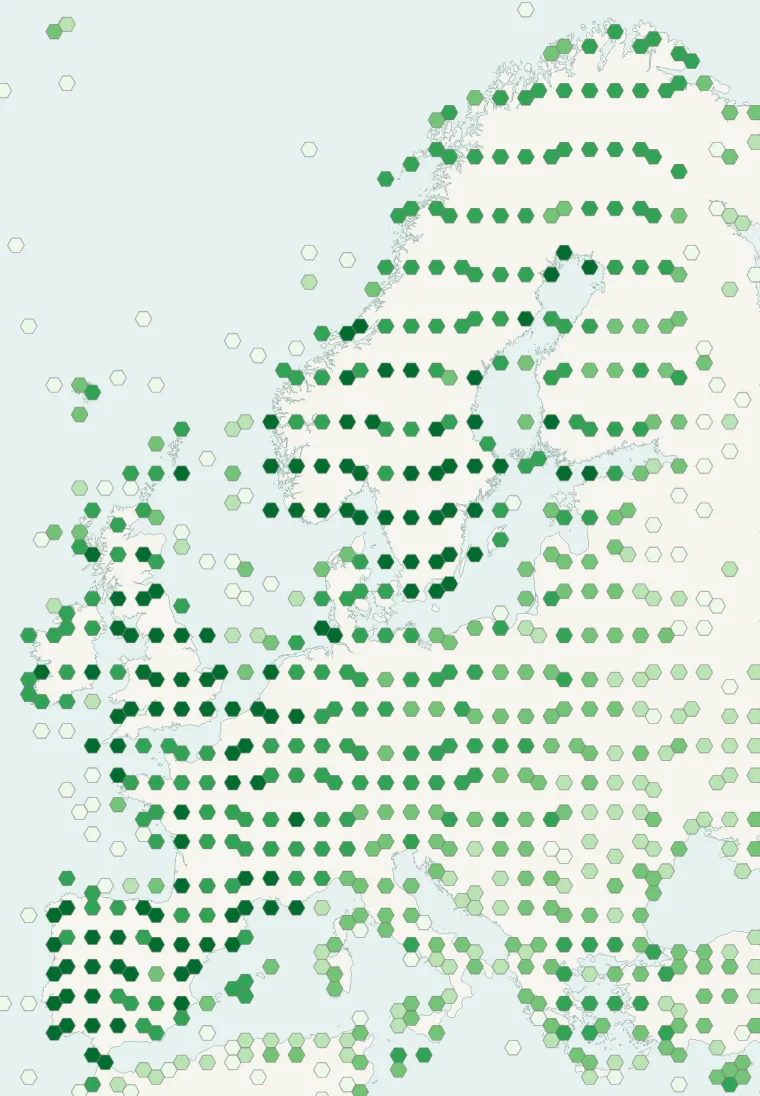
Records published on GBIF (CC0 and CC BY 4.0 licences): the darker the shade, the more records there are; they also reflect observation effort.
Atlas countries where it is recorded
Listen
-
1:33 · © Ndalyrose · CC BY-SA 4.0 · Wikimedia Commons · Original file
-
0:08 · © Hannu Varkki · CC BY-SA 4.0 · Wikimedia Commons · Original file
-
0:33 · © Marie-Lan Taÿ Pamart · CC BY-SA 4.0 · Wikimedia Commons · Original file
From Wikipedia
The meadow pipit (Anthus pratensis) is a small passerine bird that breeds throughout much of the Palearctic, from south-eastern Greenland and Iceland east to just east of the Ural Mountains in Russia, and south to central France and Romania; an isolated population also occurs in the Caucasus Mountains. It is migratory over most of its range, wintering in southern Europe, North Africa, and south-western Asia, but is resident year-round in western Europe, although even here many birds move to the coast or lowlands in winter.
Source: Wikipedia, article “Meadow pipit” (version of June 25, 2026) · history and authors · licence CC BY-SA 4.0
Protected areas where it is recorded

Natura 2000 · wintering 6,520 records

9,554 records
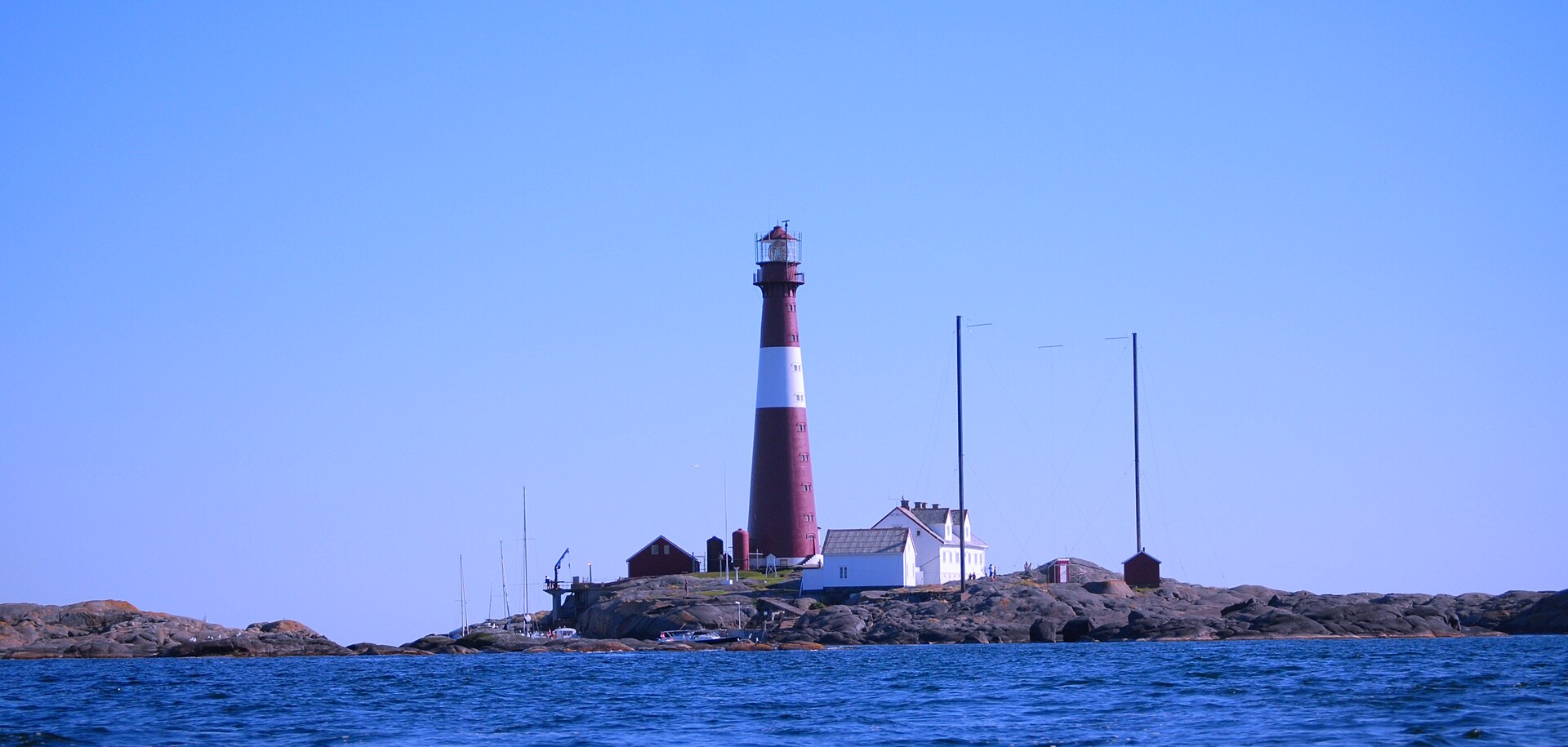
7,220 records

6,864 records

6,271 records
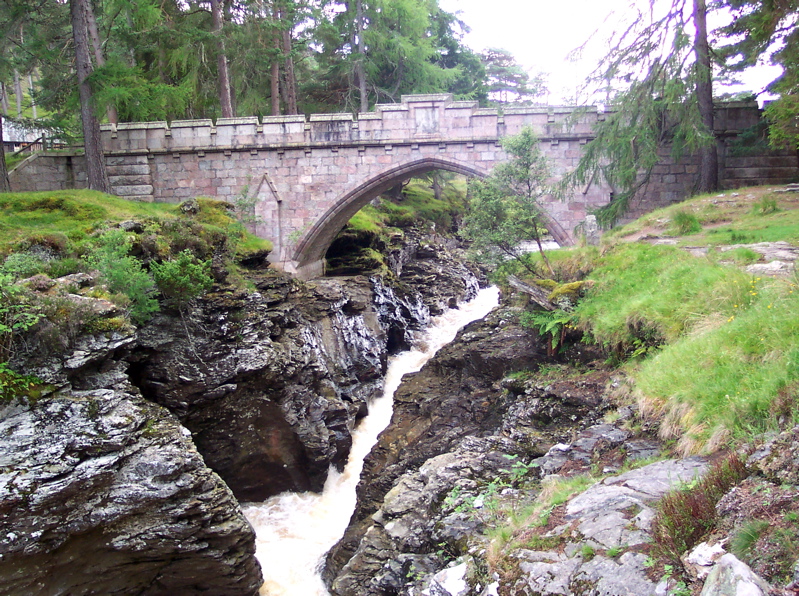
4,092 records
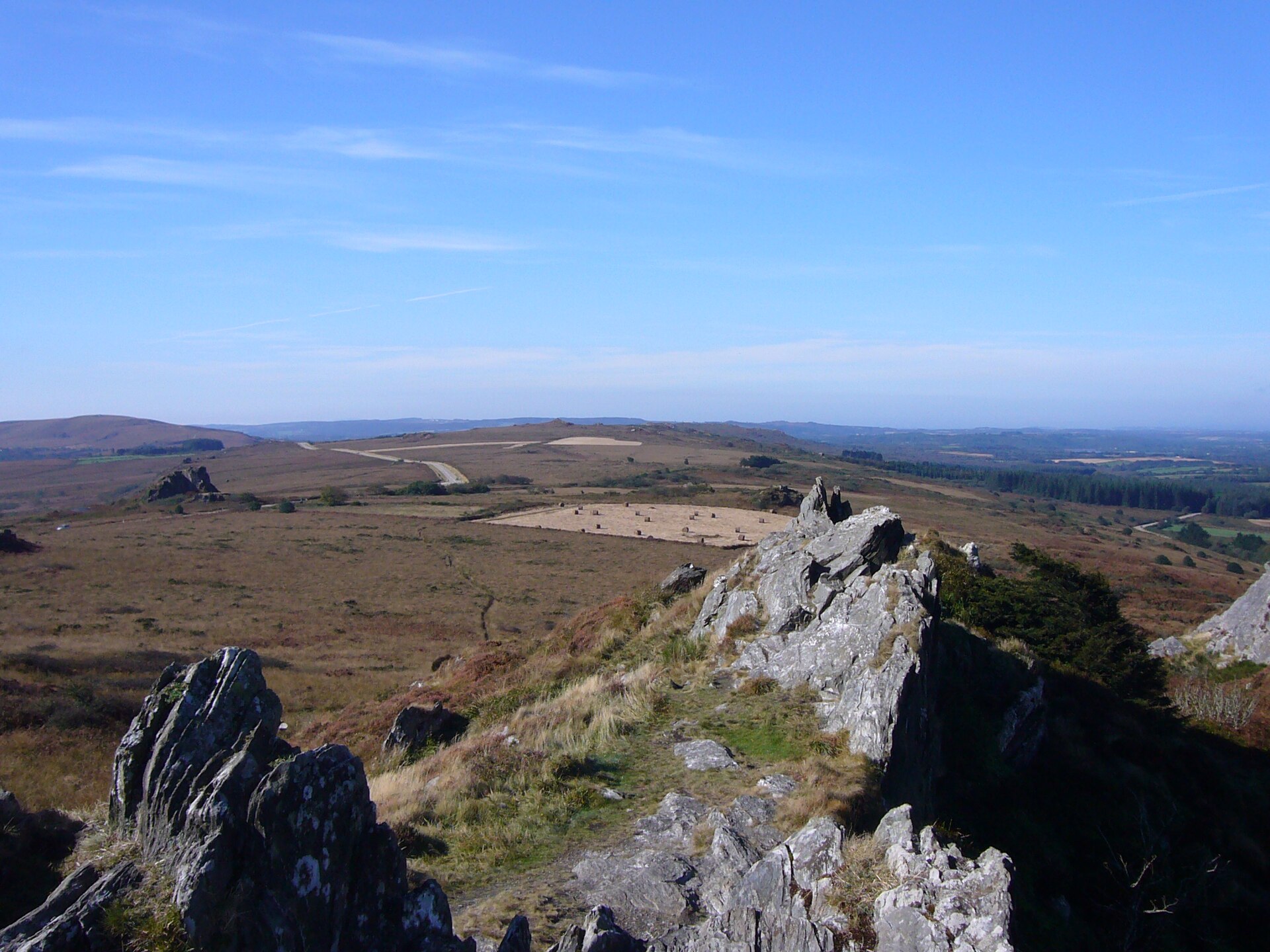
3,282 records

3,240 records
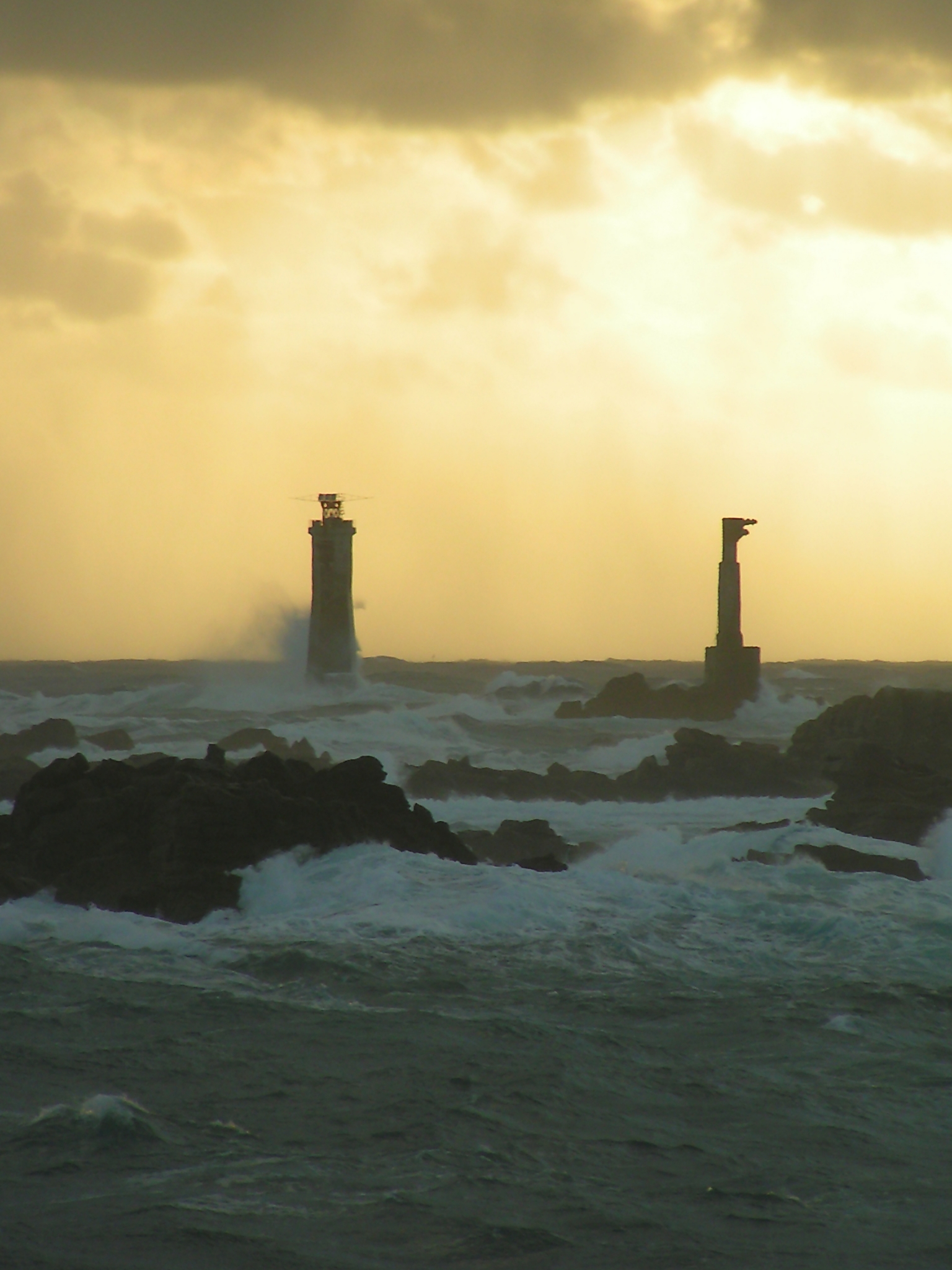
3,212 records

3,070 records

2,953 records
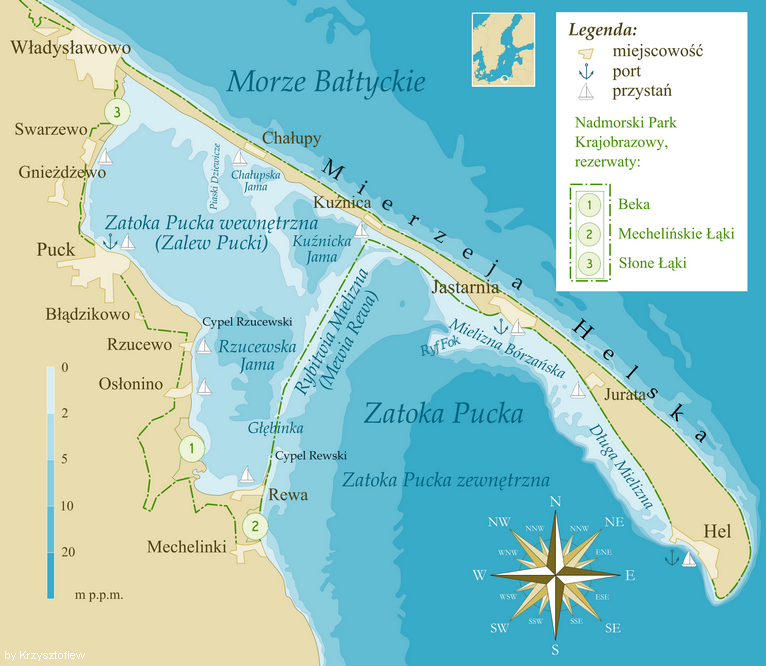
2,773 records
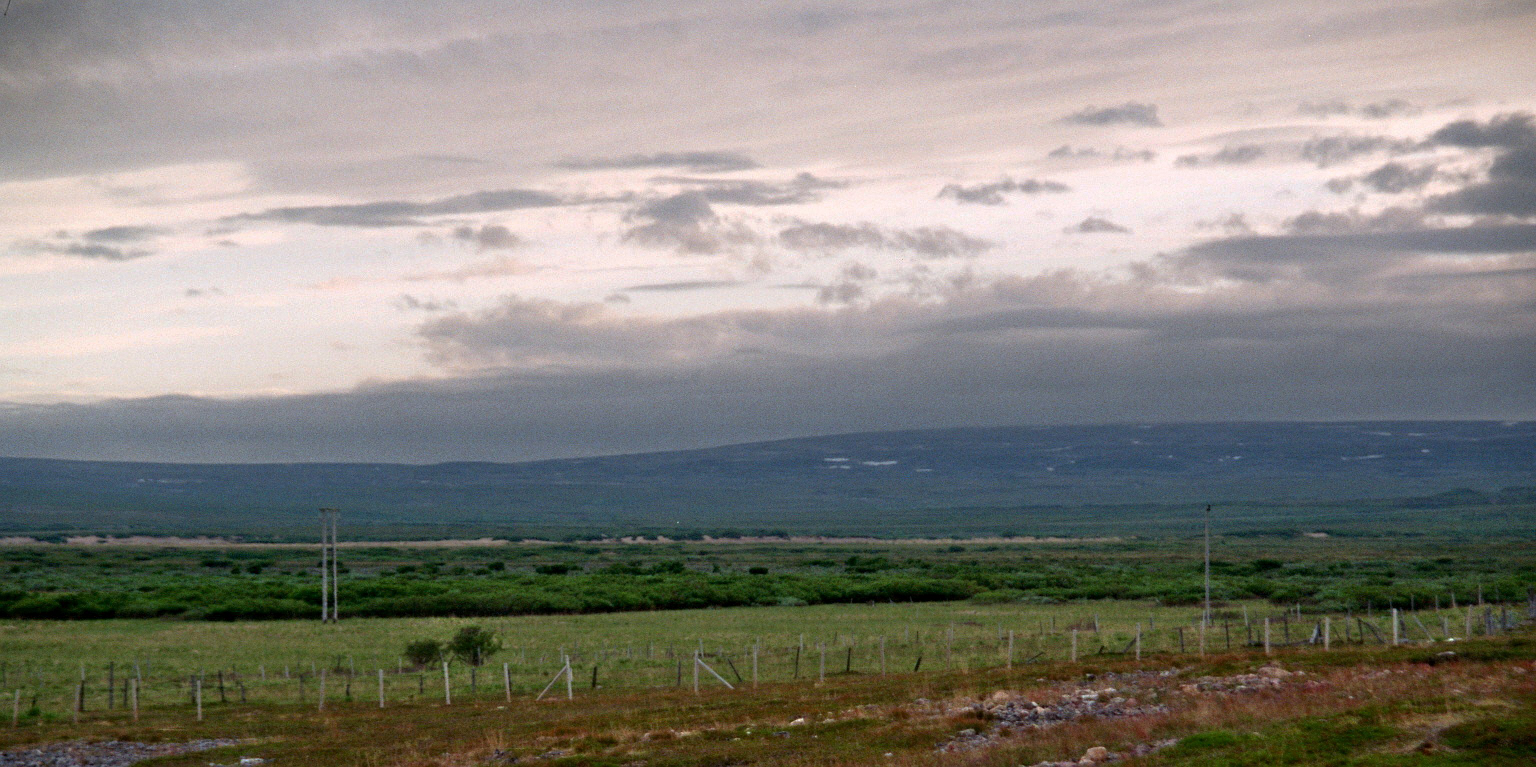
2,135 records
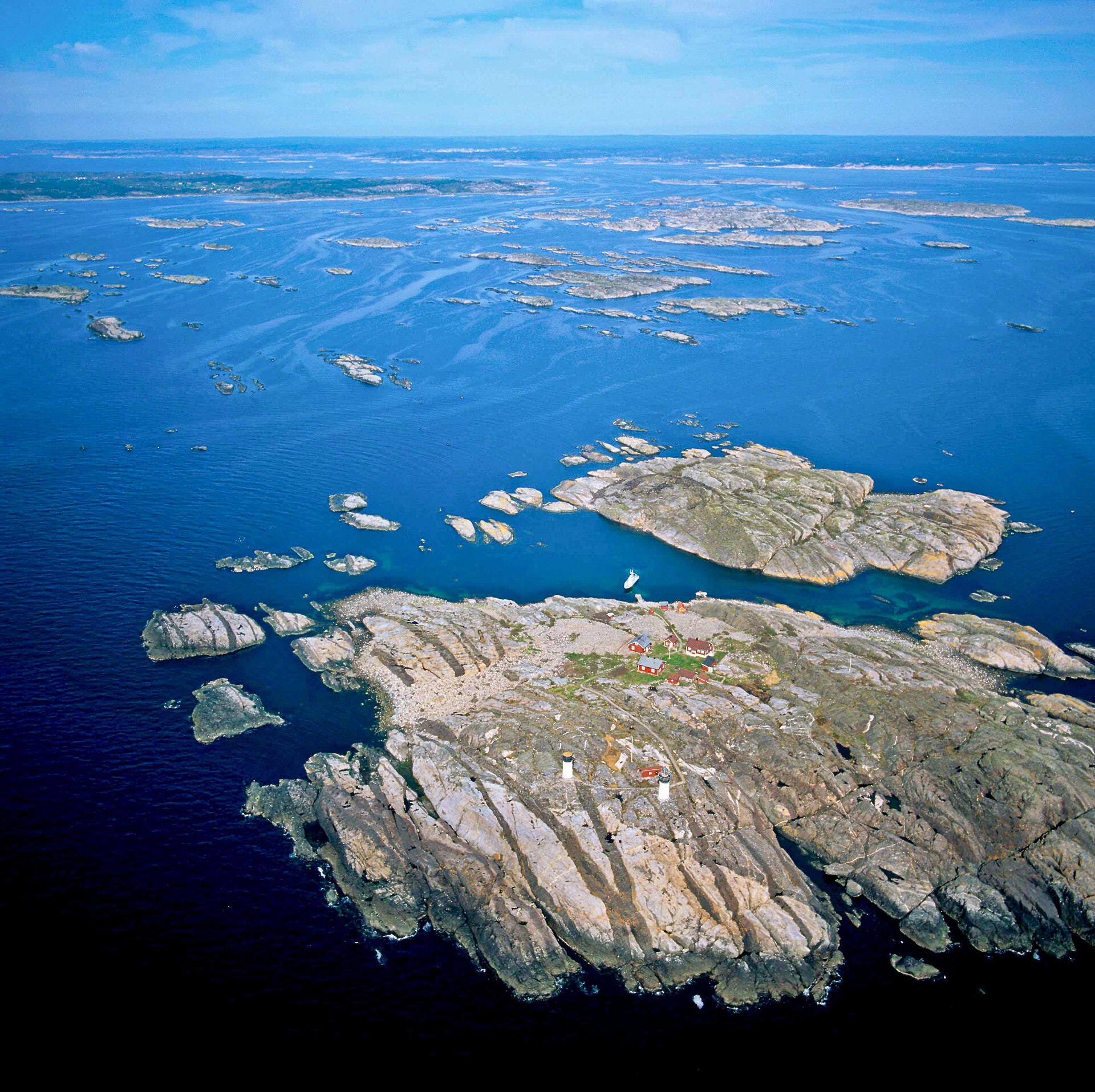
1,597 records
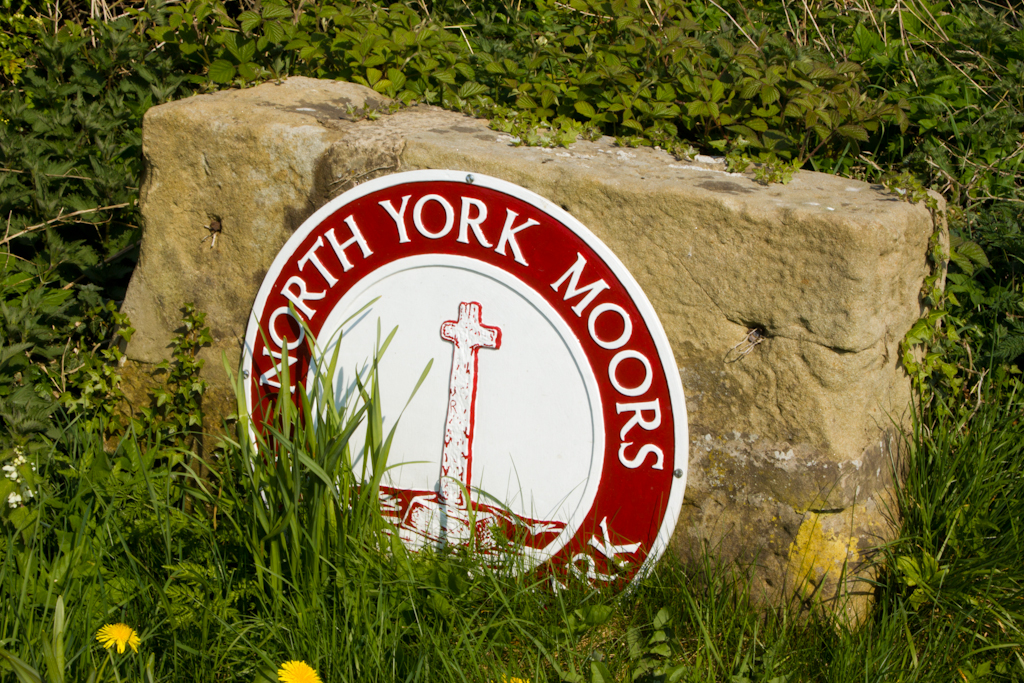
1,469 records
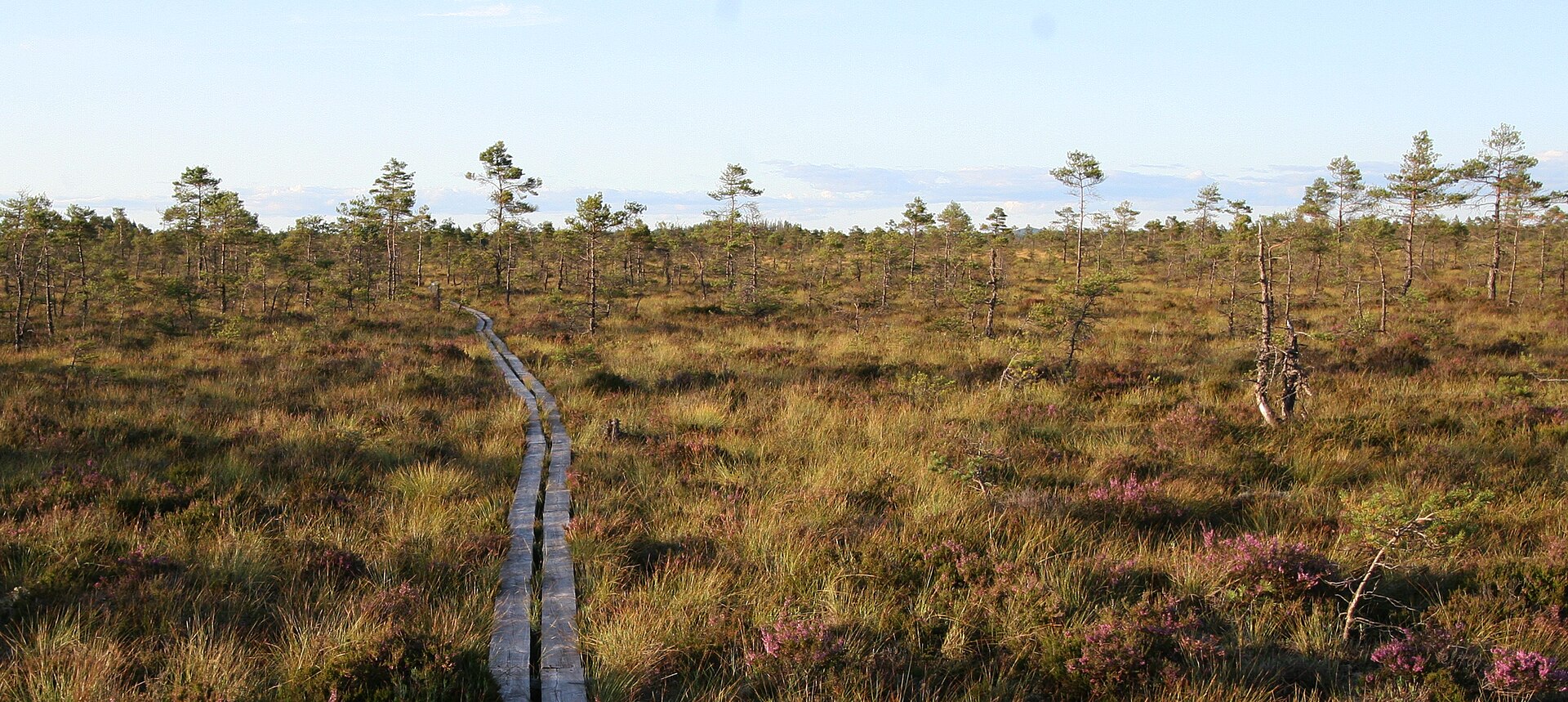
1,293 records
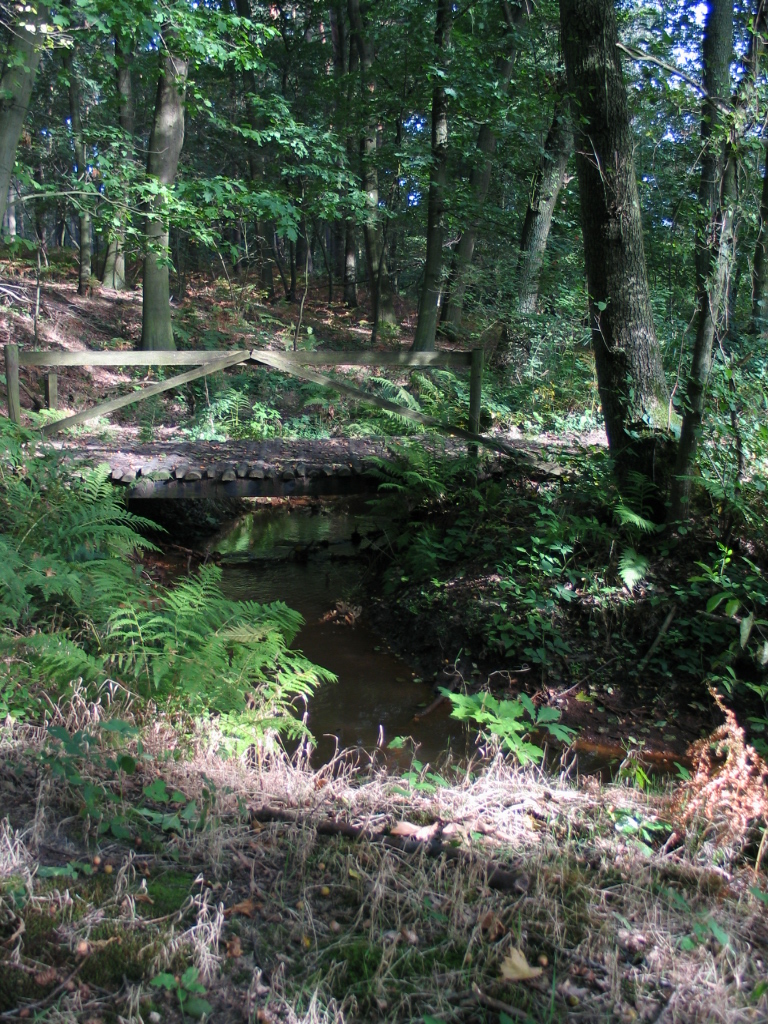
924 records
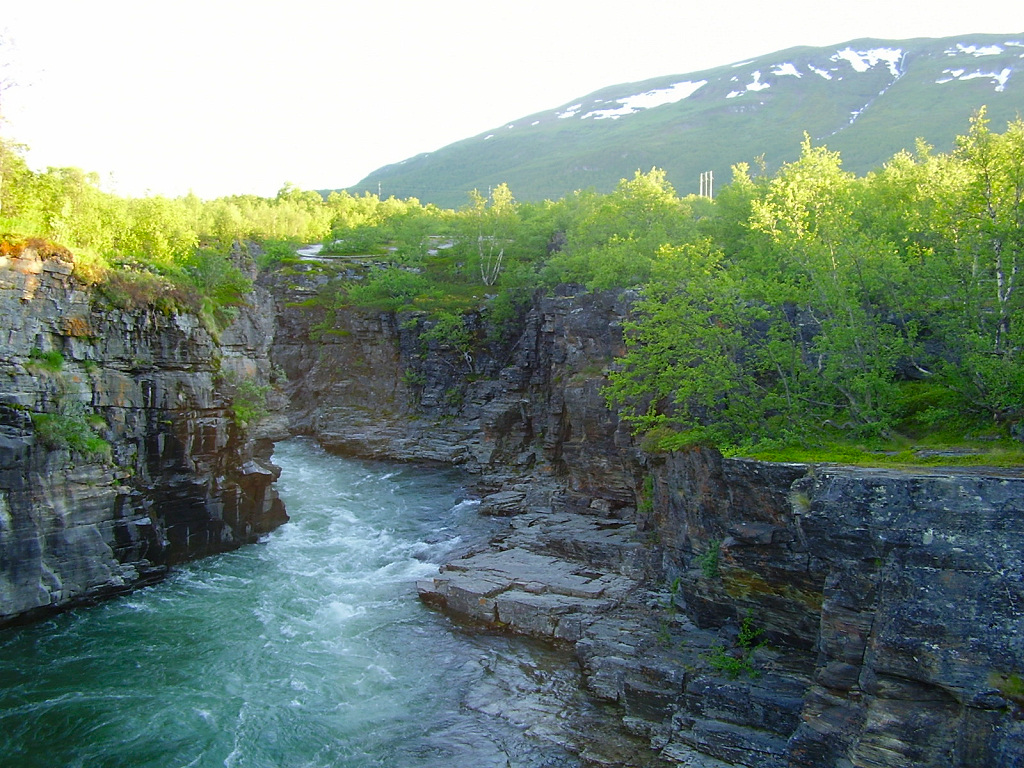
785 records

779 records
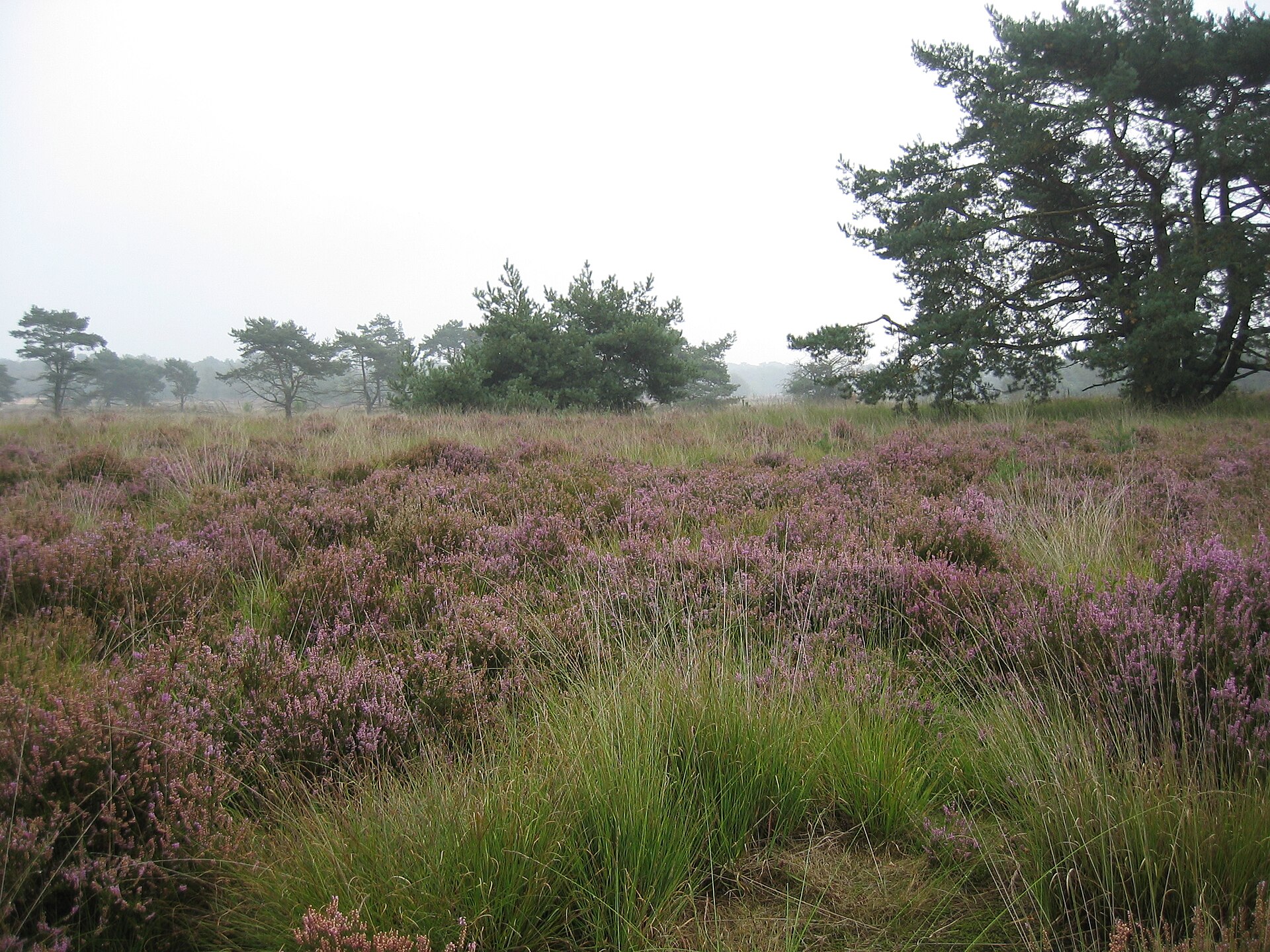
734 records
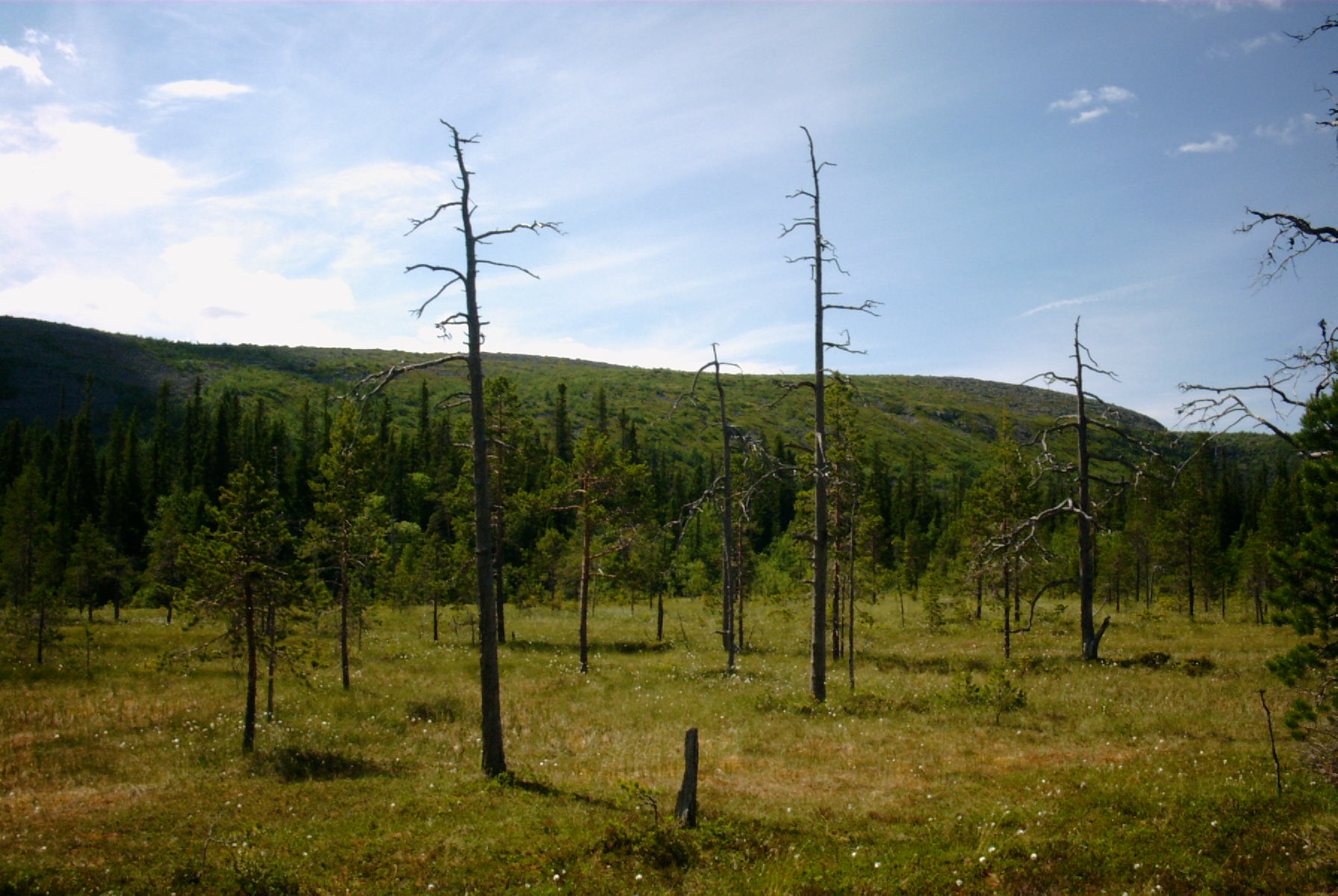
668 records
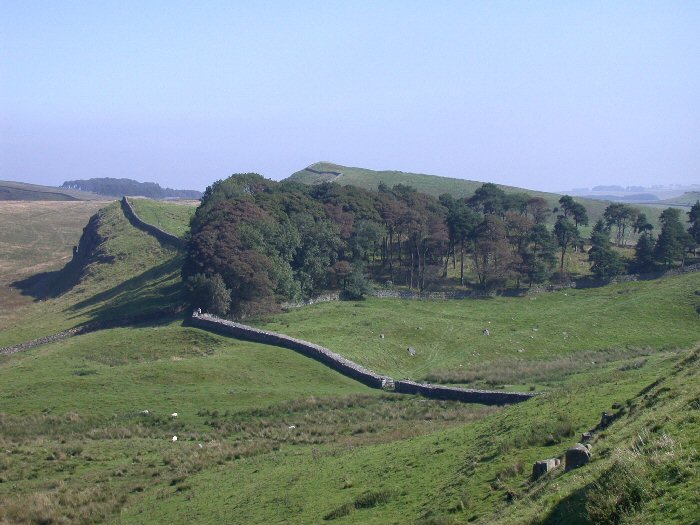
658 records
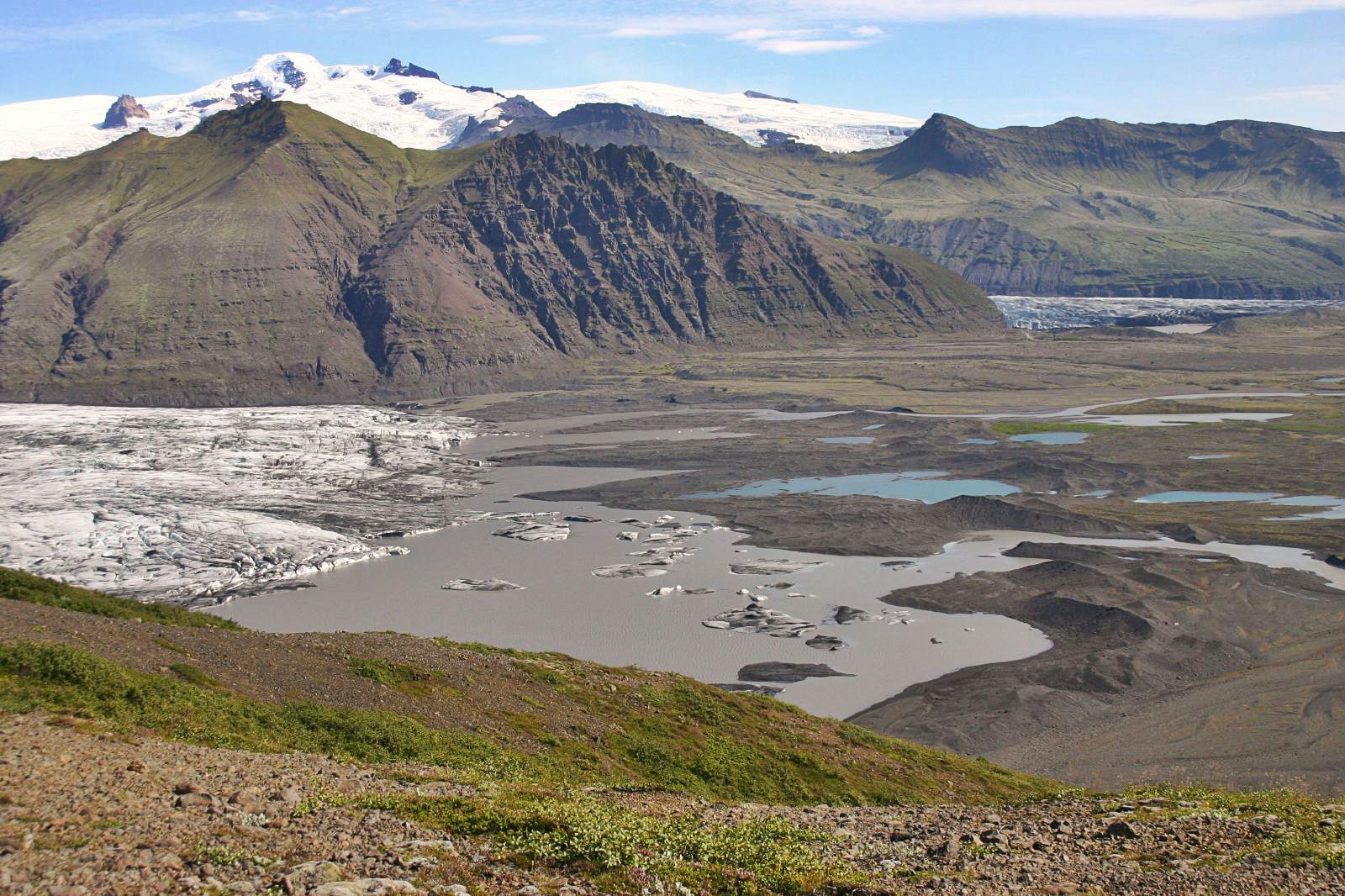
636 records
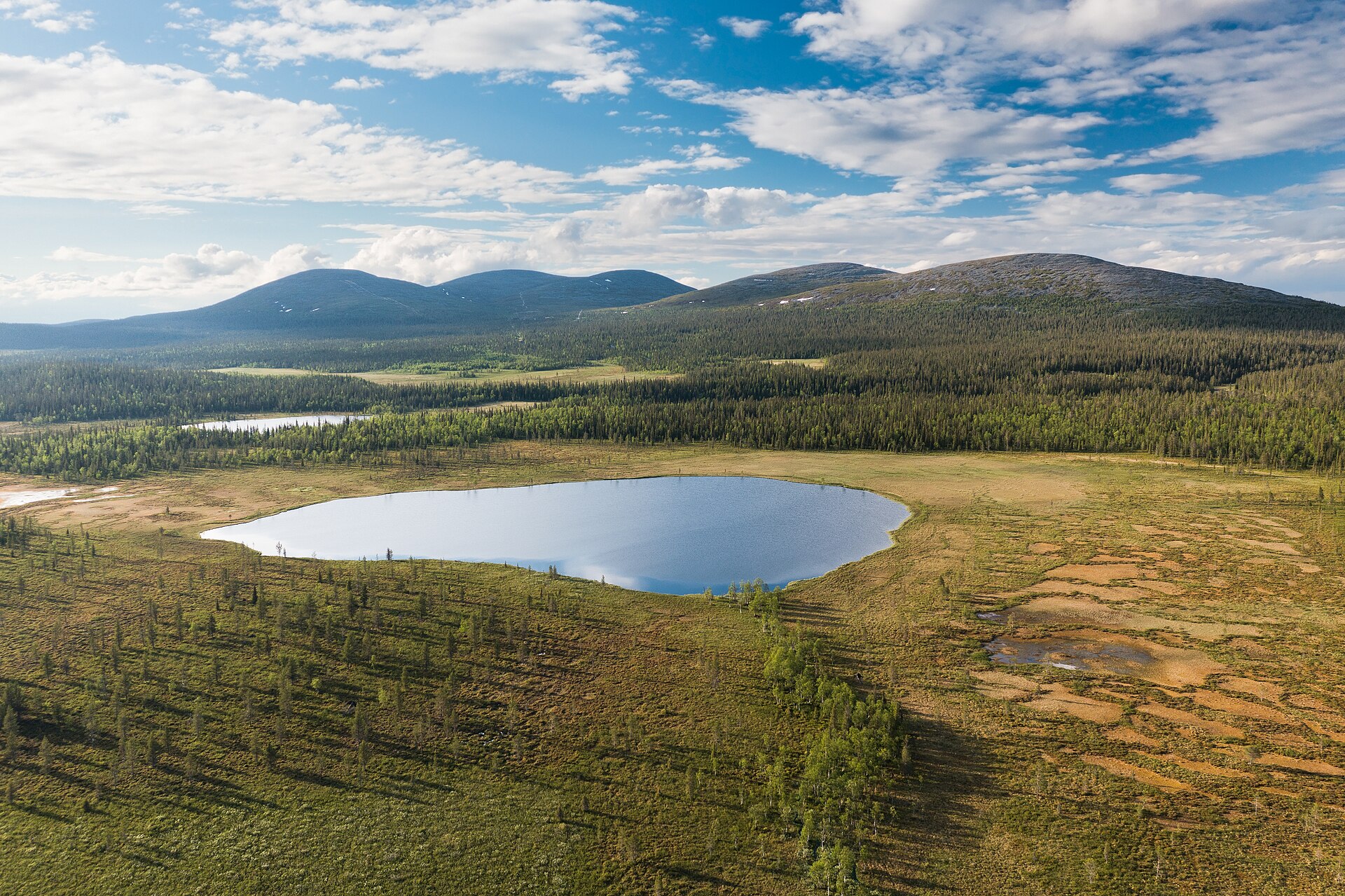
635 records

501 records
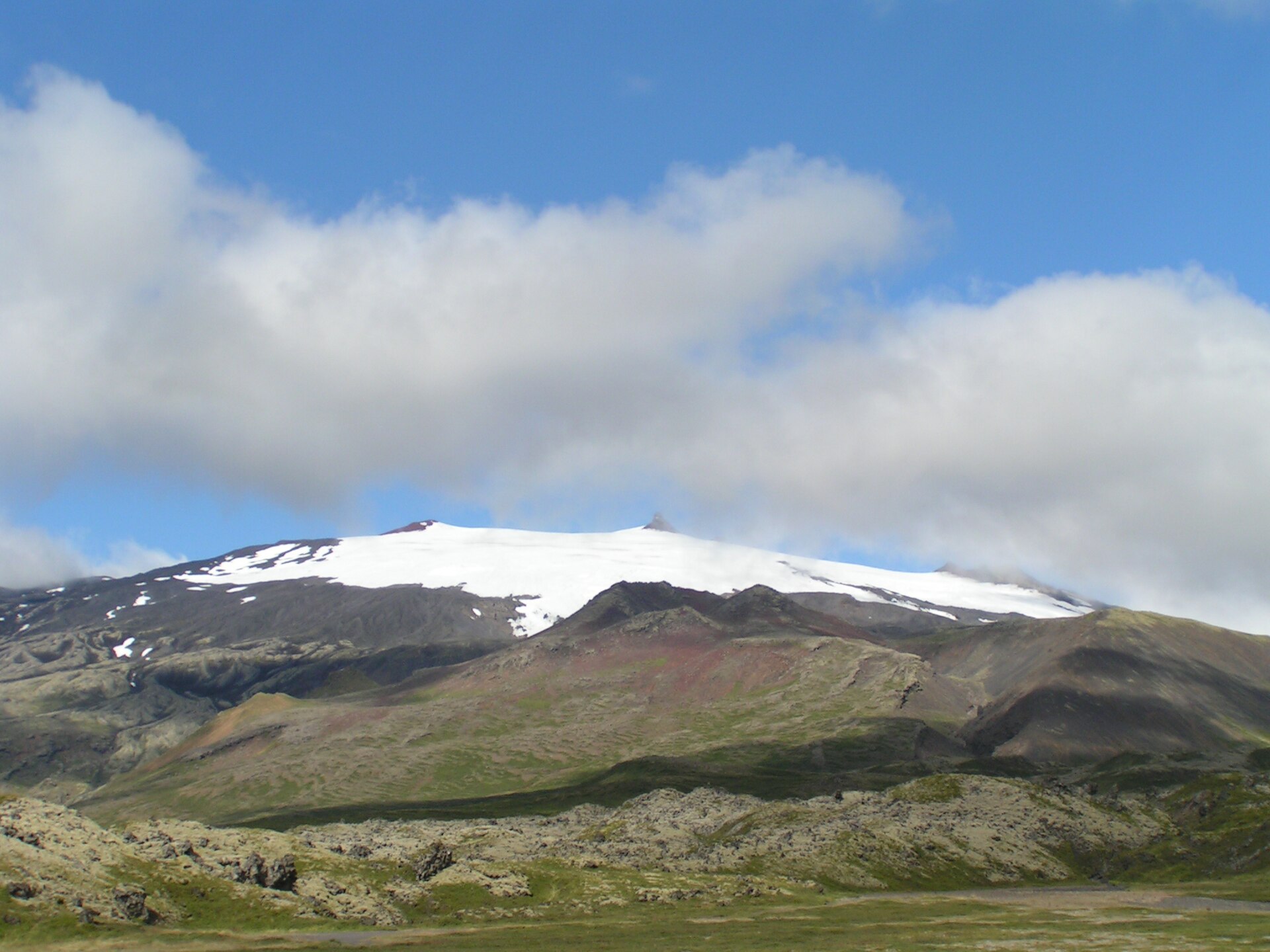
499 records

482 records
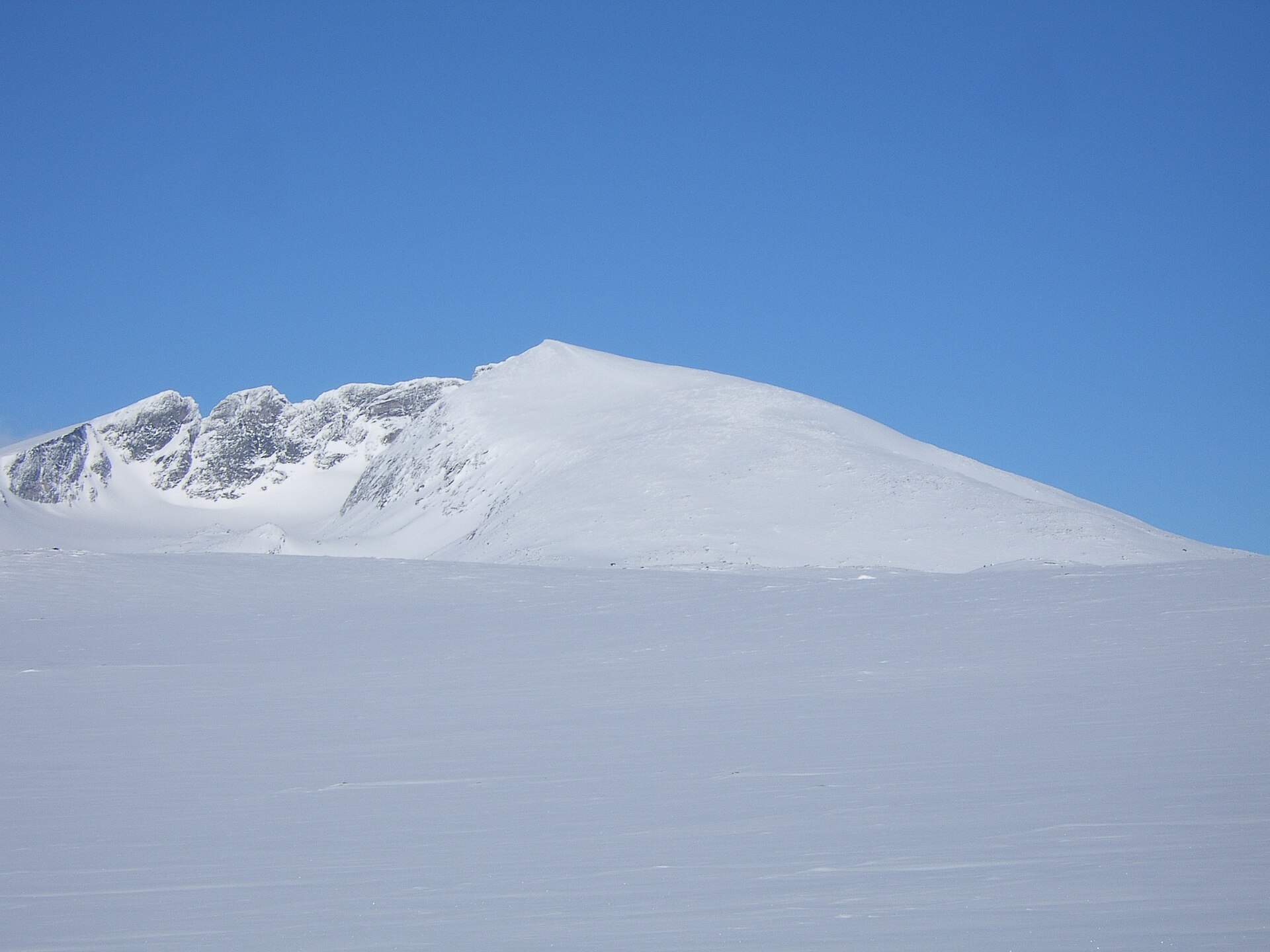
461 records
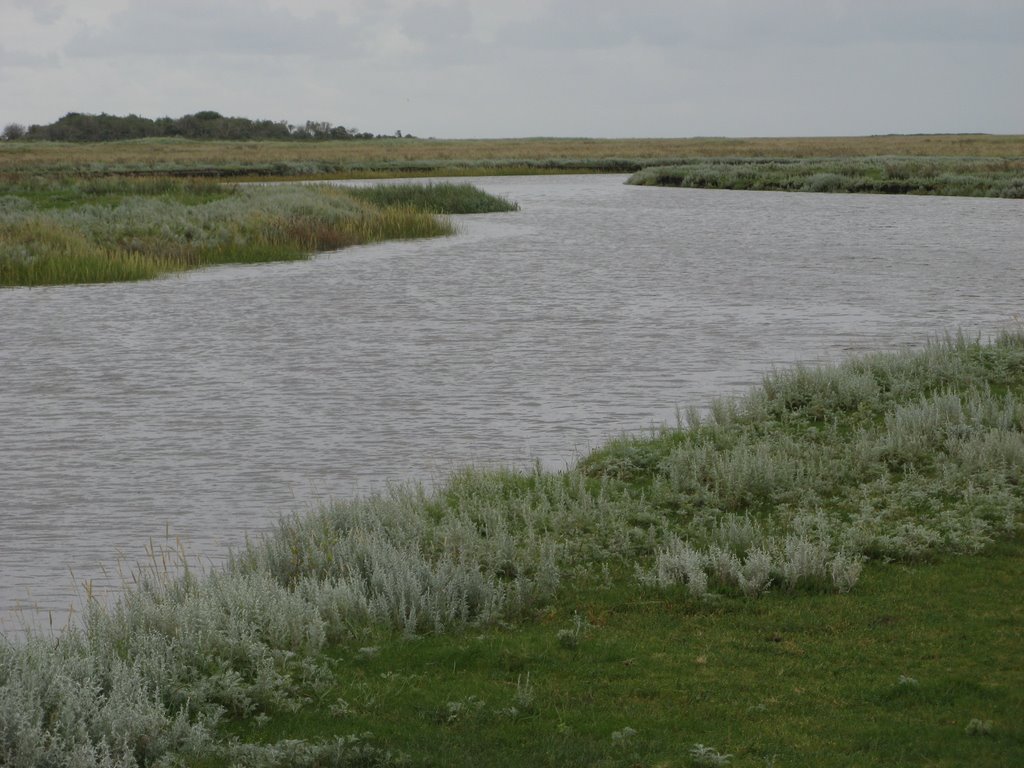
430 records

418 records

345 records

295 records
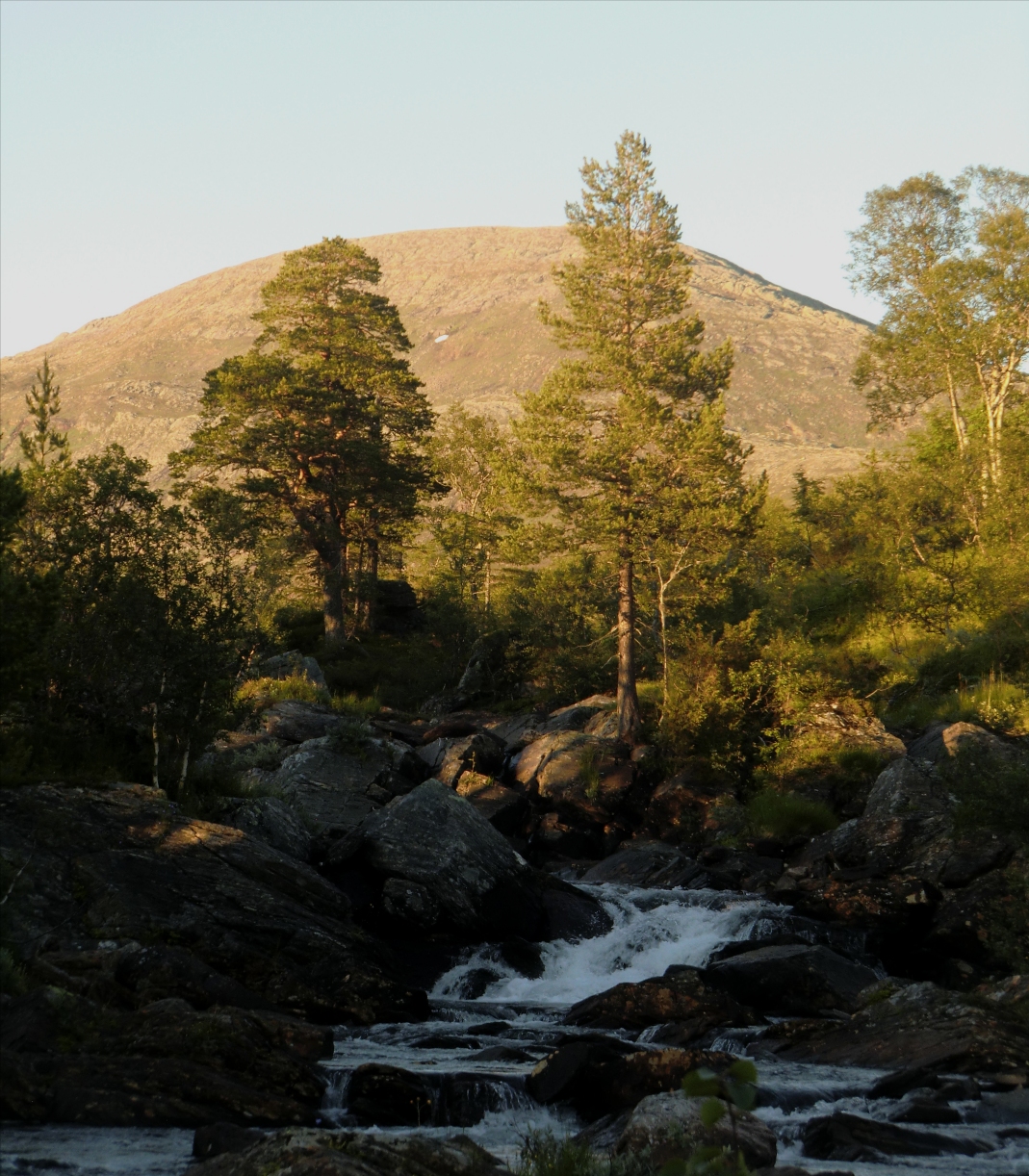
294 records
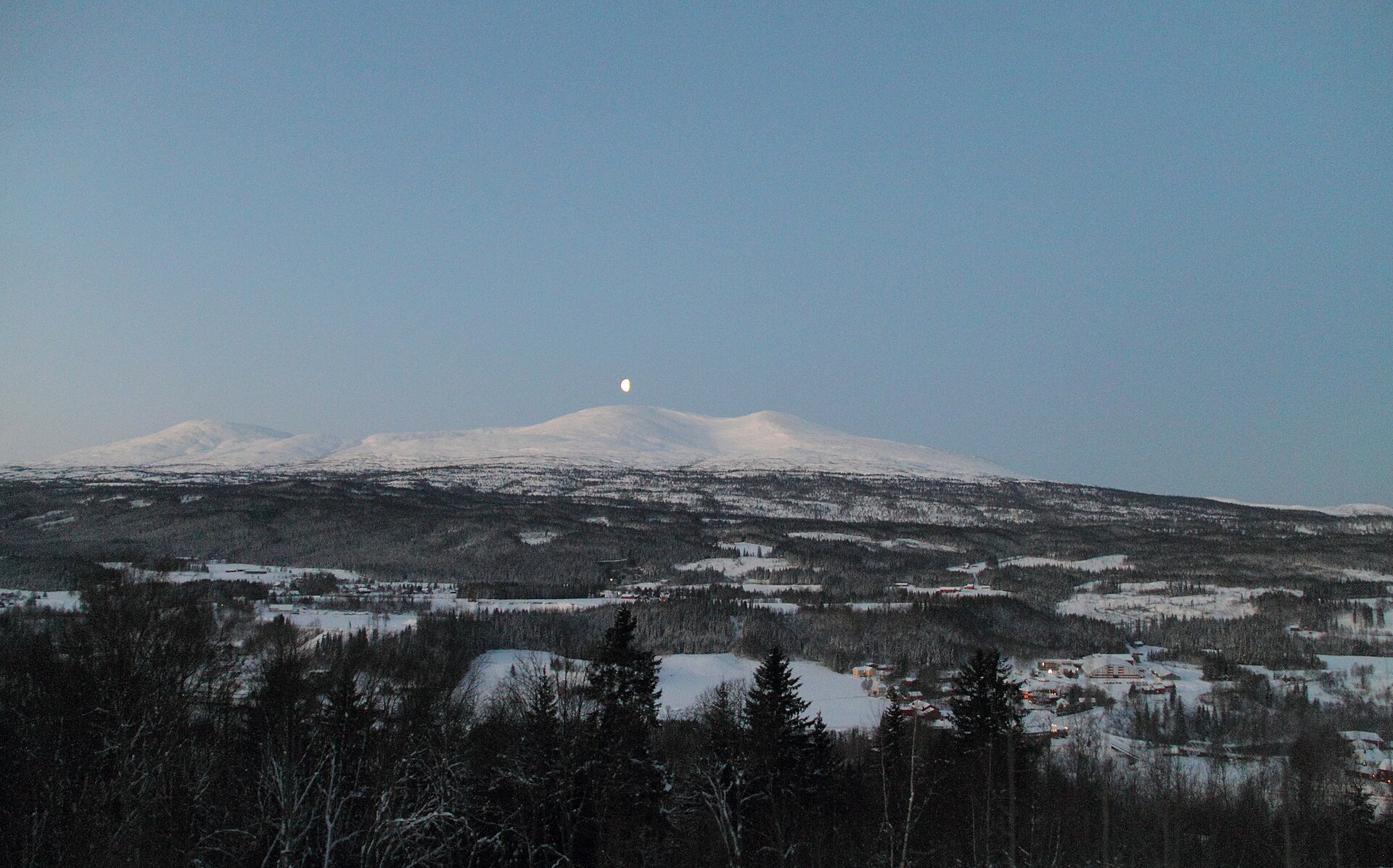
270 records
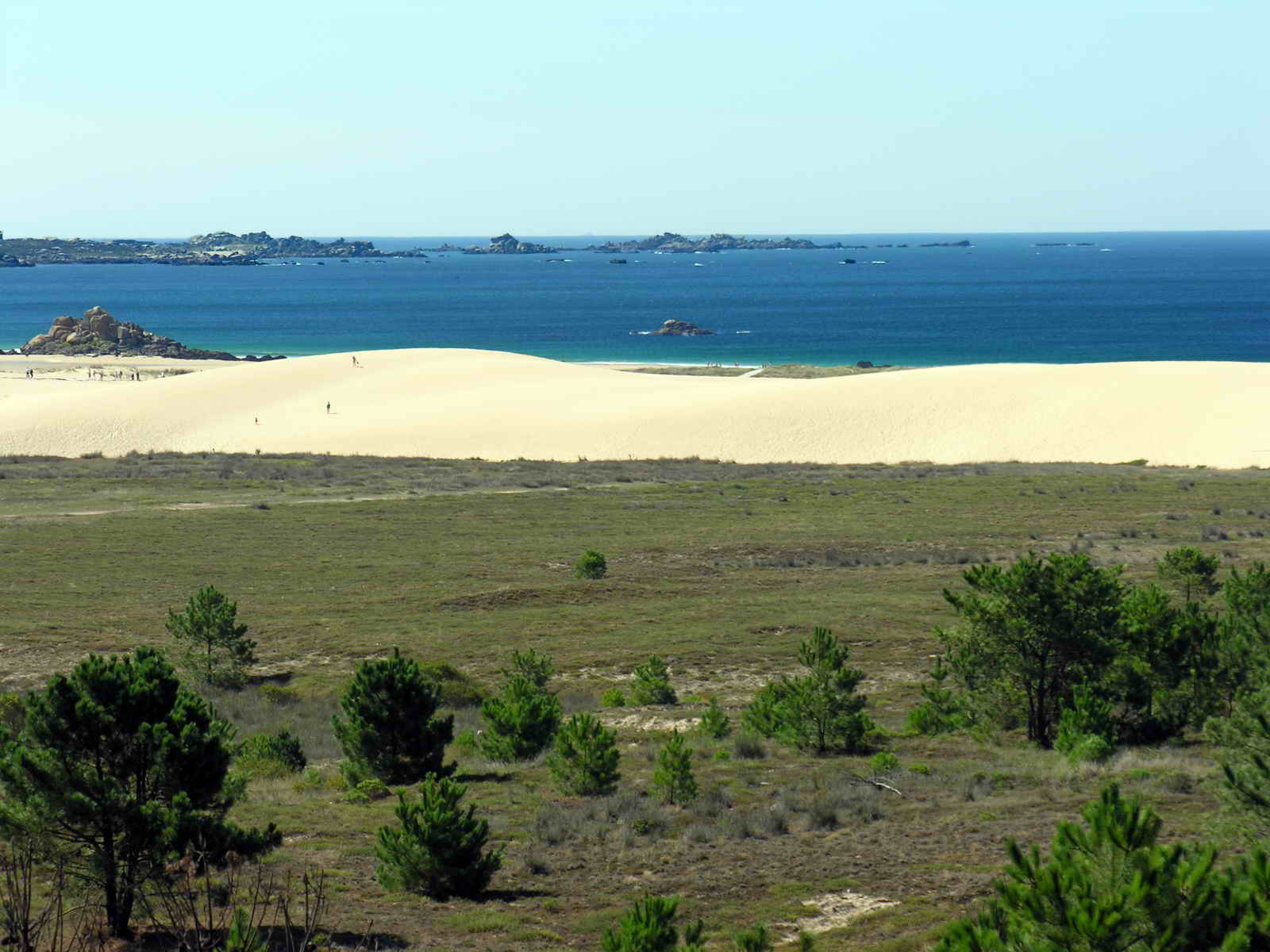
264 records

262 records
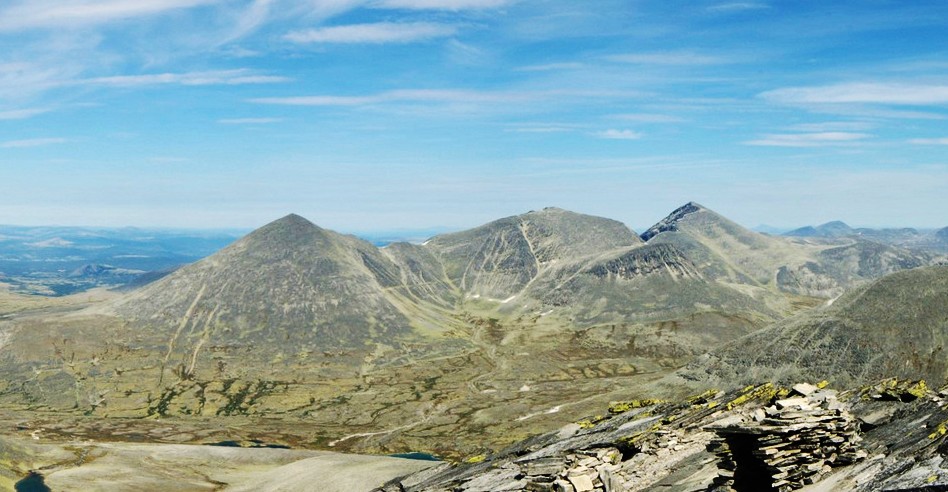
256 records

247 records

210 records
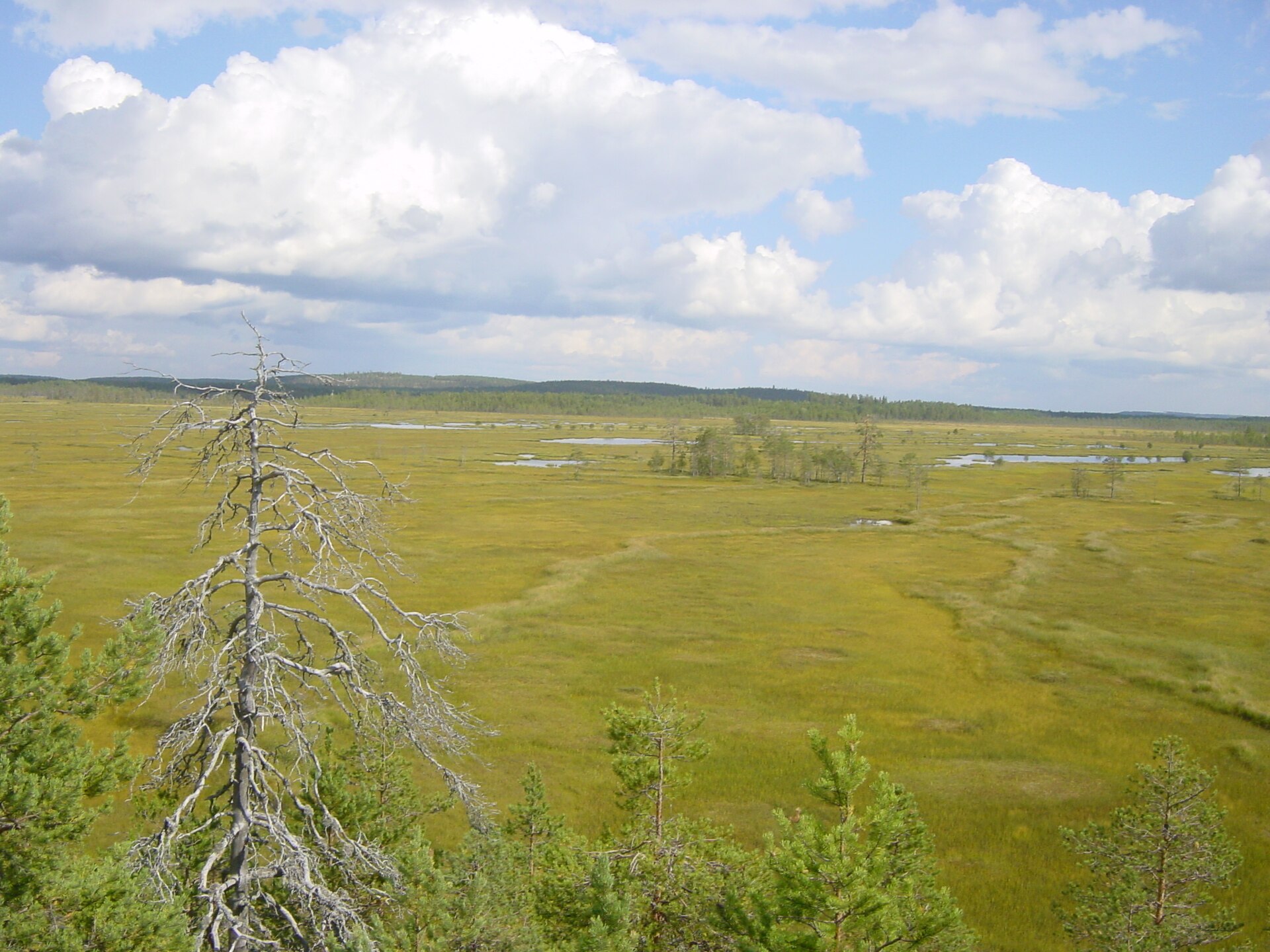
172 records
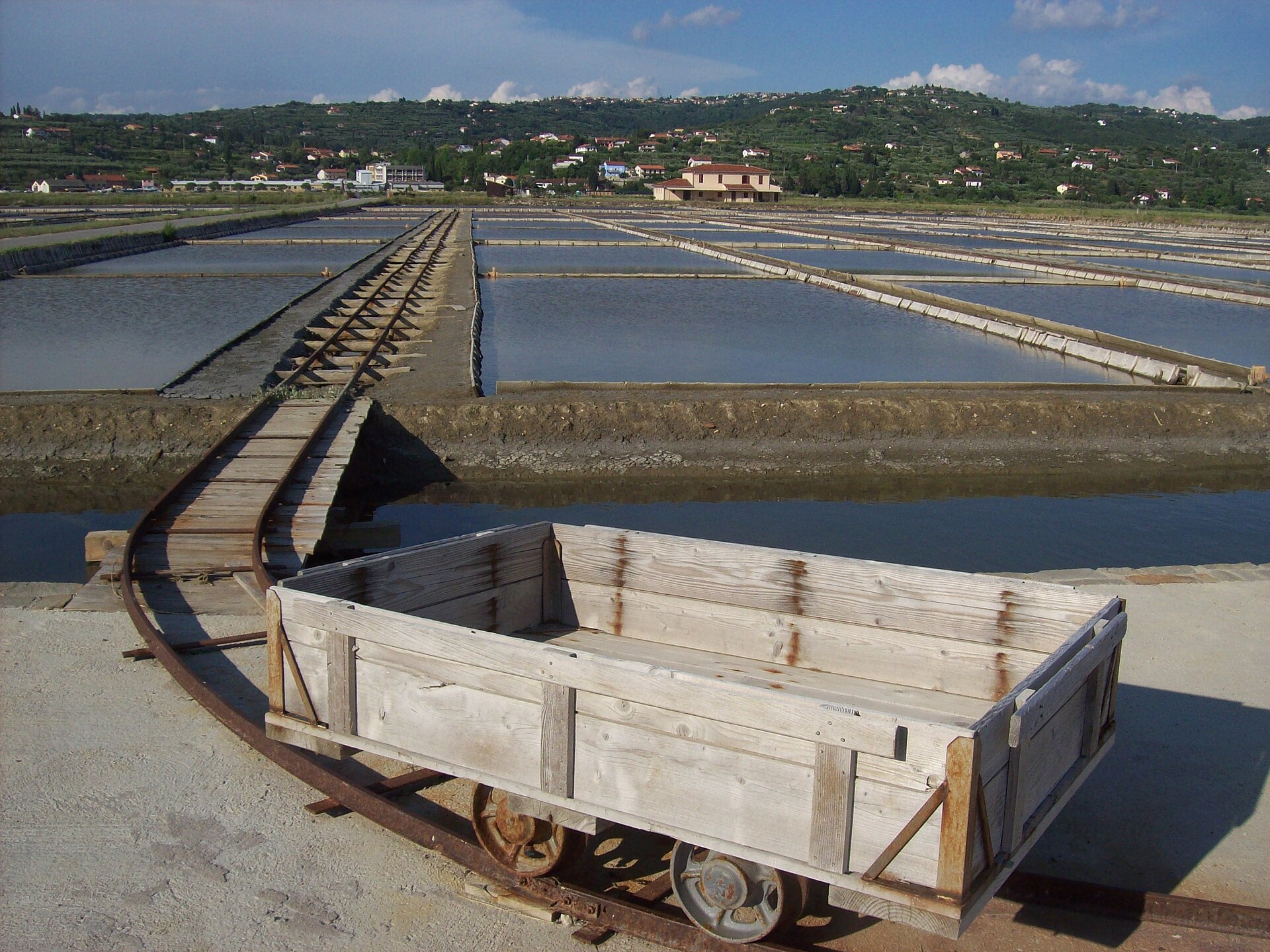
166 records

162 records

138 records

129 records

128 records
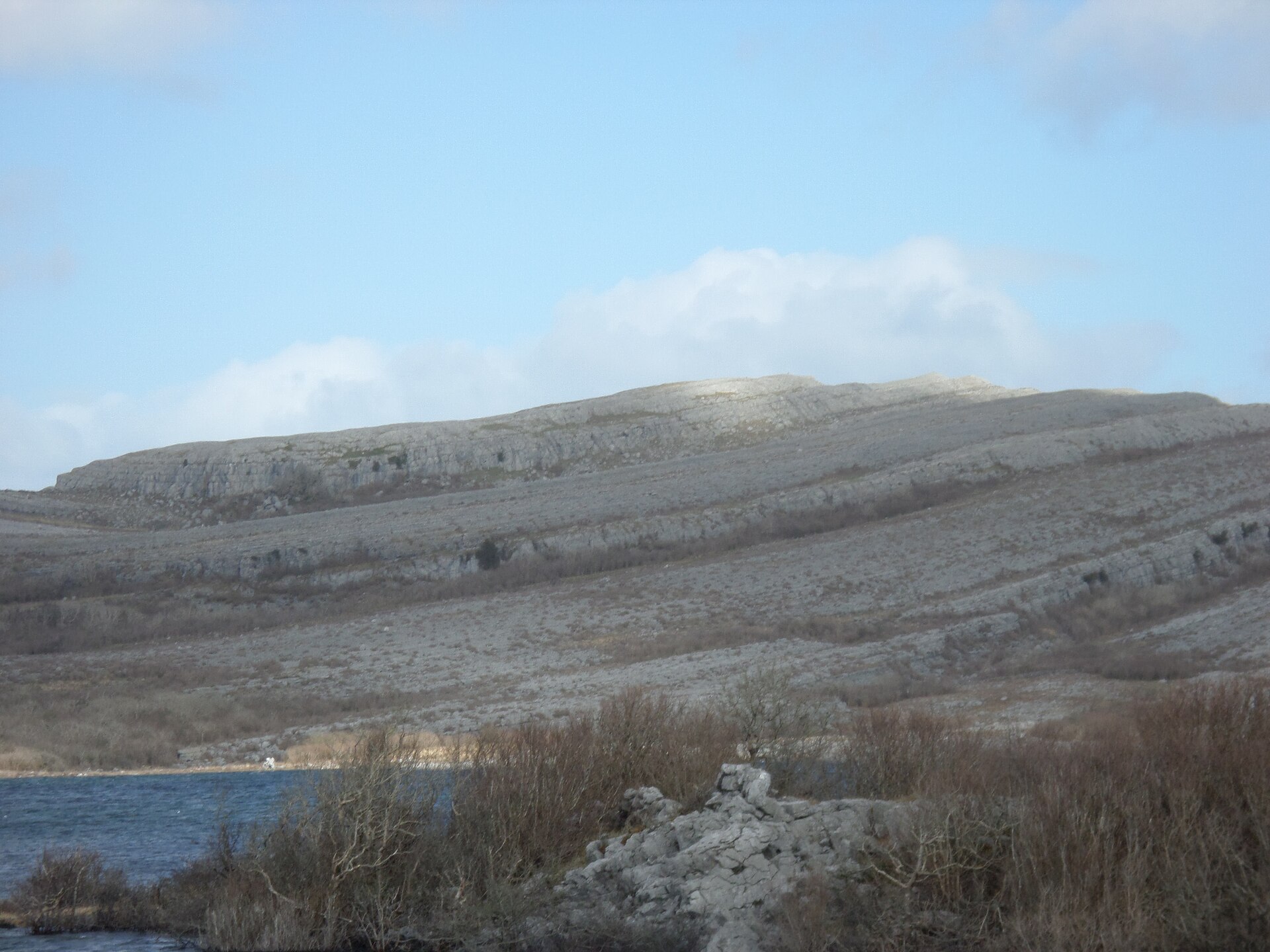
120 records
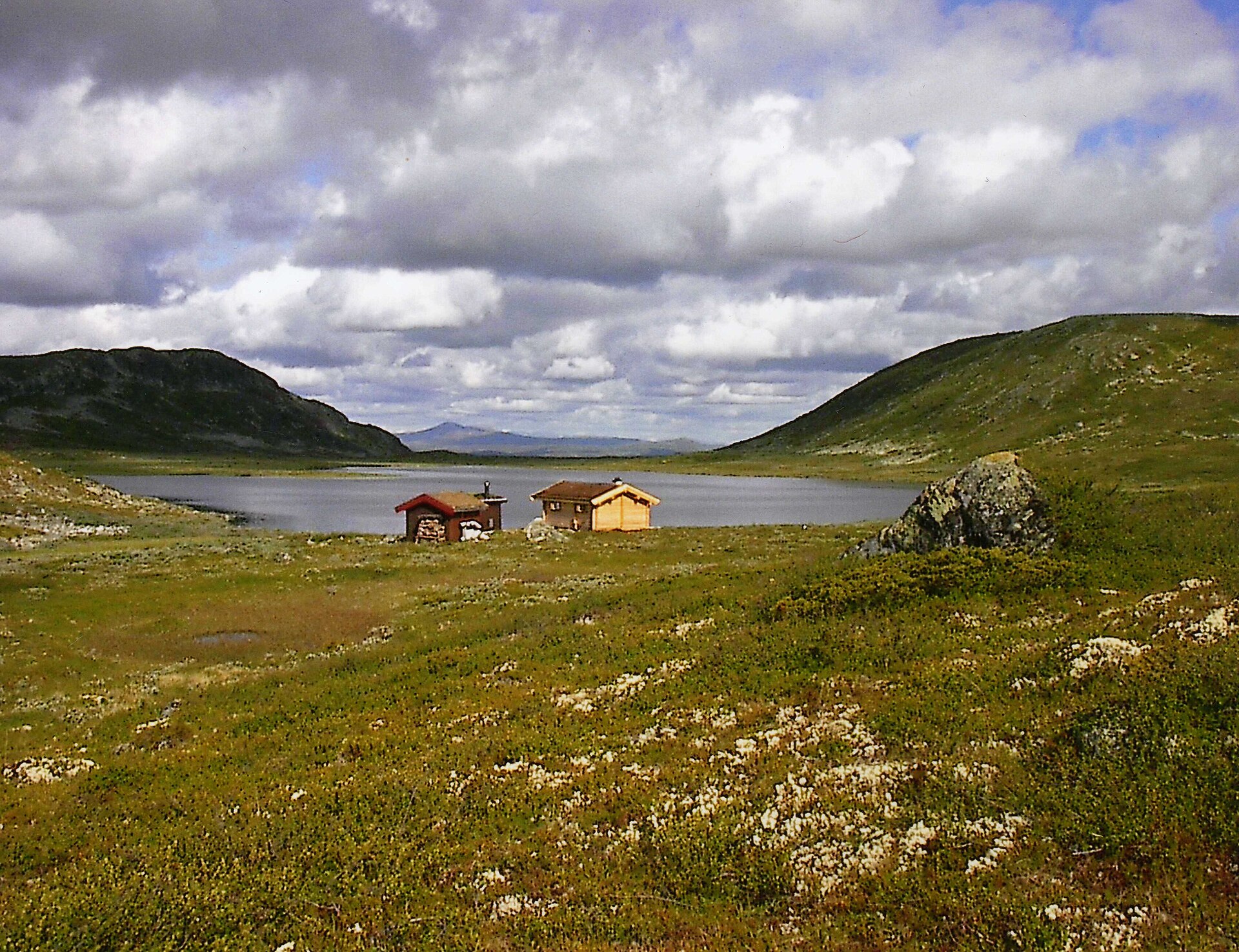
117 records

115 records
110 records
81 records
81 records
79 records
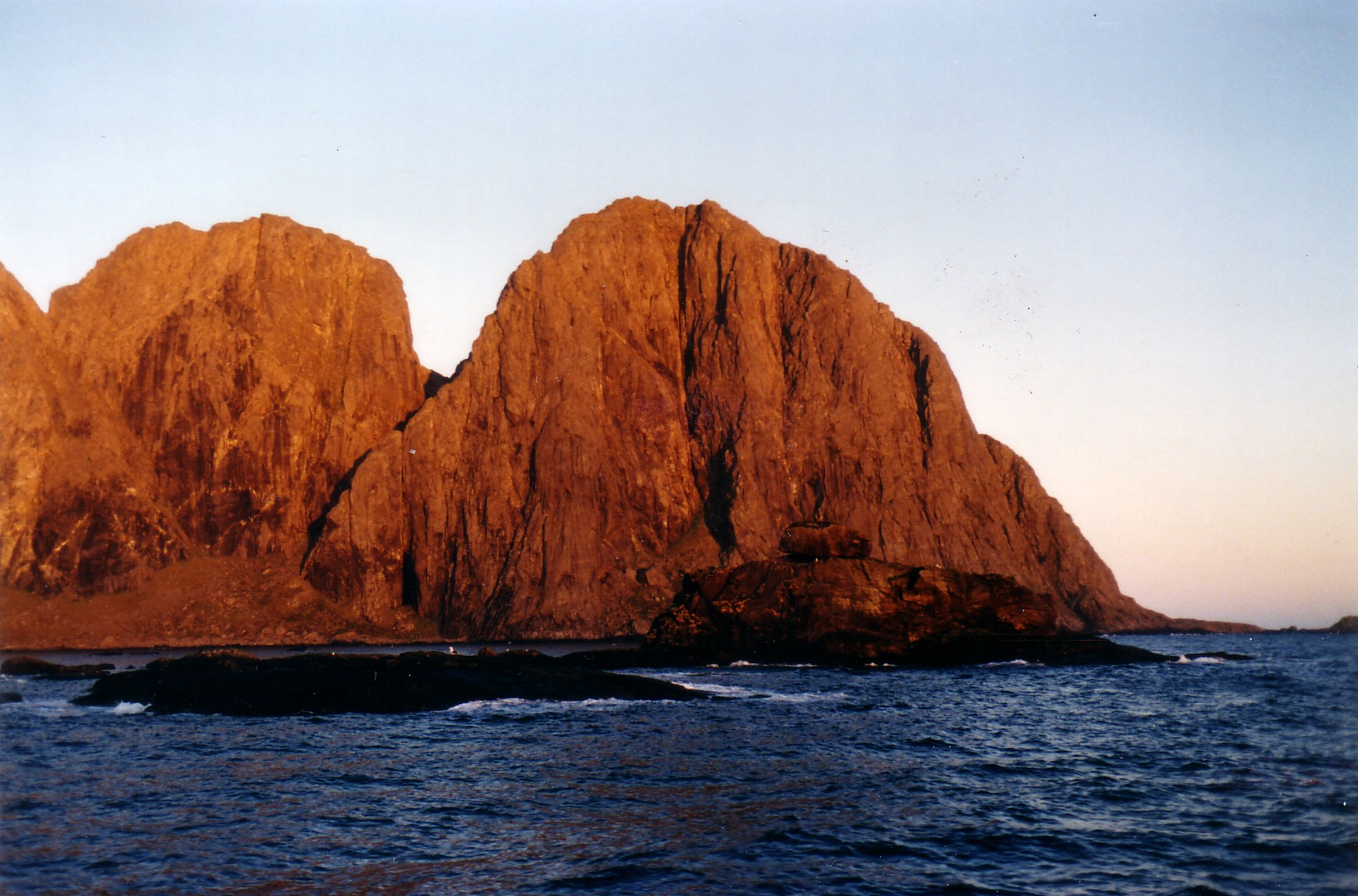
78 records
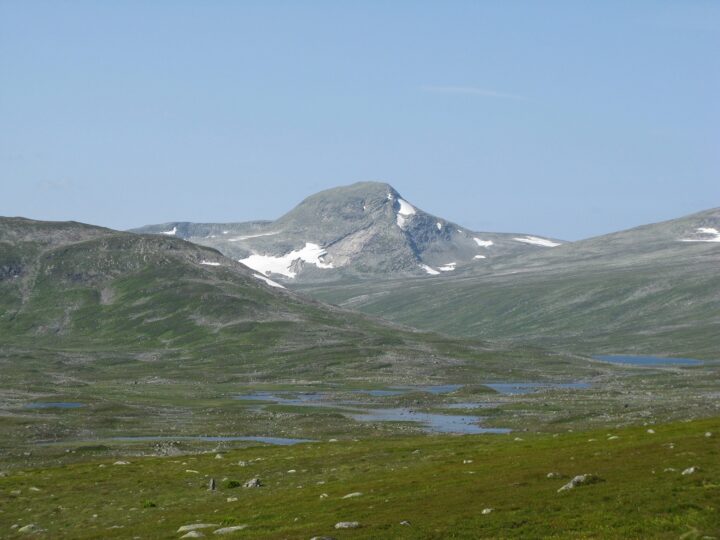
74 records
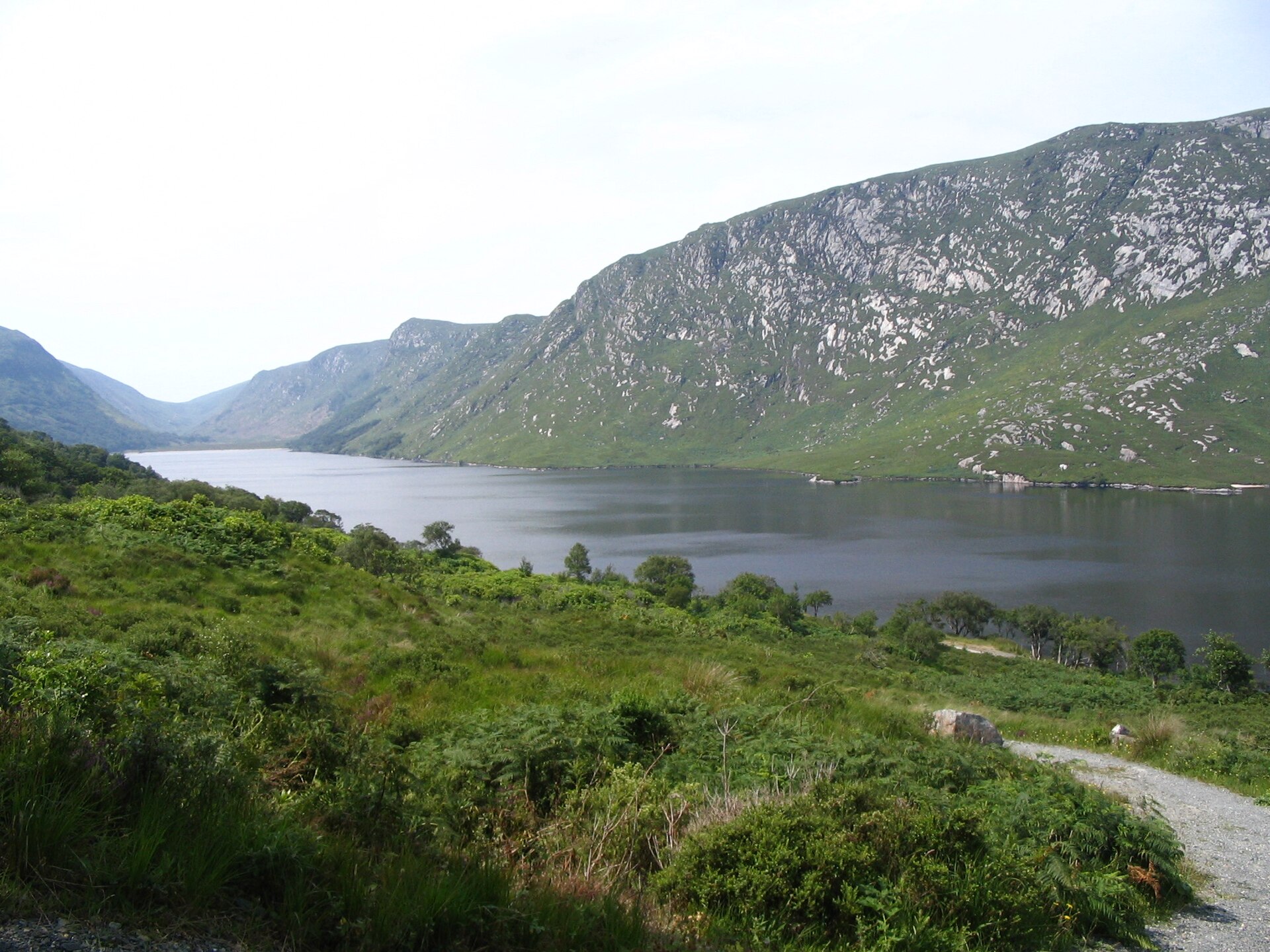
74 records

69 records

57 records

50 records

41 records

37 records
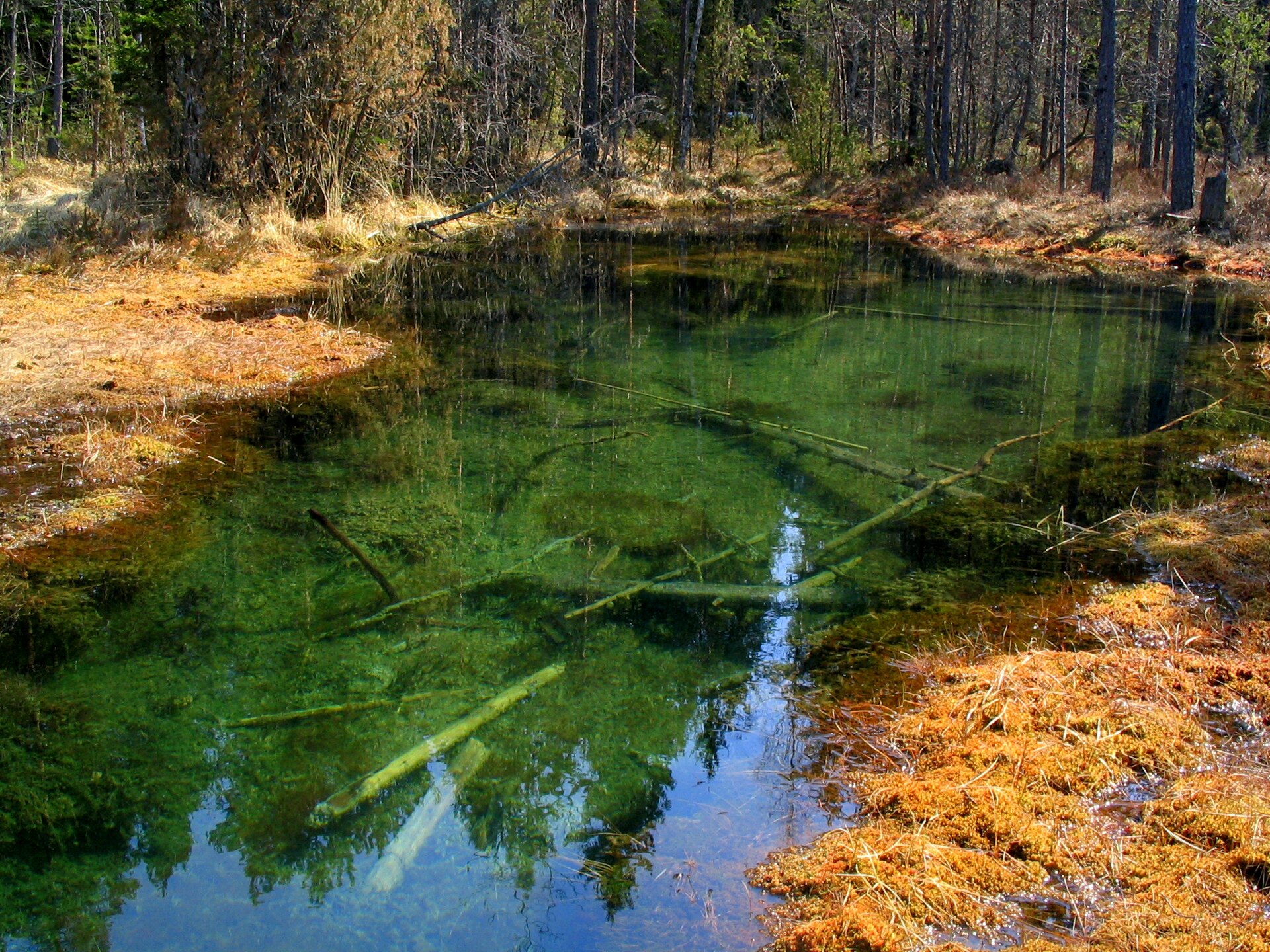
34 records
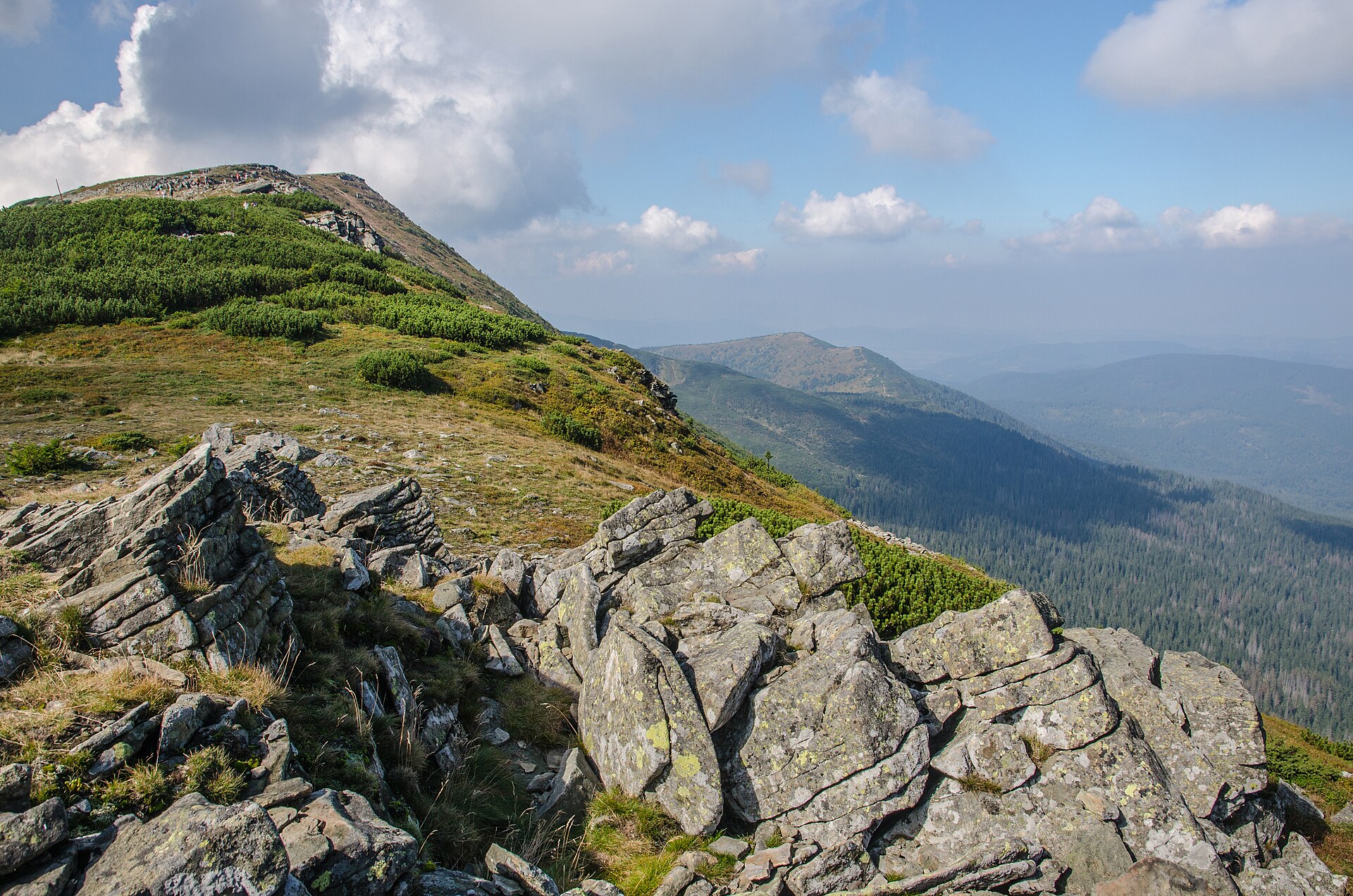
33 records
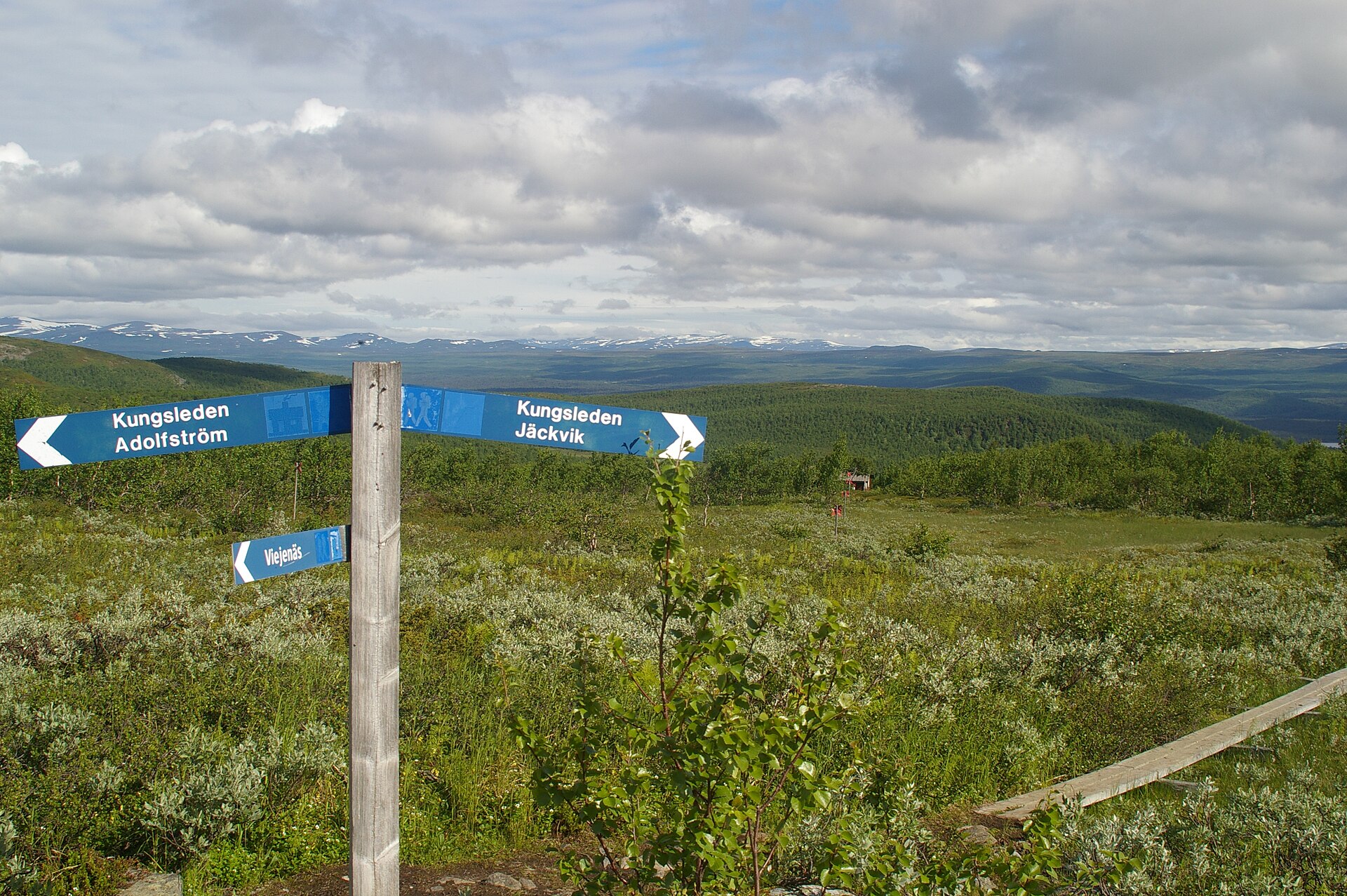
26 records

26 records
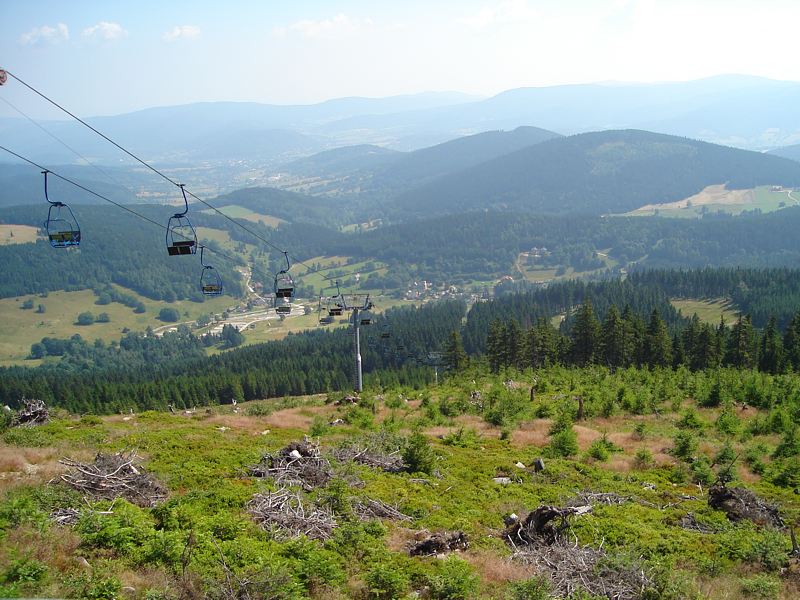
13 records
6 records
1 records

1 records
Natura 2000 · passage
Natura 2000 · wintering
Natura 2000 · wintering

Natura 2000 · wintering
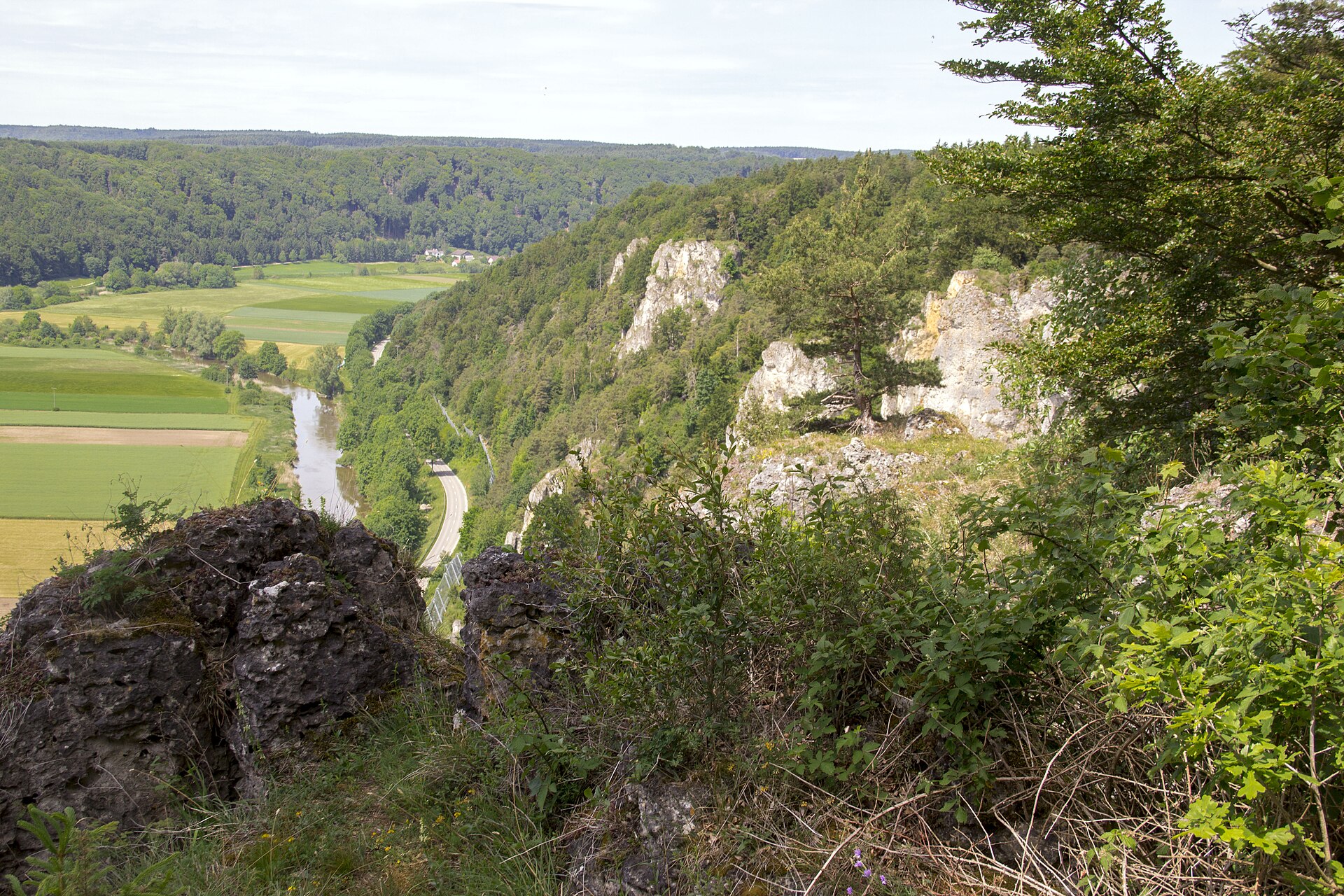
Natura 2000 · breeding

Natura 2000 · passage
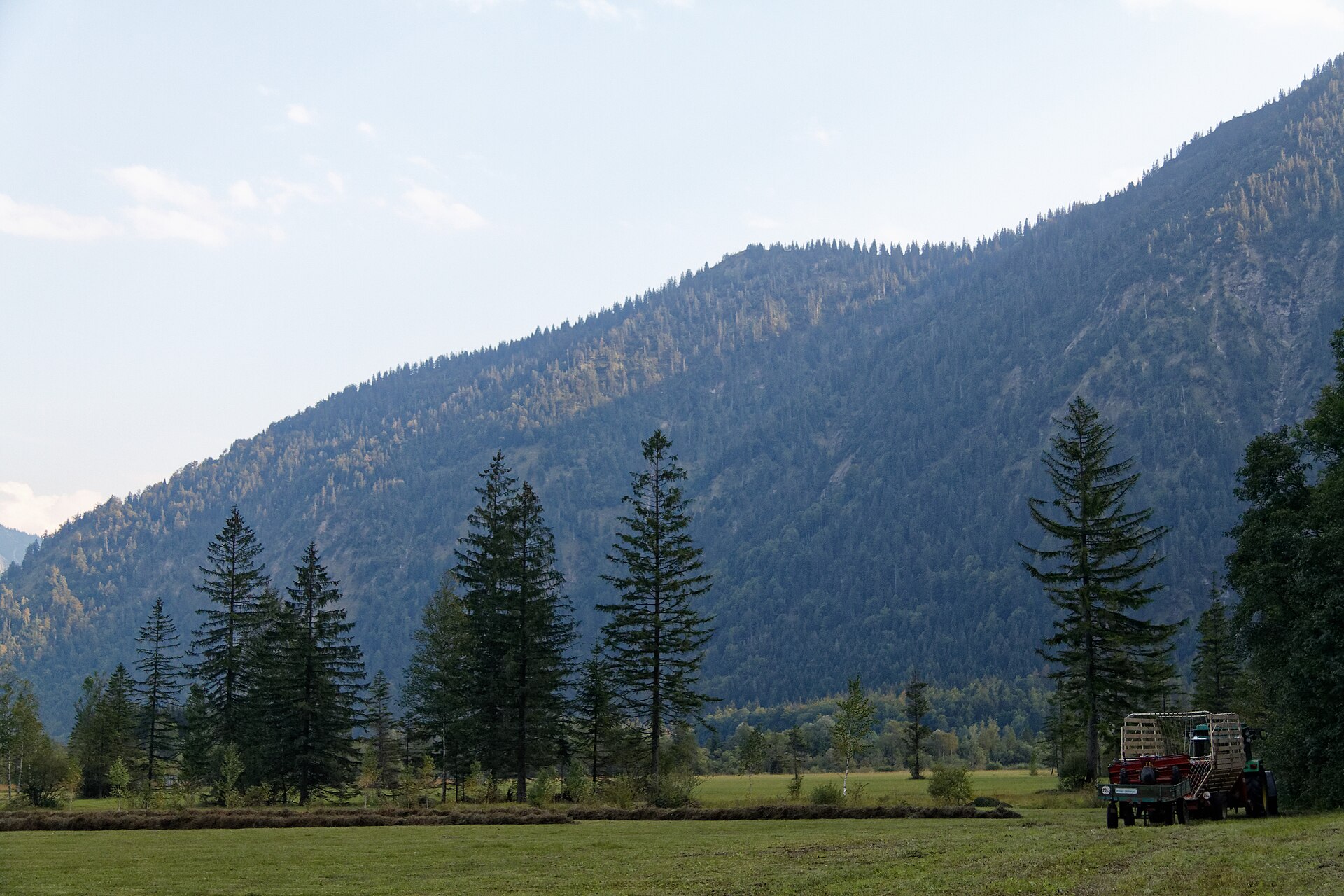
Natura 2000 · breeding
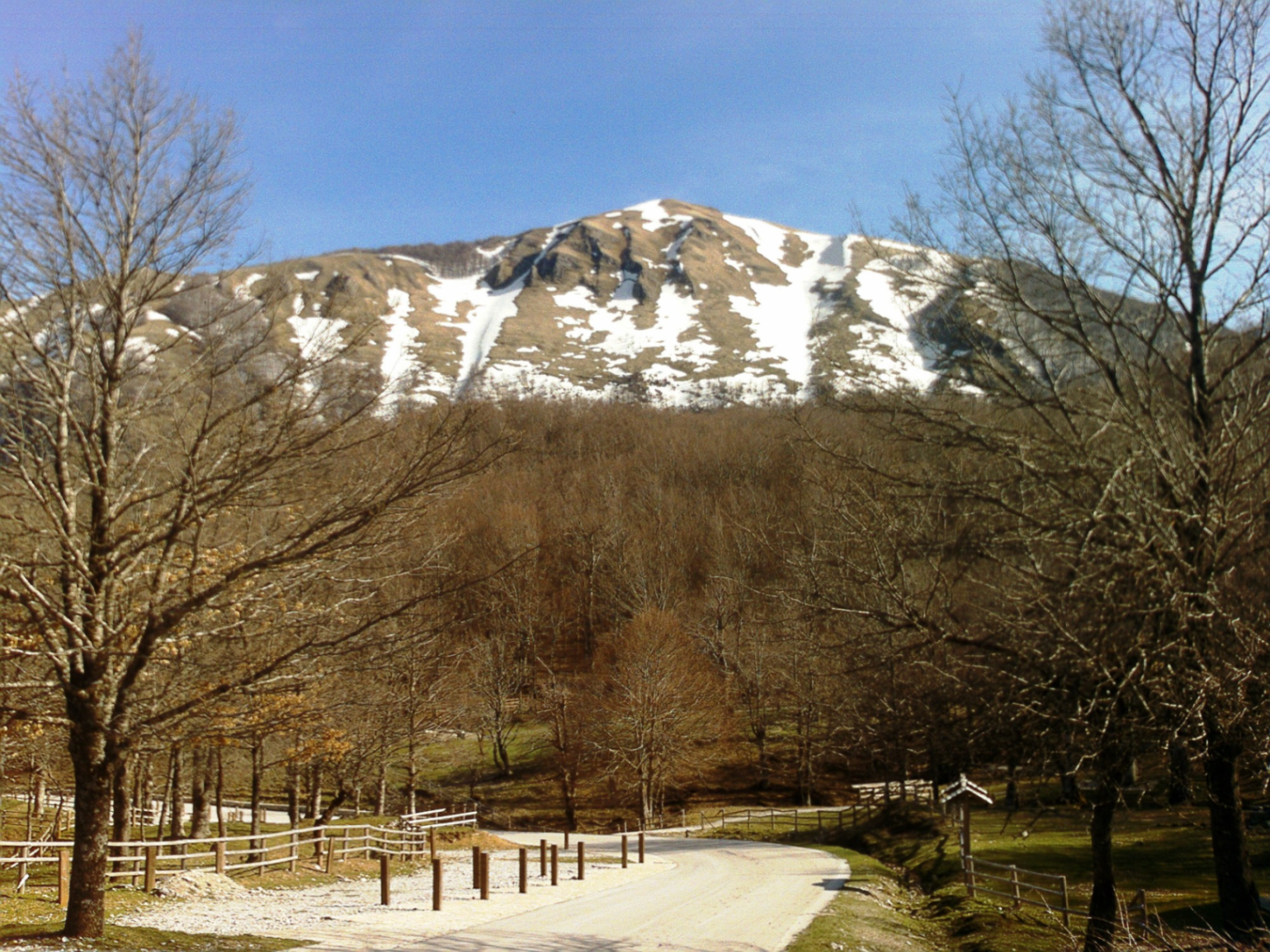
Natura 2000 · passage, wintering, resident

Natura 2000 · passage

Natura 2000 · wintering
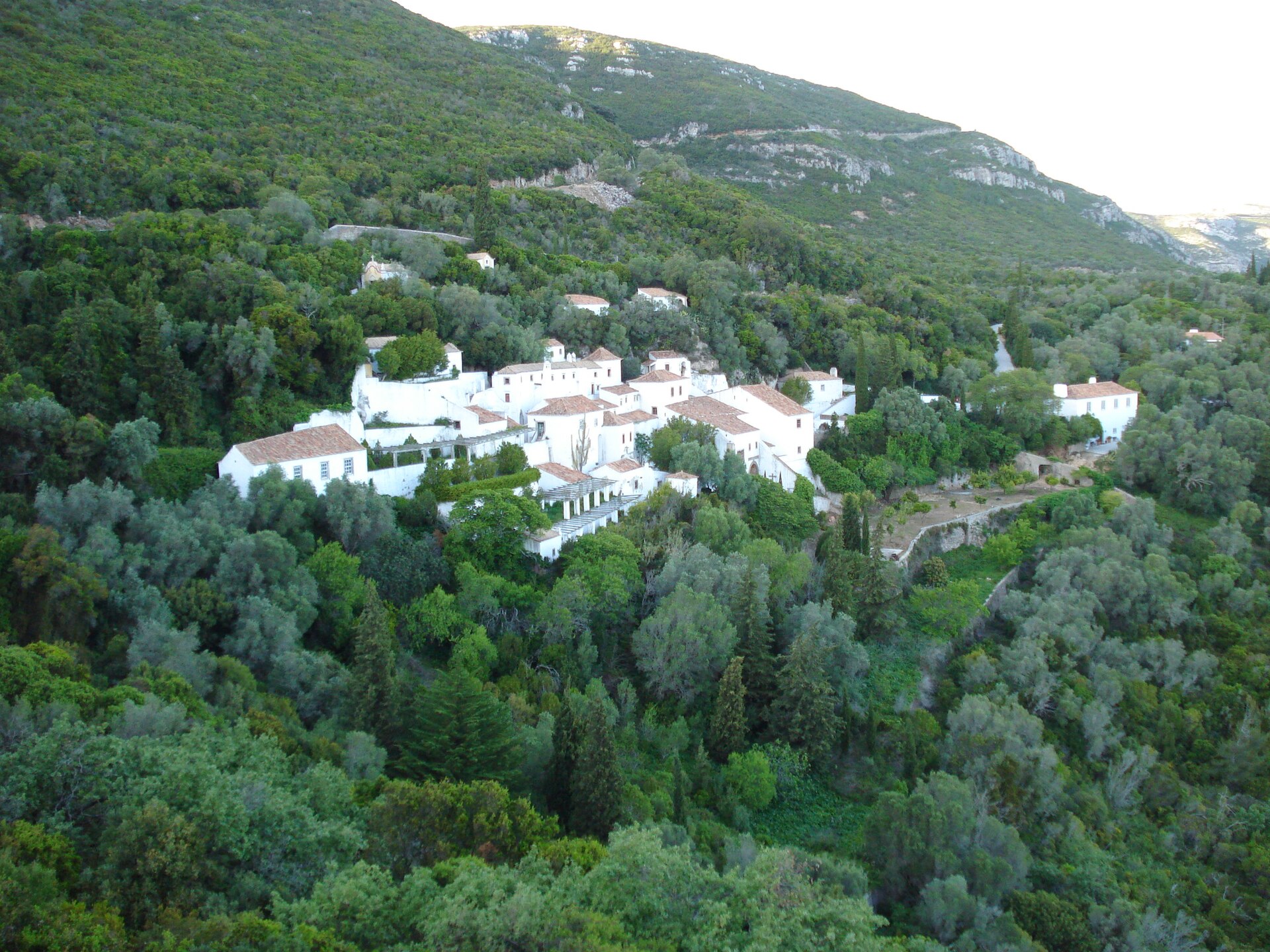
Natura 2000 · wintering
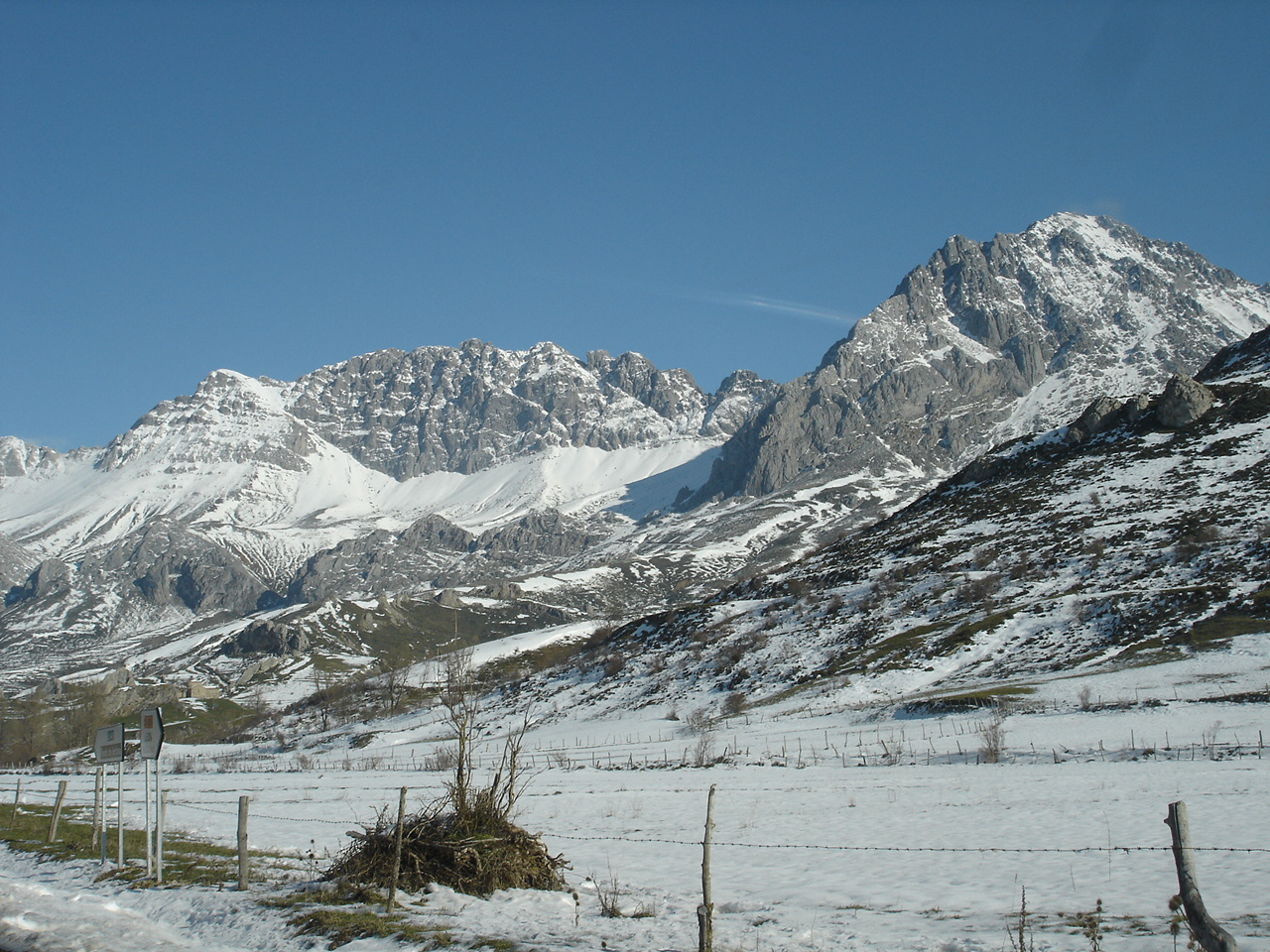
Natura 2000 · wintering
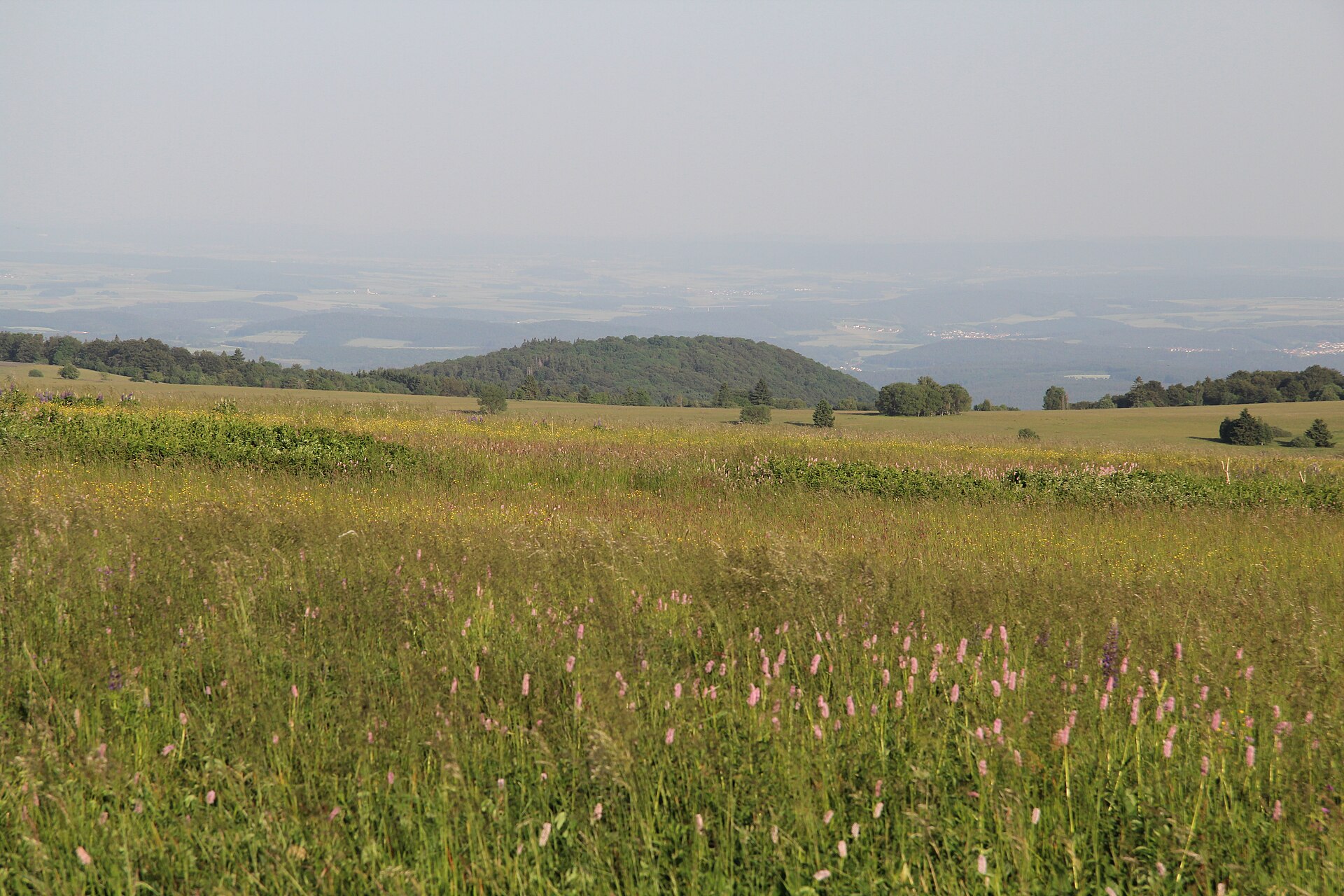
Natura 2000 · breeding
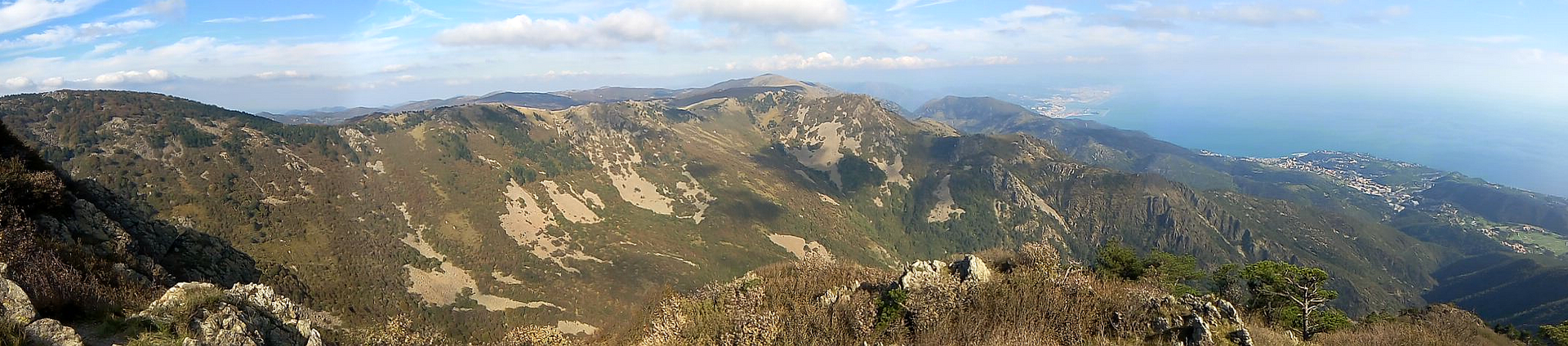
Natura 2000 · passage, wintering
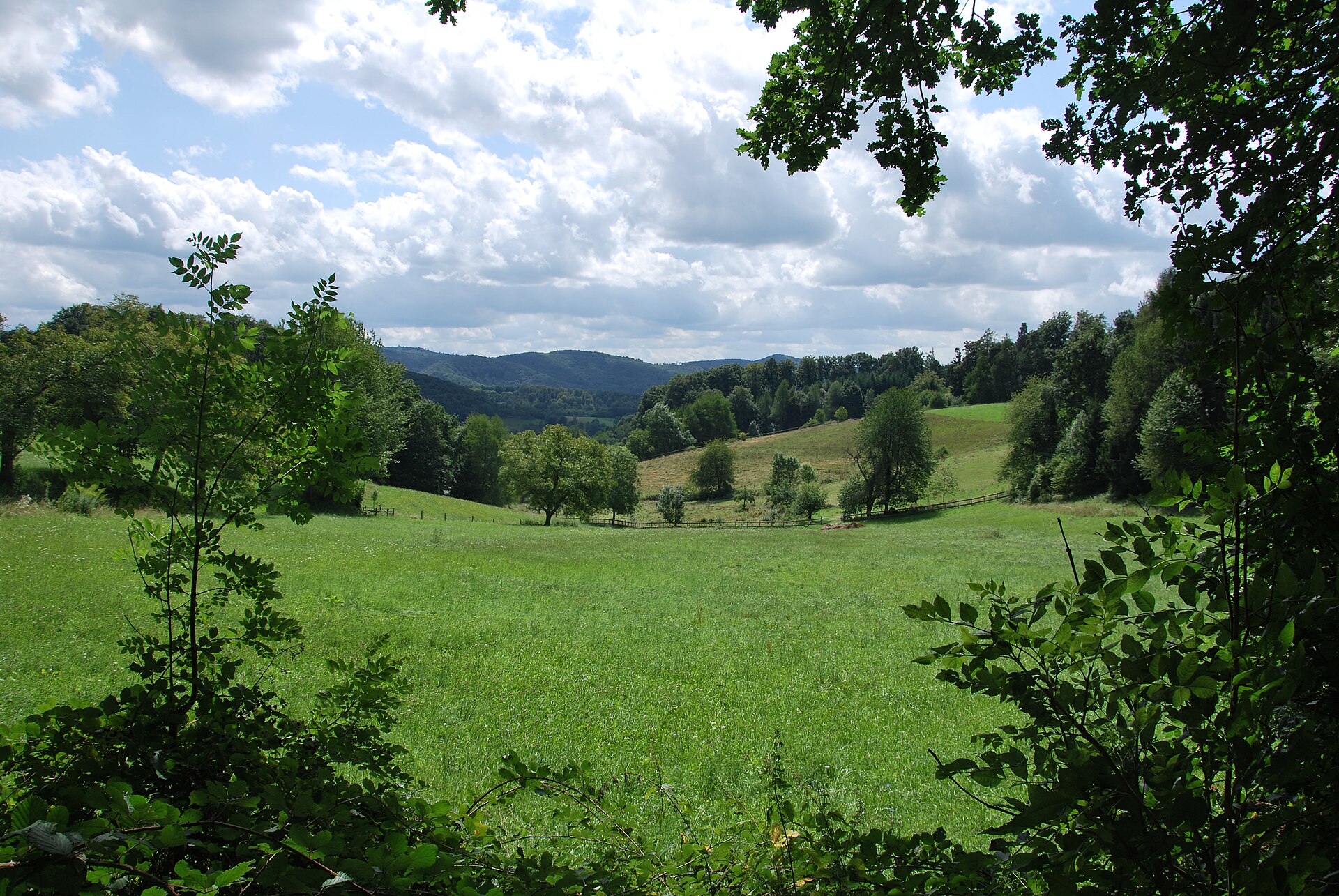
Natura 2000 · breeding, resident, passage
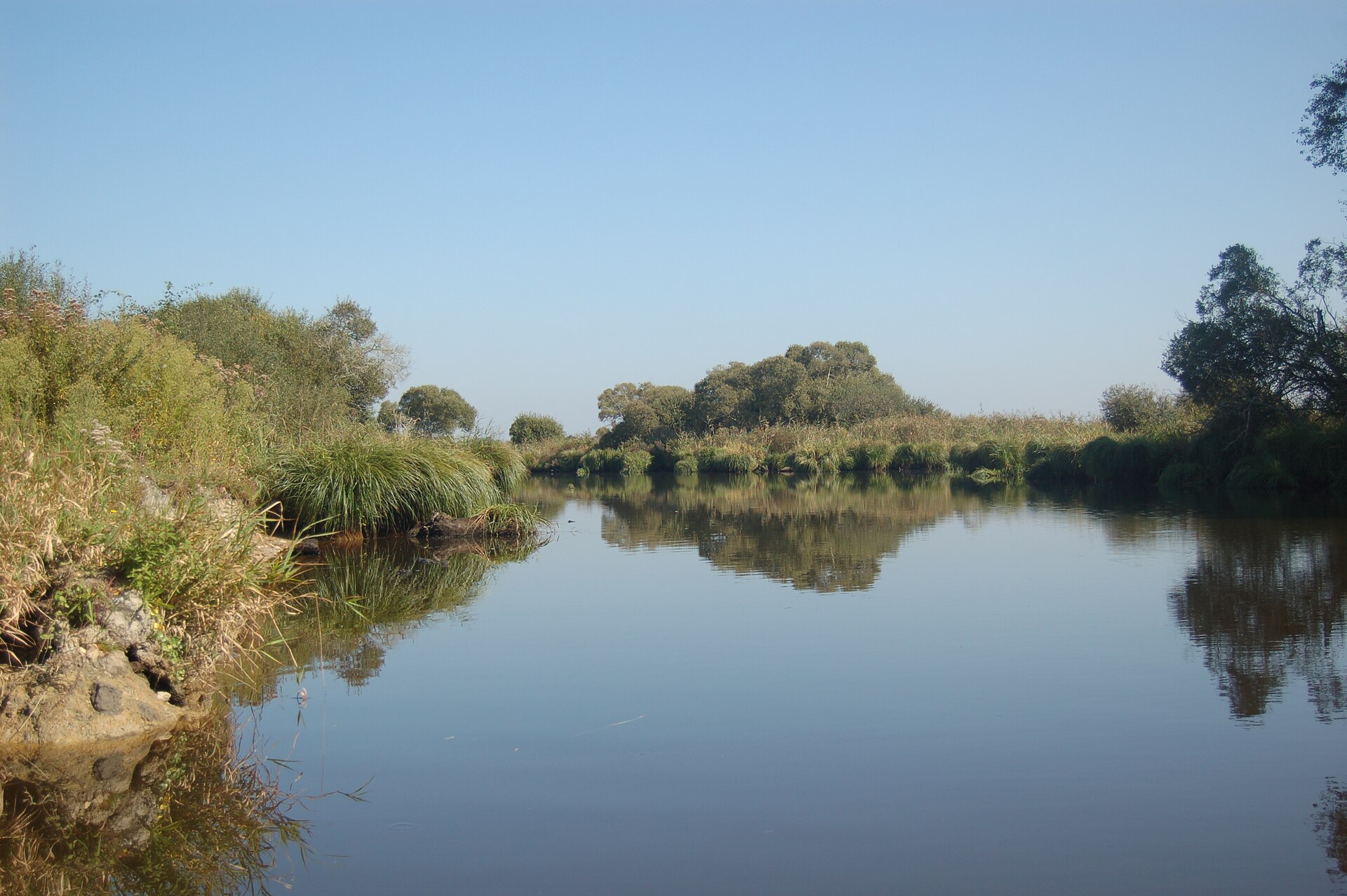
Natura 2000 · wintering, breeding
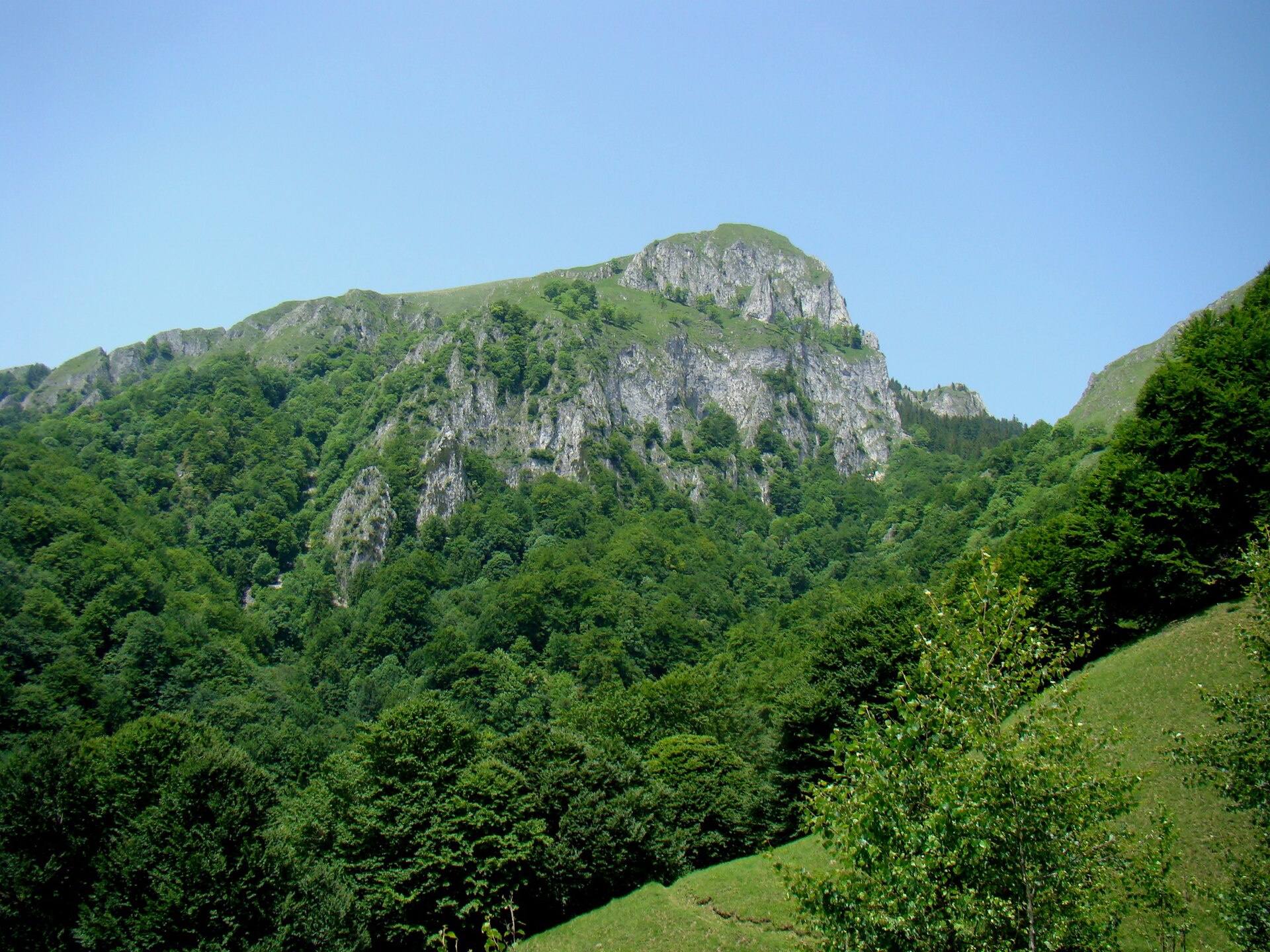
Natura 2000 · passage

Natura 2000 · wintering

Natura 2000 · breeding
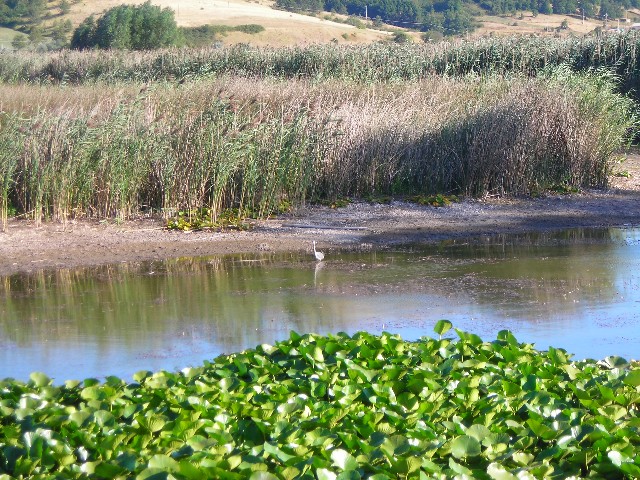
Natura 2000 · wintering, passage
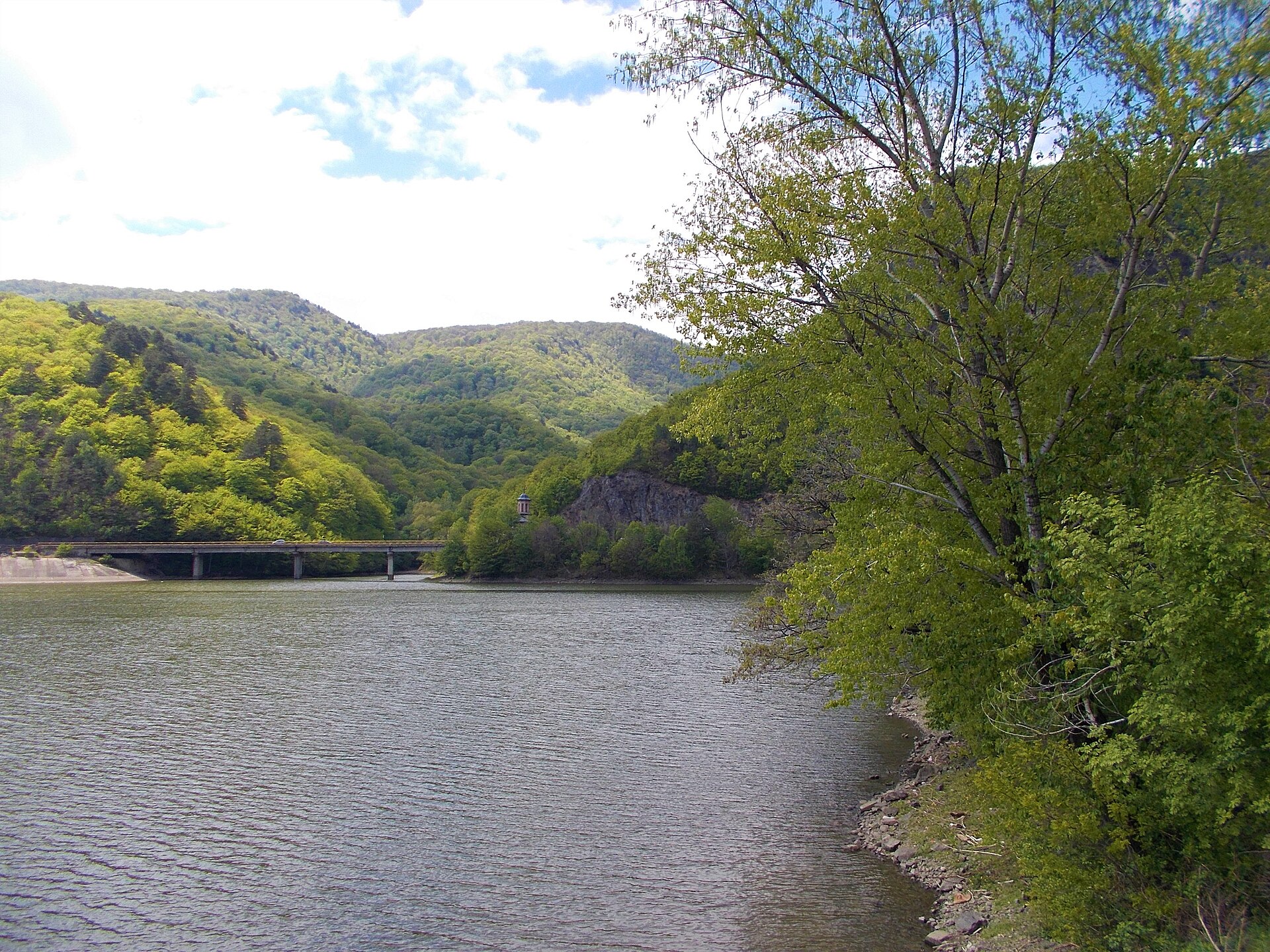
Natura 2000 · passage
Natura 2000 · breeding
Natura 2000 · passage

Natura 2000 · wintering, passage
Natura 2000 · breeding
Natura 2000 · breeding
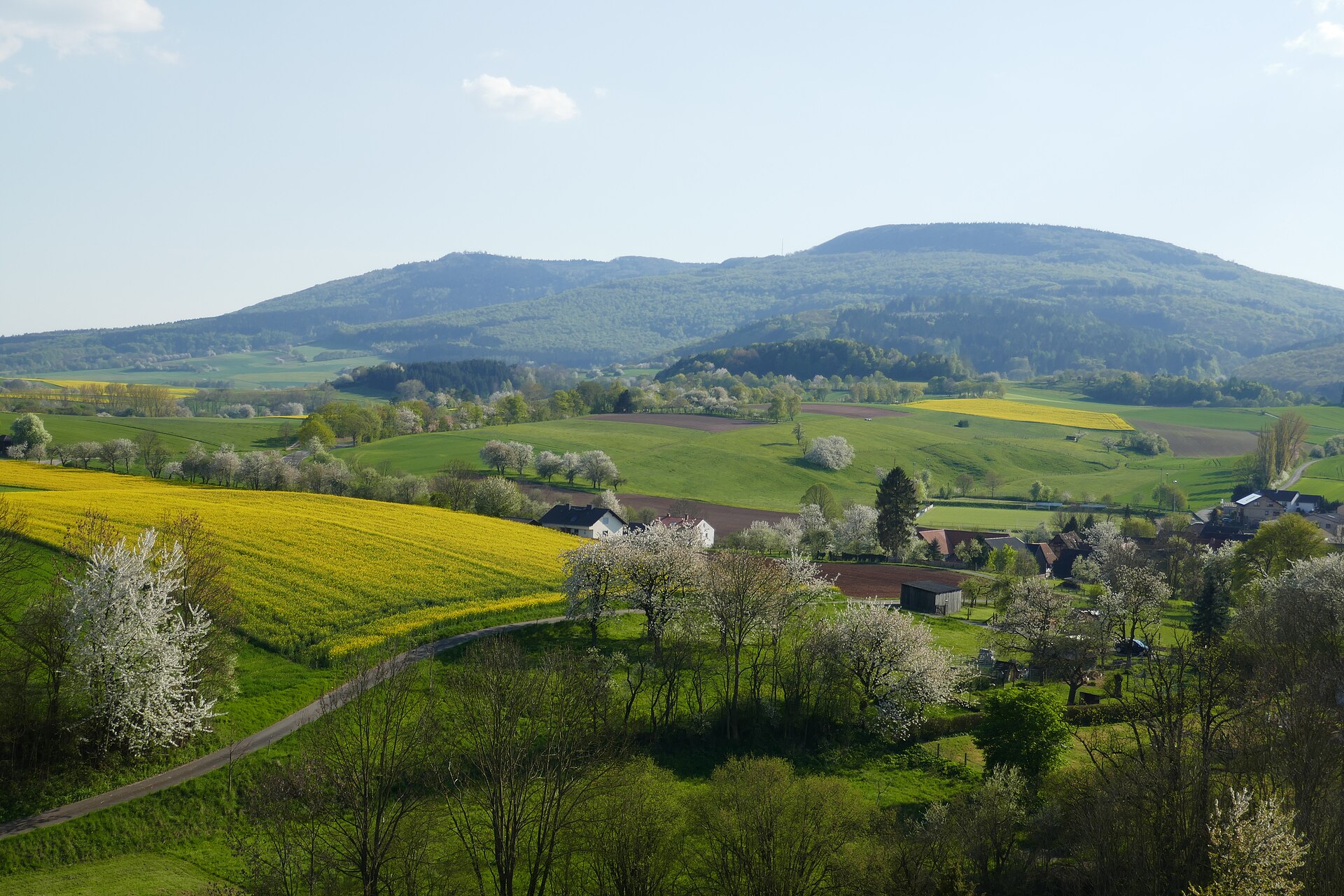
Natura 2000 · passage, breeding
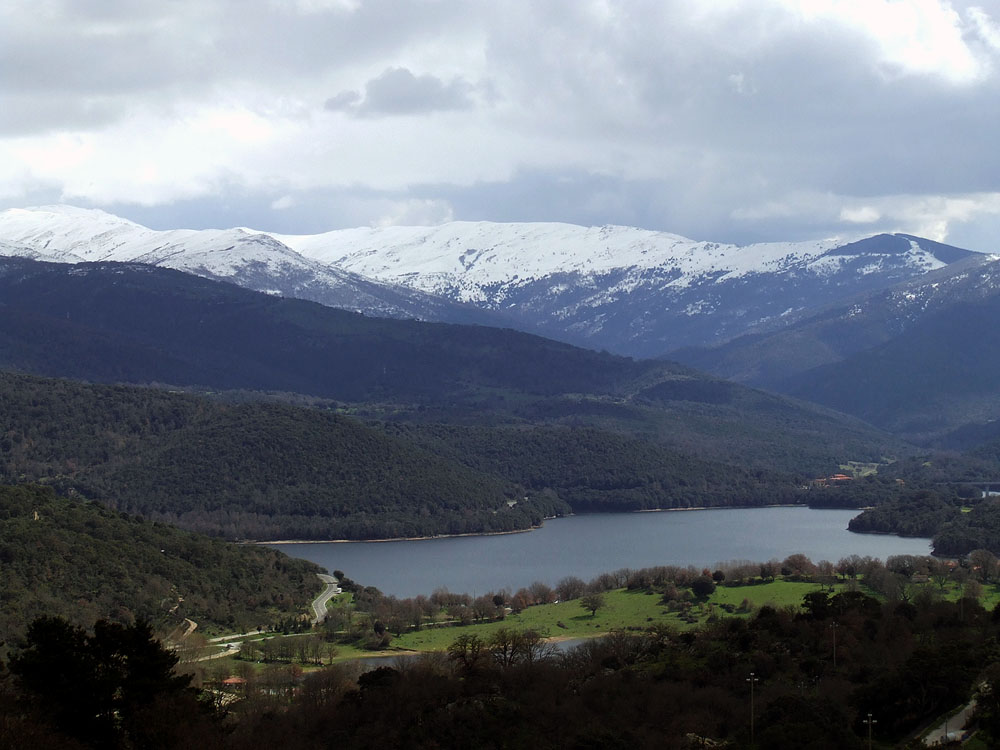
Natura 2000 · wintering, passage
Natura 2000 · breeding
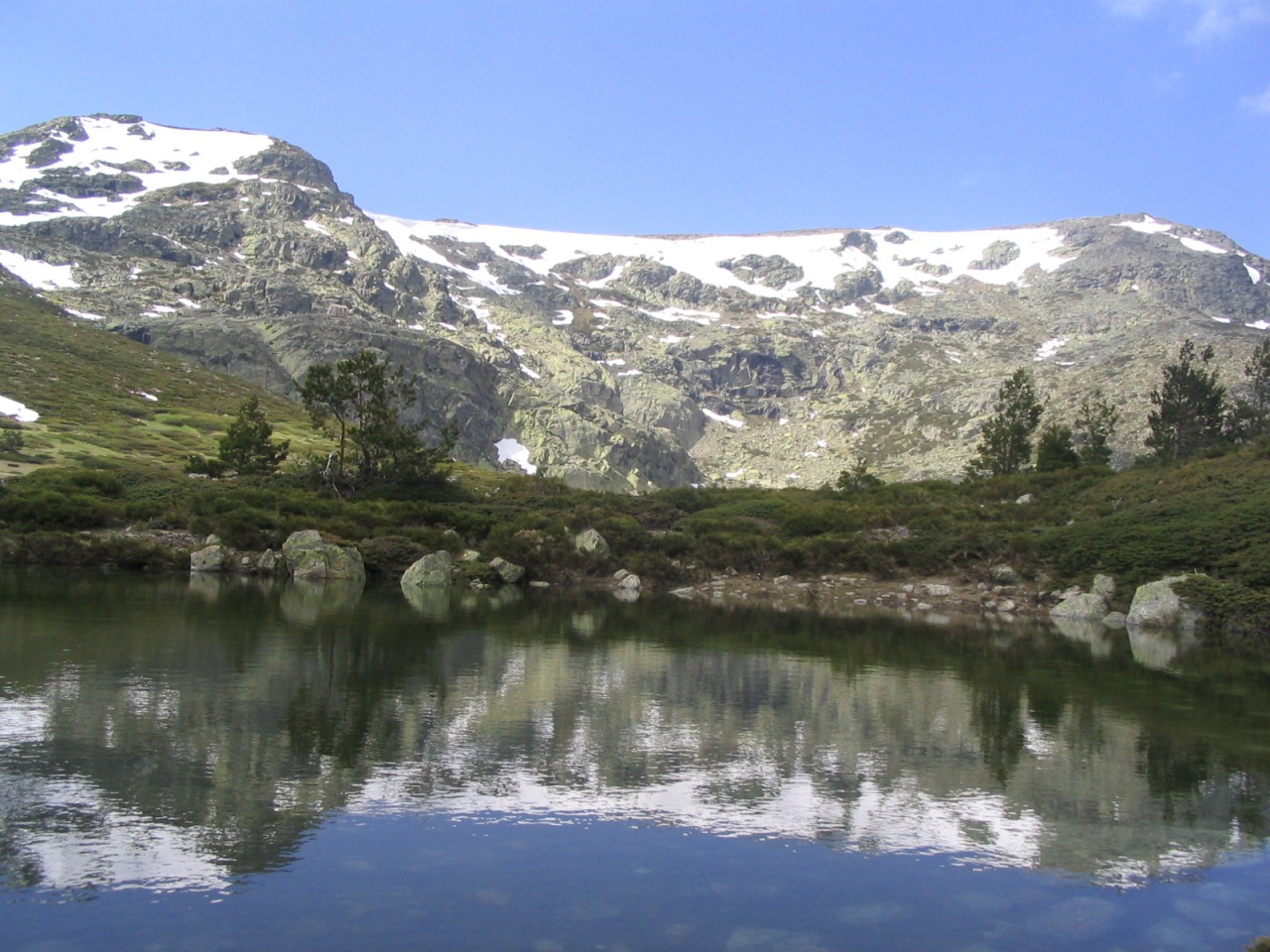
Natura 2000 · wintering

Natura 2000 · wintering
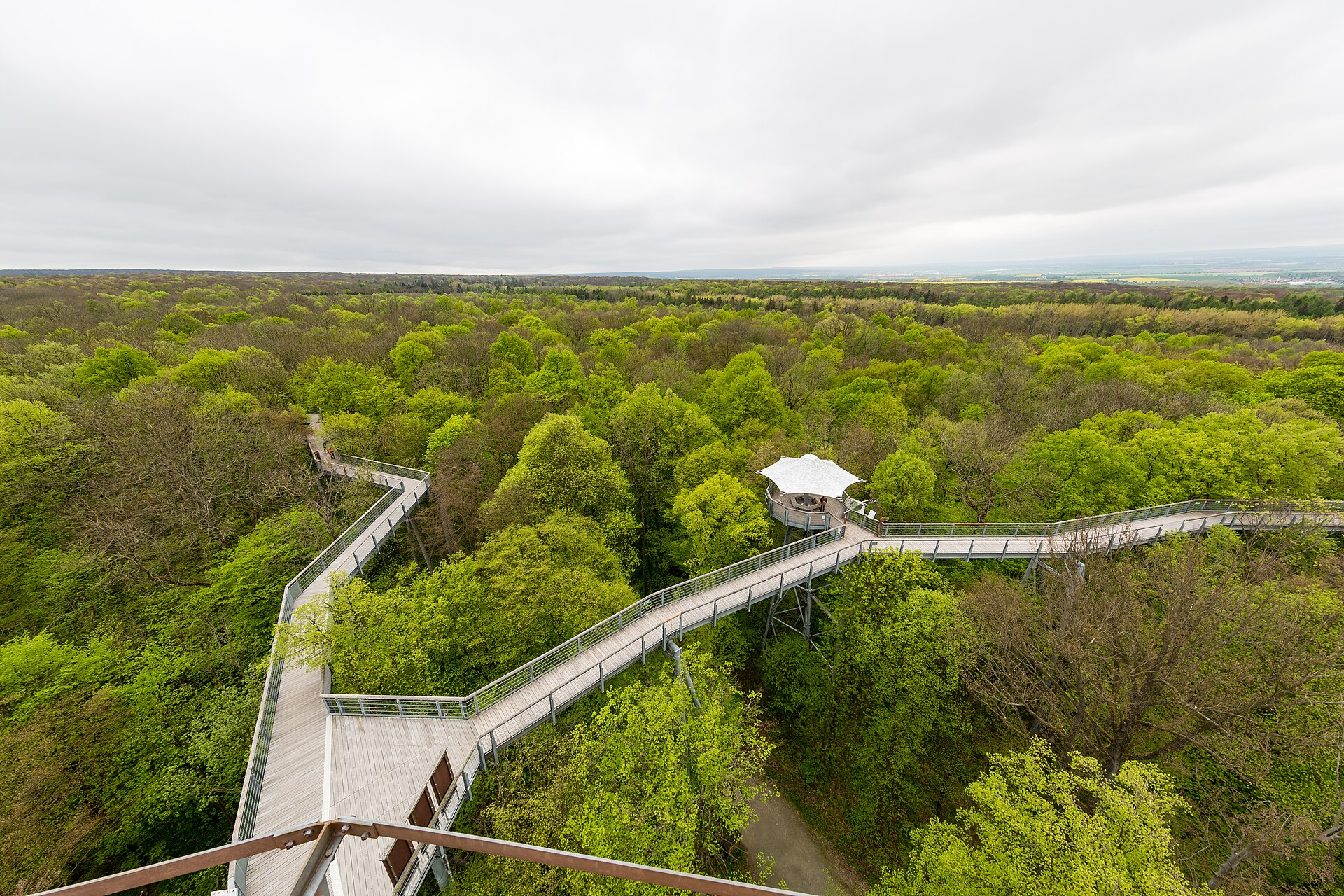
Natura 2000 · breeding
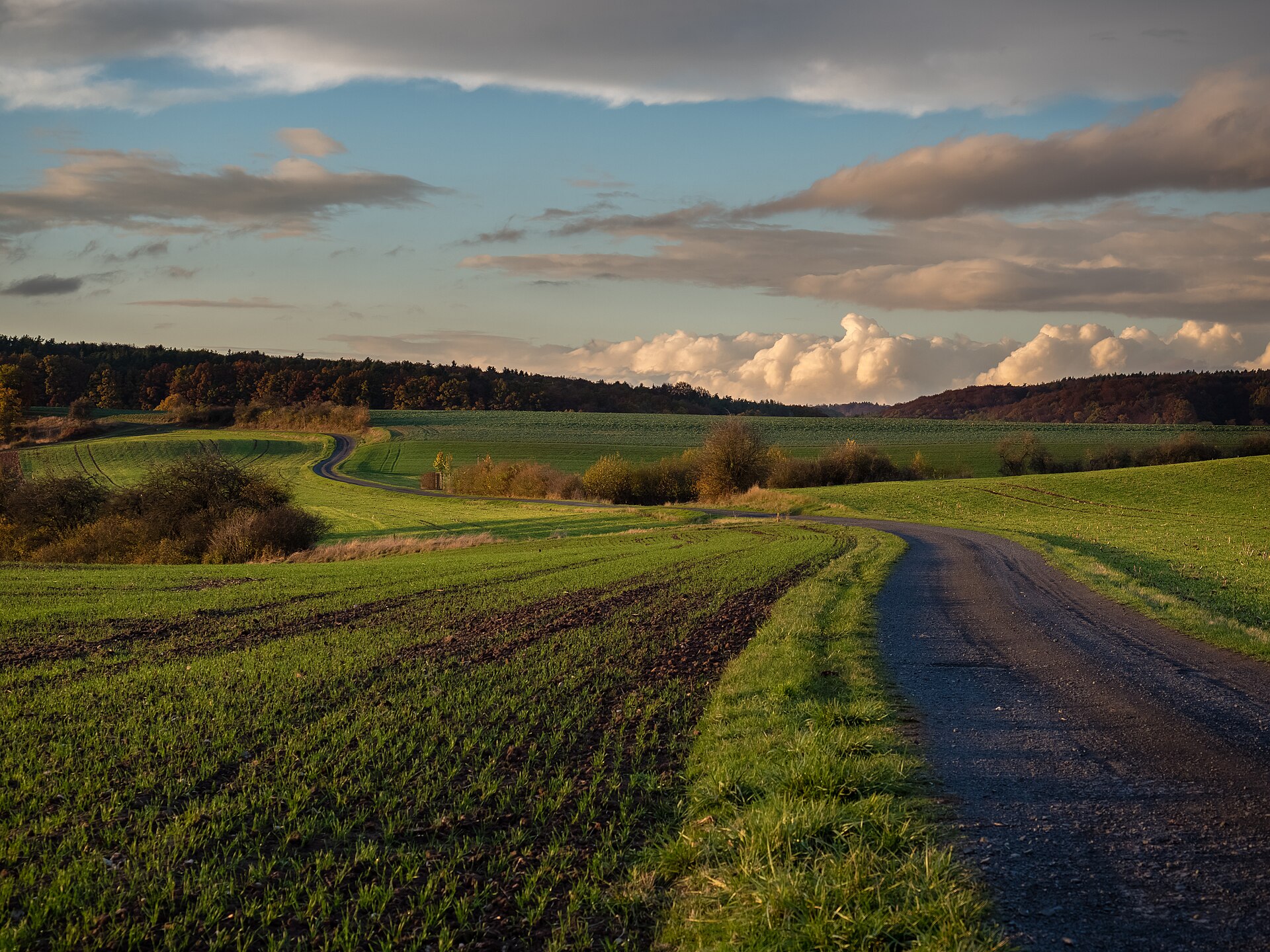
Natura 2000 · resident
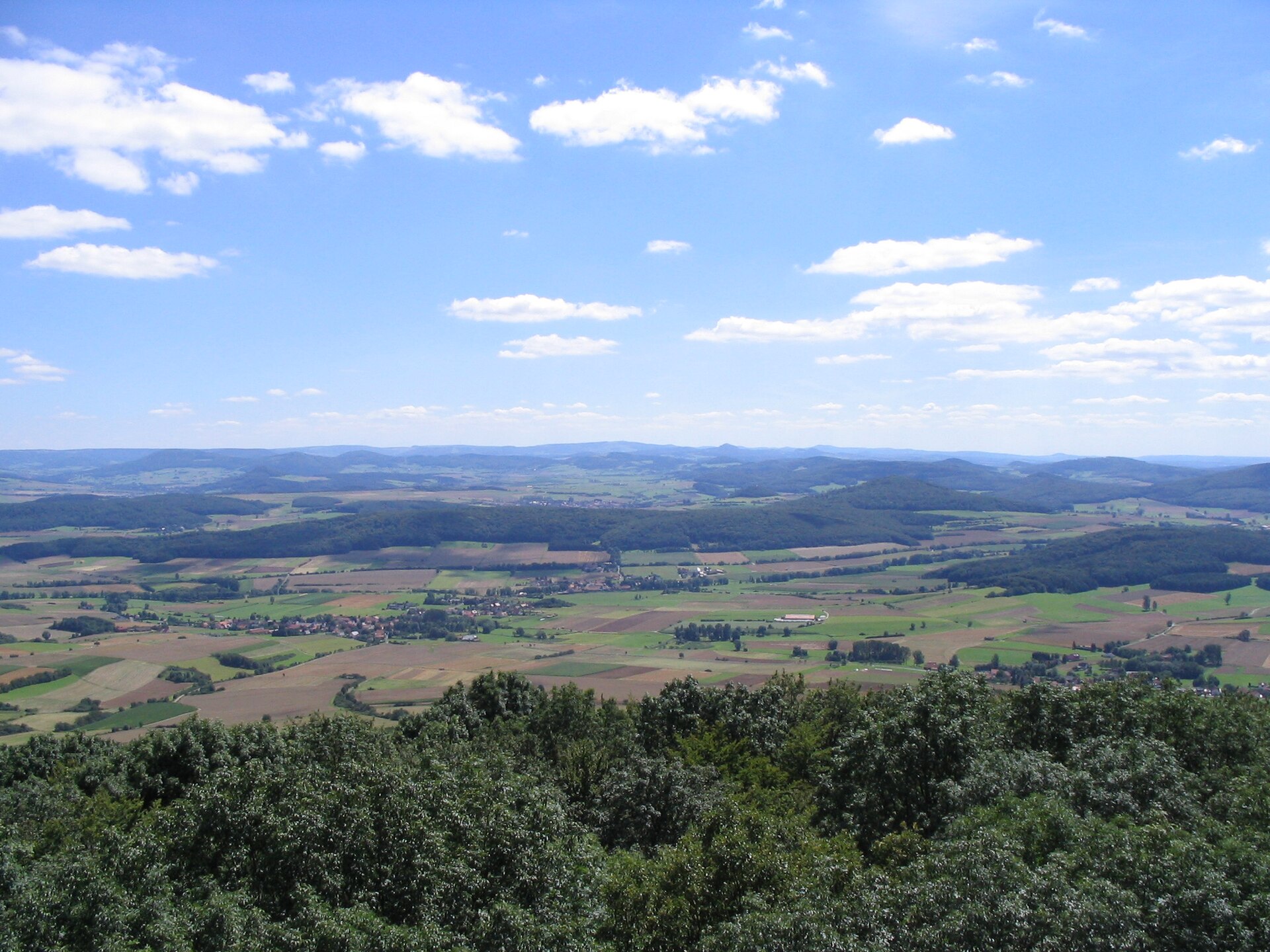
Natura 2000 · breeding
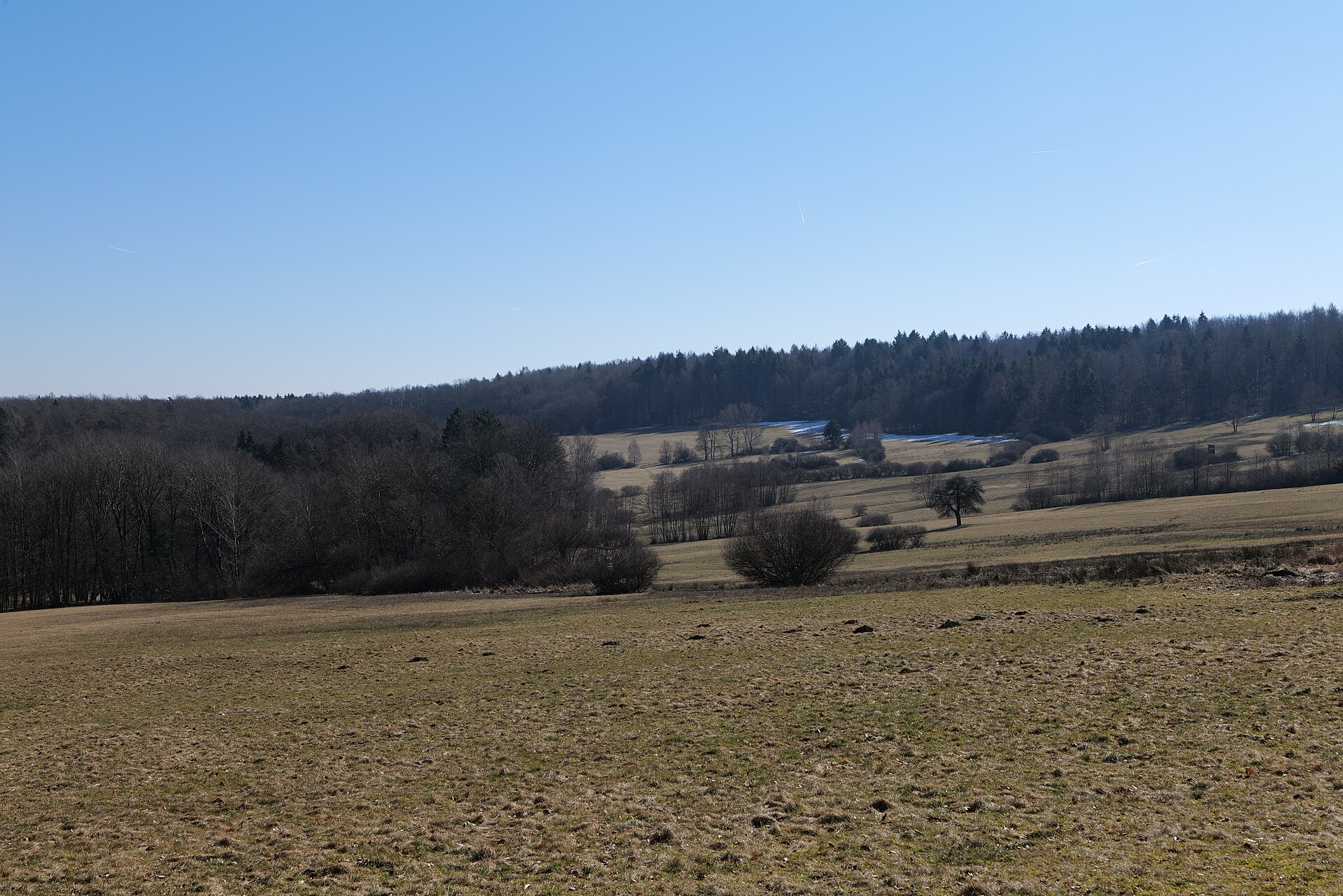
Natura 2000 · breeding

Natura 2000 · wintering
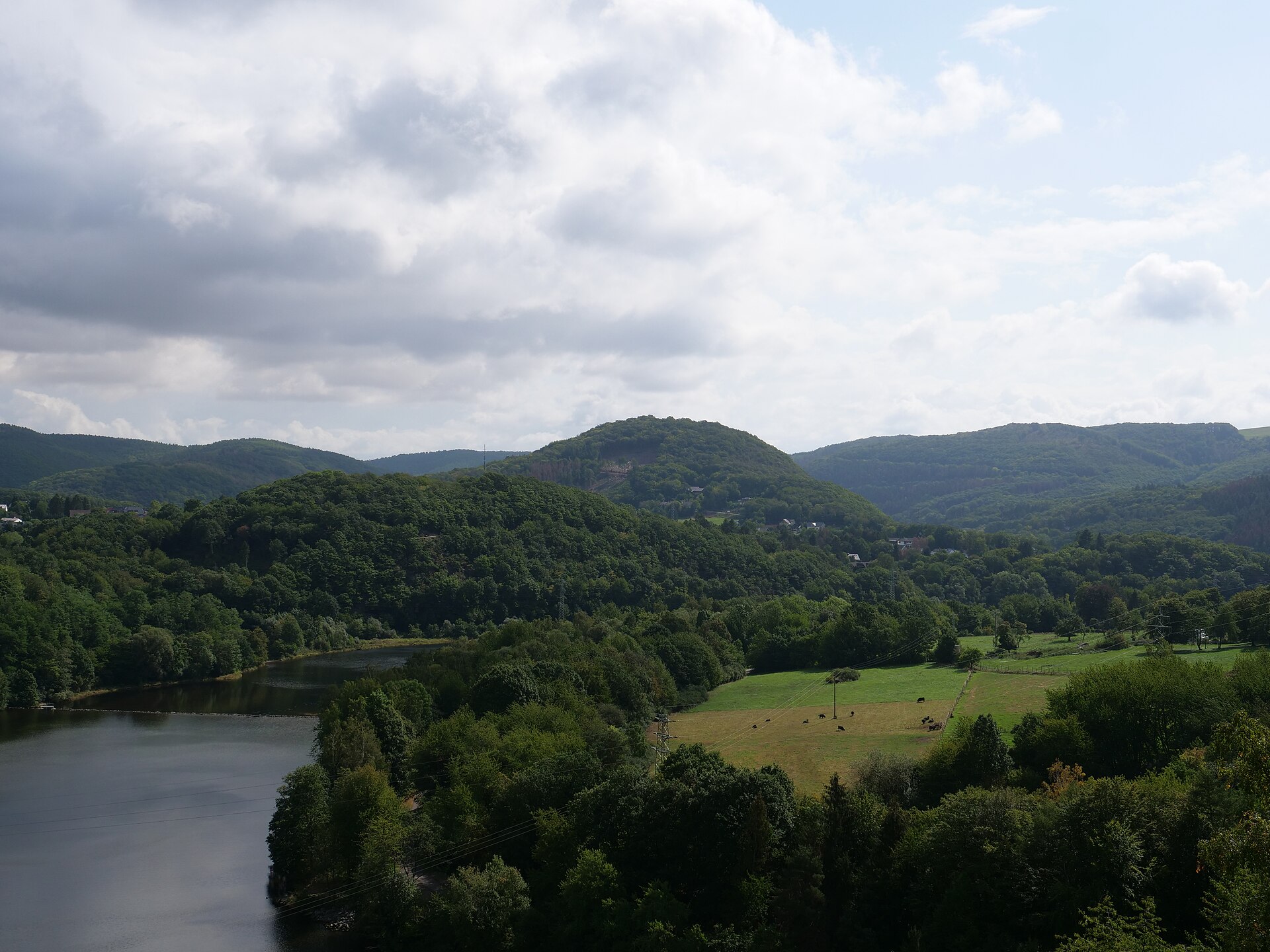
Natura 2000 · breeding
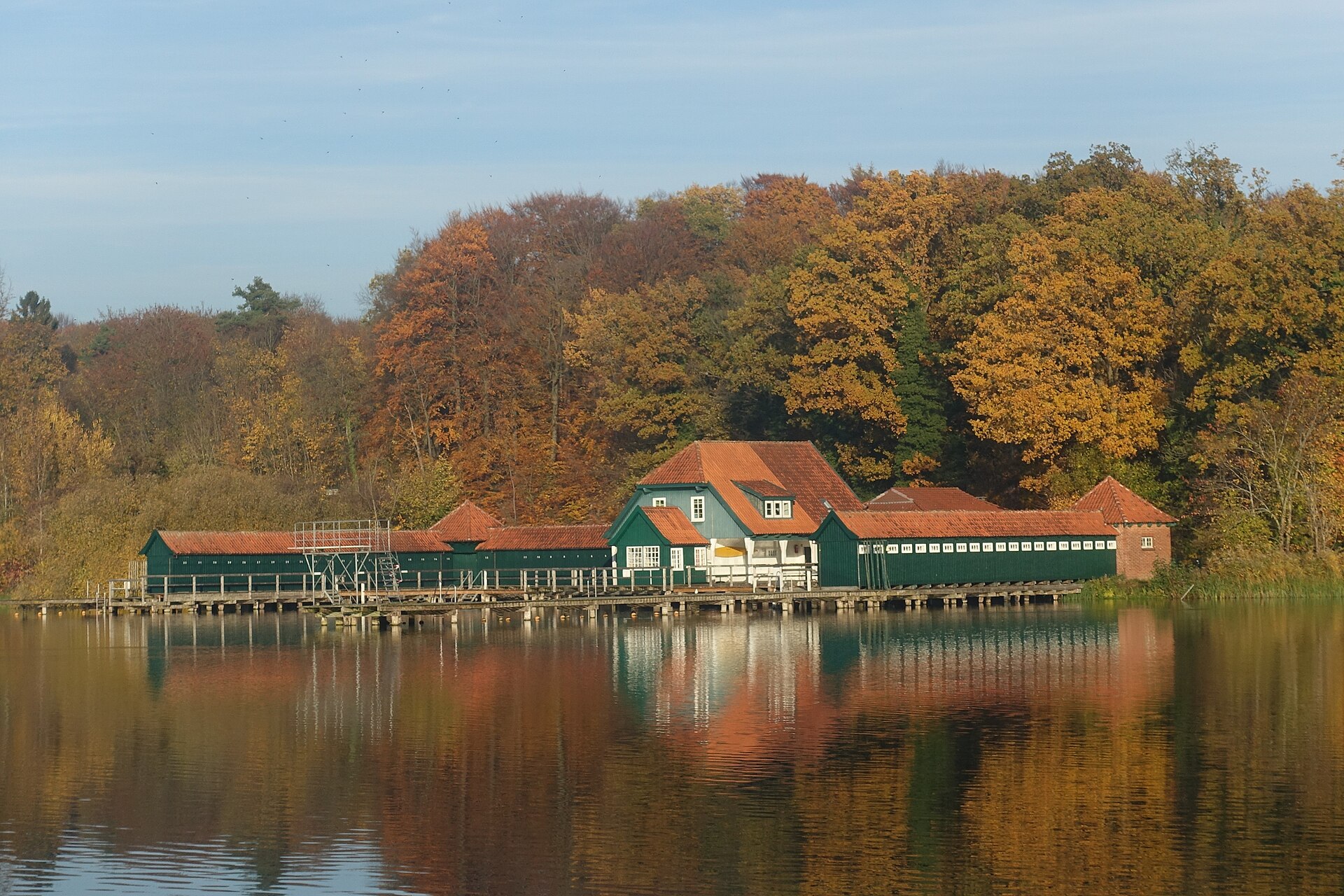
Natura 2000 · breeding
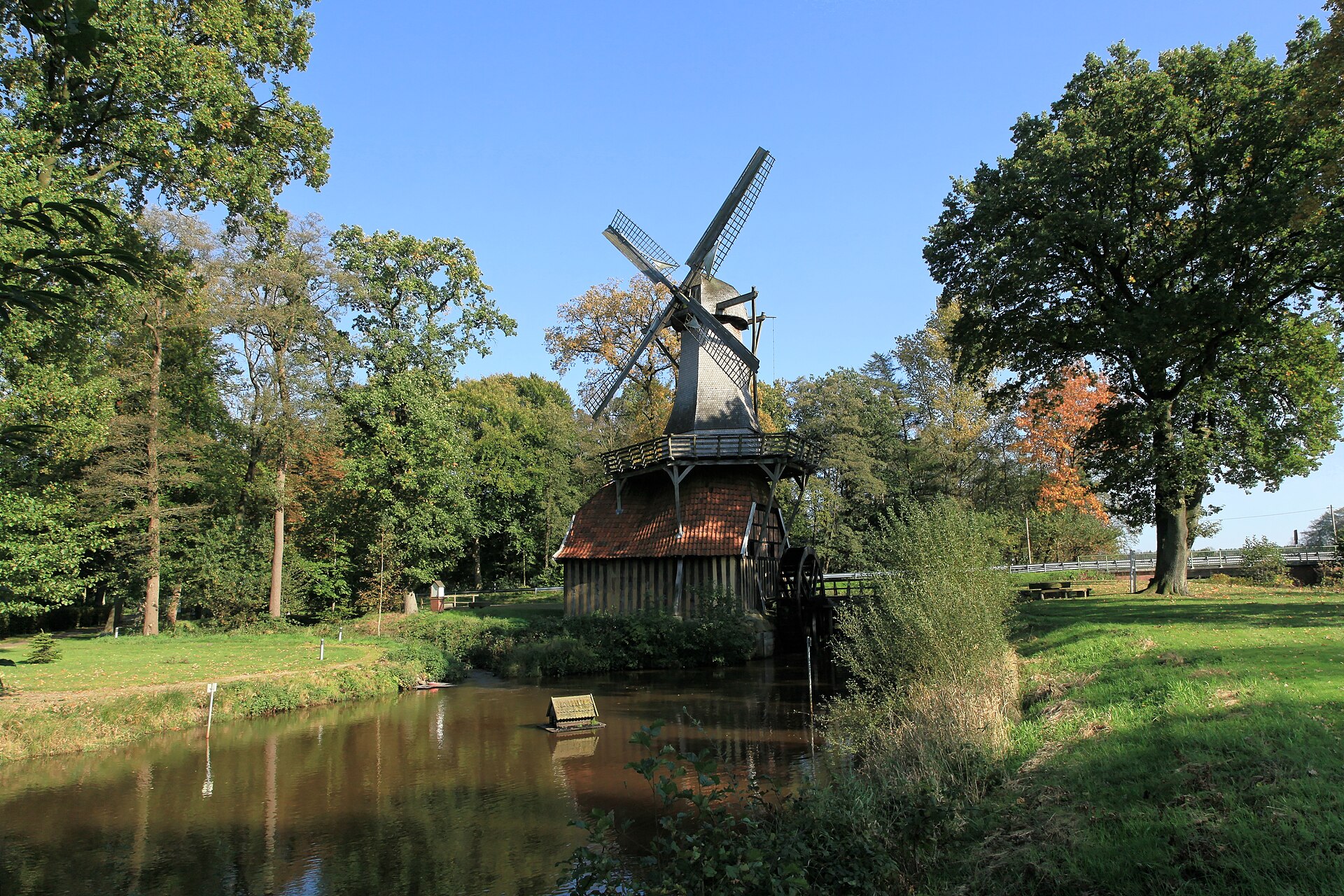
Natura 2000 · breeding

Natura 2000 · breeding
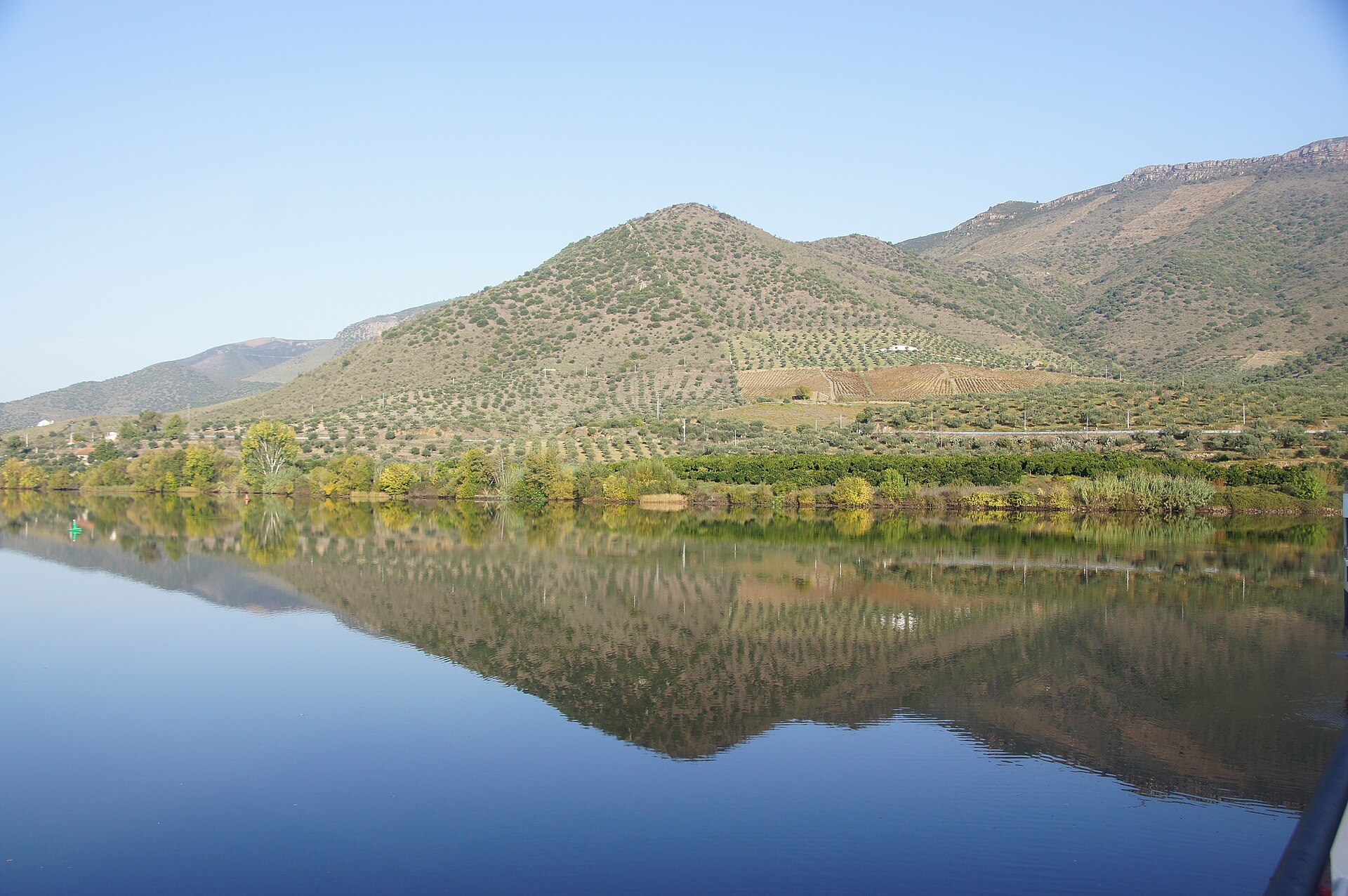
Natura 2000 · wintering
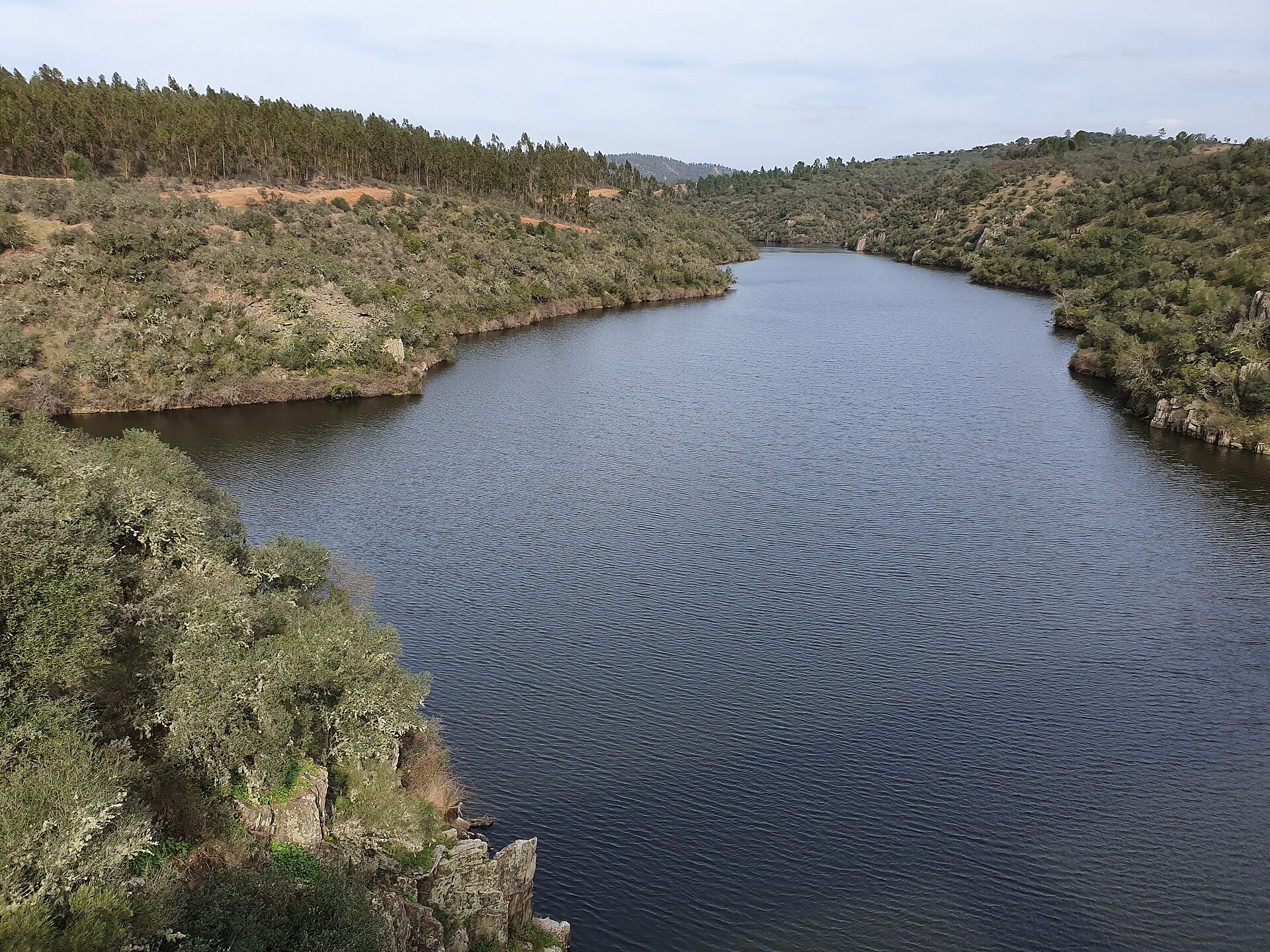
Natura 2000 · wintering
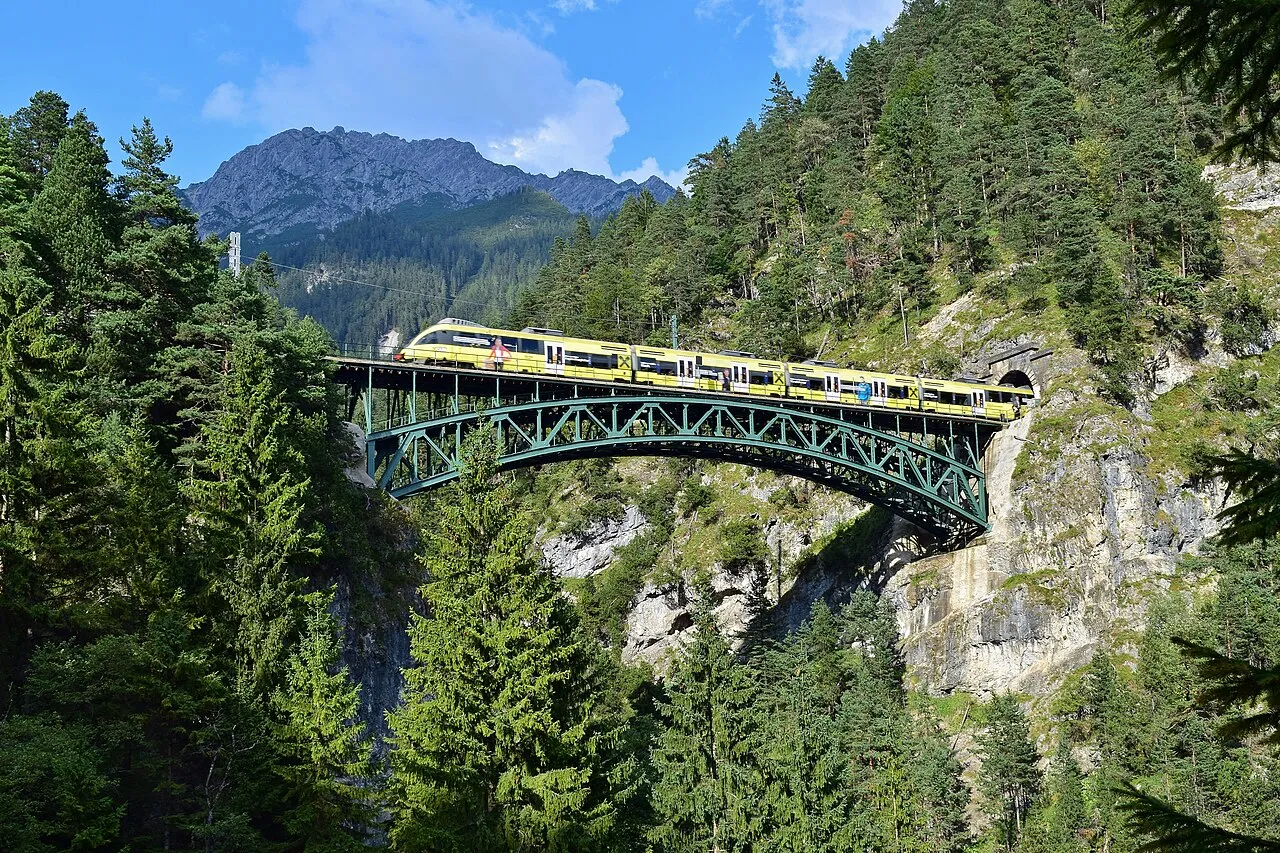
Natura 2000 · breeding
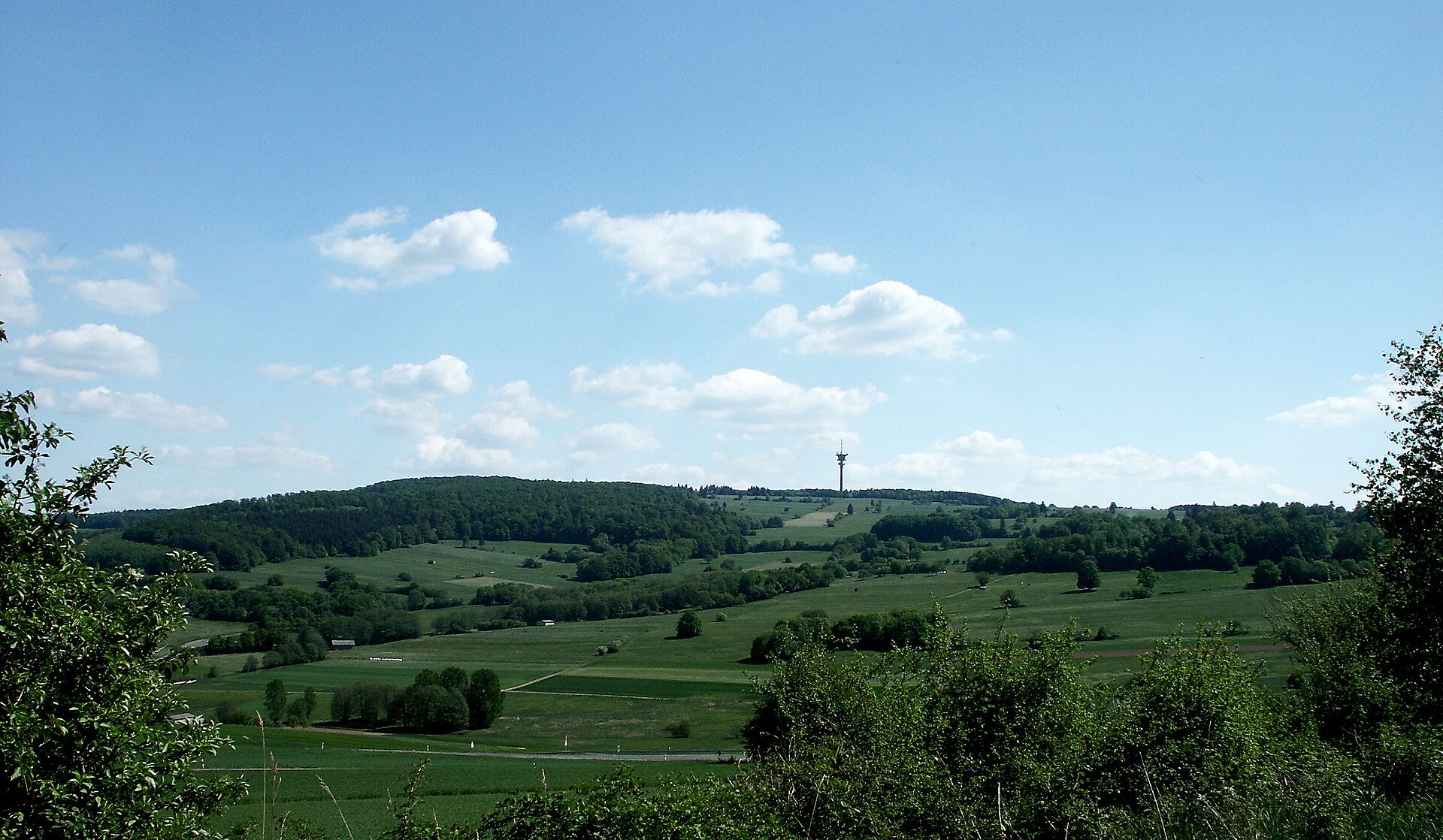
Natura 2000 · resident, breeding, passage
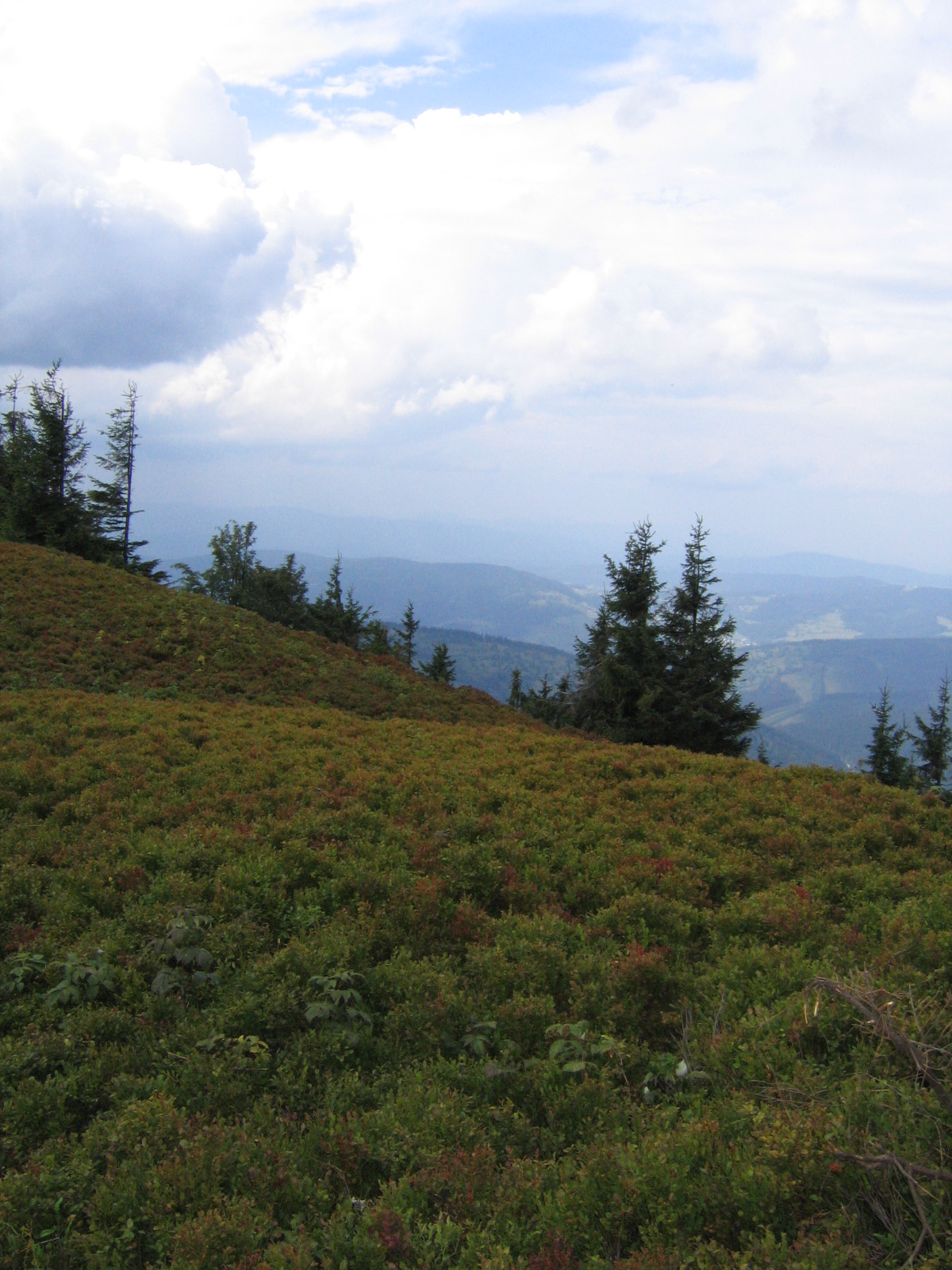
Natura 2000
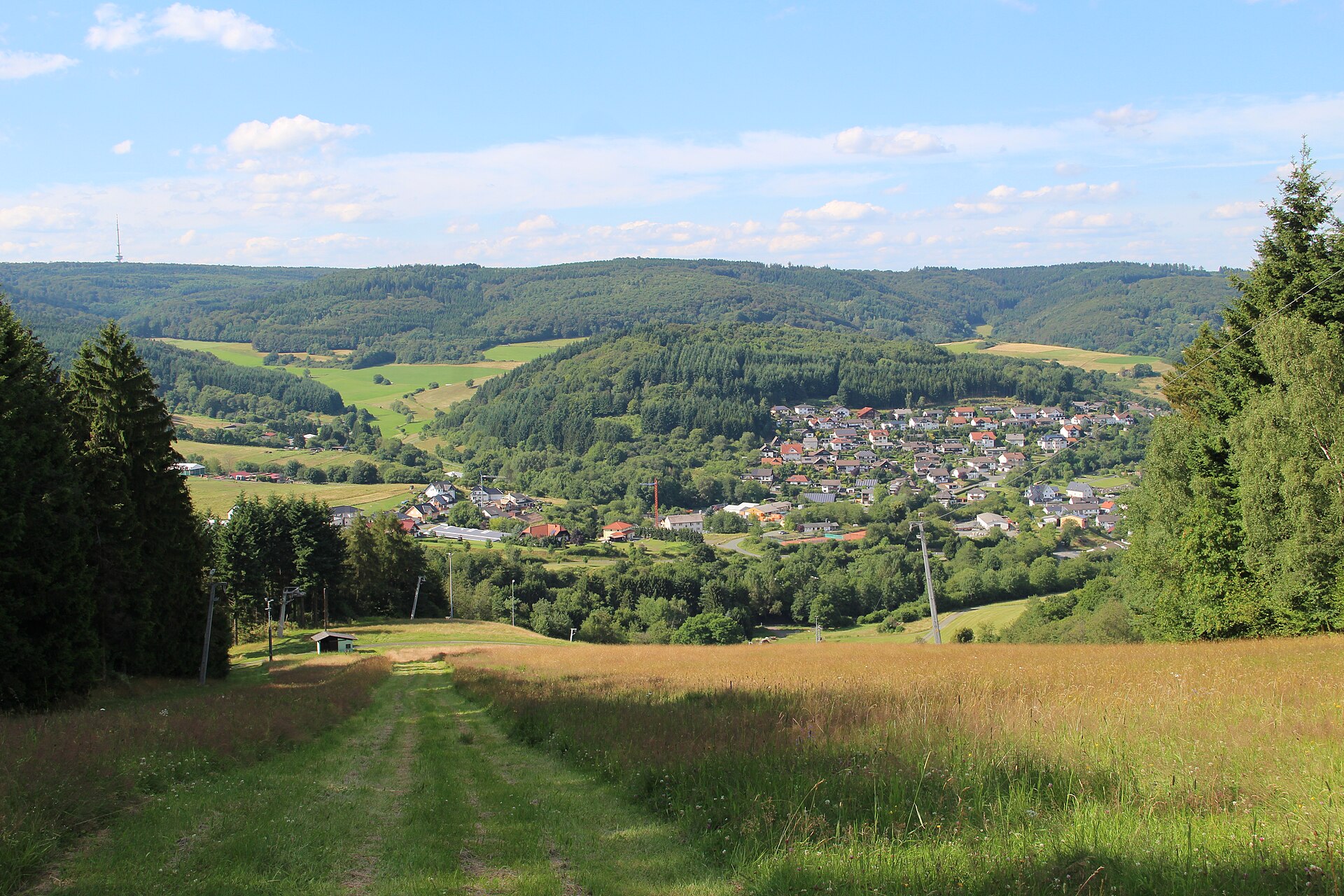
Natura 2000 · breeding, resident, passage
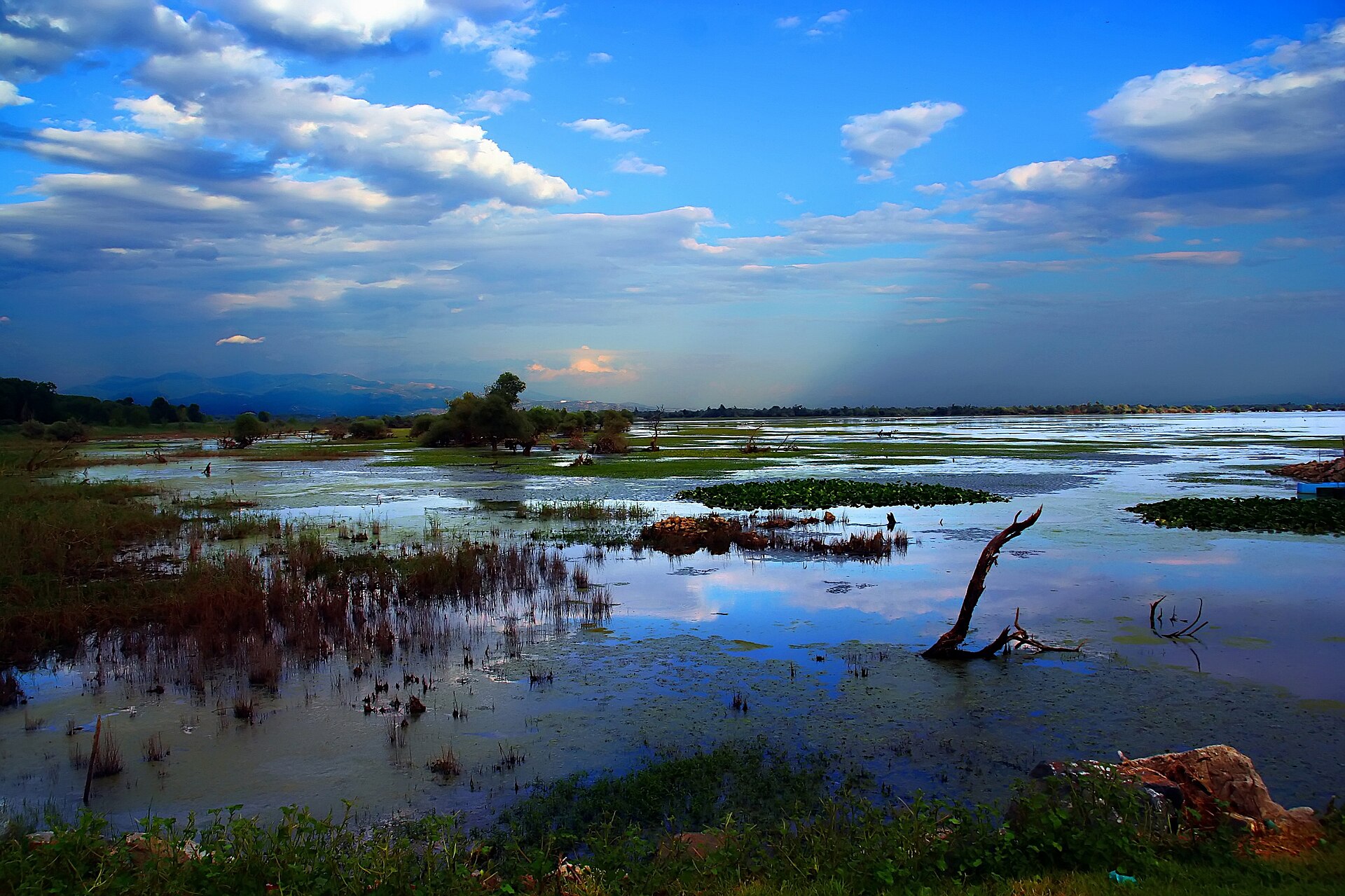
Natura 2000 · passage
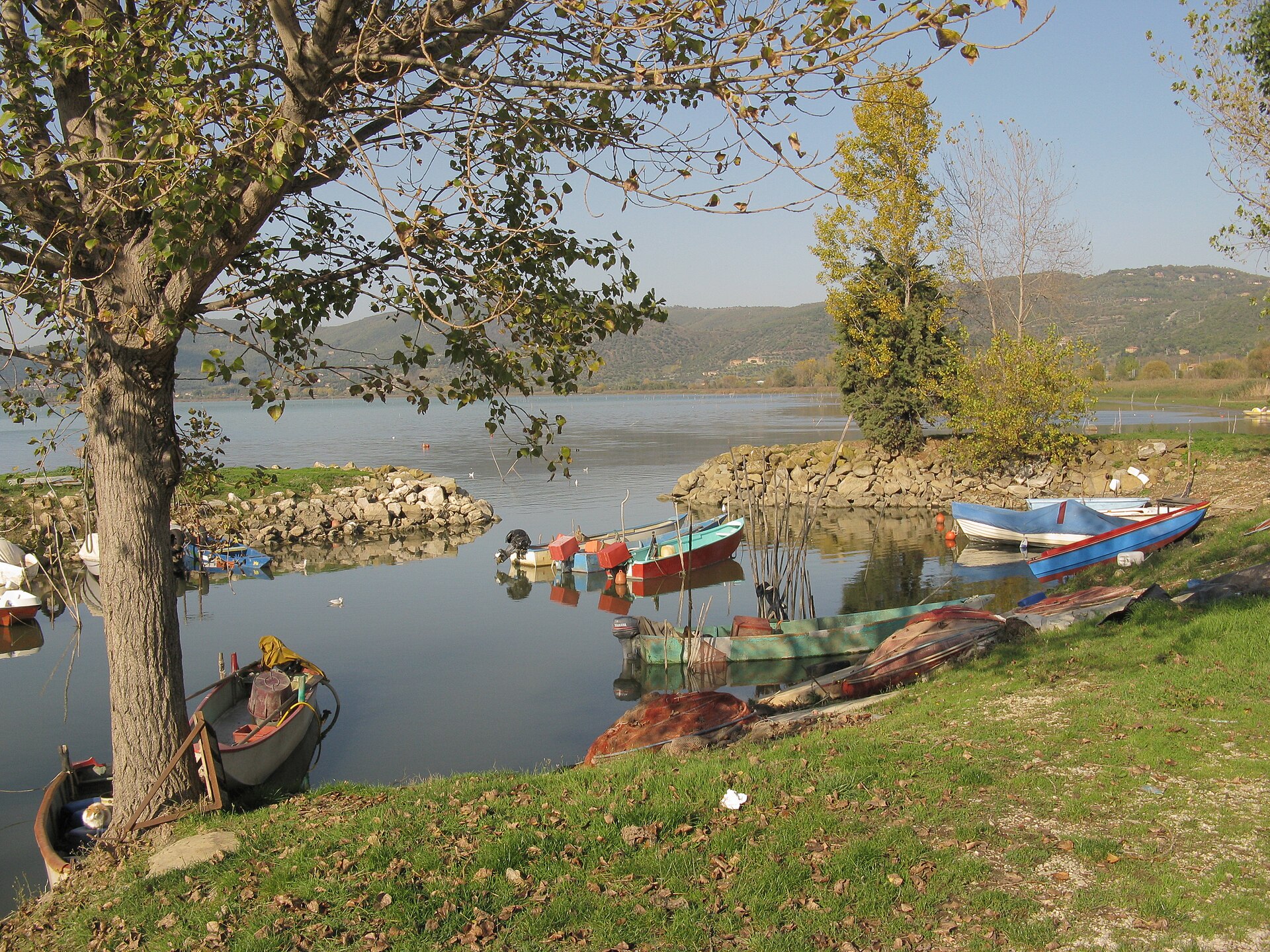
Natura 2000
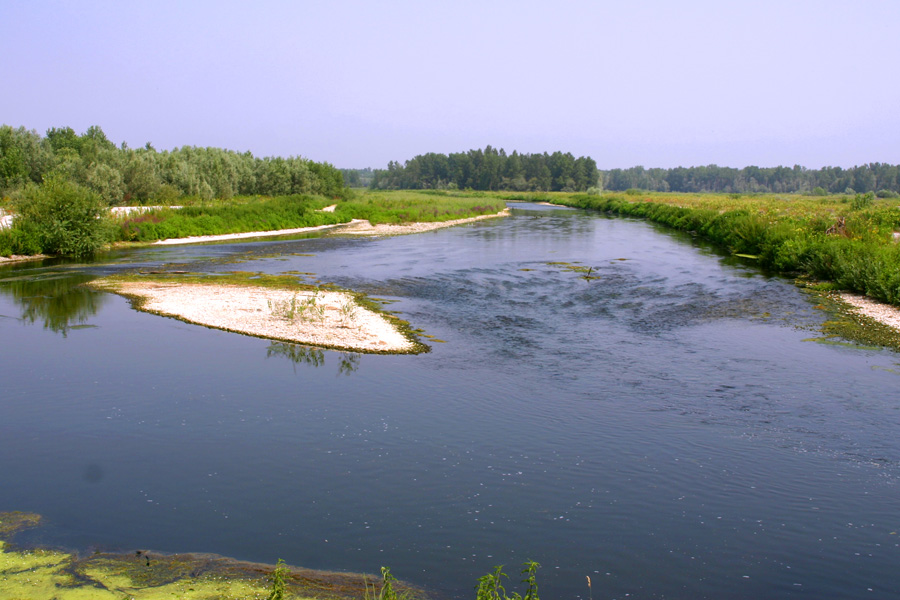
Natura 2000 · wintering, passage

Natura 2000 · wintering
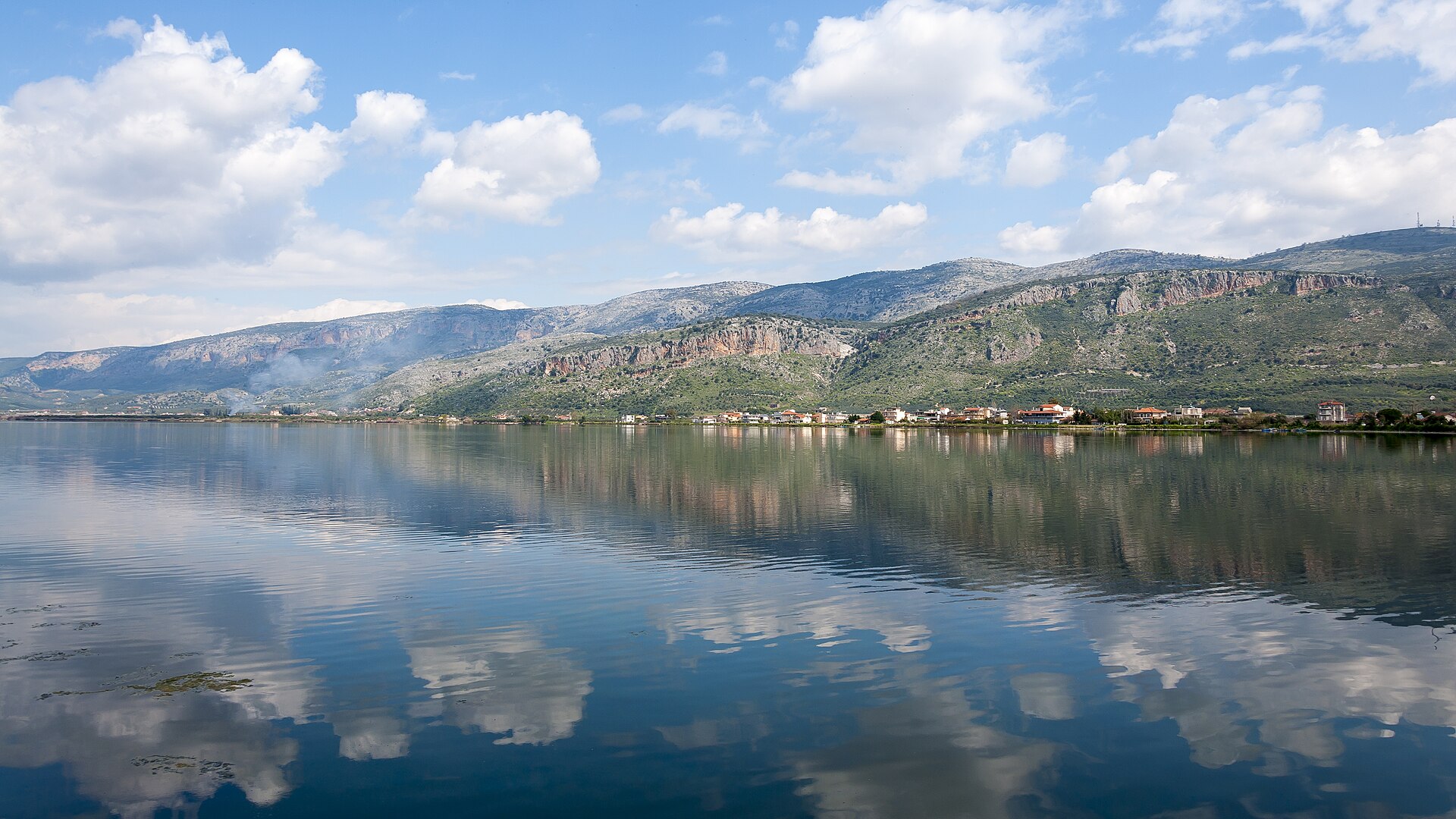
Natura 2000 · wintering
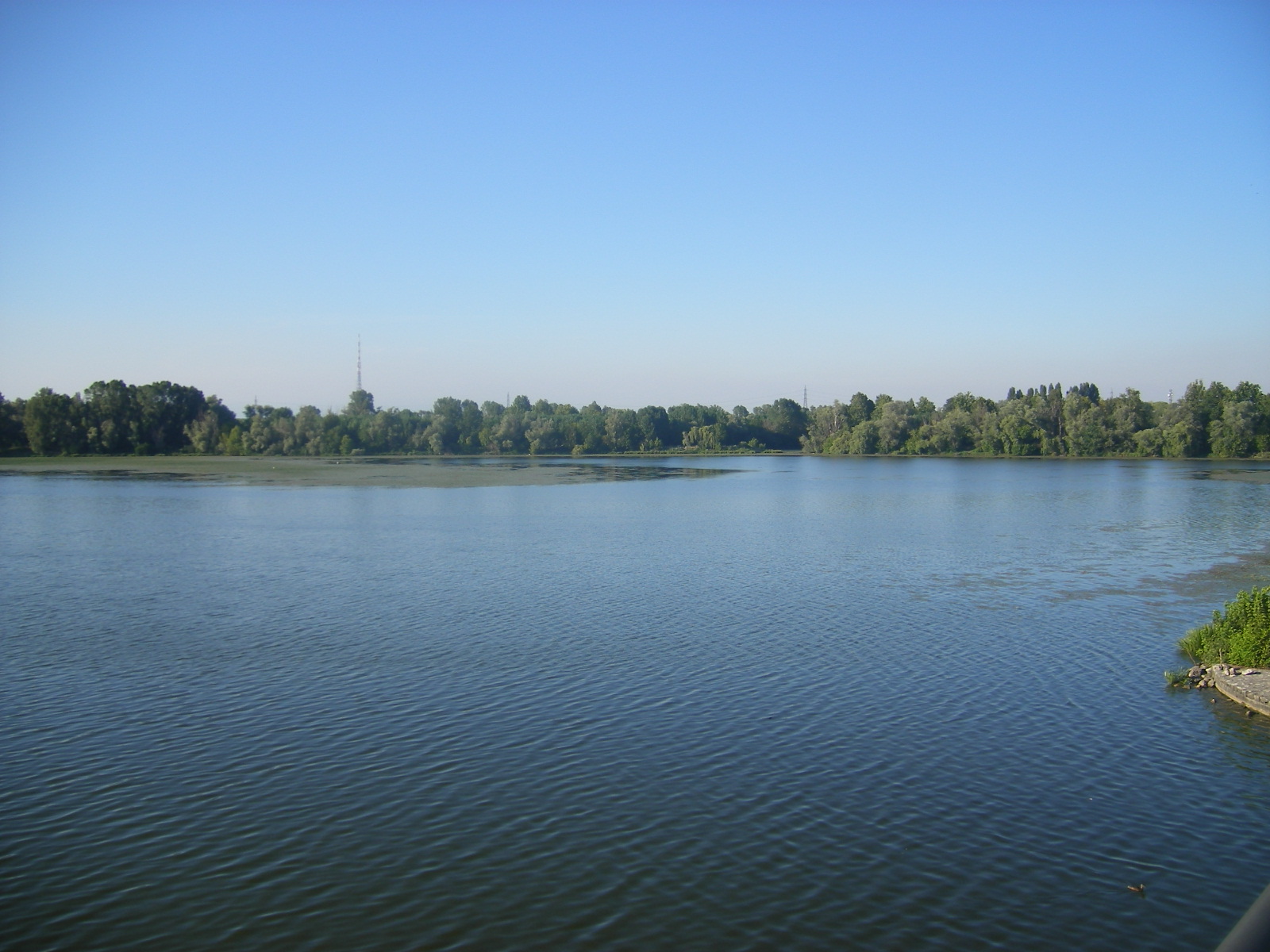
Natura 2000 · wintering, passage
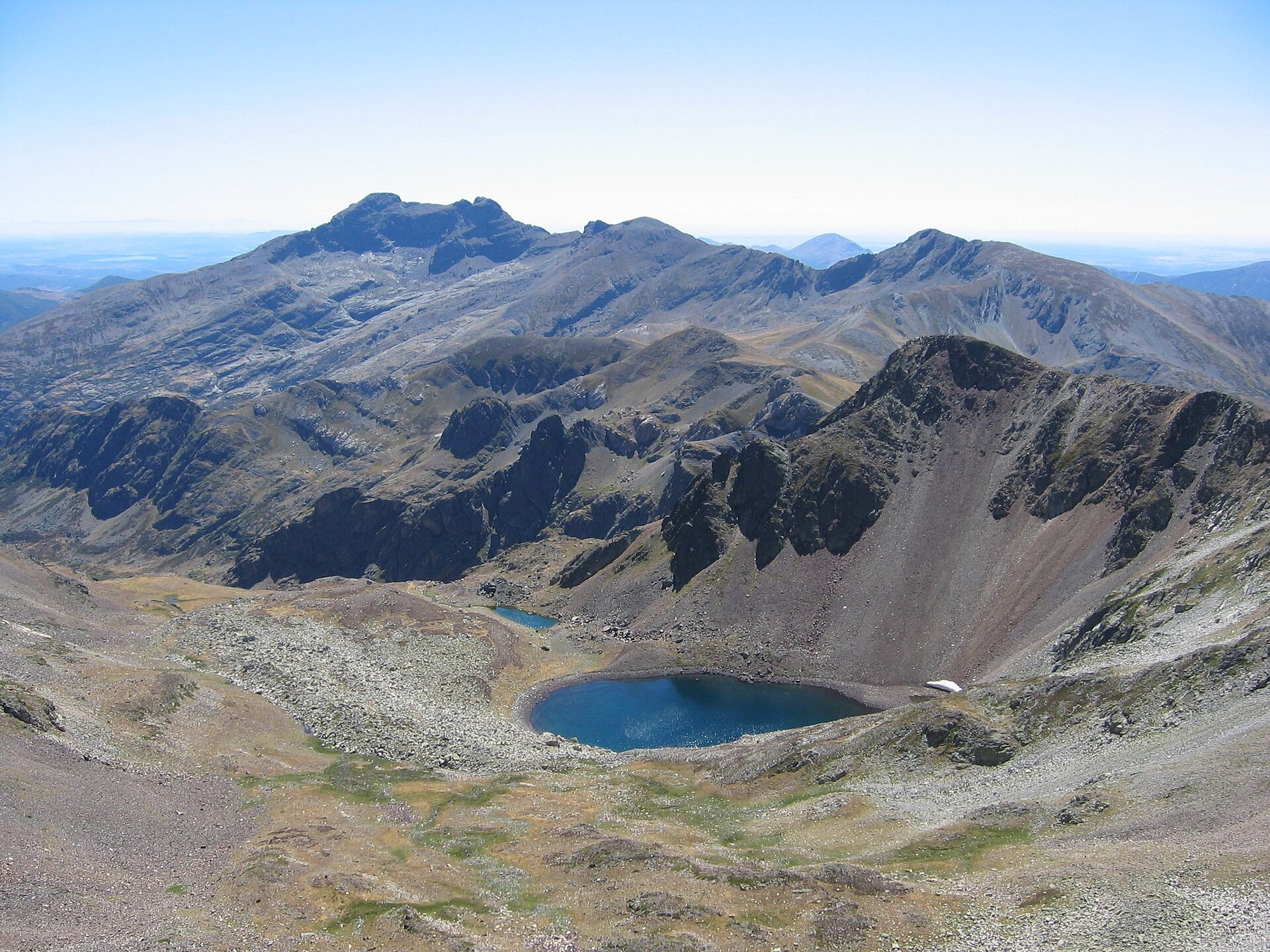
Natura 2000 · wintering

Natura 2000 · wintering

Natura 2000 · wintering
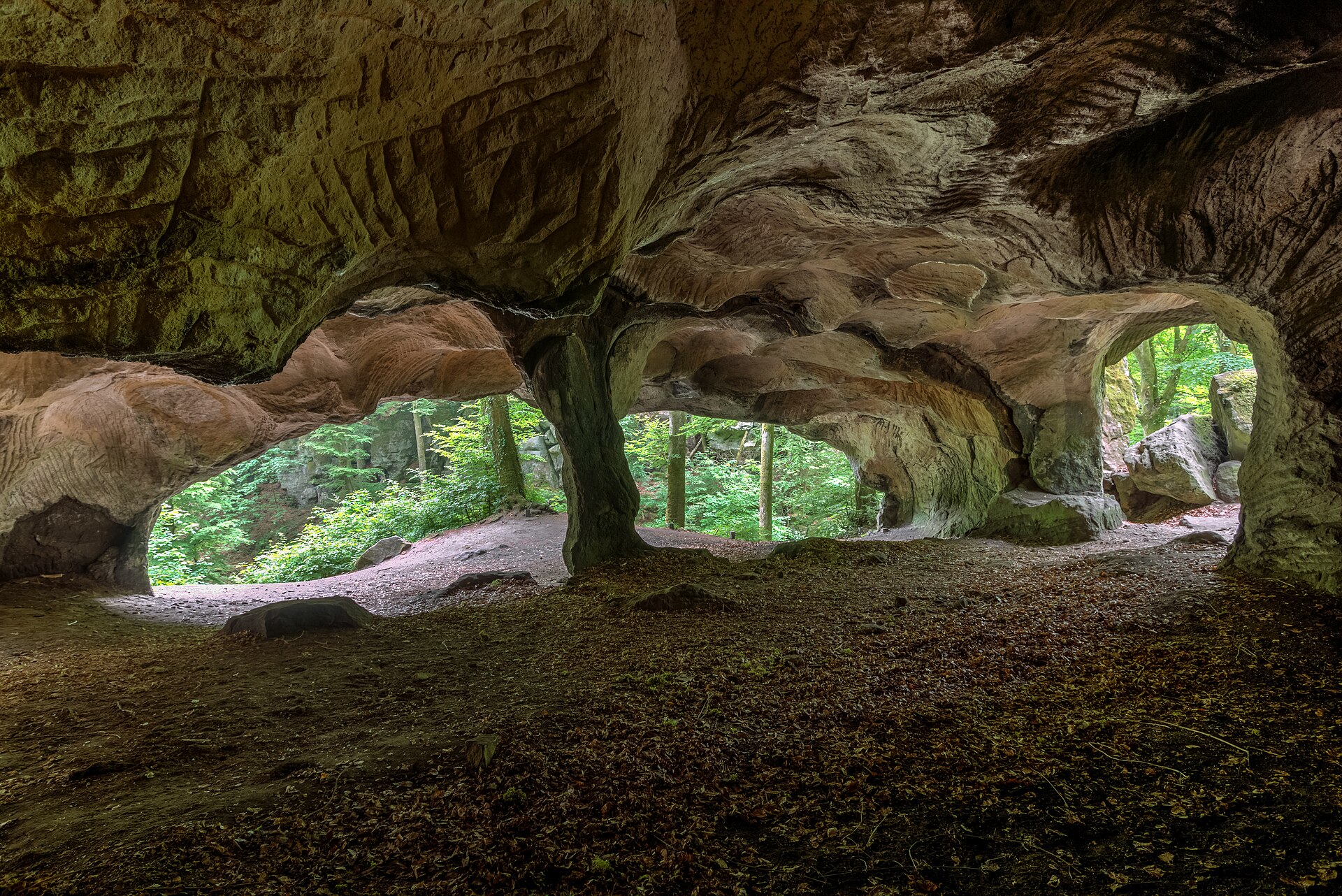
Natura 2000 · breeding

Natura 2000 · wintering
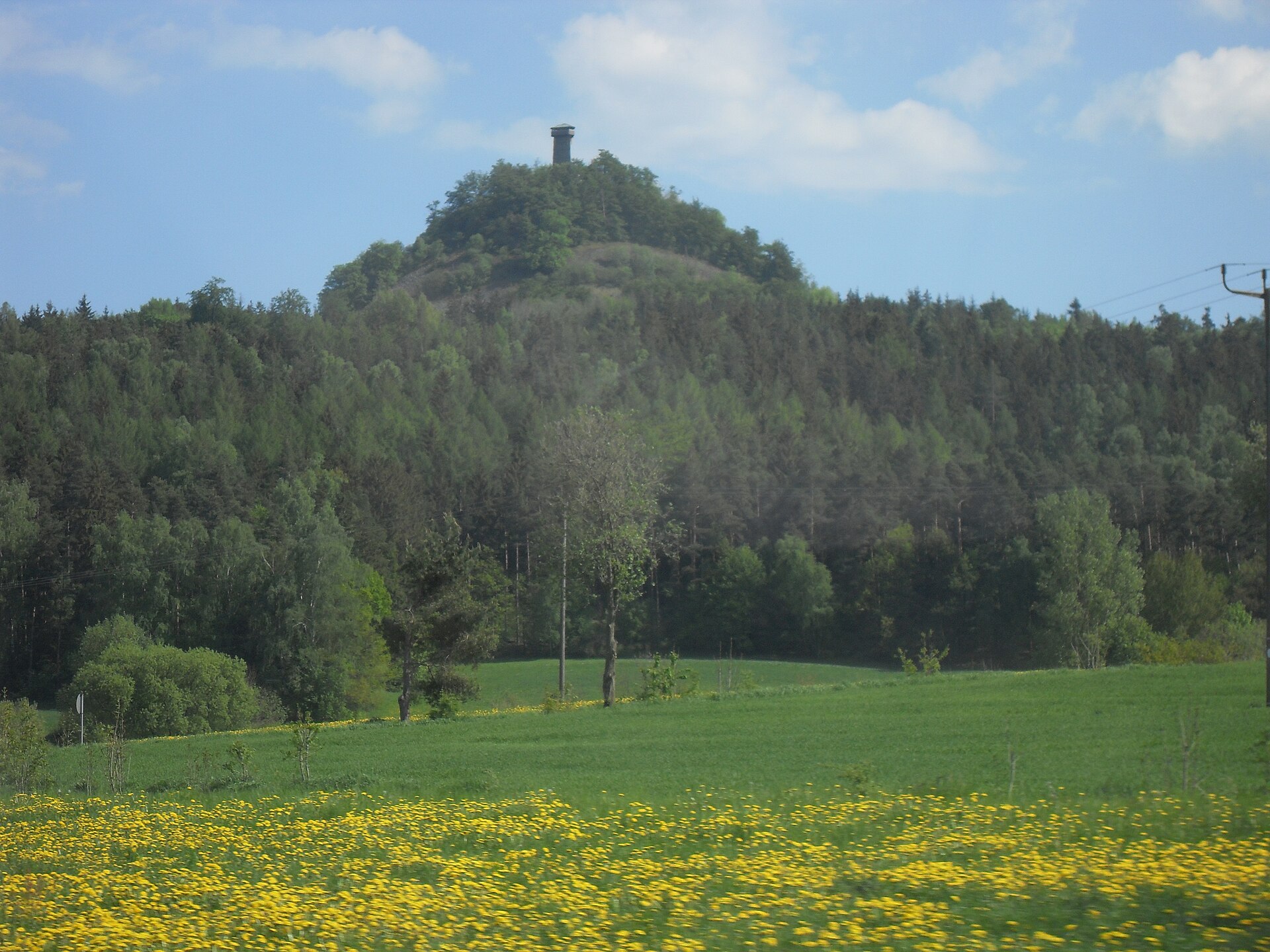
Natura 2000 · breeding
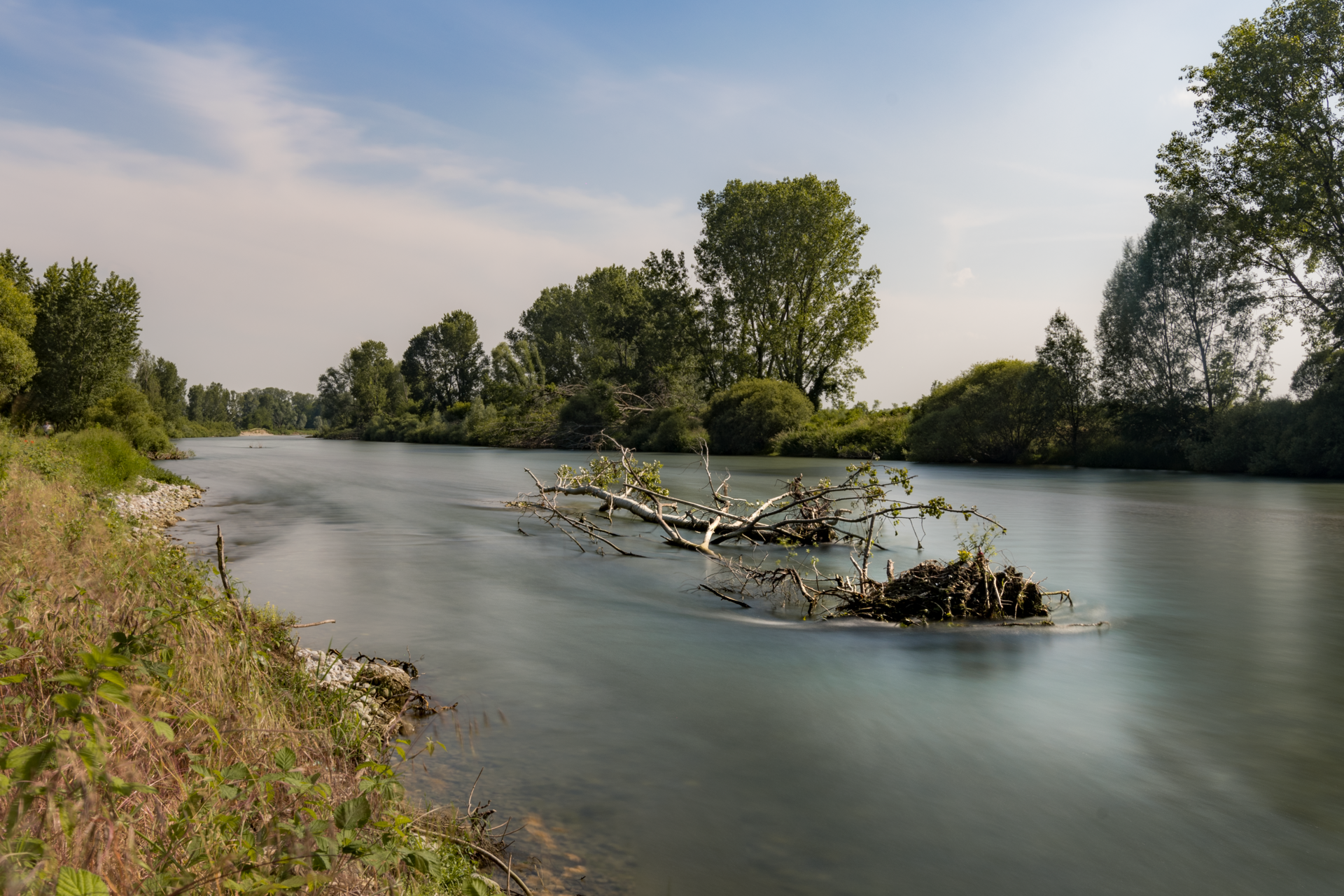
Natura 2000 · wintering, passage
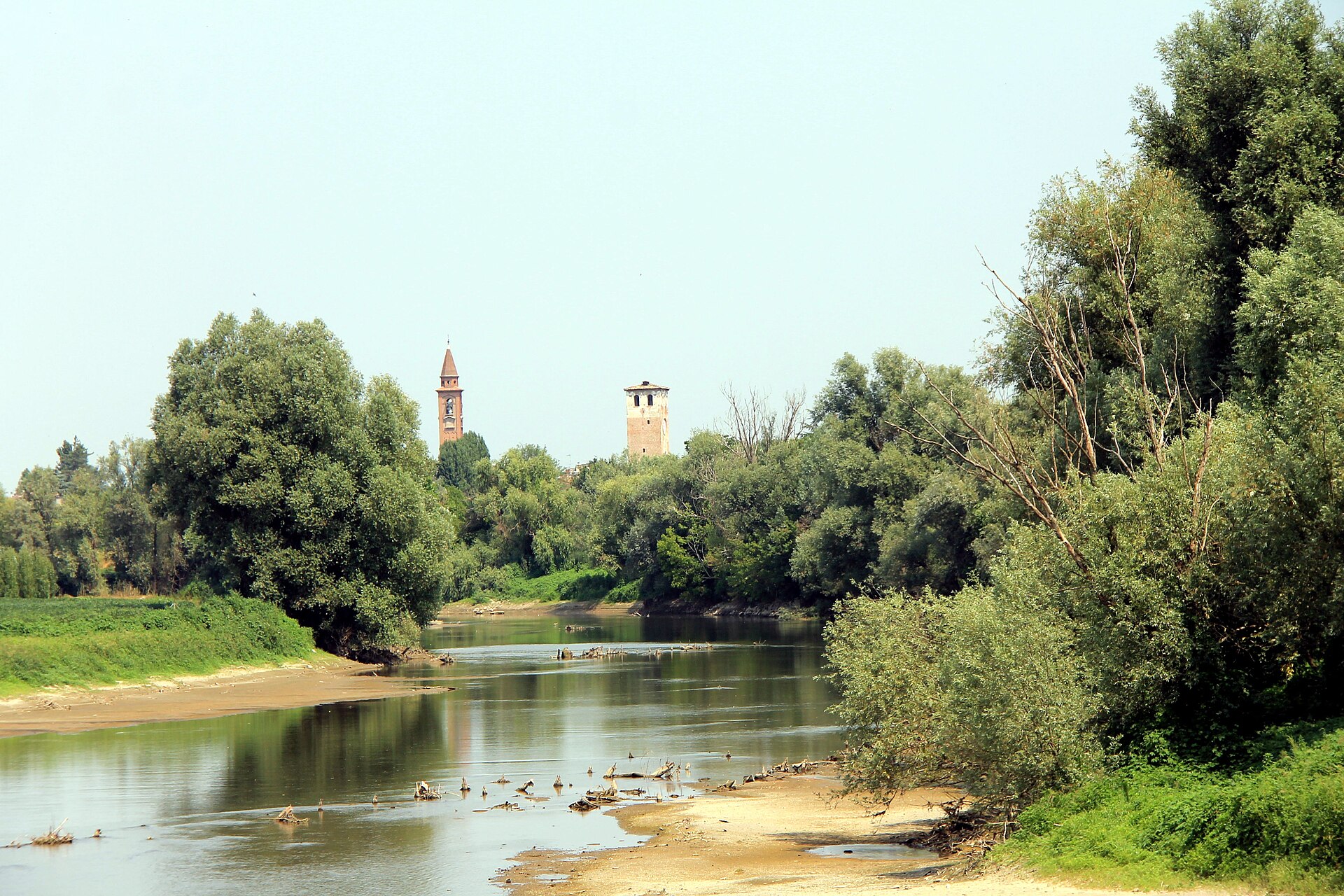
Natura 2000 · wintering, passage
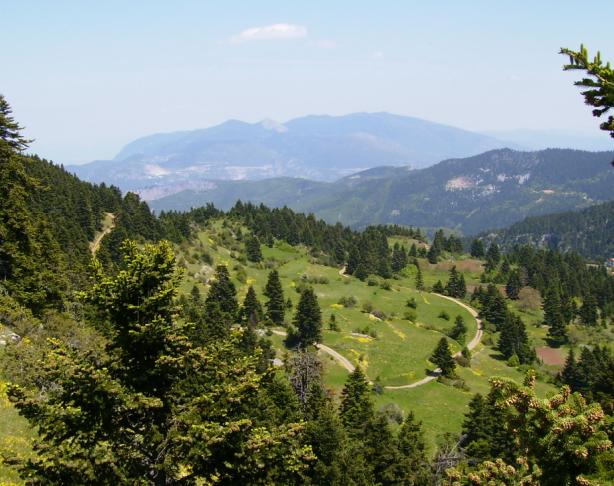
Natura 2000 · wintering
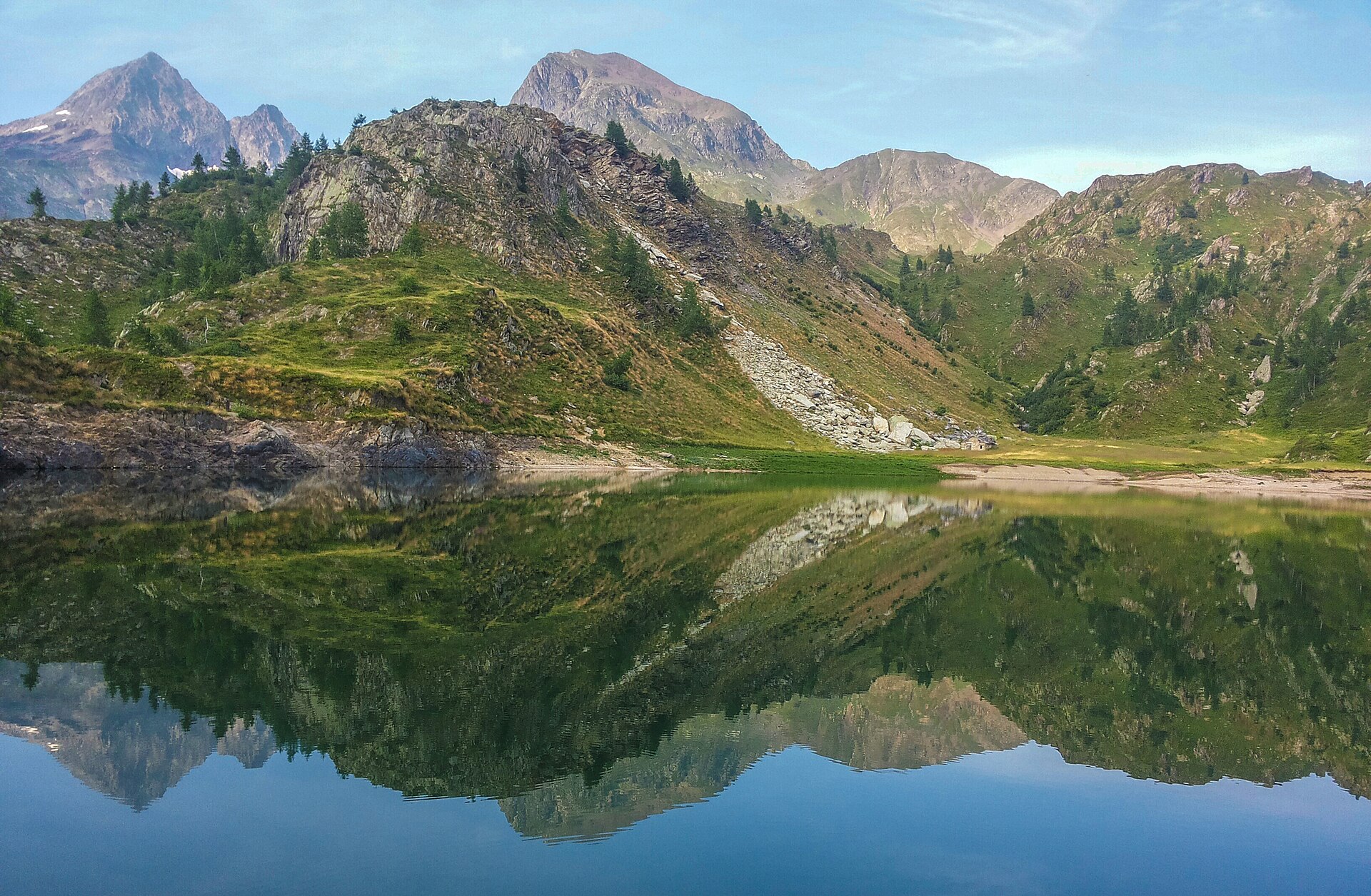
Natura 2000 · passage
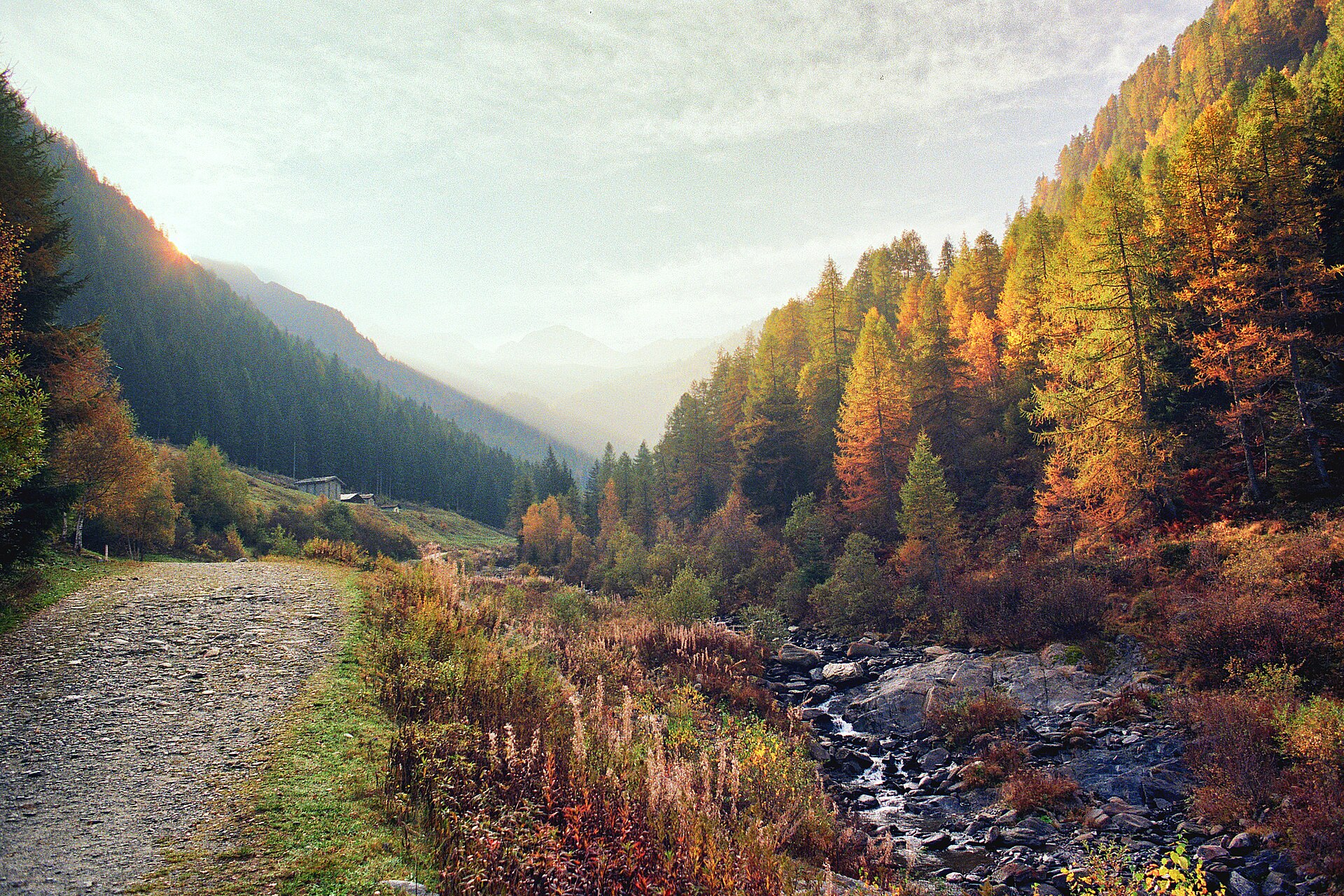
Natura 2000 · passage

Natura 2000 · breeding
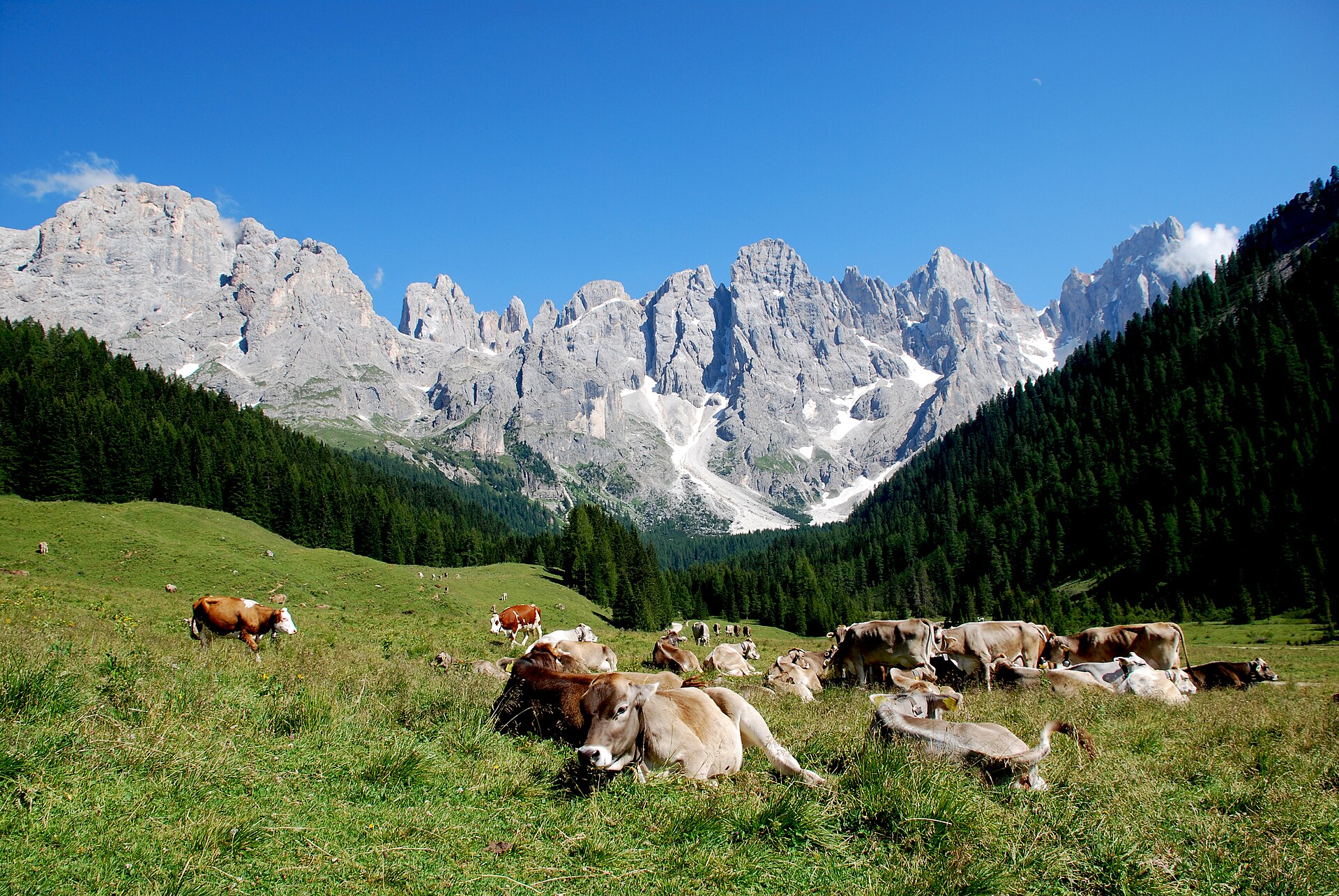
Natura 2000 · passage
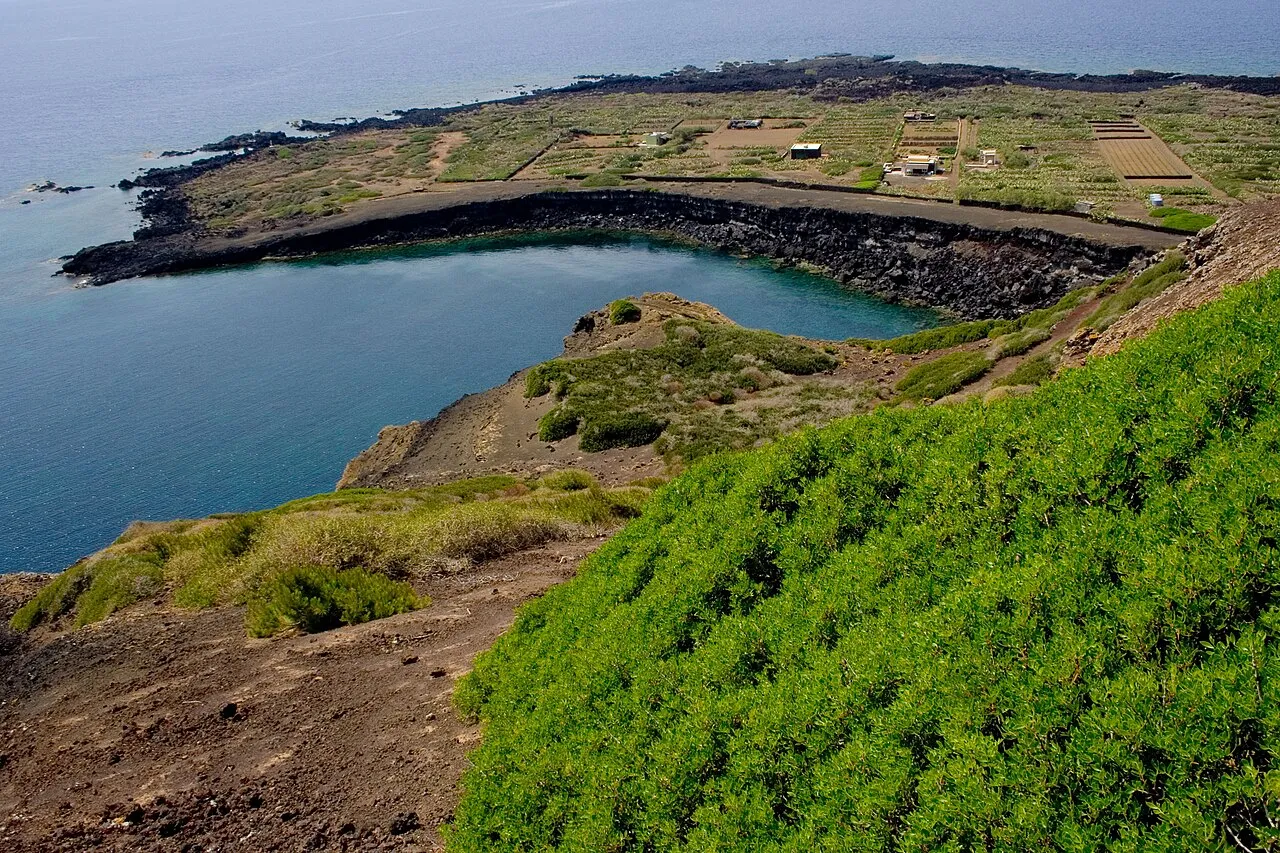
Natura 2000 · passage
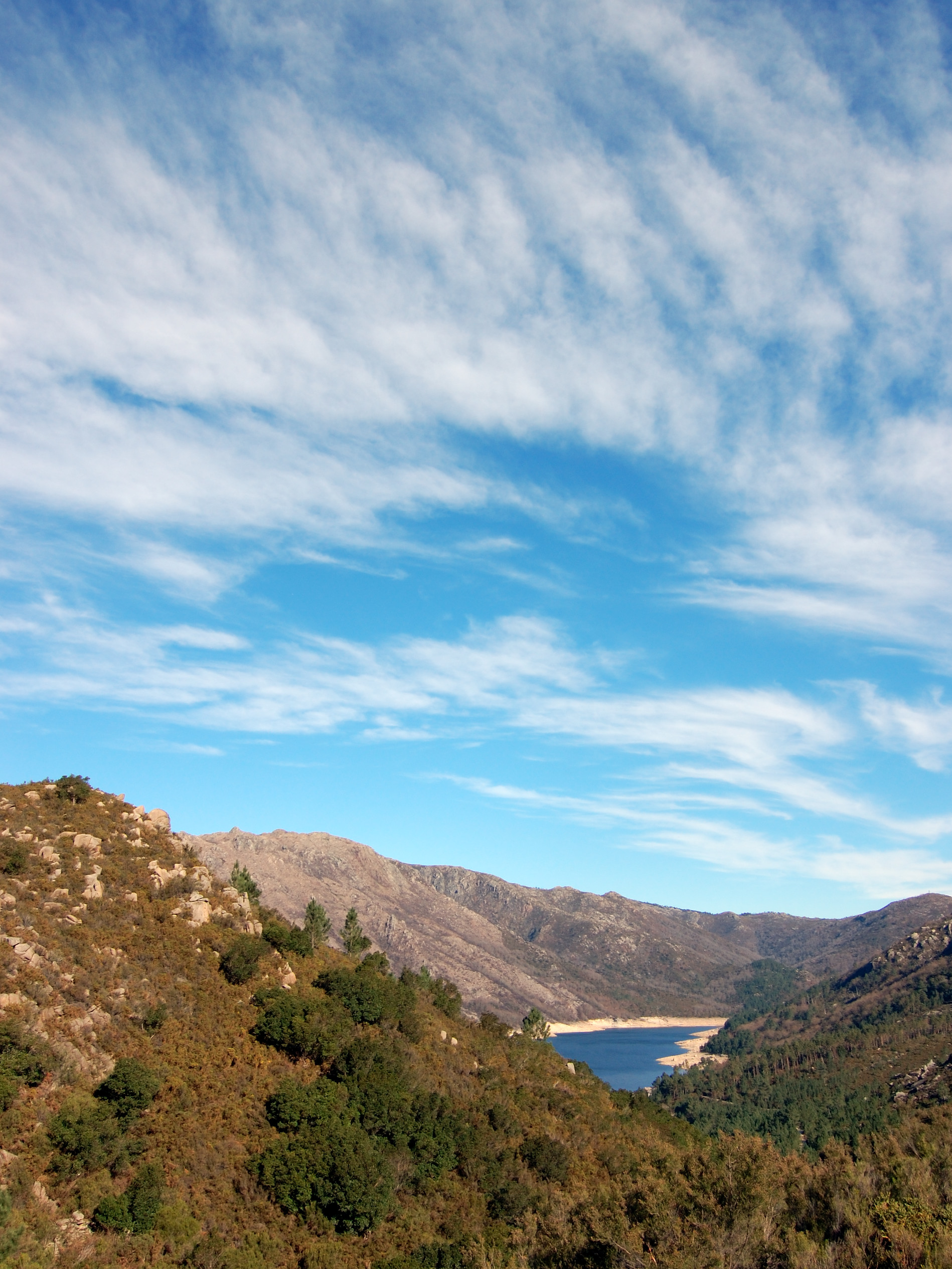
Natura 2000 · wintering
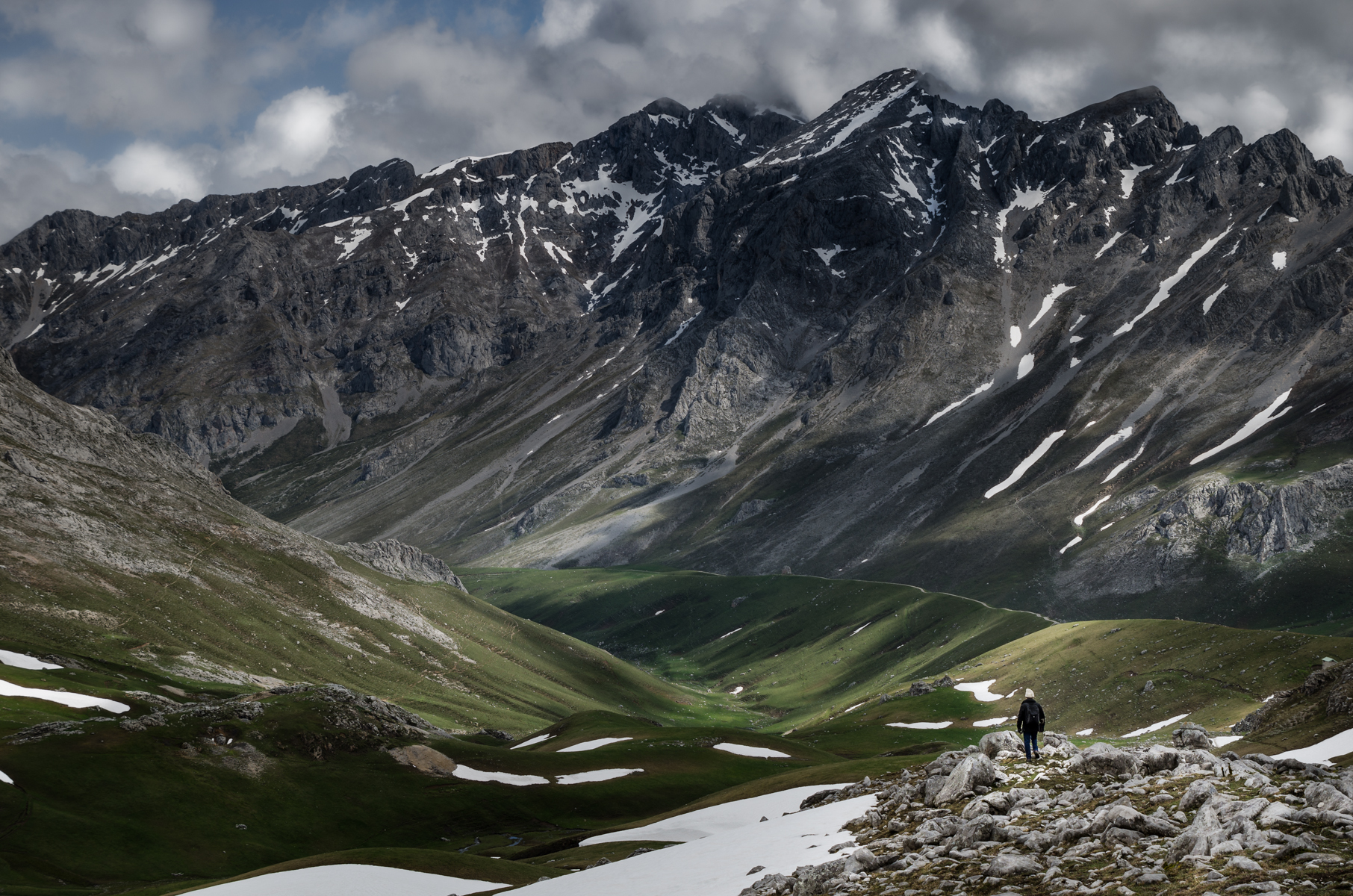
Natura 2000 · wintering
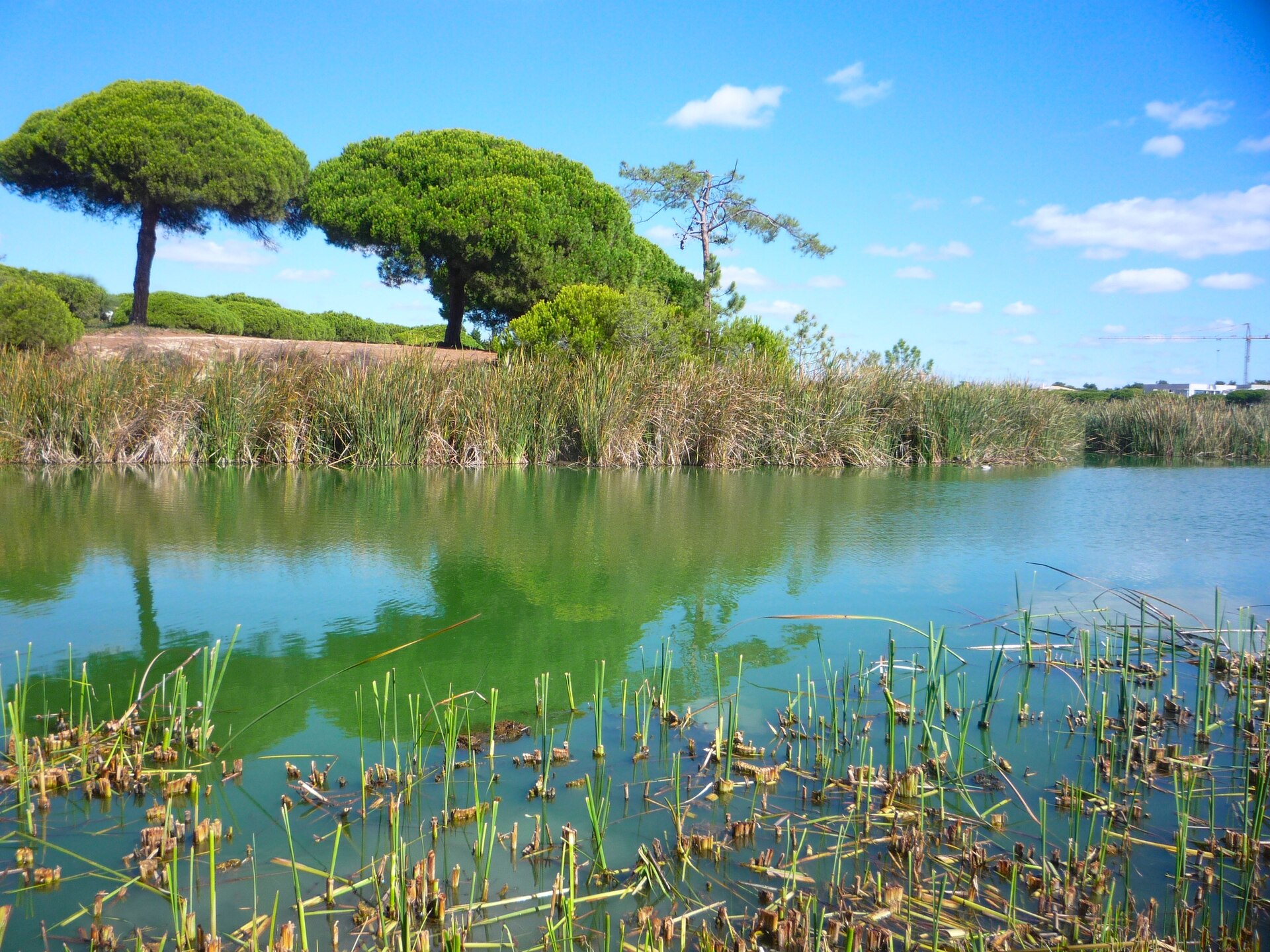
Natura 2000 · wintering
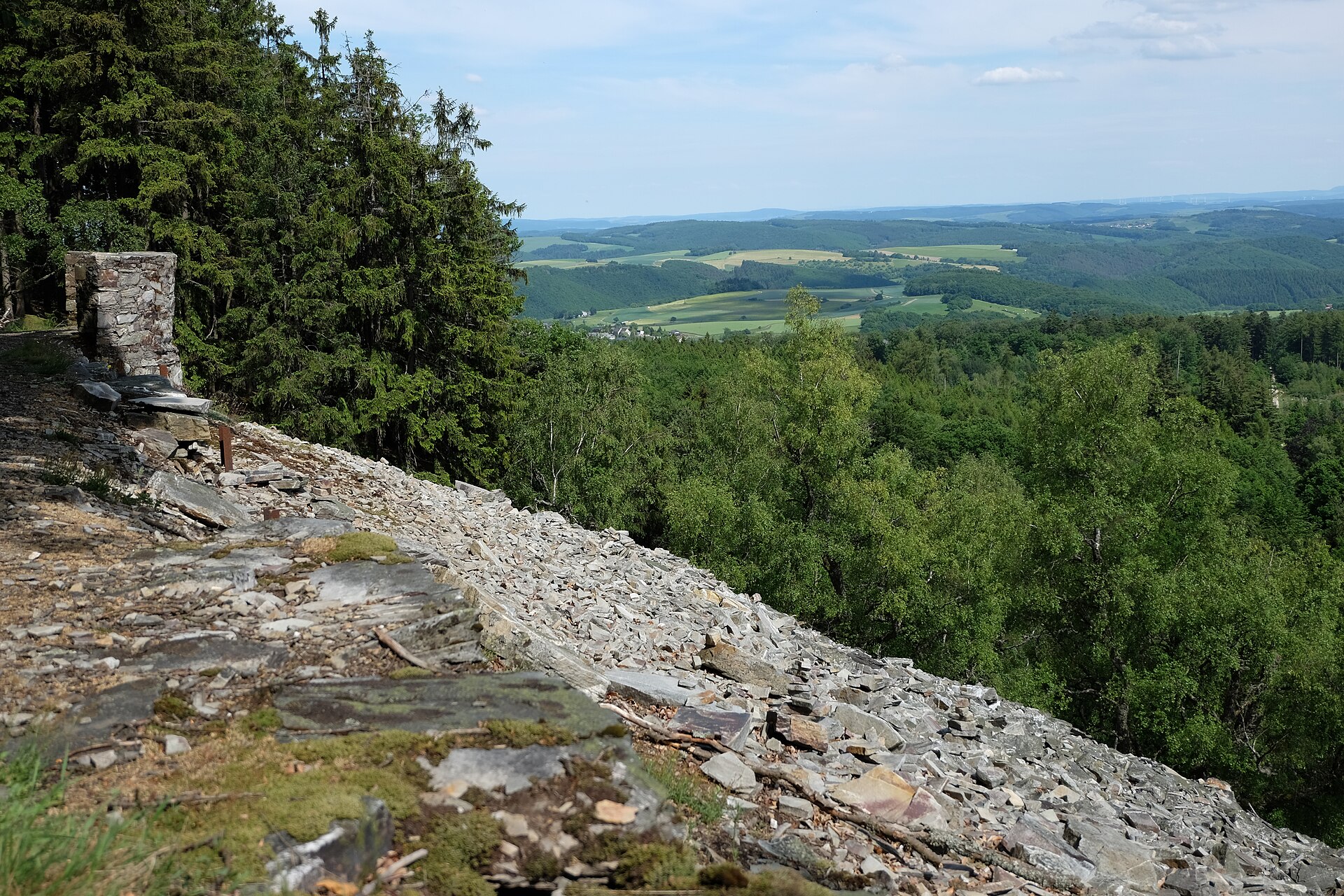
Natura 2000 · breeding, passage

Natura 2000 · wintering
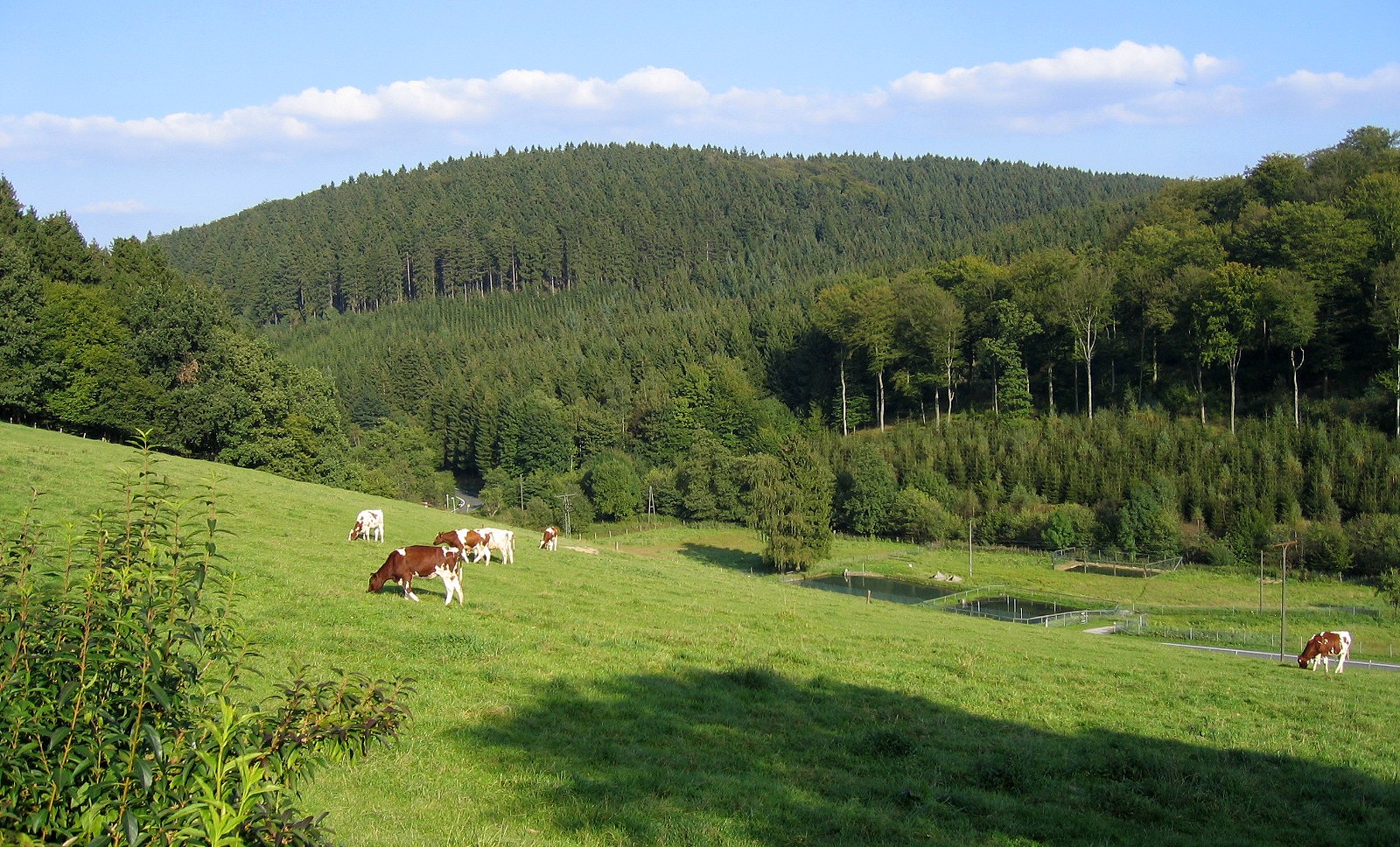
Natura 2000 · breeding
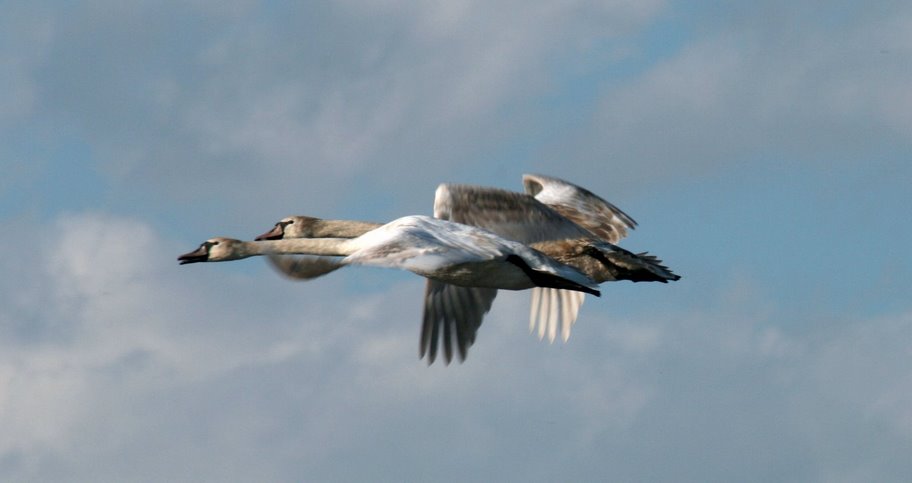
Natura 2000 · passage

Natura 2000 · breeding

Natura 2000 · breeding
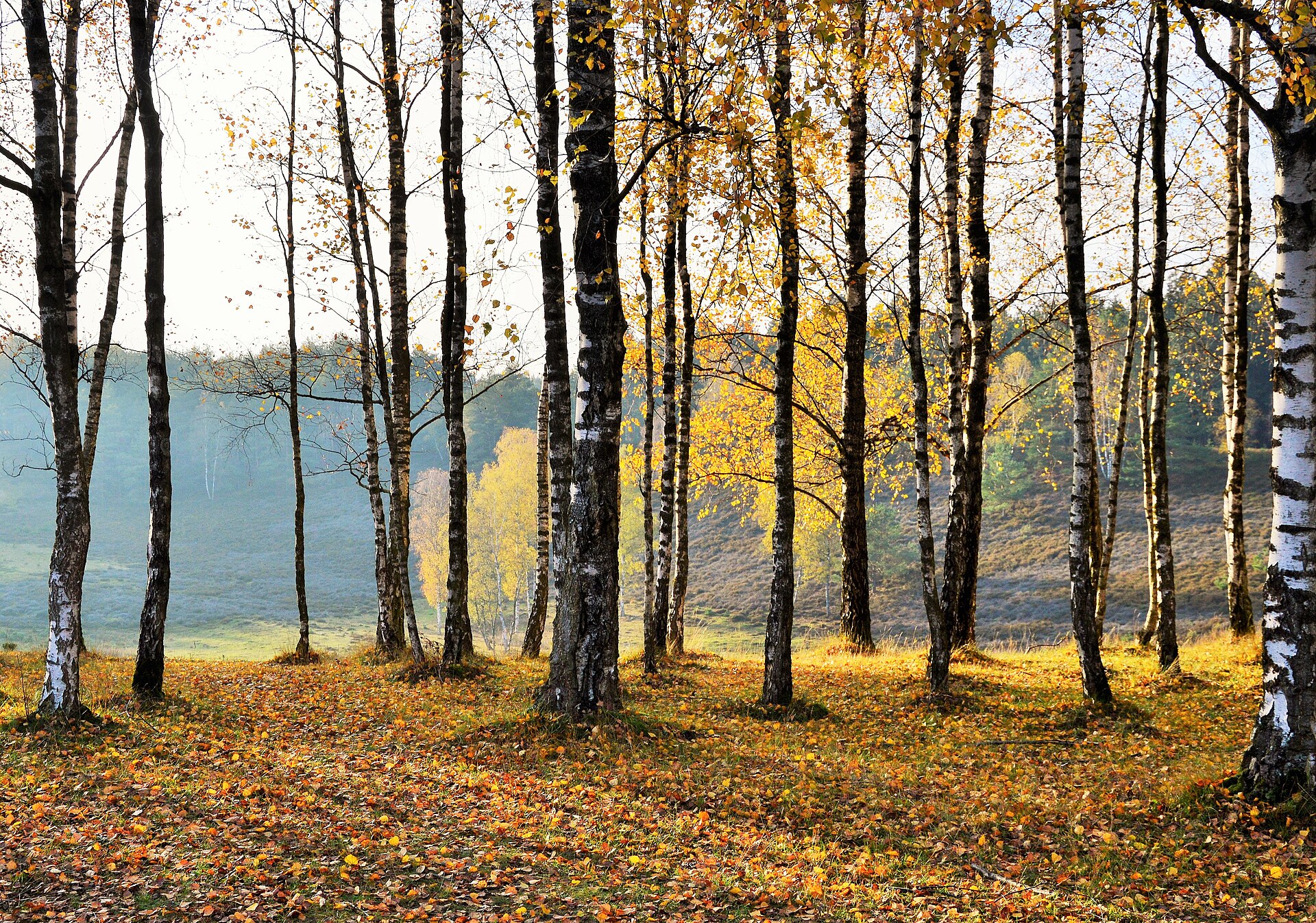
Natura 2000 · breeding

Natura 2000 · wintering
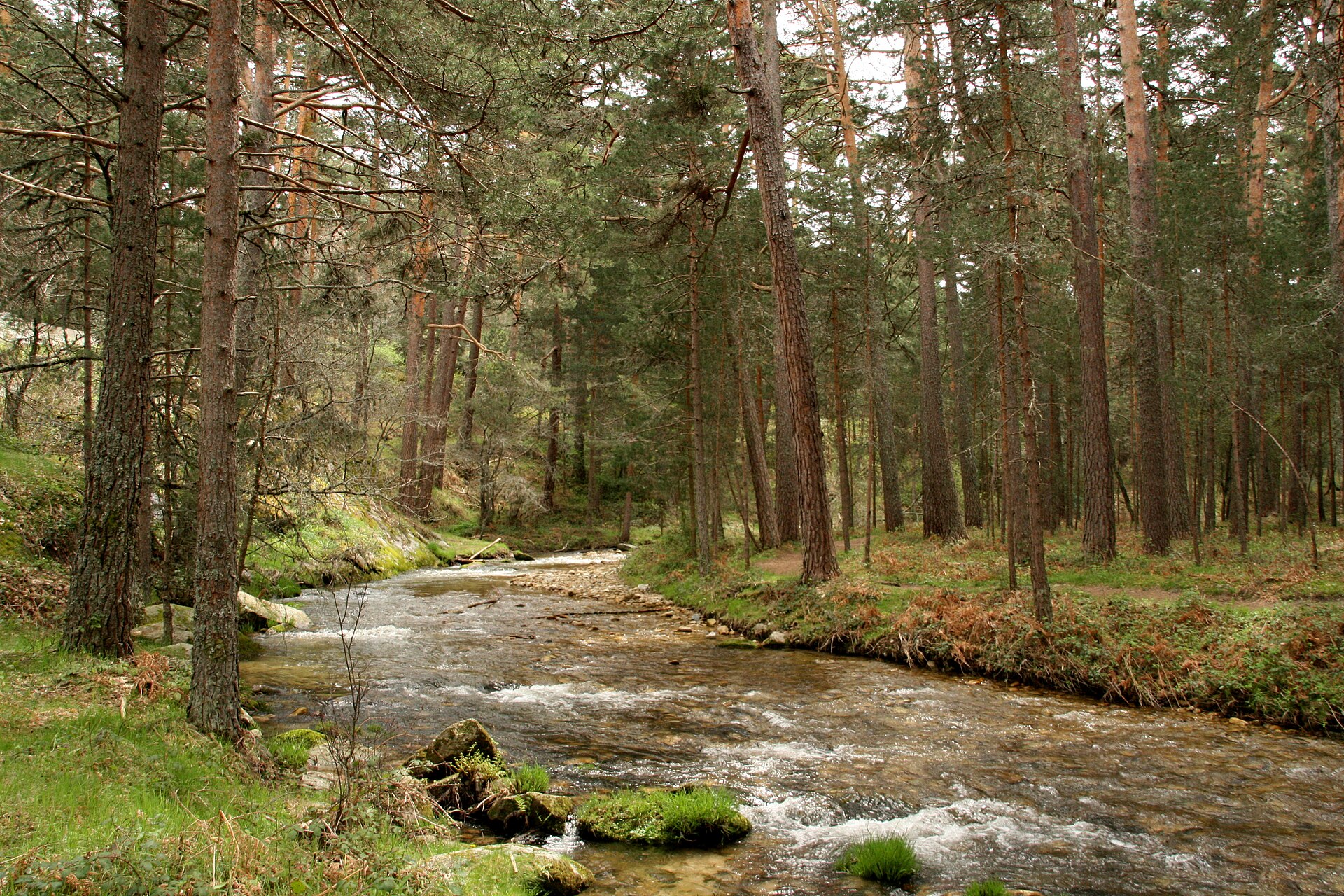
Natura 2000 · wintering
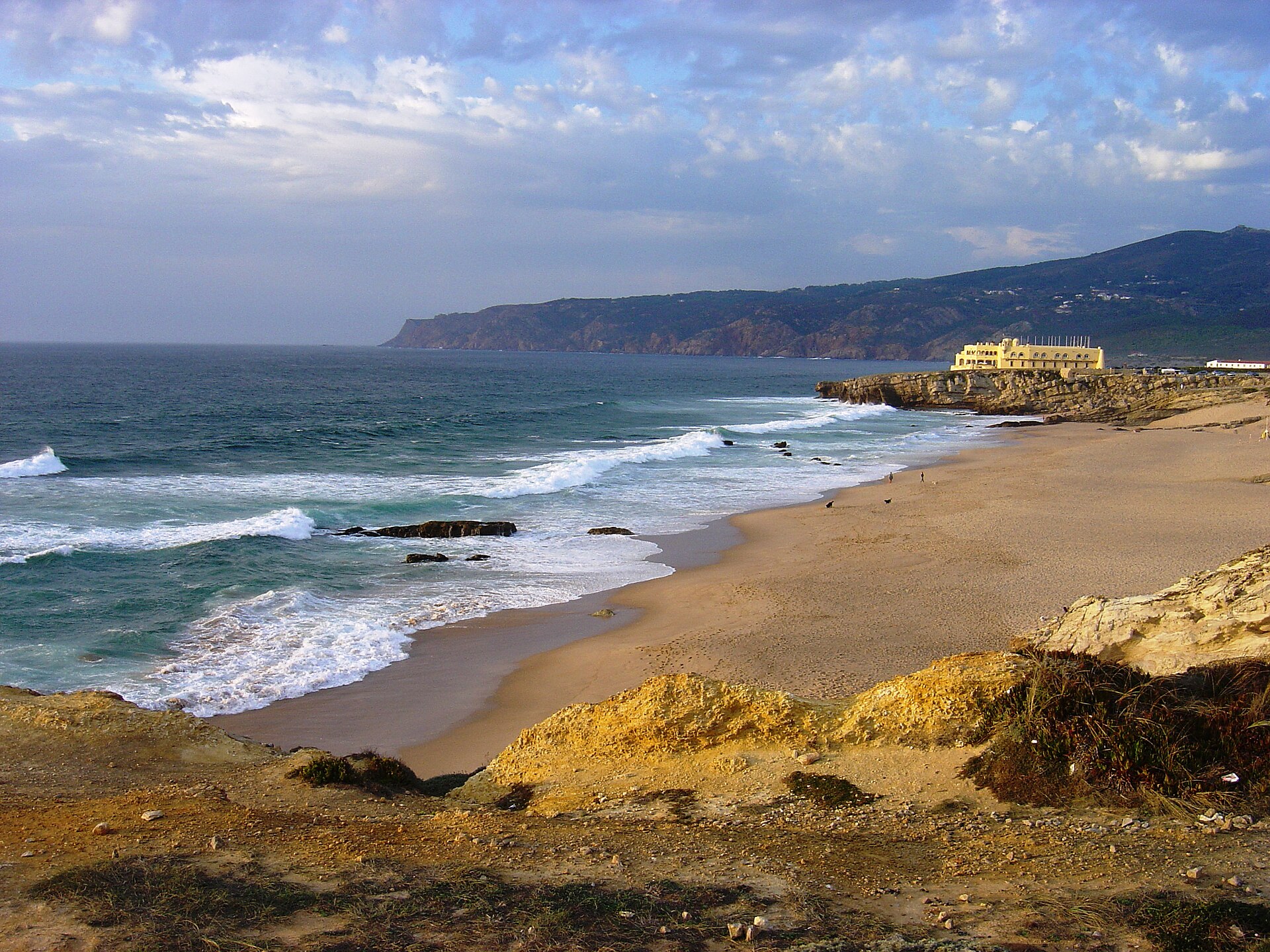
Natura 2000 · wintering
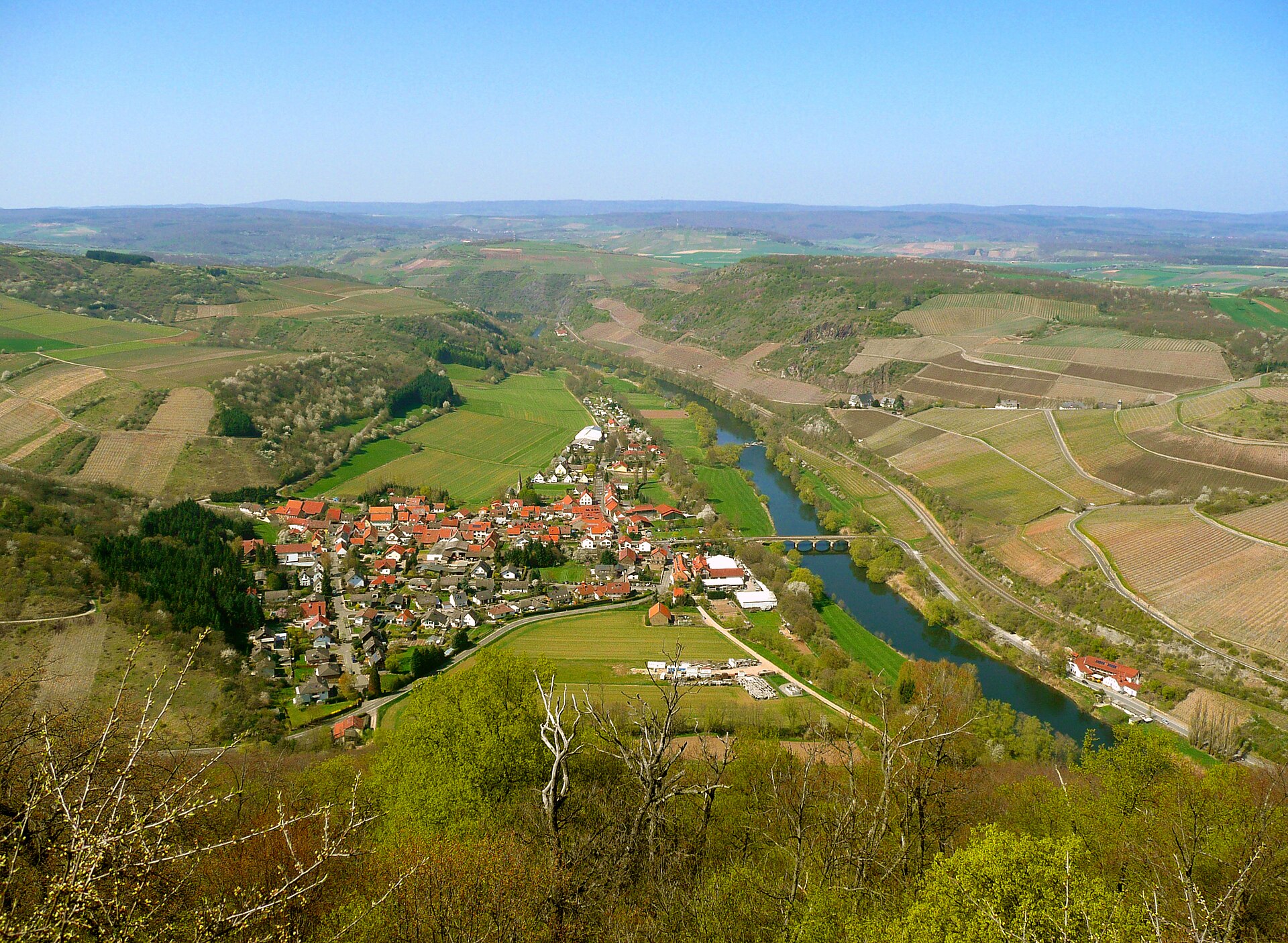
Natura 2000
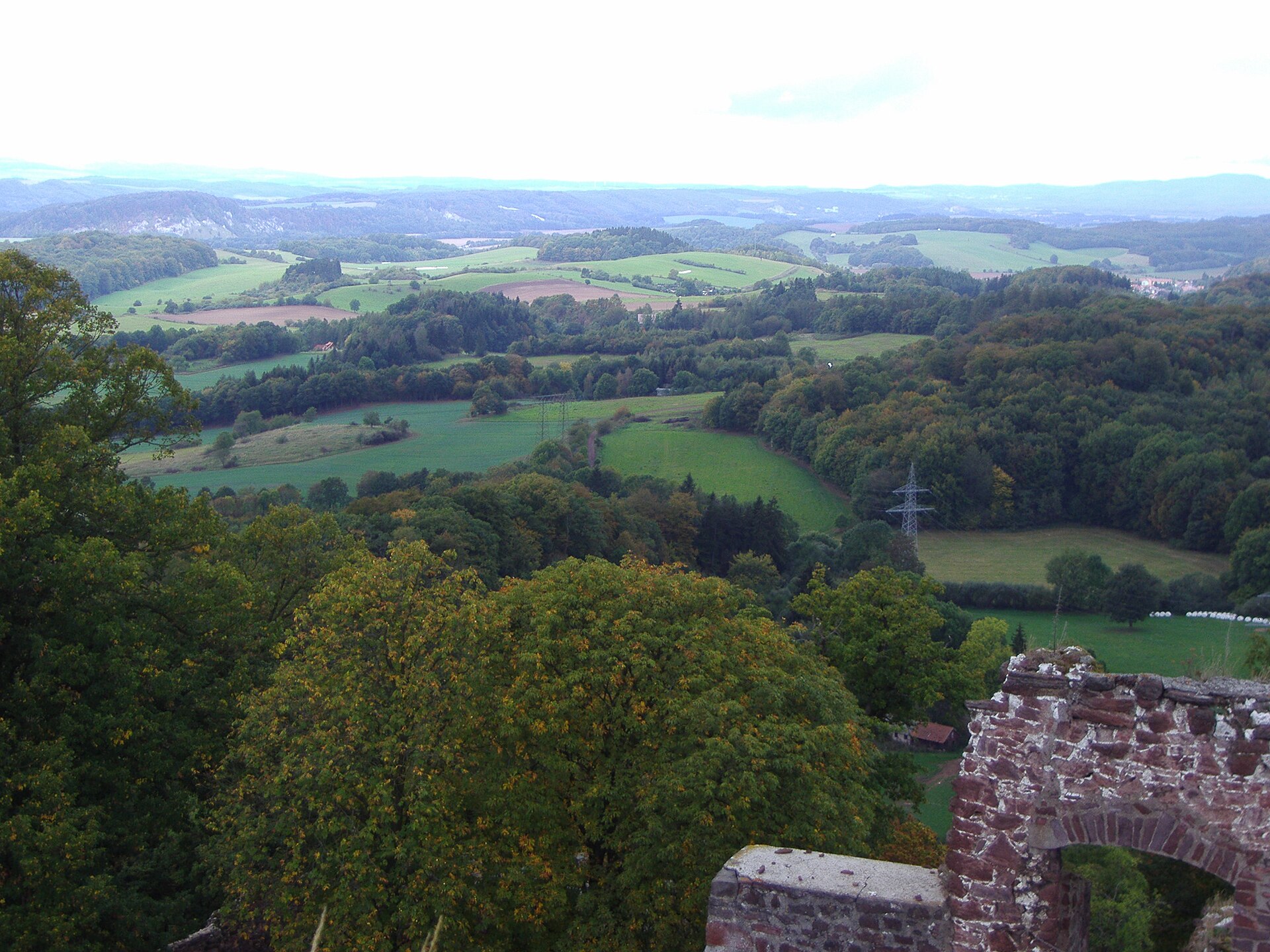
Natura 2000 · breeding
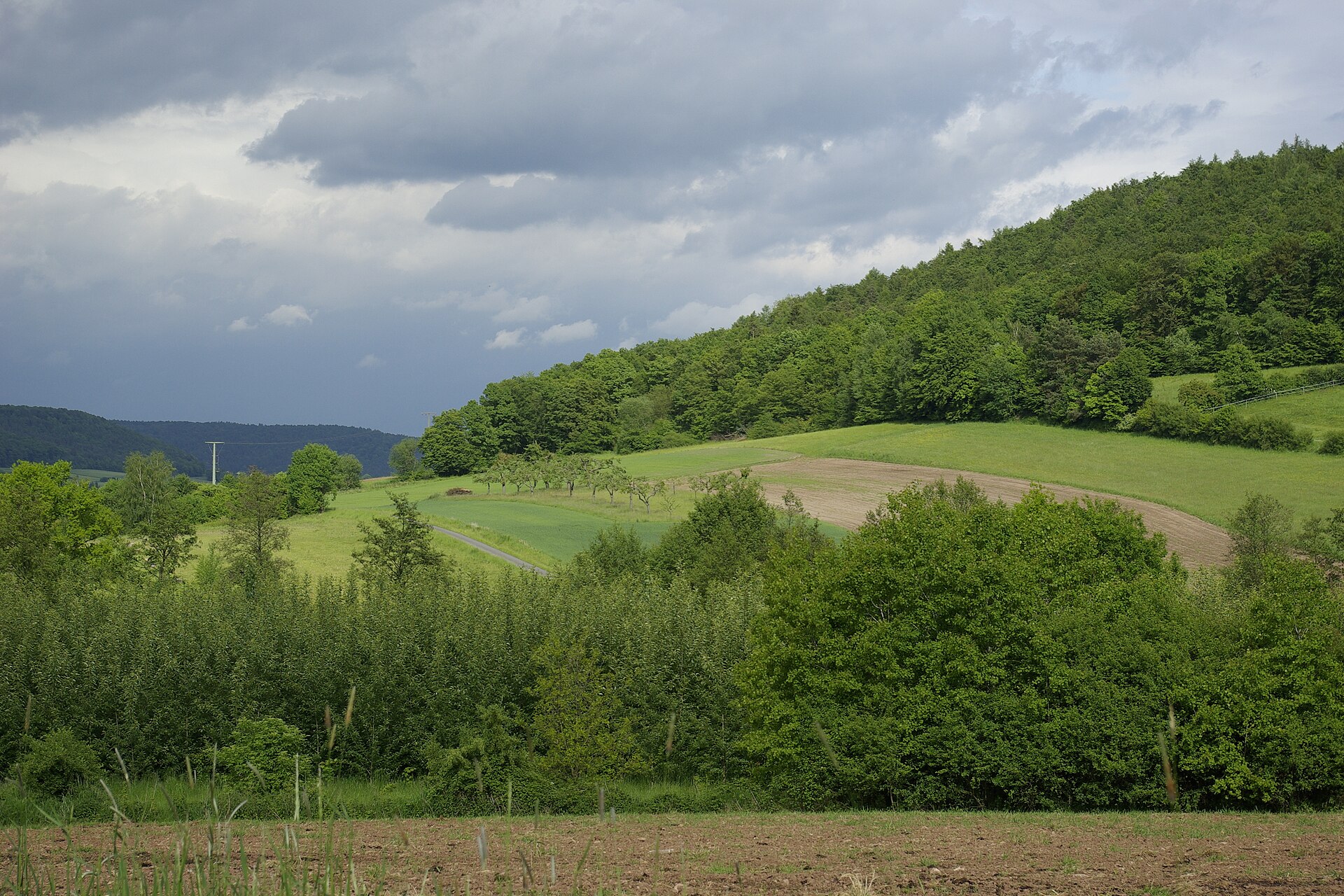
Natura 2000 · breeding
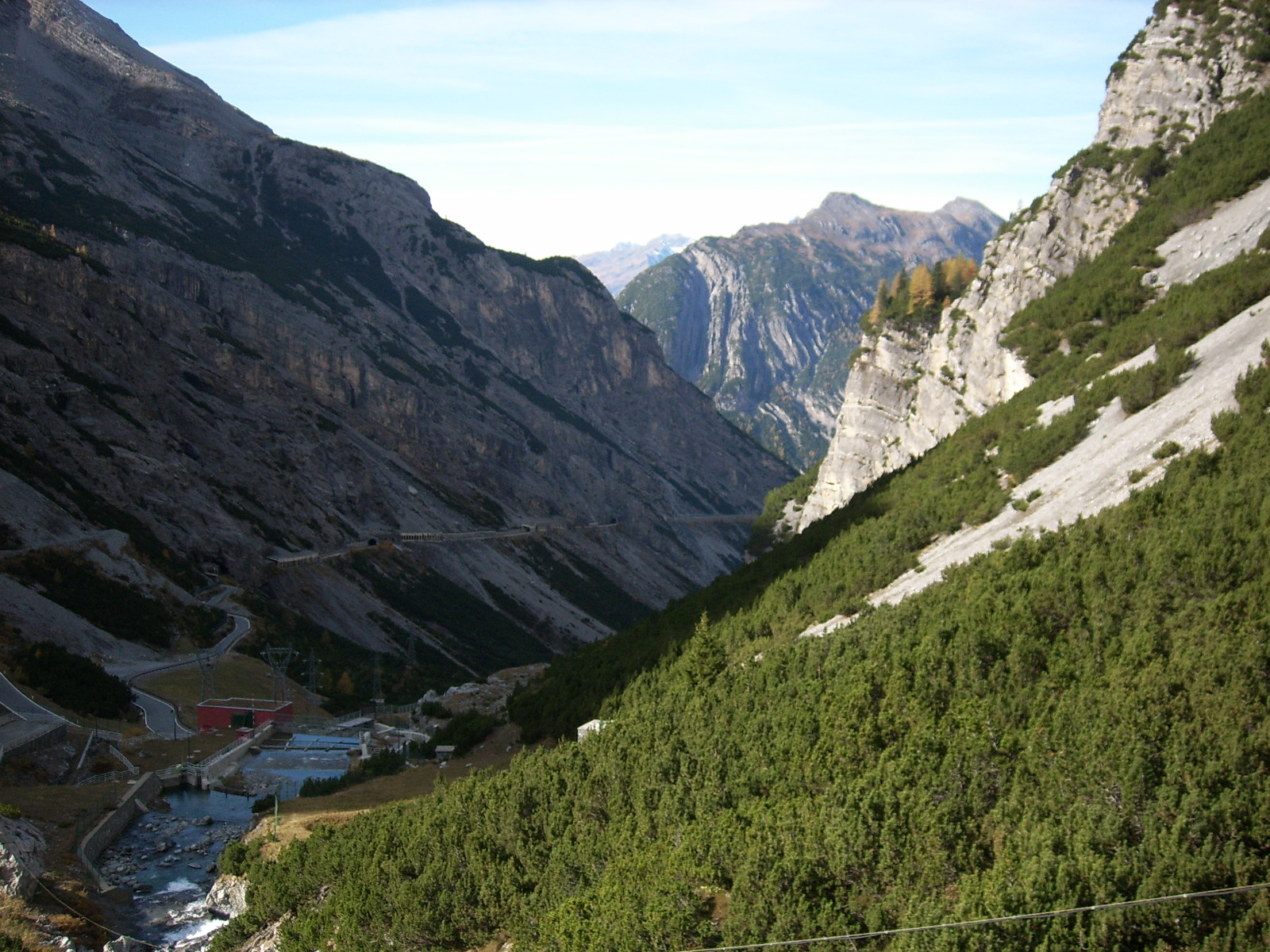
Natura 2000 · passage
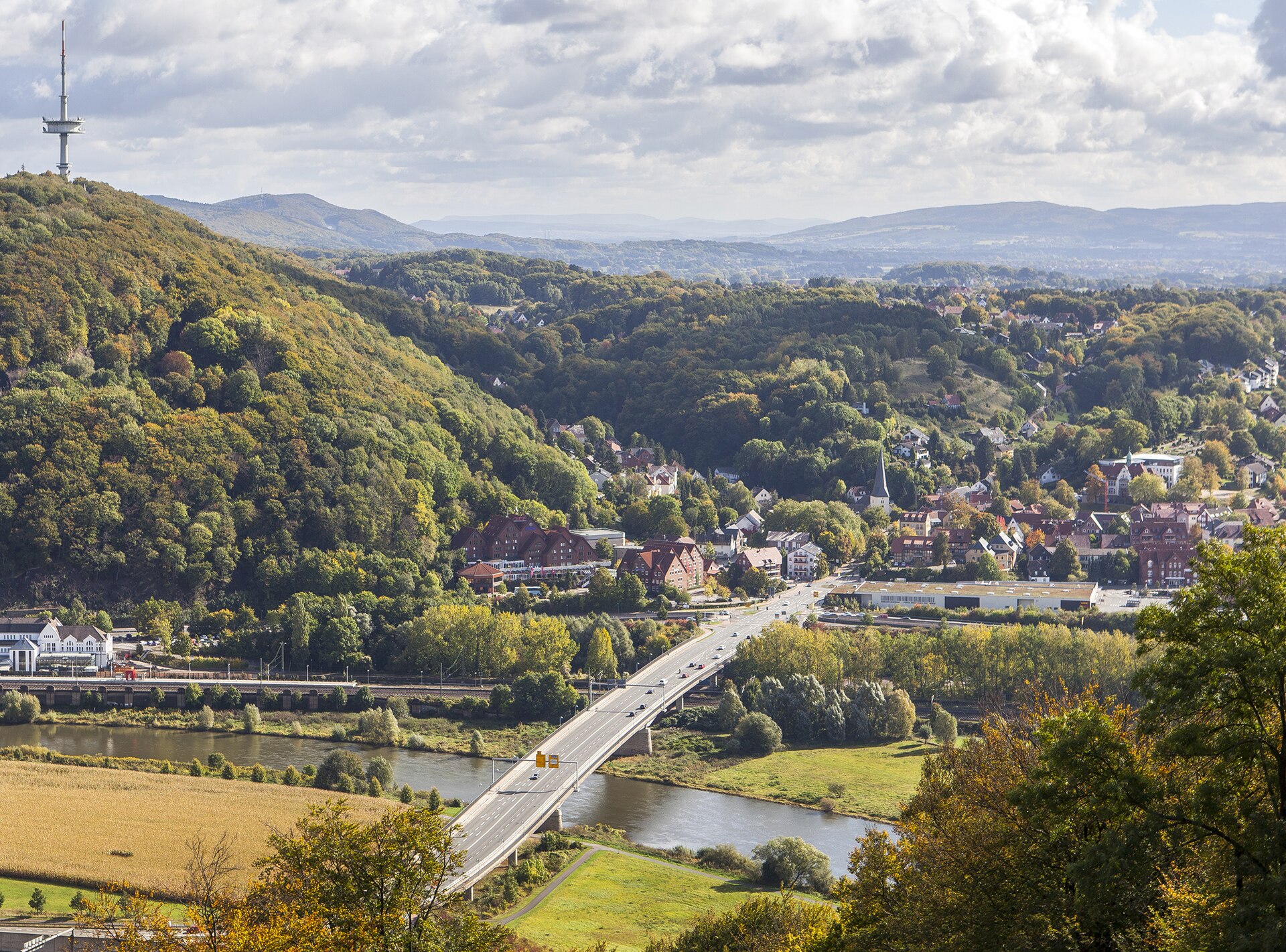
Natura 2000 · breeding
Natura 2000 · passage, wintering
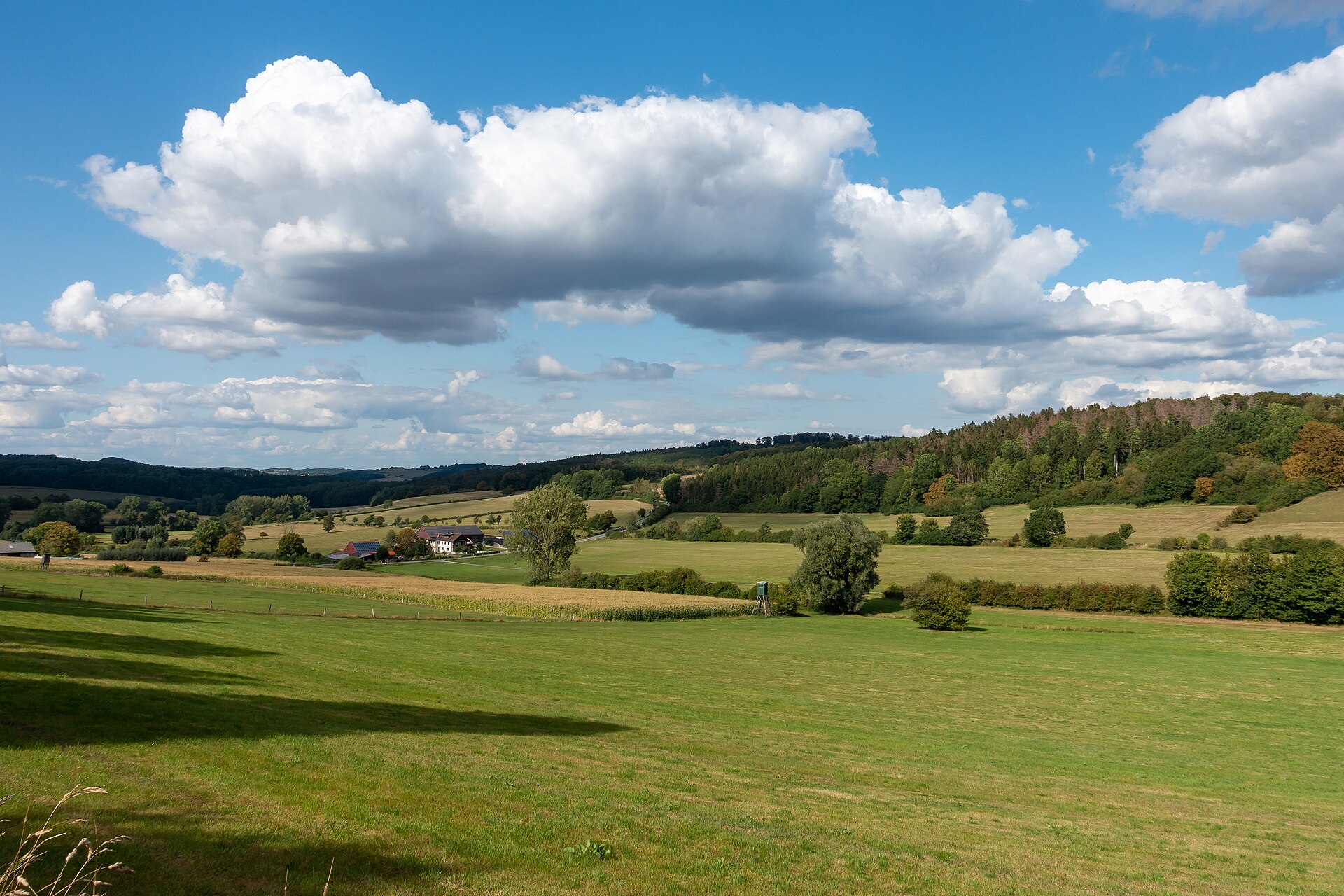
Natura 2000 · breeding
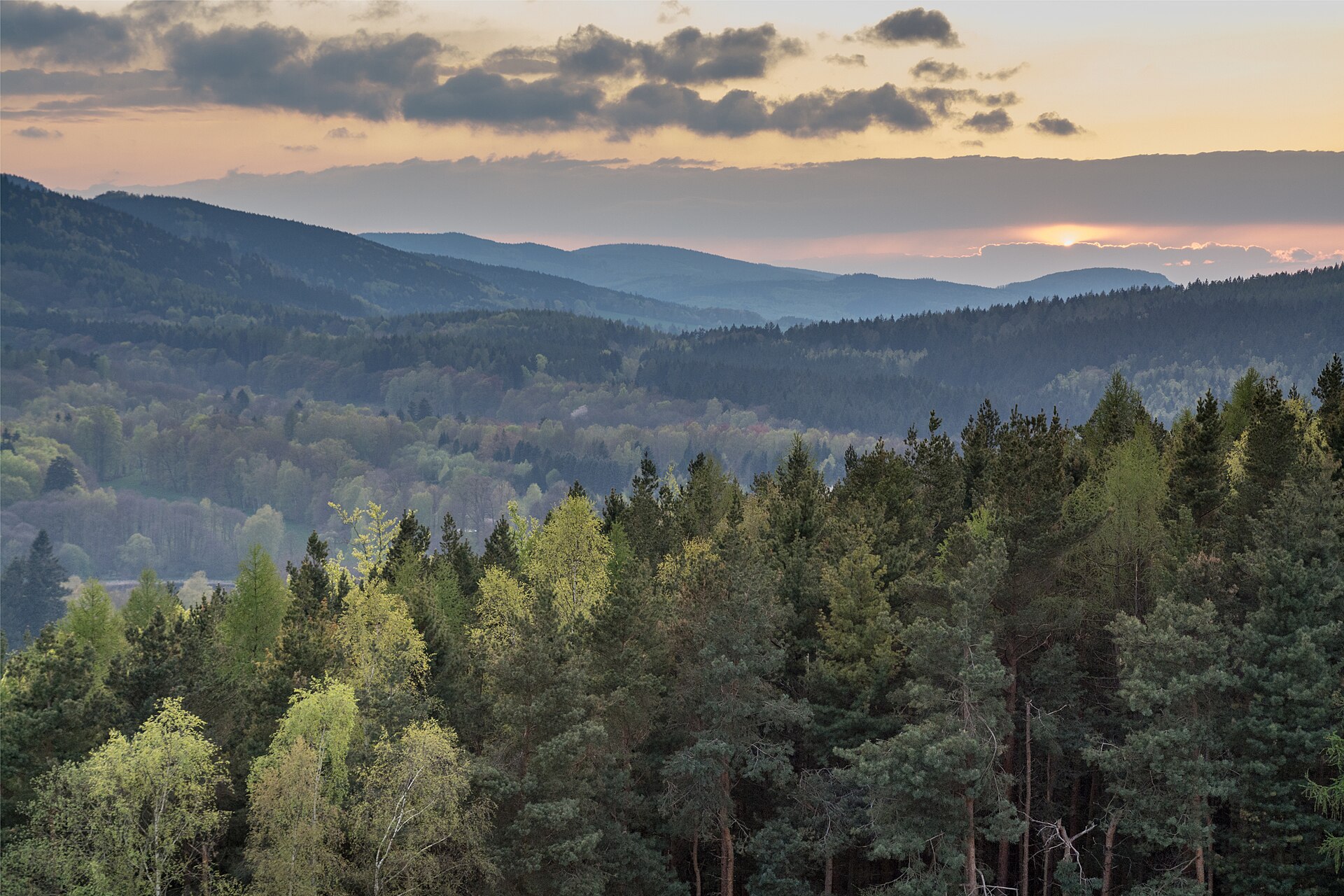
Natura 2000 · breeding, resident
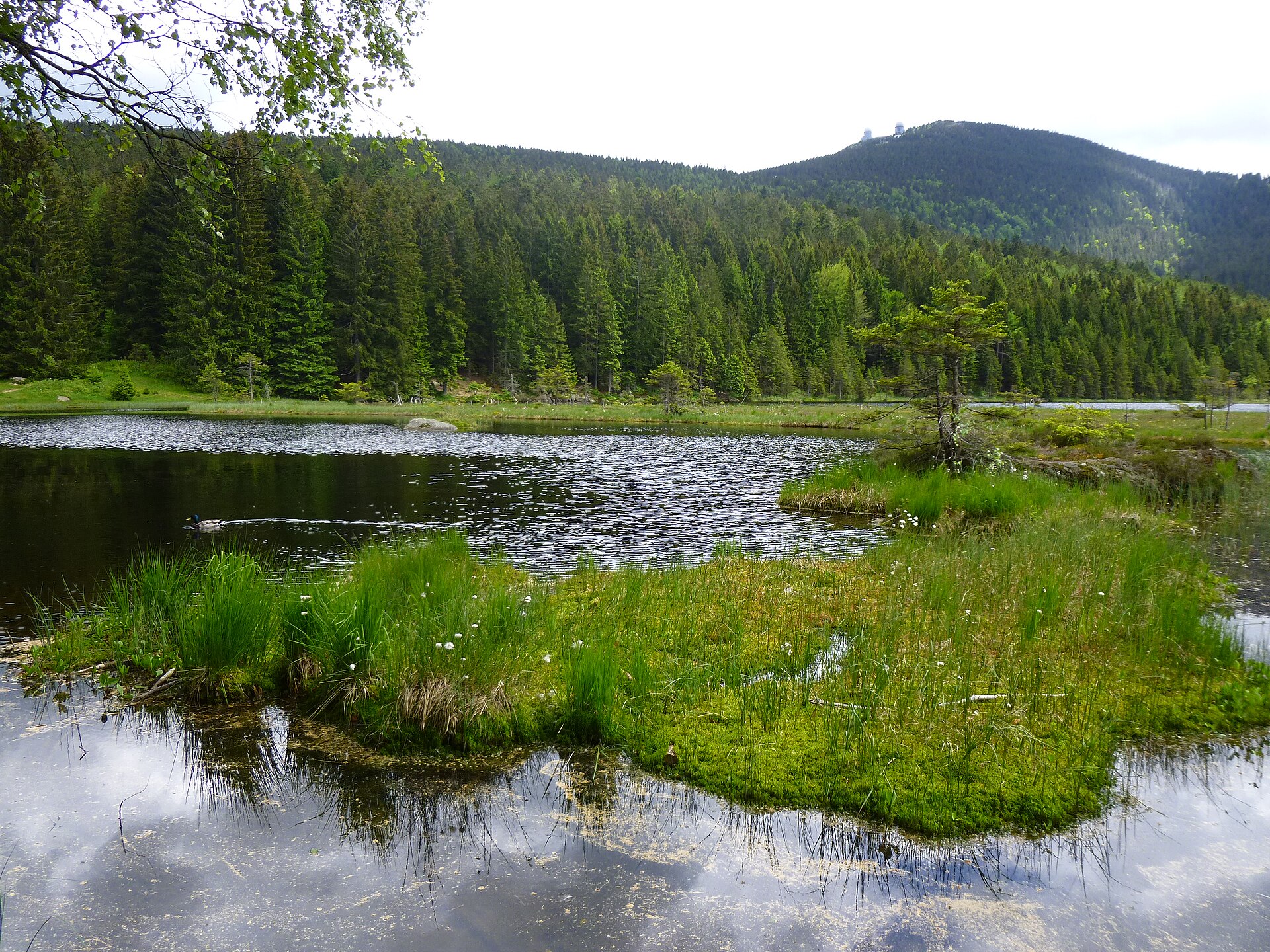
Natura 2000 · breeding

Natura 2000 · wintering, passage

Natura 2000 · passage

Natura 2000 · breeding
Other species to discover
Sources and credits
- Presence: most-recorded species of each place on GBIF and species of Community interest in the Natura 2000 forms (EEA, CC-BY 4.0); absence from the list does not mean the species is absent.
- Common names: Wikidata (CC0) and GBIF.
- Photos and sounds: Wikimedia Commons, author and licence given for each file.
- Classification: GBIF Backbone Taxonomy (GBIF Secretariat), CC BY 4.0, doi:10.15468/39omei.
- Countries, elevations, months and maps: GBIF.org, CC0 or CC BY 4.0 occurrences only, accessed October 22, 2026, GBIF.org.
- Base map: Natural Earth (public domain).
- Excerpt: Wikipedia, CC BY-SA 4.0 (full credit below the excerpt).
- Key facts: Wikidata (CC0), with the references cited under each value.
- EU bird populations: EEA / DG ENV, Article 12 Birds Directive reporting (2013–2018), CC BY 4.0.