
Bird
Eurasian Skylark: where to see it
Alauda arvensis
Invasive alien in some territories
Listed as invasive alien for: Australia (GRIIS).
This bird species is recorded in 172 protected areas of the atlas, including 88 whose official Natura 2000 form lists it. Within the atlas countries, it is mostly observed in Sweden, France and the United Kingdom (13 countries in all). Most records (8 in 10) lie between sea level and 1,250 m. Records peak from March to June. It has a wingspan of 35 cm. Its EU population is assessed as declining (2013–2018 Birds Directive reporting).
Best time to see it: March–June
Records published on GBIF by month (CC0 and CC BY 4.0 licences only), in the atlas countries, all years combined; they also reflect observer activity.
Key facts
- Wingspan
- 35 cm Wikidata, after Ericson et al. 2007
Status and protection
Birds Directive II/B
The species is listed in Annex II/B of the Birds Directive.
EU population assessed as declining (2013–2018 Birds Directive reporting). EU breeding population: 23,300,000–31,700,000 pairs.
Distribution
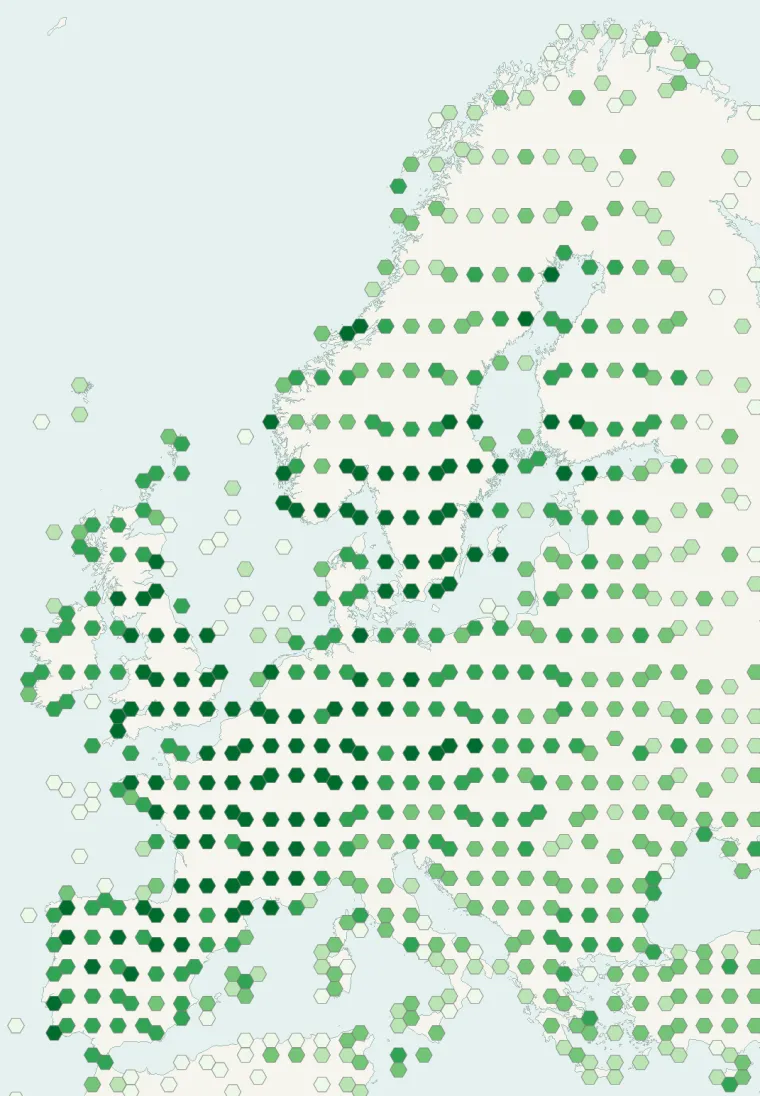
Records published on GBIF (CC0 and CC BY 4.0 licences): the darker the shade, the more records there are; they also reflect observation effort.
Listen
-
0:48 · © Ndalyrose · CC BY-SA 4.0 · Wikimedia Commons · Original file
-
0:54 · © Guido Gerding · CC BY-SA 3.0 · Wikimedia Commons · Original file
-
0:36 · © Phoenicurus ochruros · CC BY-SA 4.0 · Wikimedia Commons · Original file
From Wikipedia
The Eurasian skylark (Alauda arvensis), commonly referred to in Europe as the lark, is a passerine bird in the lark family, Alaudidae. It is a widespread species found across Europe and the Palearctic with introduced populations in Australia, New Zealand, Canada, and on the Hawaiian Islands. It is a bird of open farmland and heath, known for the song of the male, which is delivered in hovering flight from heights of 50 to 100 metres (160 to 330 ft). The sexes are alike. It is streaked greyish-brown above and on the breast and has a buff-white belly.
Source: Wikipedia, article “Eurasian skylark” (version of October 5, 2026) · history and authors · licence CC BY-SA 4.0 · shortened excerpt
Protected areas where it is recorded
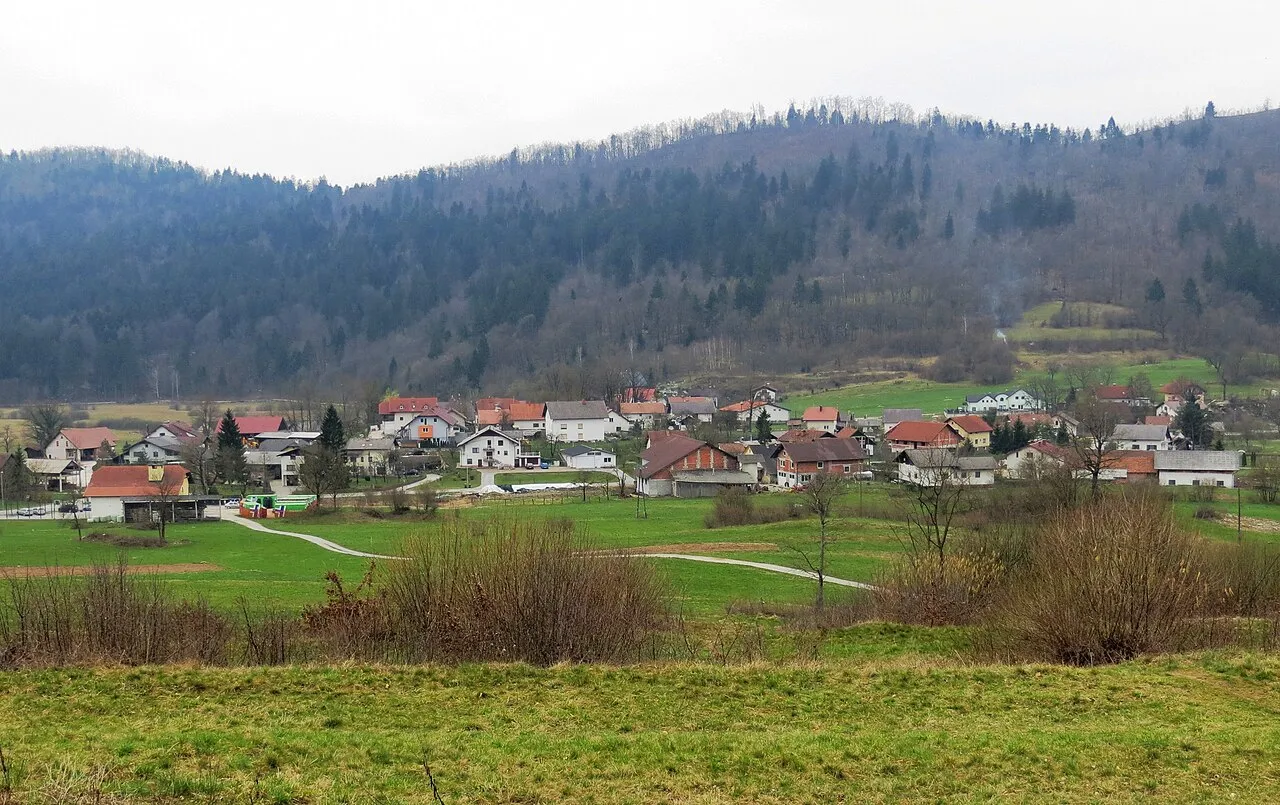
Natura 2000 · breeding 183 records
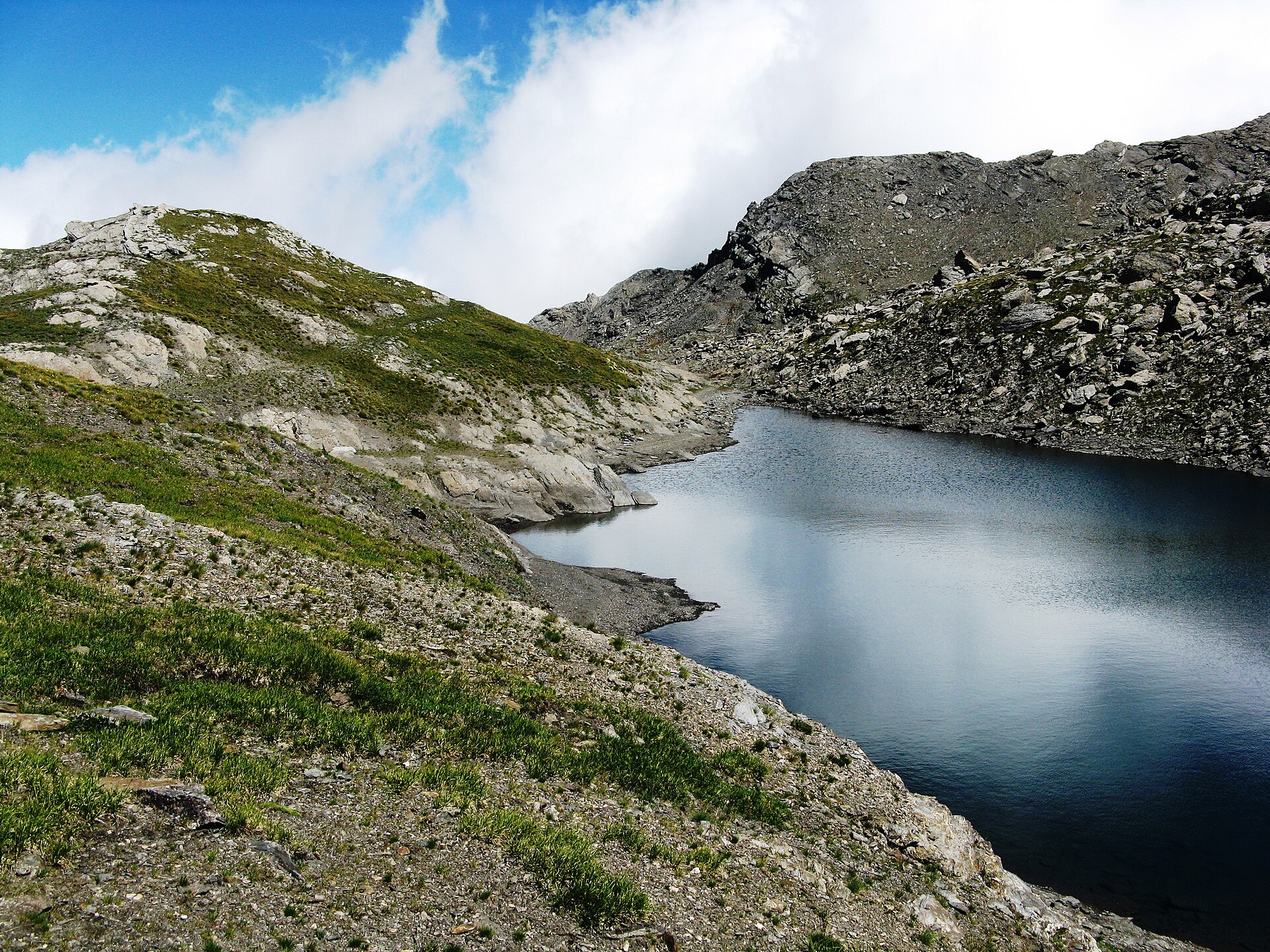
Natura 2000 · breeding 12 records

8,770 records
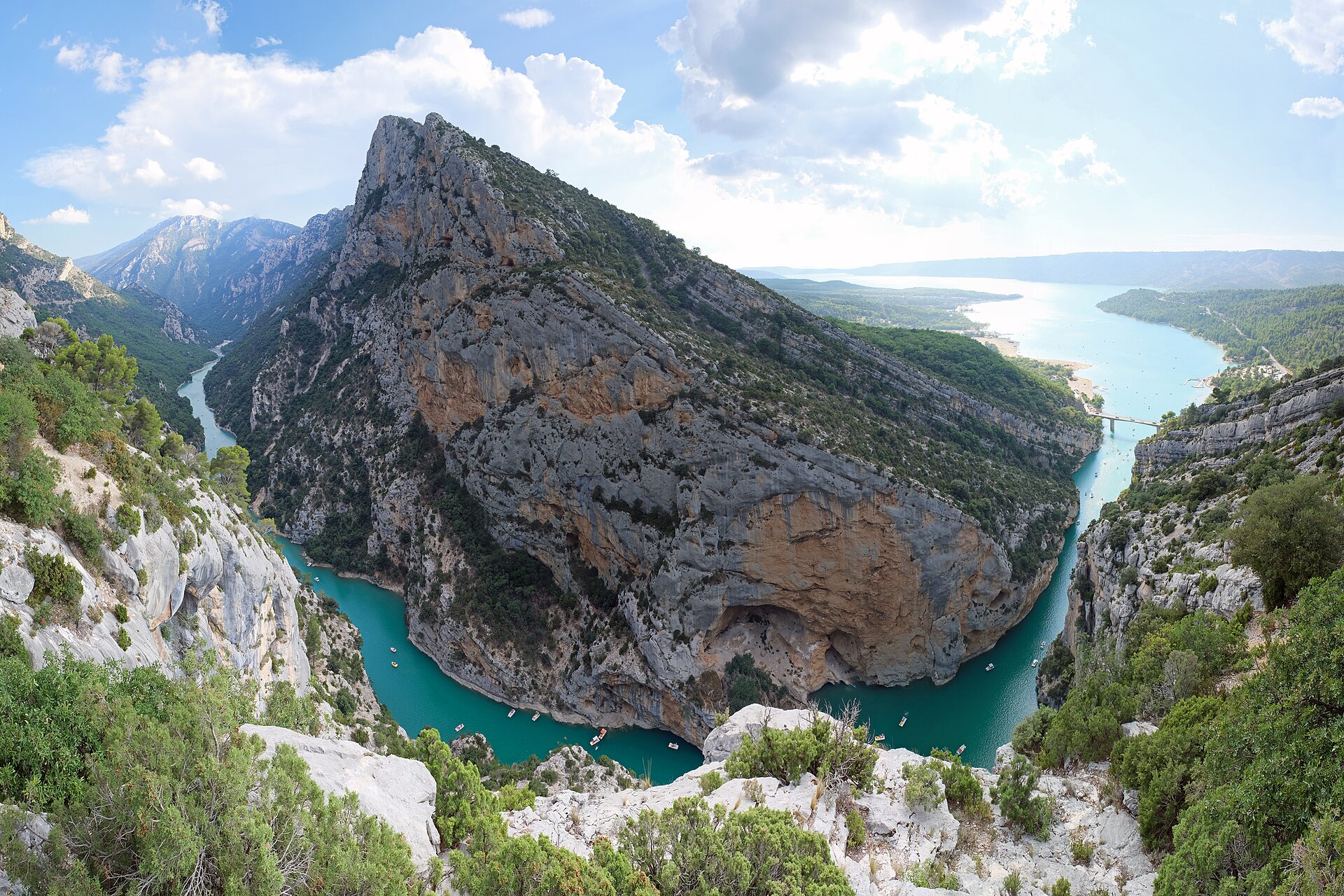
4,425 records
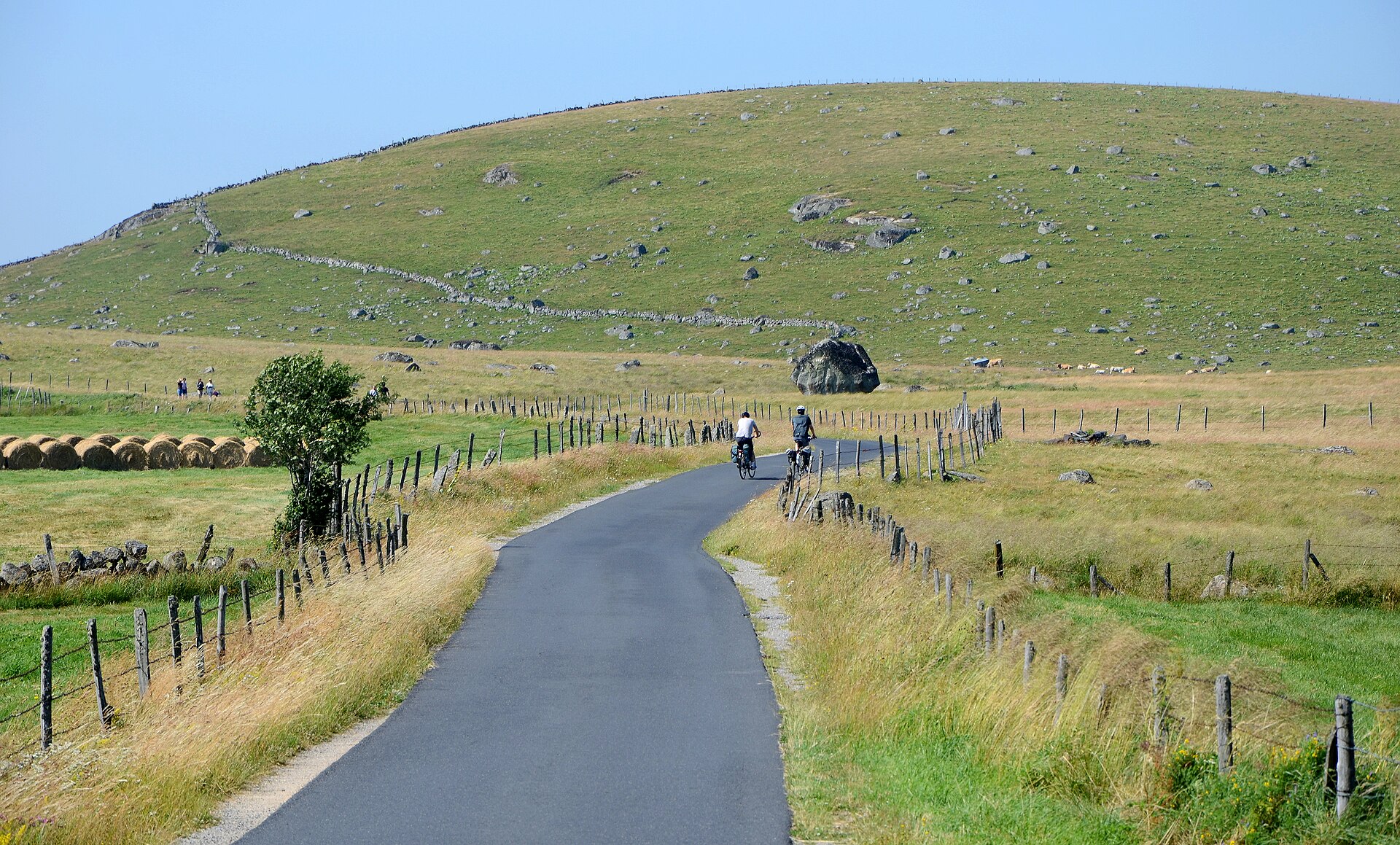
4,380 records
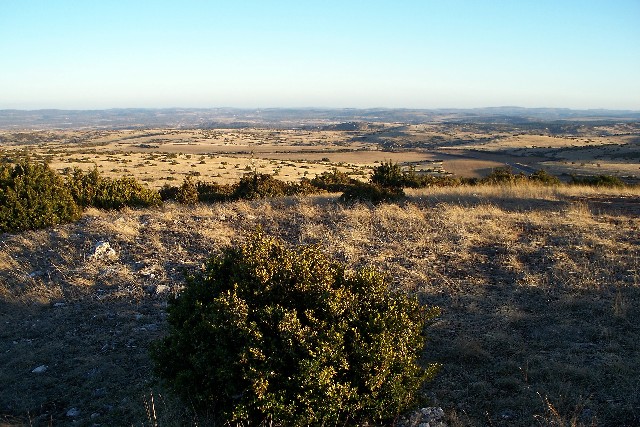
3,629 records
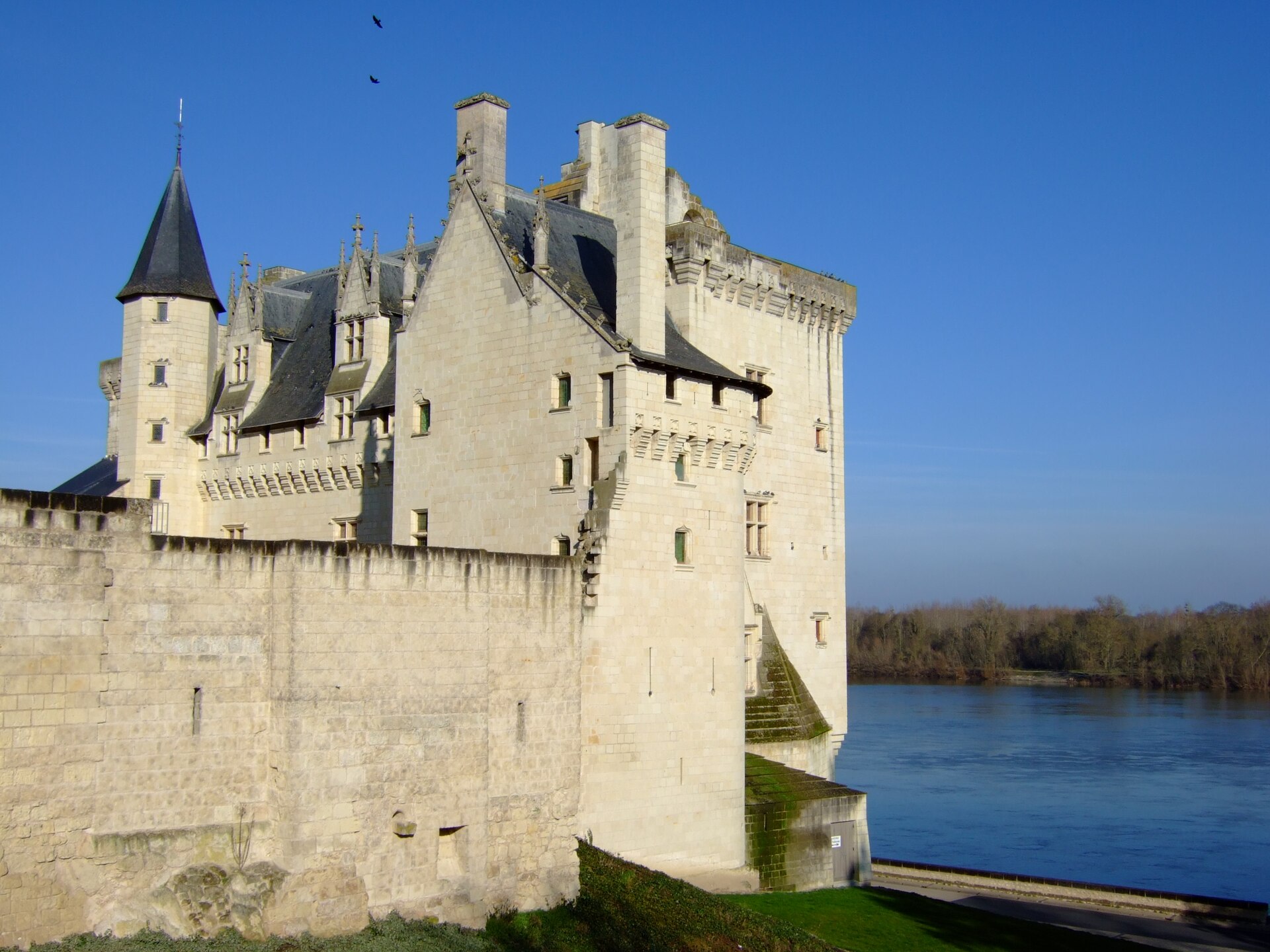
3,168 records

3,041 records

2,838 records
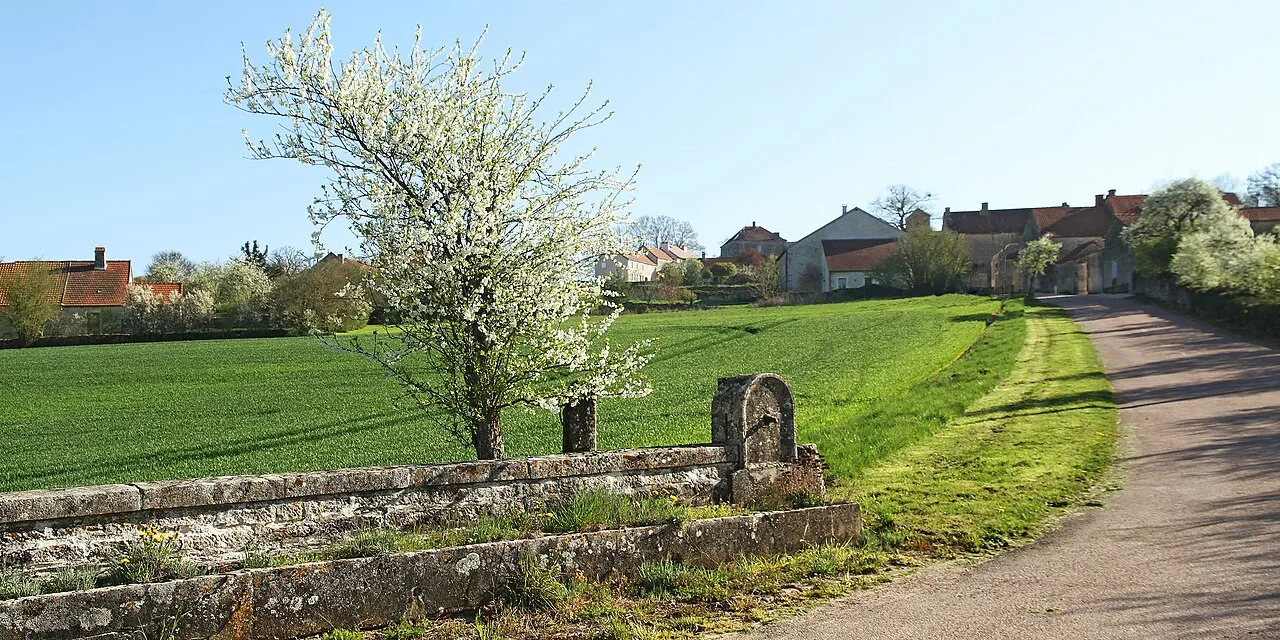
2,817 records
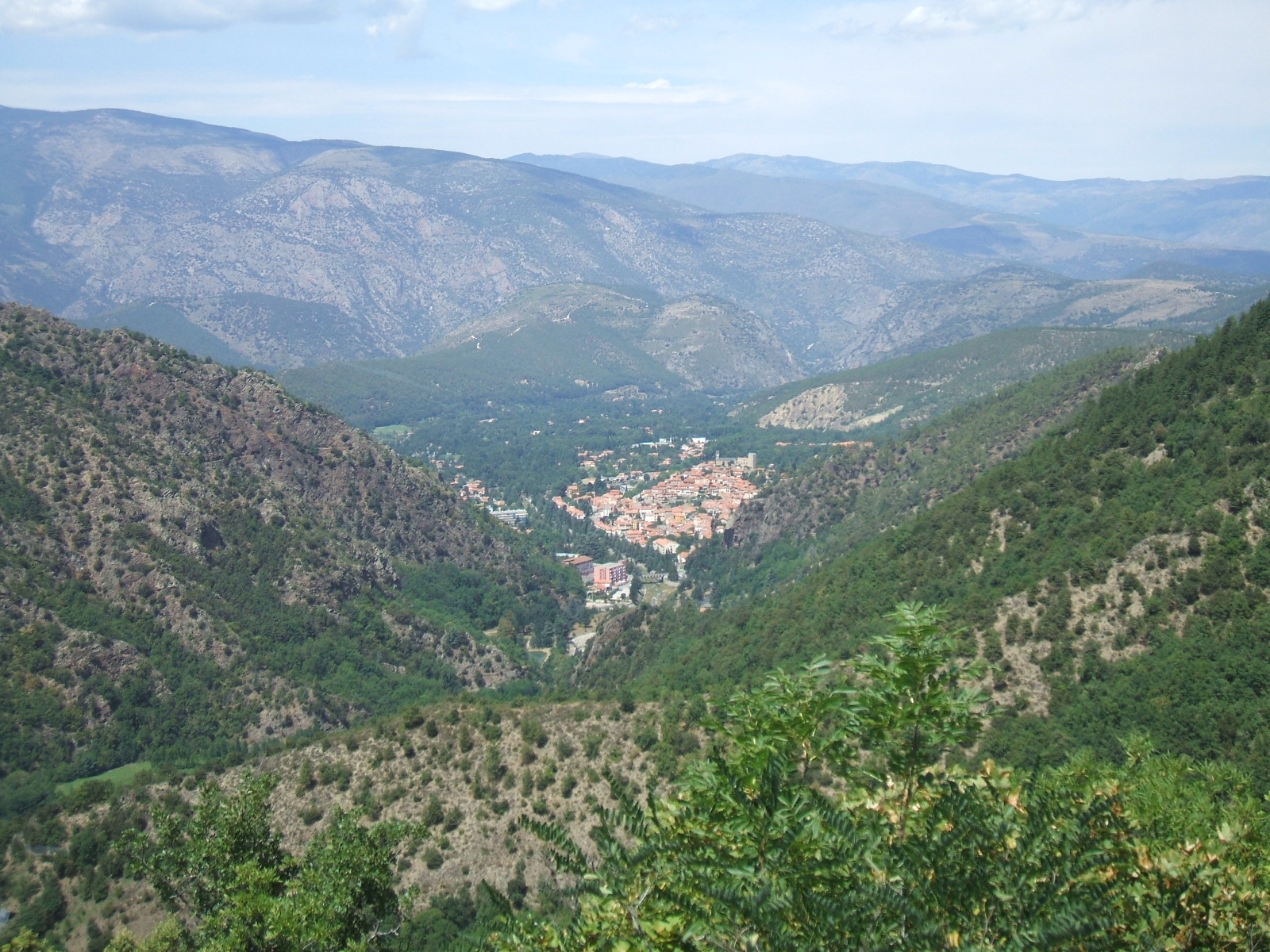
2,745 records
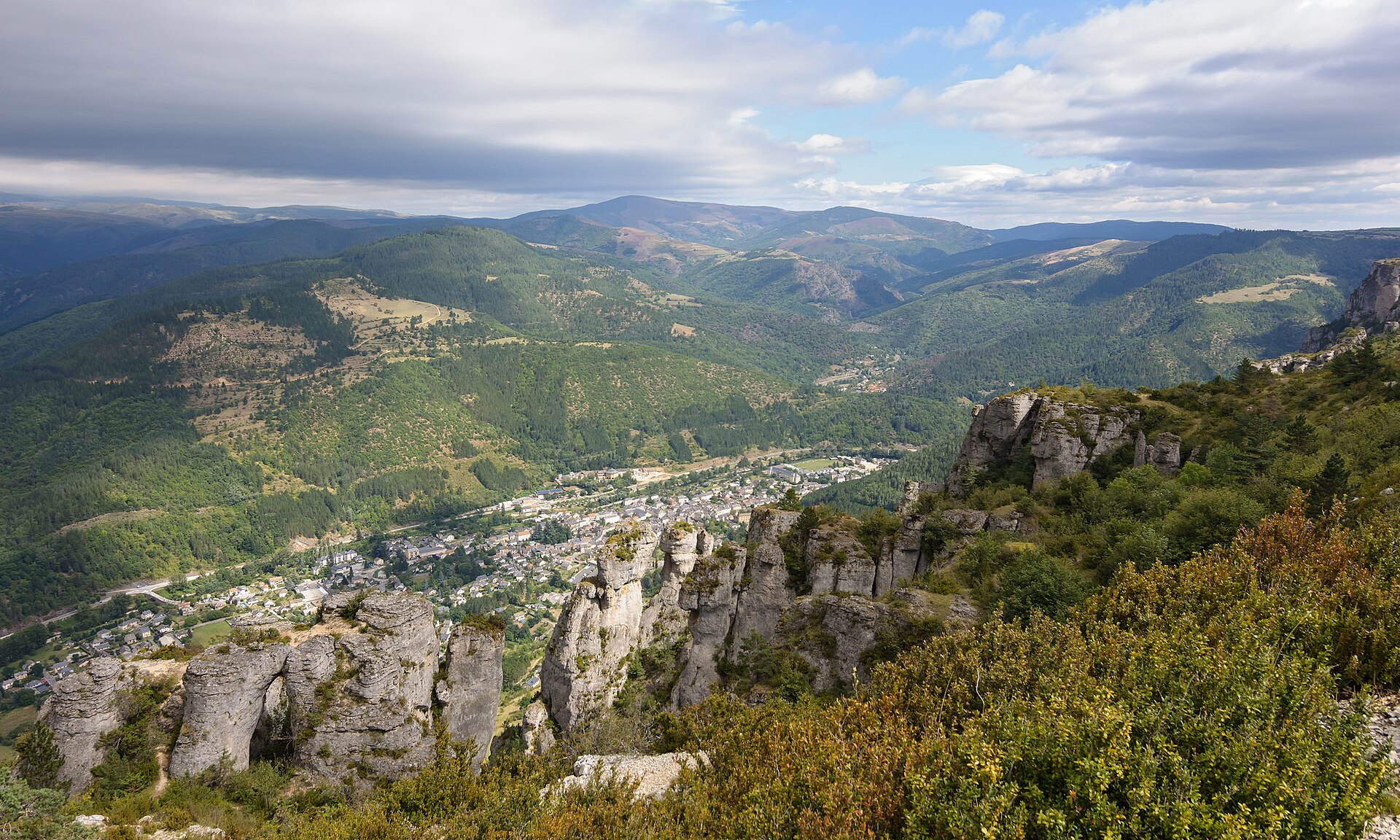
2,367 records
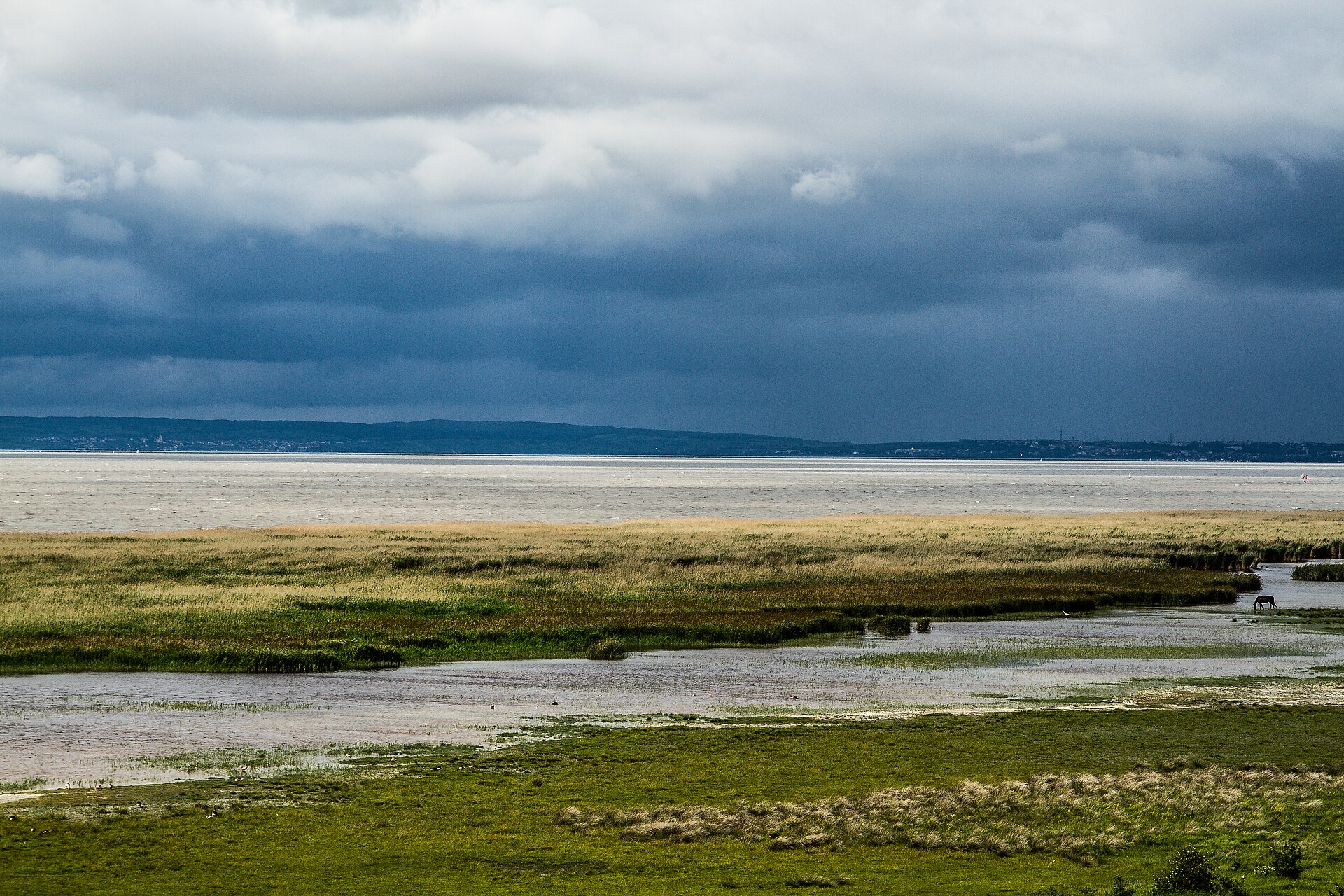
2,215 records
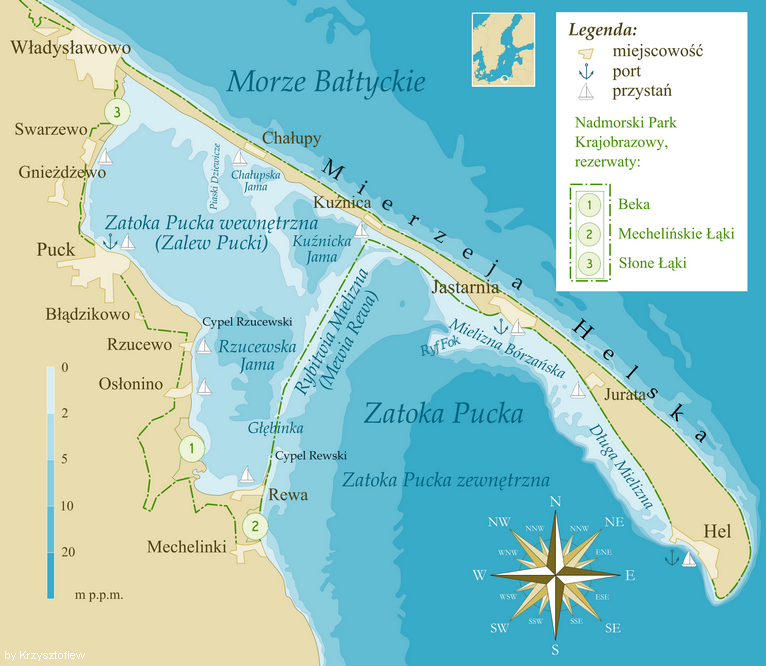
2,198 records
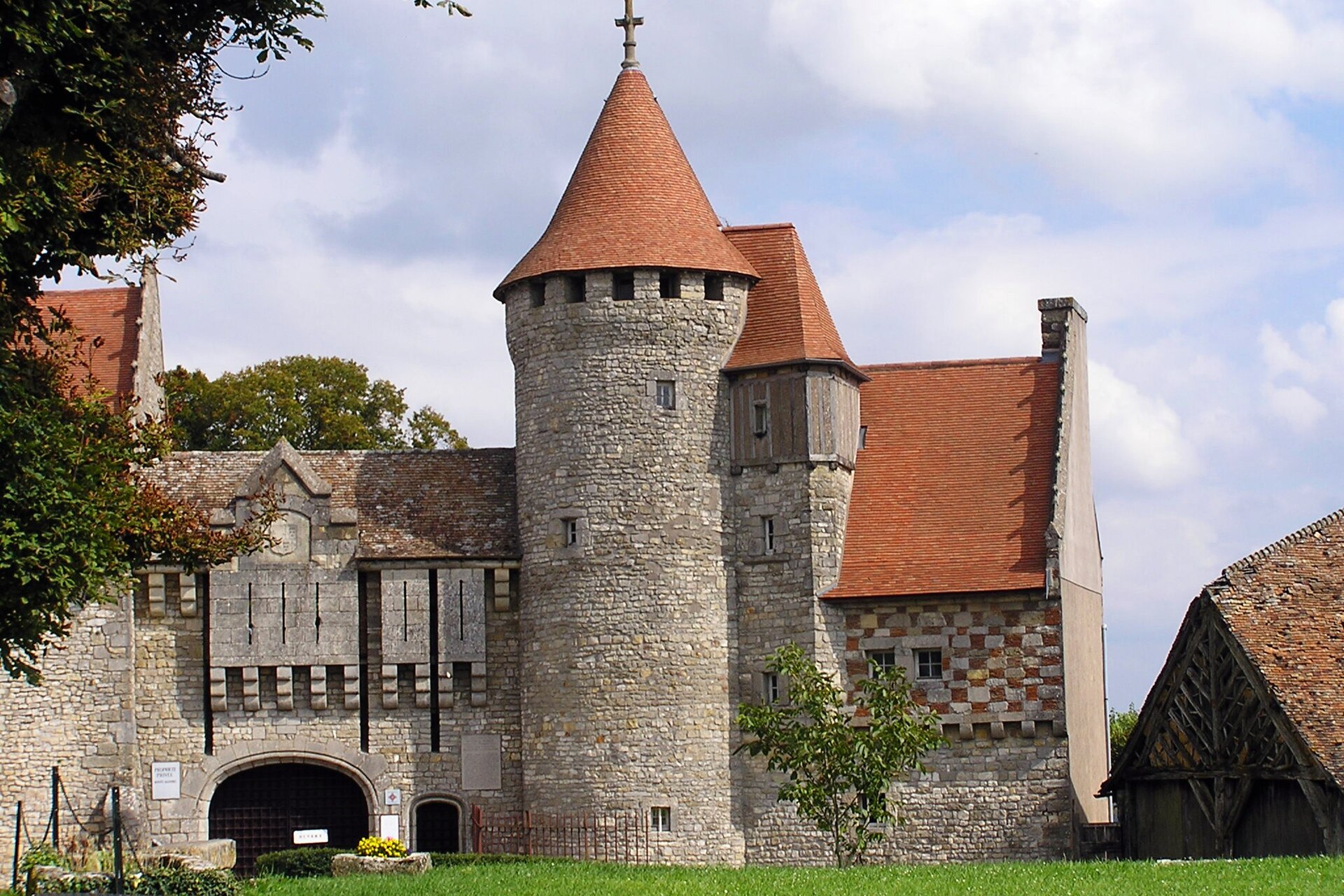
1,689 records
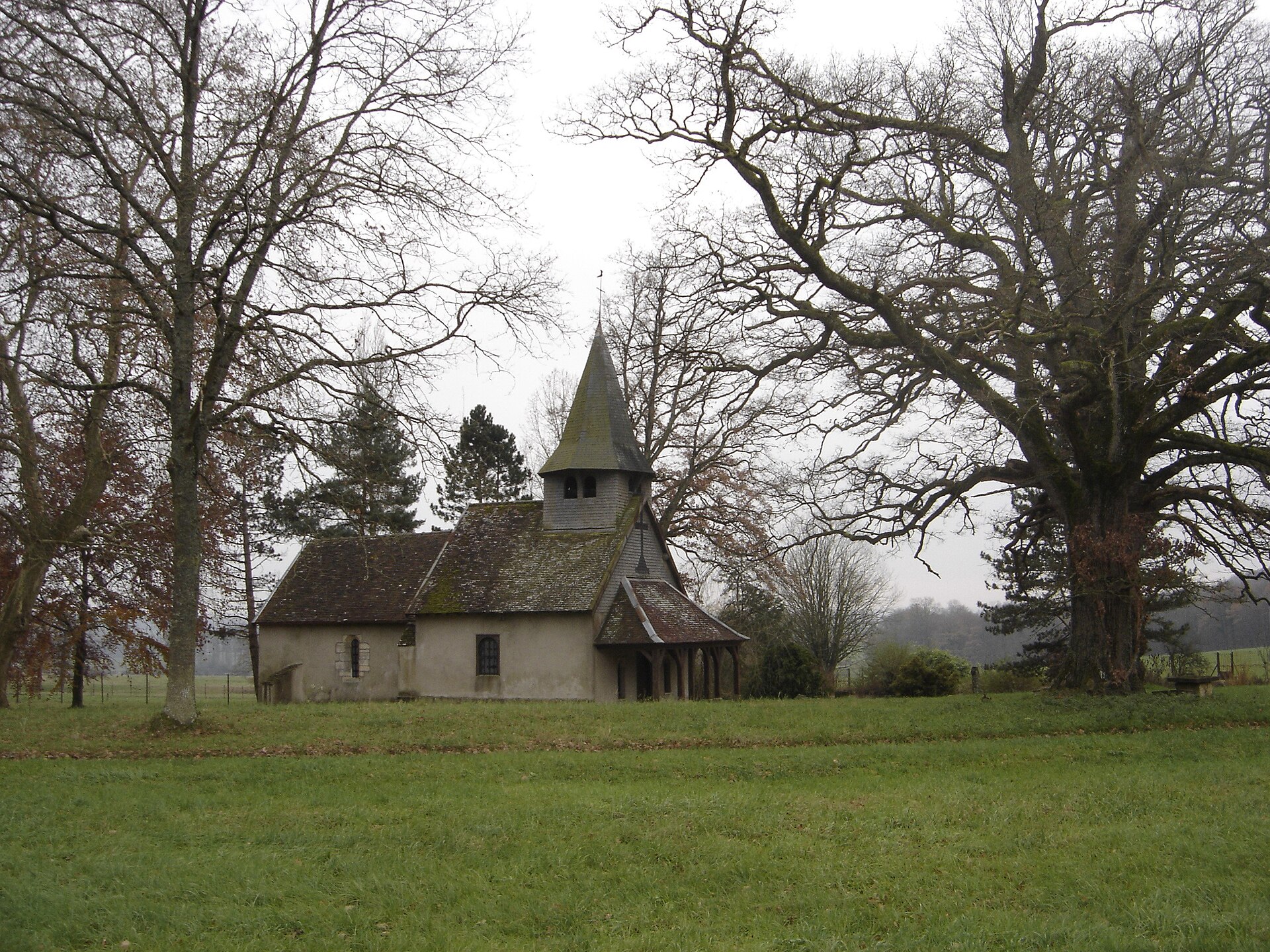
1,535 records
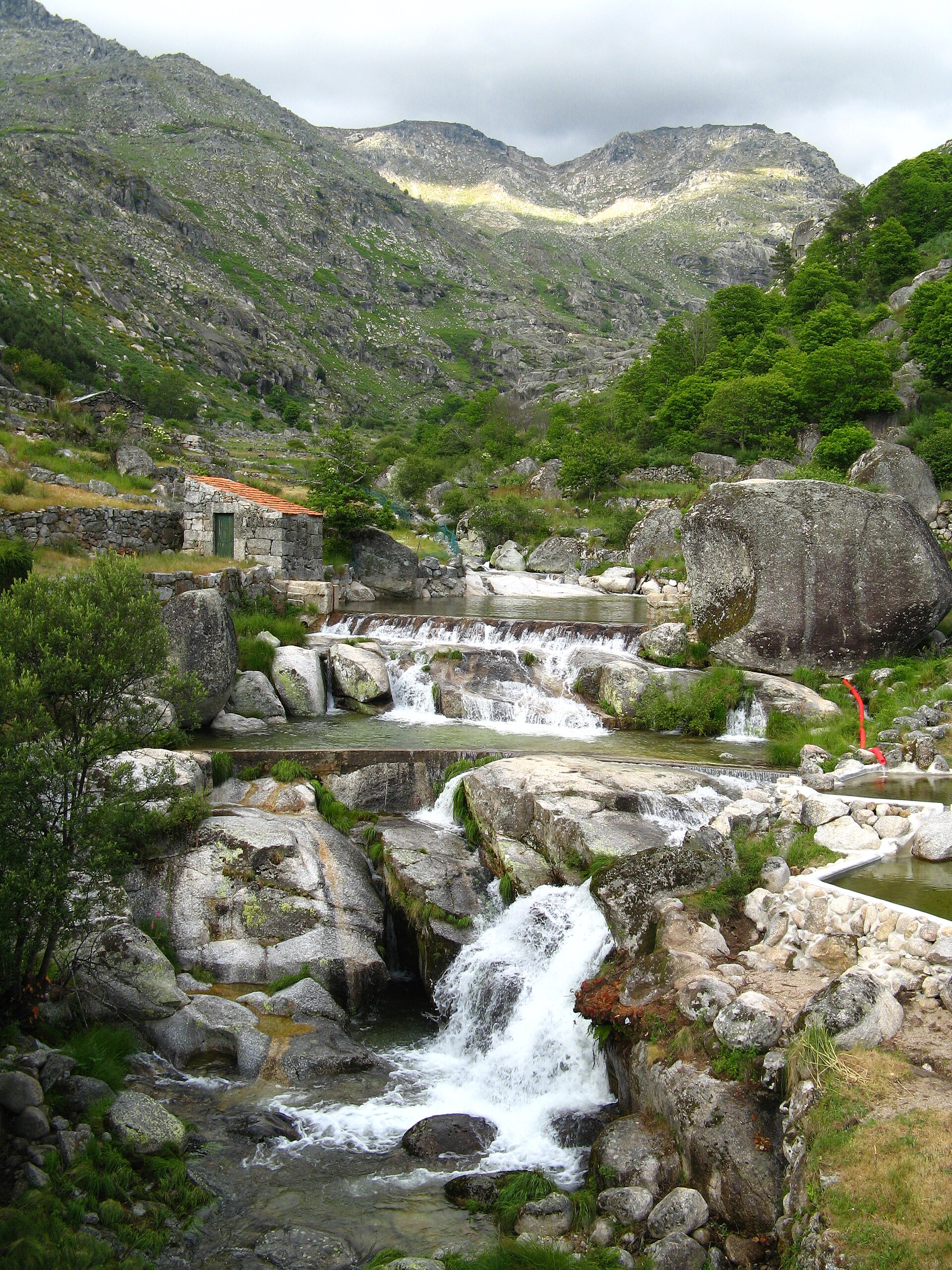
1,394 records
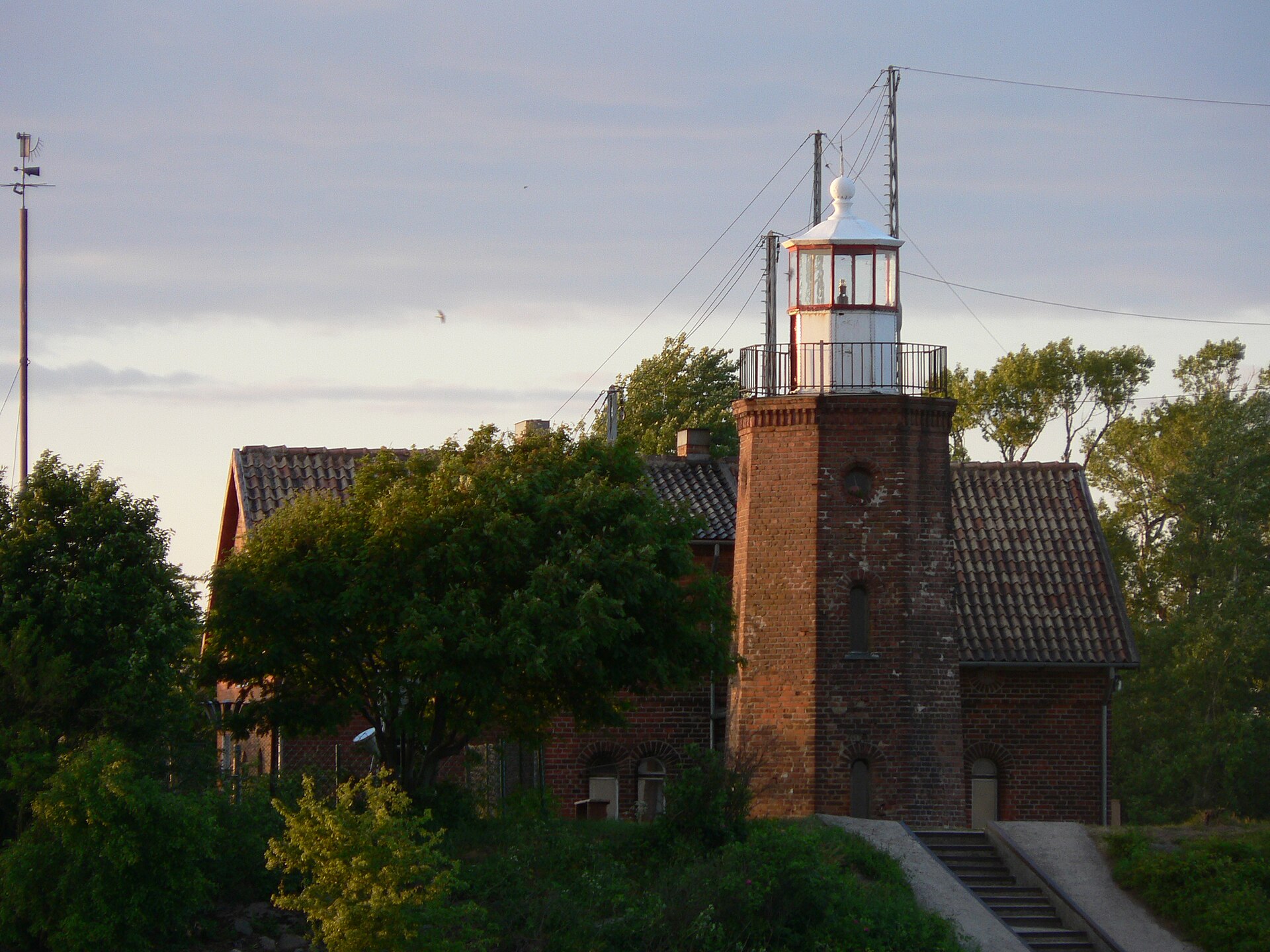
1,168 records
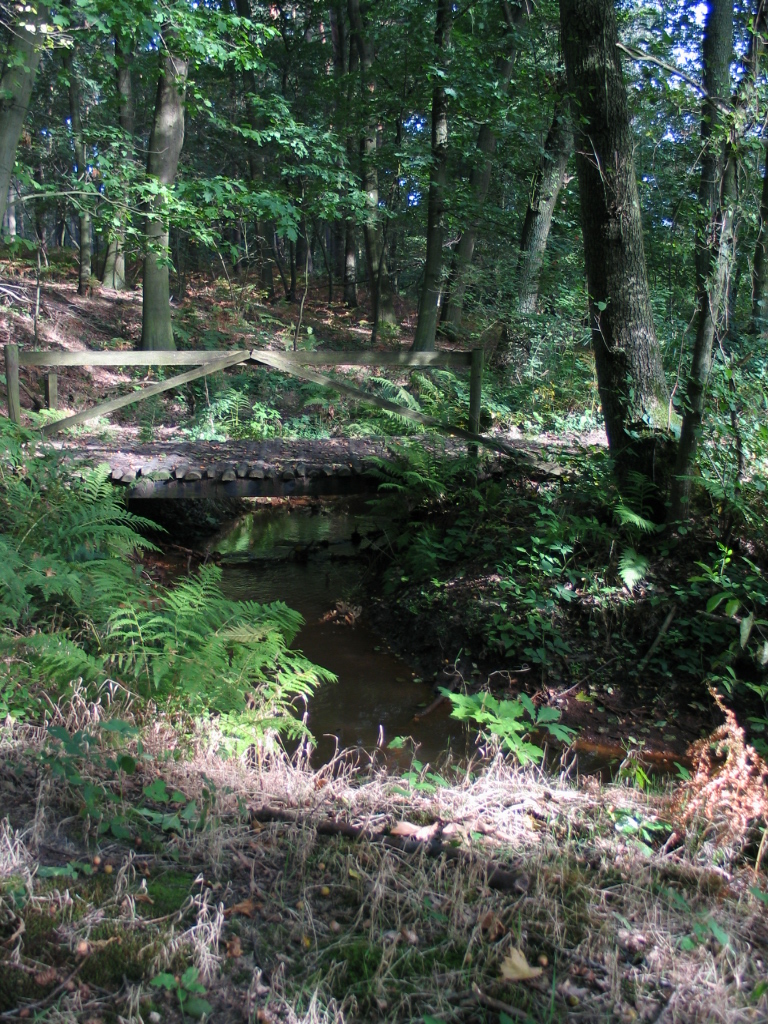
1,112 records

1,066 records
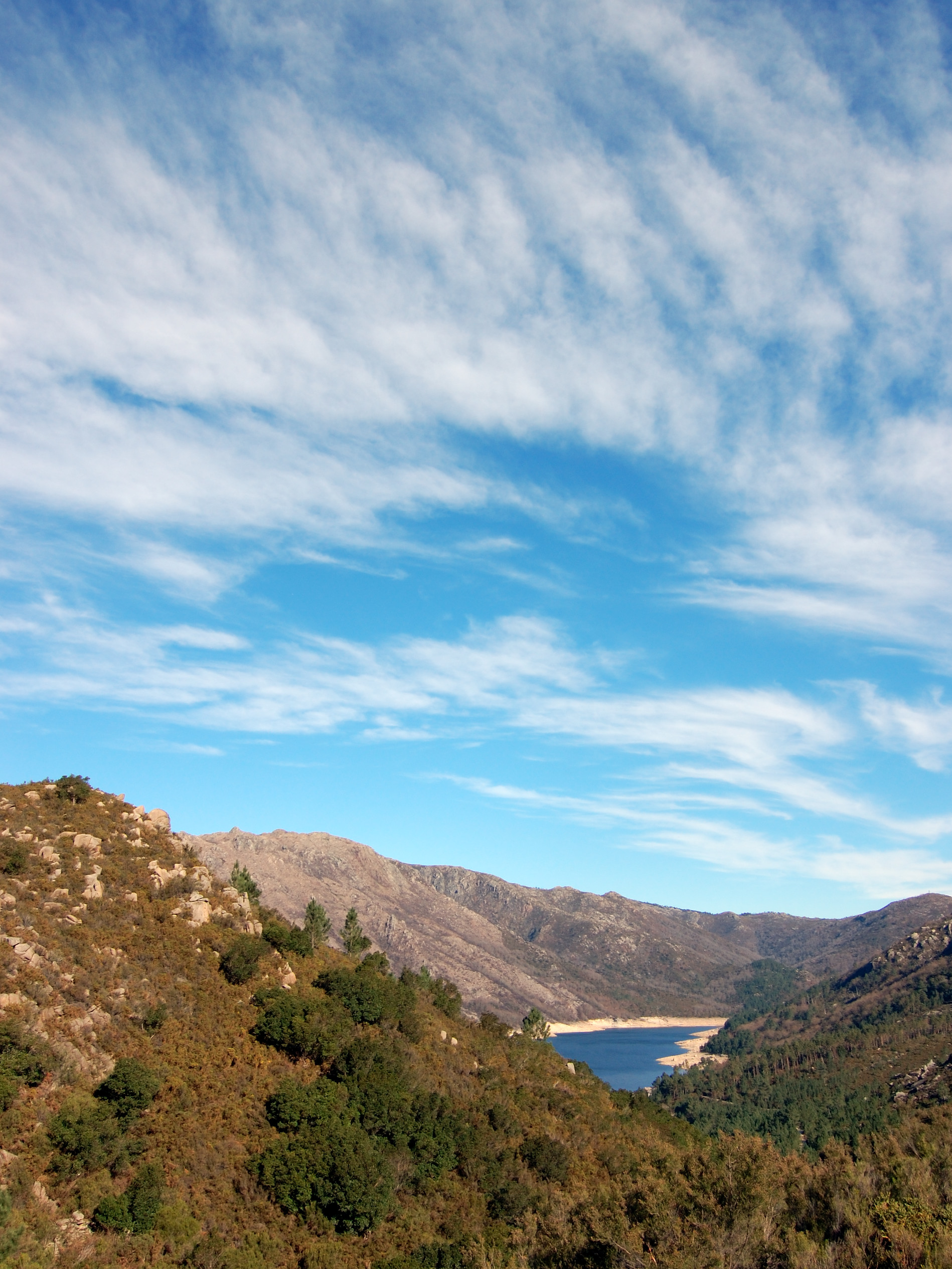
1,012 records
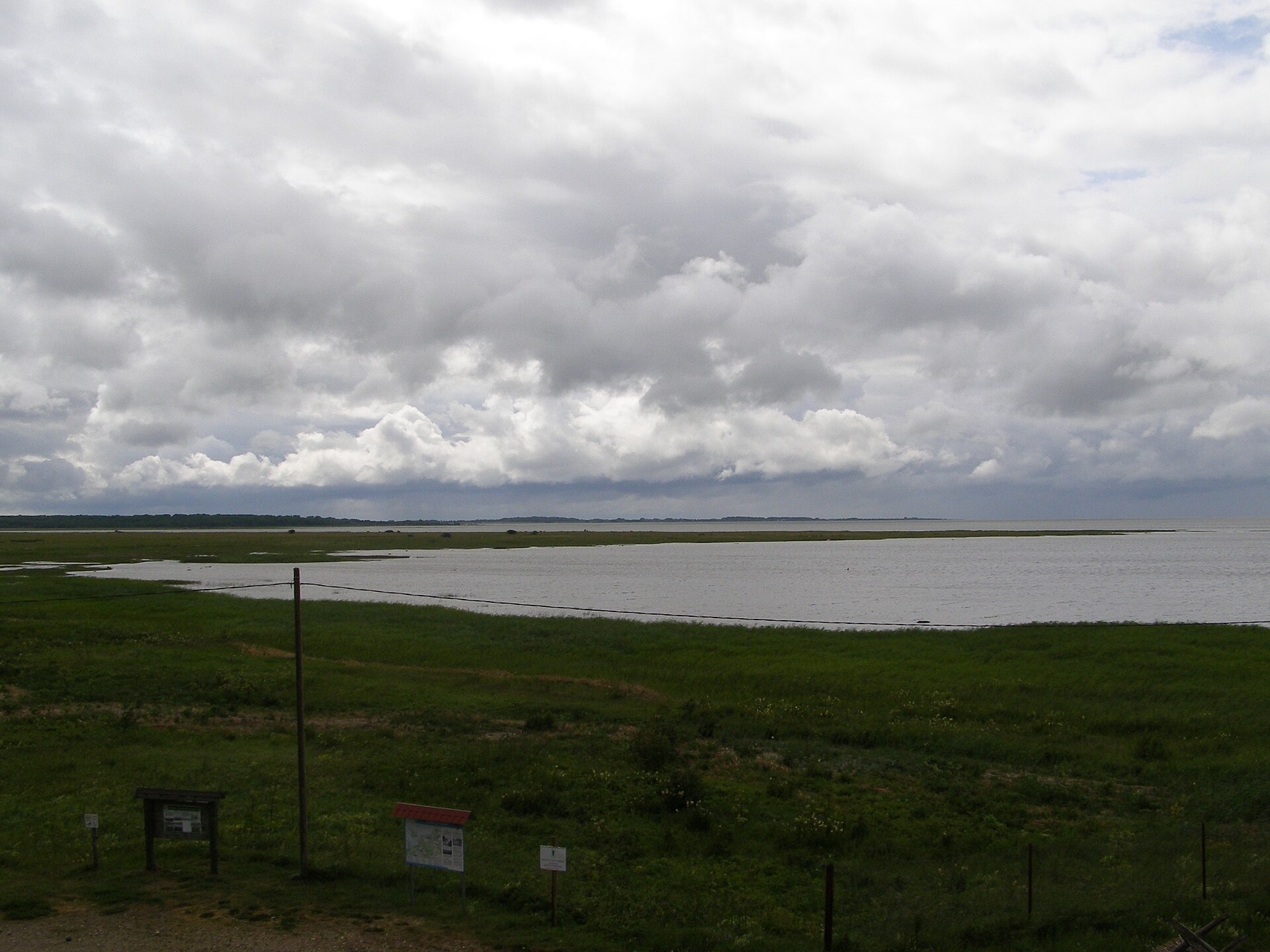
736 records
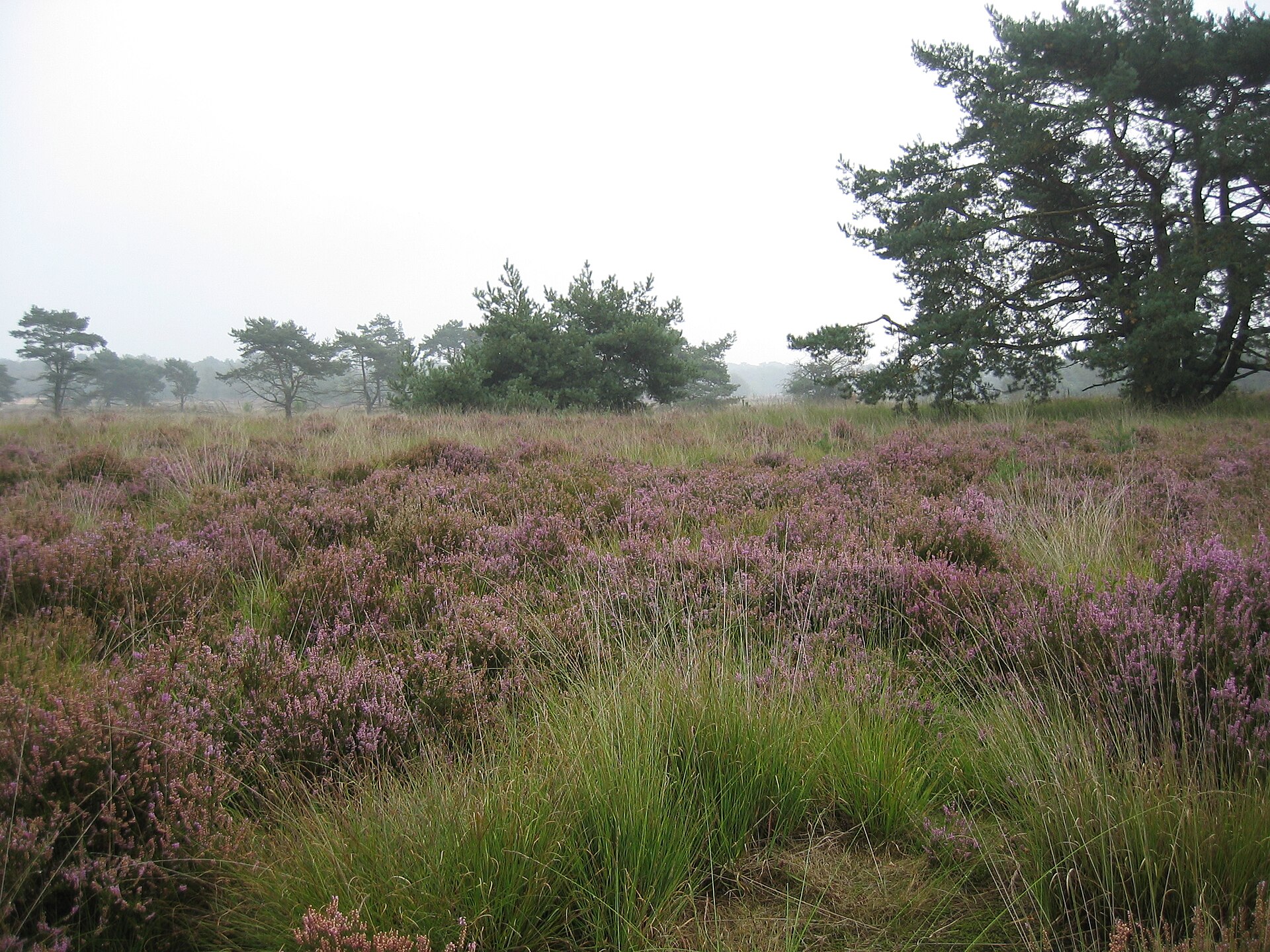
723 records
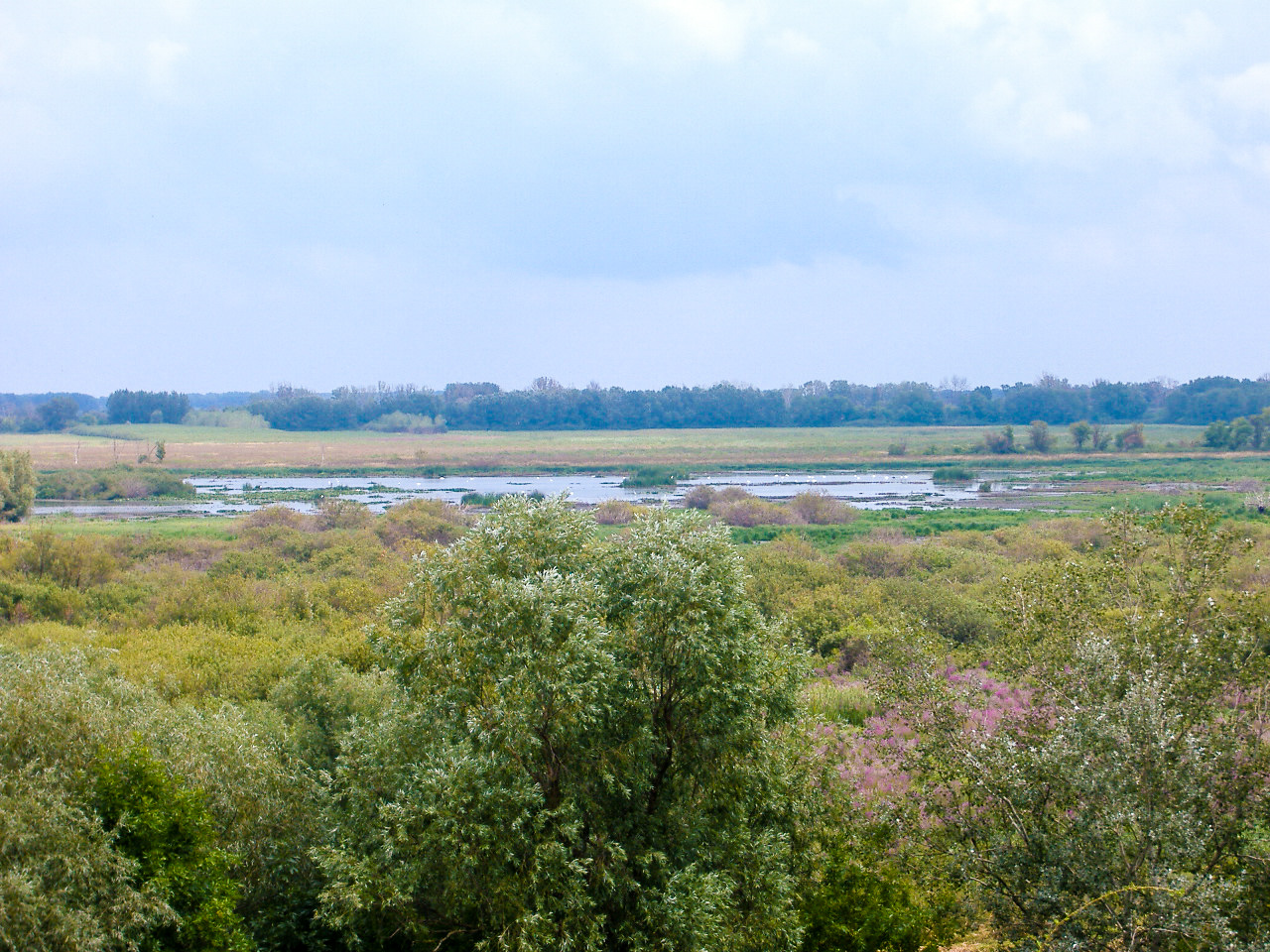
634 records
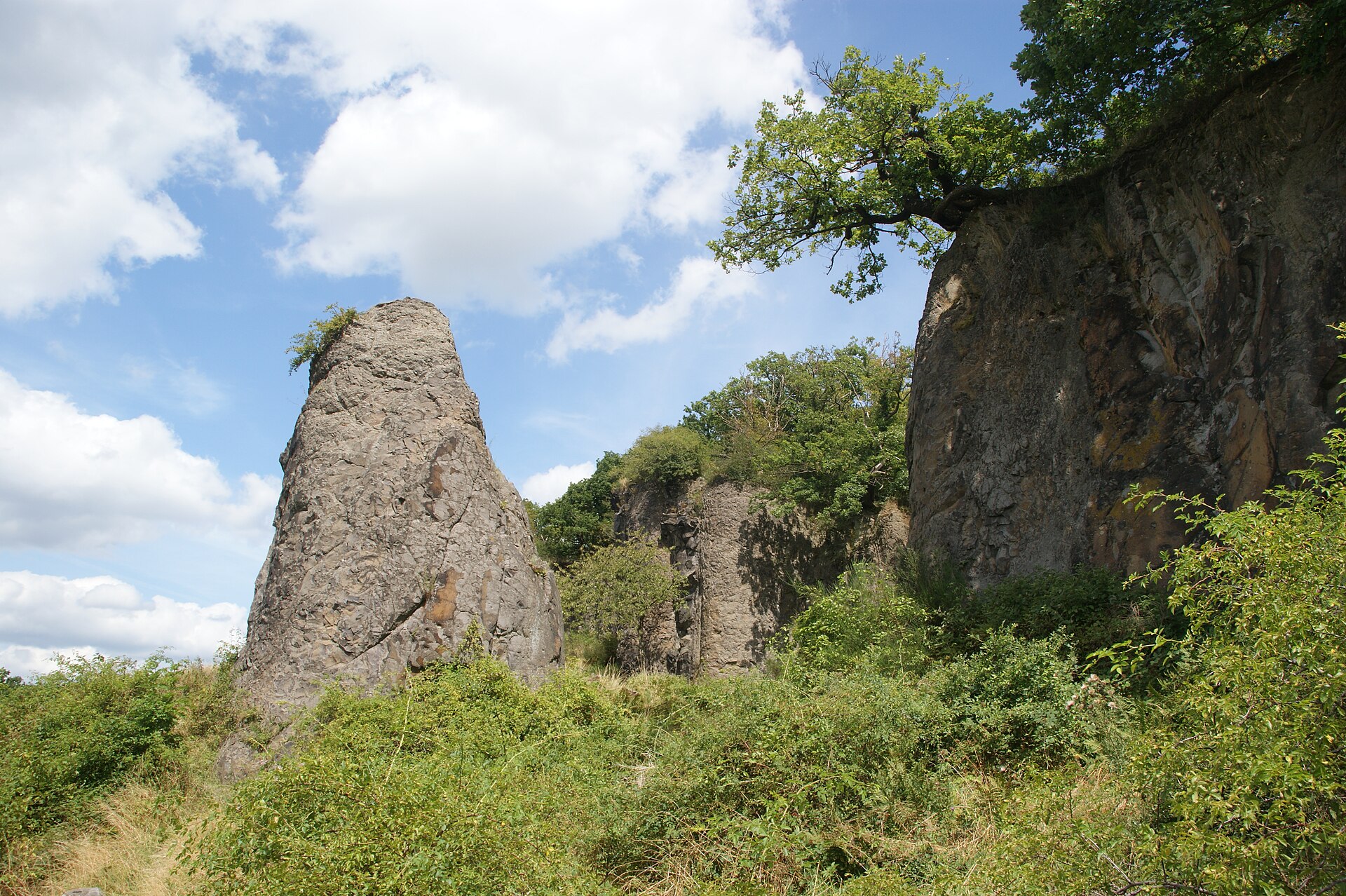
610 records

596 records
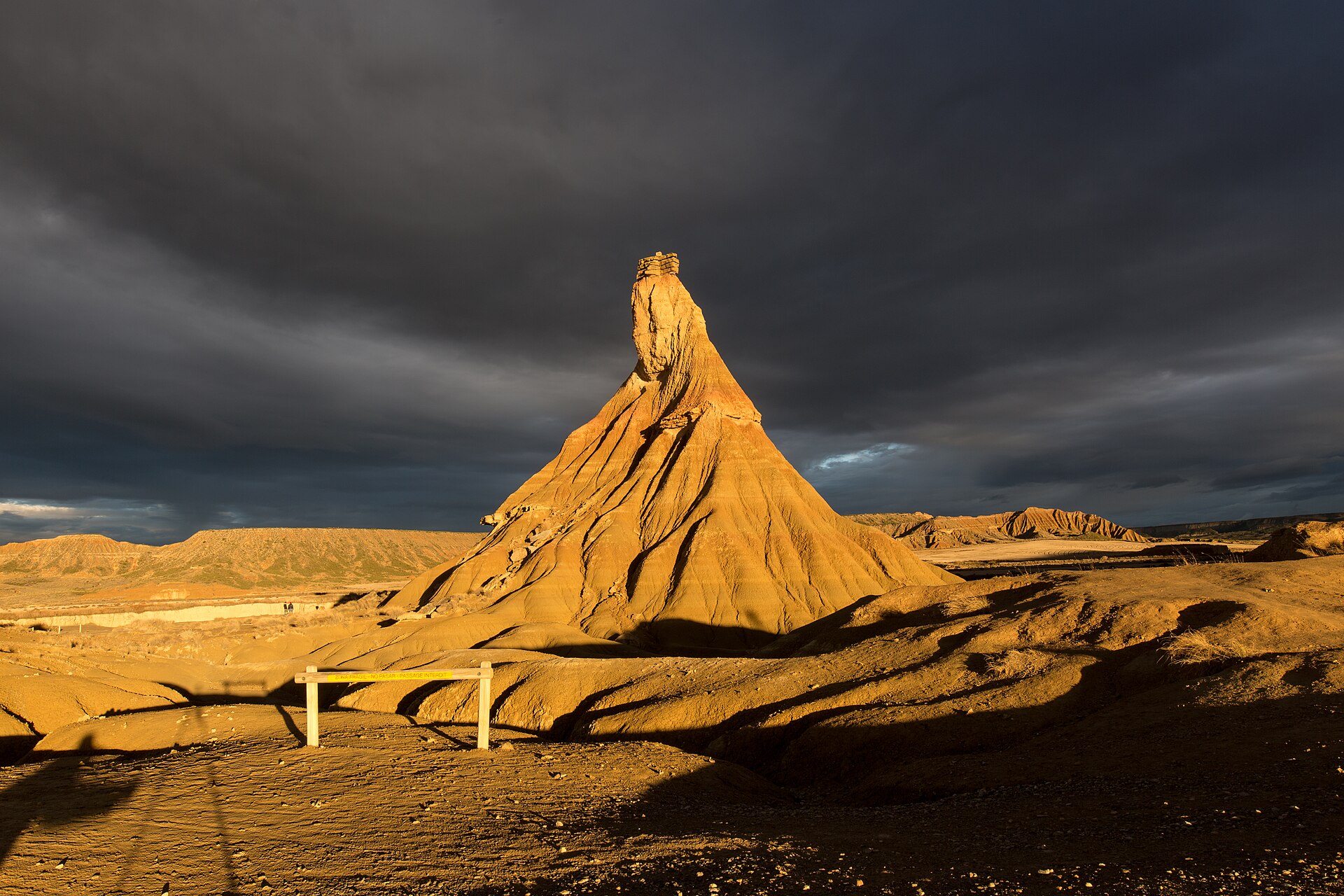
517 records
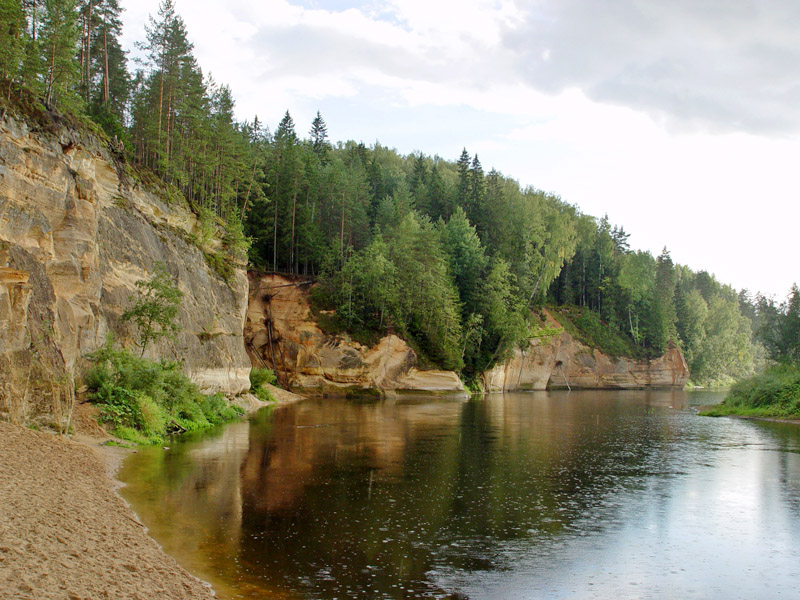
505 records
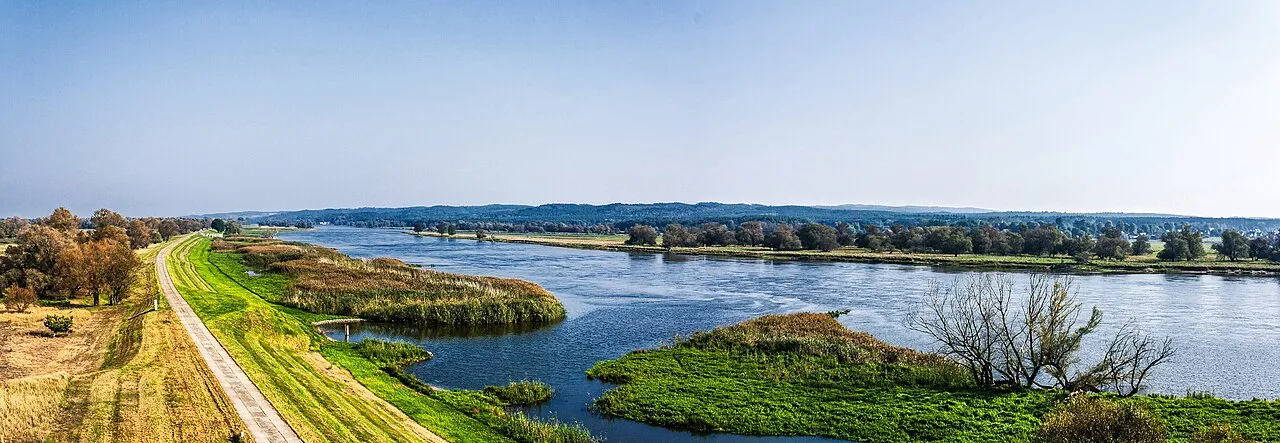
502 records
444 records
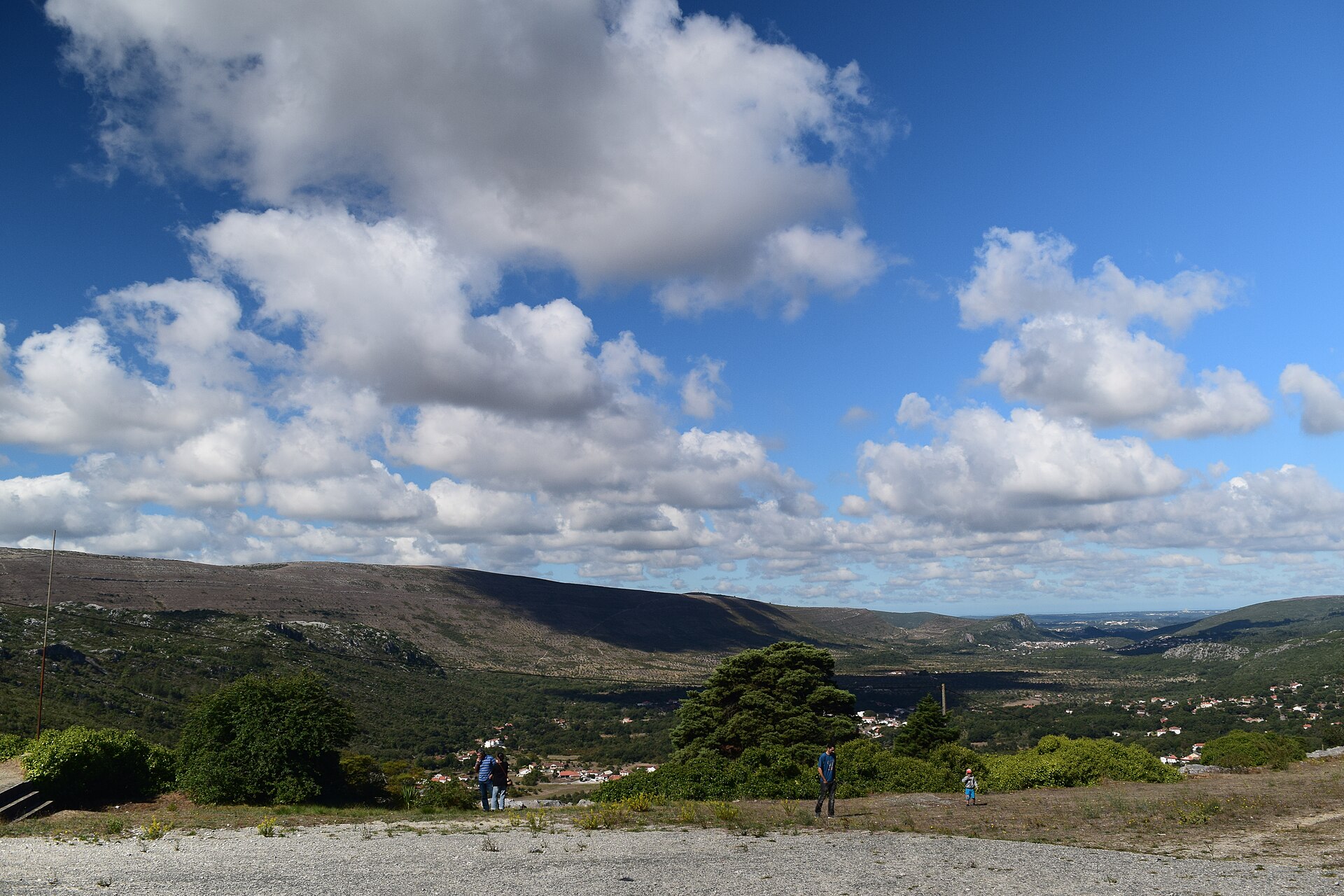
413 records
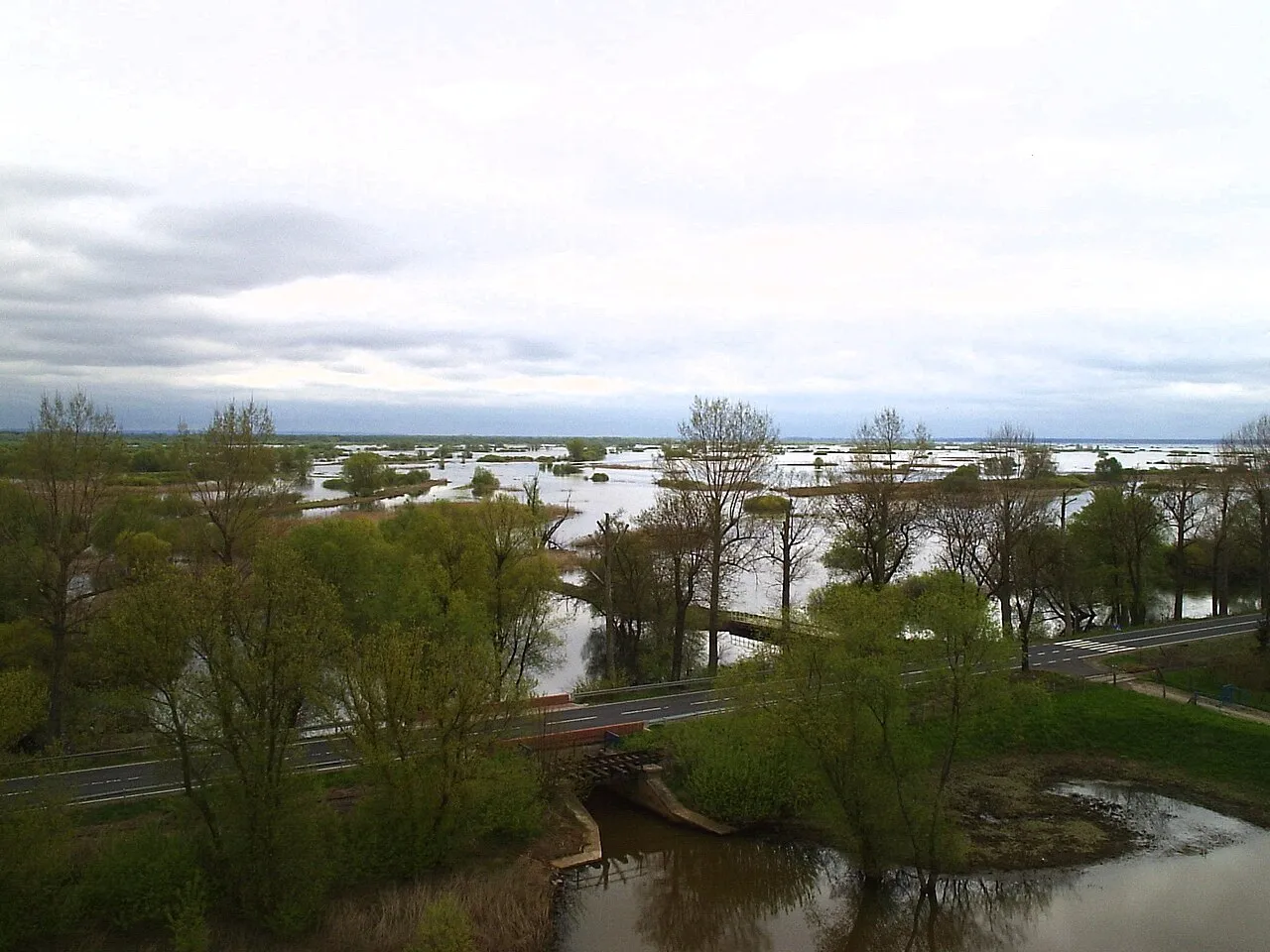
326 records
305 records
275 records

256 records
238 records

207 records
188 records
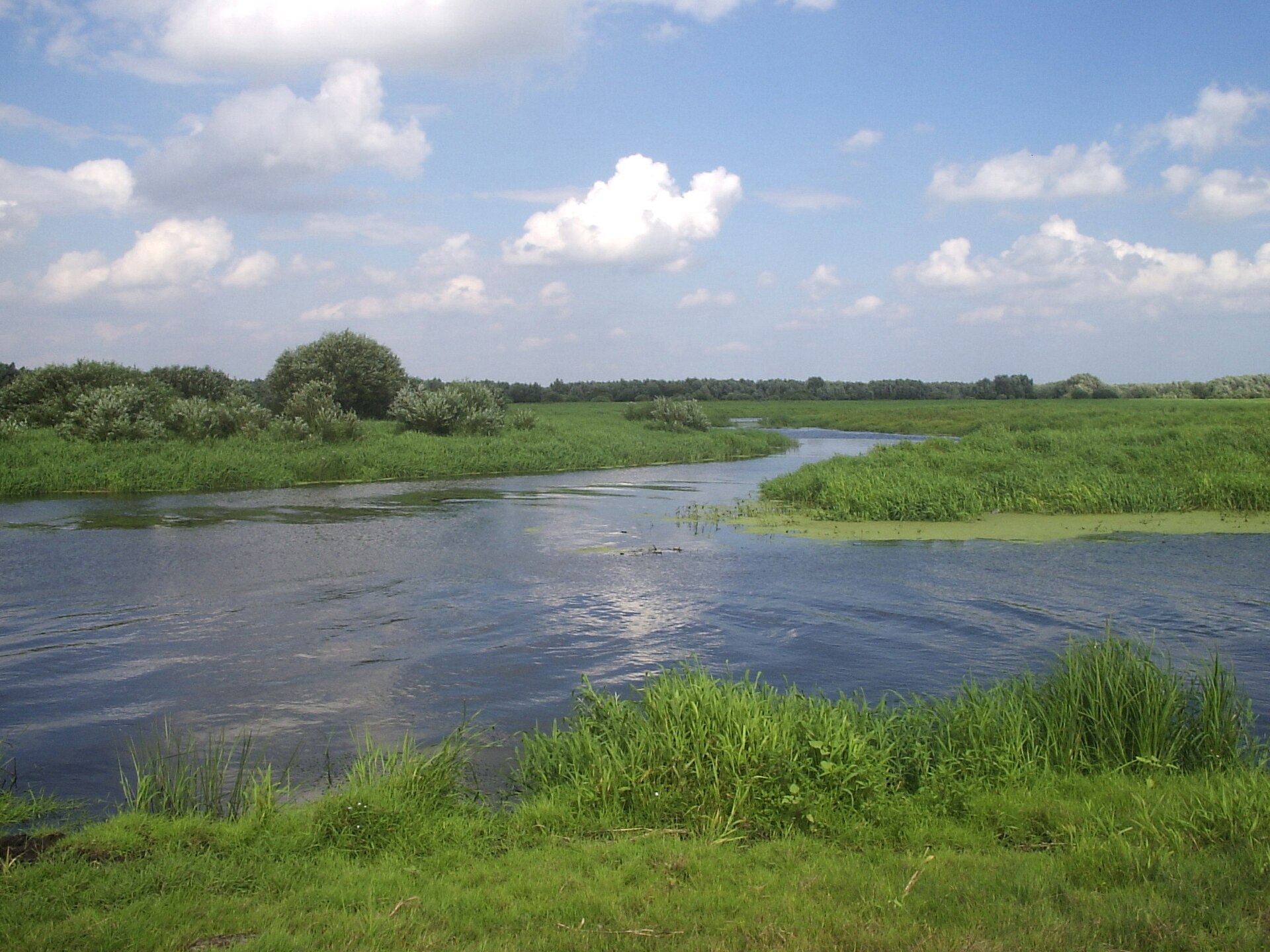
161 records
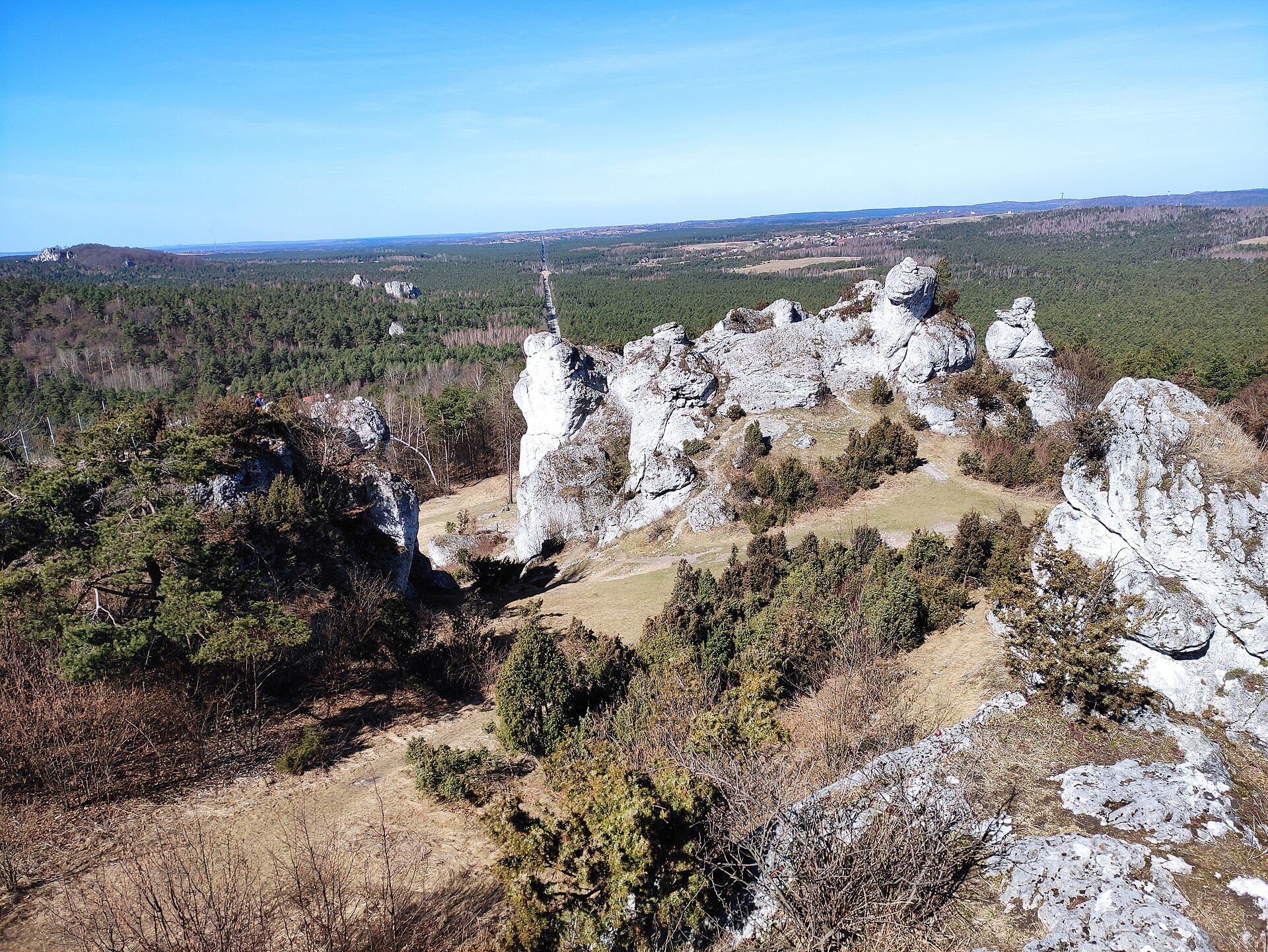
142 records

140 records

125 records

109 records

105 records
96 records
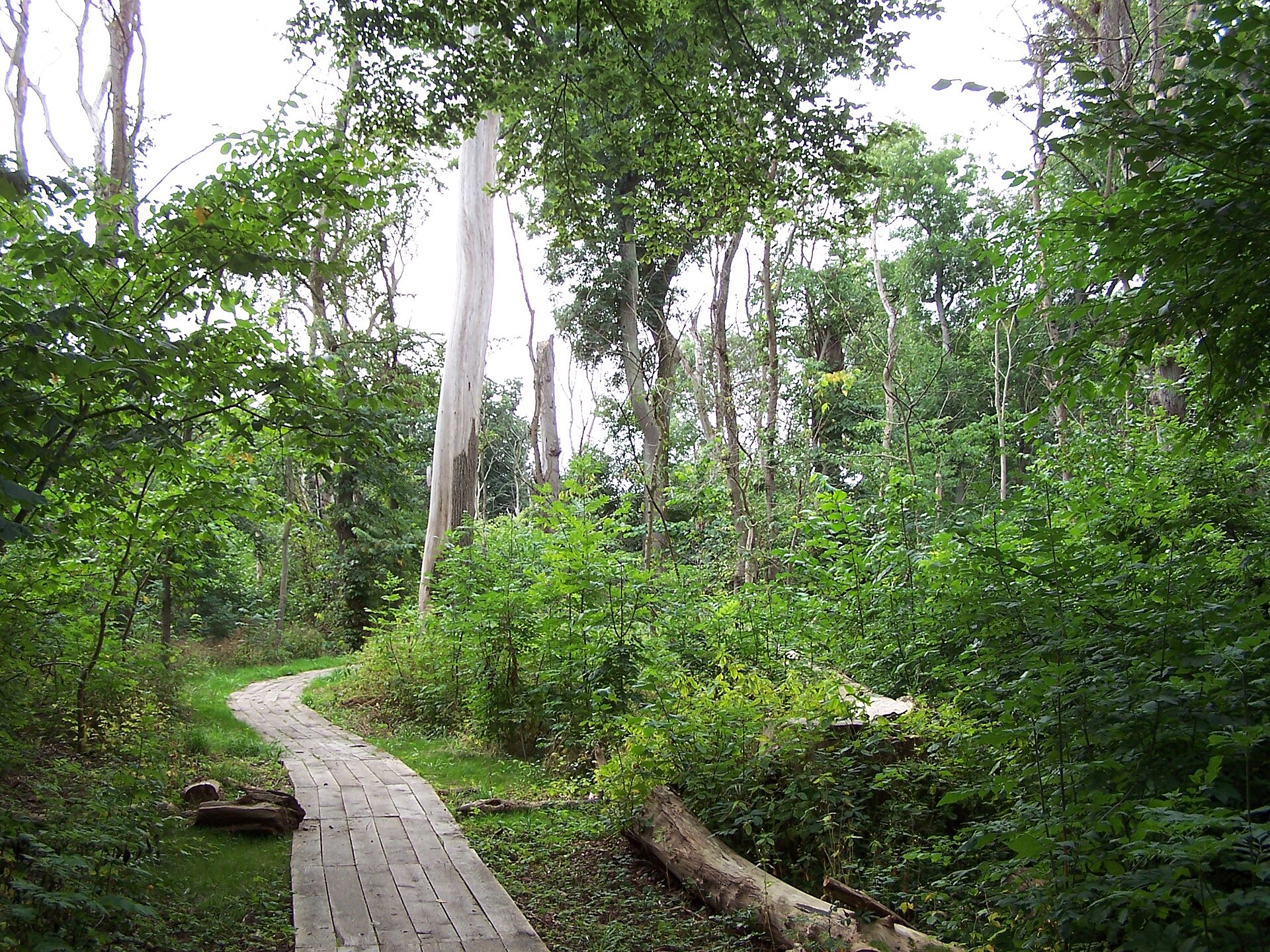
96 records

92 records
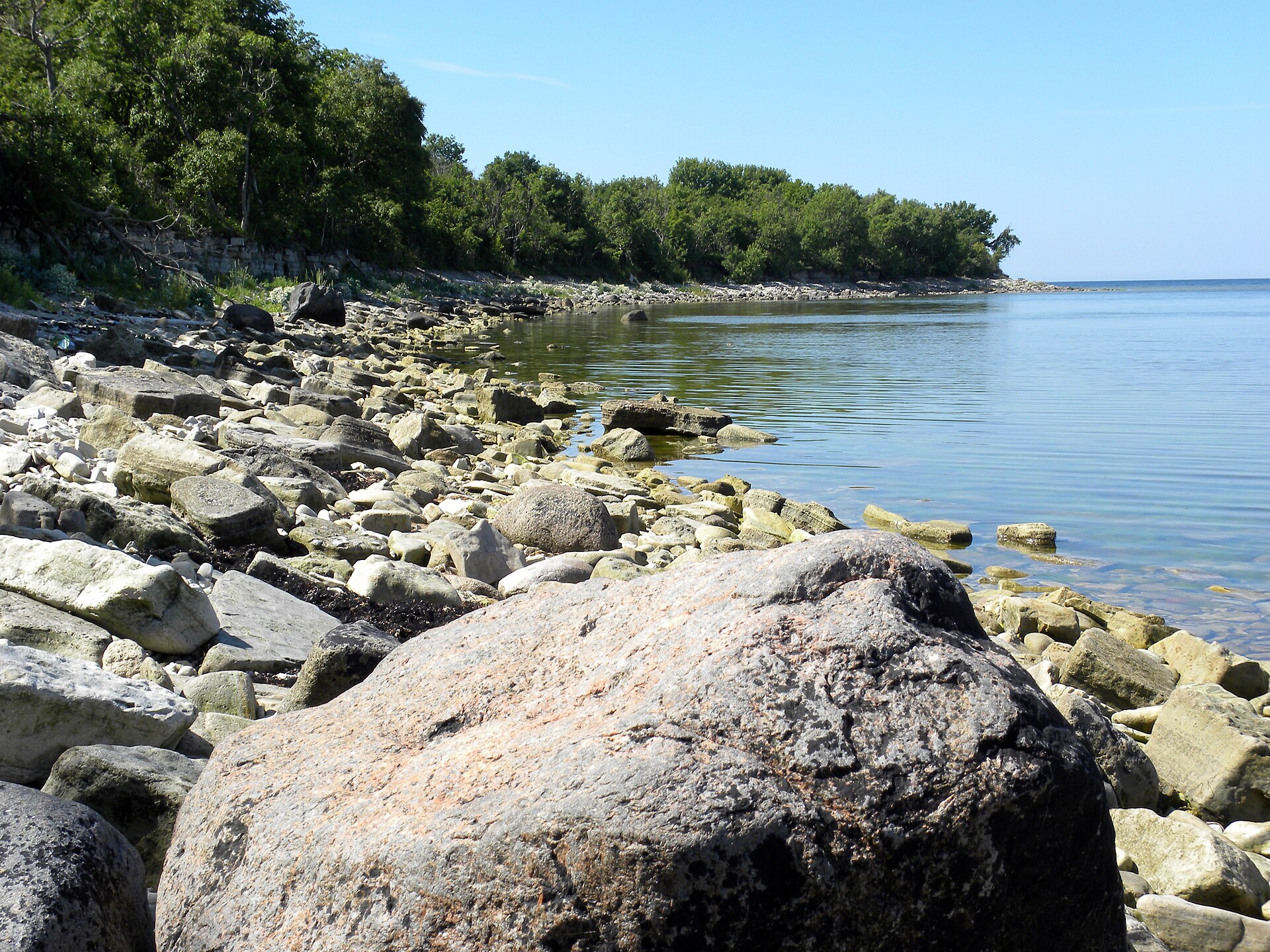
90 records
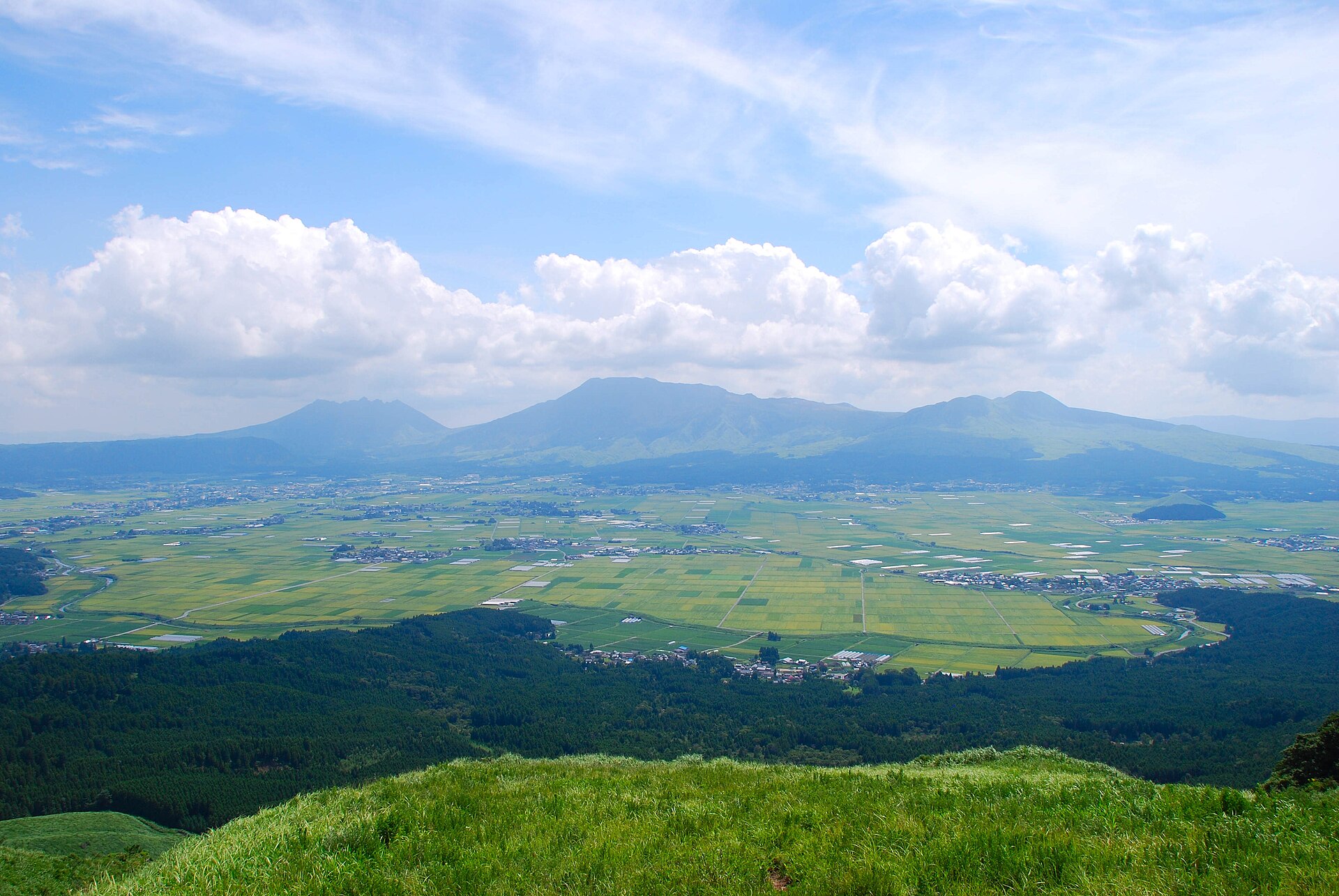
86 records

81 records

63 records
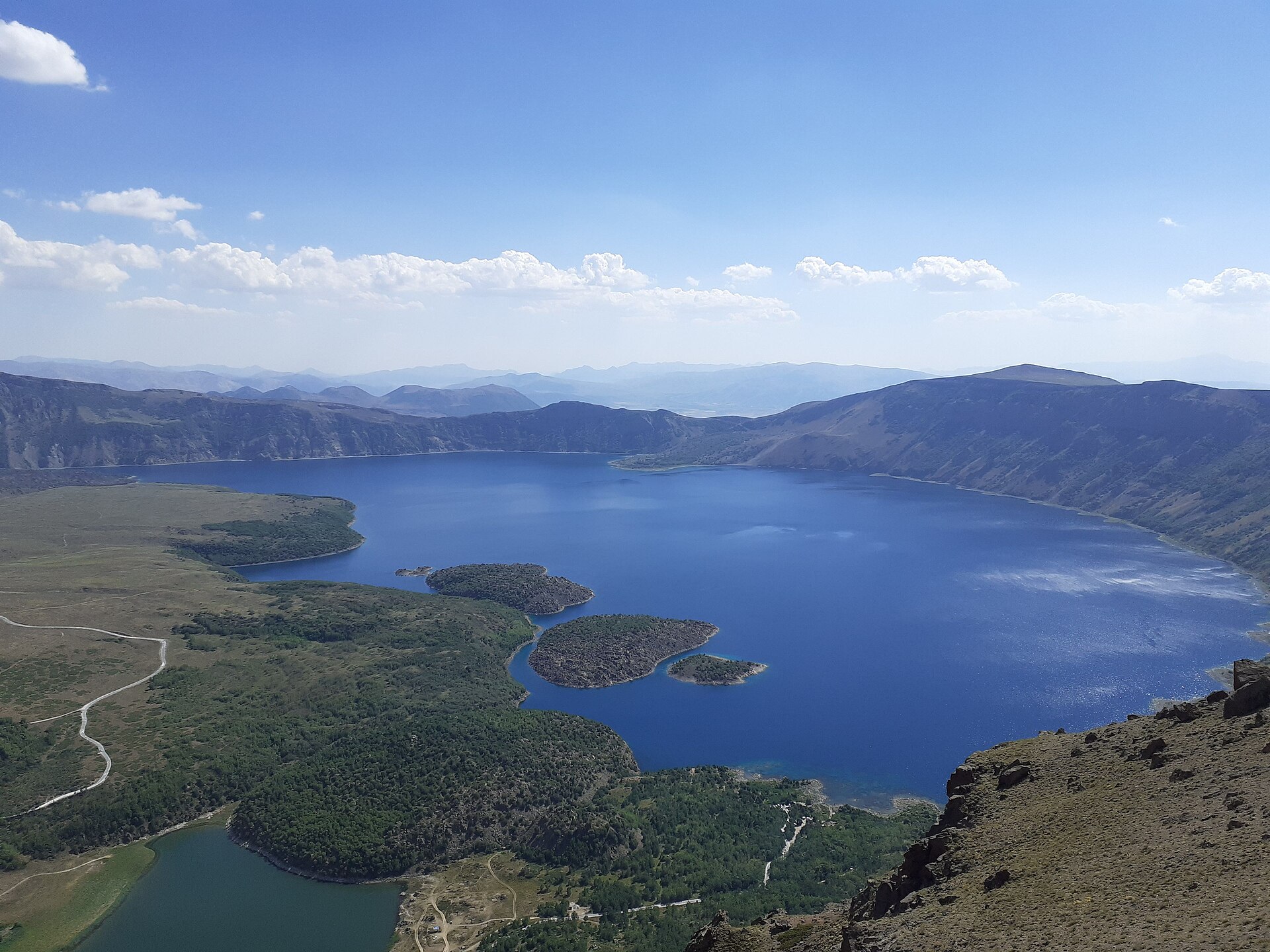
59 records

58 records
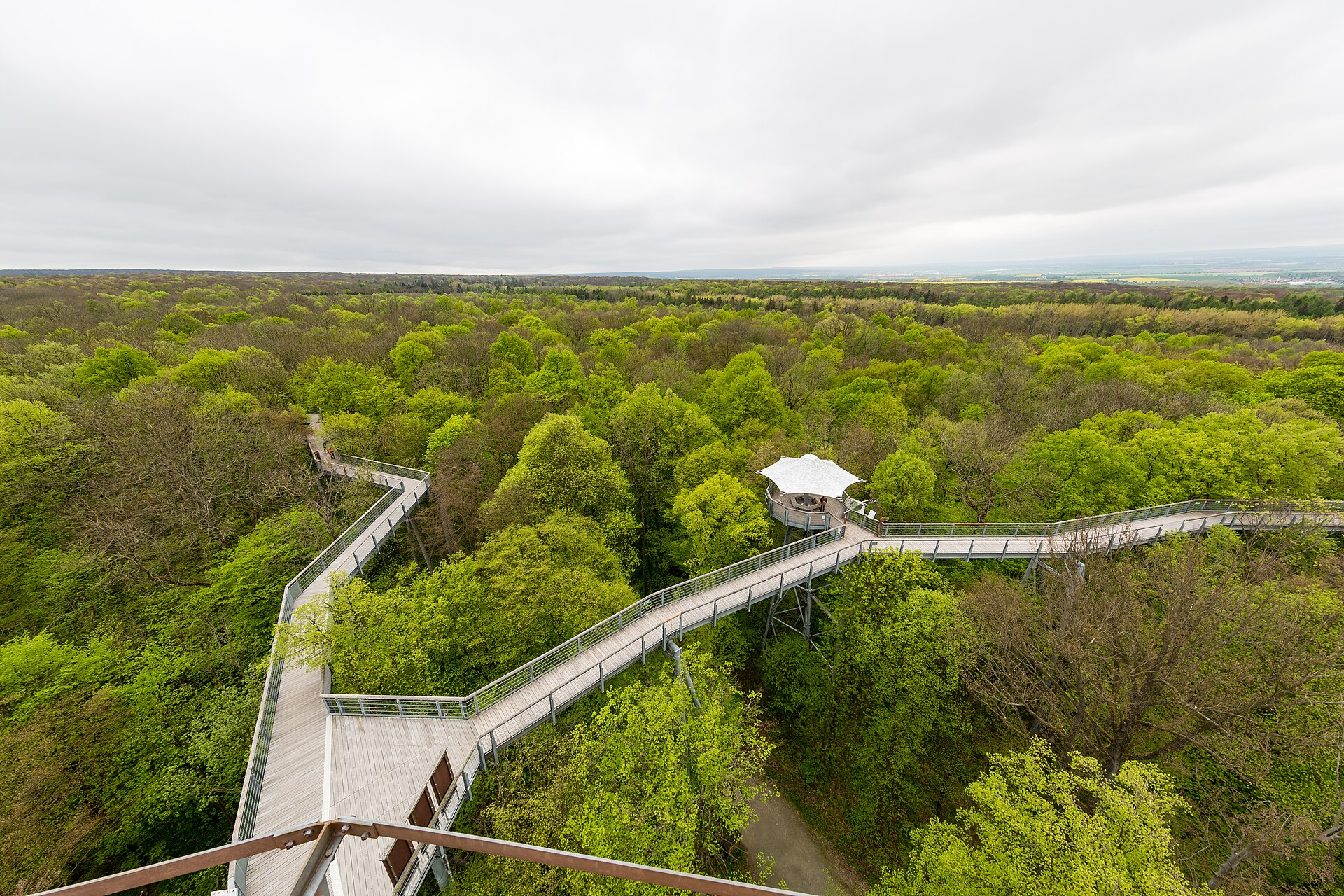
56 records
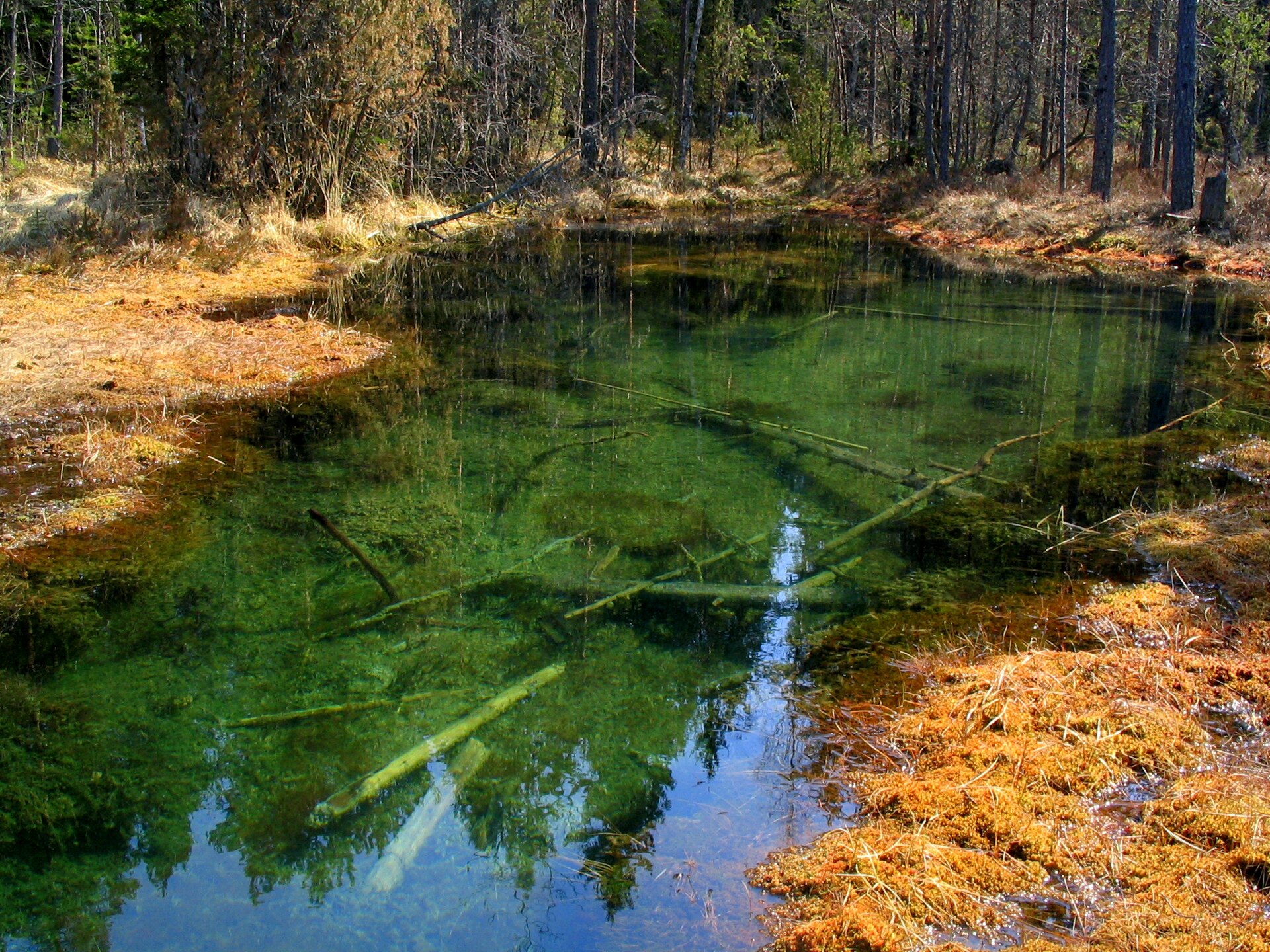
50 records
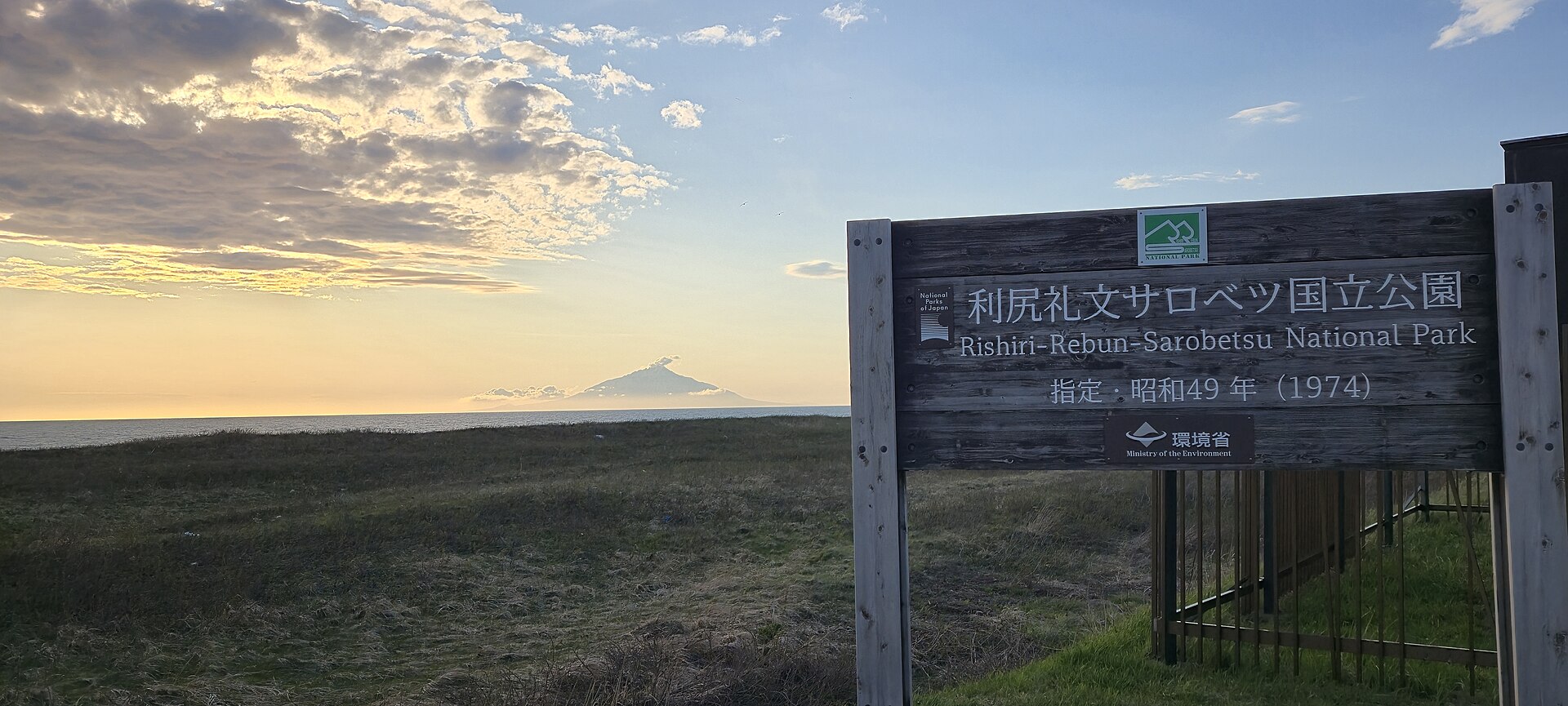
46 records
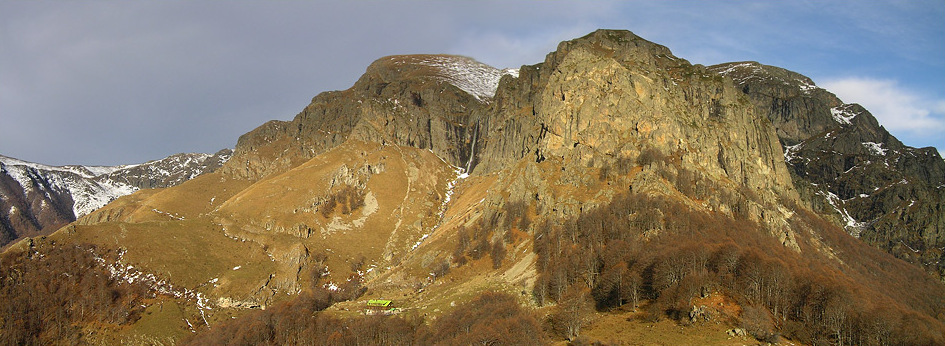
45 records

45 records
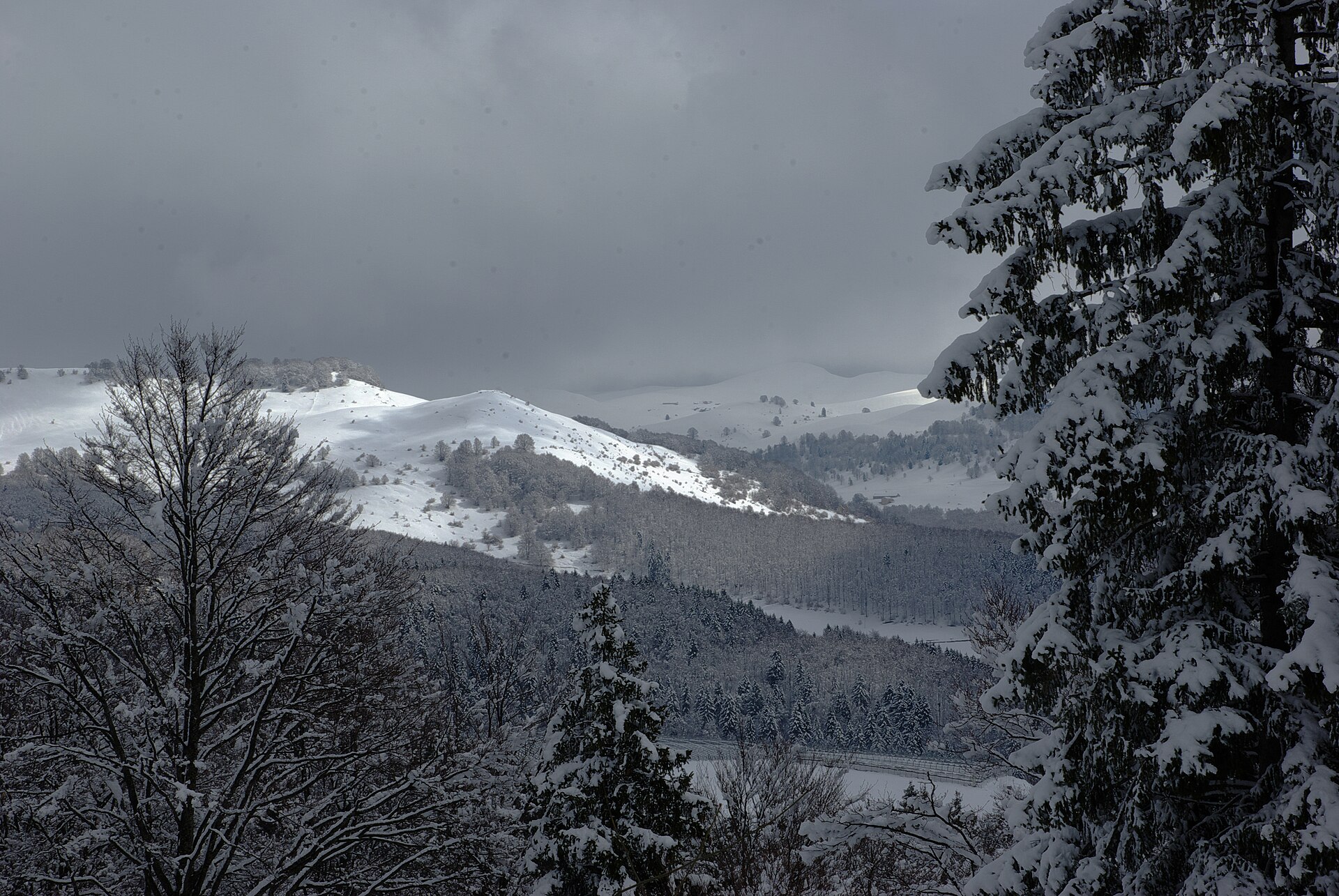
43 records
42 records

38 records
36 records
34 records

33 records
32 records
29 records
25 records

24 records

14 records

14 records

13 records
13 records
11 records
11 records
11 records
10 records

8 records
8 records
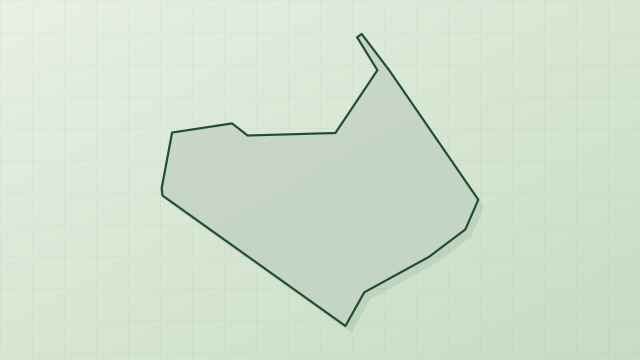
7 records
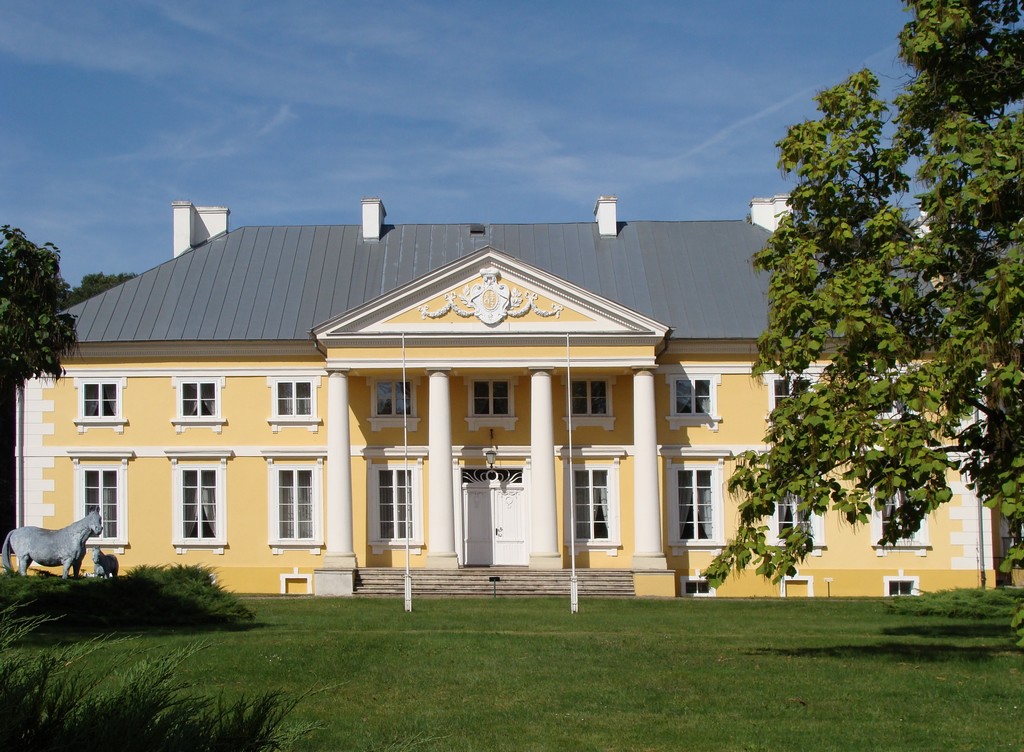
6 records

6 records
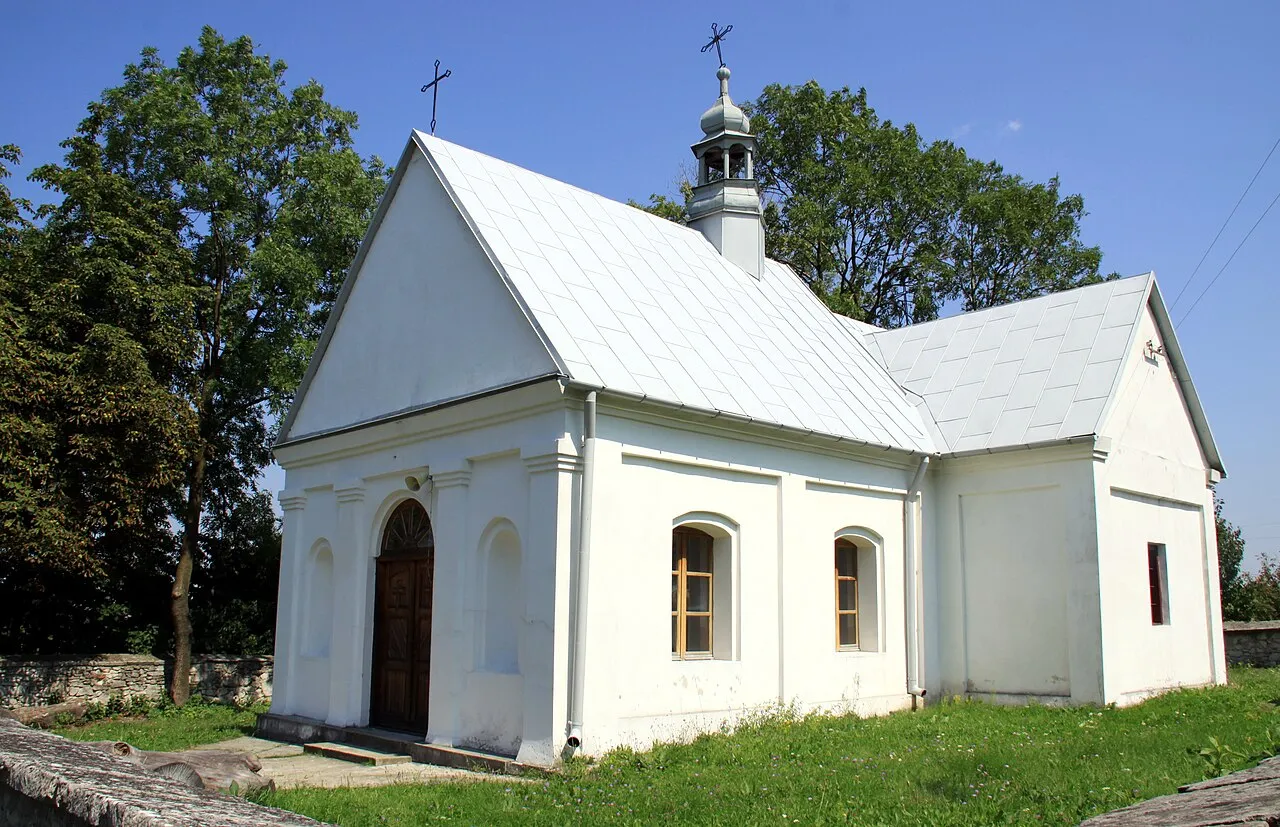
6 records
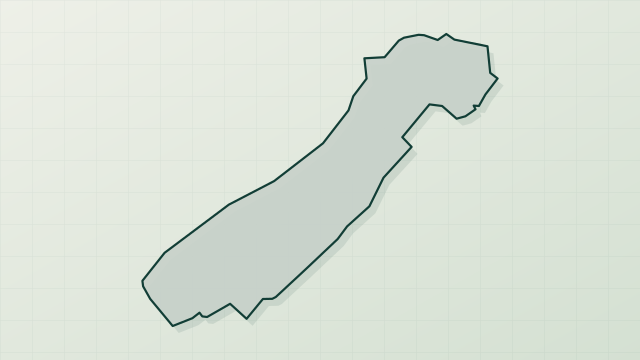
5 records

4 records

4 records
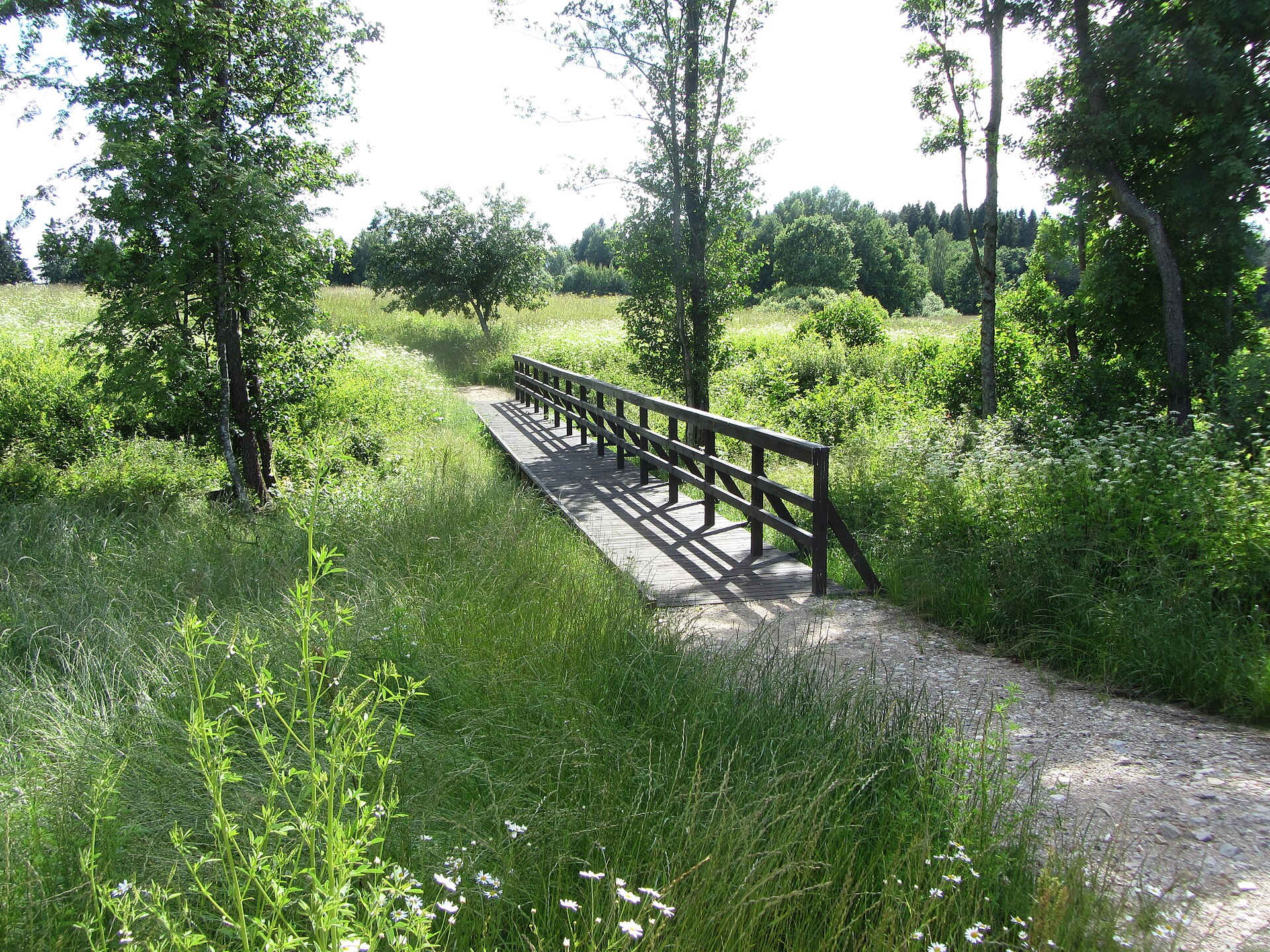
2 records
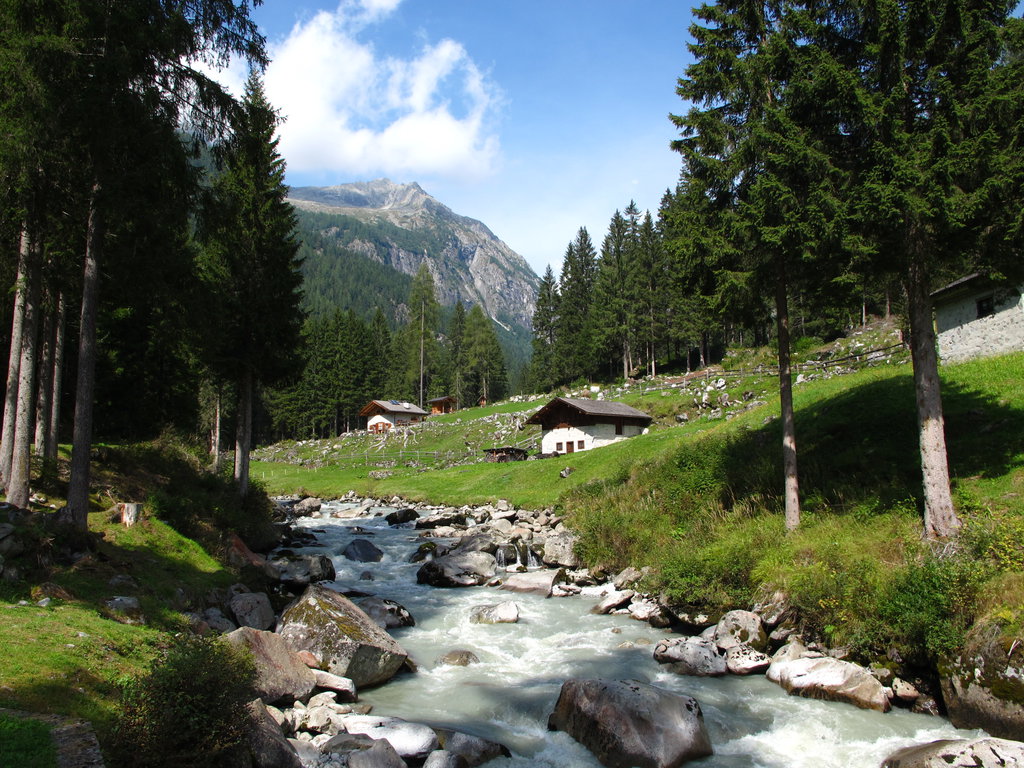
Natura 2000 · breeding
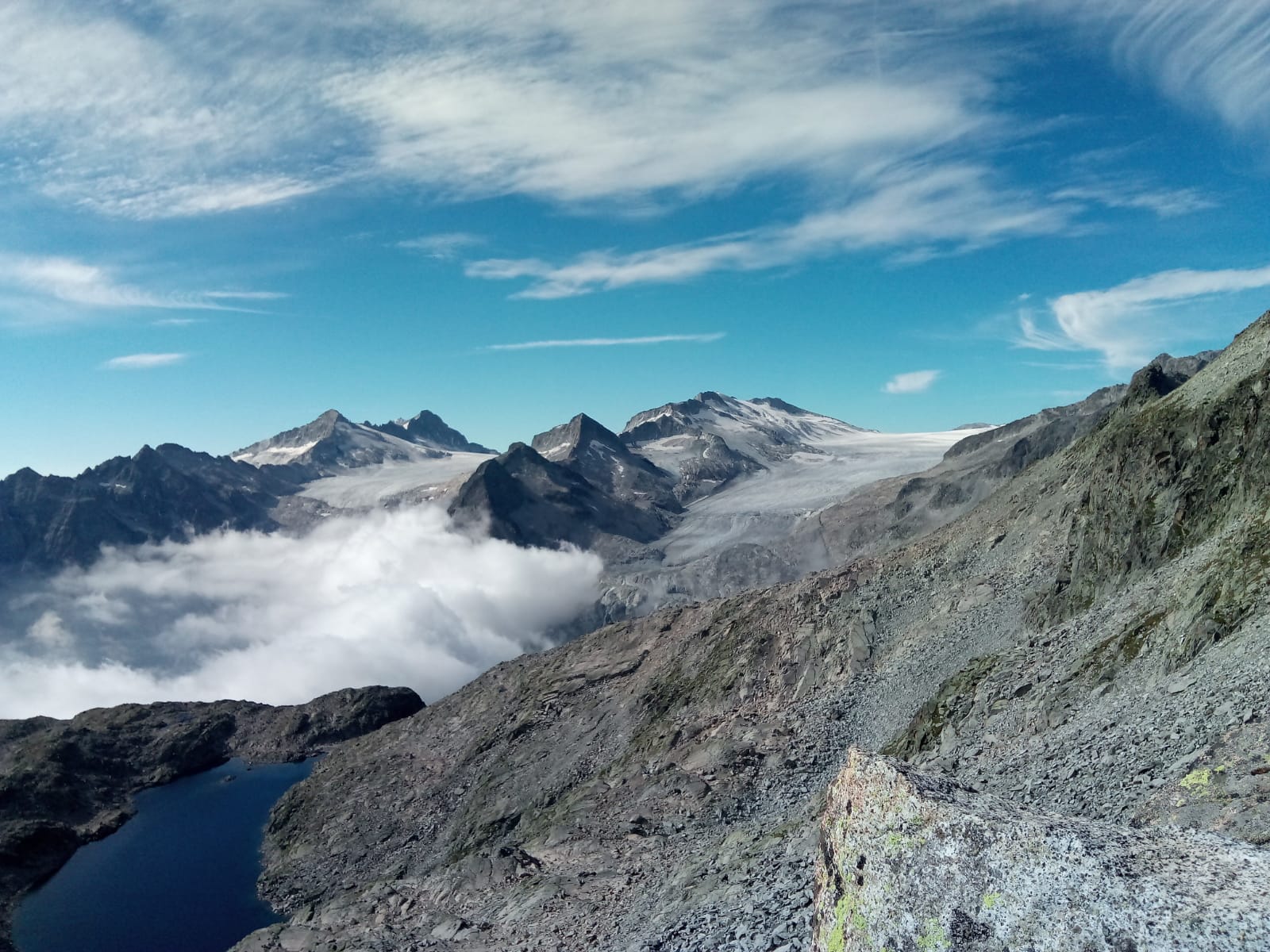
Natura 2000 · breeding
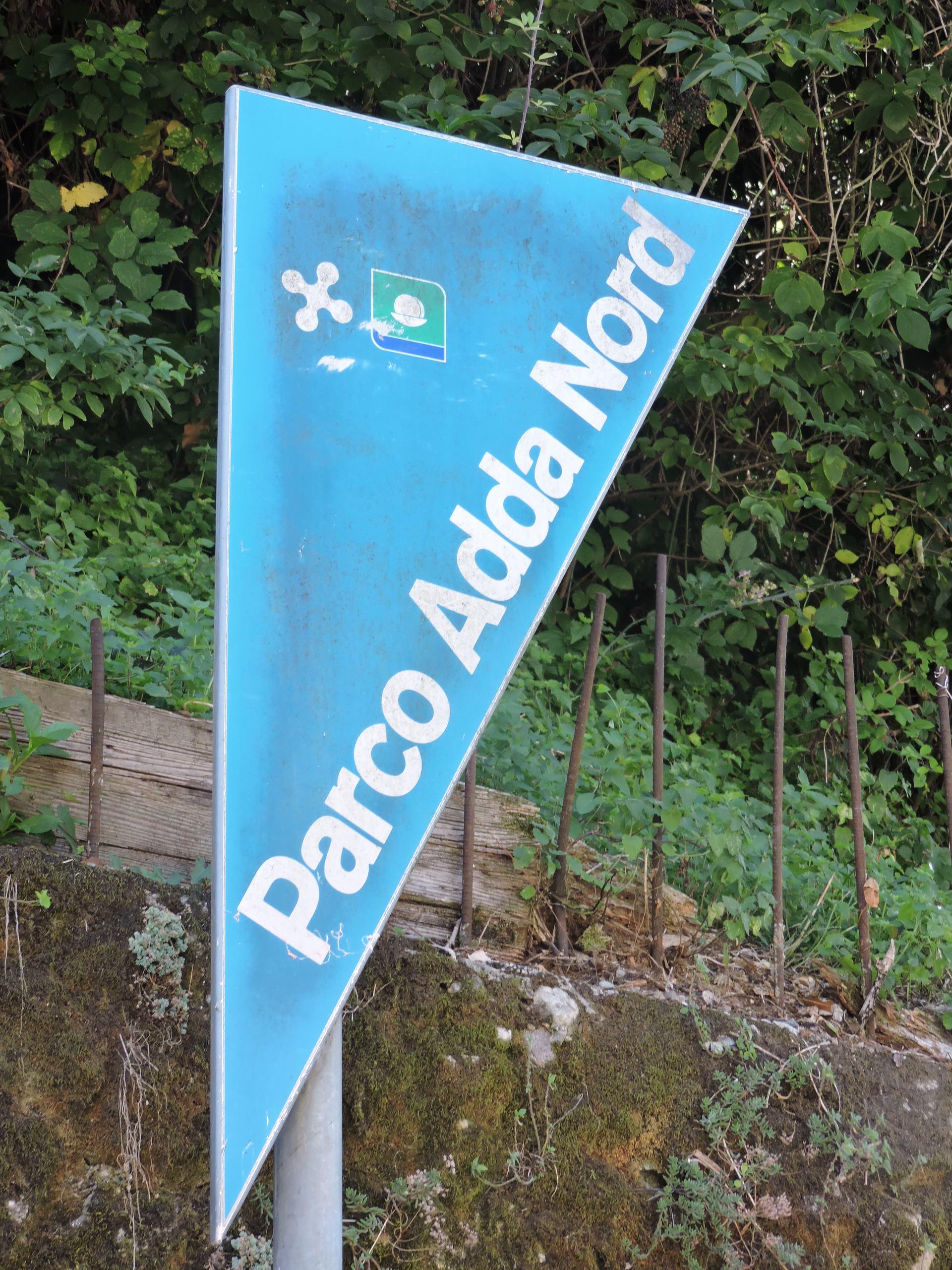
Natura 2000 · passage
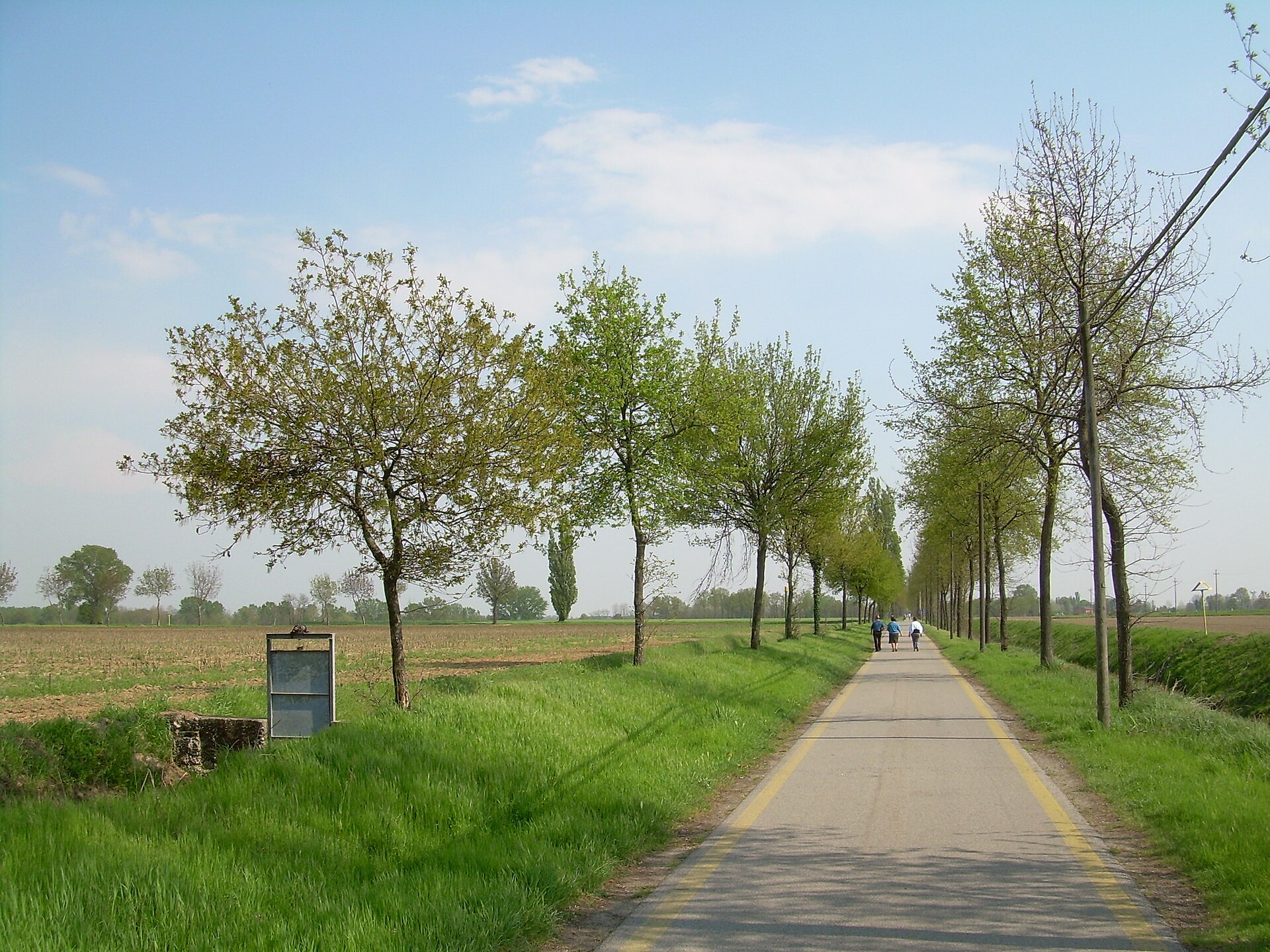
Natura 2000 · passage, breeding, wintering

Natura 2000 · passage
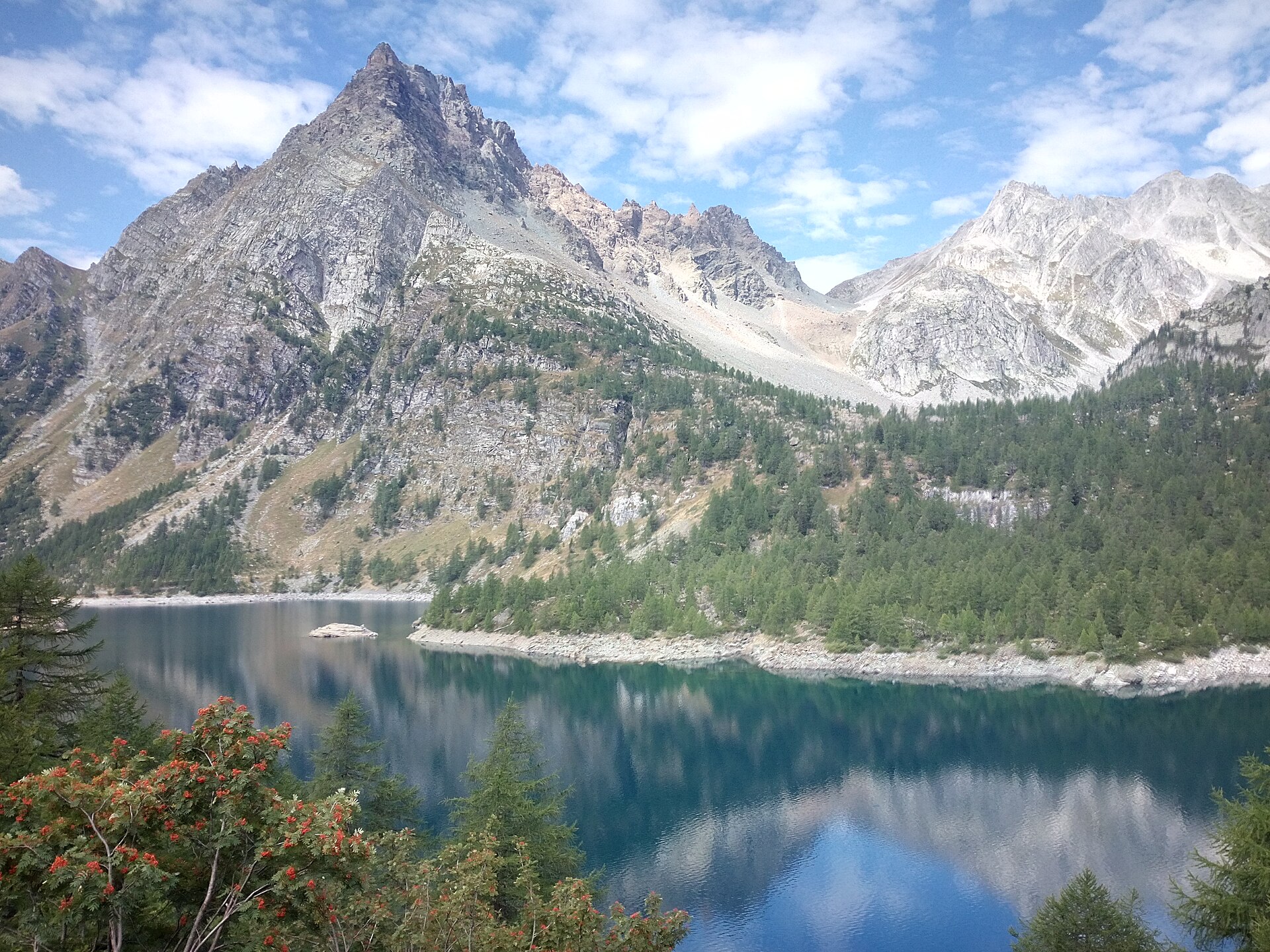
Natura 2000 · resident

Natura 2000 · breeding

Natura 2000 · breeding, passage
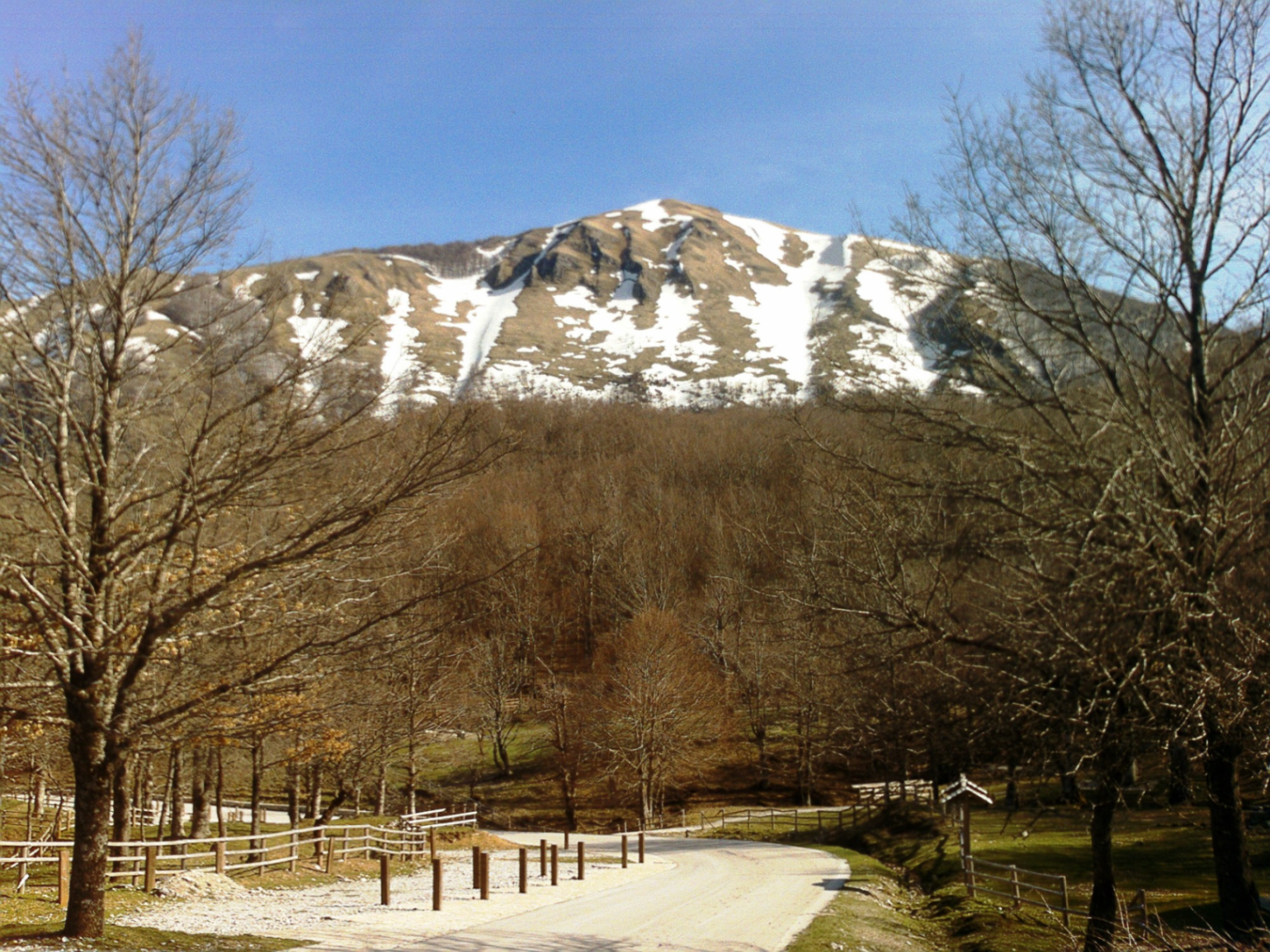
Natura 2000 · wintering, resident

Natura 2000 · passage
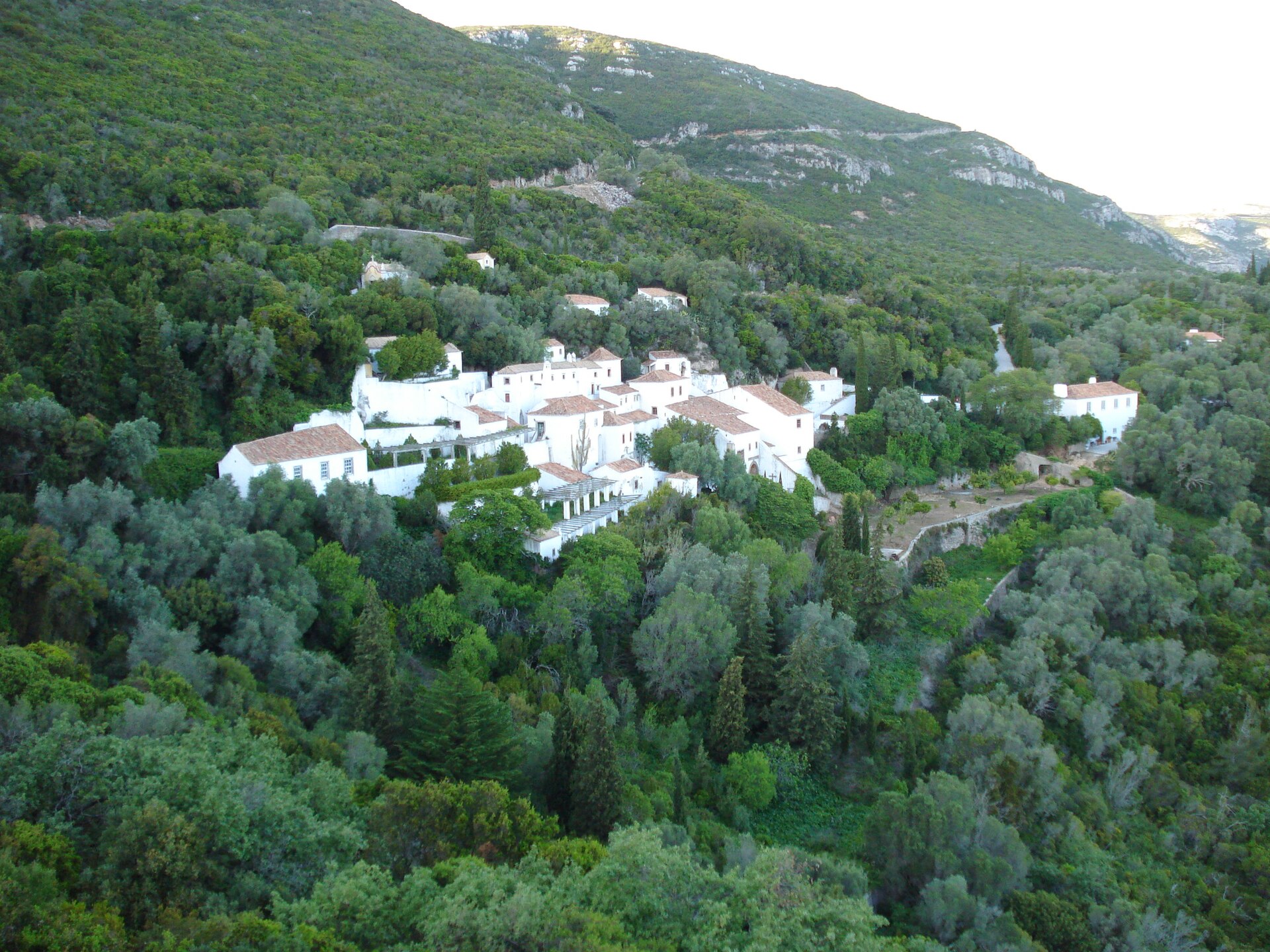
Natura 2000 · wintering
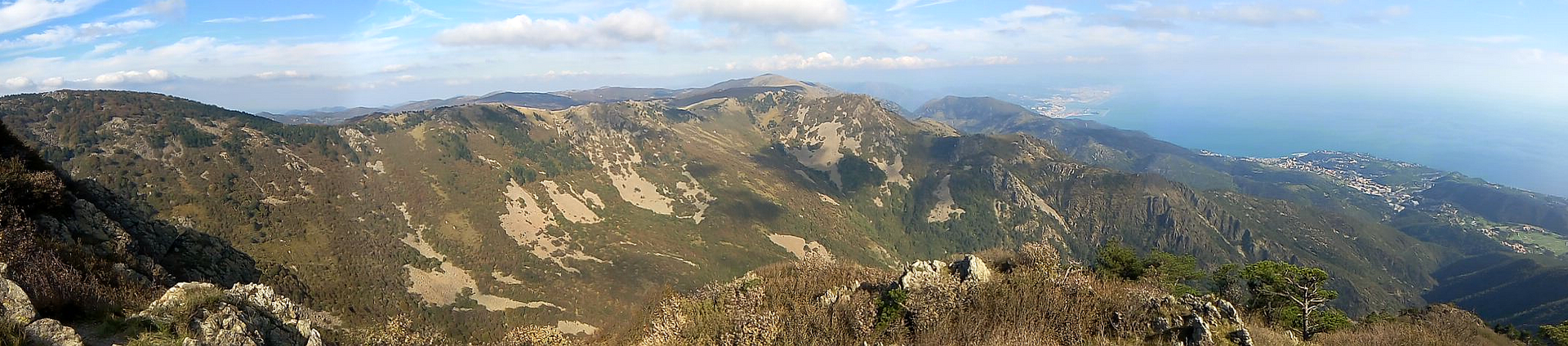
Natura 2000 · passage, breeding

Natura 2000 · breeding
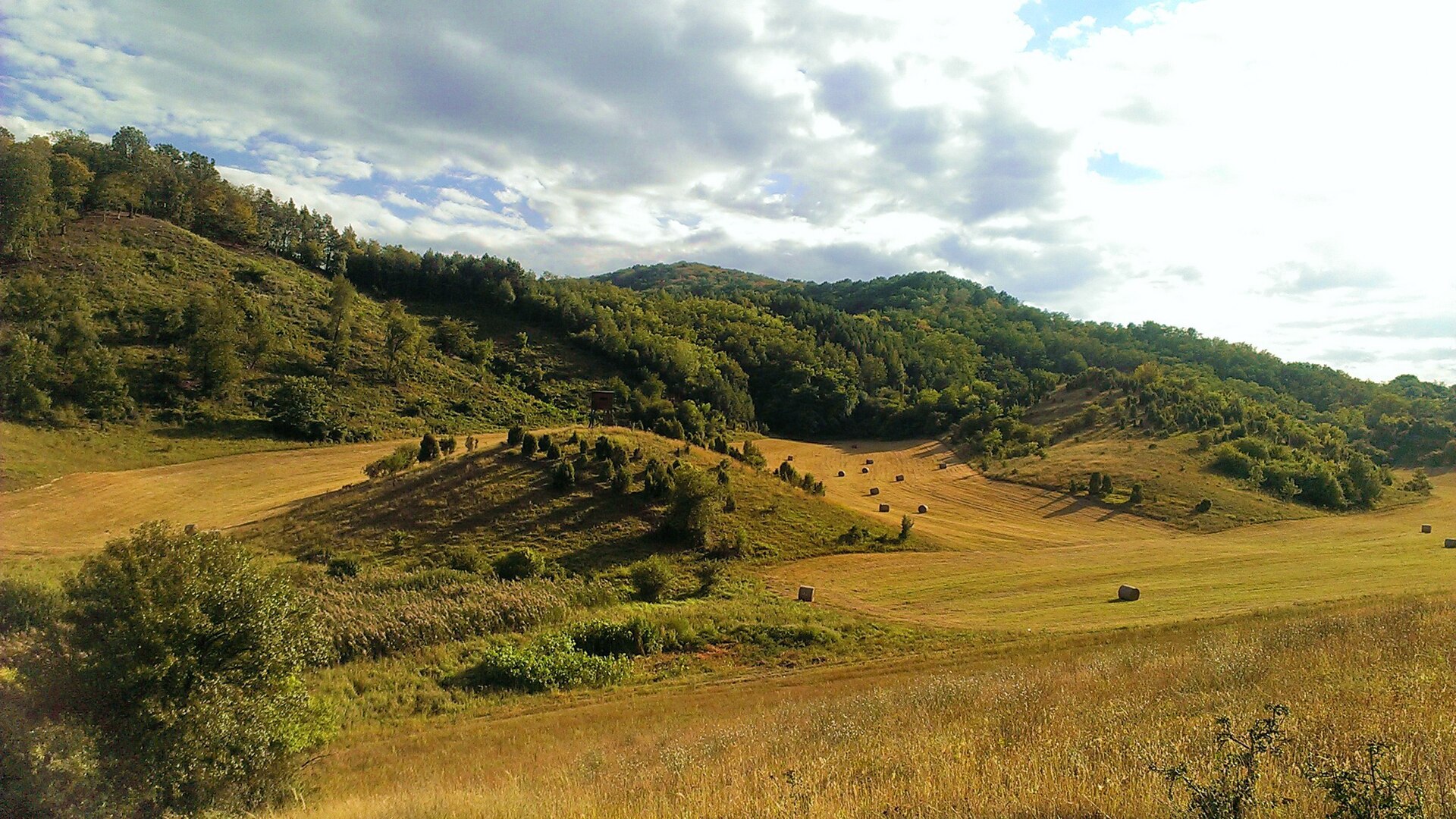
Natura 2000
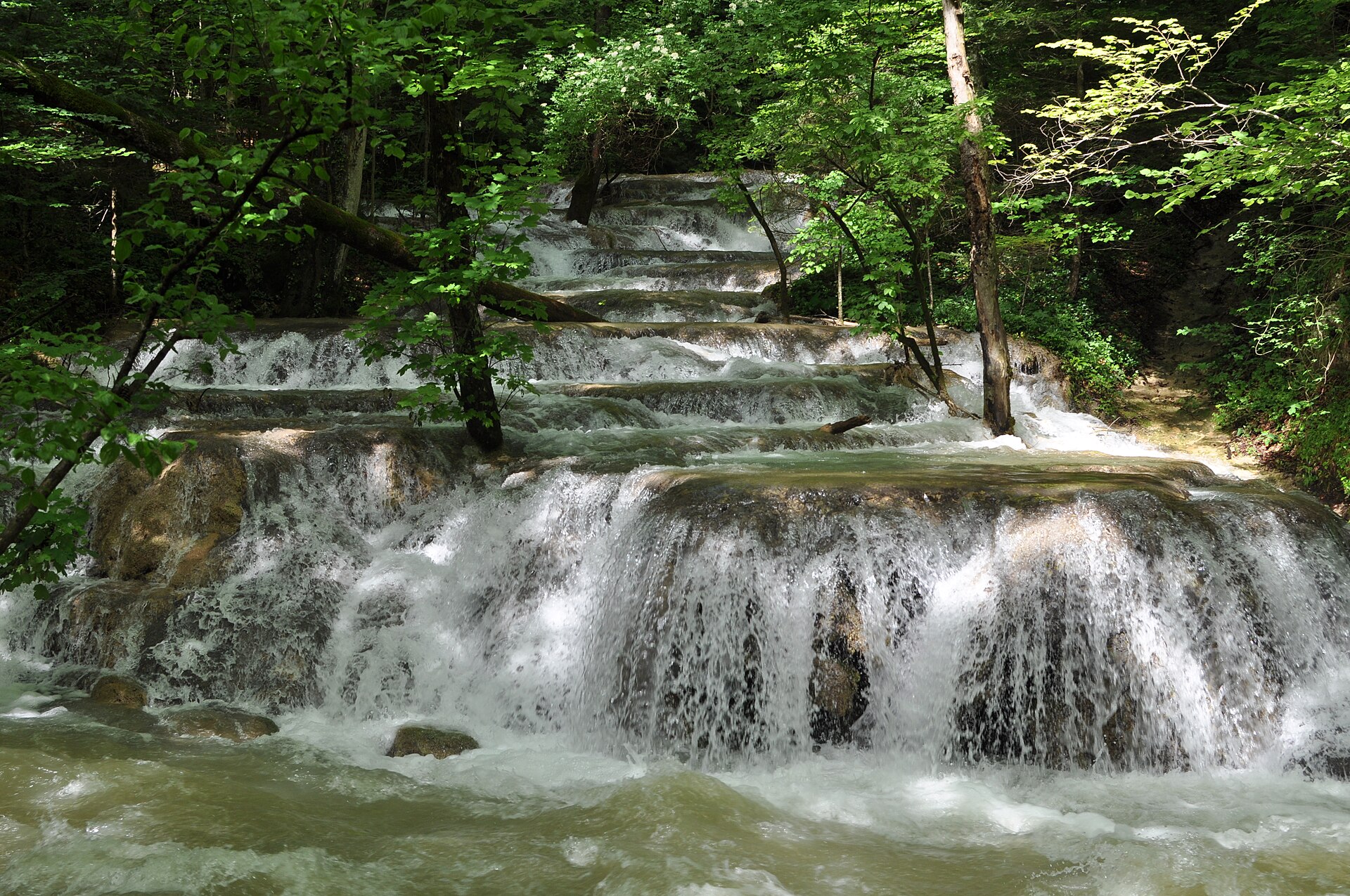
Natura 2000 · breeding
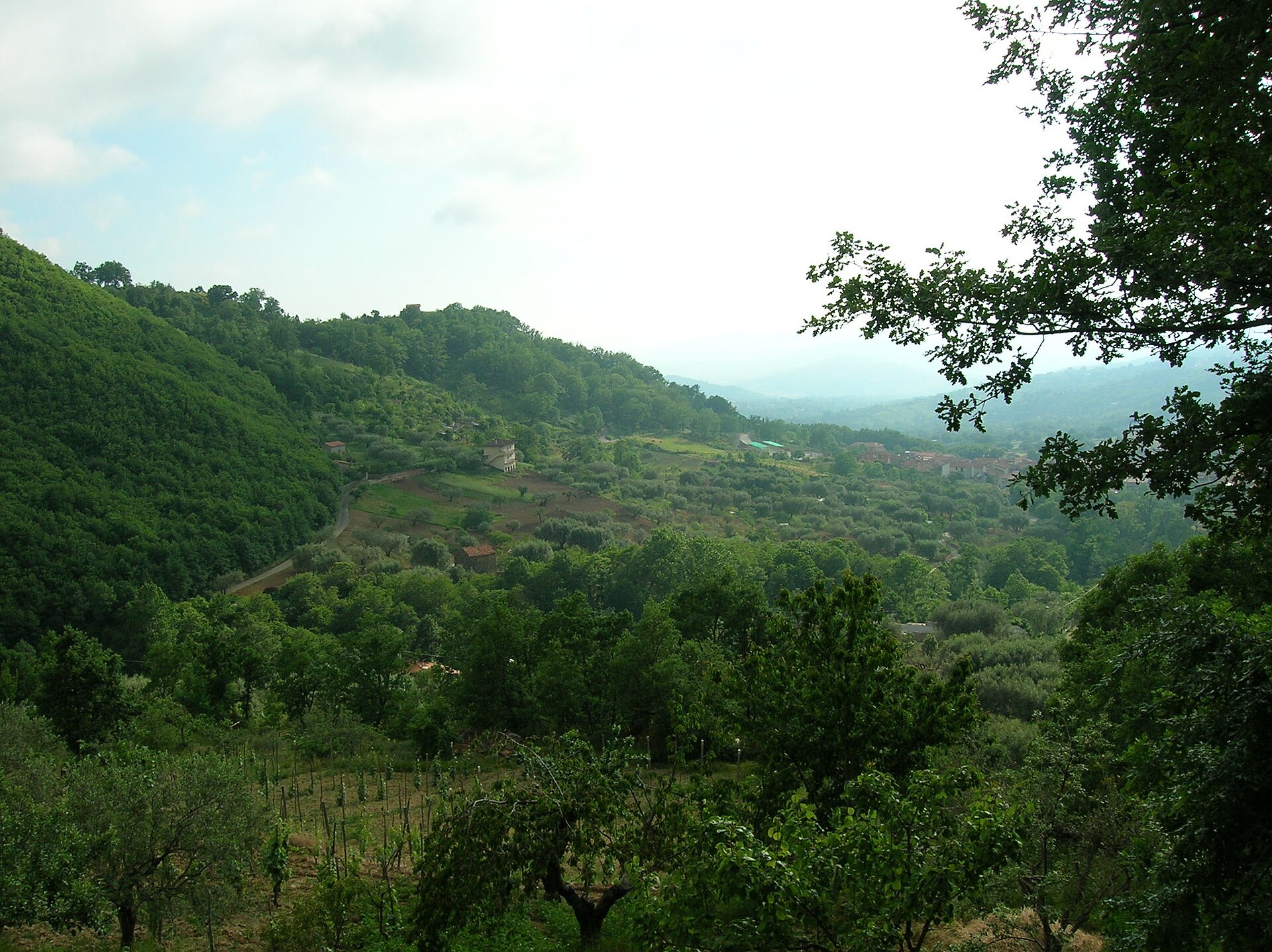
Natura 2000 · wintering, passage, breeding
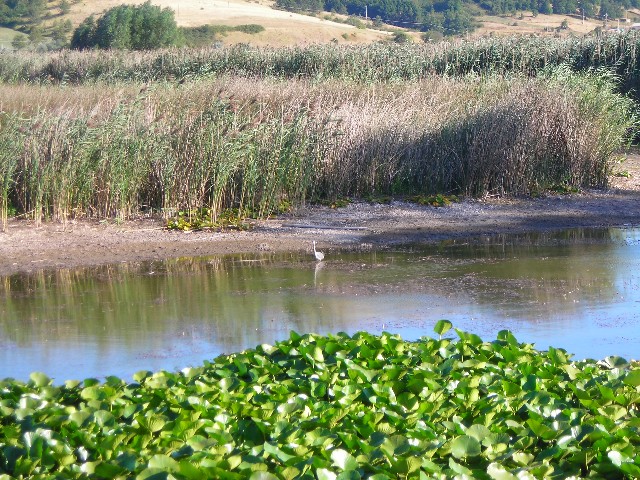
Natura 2000 · resident
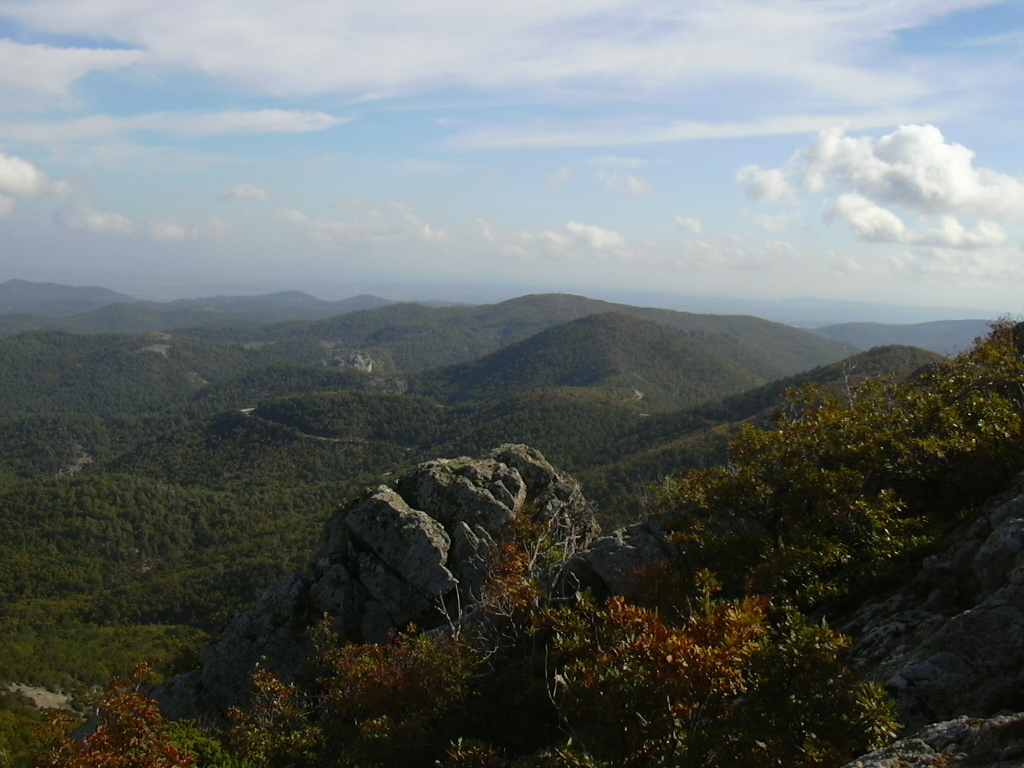
Natura 2000 · breeding
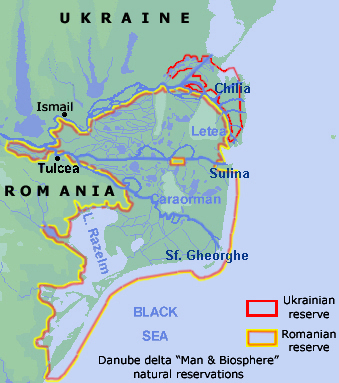
Natura 2000 · breeding
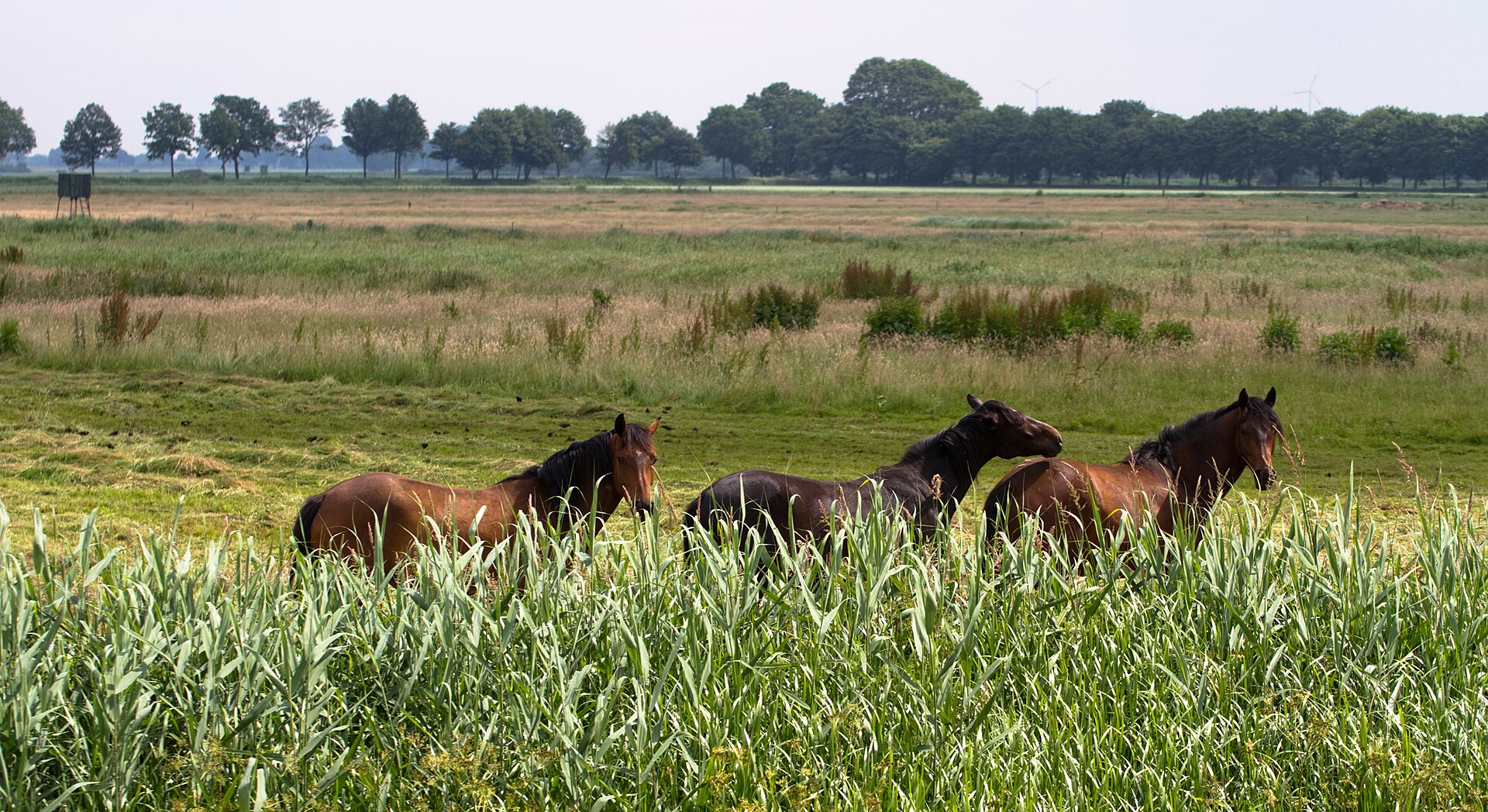
Natura 2000 · breeding
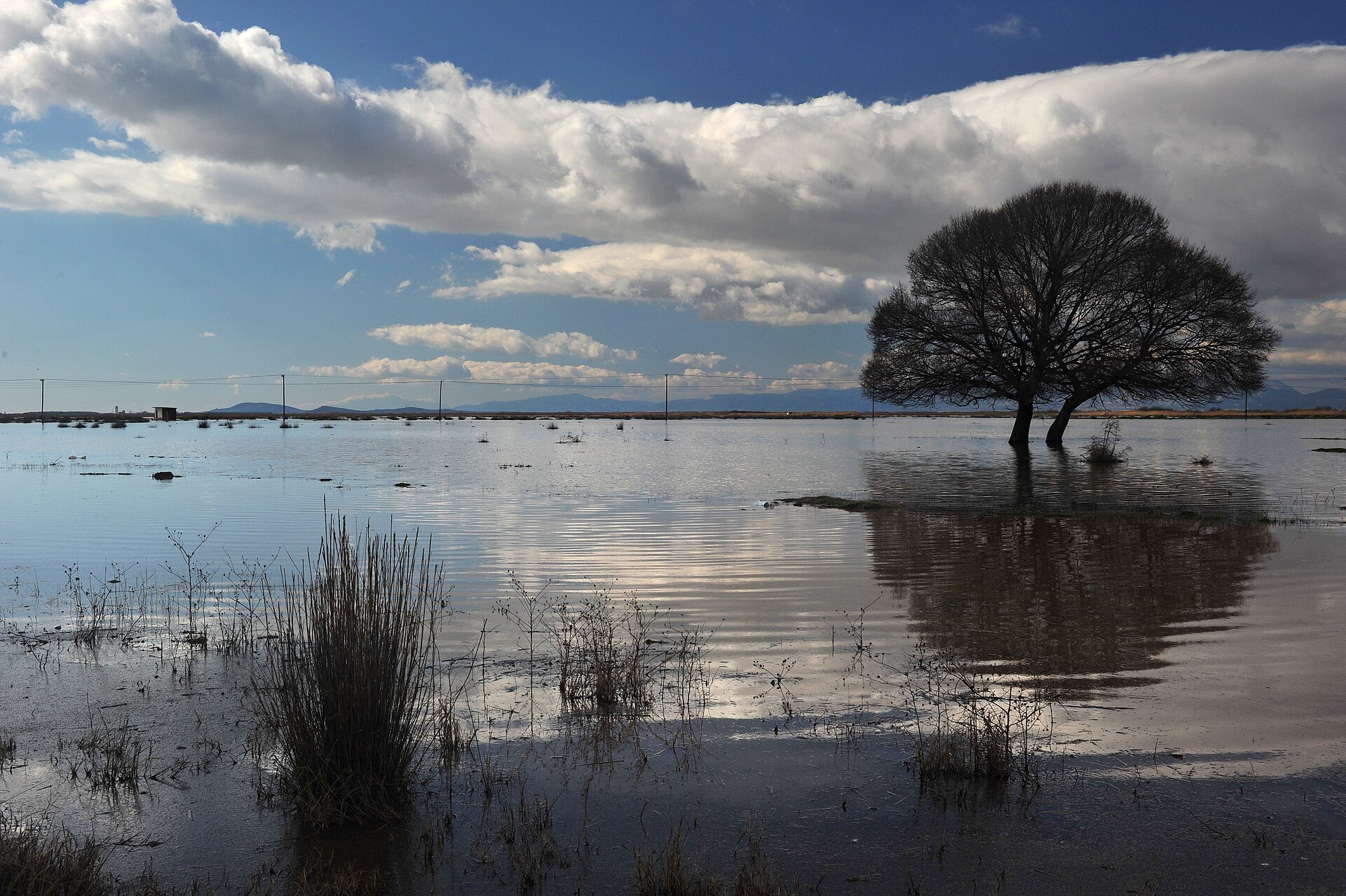
Natura 2000 · resident, breeding, wintering

Natura 2000 · breeding

Natura 2000 · wintering, breeding, passage, resident
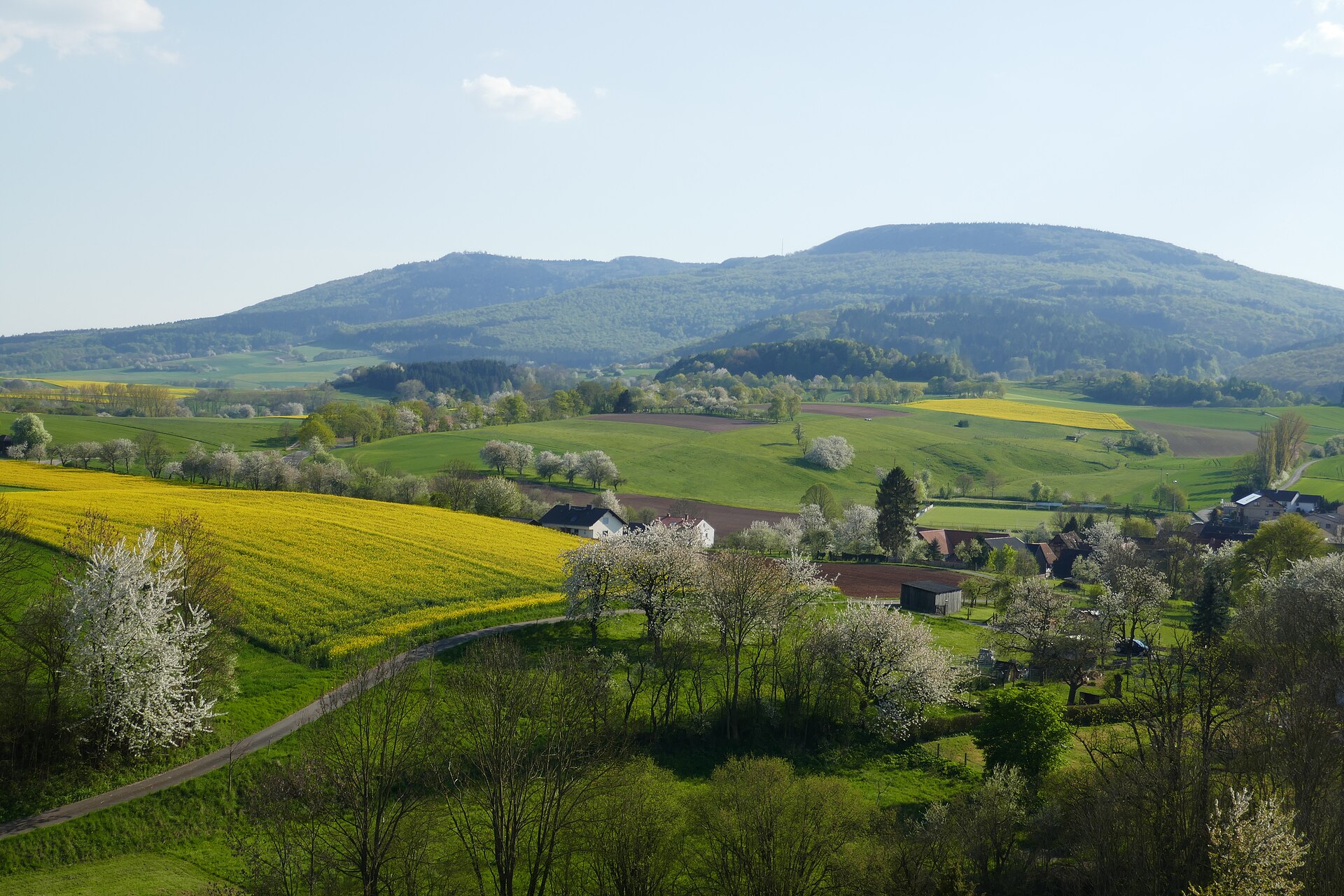
Natura 2000 · breeding, resident
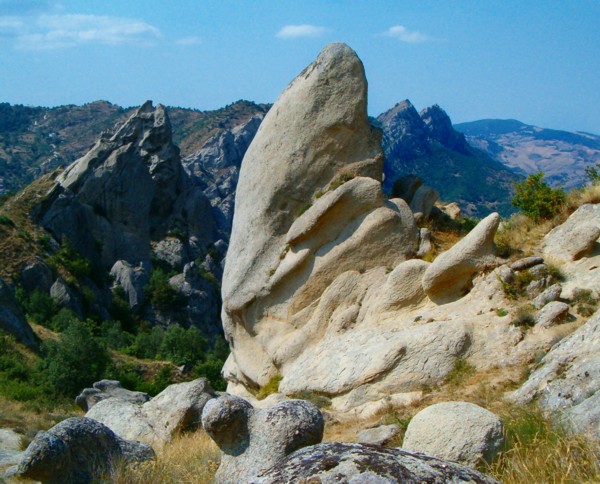
Natura 2000 · resident

Natura 2000 · breeding, resident
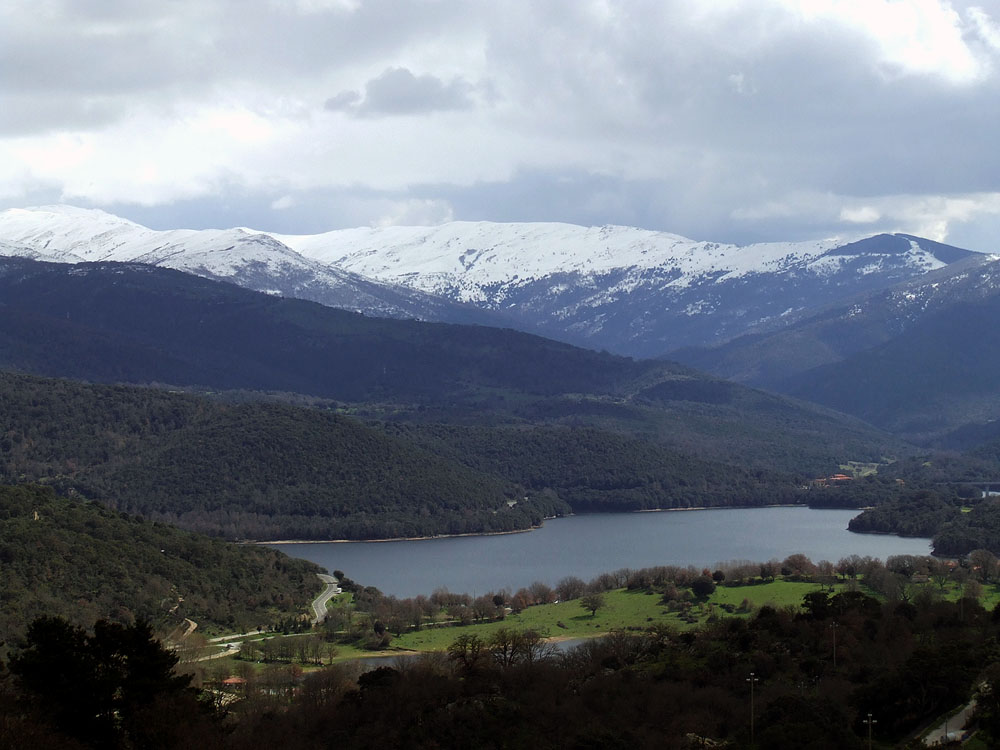
Natura 2000 · passage, breeding, wintering
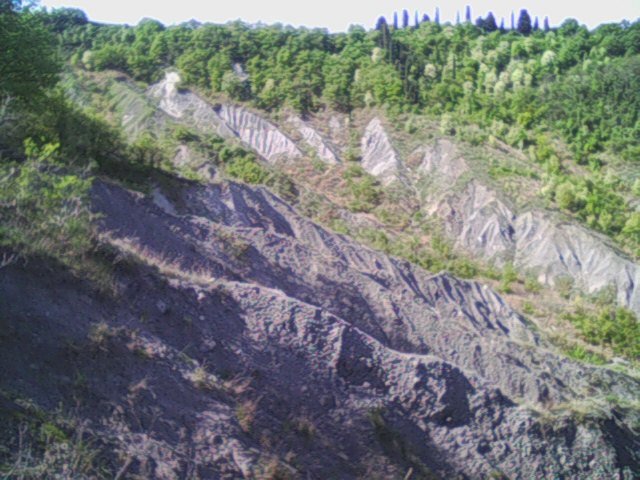
Natura 2000 · breeding
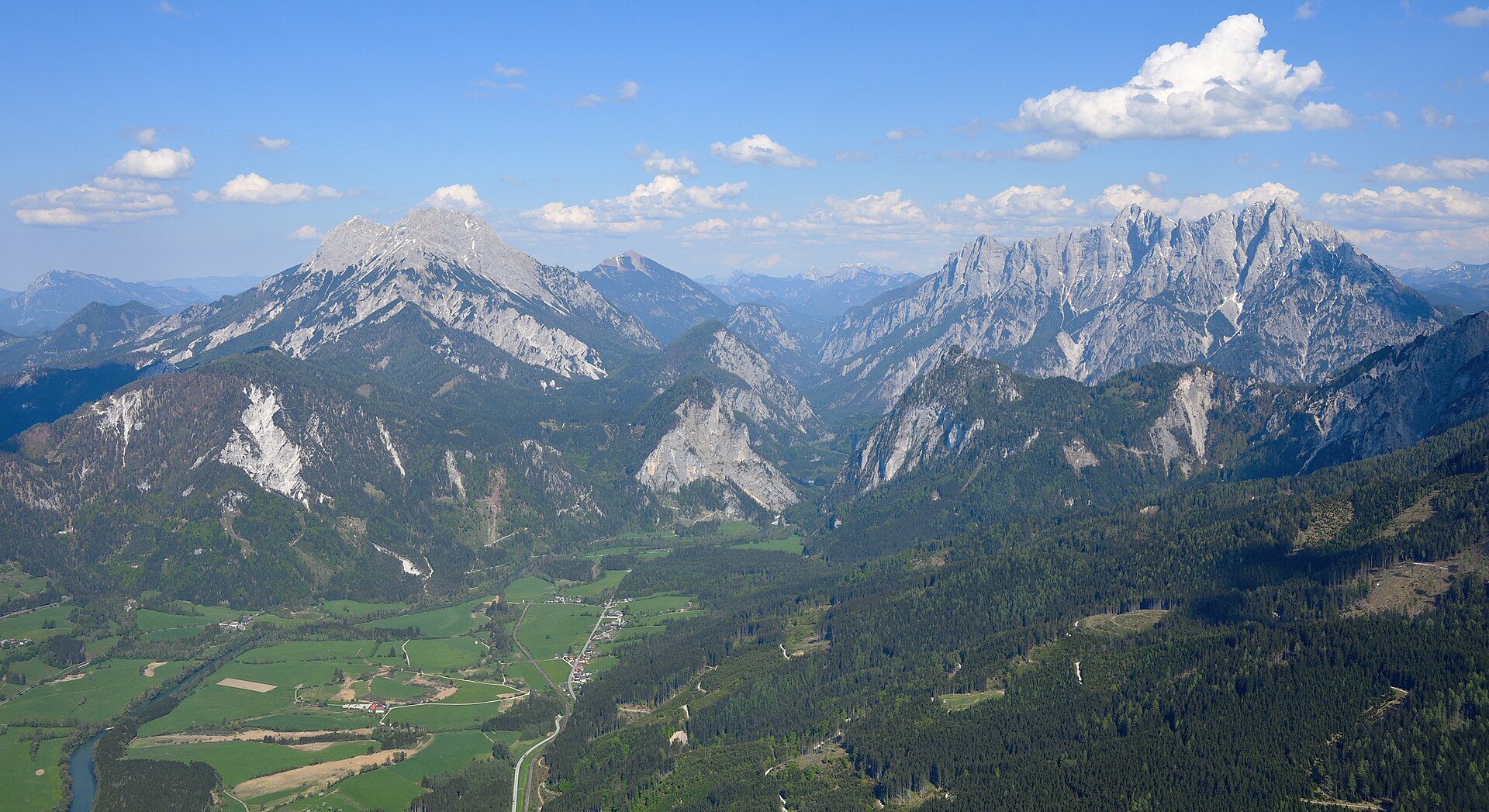
Natura 2000 · passage, breeding
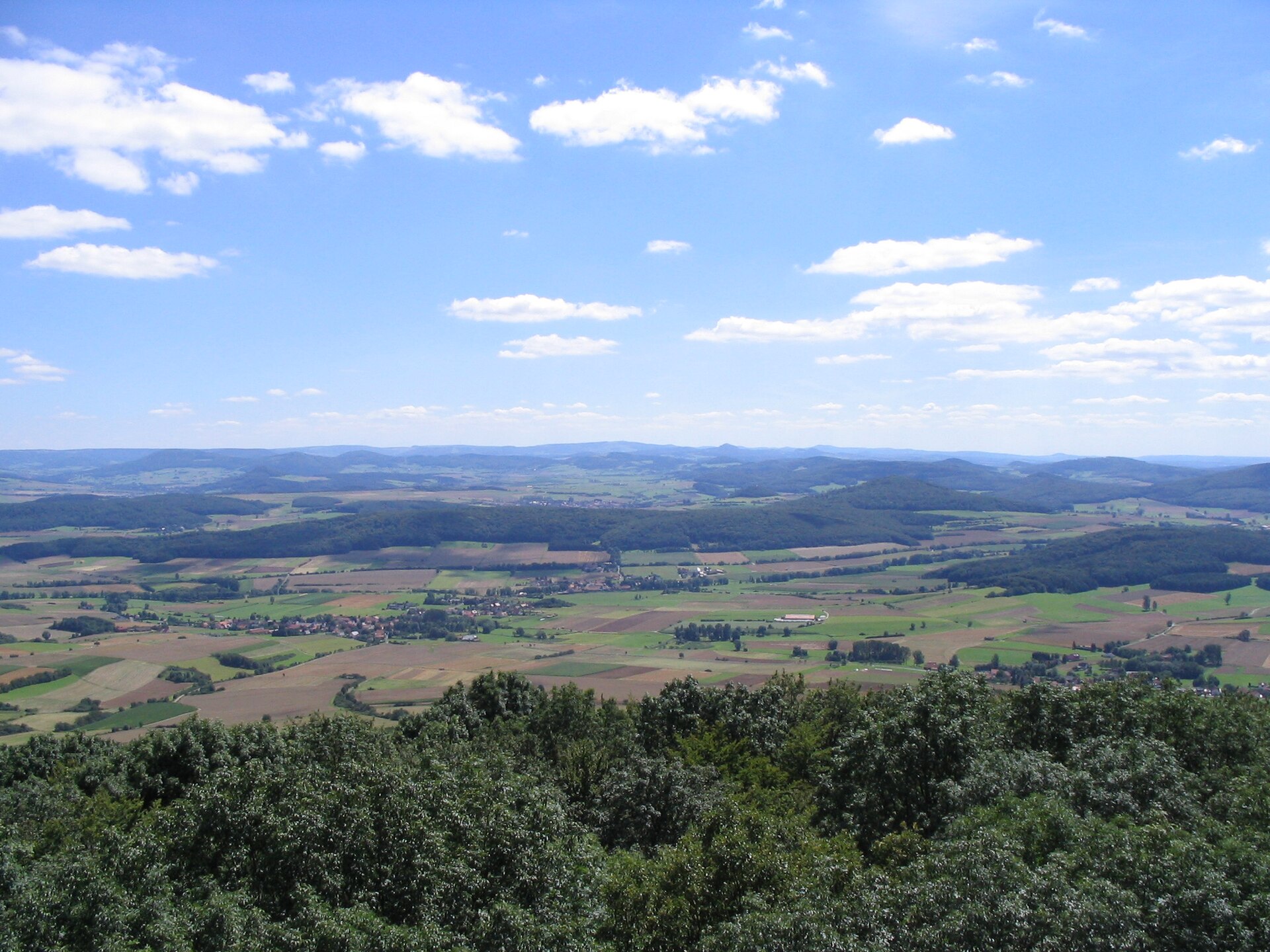
Natura 2000

Natura 2000 · breeding
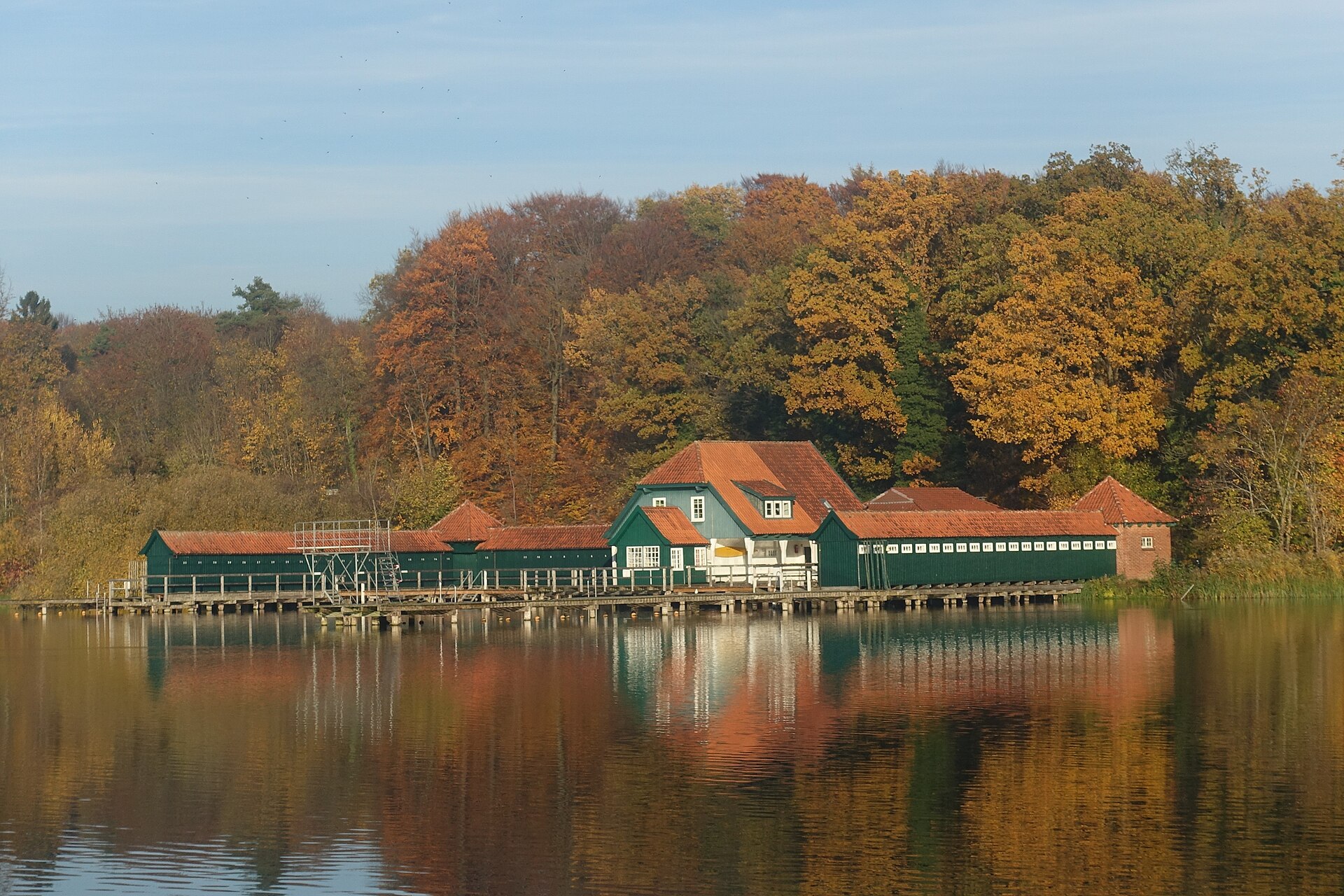
Natura 2000 · breeding
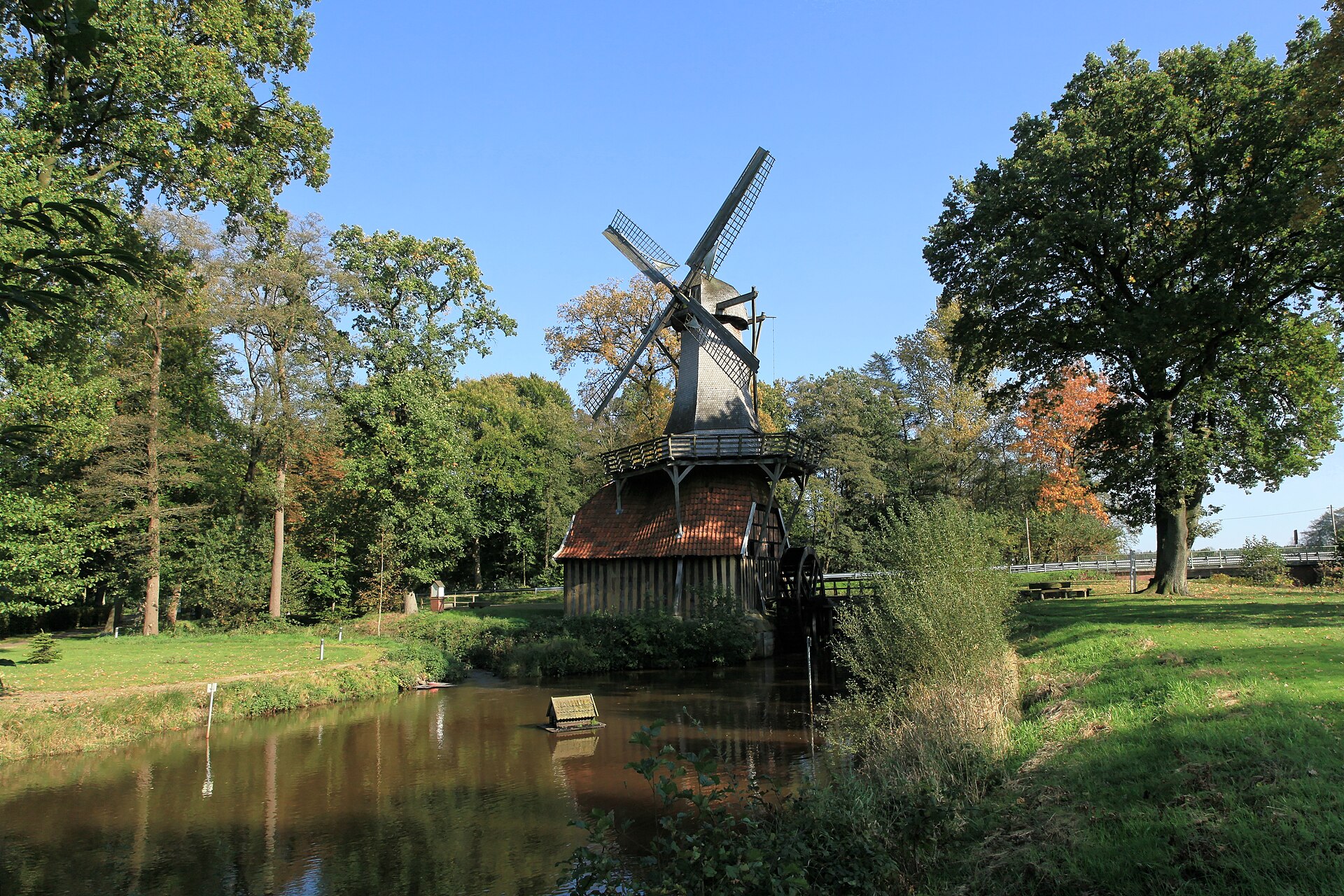
Natura 2000 · breeding

Natura 2000 · breeding
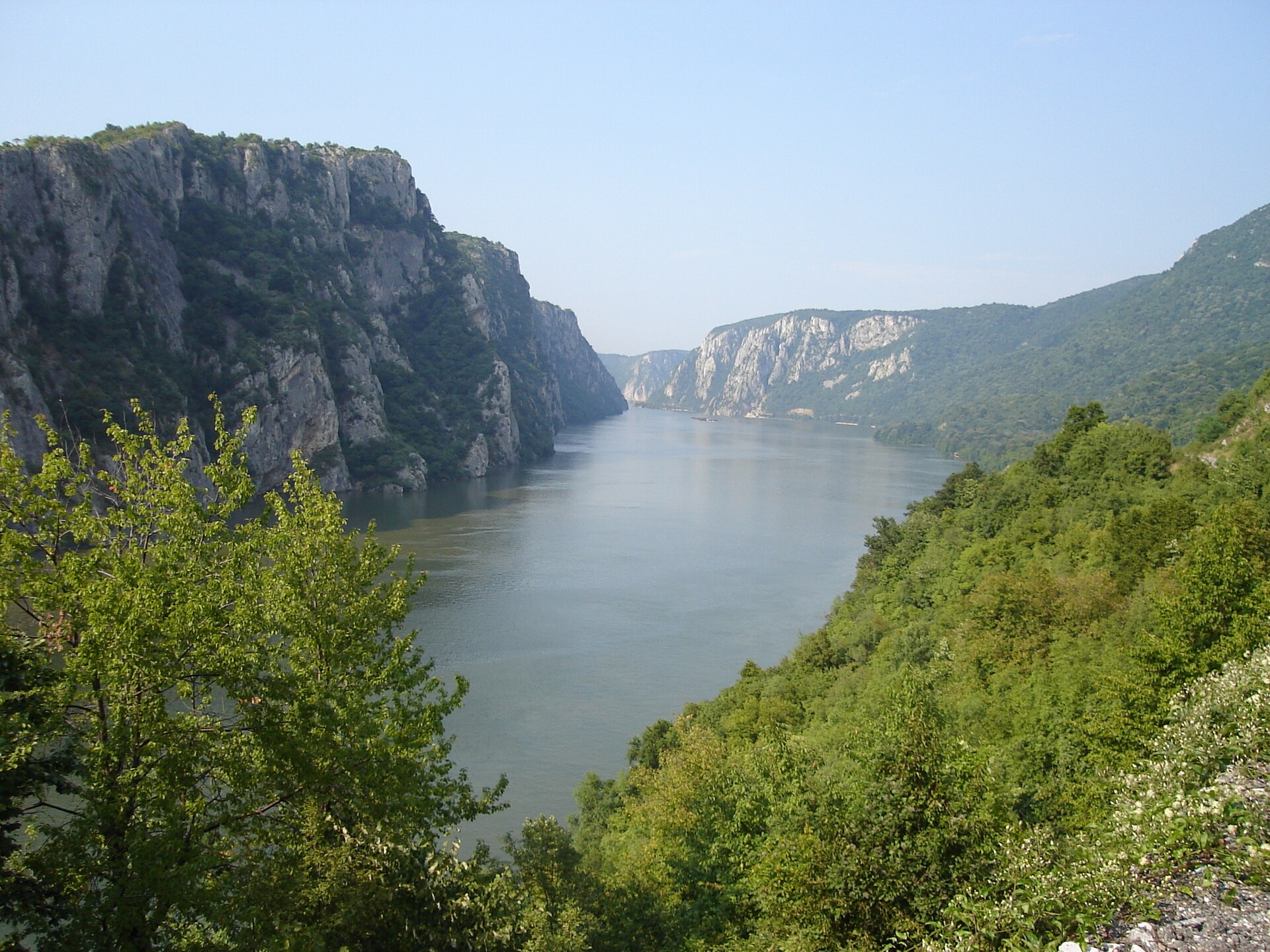
Natura 2000 · passage

Natura 2000 · breeding
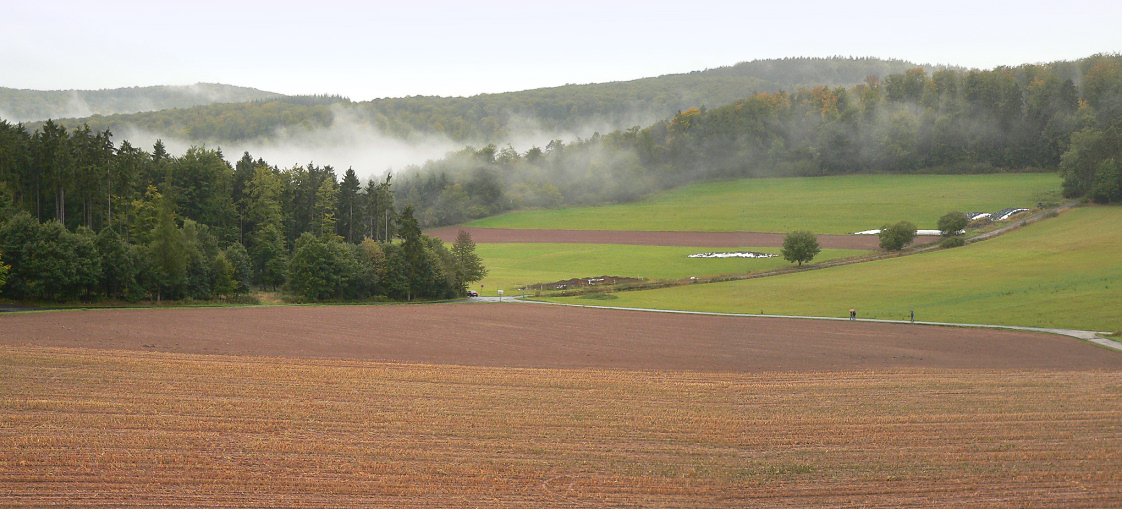
Natura 2000 · breeding
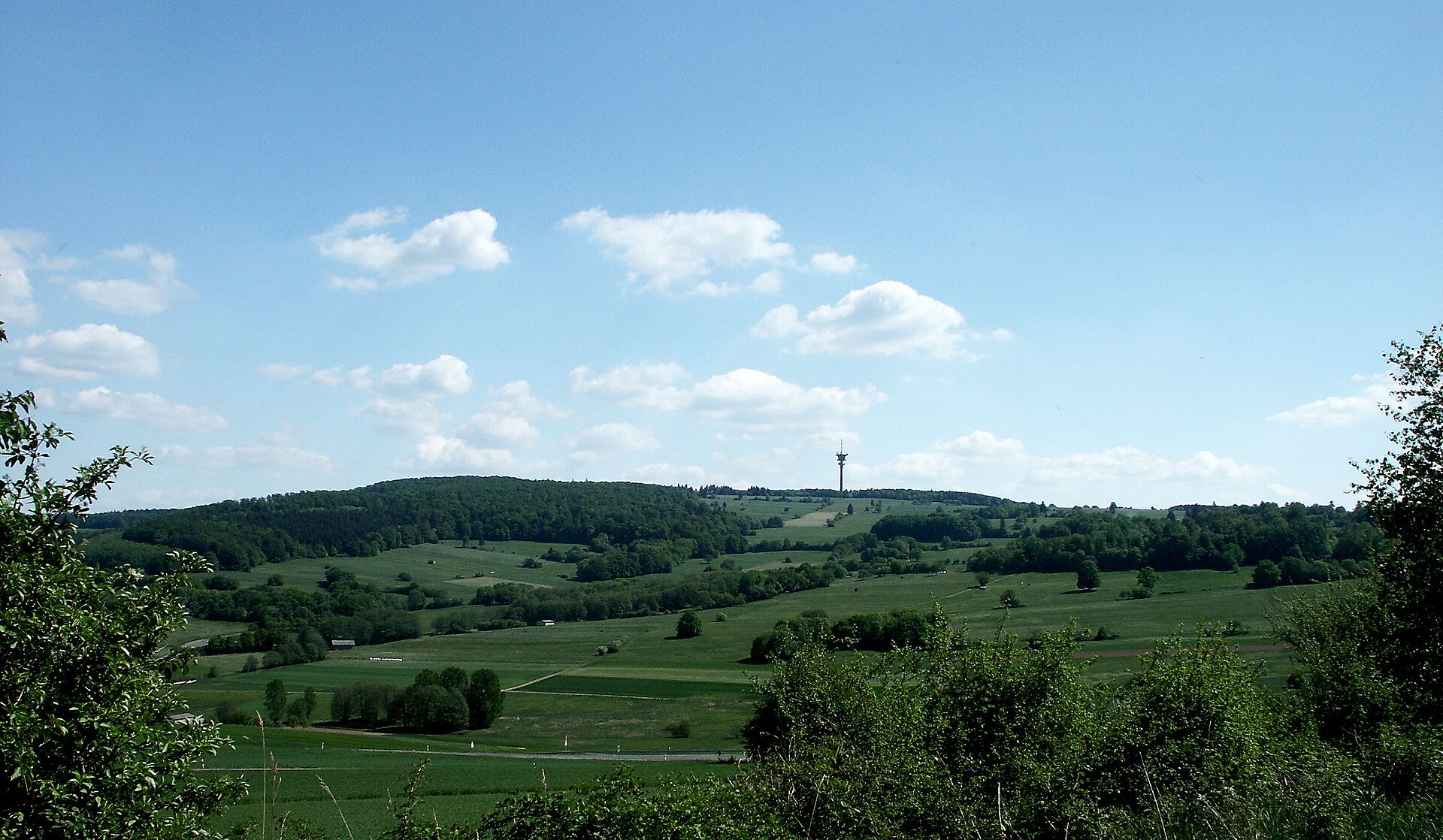
Natura 2000 · resident
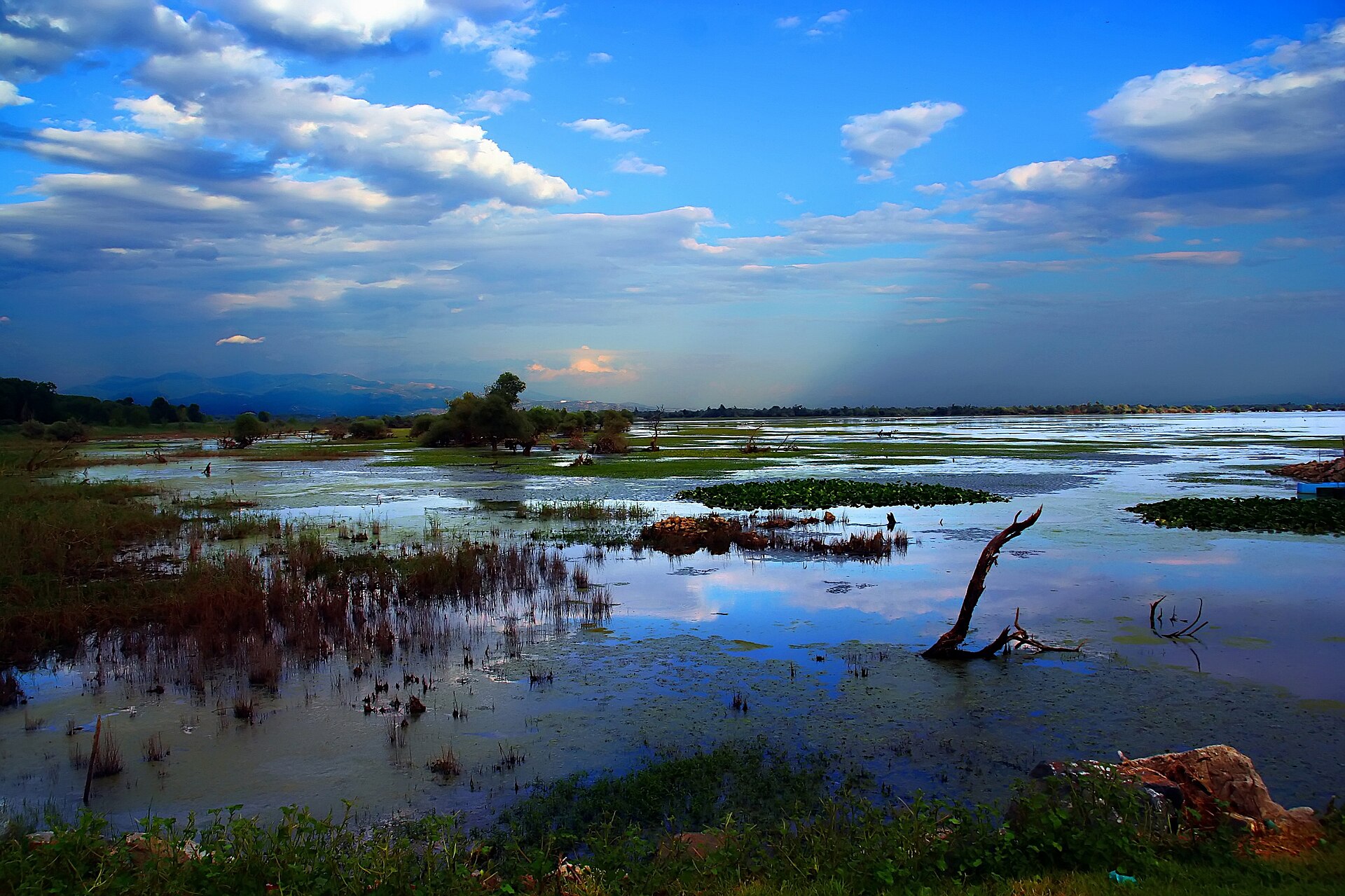
Natura 2000 · wintering
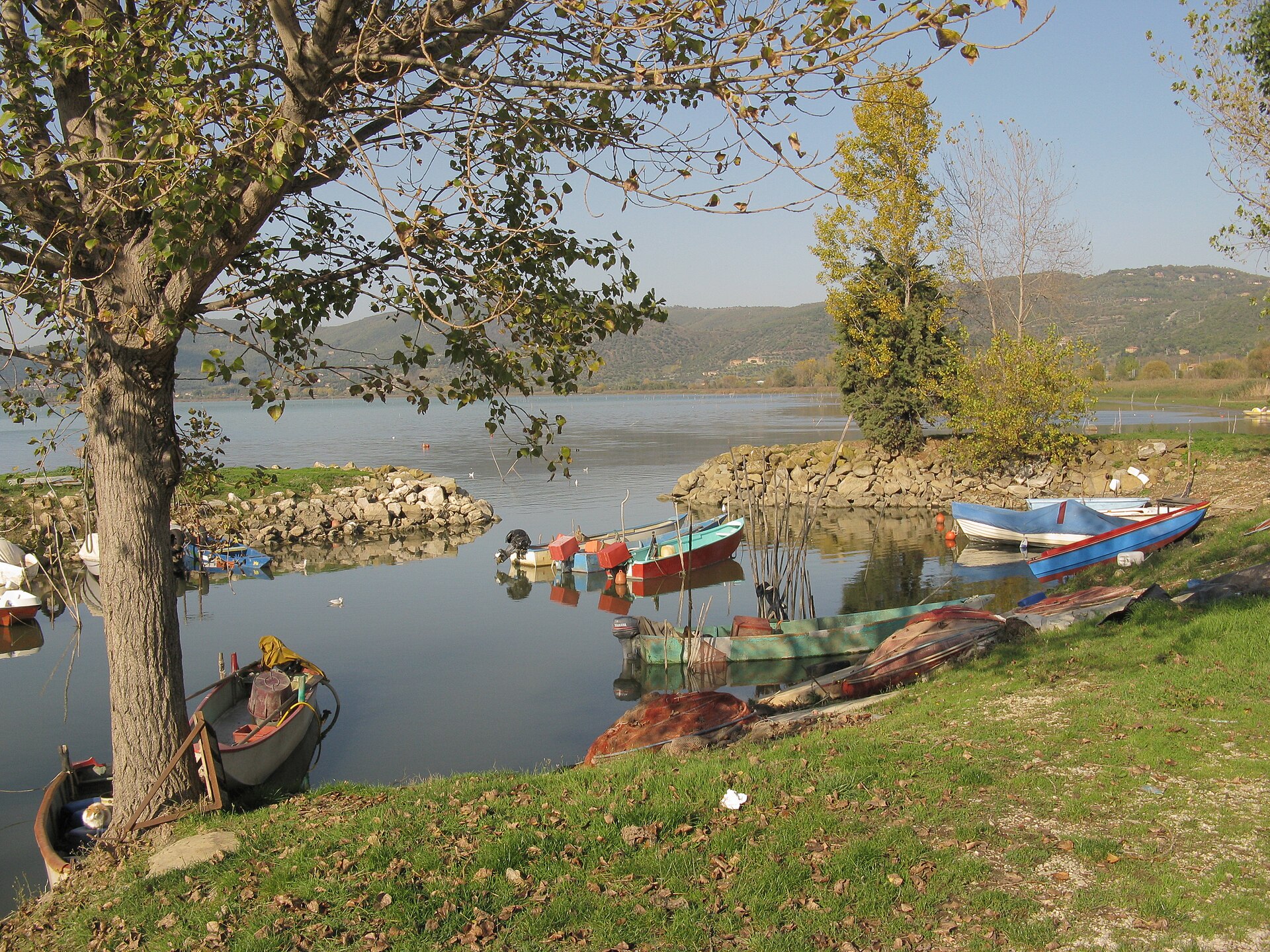
Natura 2000

Natura 2000 · breeding
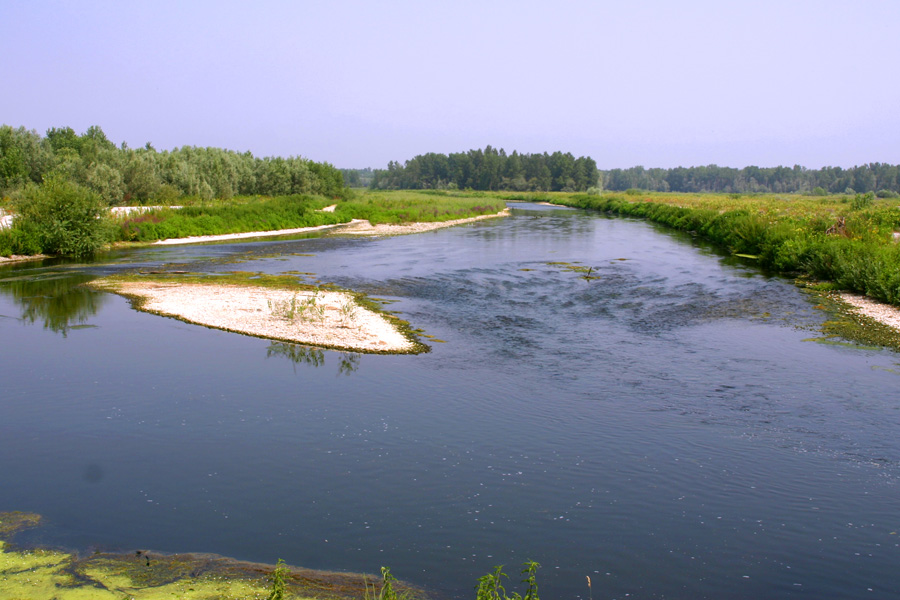
Natura 2000 · passage, breeding, wintering

Natura 2000 · breeding

Natura 2000 · wintering, breeding, passage
Natura 2000 · breeding, passage
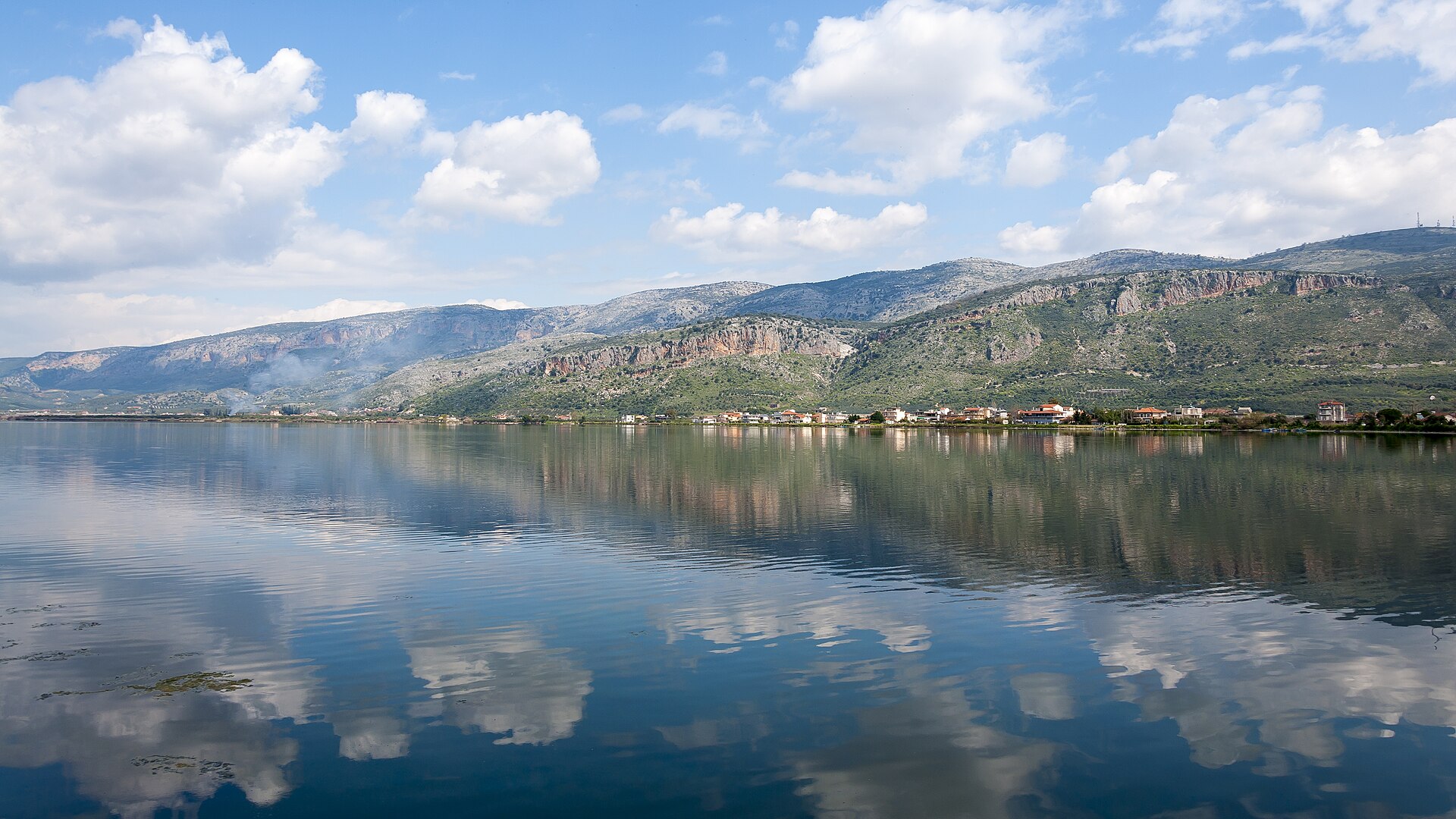
Natura 2000 · wintering
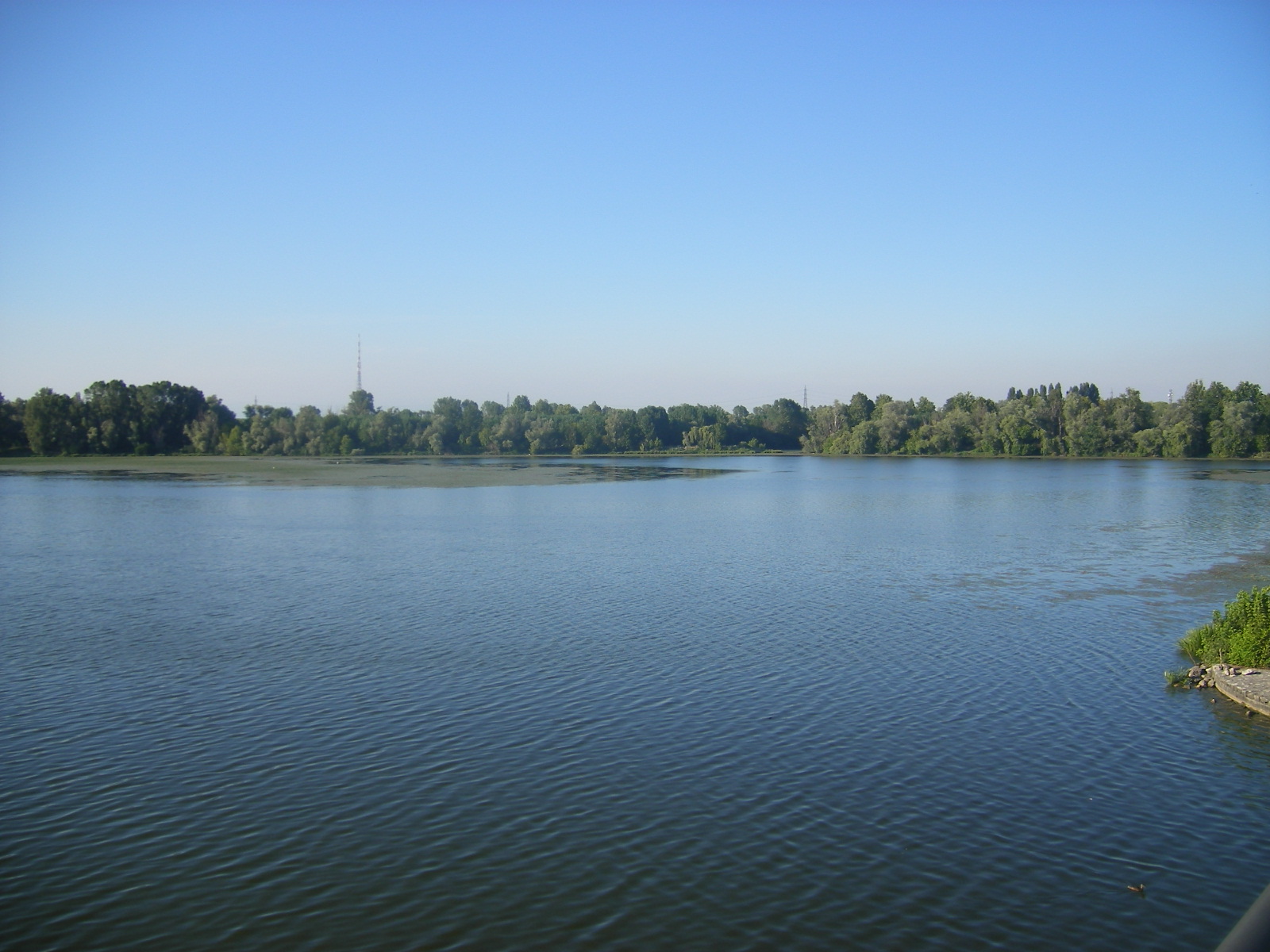
Natura 2000 · breeding, wintering, passage, resident
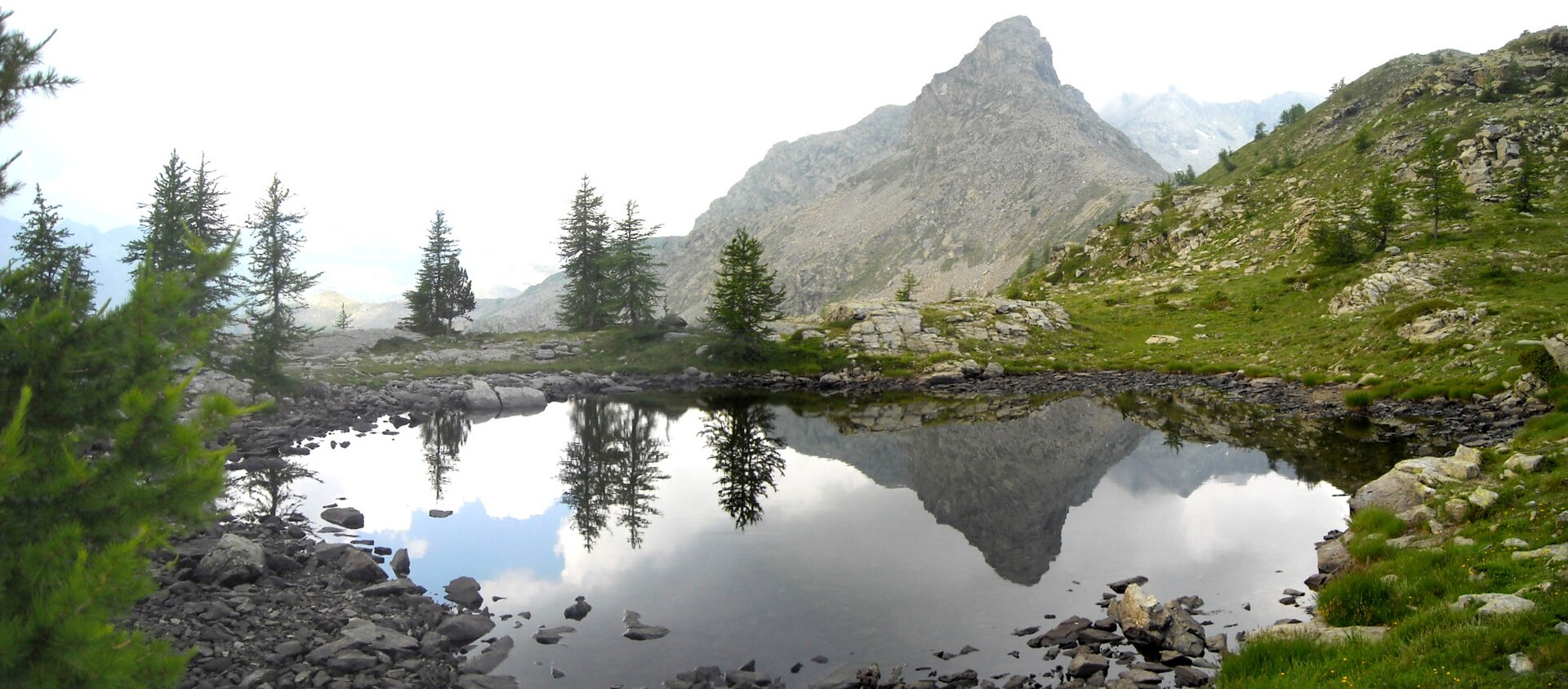
Natura 2000 · resident
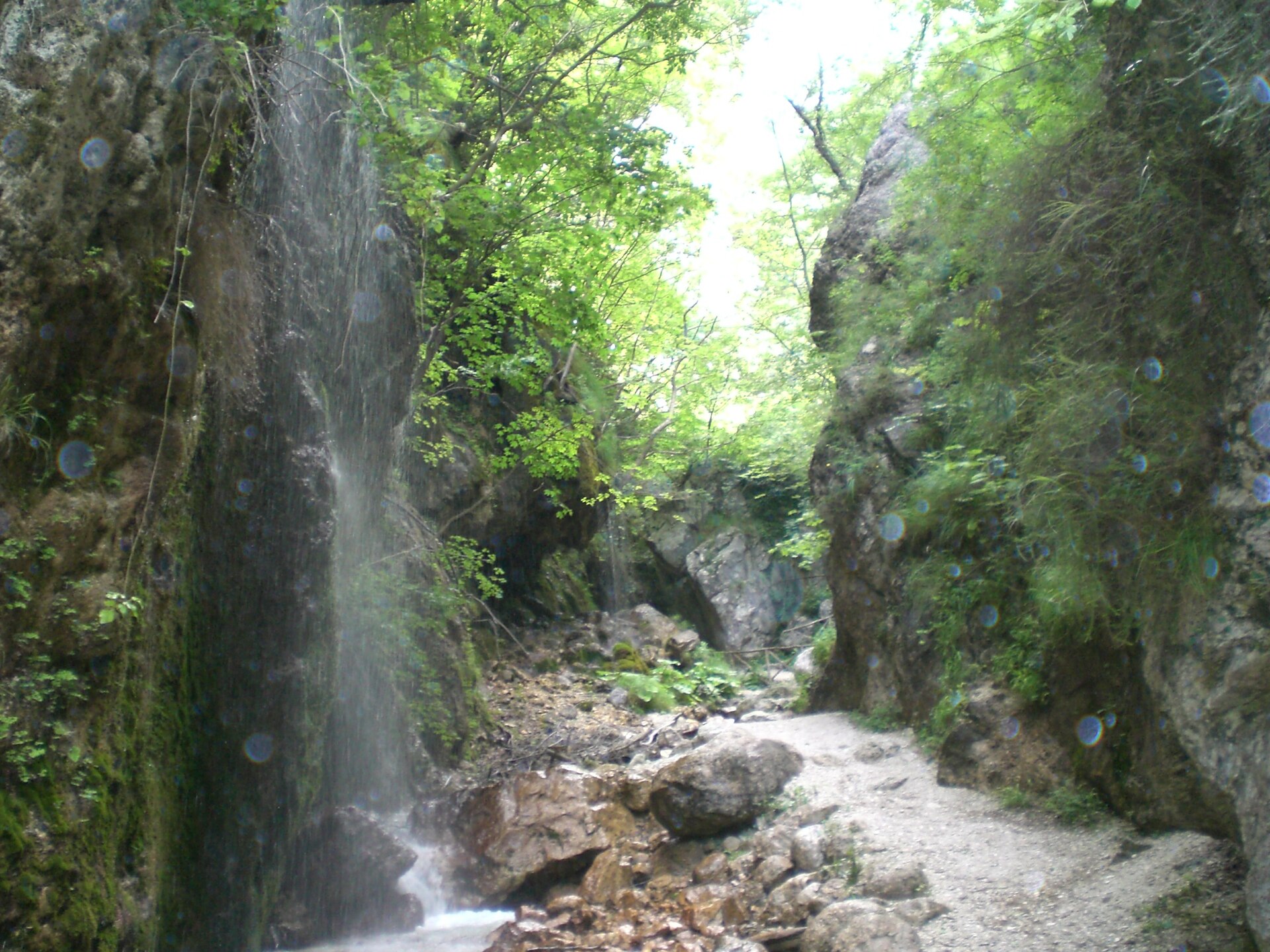
Natura 2000 · wintering, passage, breeding
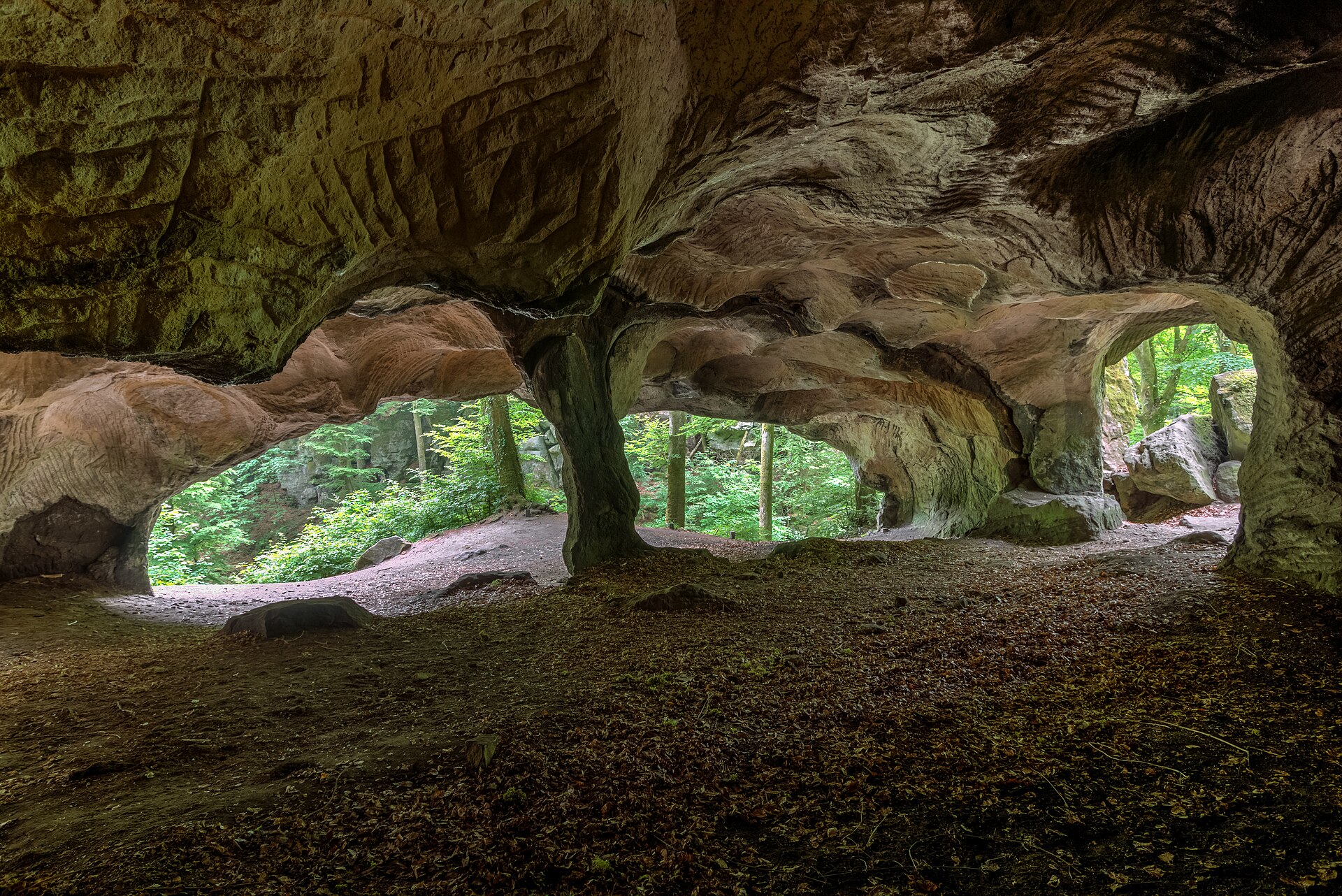
Natura 2000 · breeding
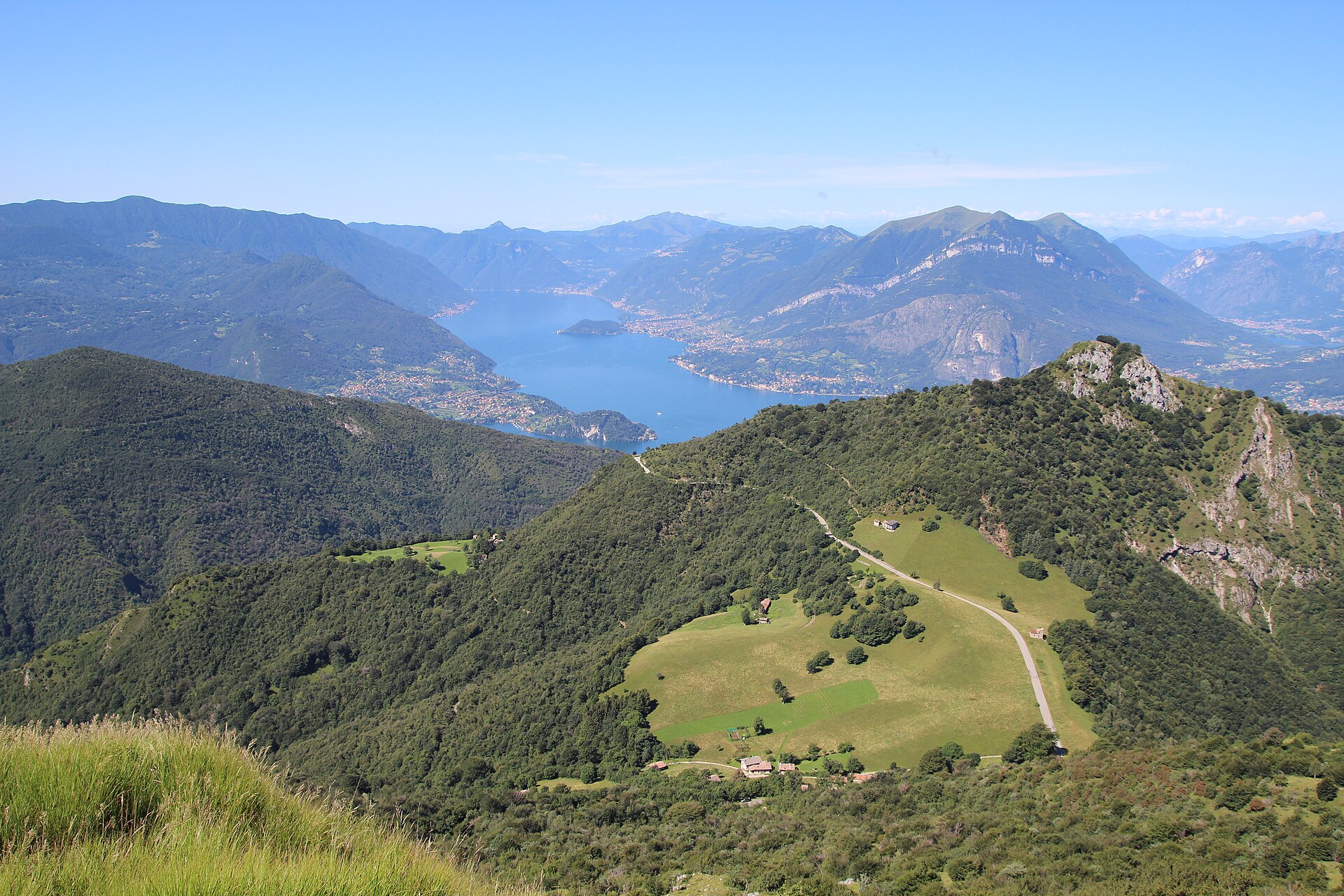
Natura 2000 · breeding
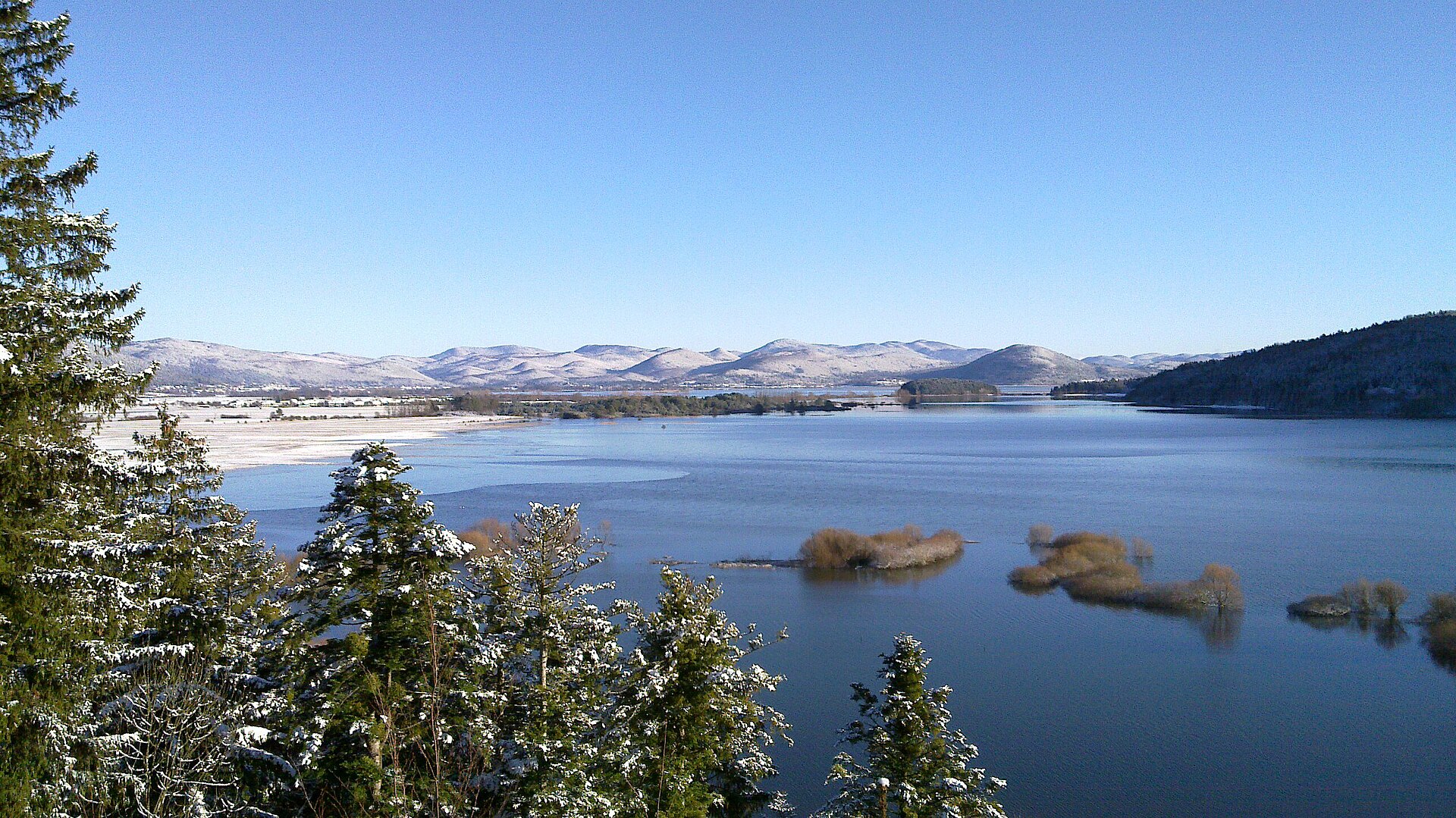
Natura 2000 · breeding
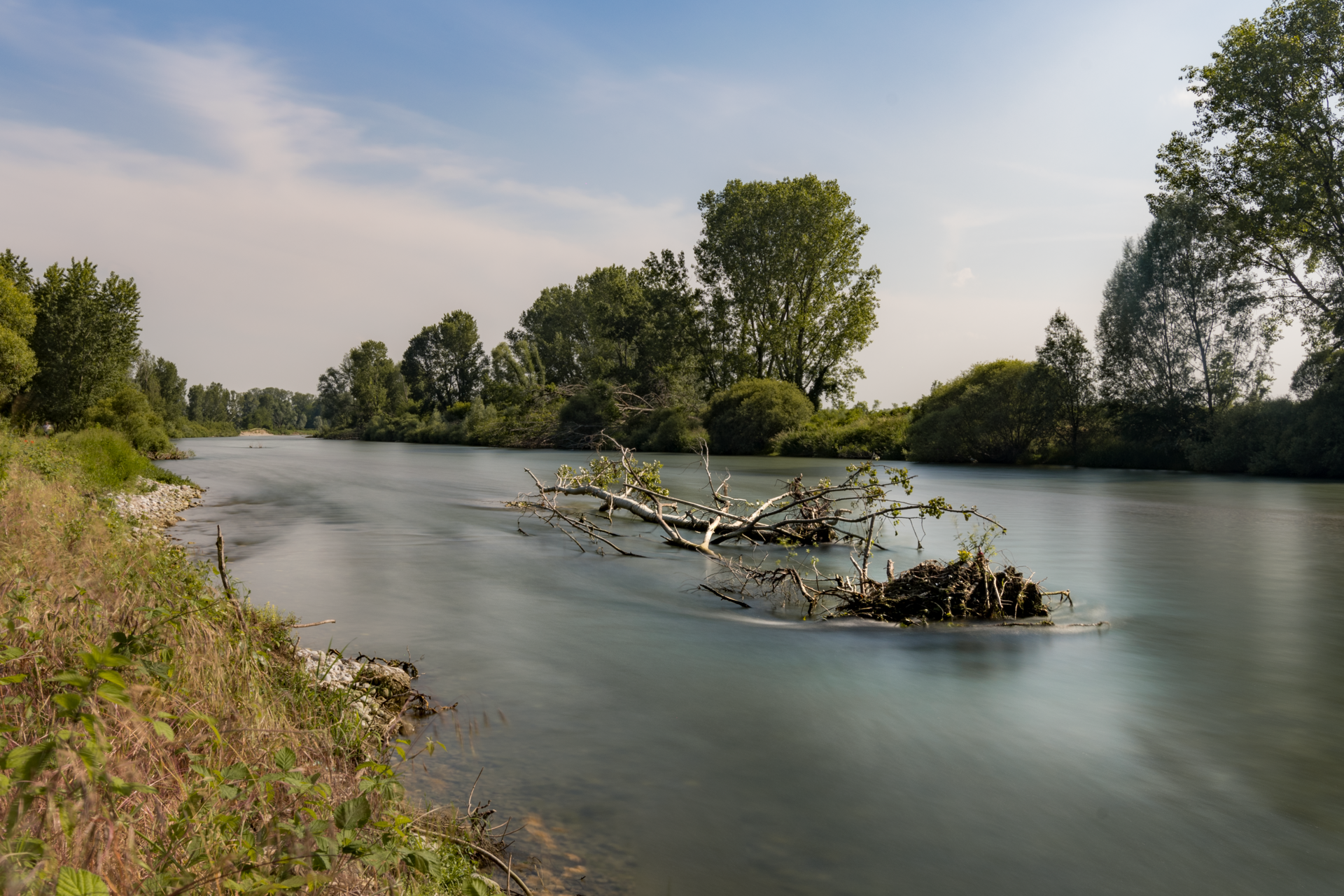
Natura 2000 · wintering, resident, passage, breeding
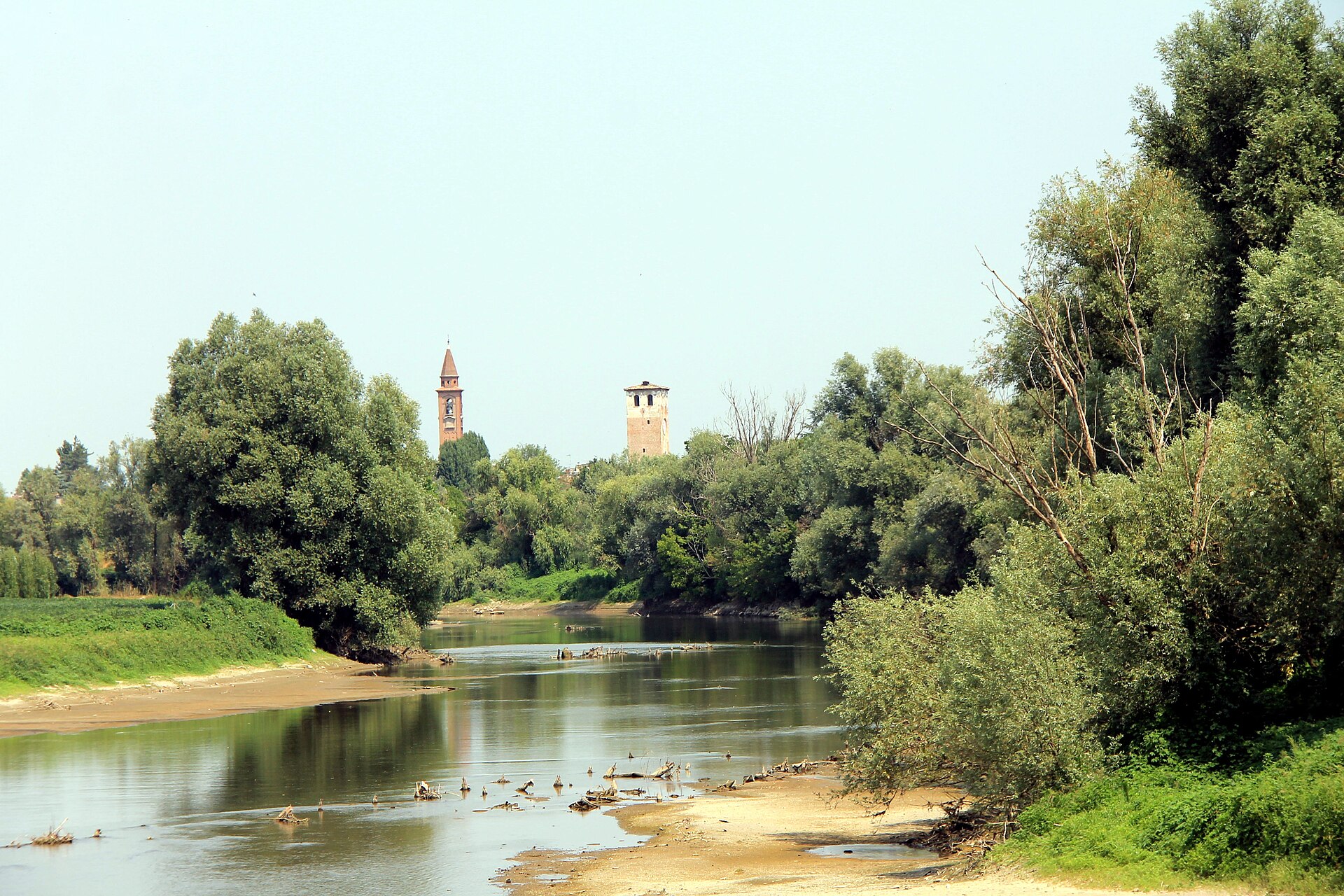
Natura 2000 · wintering, breeding, resident, passage
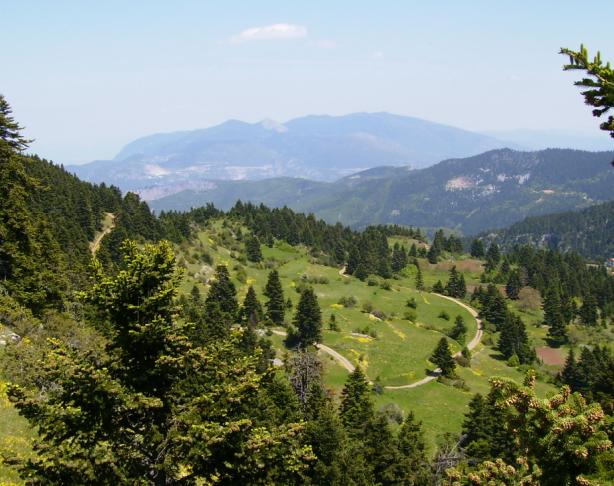
Natura 2000 · resident
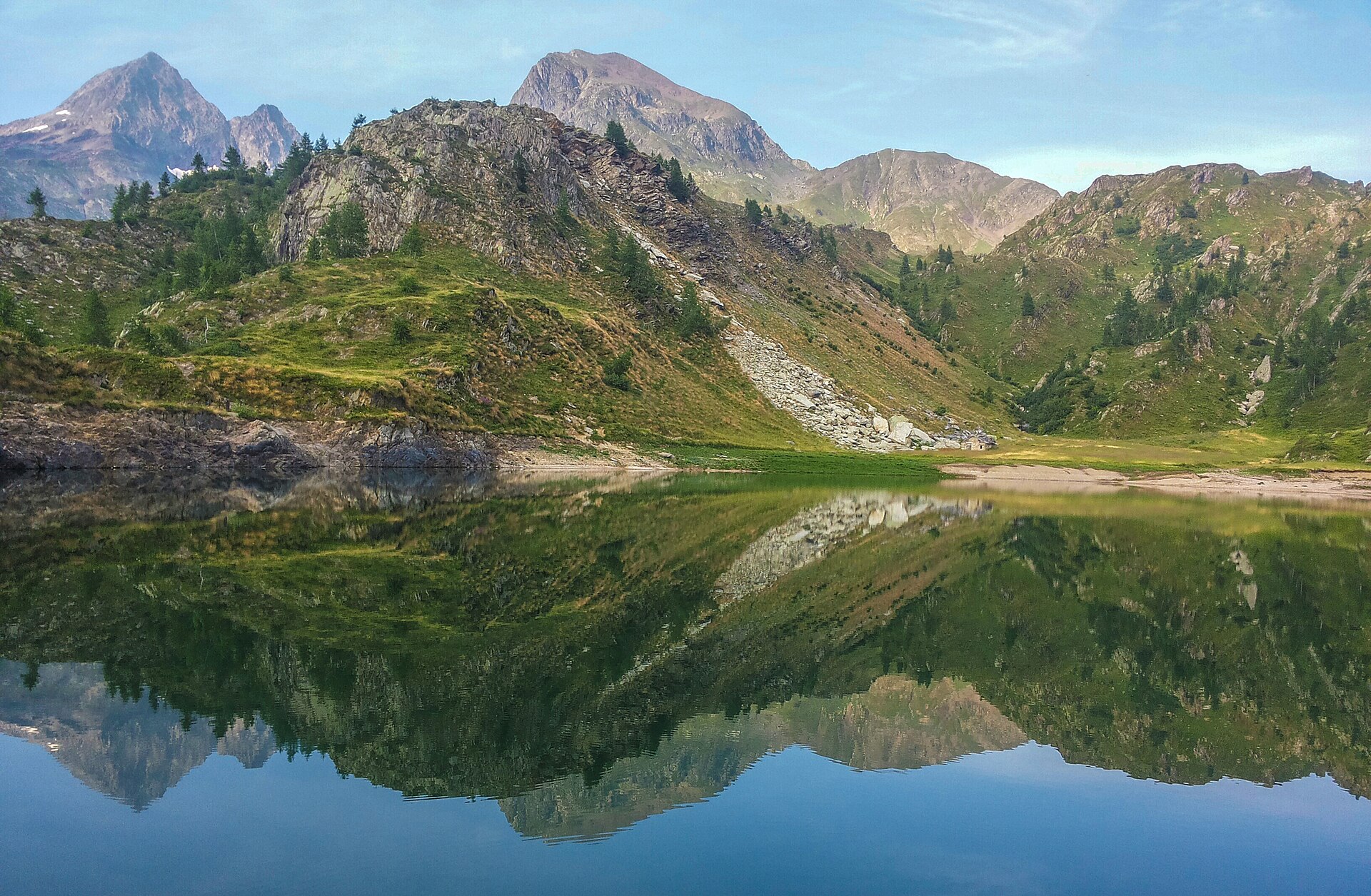
Natura 2000 · breeding
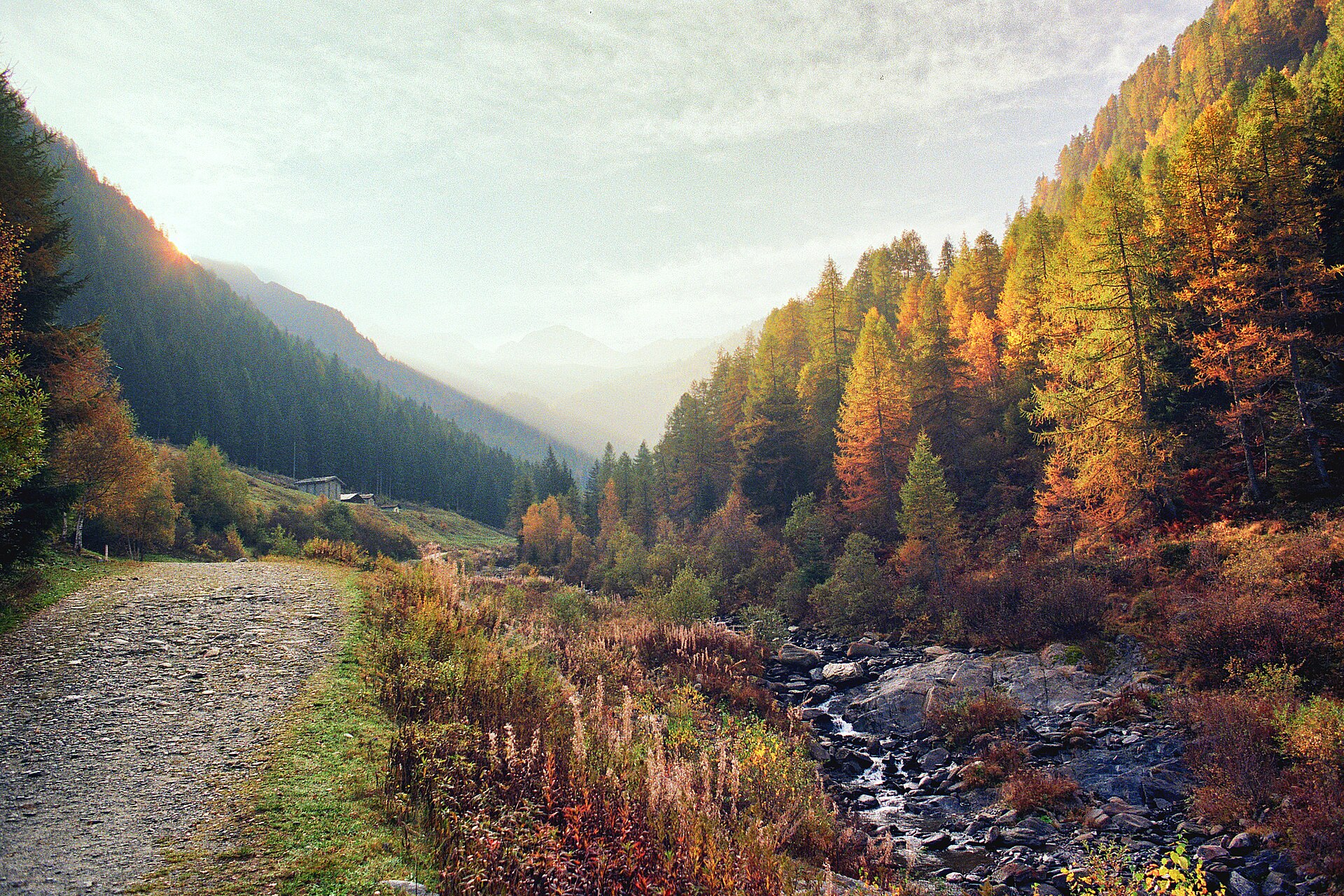
Natura 2000 · breeding
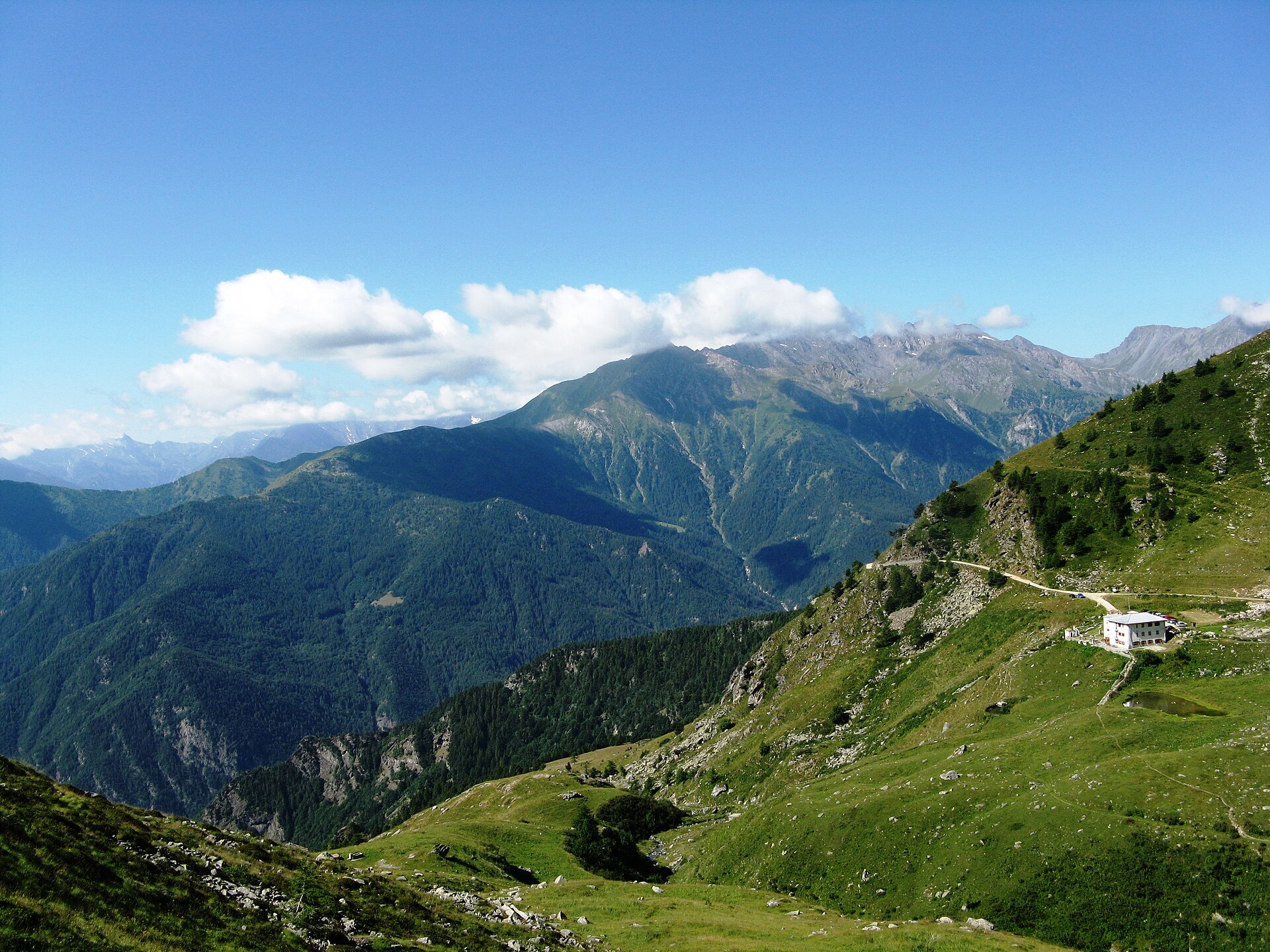
Natura 2000 · breeding

Natura 2000 · breeding
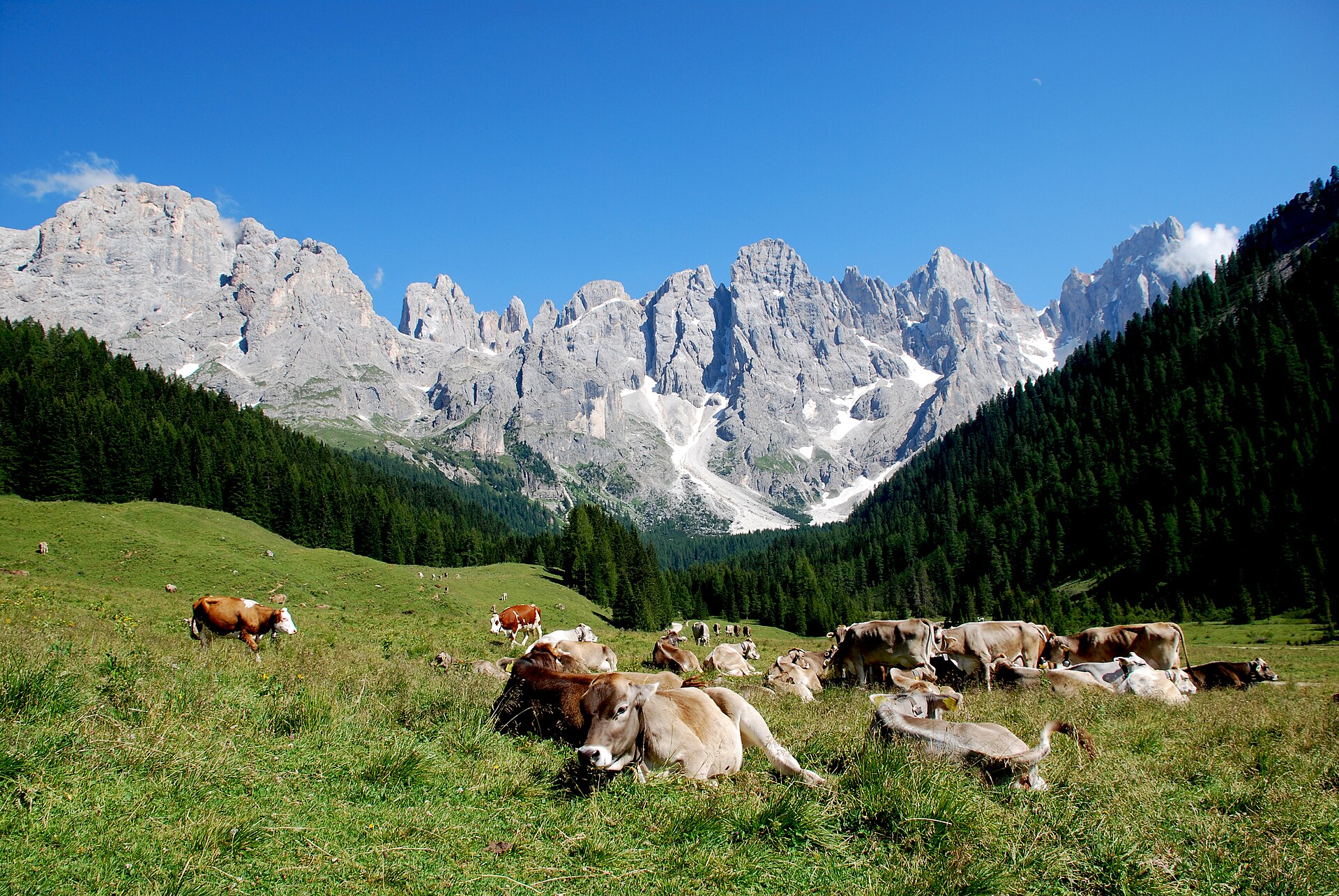
Natura 2000 · breeding
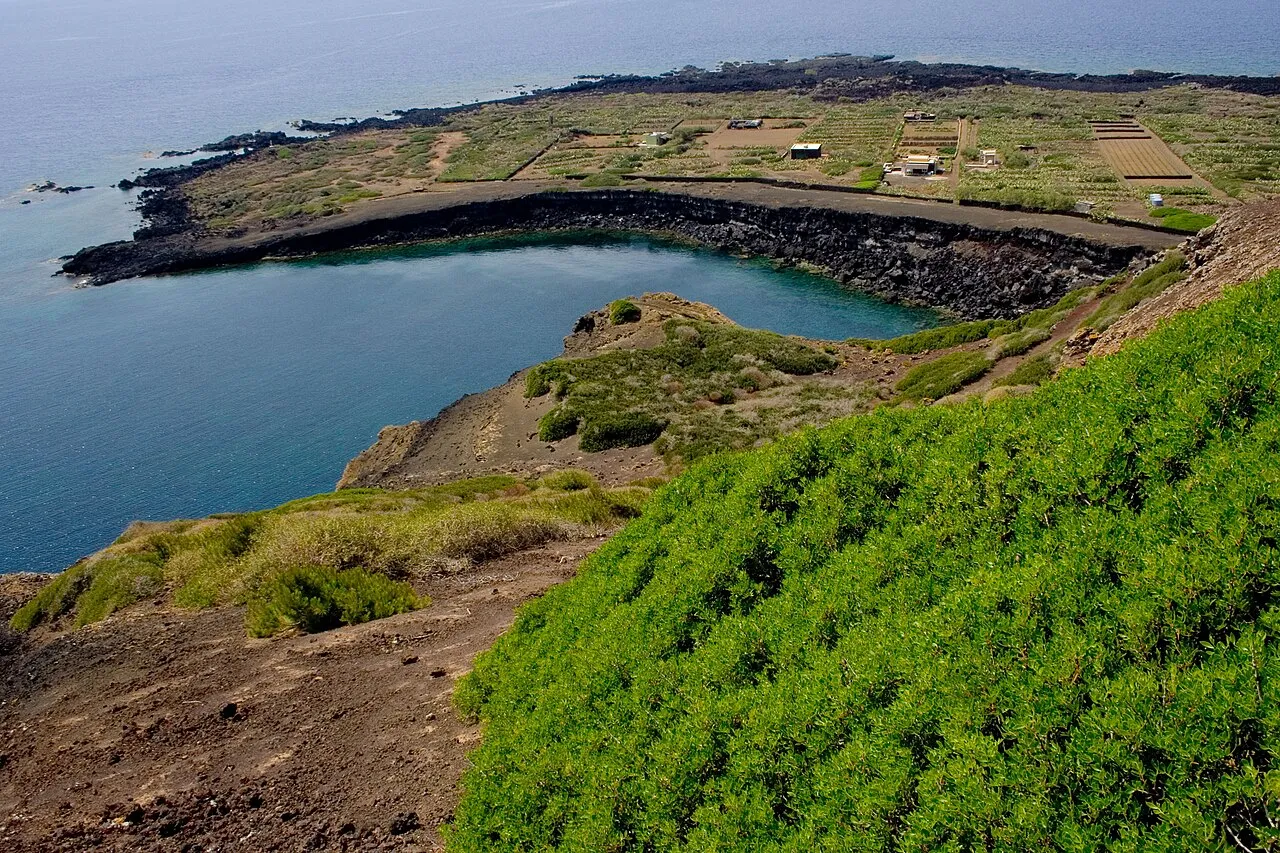
Natura 2000 · passage
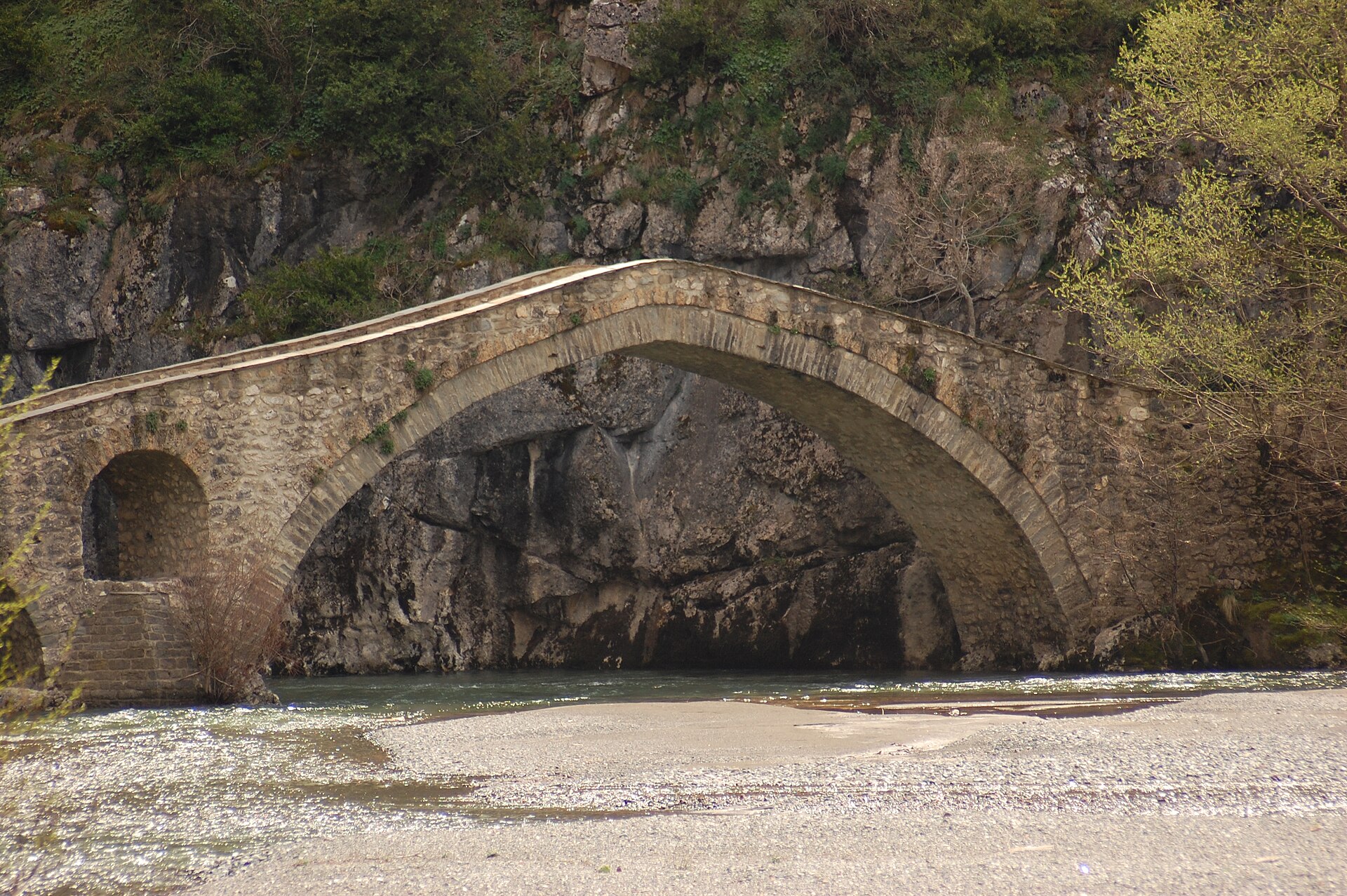
Natura 2000 · breeding
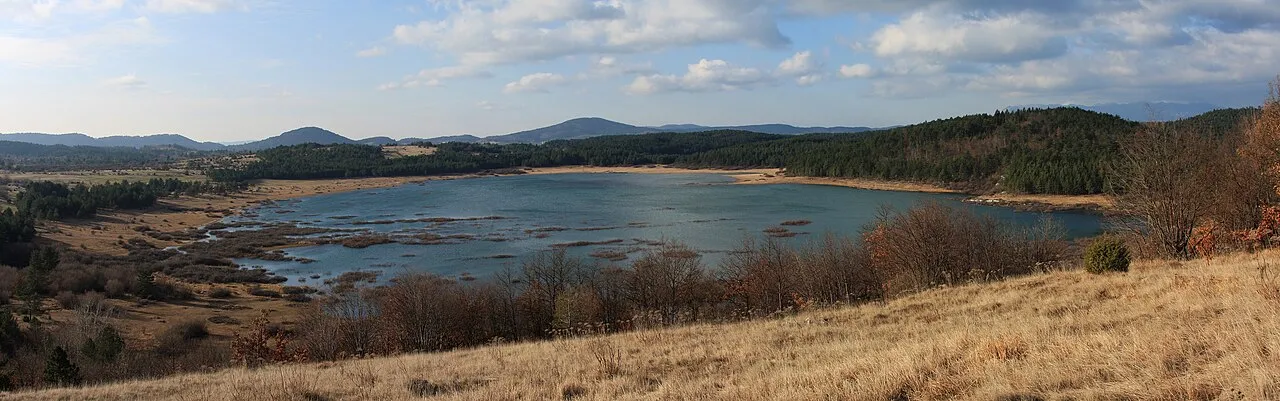
Natura 2000 · breeding
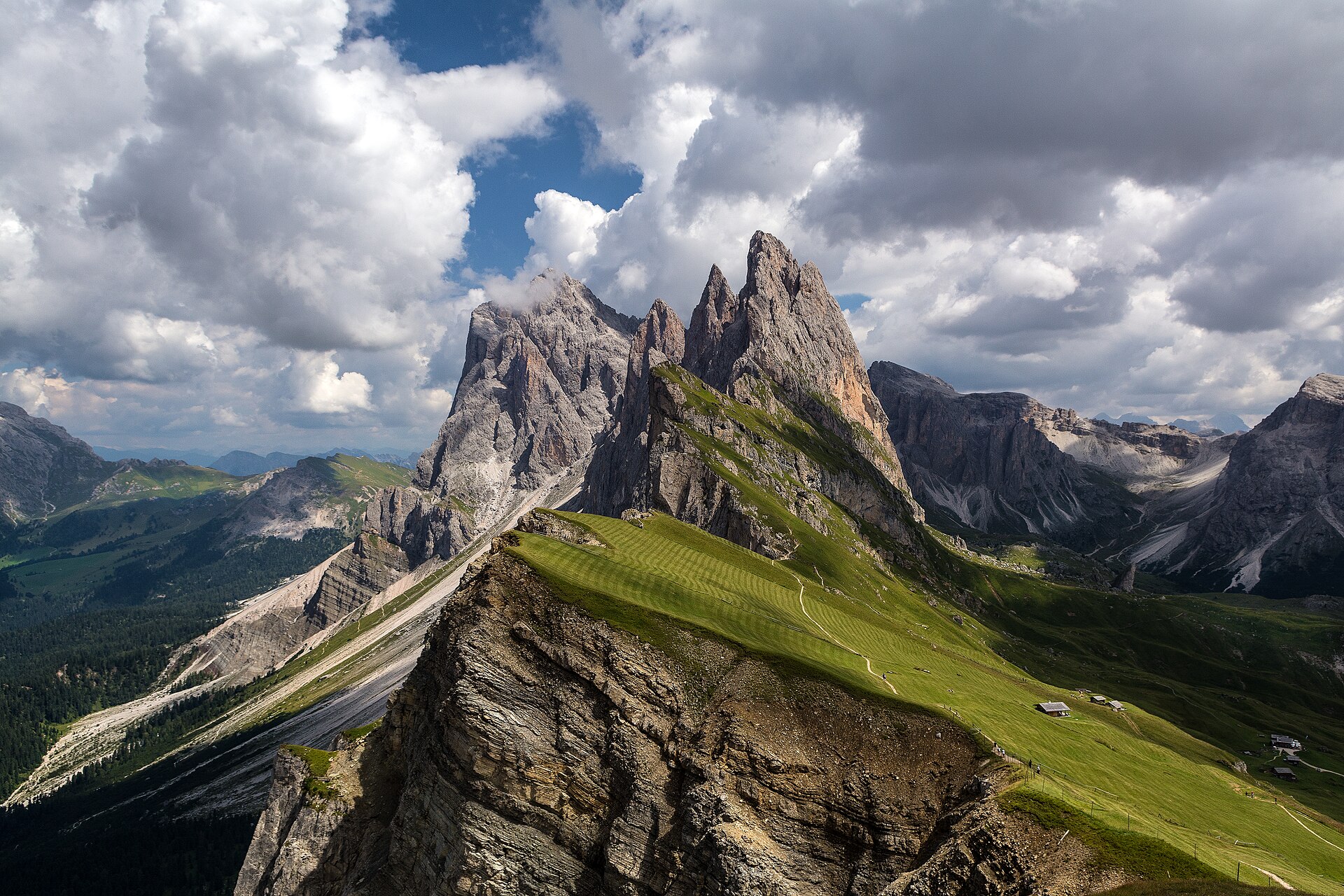
Natura 2000 · breeding
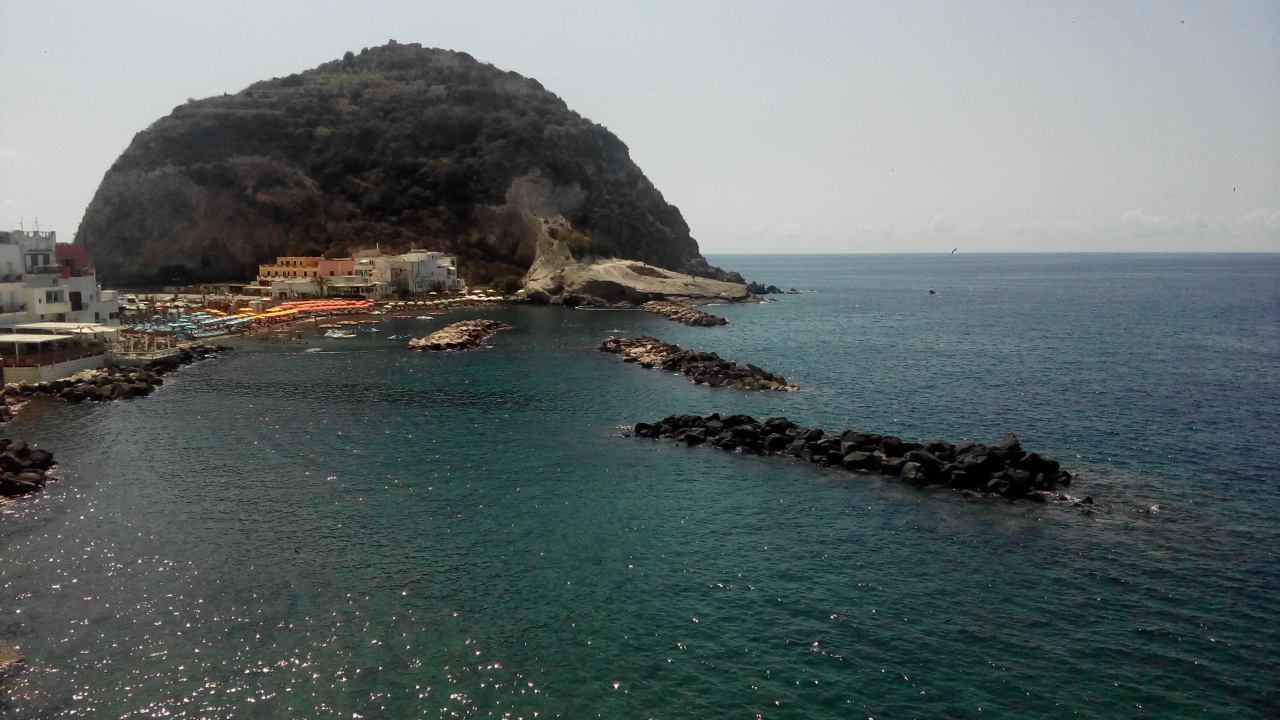
Natura 2000 · passage
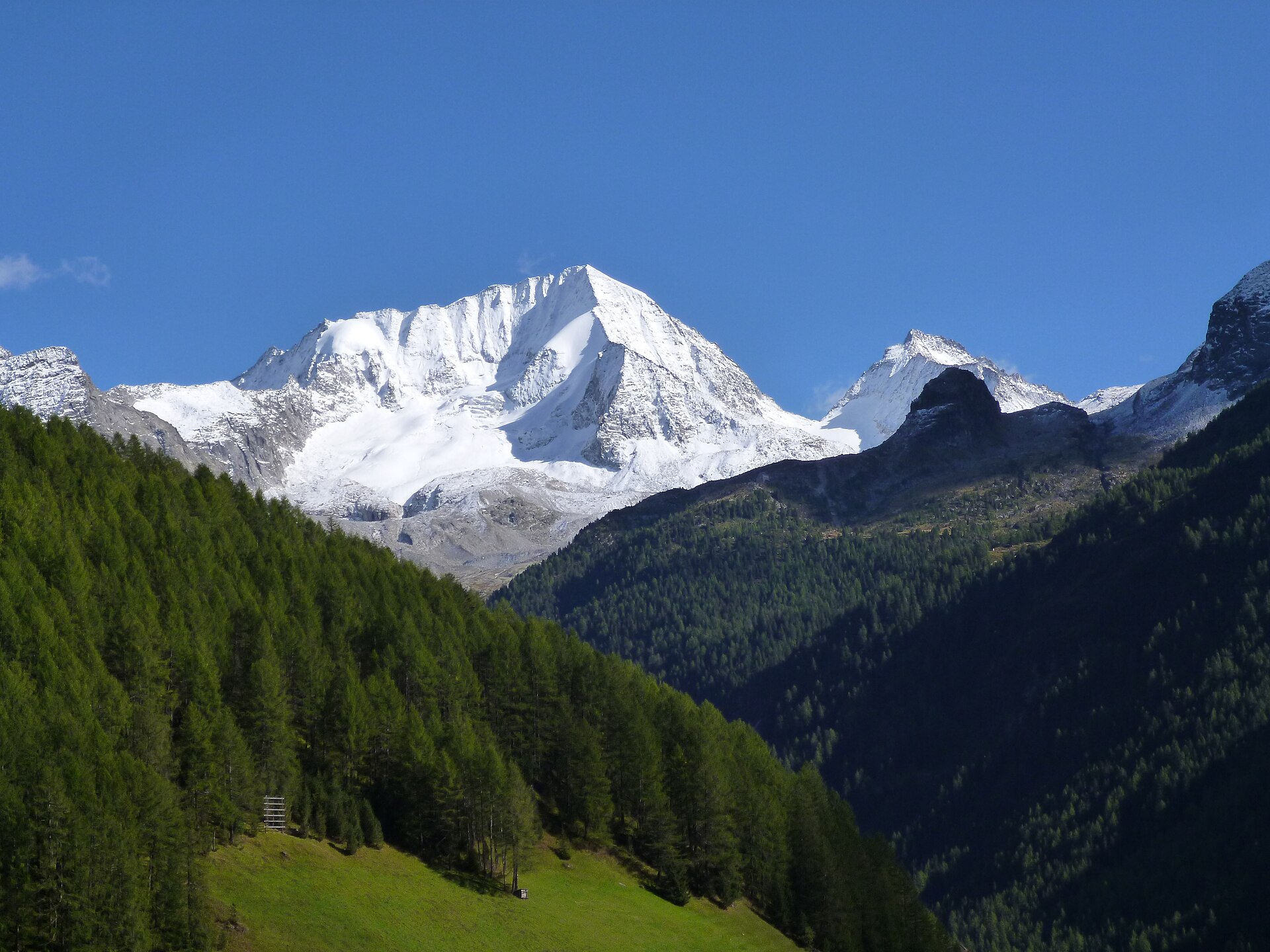
Natura 2000 · breeding
Natura 2000 · wintering

Natura 2000 · breeding
Natura 2000 · breeding

Natura 2000 · breeding
Natura 2000 · breeding
Natura 2000 · breeding

Natura 2000 · breeding
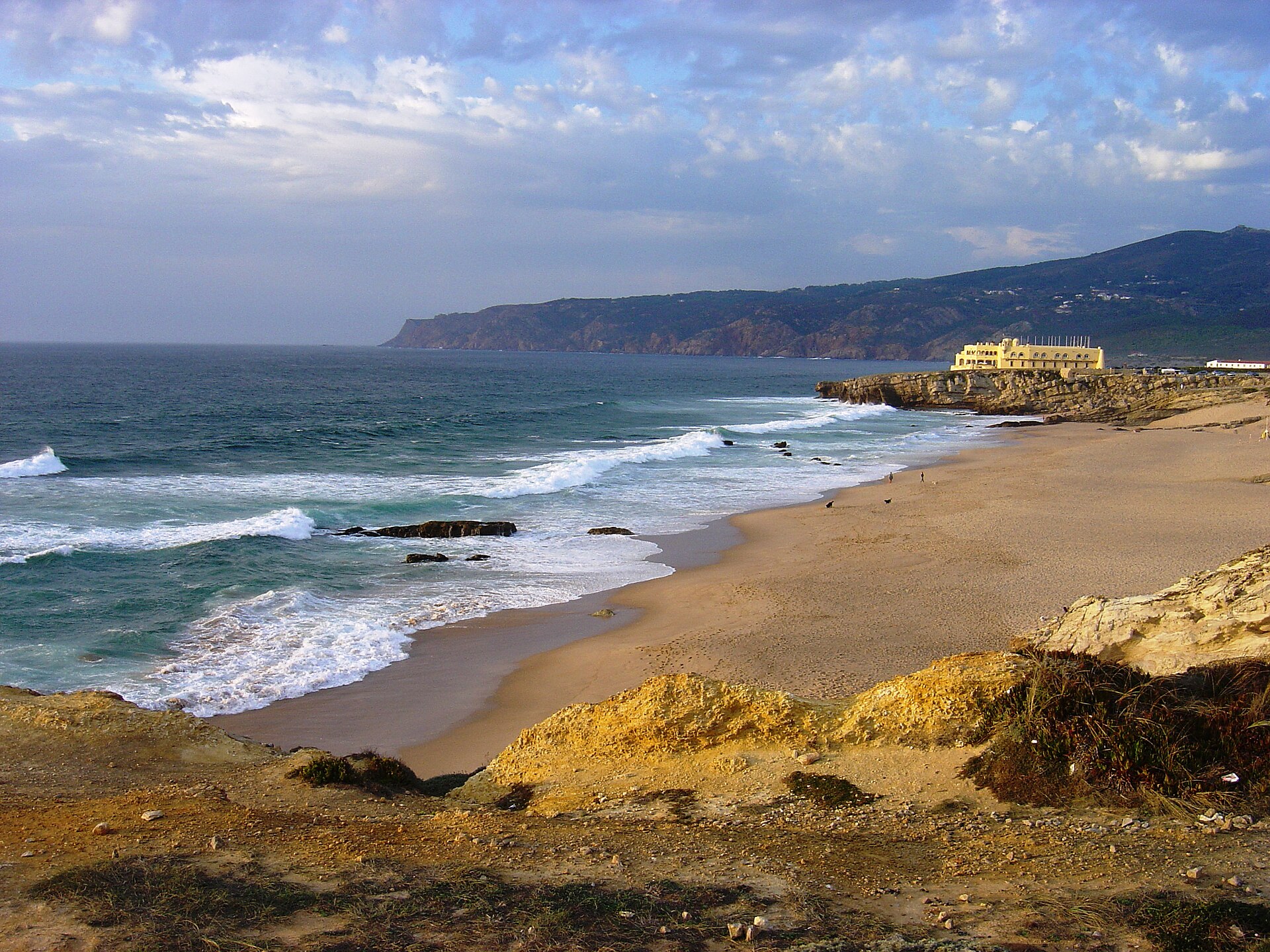
Natura 2000 · wintering
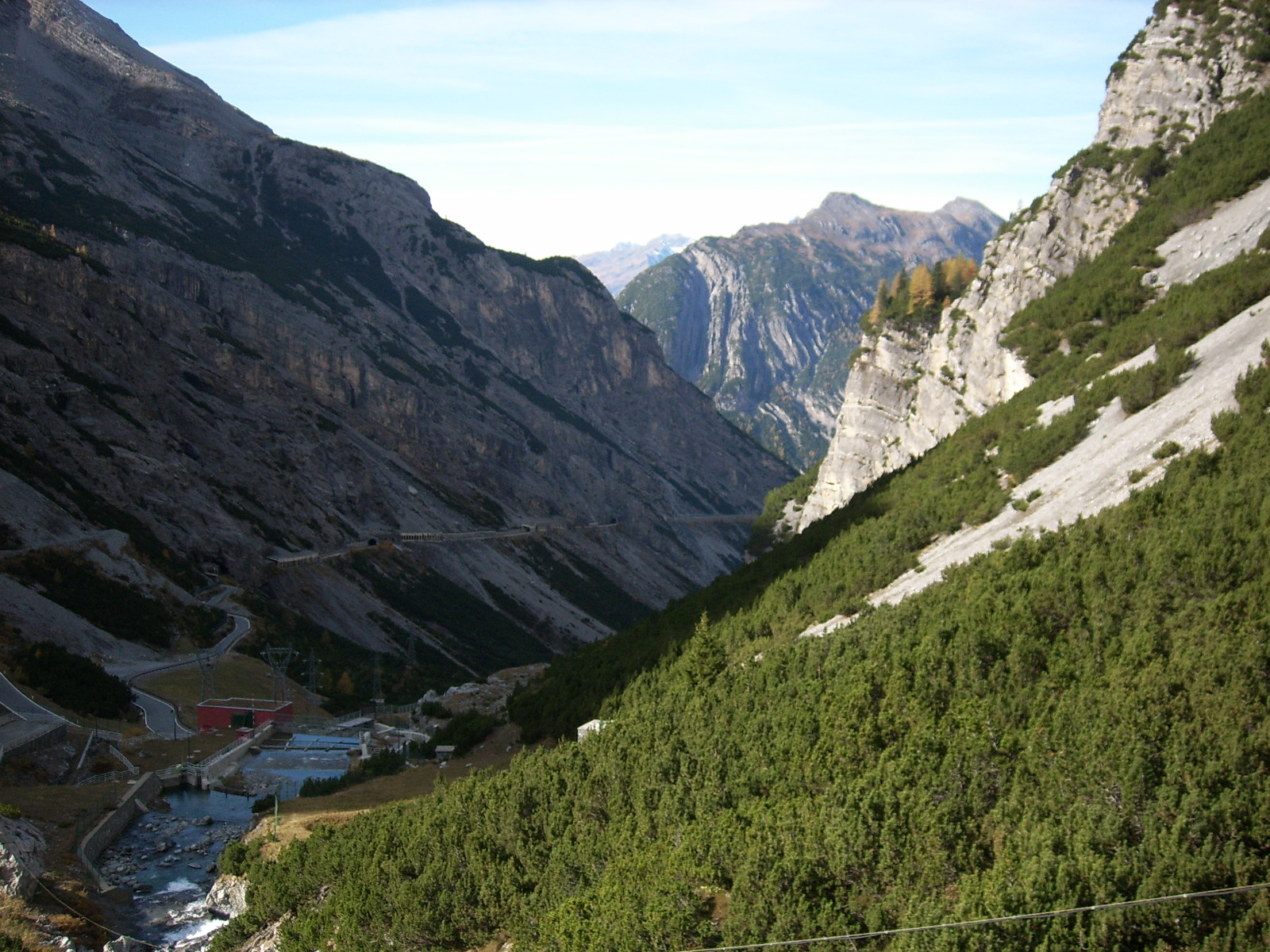
Natura 2000 · breeding, passage
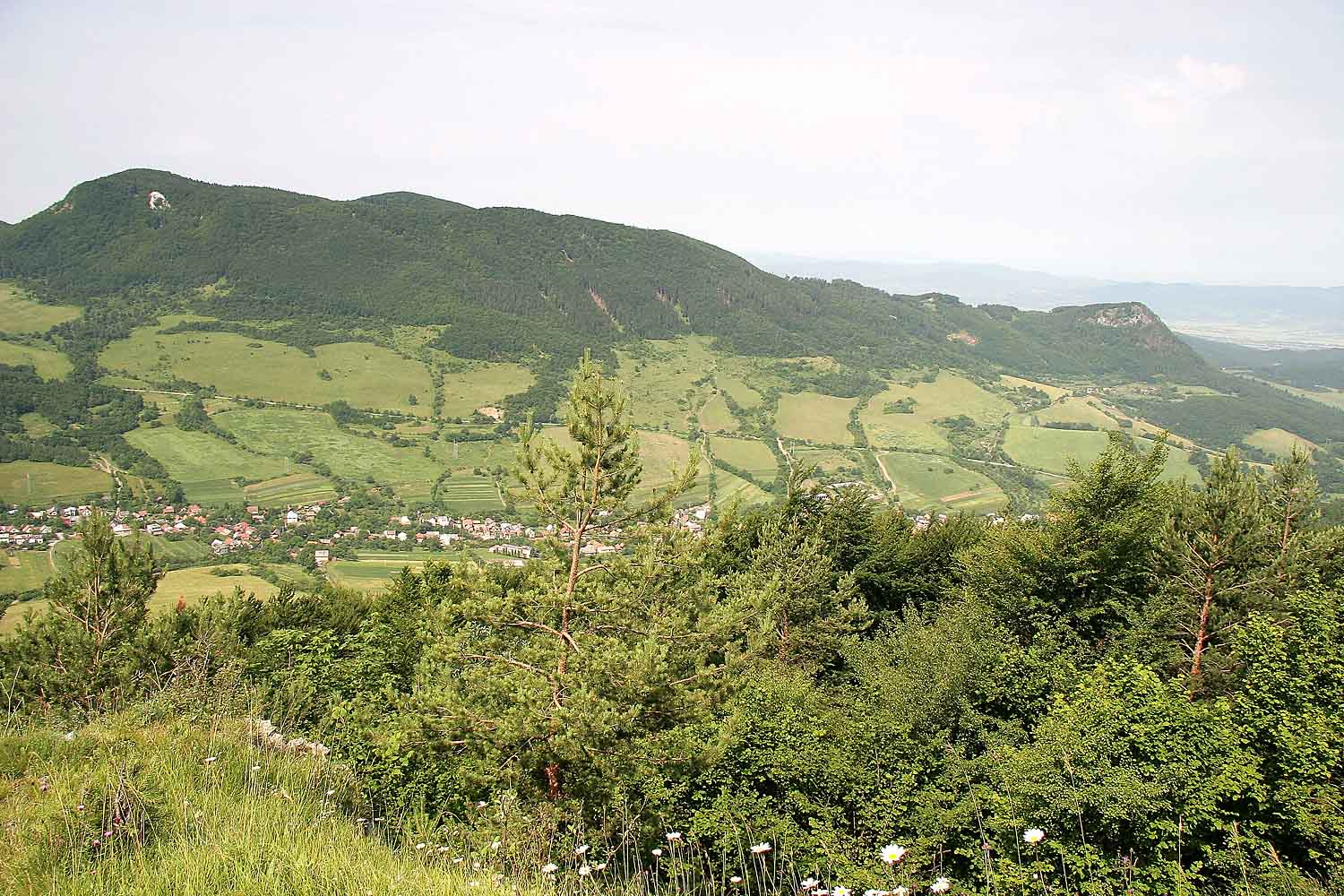
Natura 2000
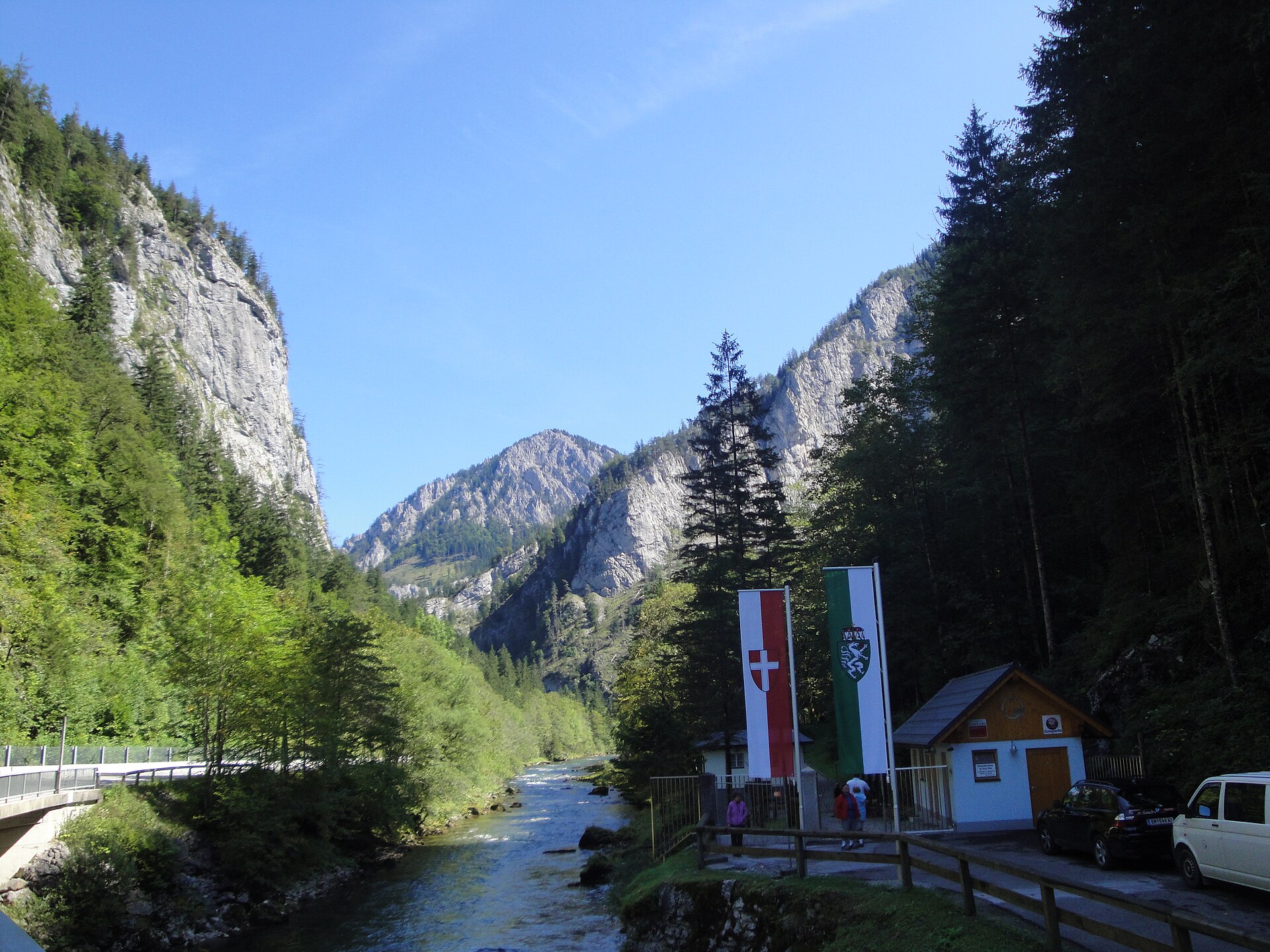
Natura 2000 · passage, breeding
Natura 2000 · breeding
Natura 2000 · breeding
Natura 2000 · wintering, breeding, passage
Natura 2000 · resident, passage, wintering, breeding
Natura 2000 · passage

Natura 2000 · passage

Natura 2000 · wintering, passage

Natura 2000 · breeding
Natura 2000 · breeding
Other species to discover
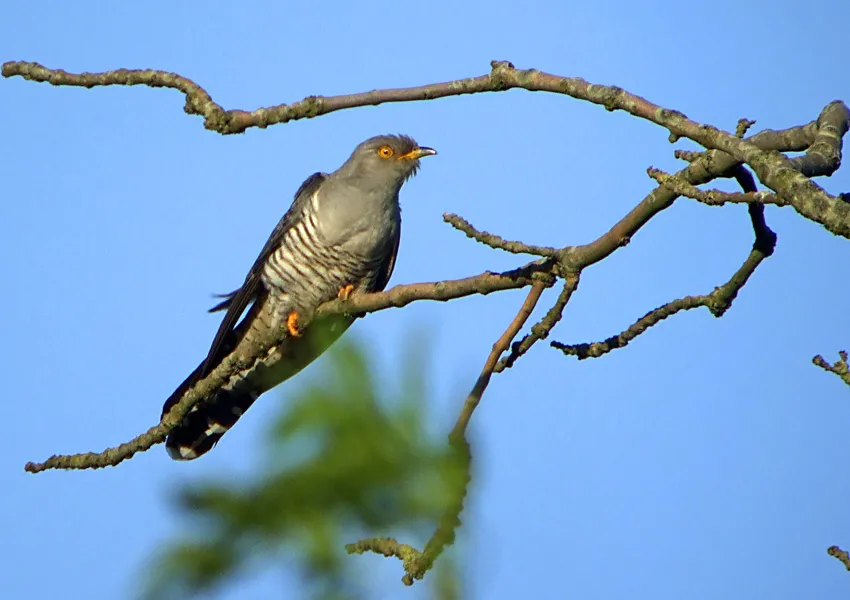

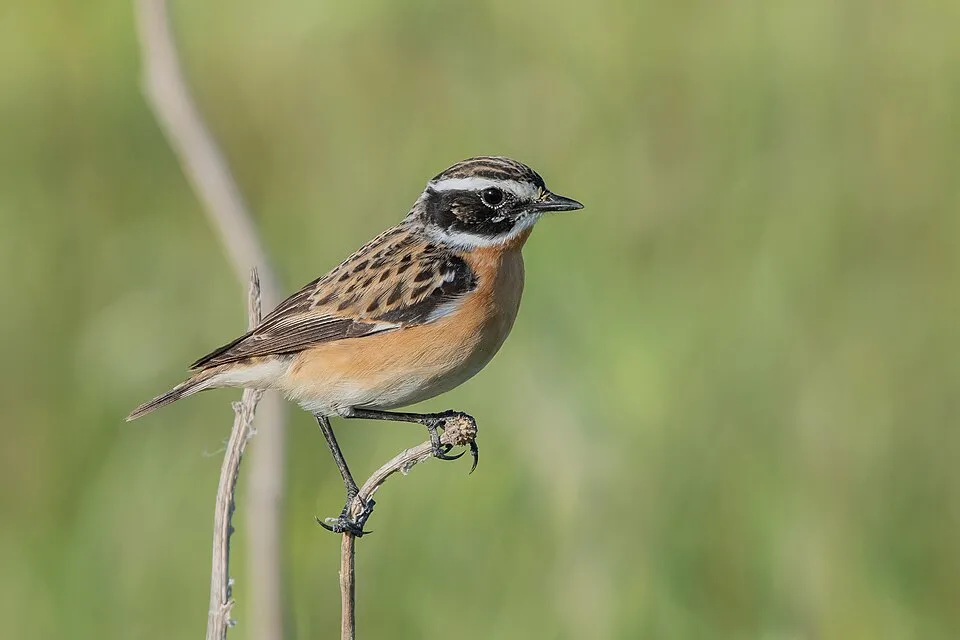
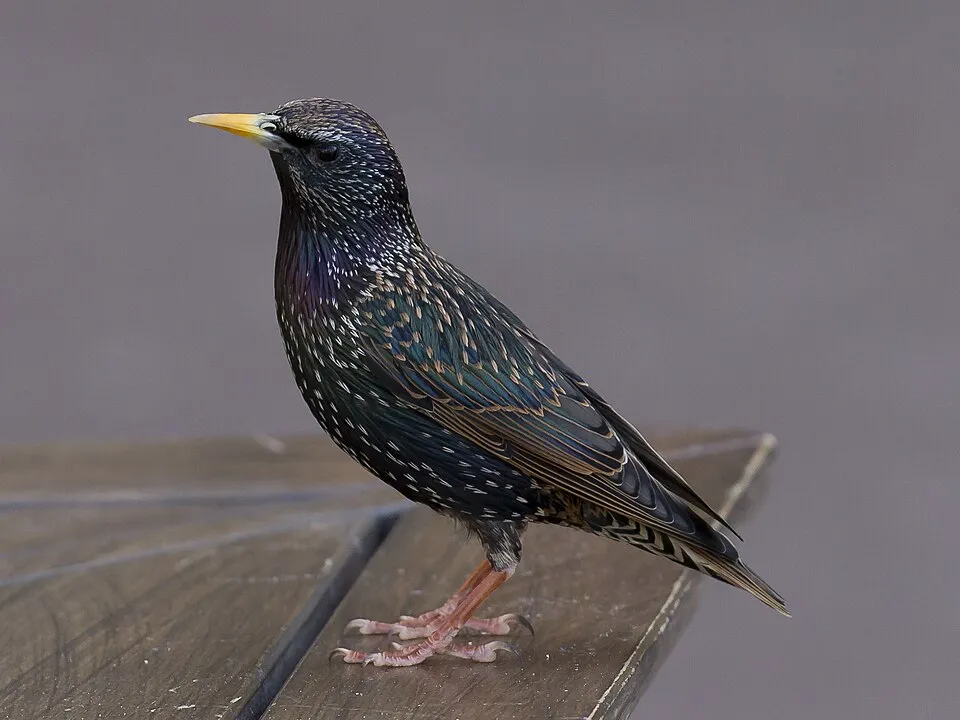
Sources and credits
- Presence: most-recorded species of each place on GBIF and species of Community interest in the Natura 2000 forms (EEA, CC-BY 4.0); absence from the list does not mean the species is absent.
- Common names: Wikidata (CC0) and GBIF.
- Photos and sounds: Wikimedia Commons, author and licence given for each file.
- Classification: GBIF Backbone Taxonomy (GBIF Secretariat), CC BY 4.0, doi:10.15468/39omei.
- Countries, elevations, months and maps: GBIF.org, CC0 or CC BY 4.0 occurrences only, accessed October 22, 2026, GBIF.org.
- Base map: Natural Earth (public domain).
- Excerpt: Wikipedia, CC BY-SA 4.0 (full credit below the excerpt).
- Key facts: Wikidata (CC0), with the references cited under each value.
- Annexes: Directive 2009/147/EC (consolidated version), © European Union, EUR-Lex.
- EU bird populations: EEA / DG ENV, Article 12 Birds Directive reporting (2013–2018), CC BY 4.0.
- Invasive alien species: Union list, Regulation (EU) No 1143/2014 (INBO, CC0); Global Register of Introduced and Invasive Species (ISSG, CC BY 4.0).