
Mammal
Natterer's bat: where to see it
Myotis nattereri
This mammal species is recorded in 142 protected areas of the atlas, including 141 whose official Natura 2000 form lists it. Within the atlas countries, it is mostly observed in France, Belgium and the United Kingdom (7 countries in all). Most records (8 in 10) lie between 70 and 1,500 m above sea level. Records peak from January to February. It has a wingspan of 26.8 cm. It is a species of Community interest under the Habitats Directive (Annex IV). In the EU its conservation status is assessed as favourable in some biogeographical regions and unfavourable in others (2013–2018 reporting).
Best time to see it: January–February
Records published on GBIF by month (CC0 and CC BY 4.0 licences only), in the atlas countries, all years combined; they also reflect observer activity.
Key facts
- Wingspan
- 26.8 cm Wikidata, after Norberg 1981
Status and protection
Habitats Directive IV
The species is listed in Annex IV of the Habitats Directive.
In the EU its conservation status is assessed as favourable in 2 biogeographical regions and unfavourable-inadequate in 3 (2013–2018 reporting).
Details by biogeographical region
| Region | Conservation status | Trend |
|---|---|---|
| Alpine | unfavourable-inadequate | improving |
| Atlantic | favourable | stable |
| Boreal | unfavourable-inadequate | improving |
| Continental | favourable | improving |
| Mediterranean | unfavourable-inadequate | – |
Distribution
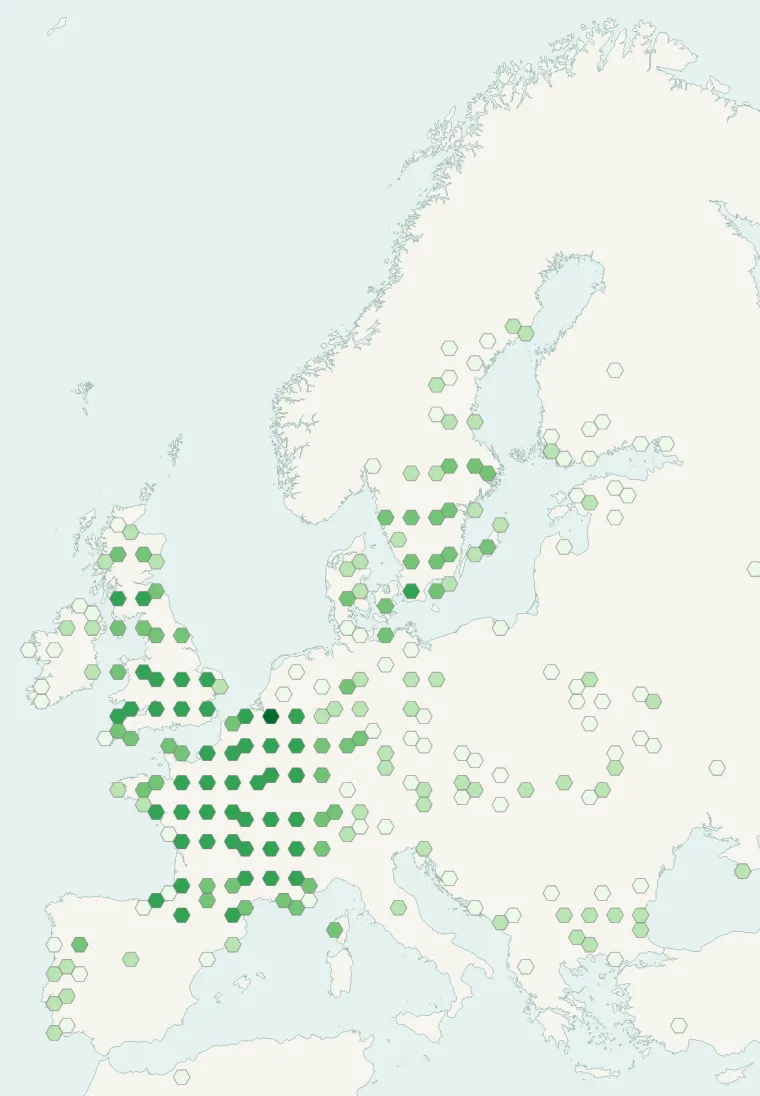
Records published on GBIF (CC0 and CC BY 4.0 licences): the darker the shade, the more records there are; they also reflect observation effort.
Atlas countries where it is recorded
From Wikipedia
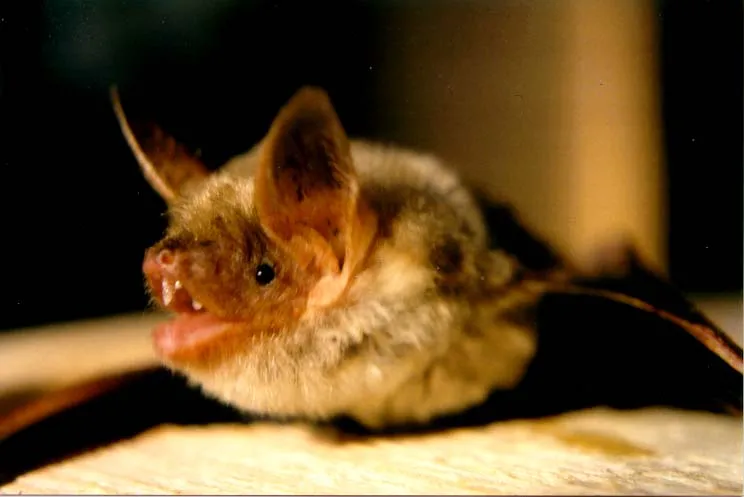
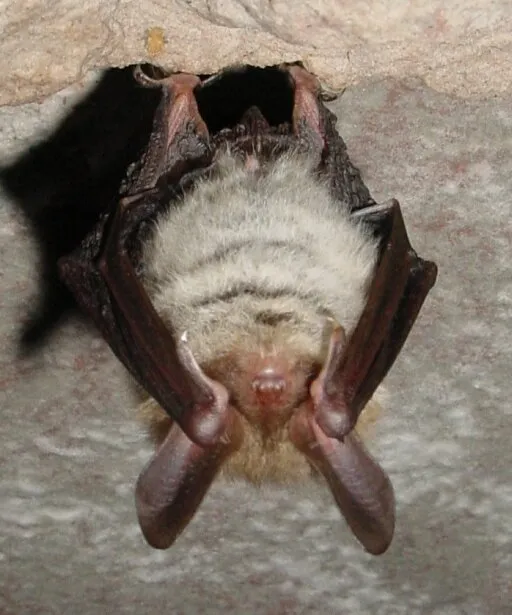
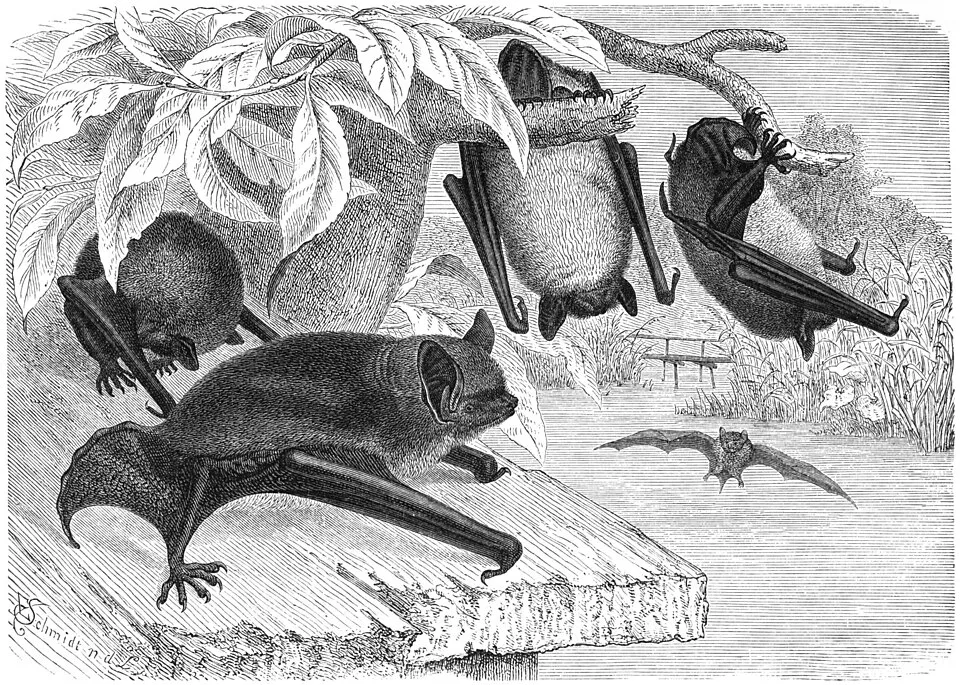
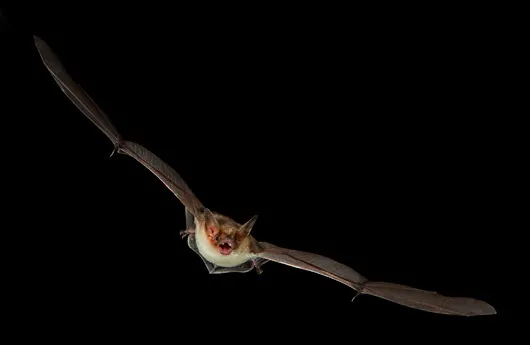
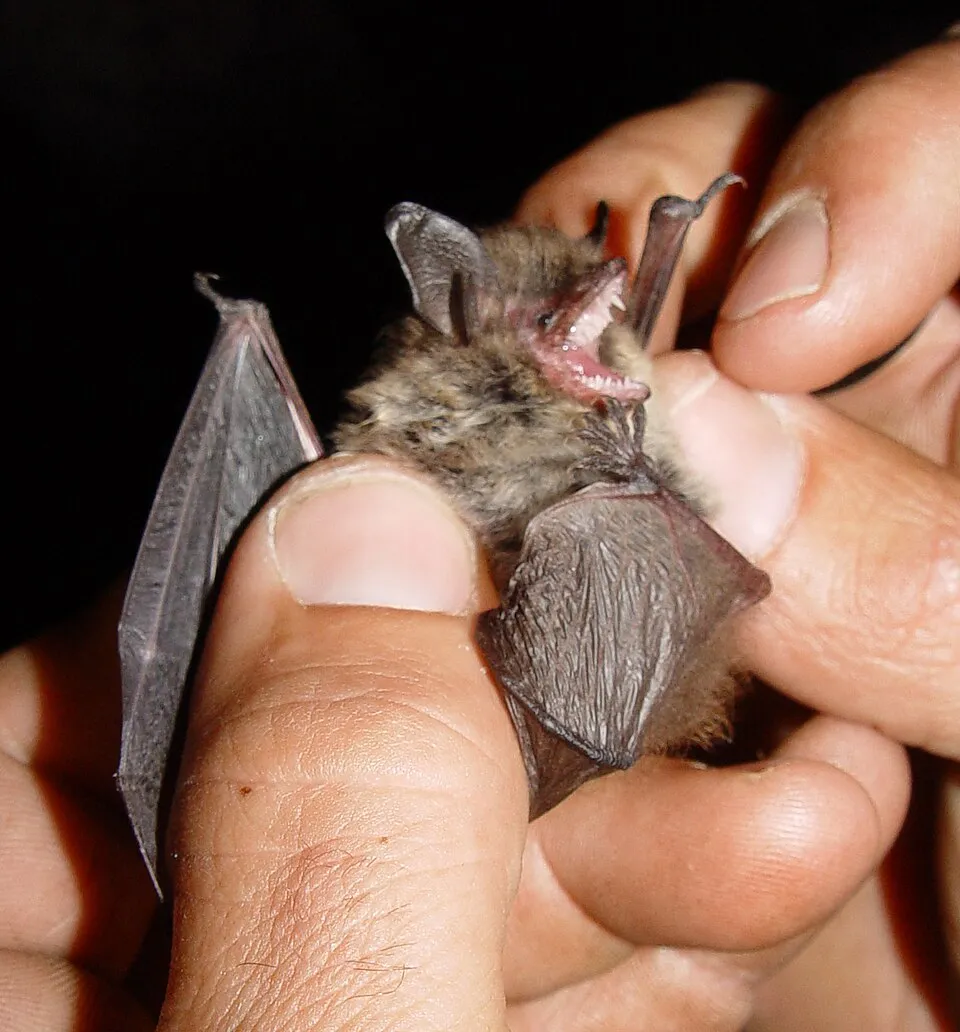
Natterer's bat (Myotis nattereri) is a European vespertilionid bat with pale wings. It has mostly brown fur with greyish-white fur on its underside. It is found across most of the continent of Europe, parts of the Near East and North Africa. It feeds on insects and other invertebrates which it catches on the wing or pursues on the ground. In summer it roosts in deciduous and coniferous trees, buildings or bat boxes close to its feeding habitats. In winter it hibernates in caves, tunnels, mines or cellars, usually hiding in crevices.
Source: Wikipedia, article “Natterer's bat” (version of September 30, 2026) · history and authors · licence CC BY-SA 4.0 · shortened excerpt
Protected areas where it is recorded
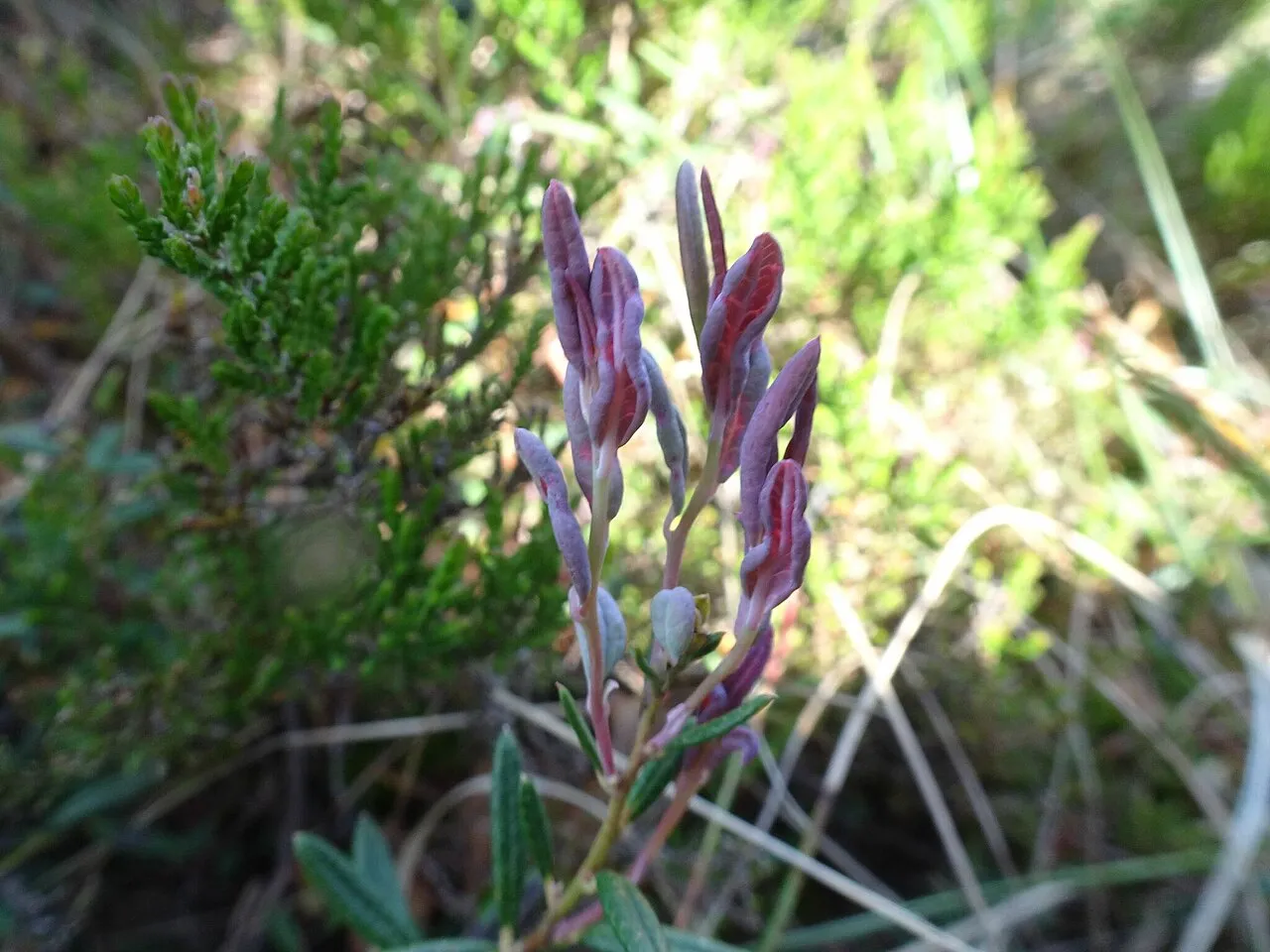
2 records
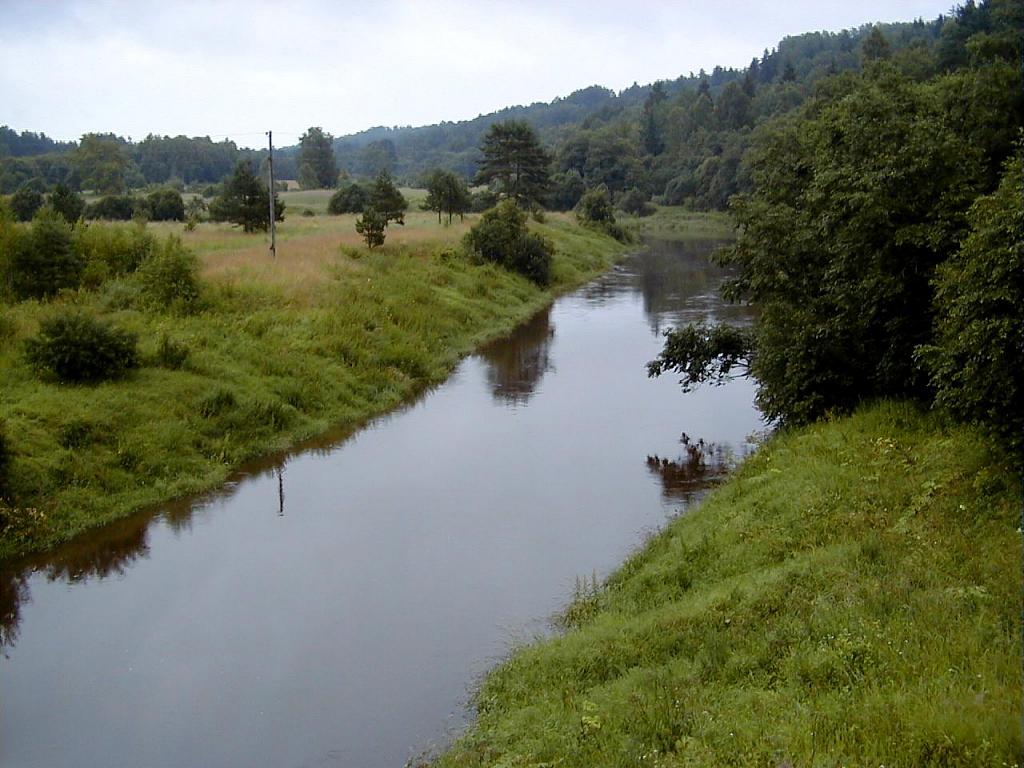
Natura 2000

Natura 2000
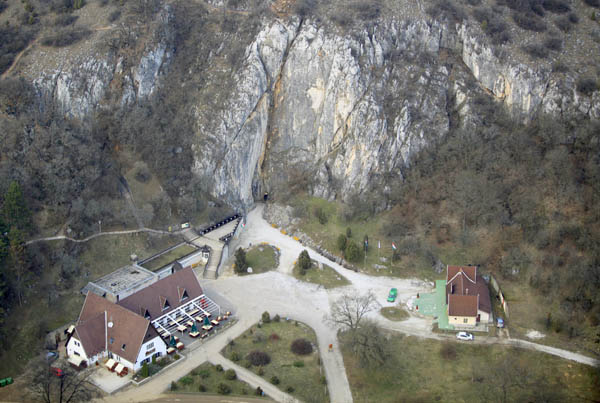
Natura 2000
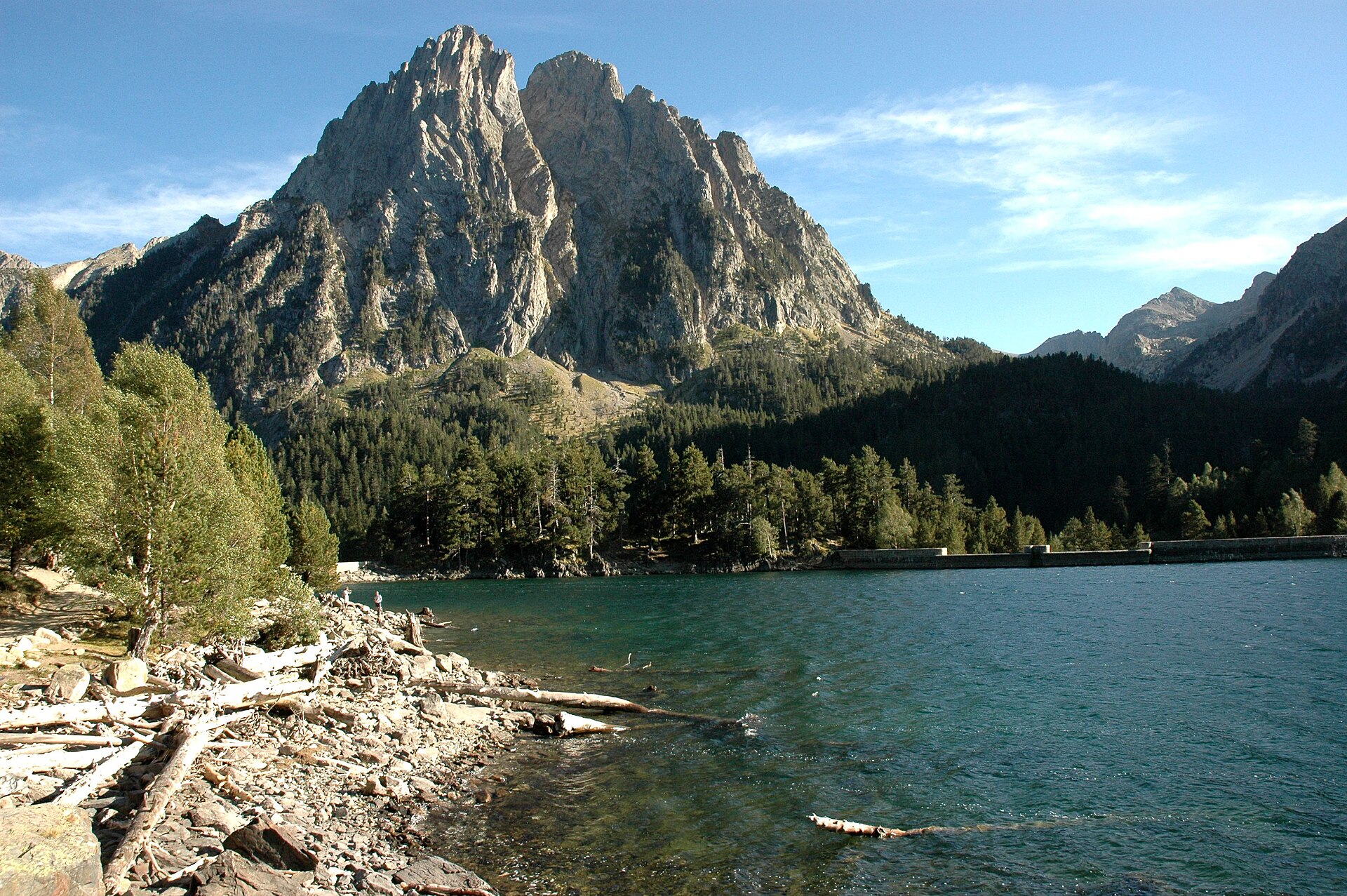
Natura 2000
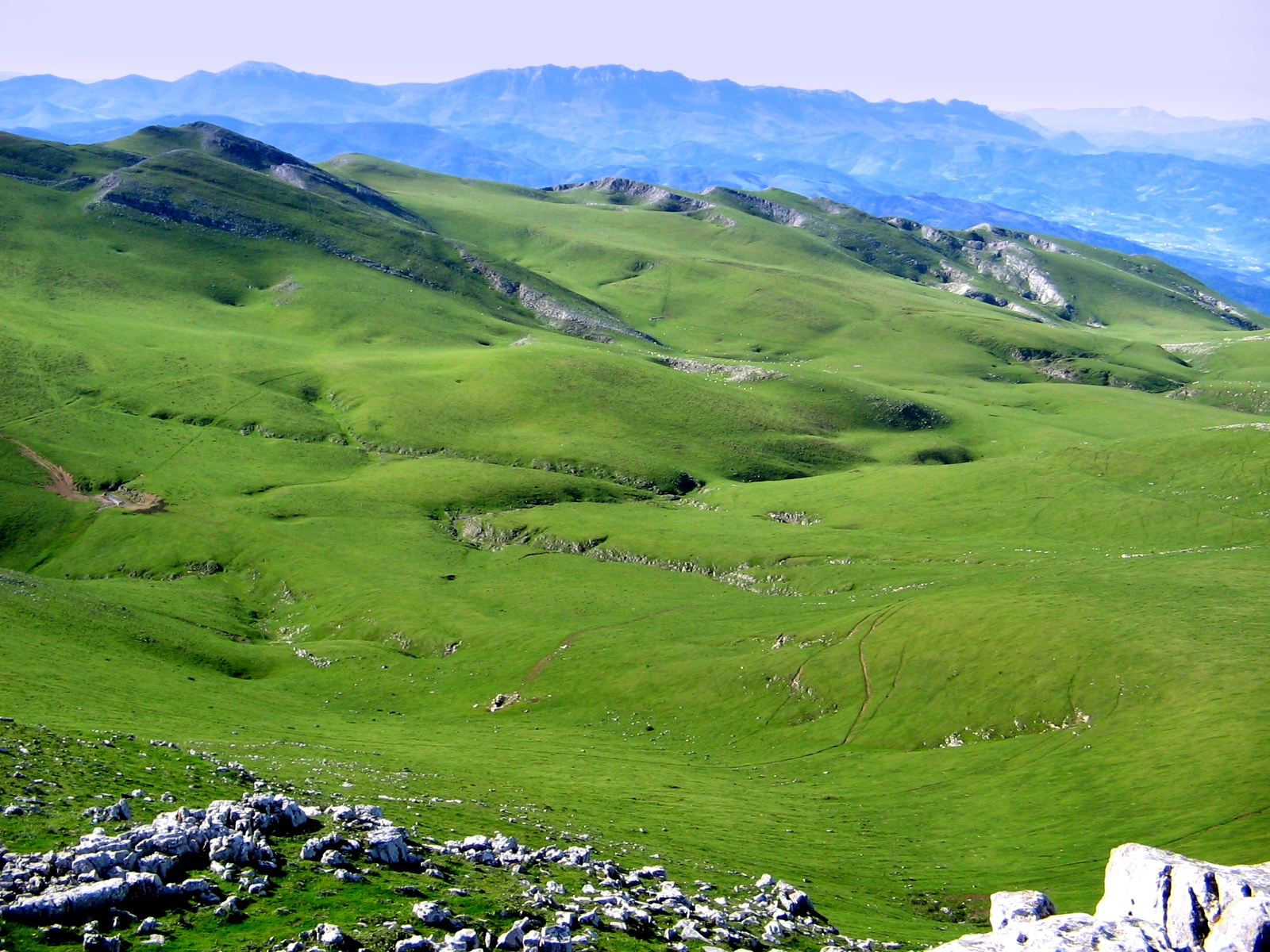
Natura 2000
Natura 2000
Natura 2000
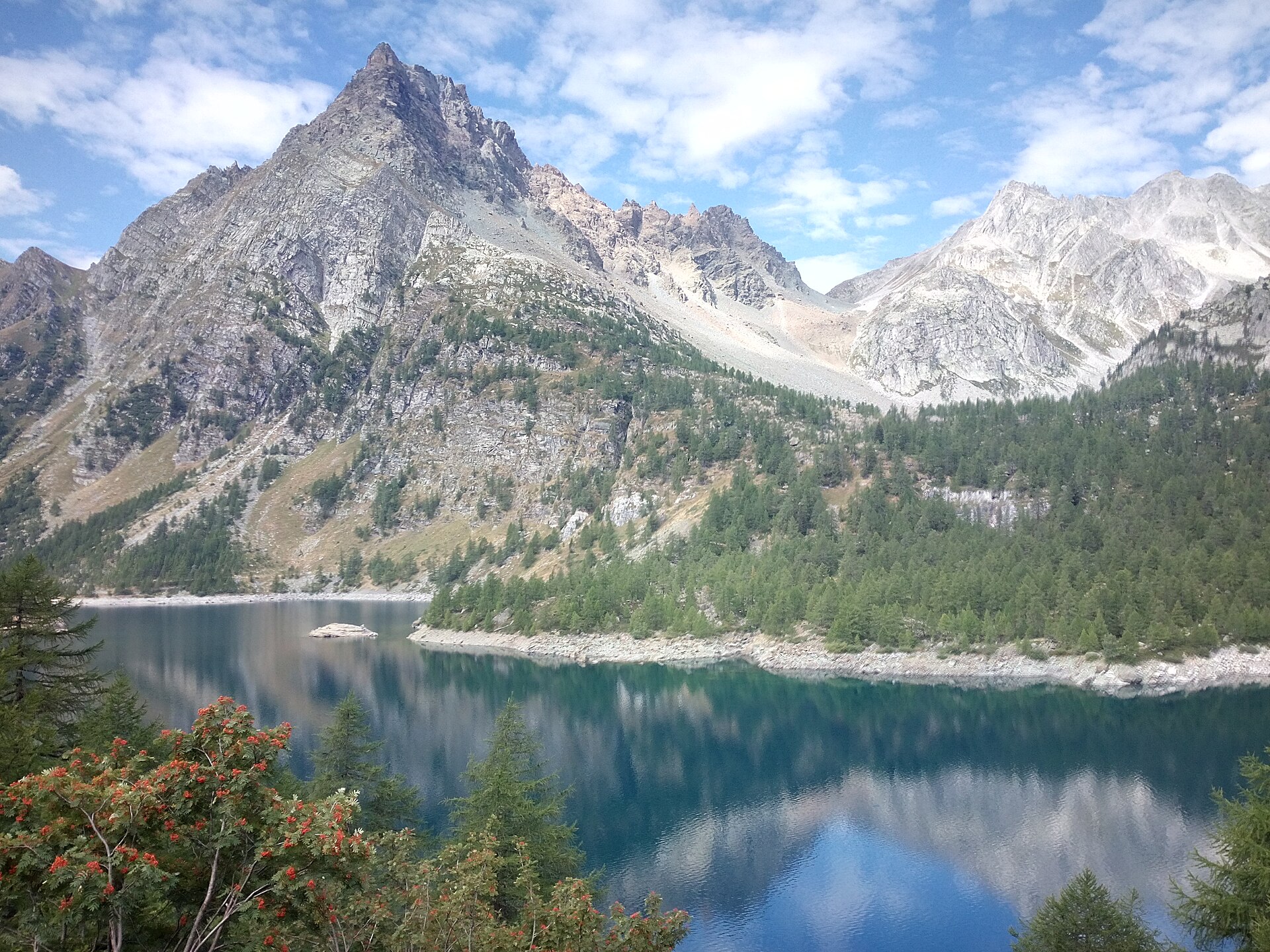
Natura 2000

Natura 2000

Natura 2000
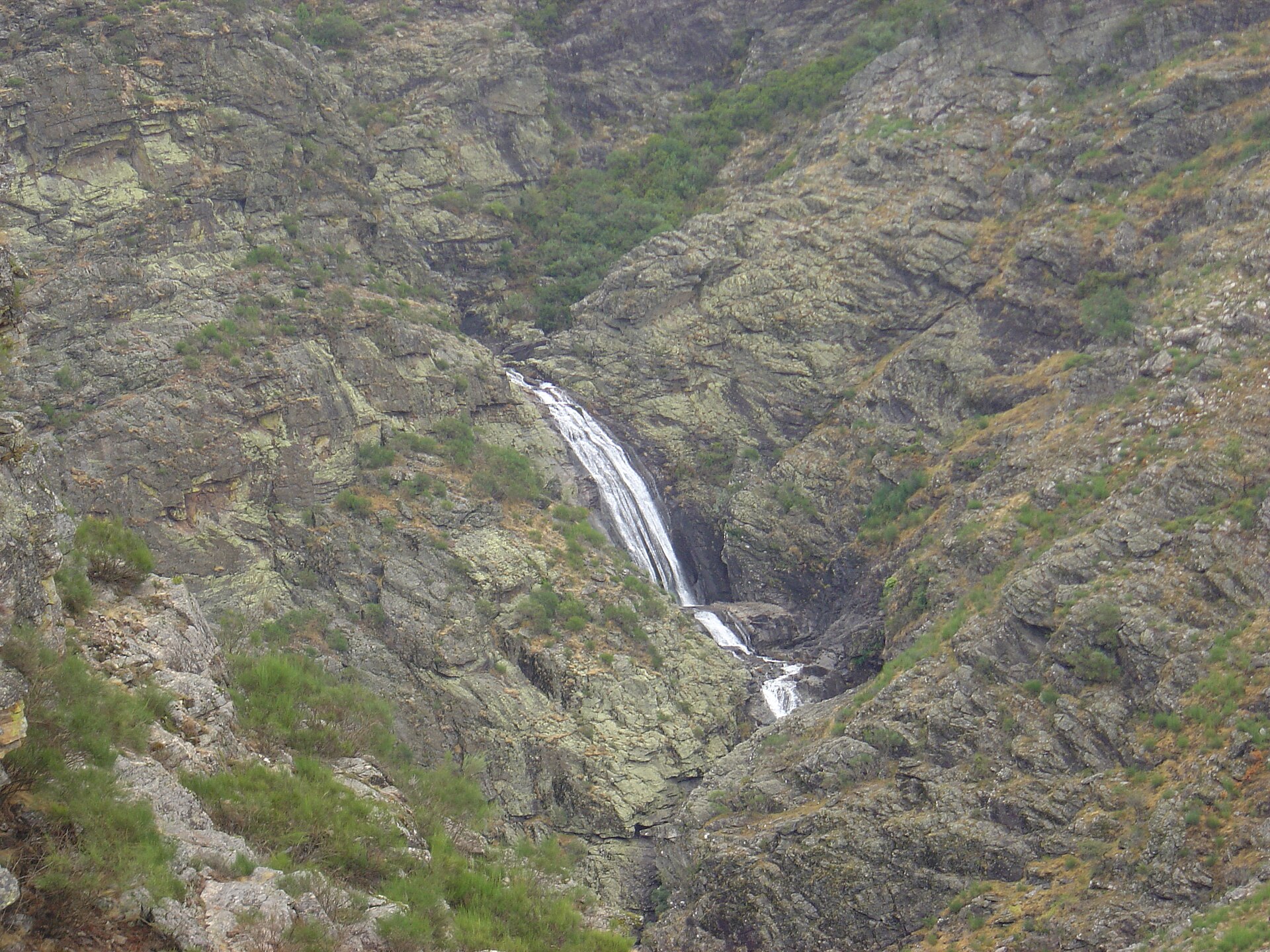
Natura 2000

Natura 2000
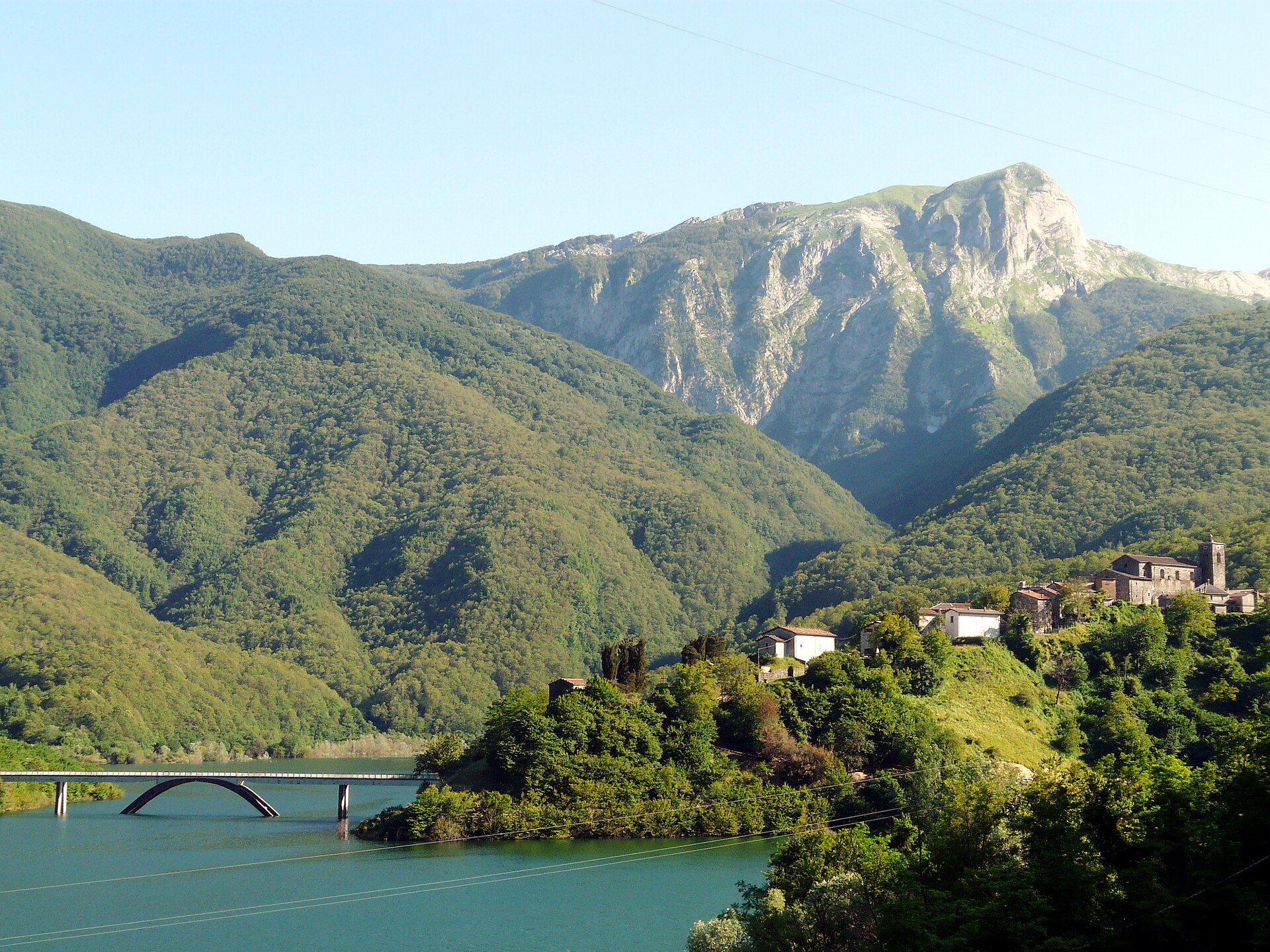
Natura 2000
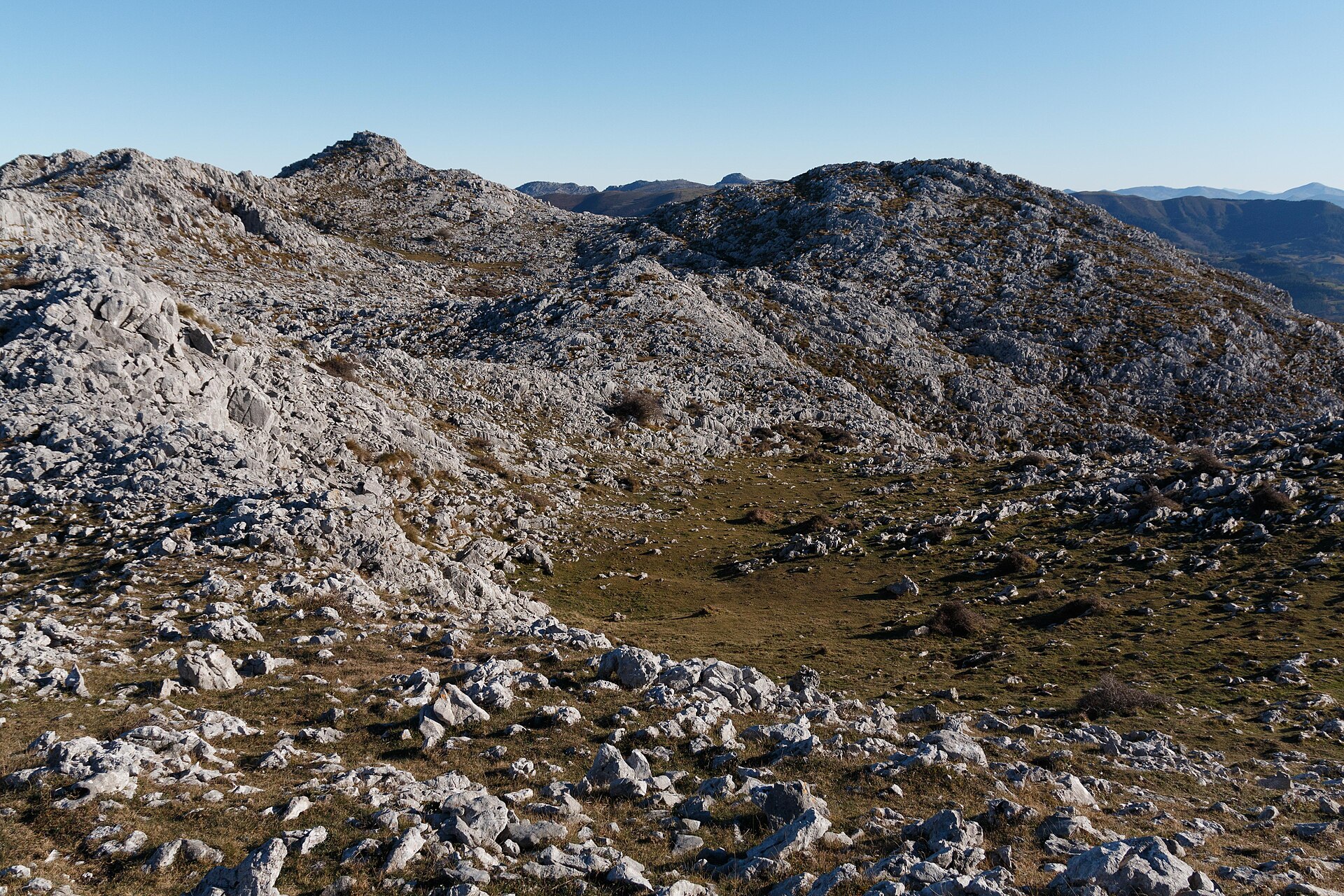
Natura 2000
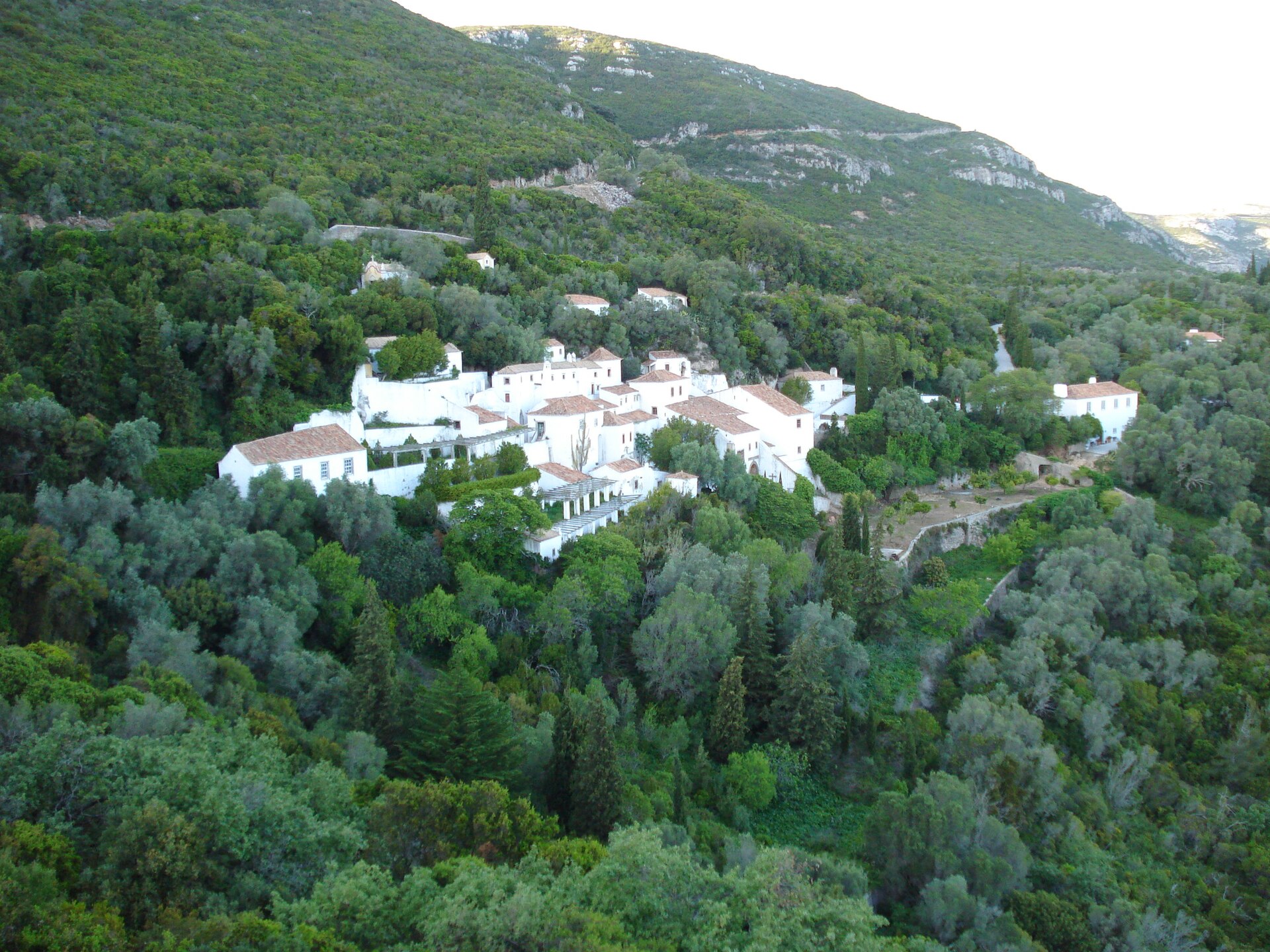
Natura 2000
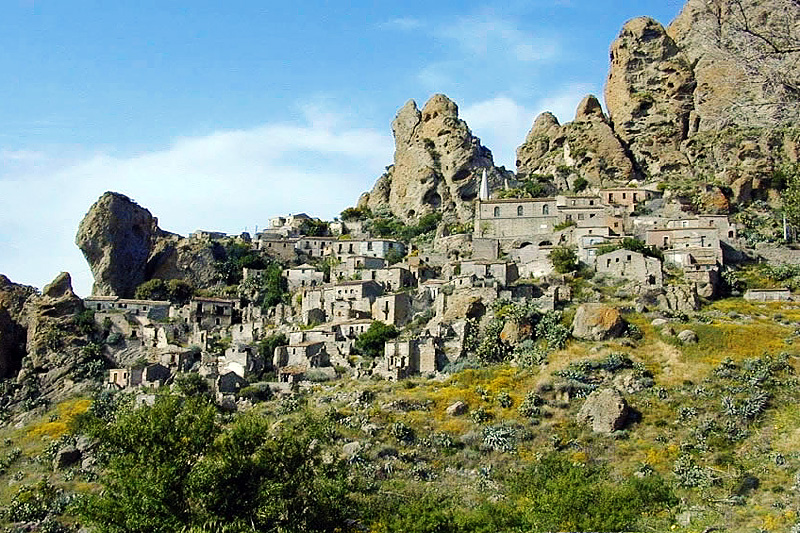
Natura 2000
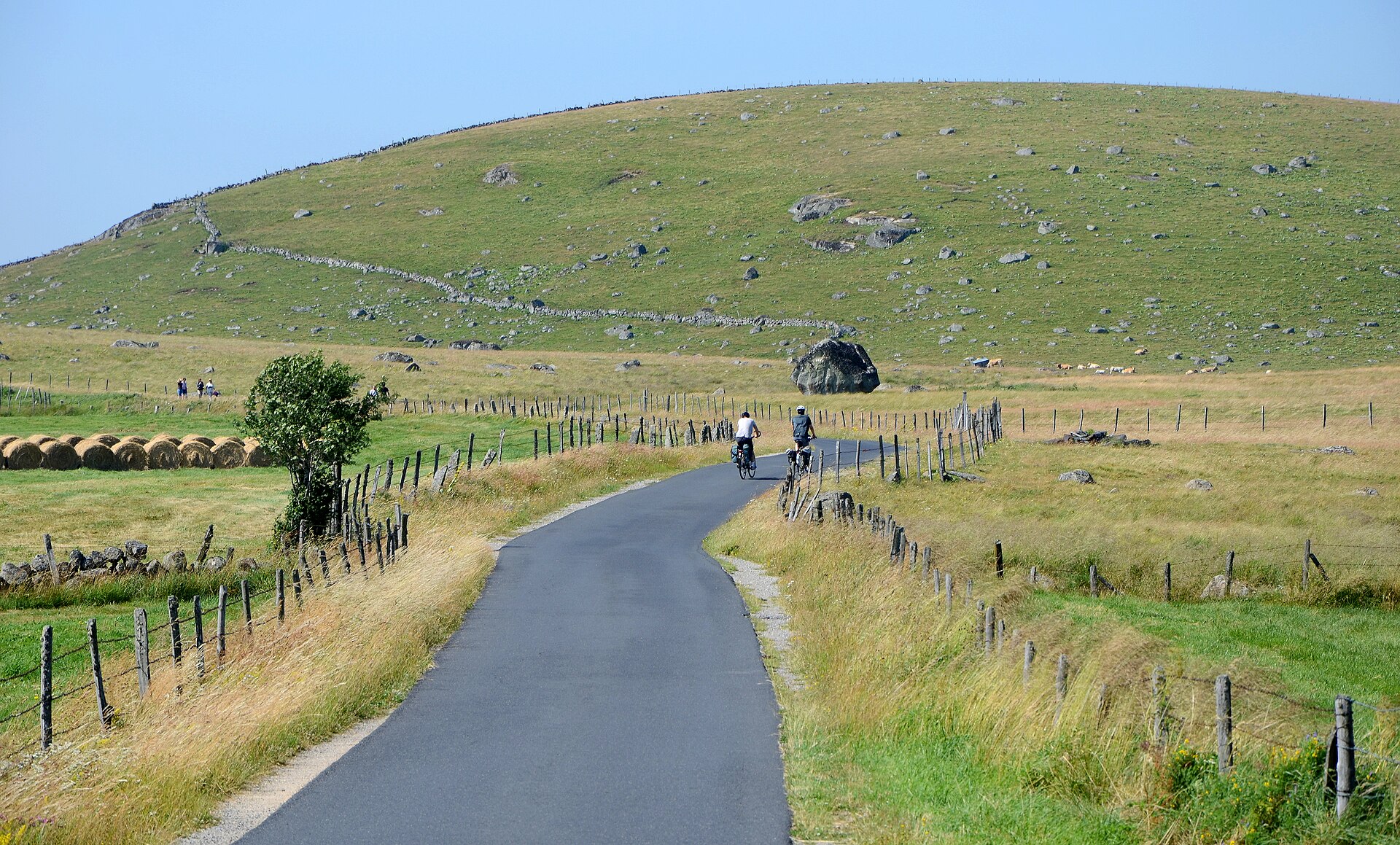
Natura 2000
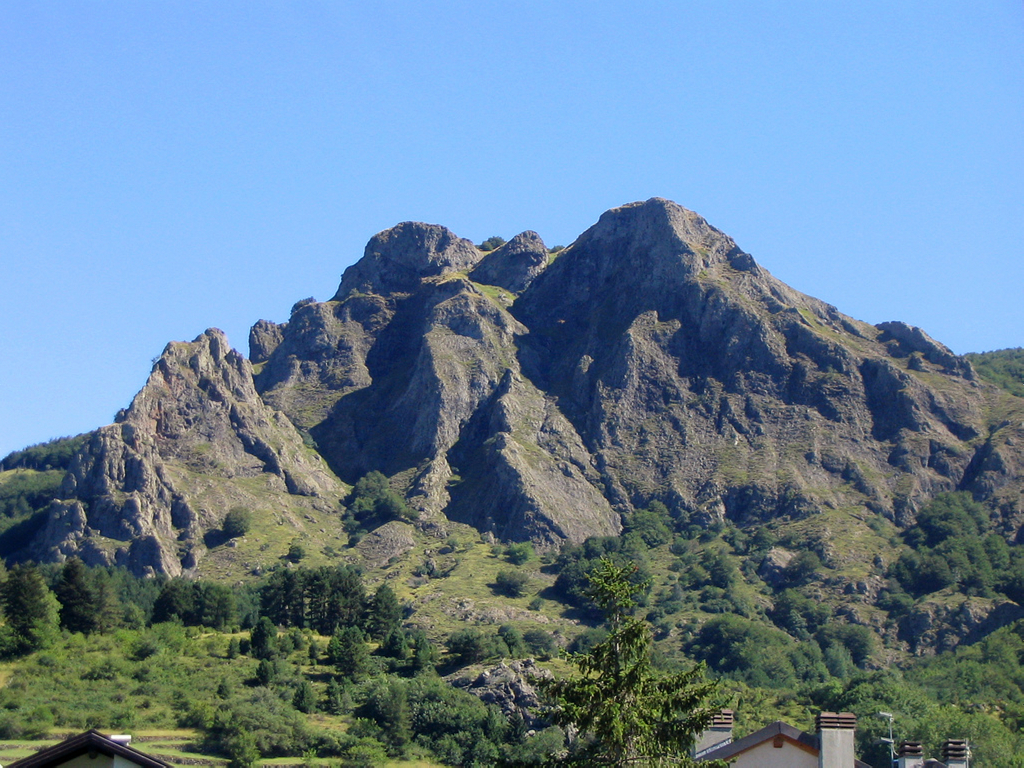
Natura 2000
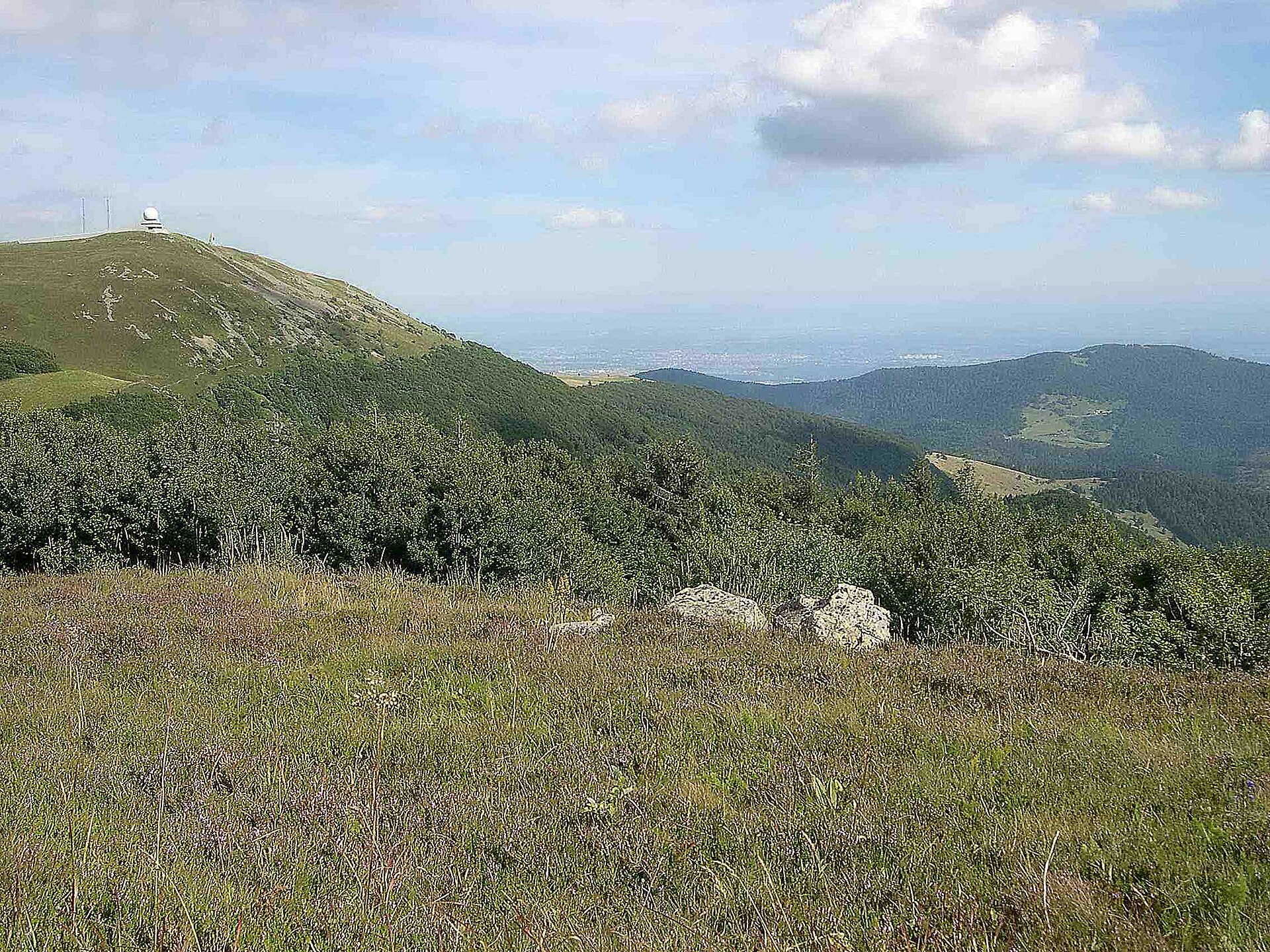
Natura 2000
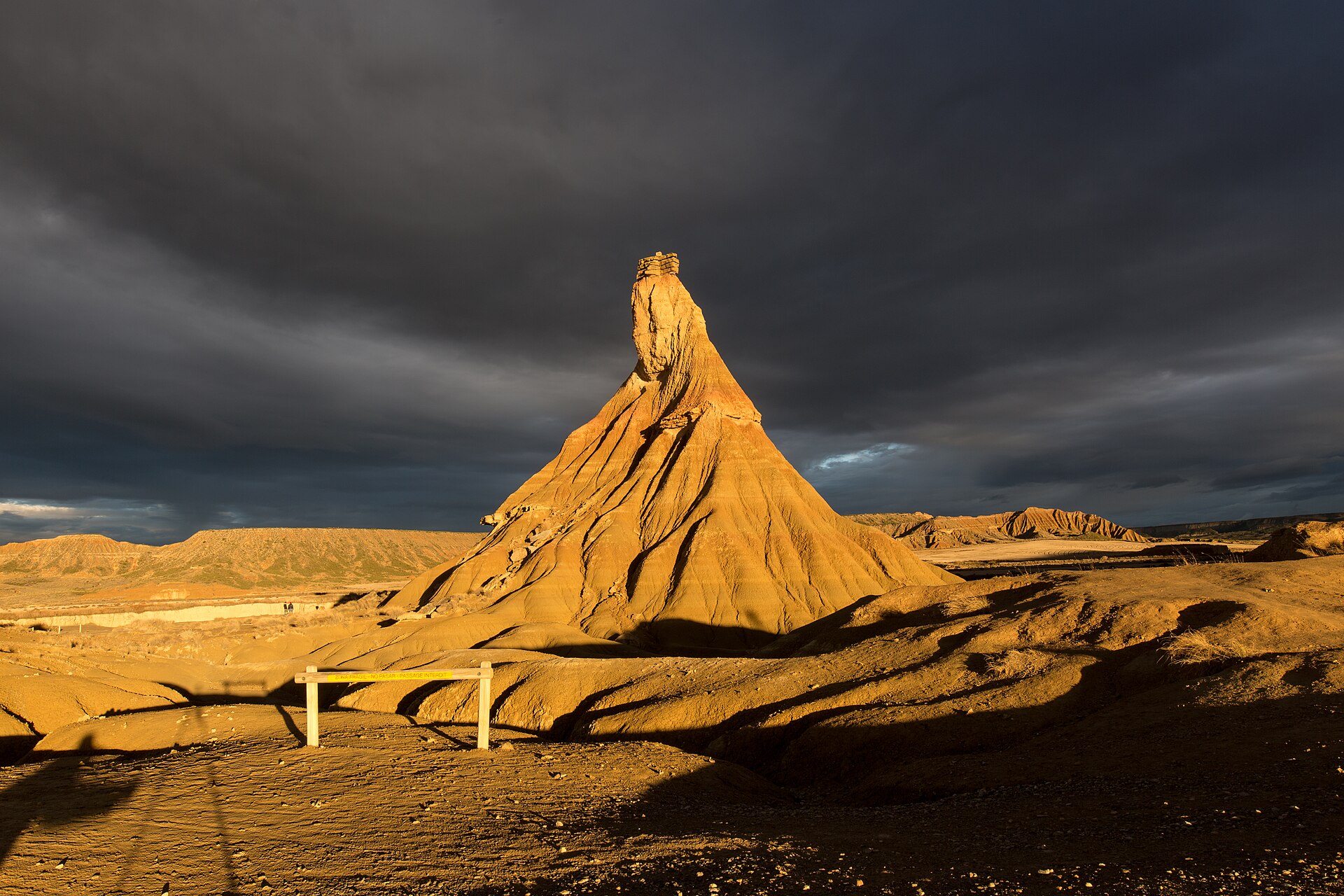
Natura 2000
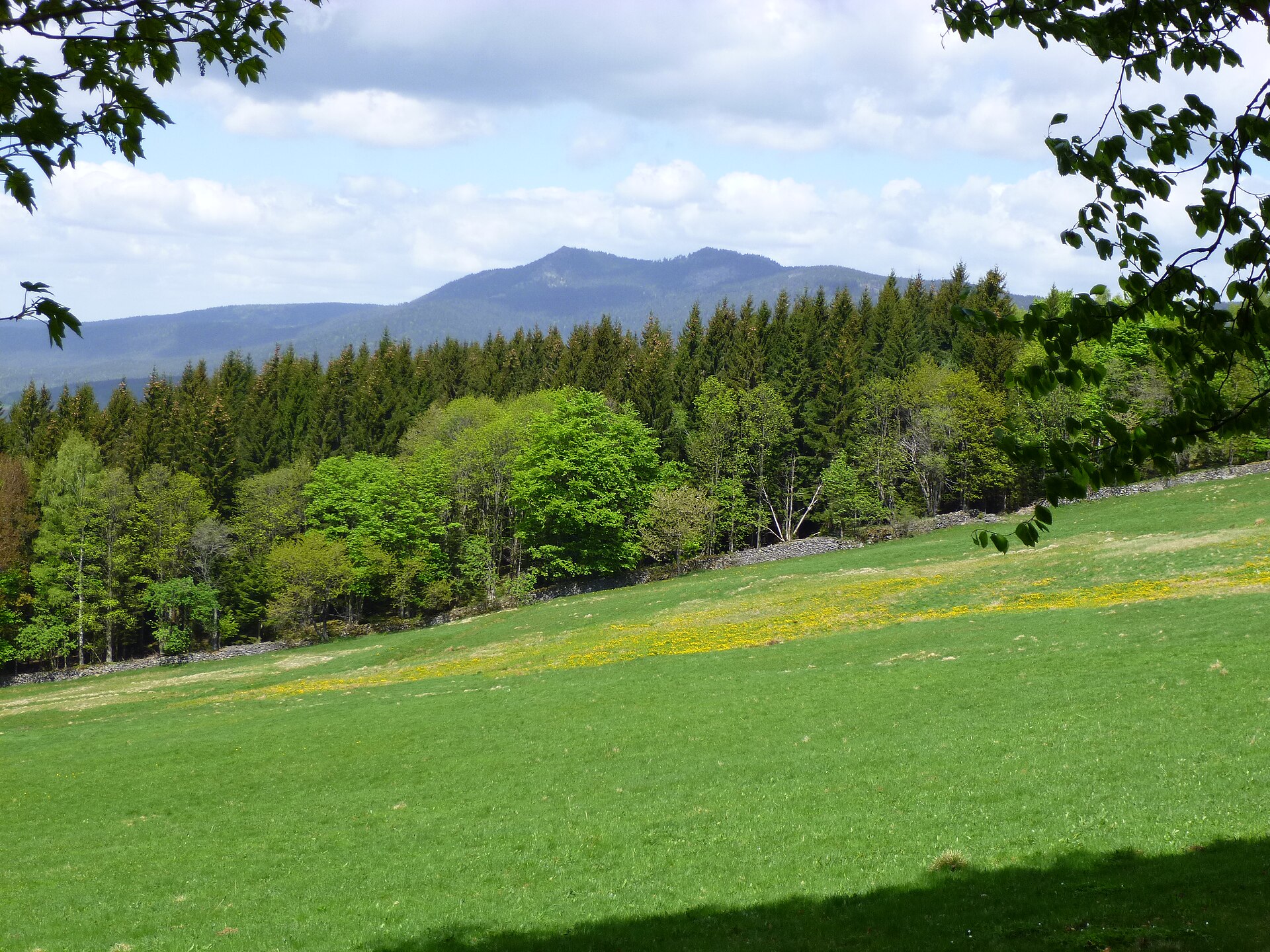
Natura 2000

Natura 2000
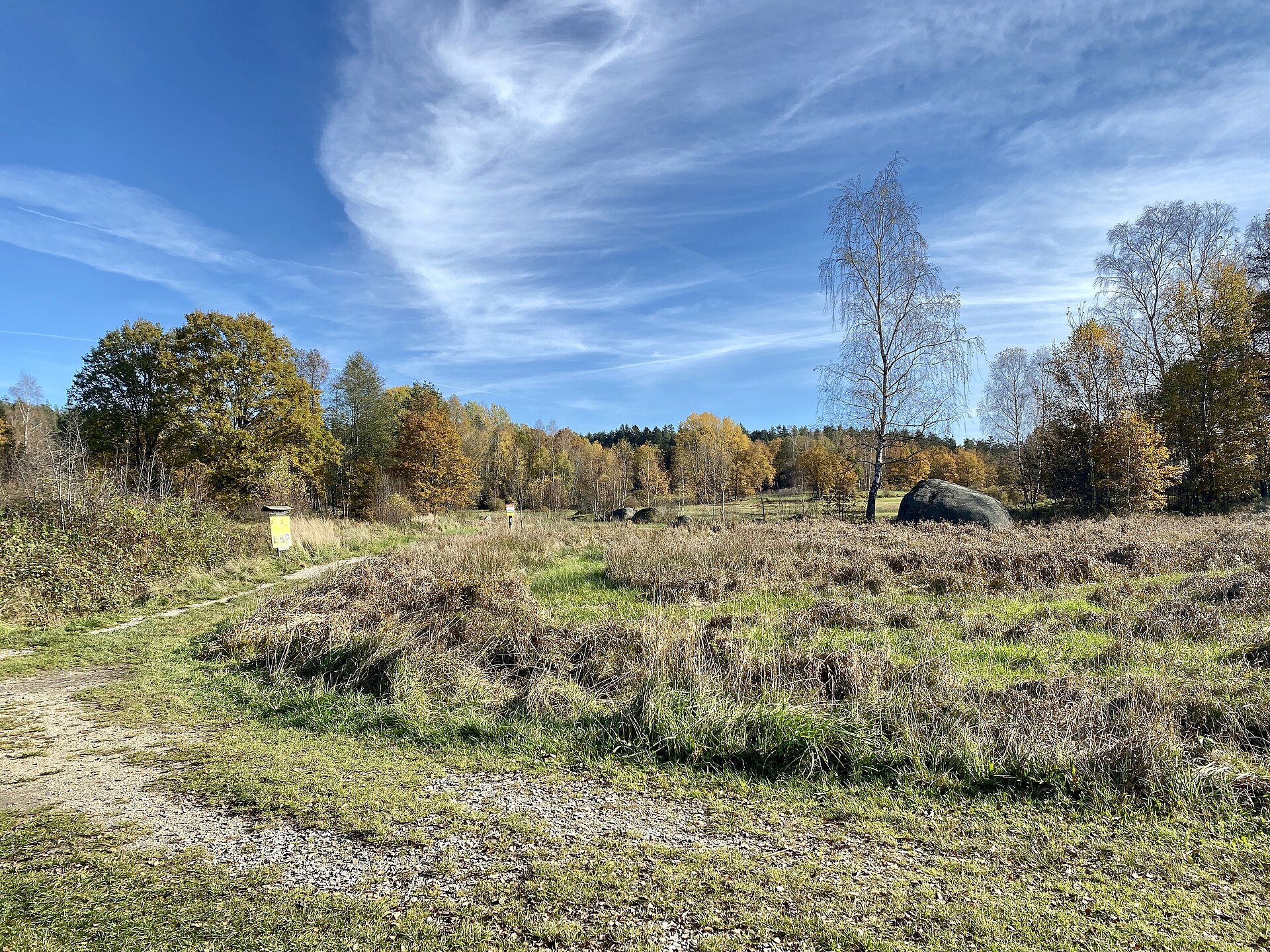
Natura 2000
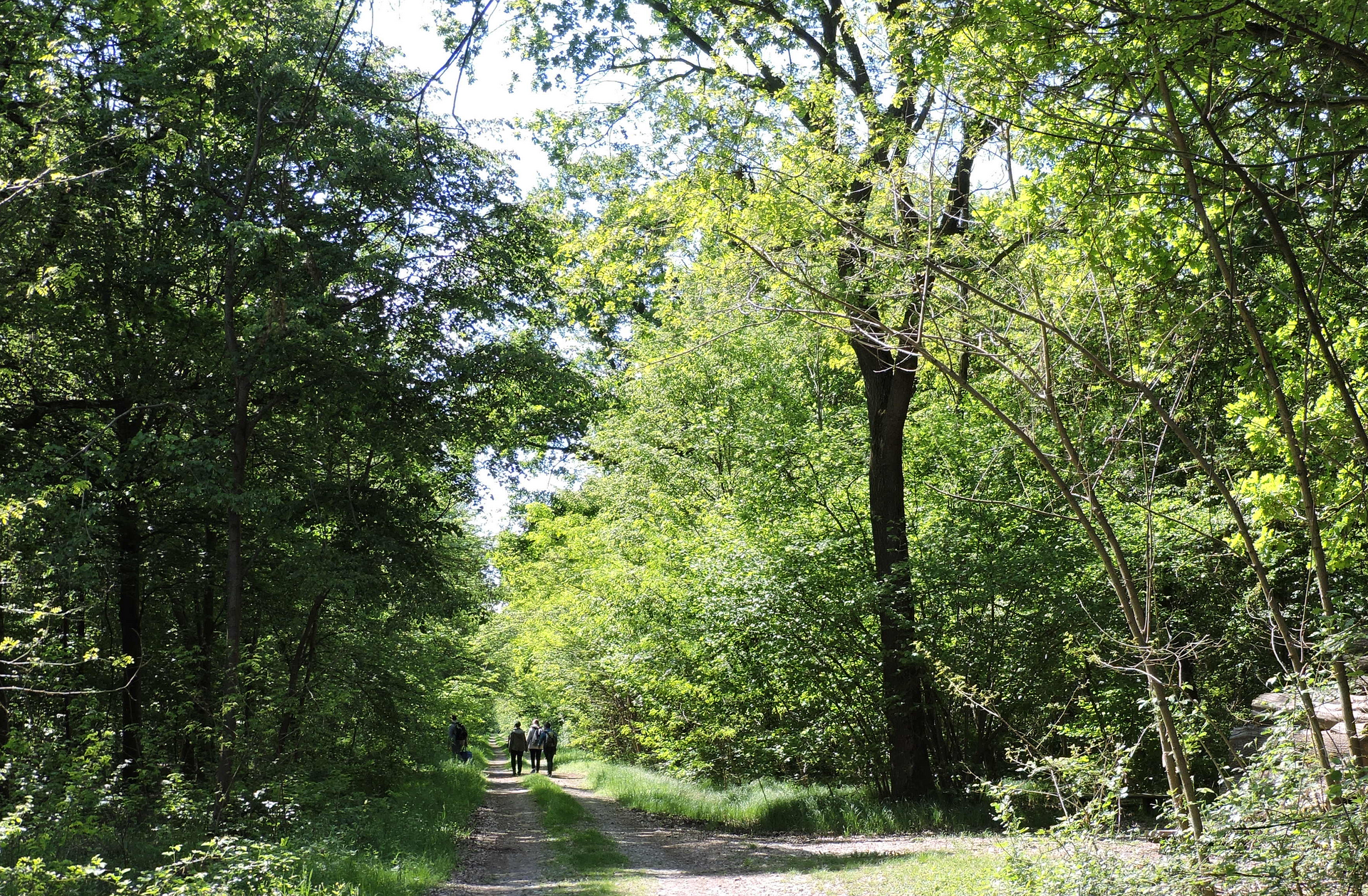
Natura 2000
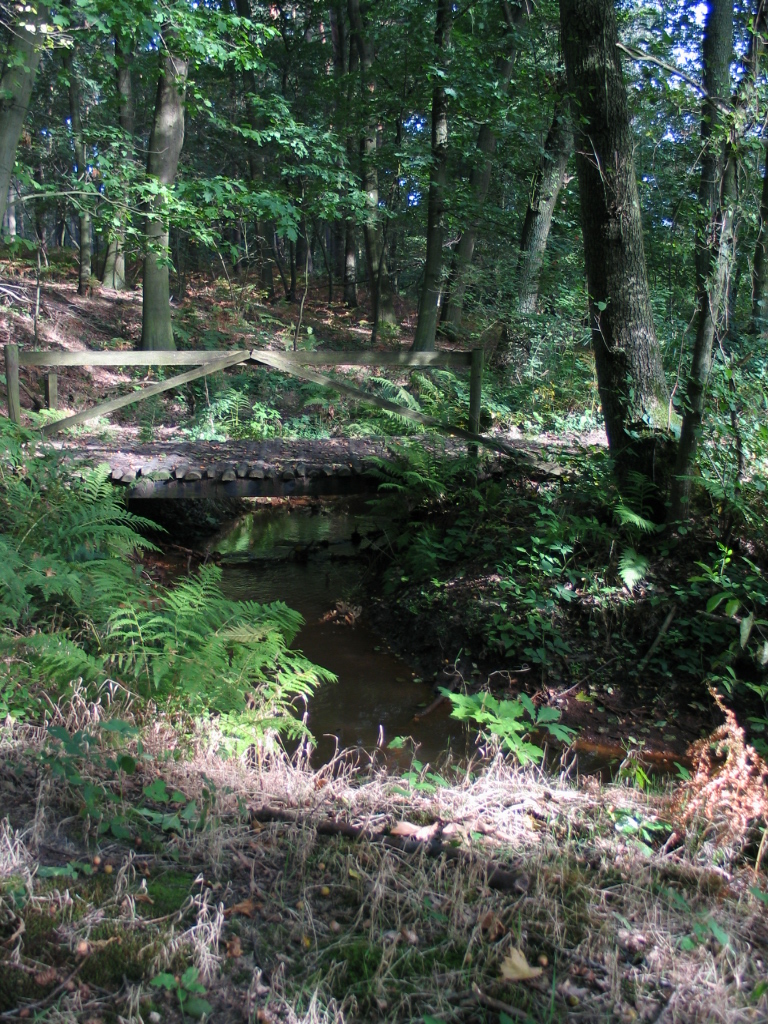
Natura 2000
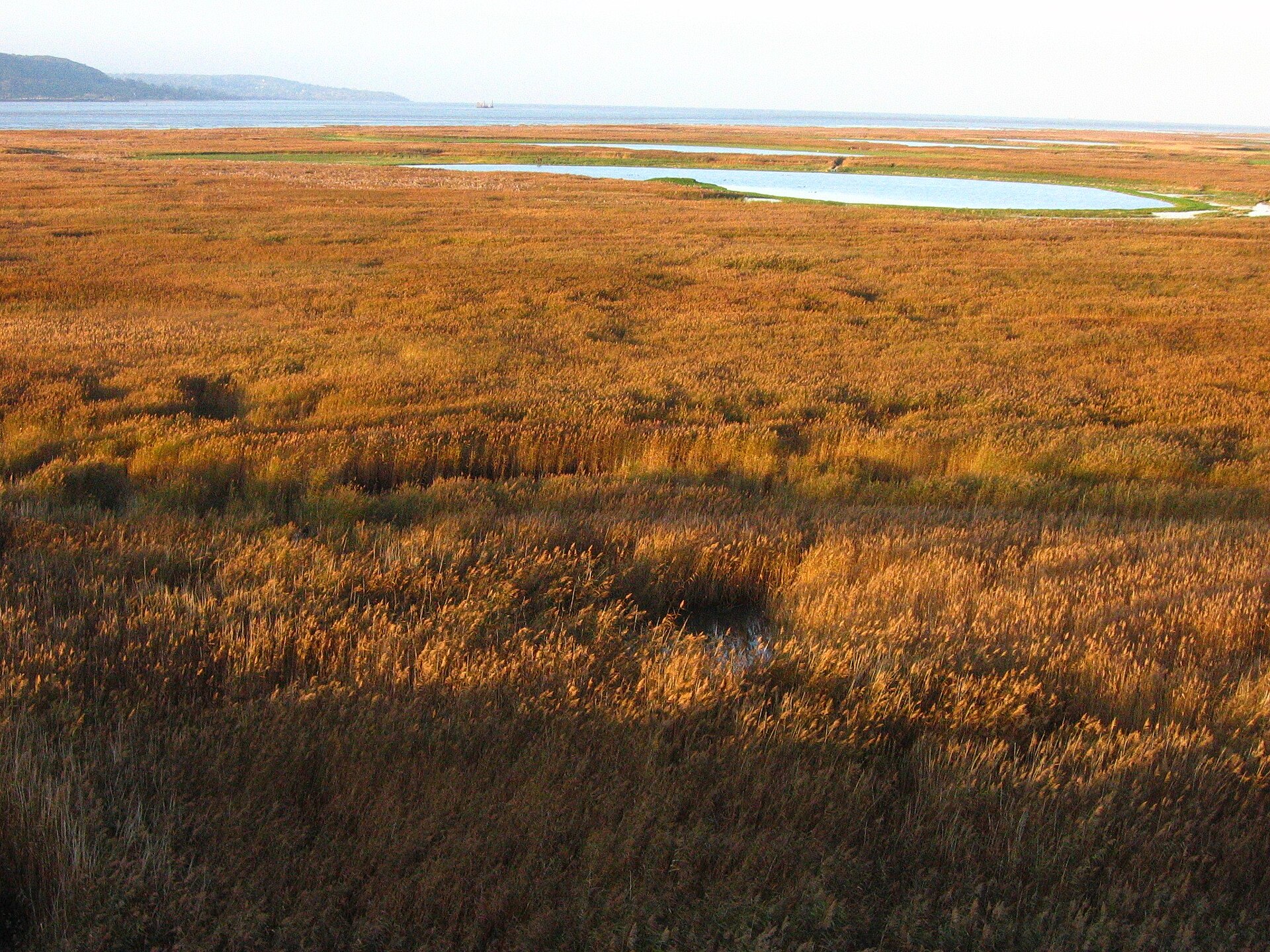
Natura 2000
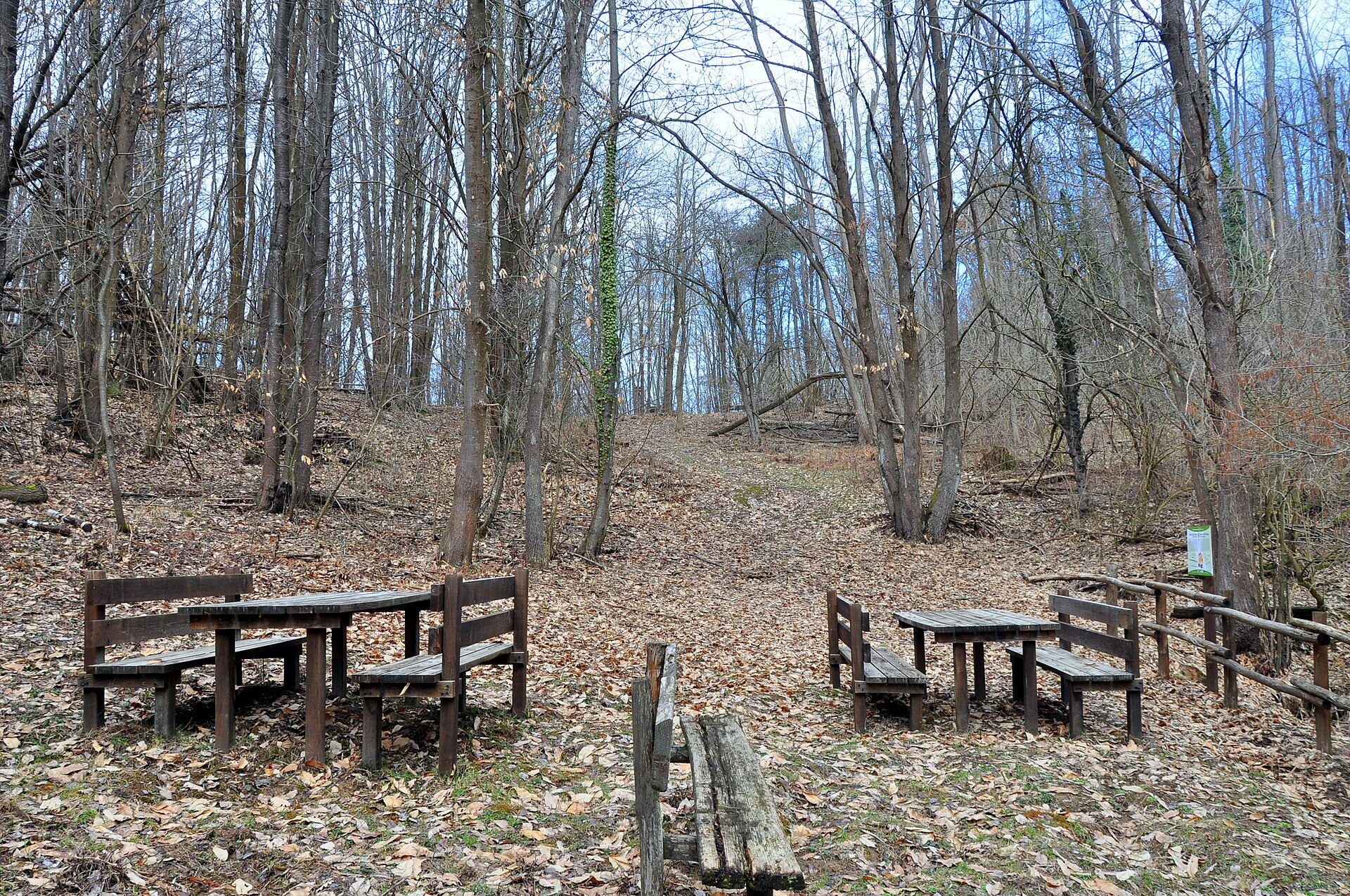
Natura 2000
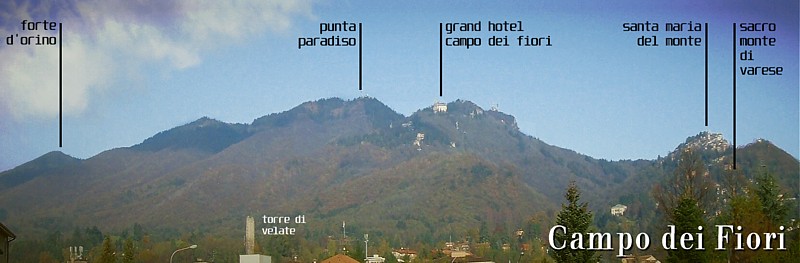
Natura 2000

Natura 2000
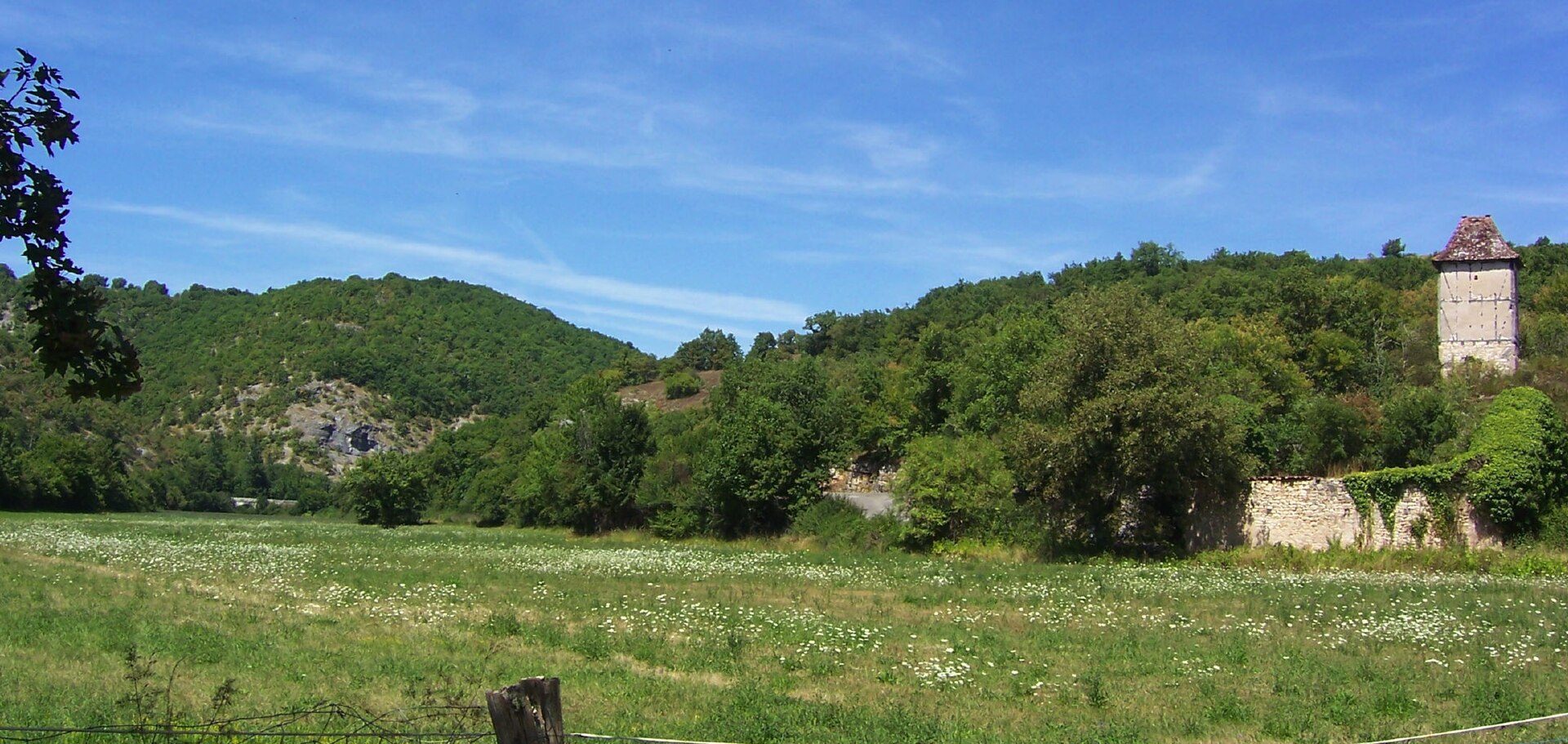
Natura 2000
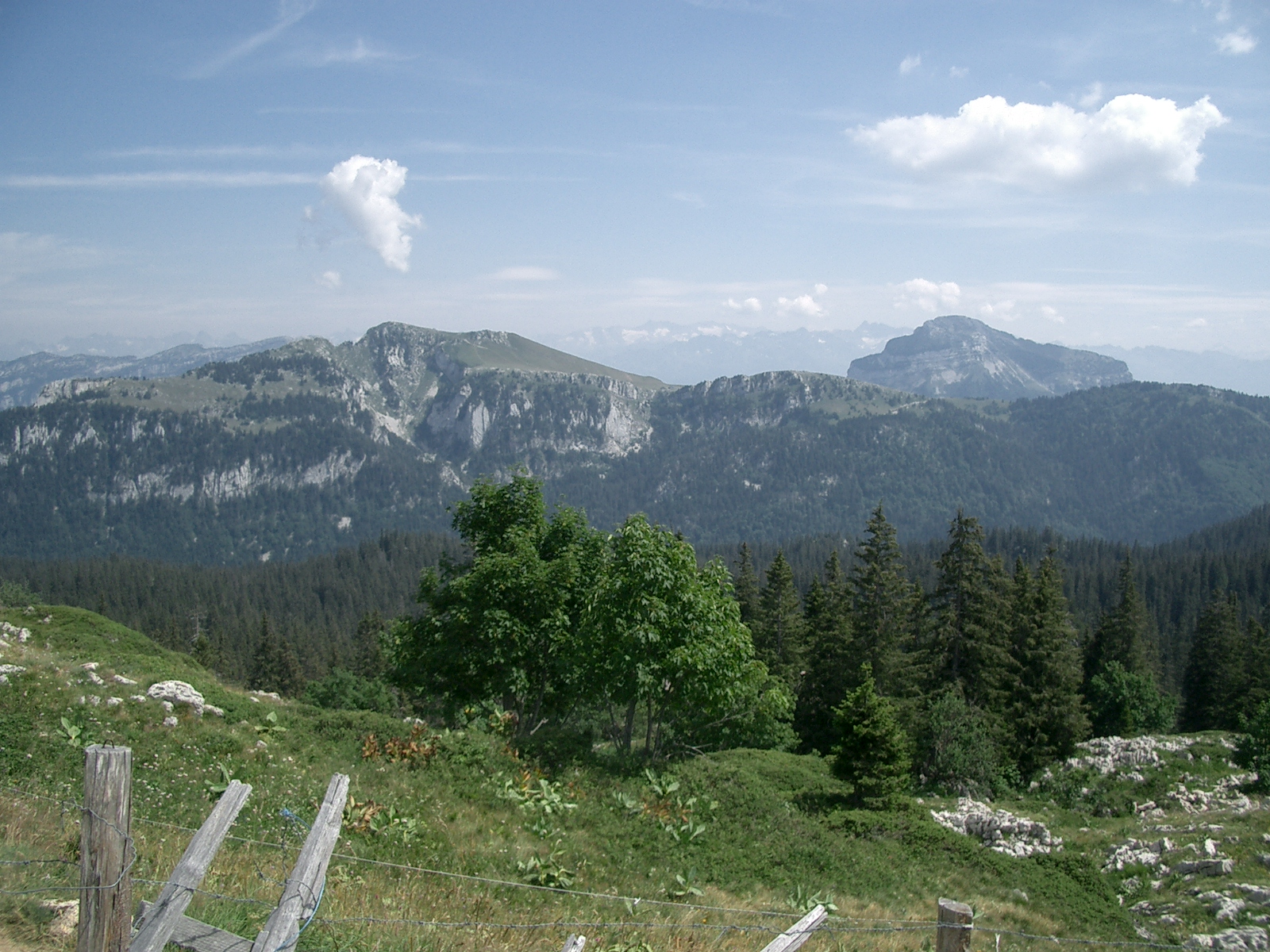
Natura 2000
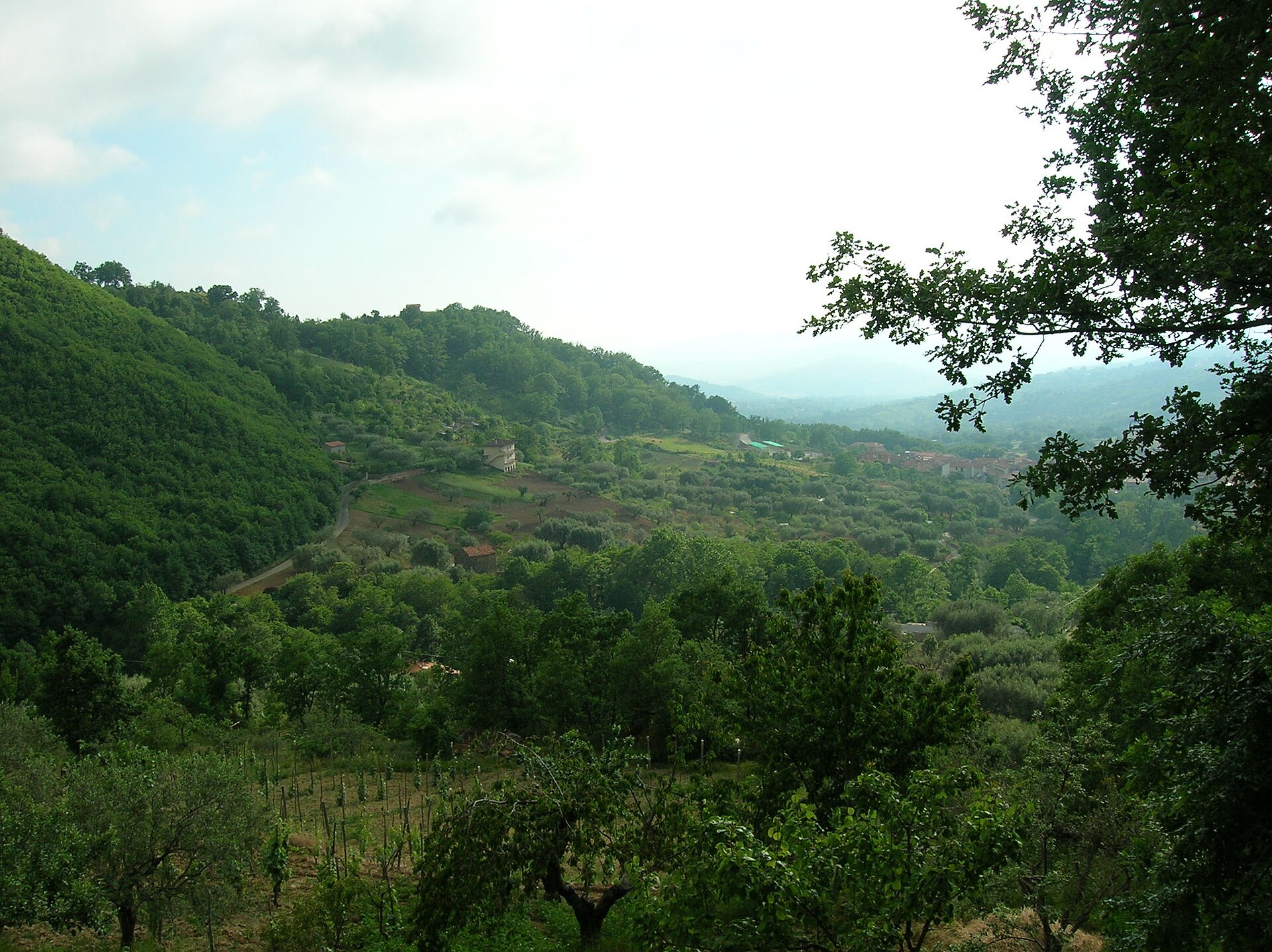
Natura 2000
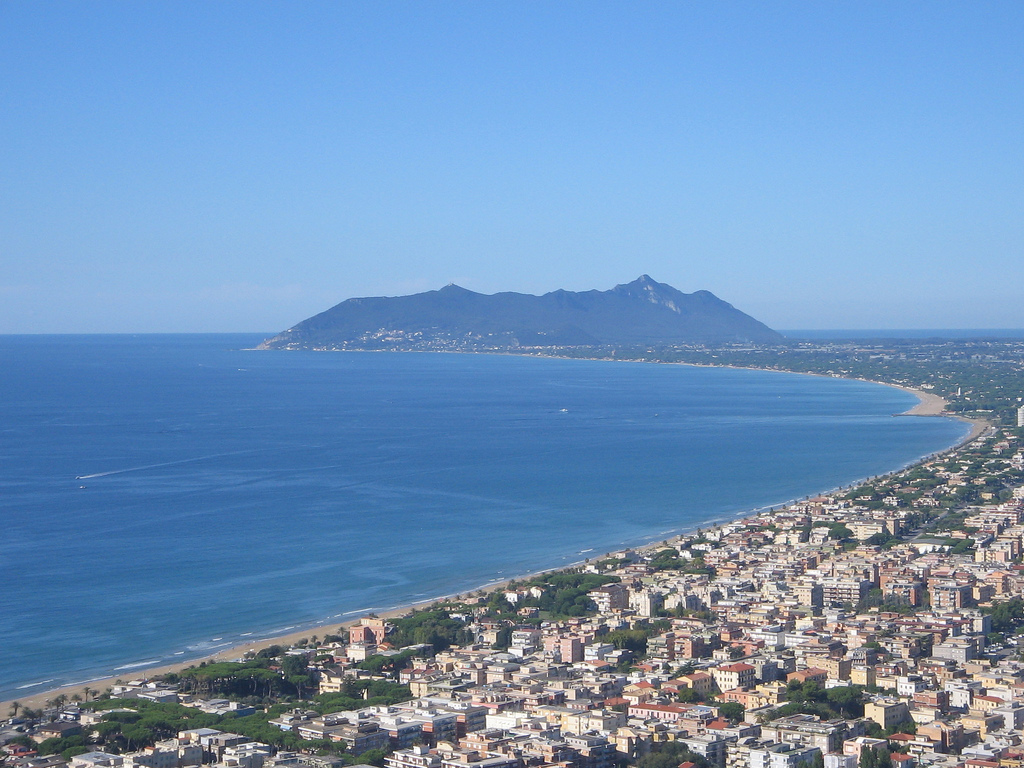
Natura 2000
Natura 2000
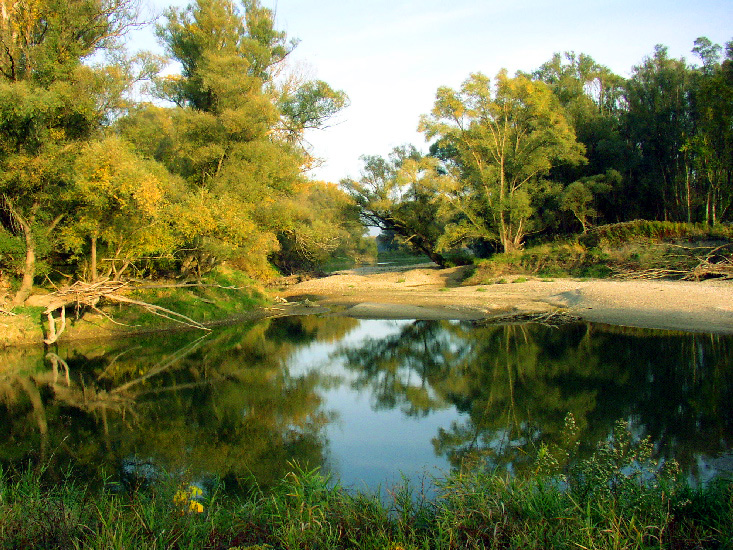
Natura 2000
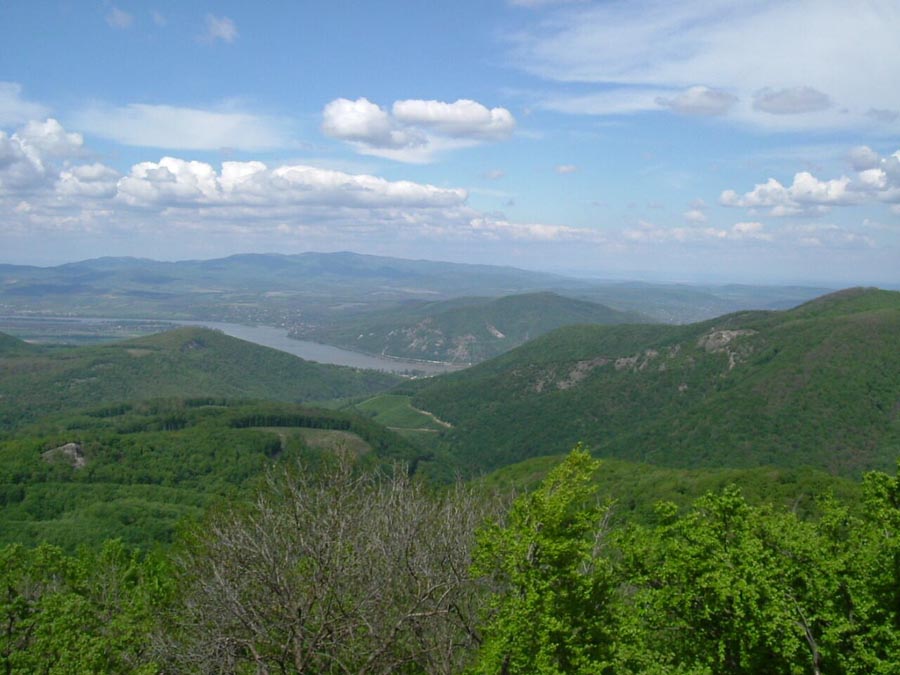
Natura 2000
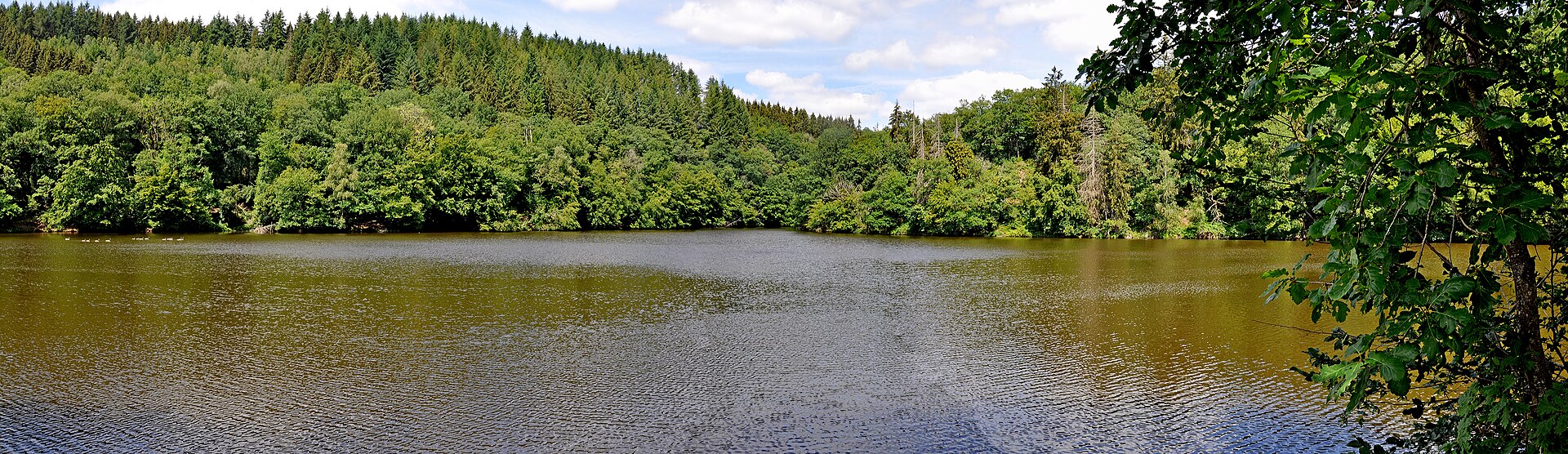
Natura 2000
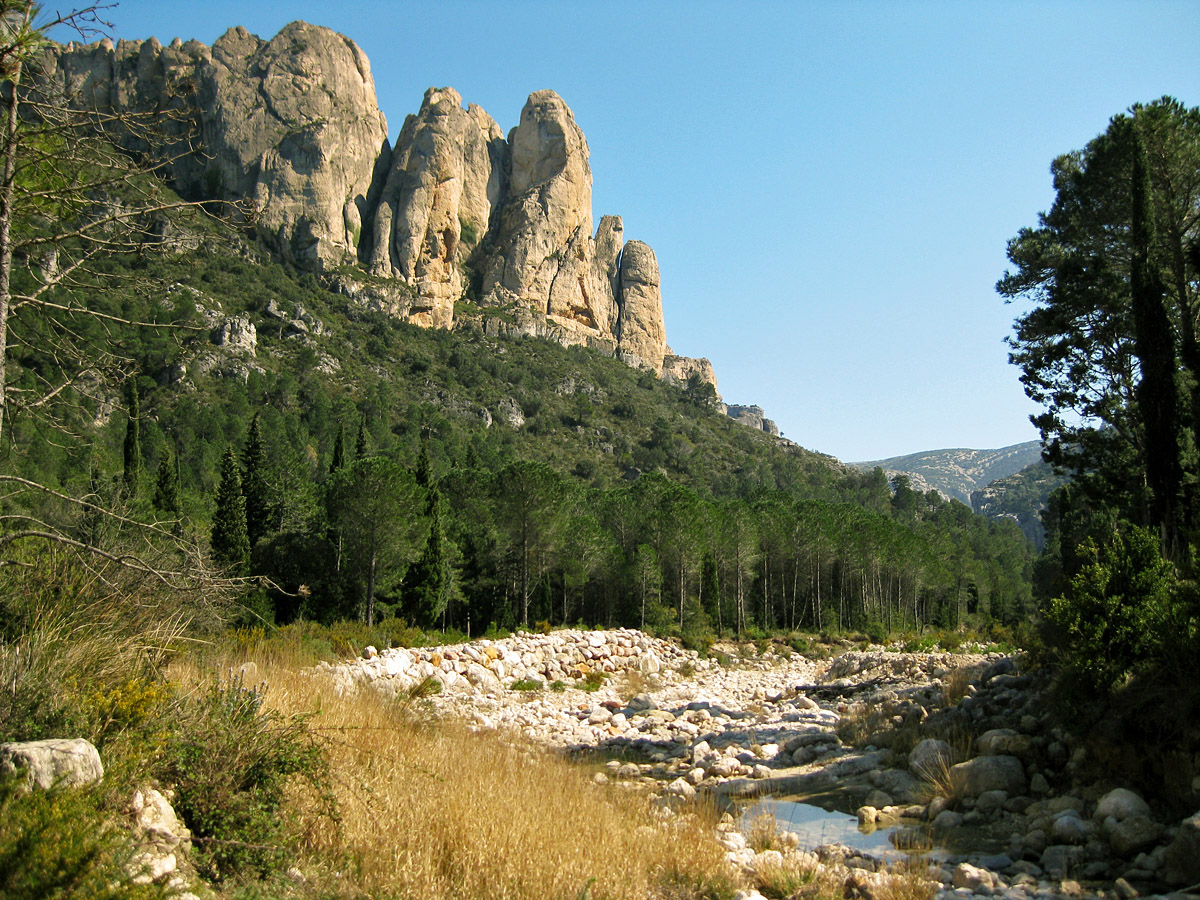
Natura 2000

Natura 2000

Natura 2000
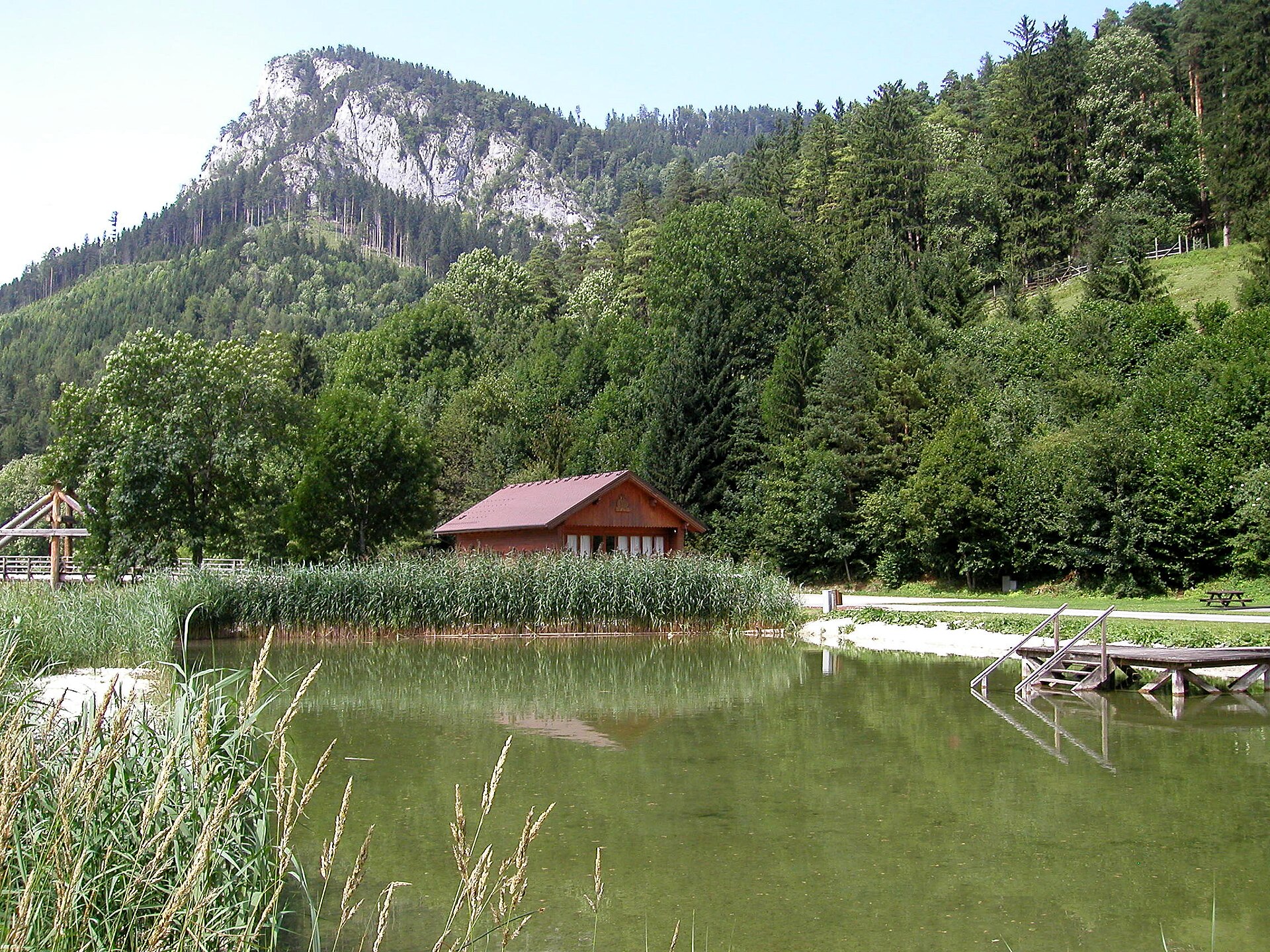
Natura 2000
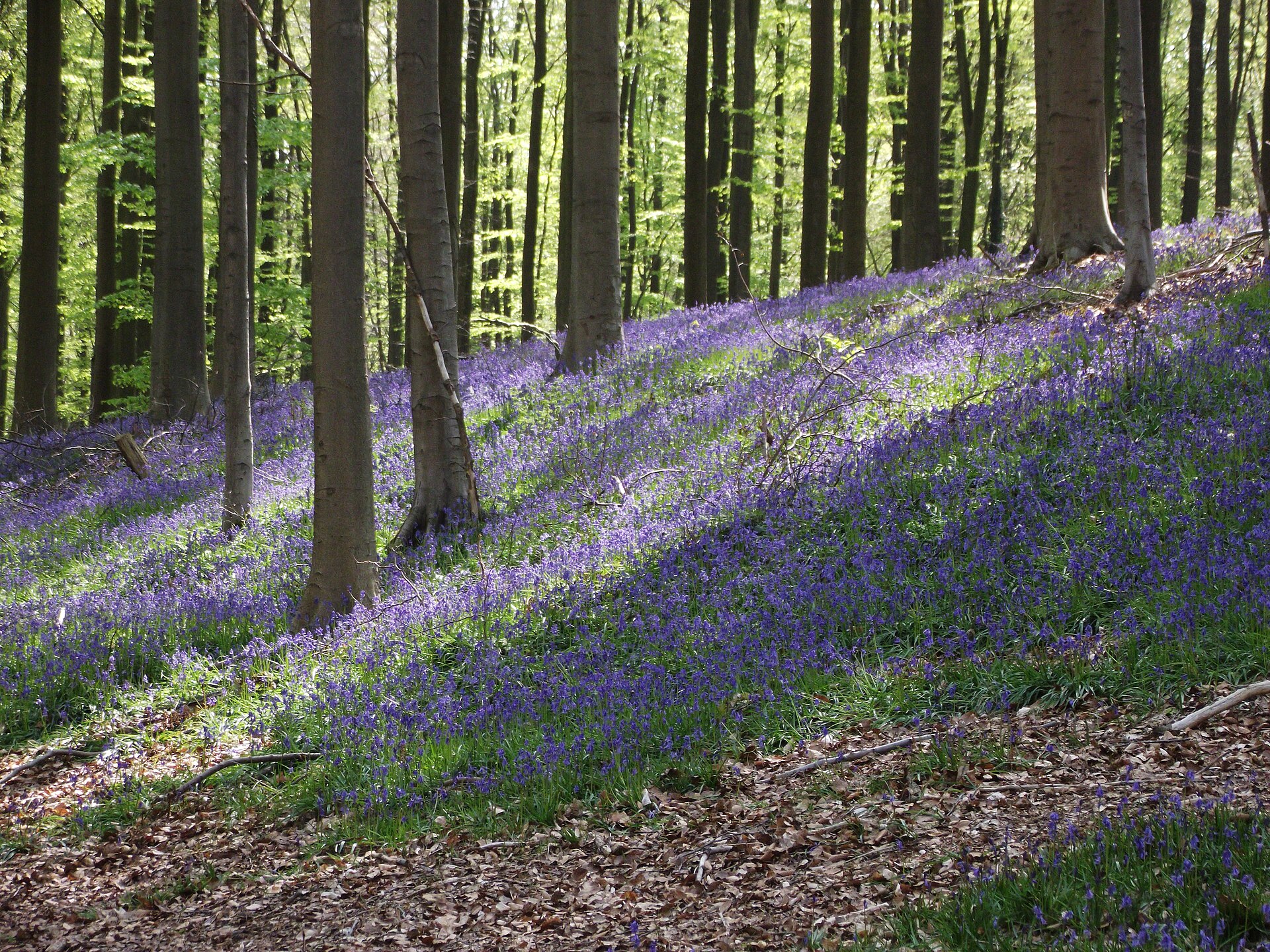
Natura 2000
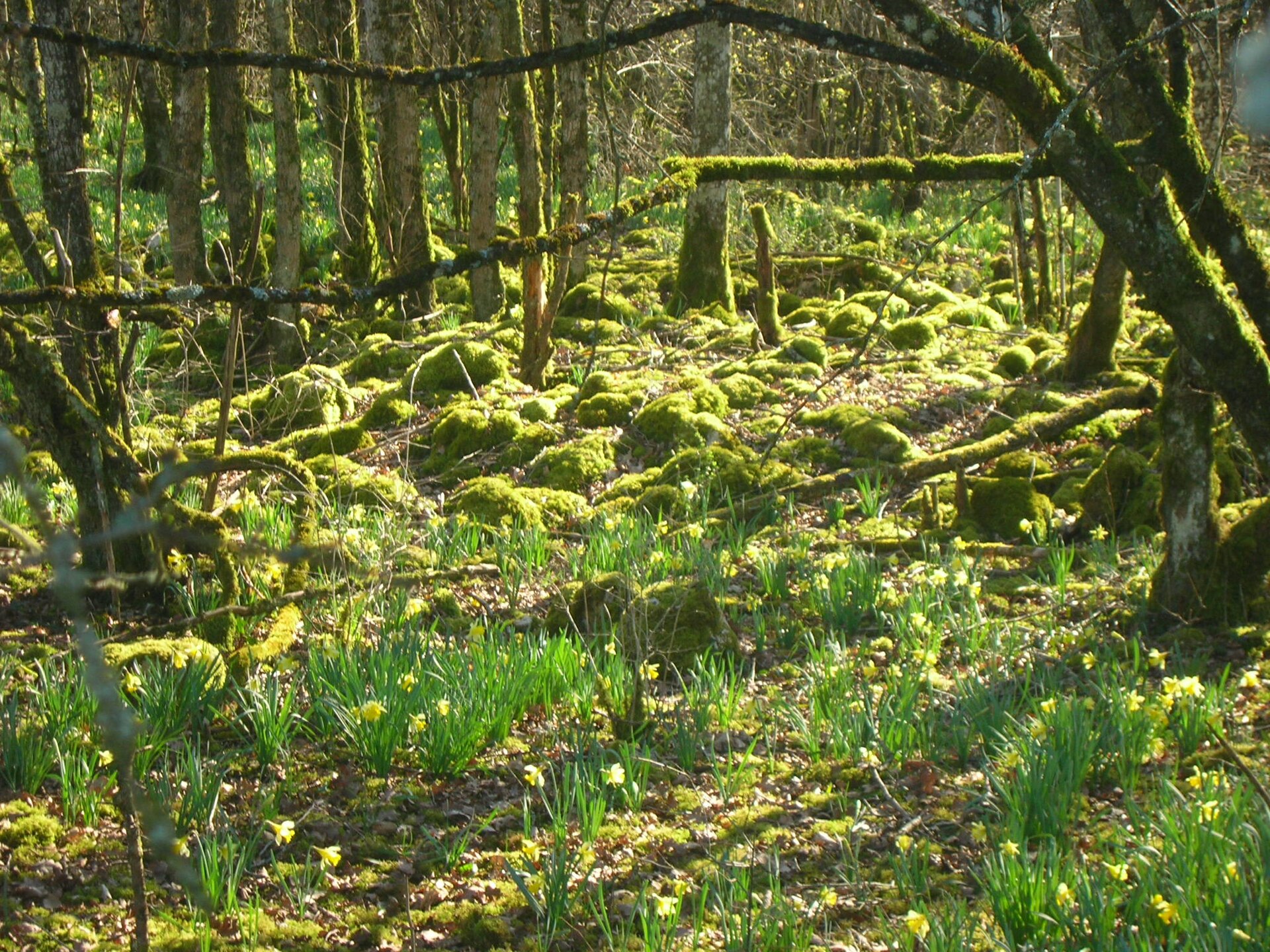
Natura 2000
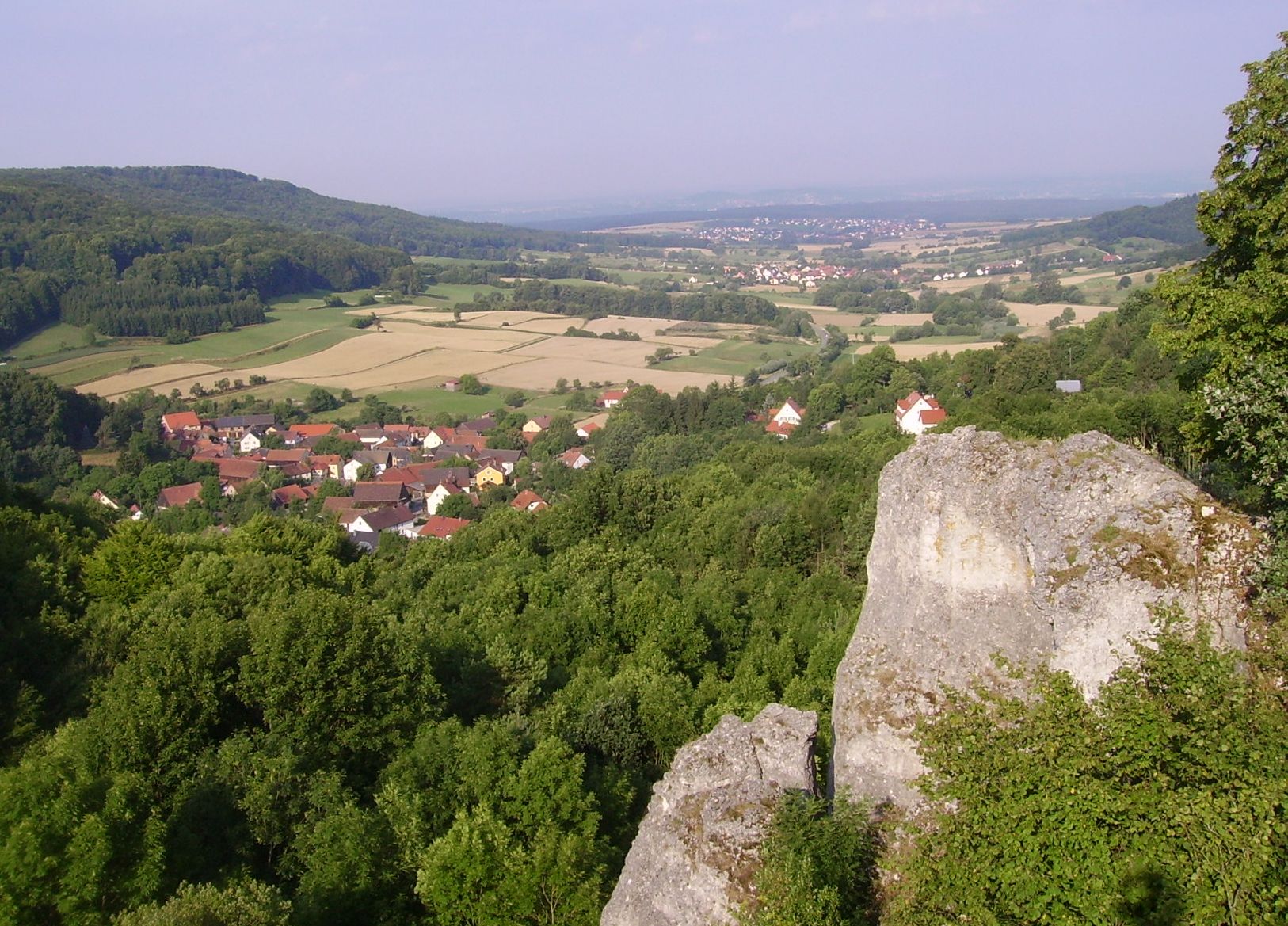
Natura 2000
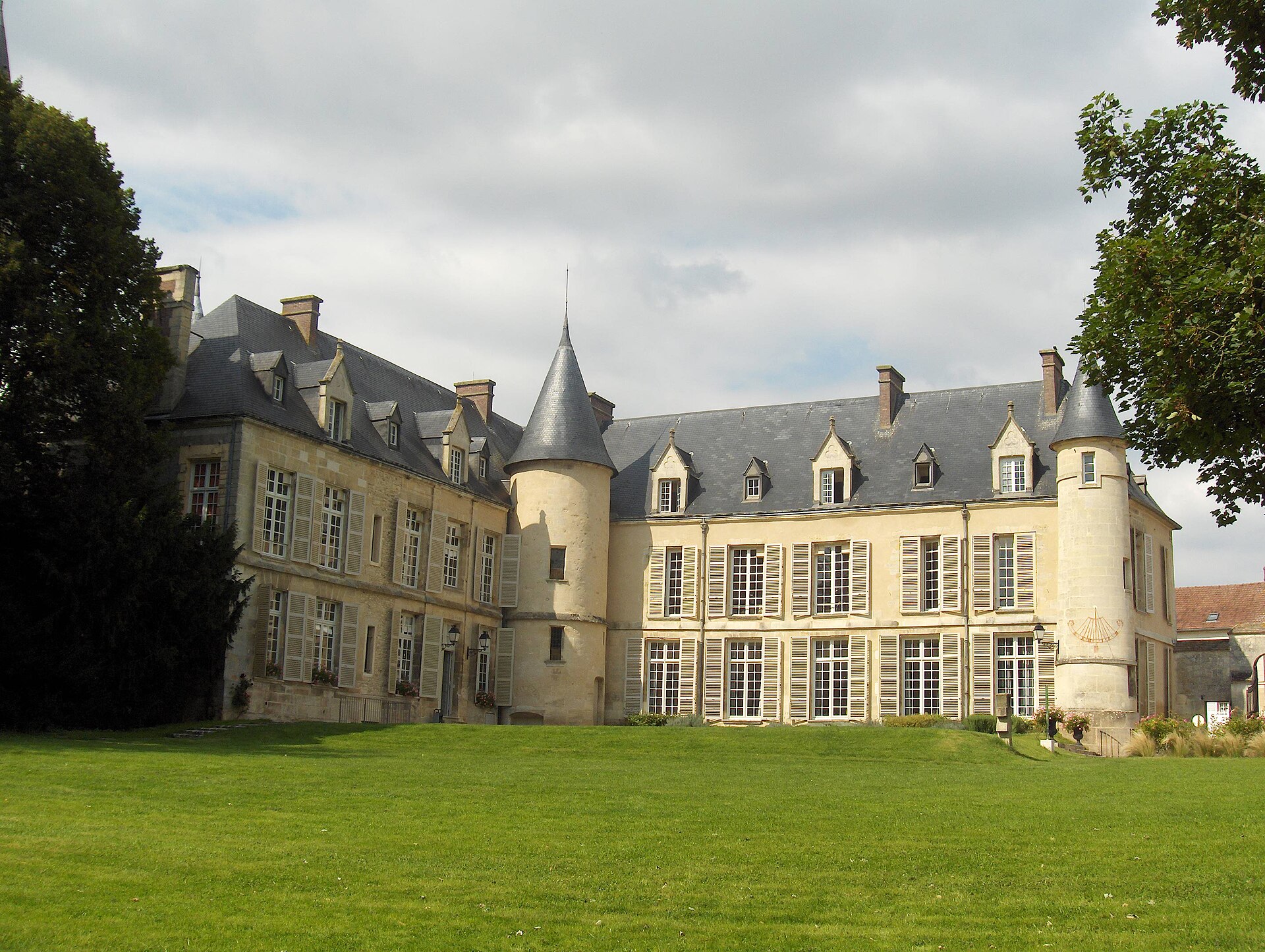
Natura 2000
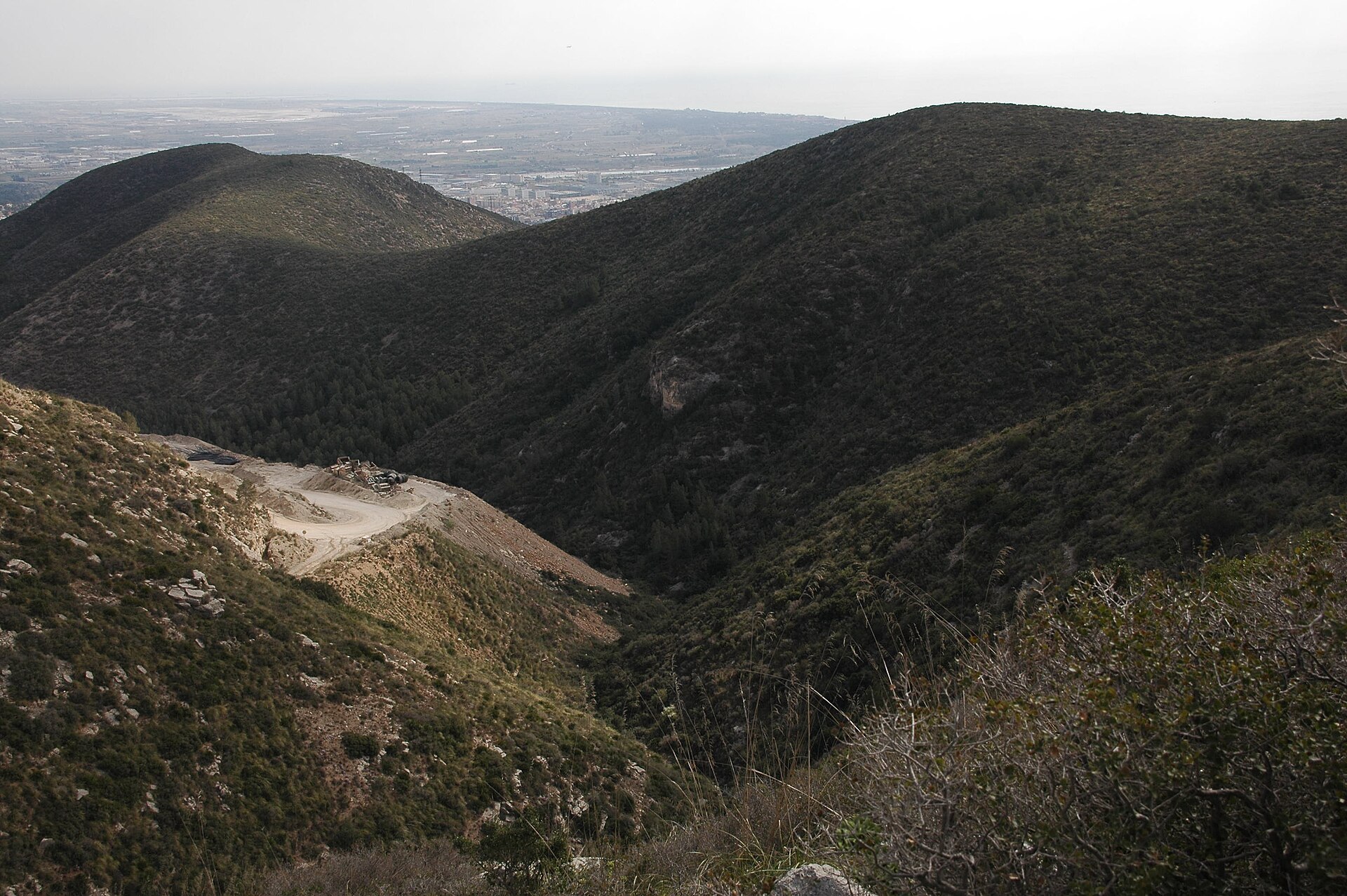
Natura 2000
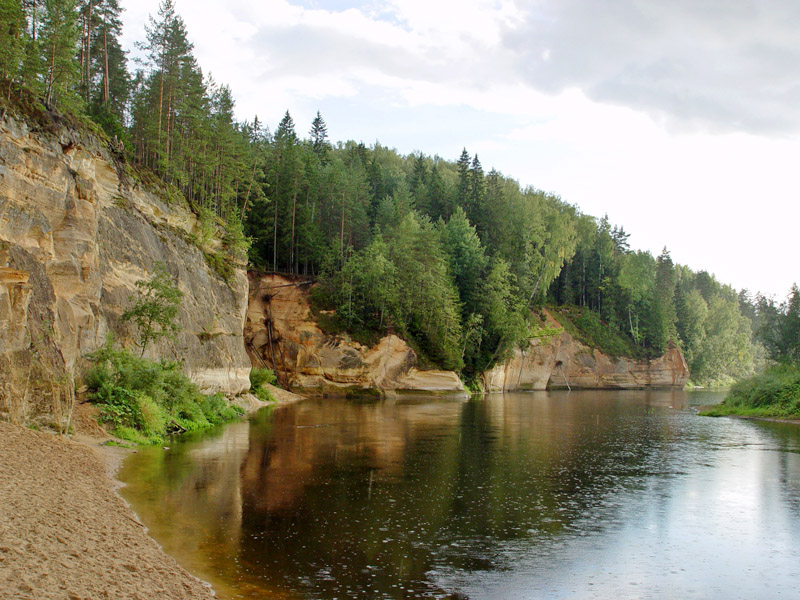
Natura 2000
Natura 2000
Natura 2000
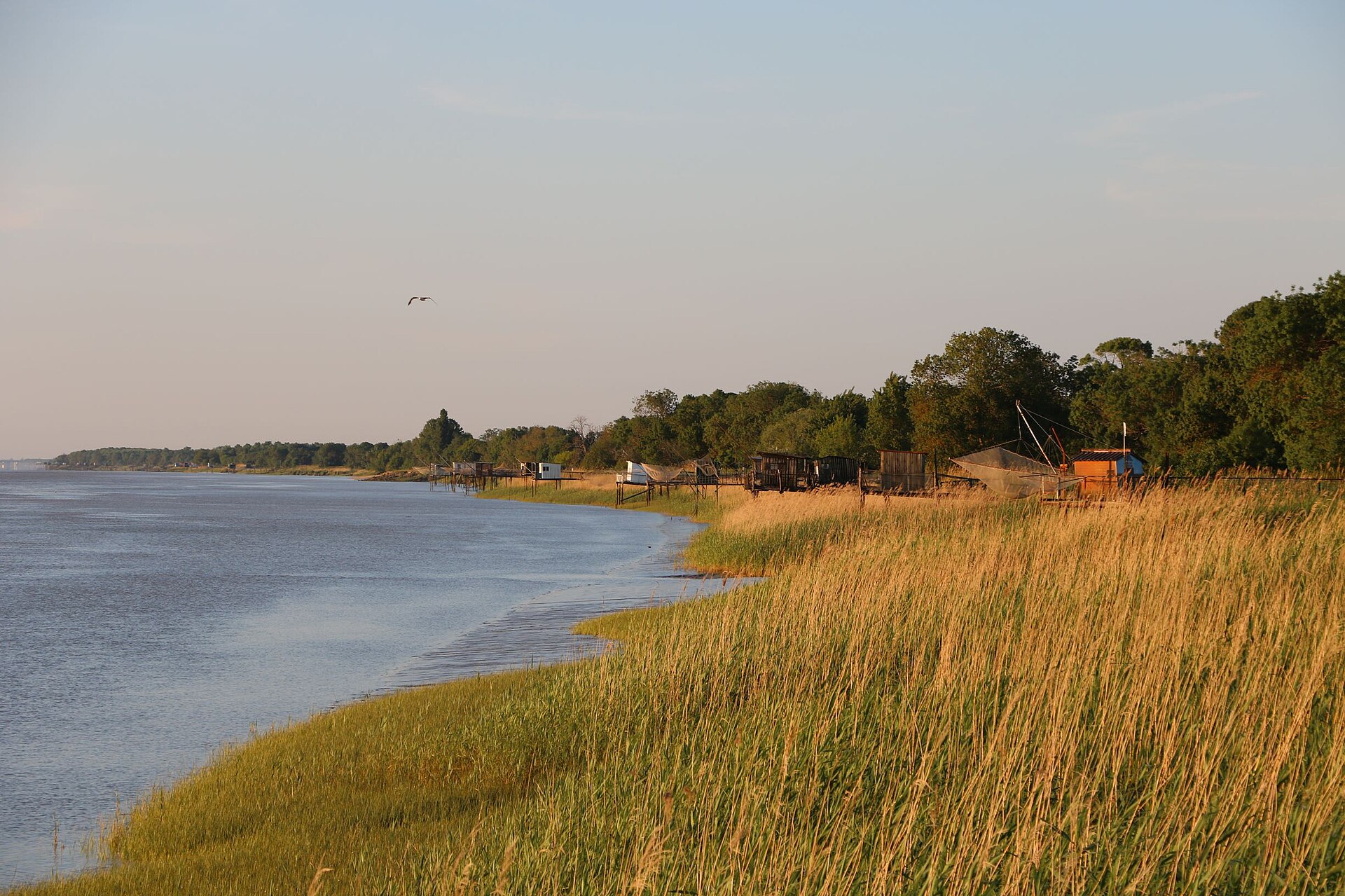
Natura 2000

Natura 2000

Natura 2000

Natura 2000
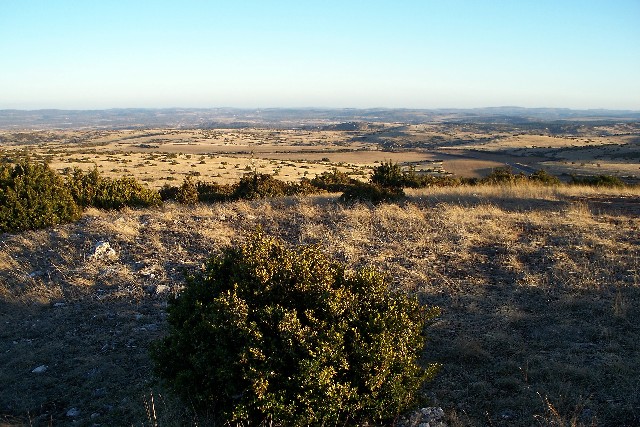
Natura 2000
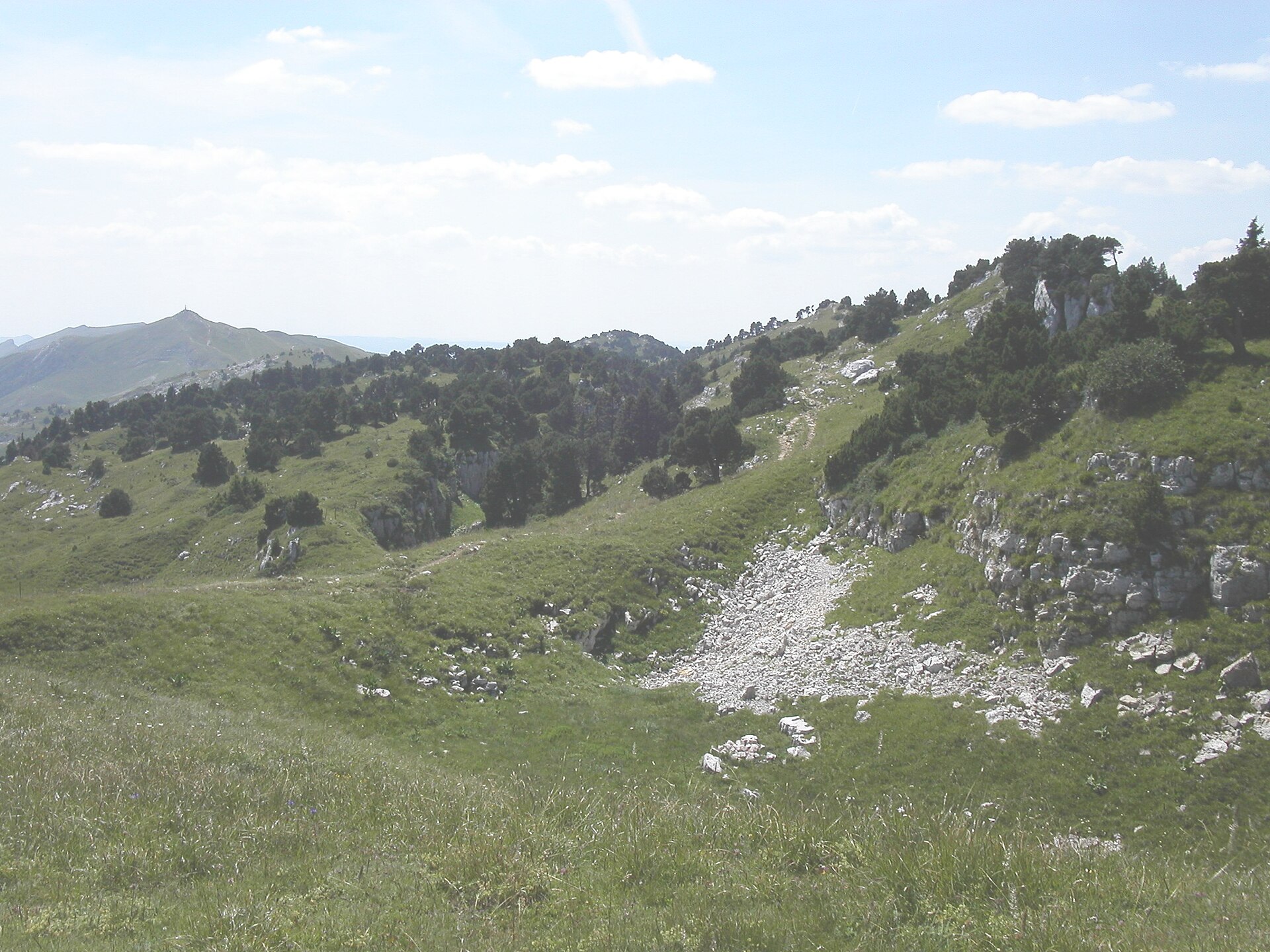
Natura 2000
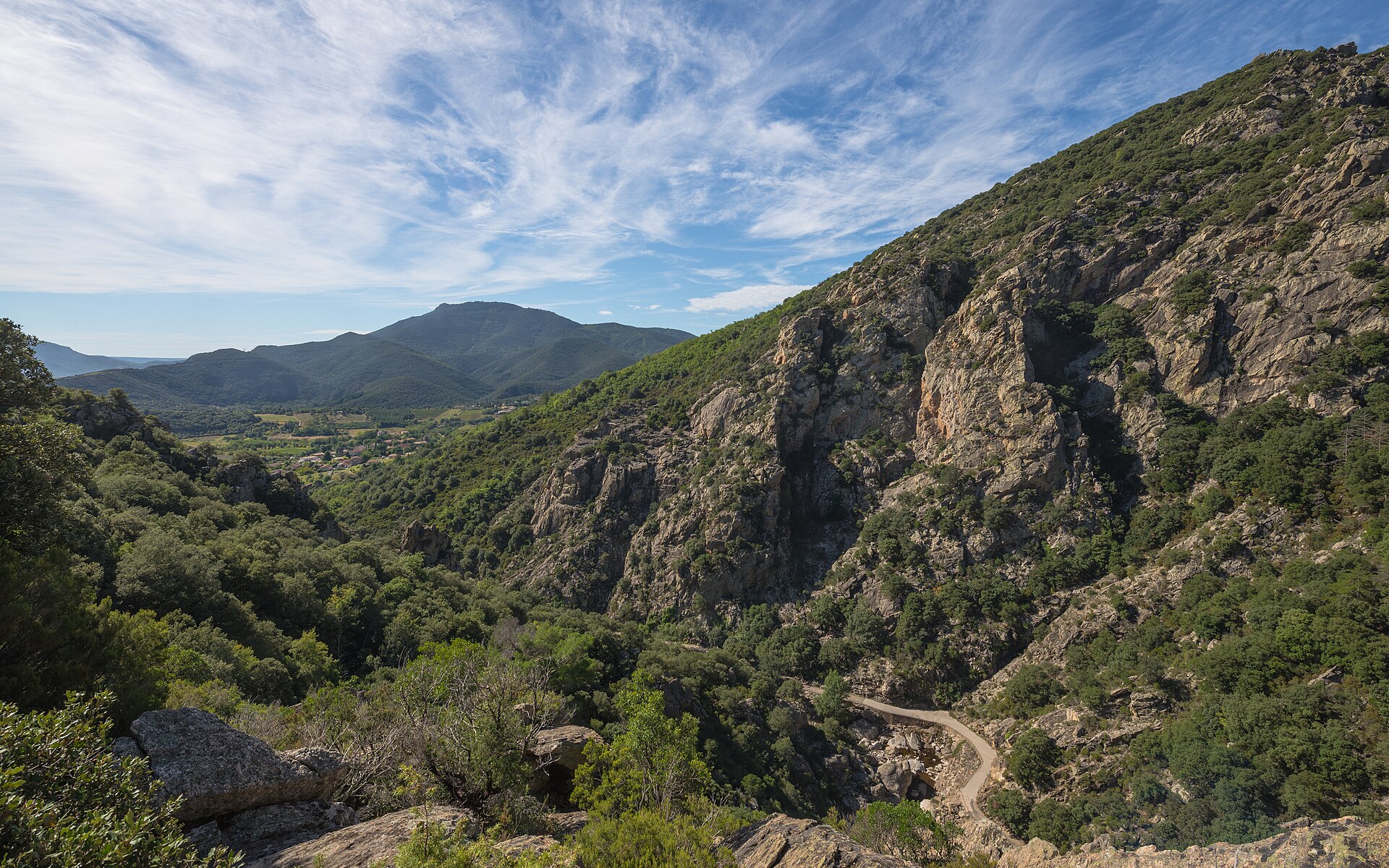
Natura 2000
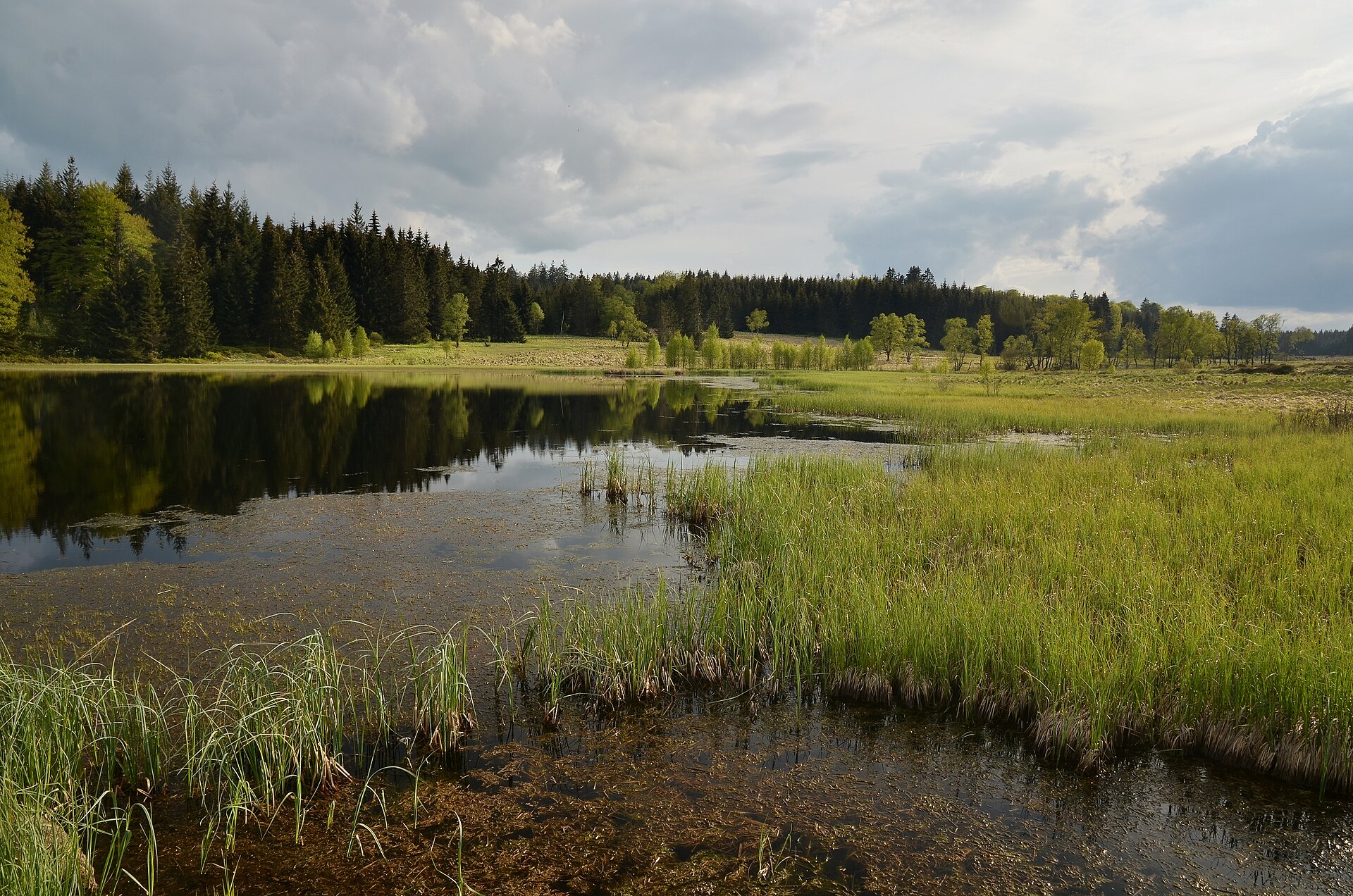
Natura 2000
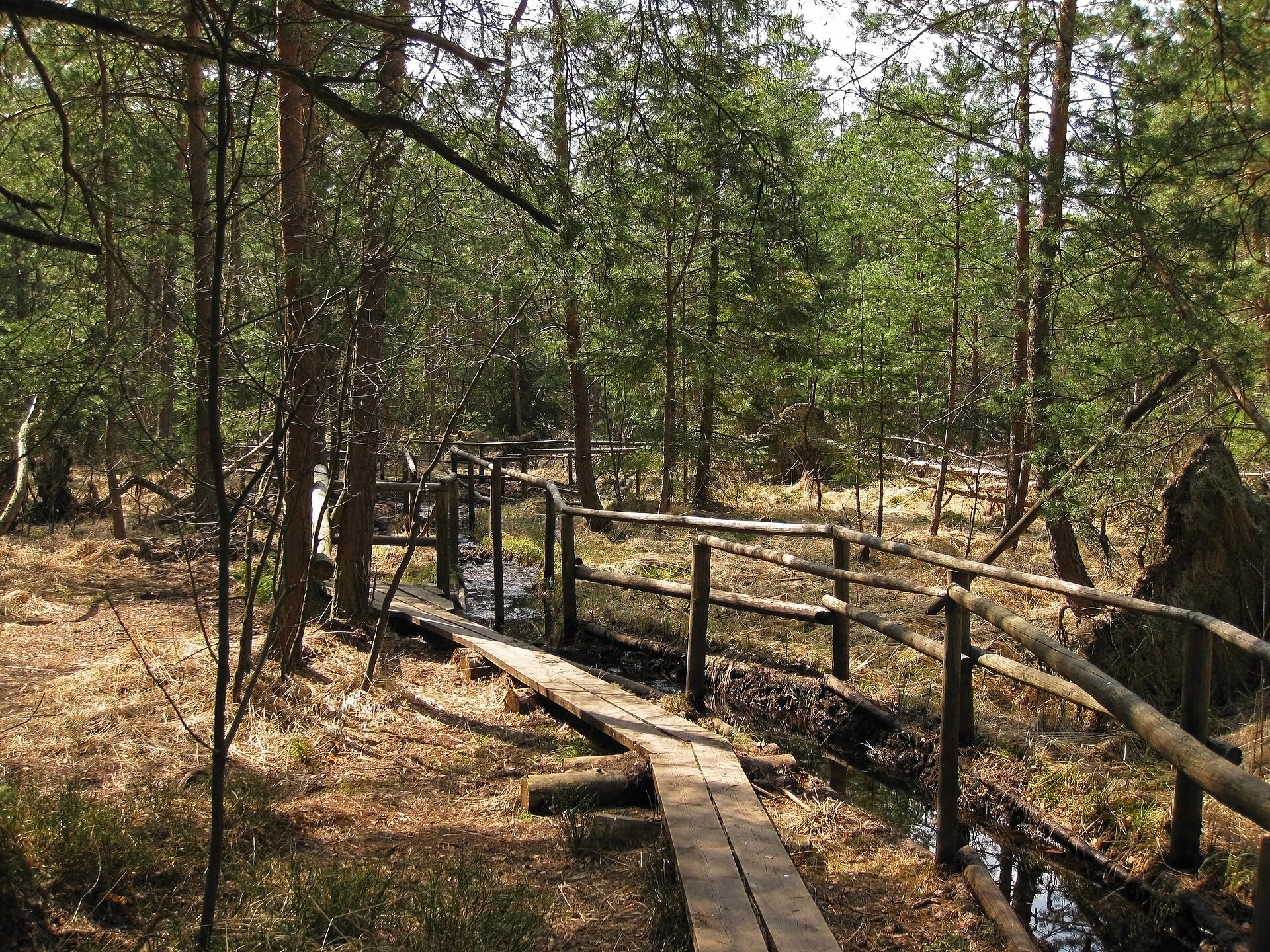
Natura 2000
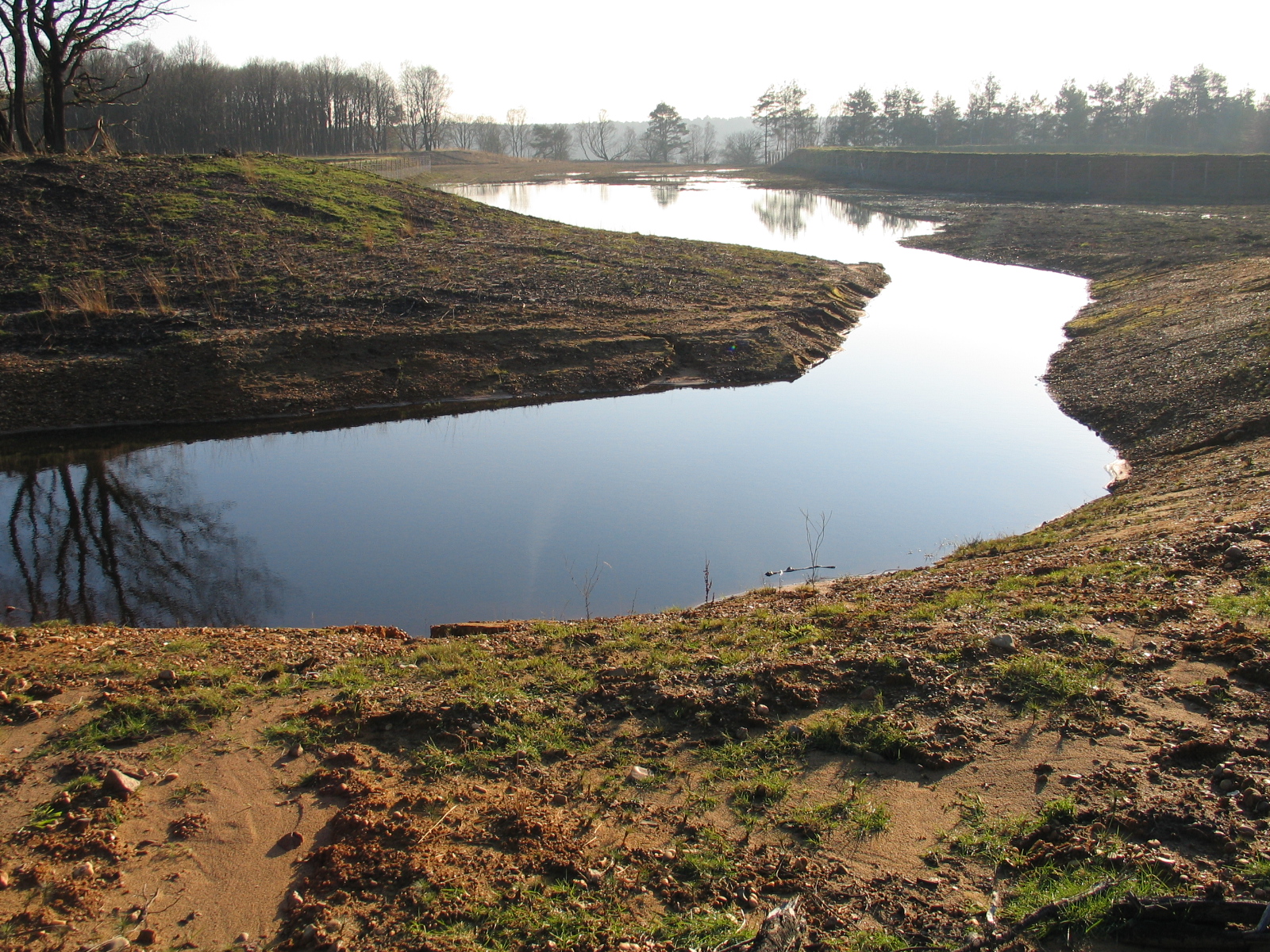
Natura 2000
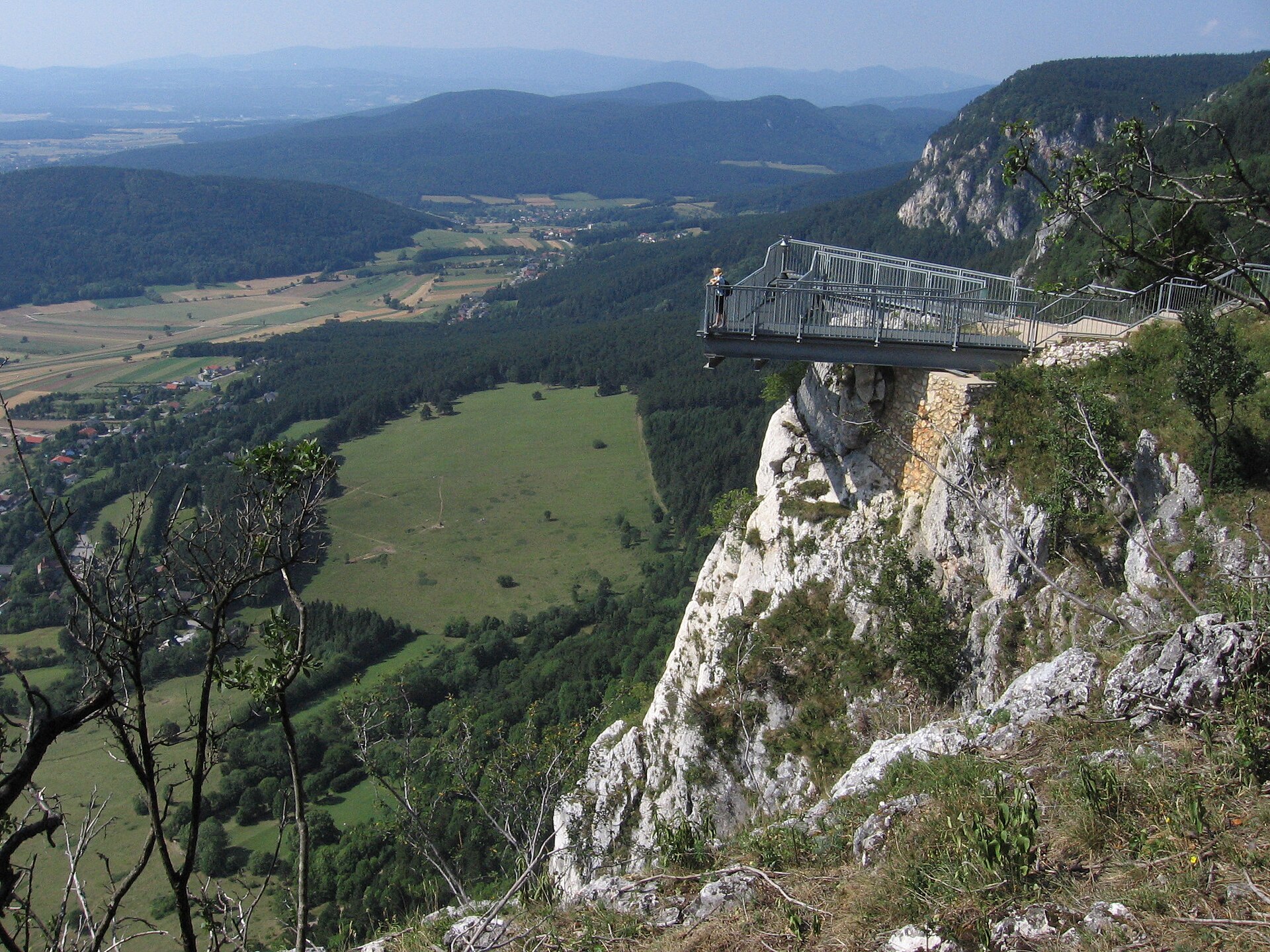
Natura 2000

Natura 2000
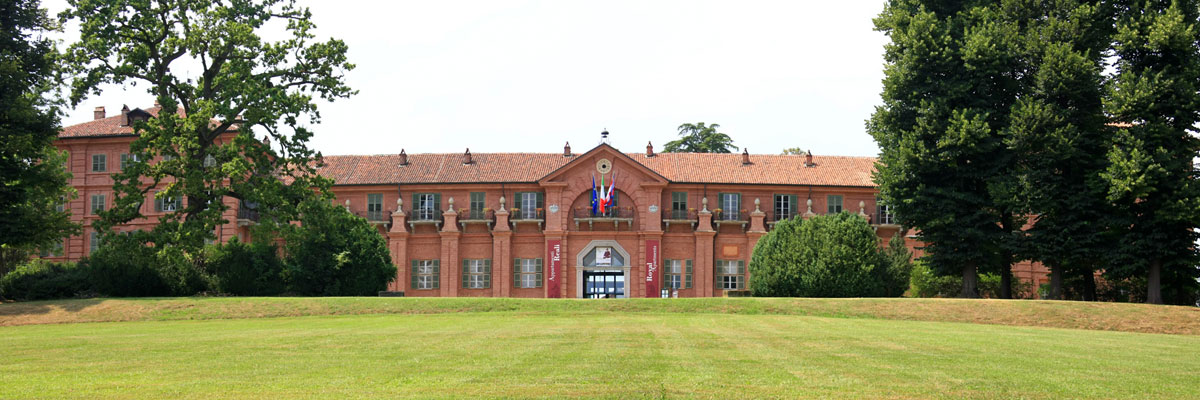
Natura 2000

Natura 2000

Natura 2000
Natura 2000
Natura 2000
Natura 2000
Natura 2000

Natura 2000
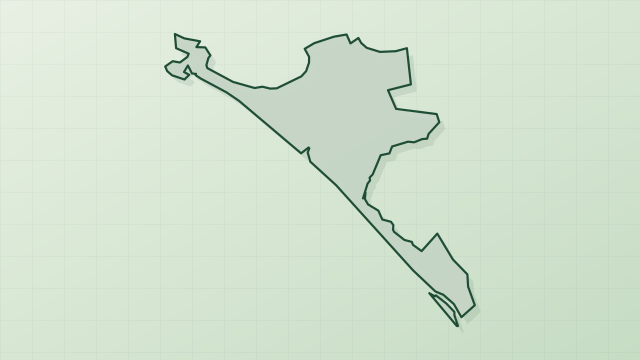
Natura 2000
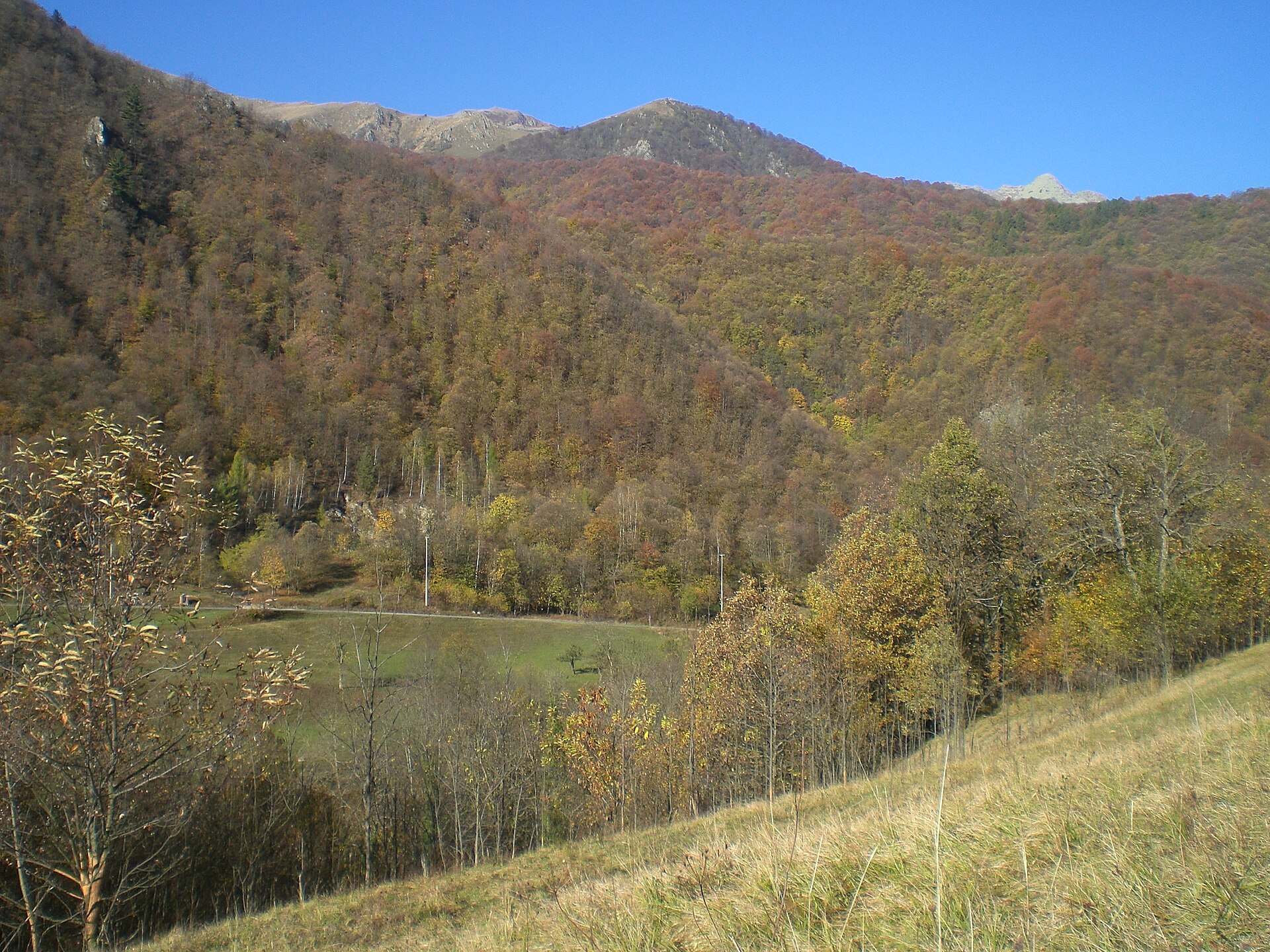
Natura 2000
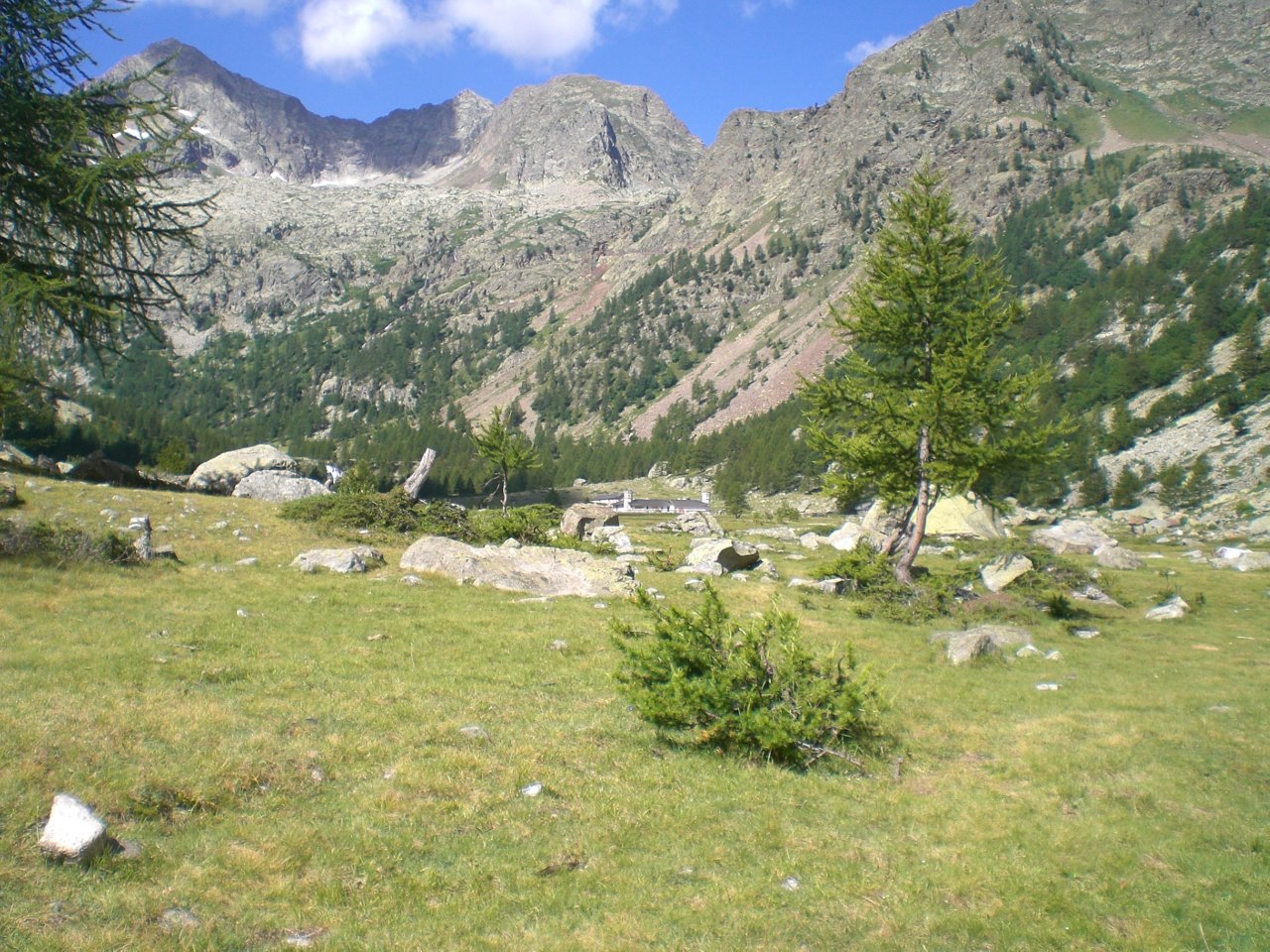
Natura 2000
Natura 2000
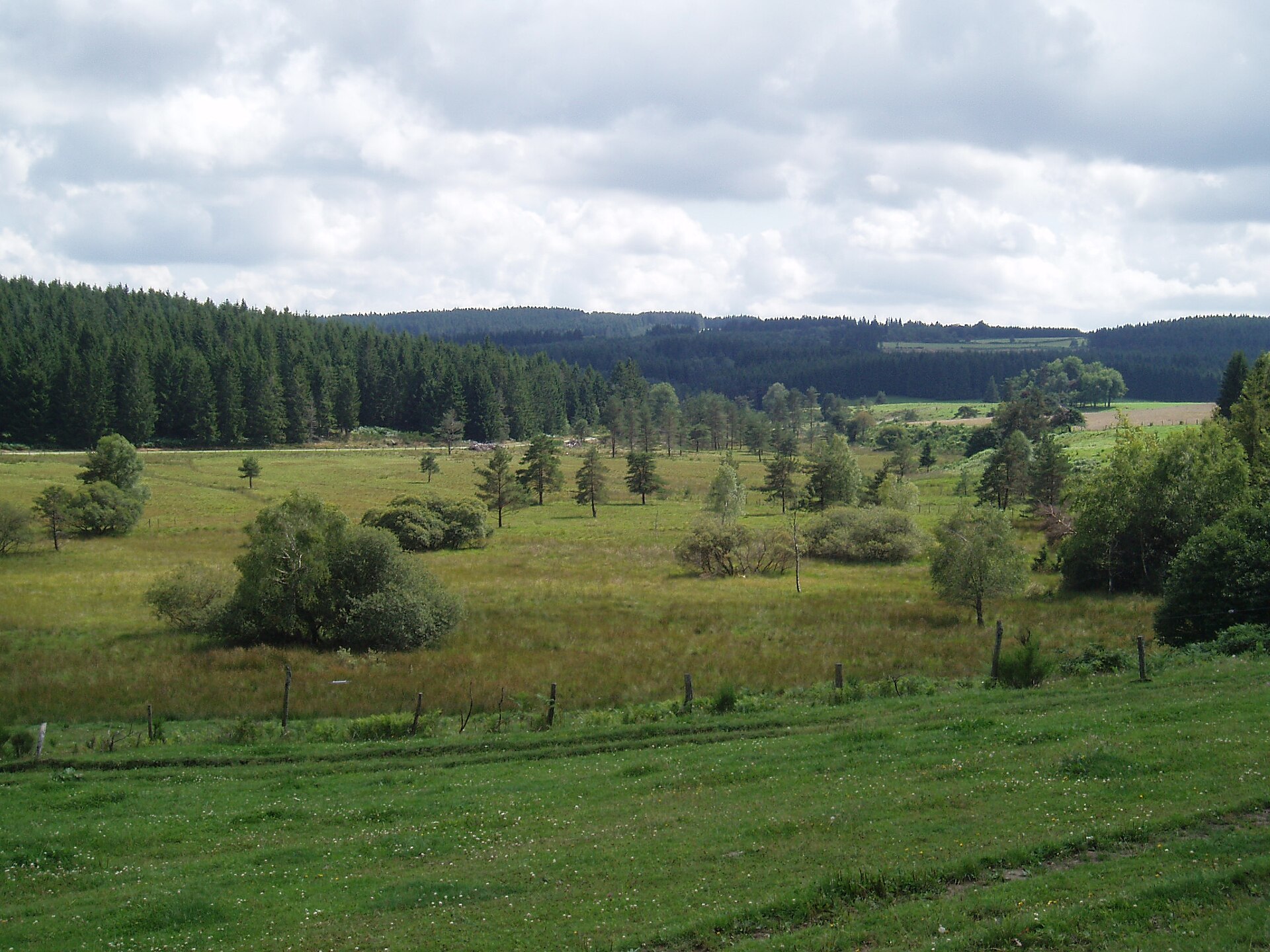
Natura 2000

Natura 2000
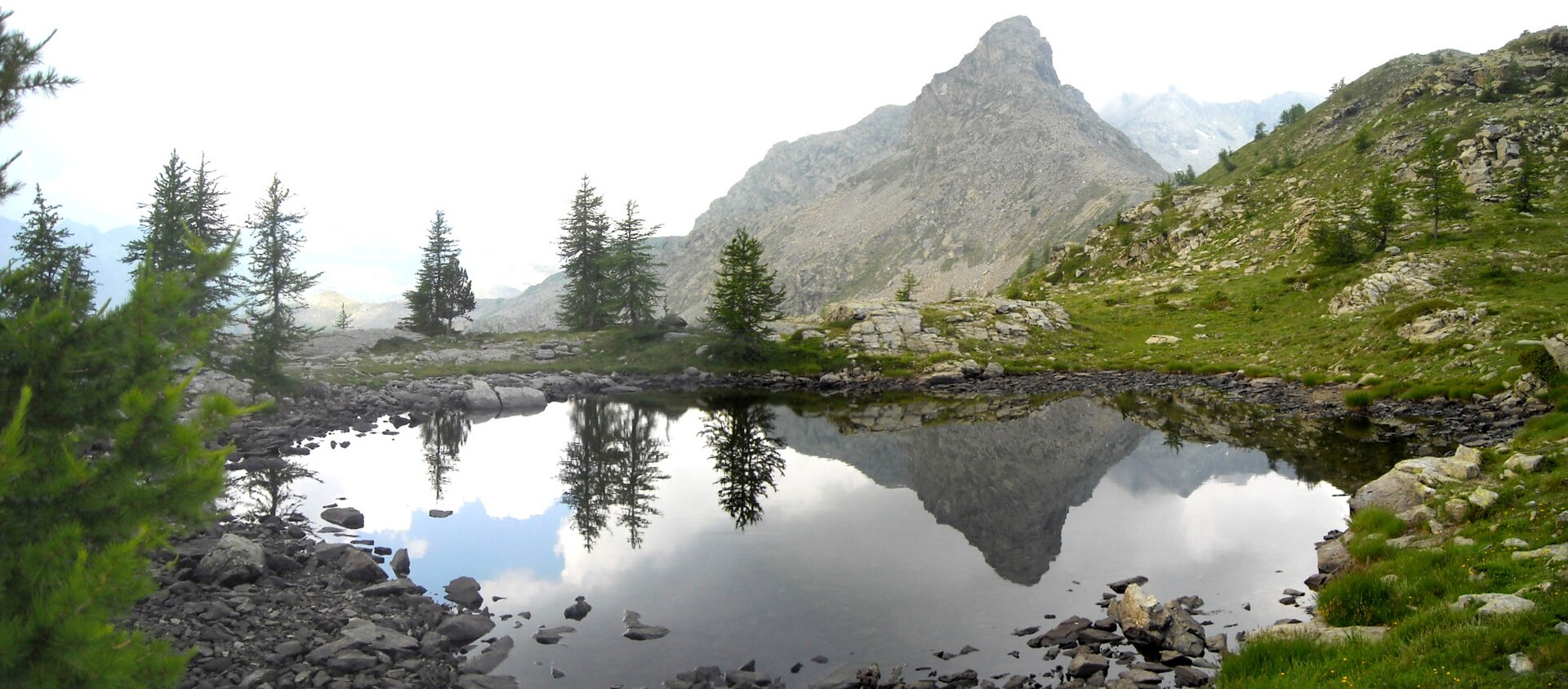
Natura 2000
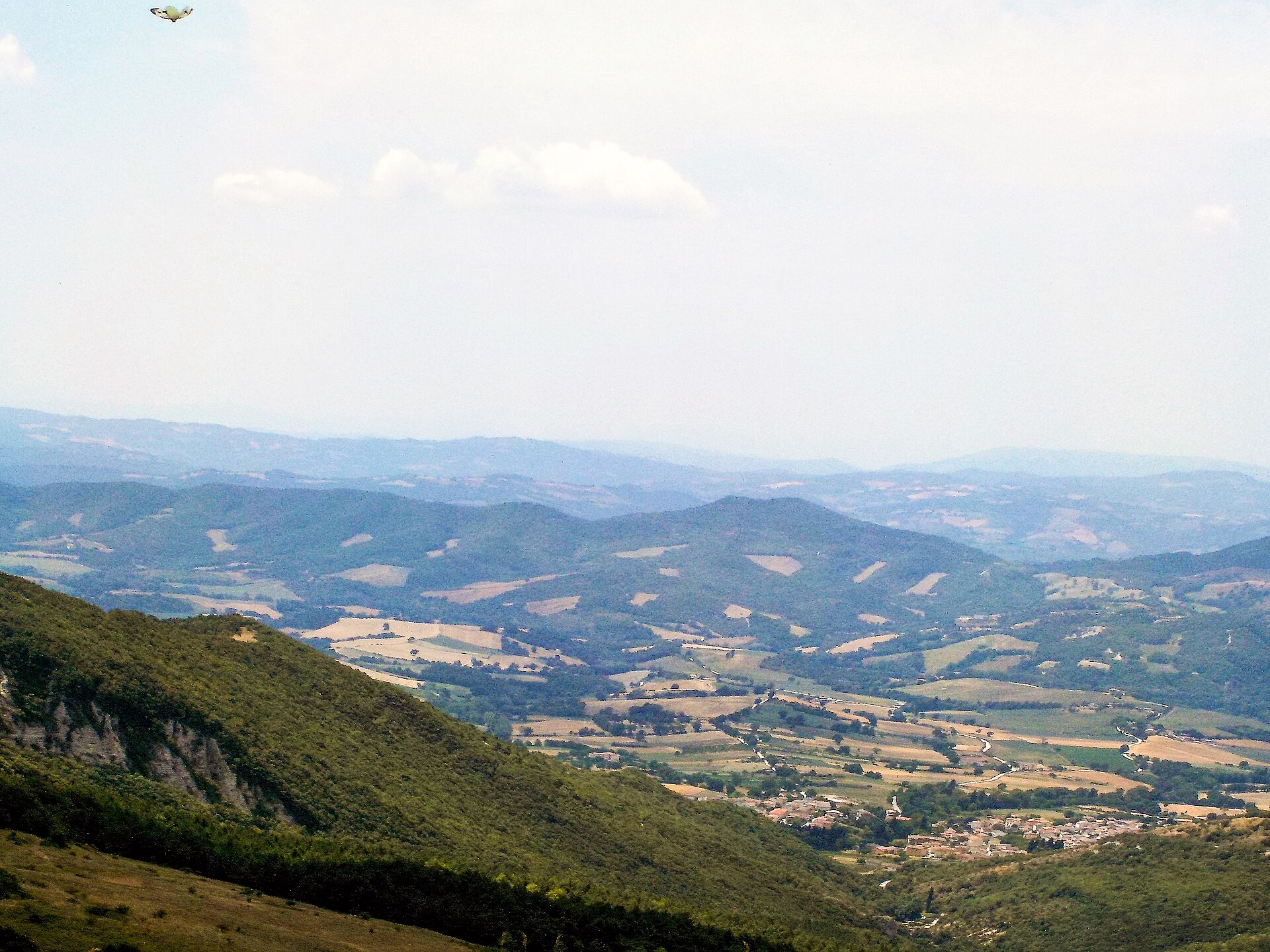
Natura 2000
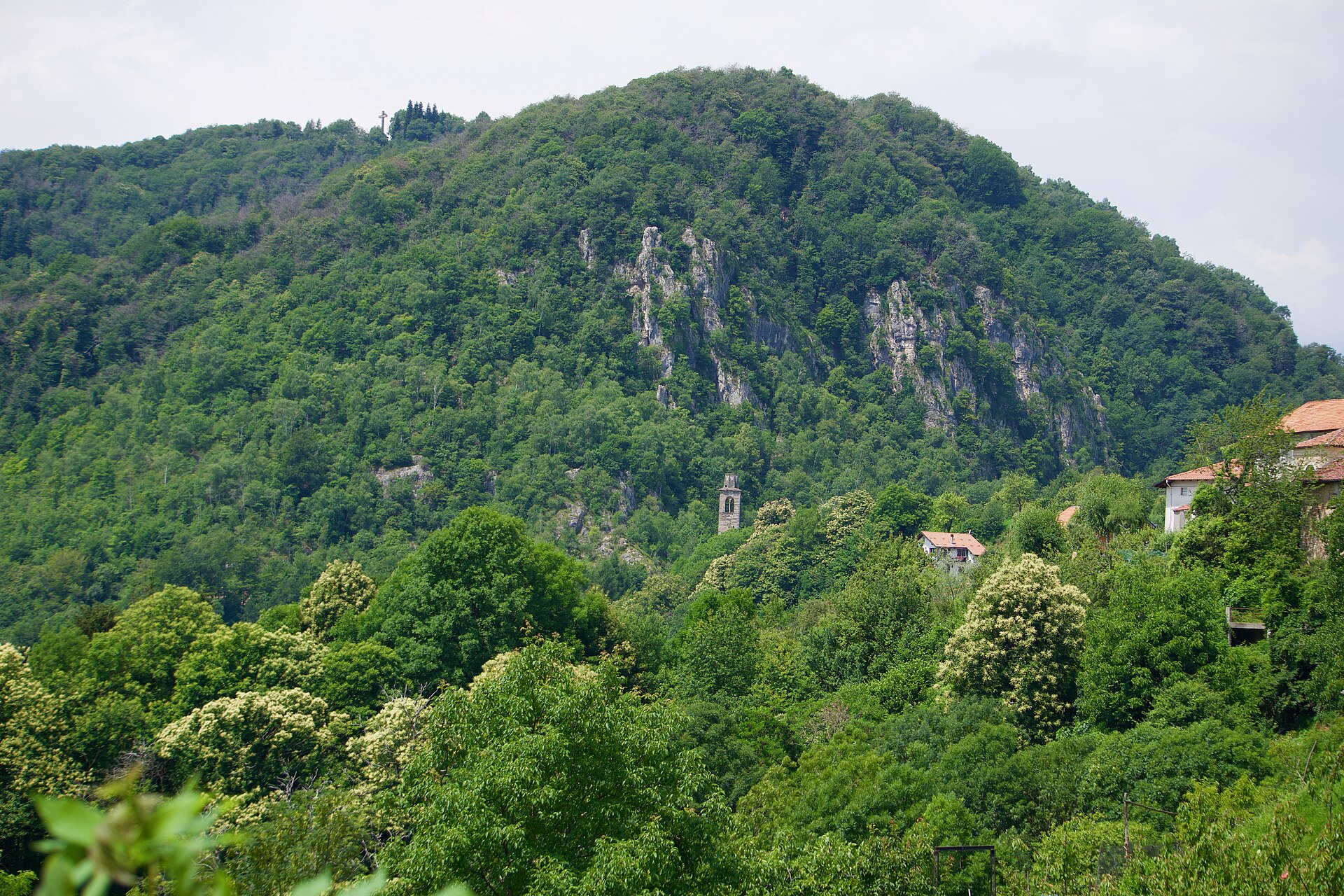
Natura 2000

Natura 2000

Natura 2000
Natura 2000
Natura 2000
Natura 2000
Natura 2000
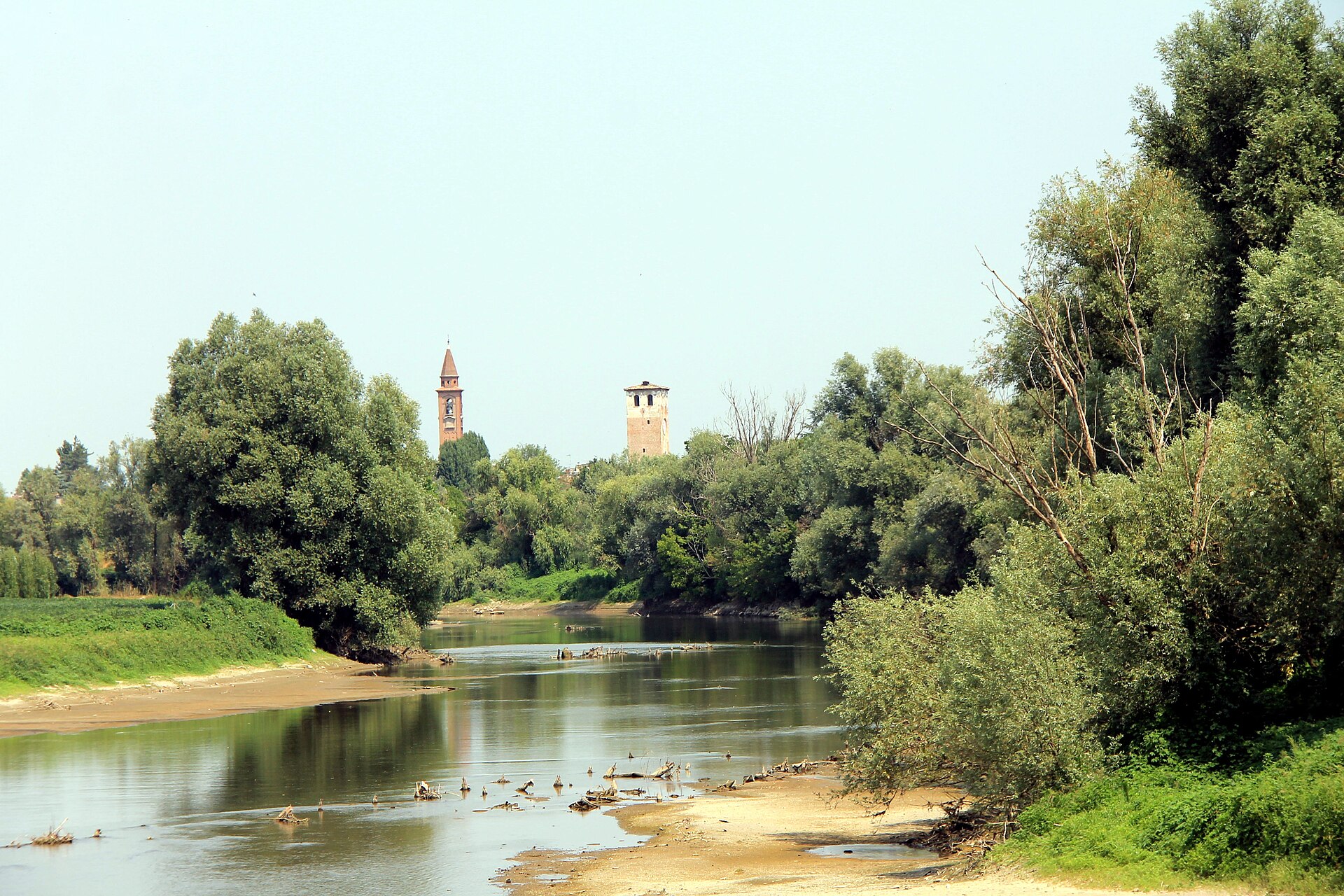
Natura 2000
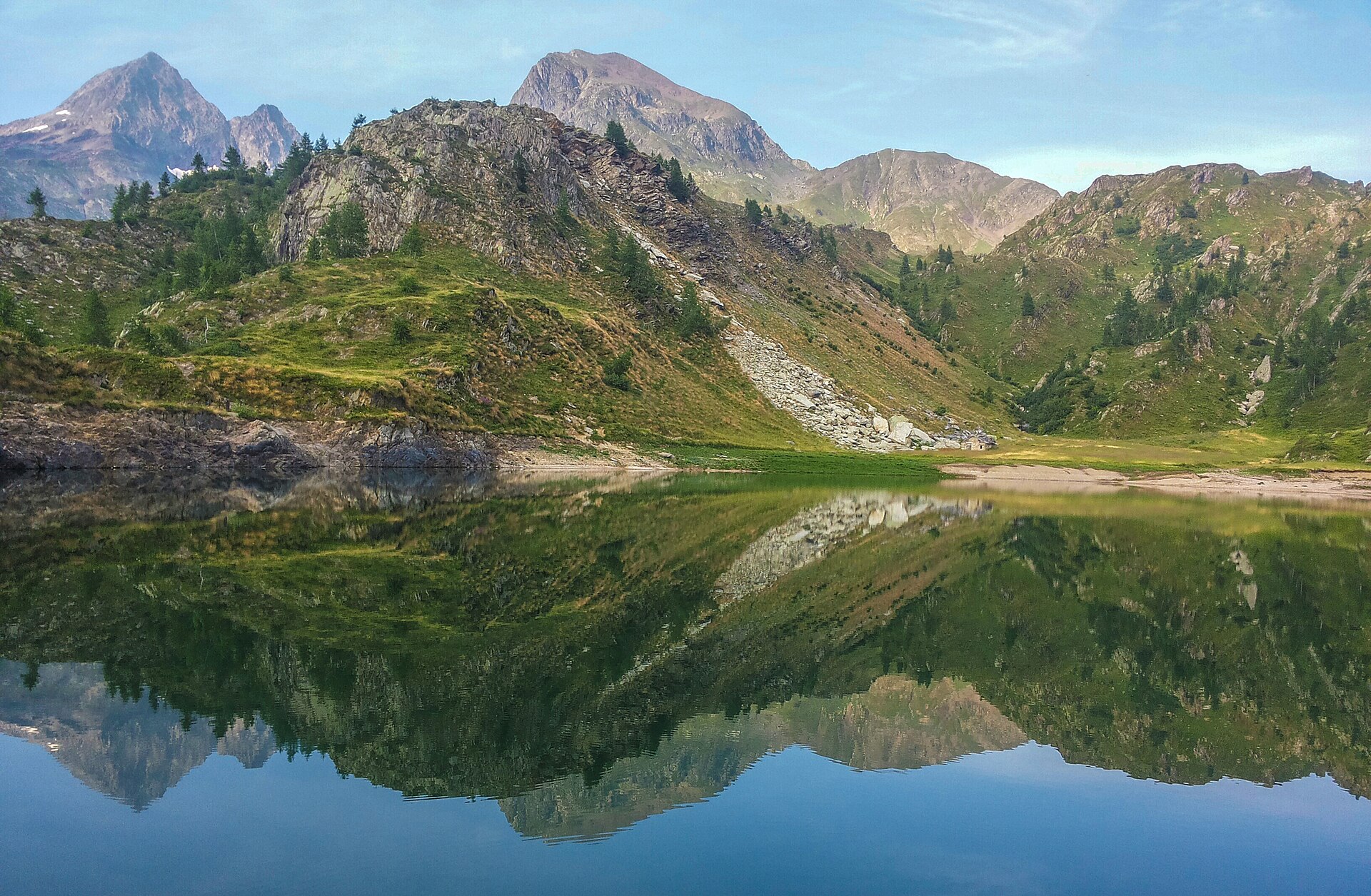
Natura 2000
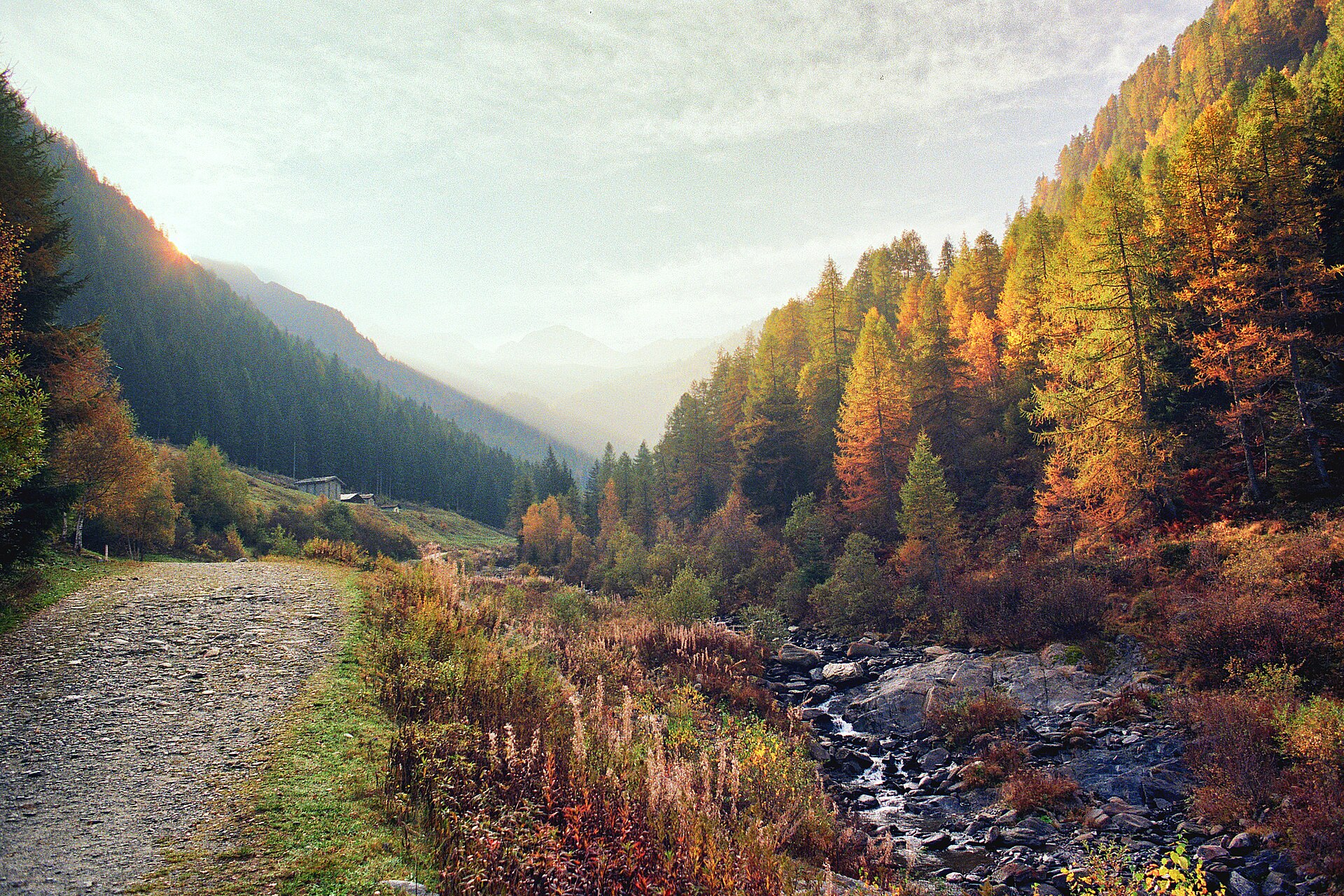
Natura 2000

Natura 2000
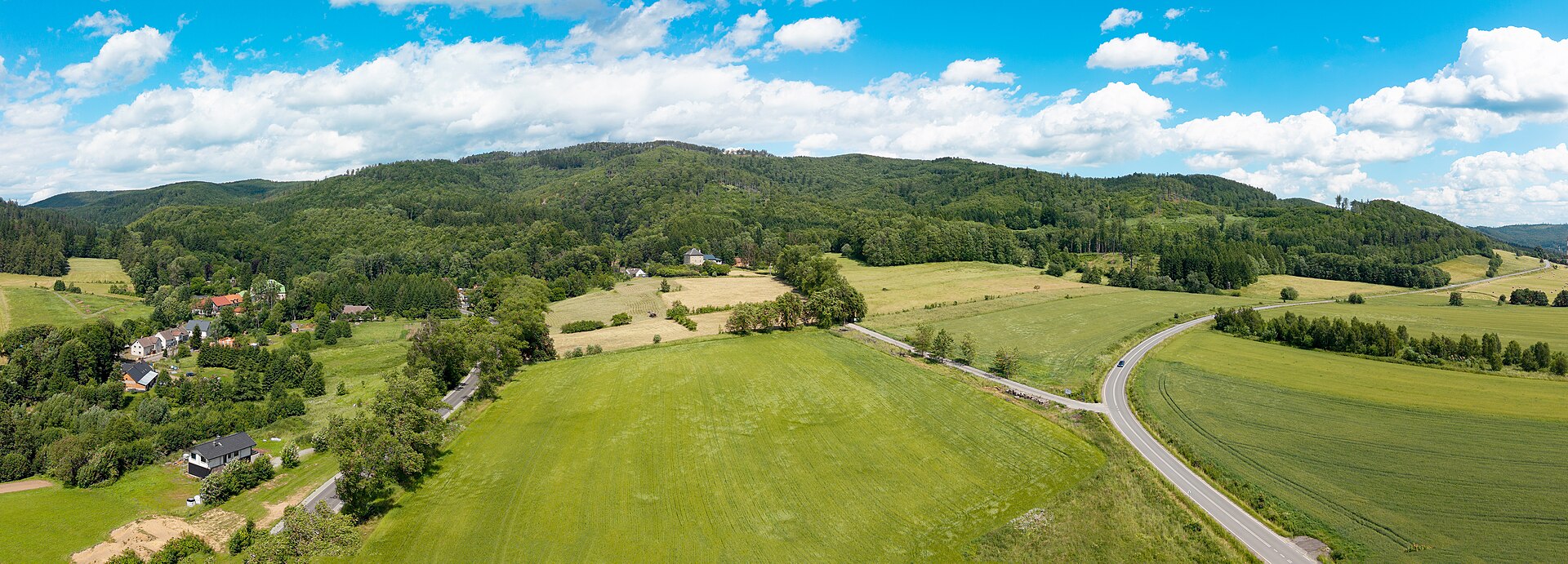
Natura 2000
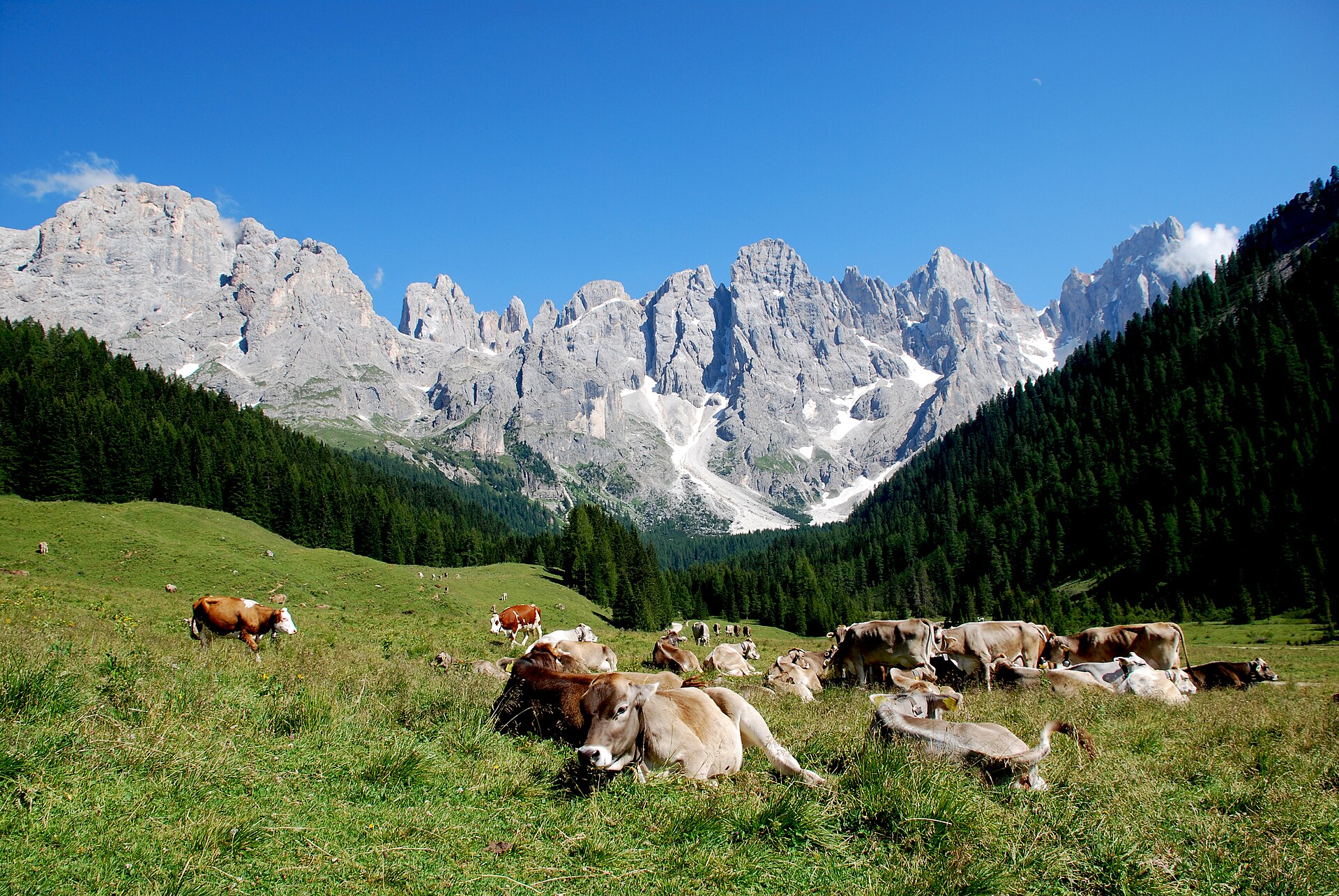
Natura 2000

Natura 2000
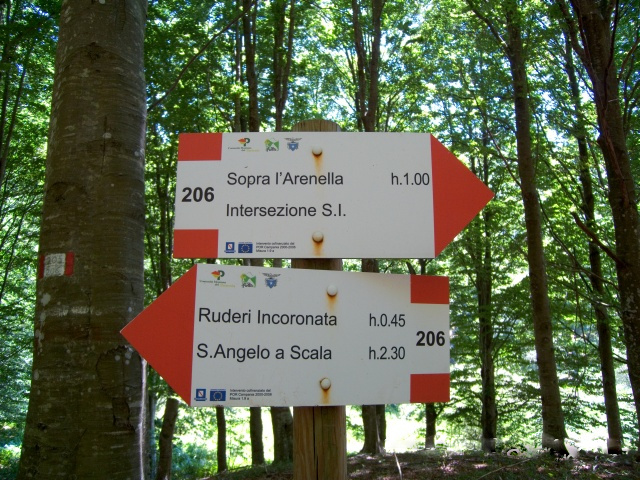
Natura 2000
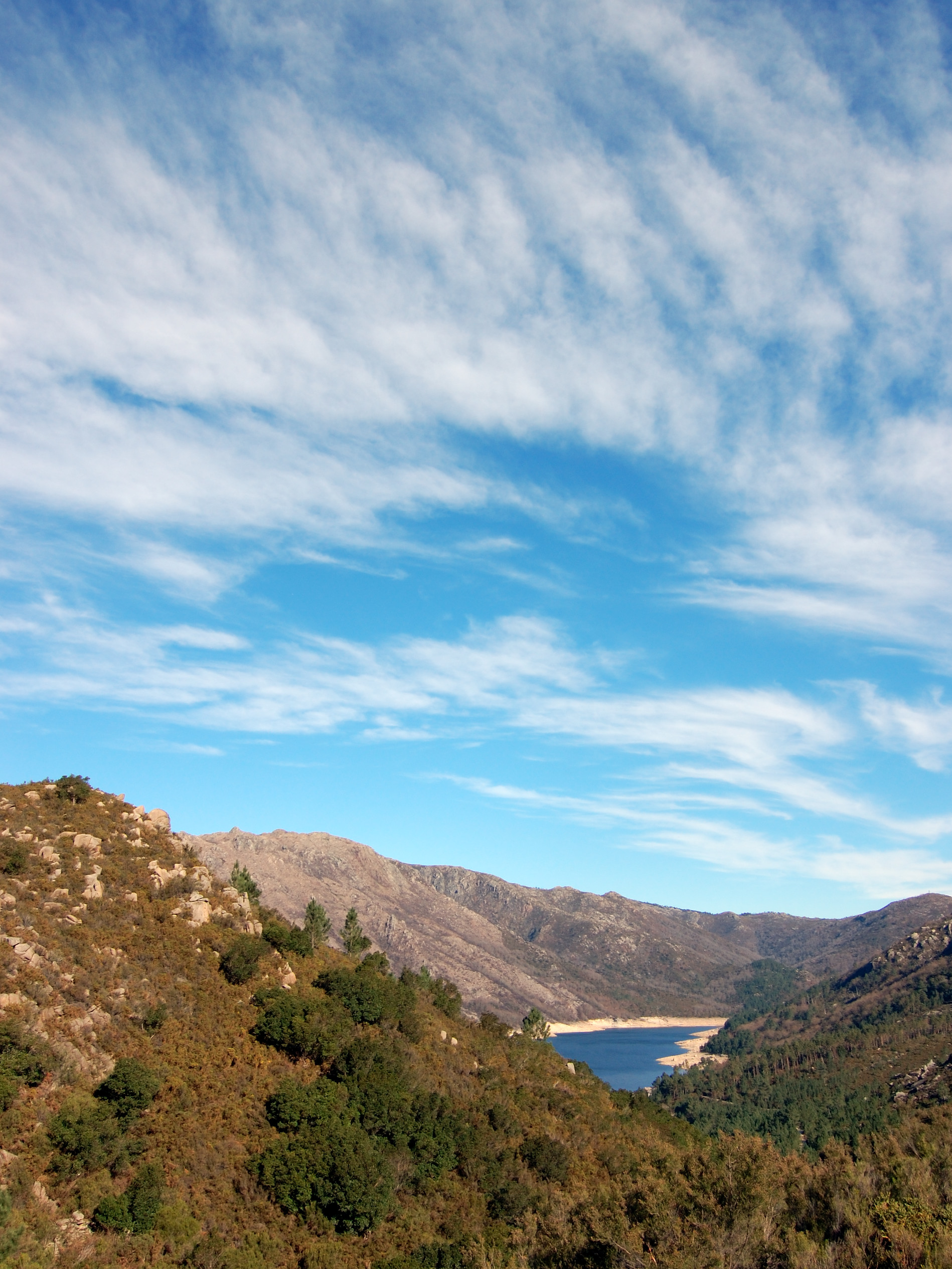
Natura 2000
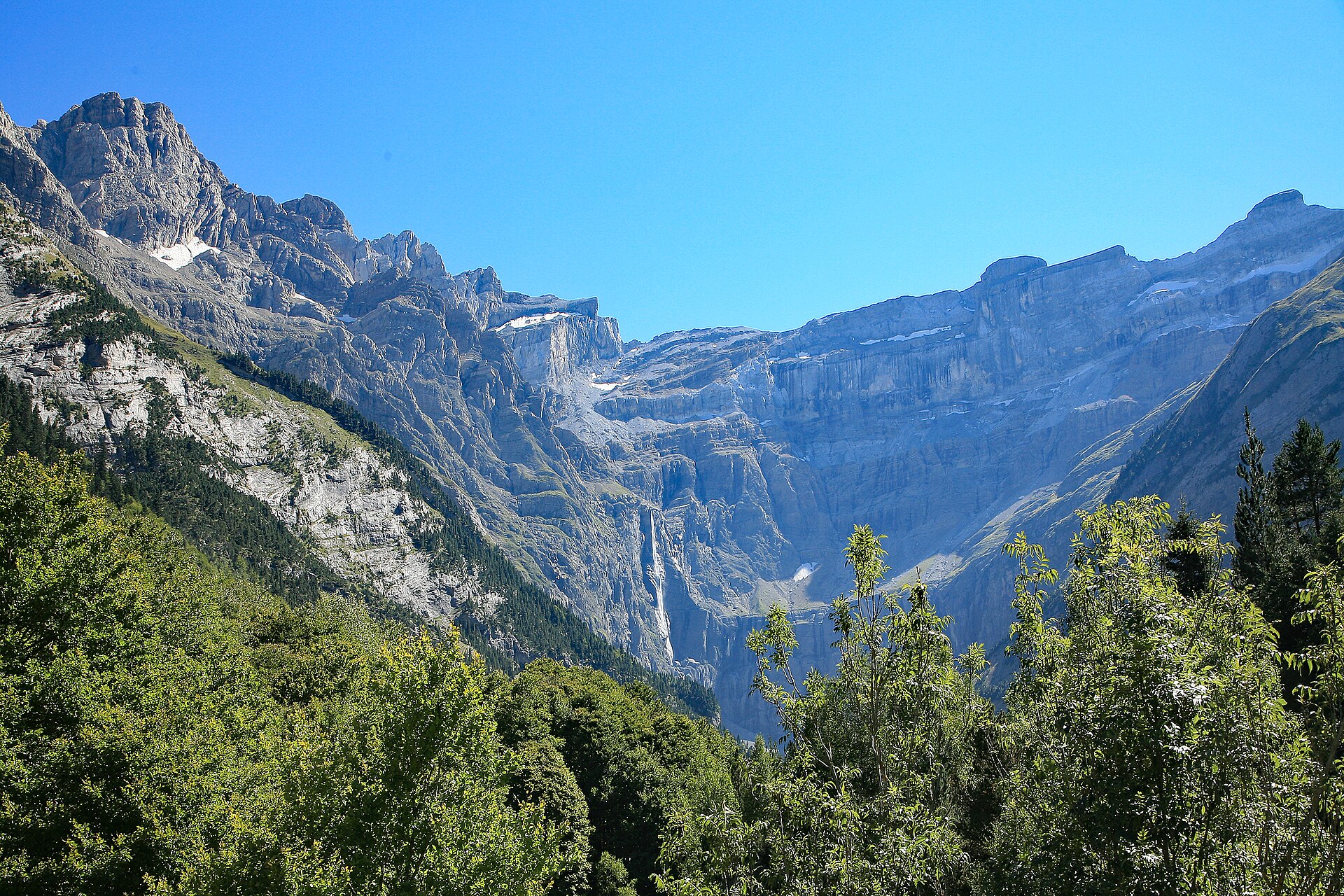
Natura 2000
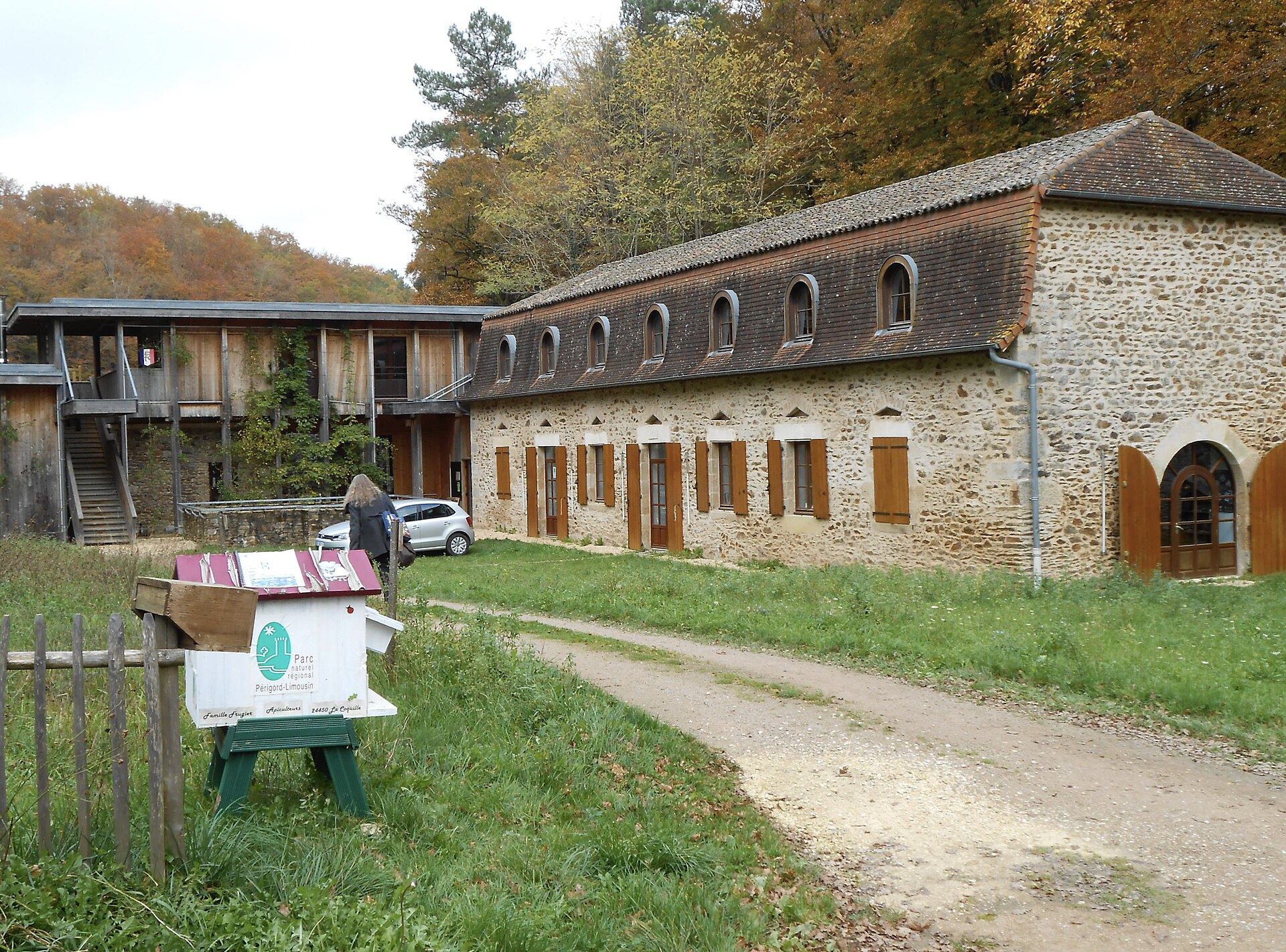
Natura 2000
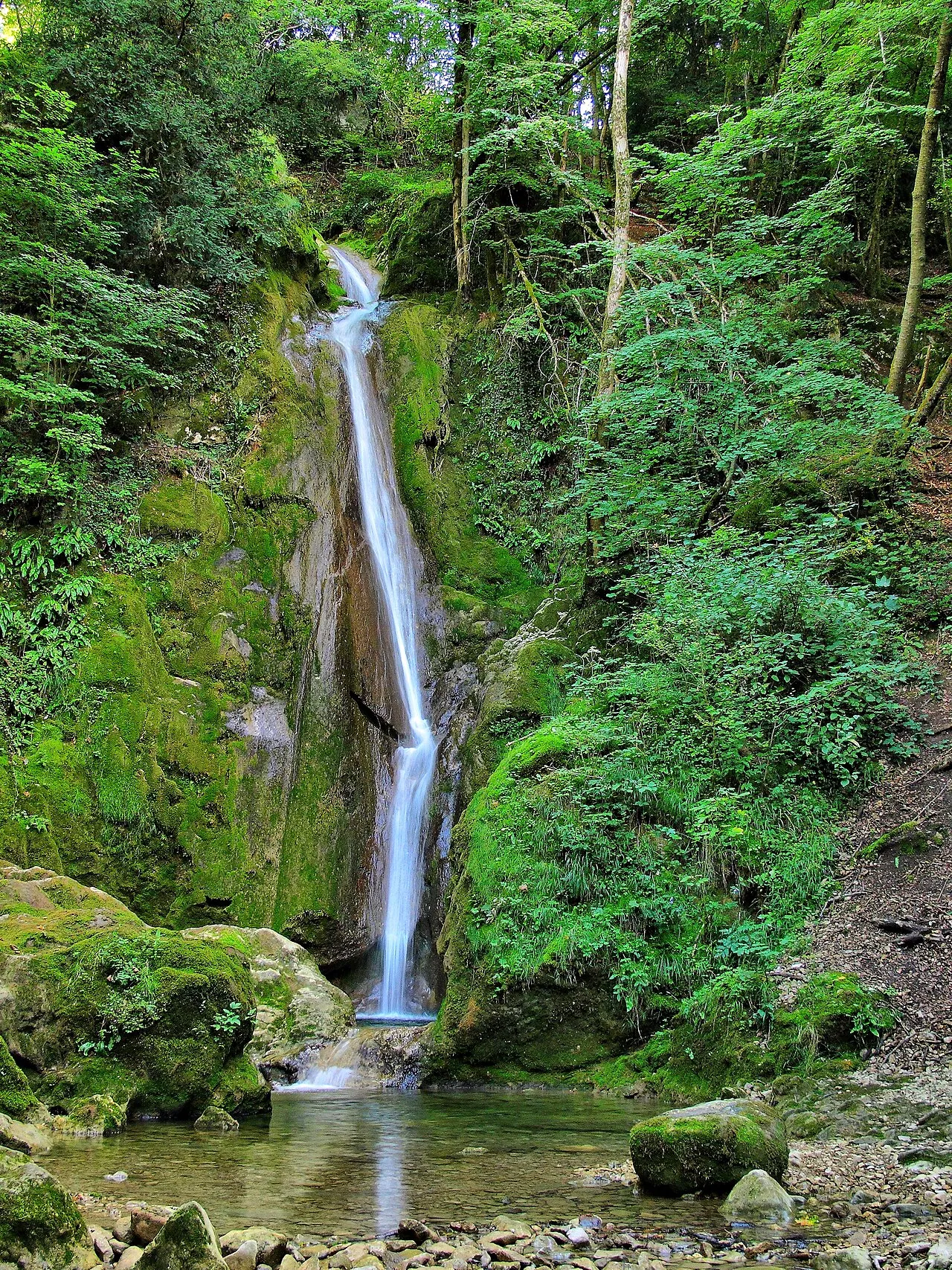
Natura 2000
Natura 2000
Natura 2000
Natura 2000
Natura 2000
Natura 2000
Natura 2000
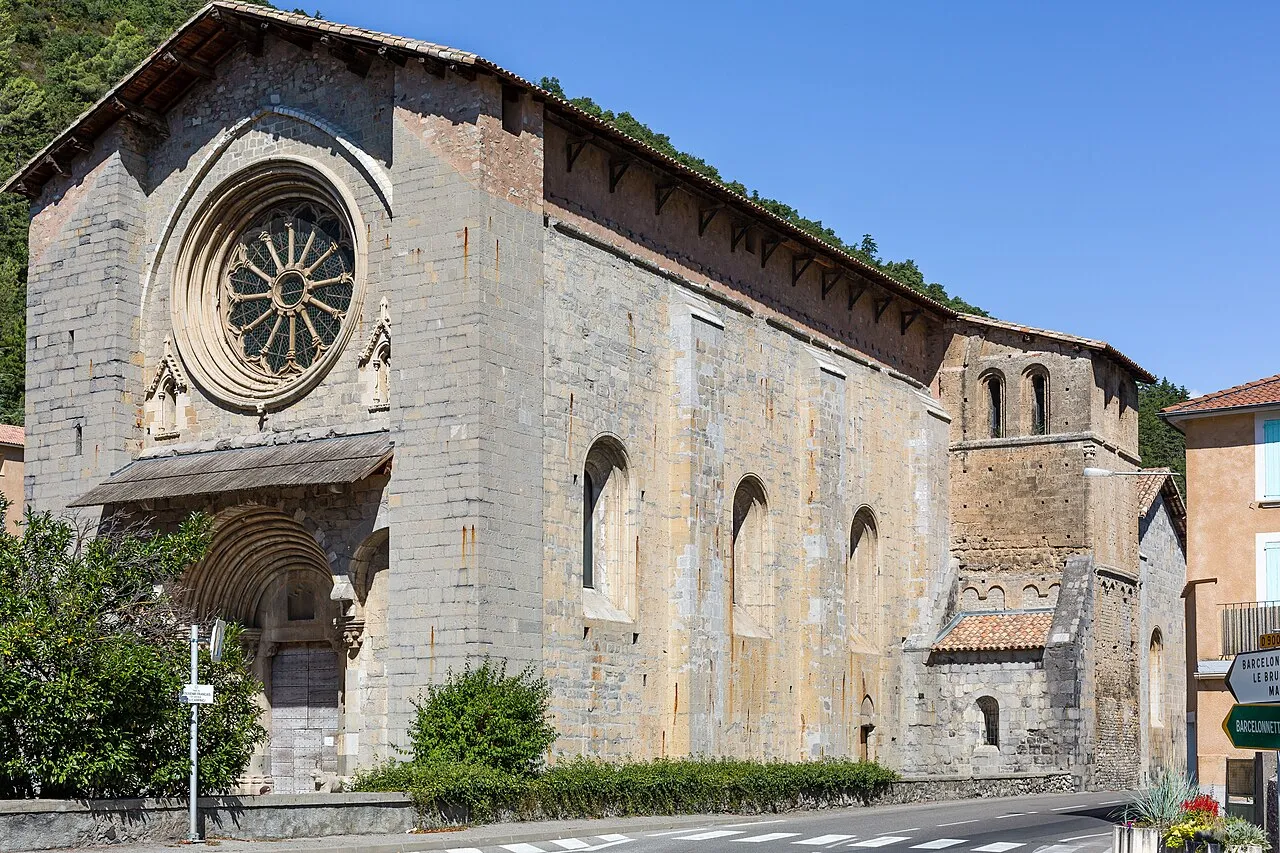
Natura 2000
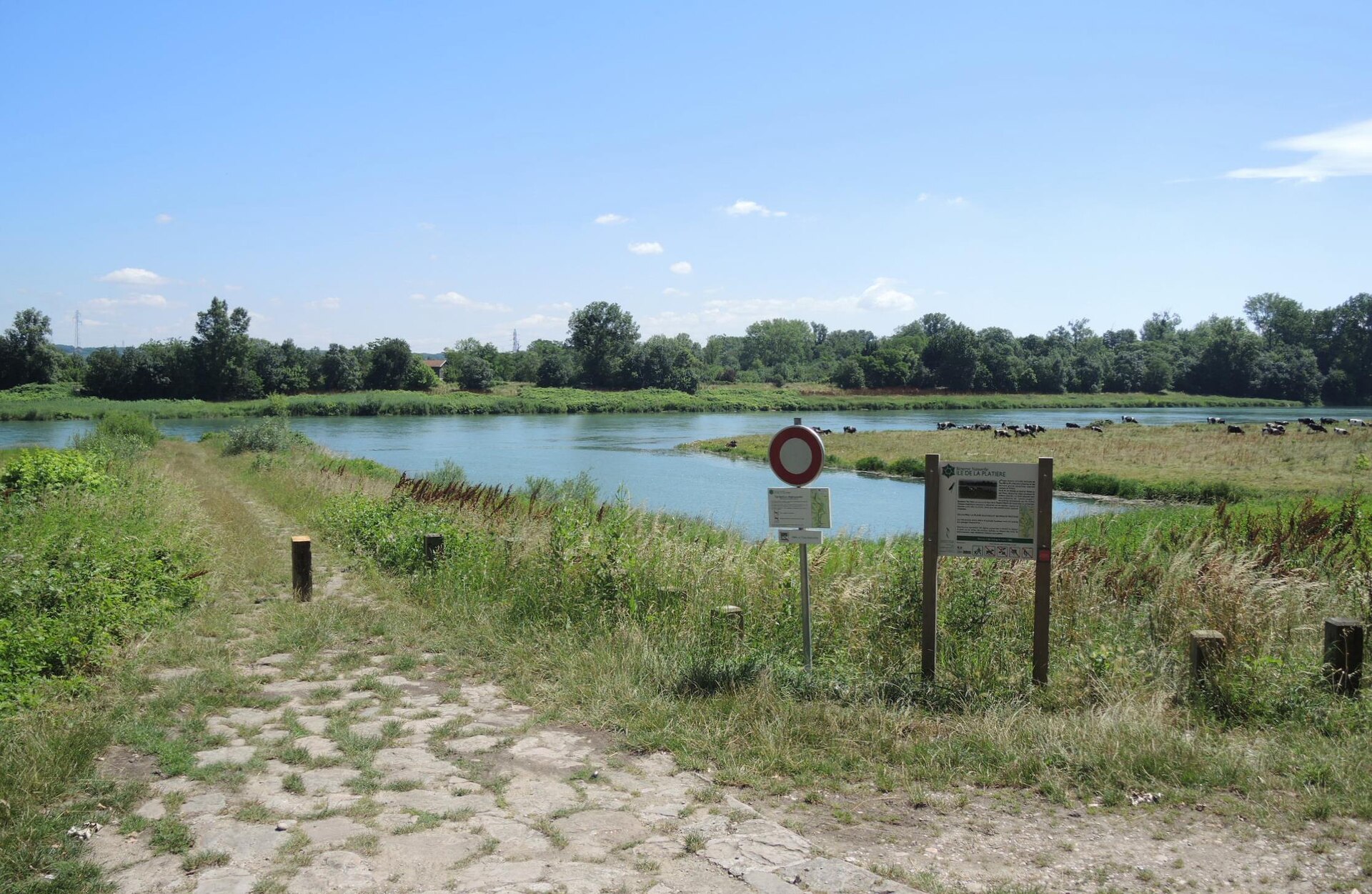
Natura 2000
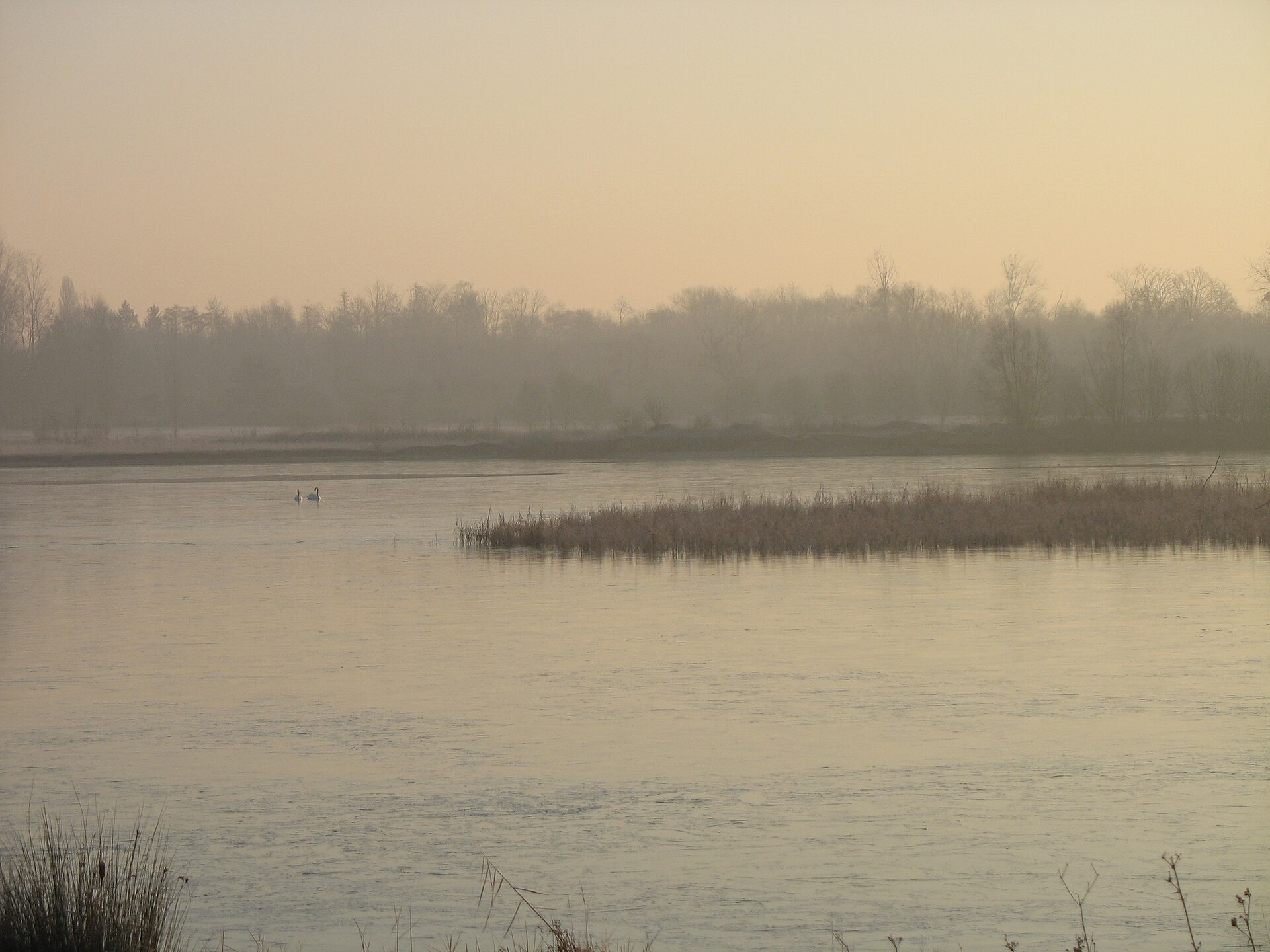
Natura 2000
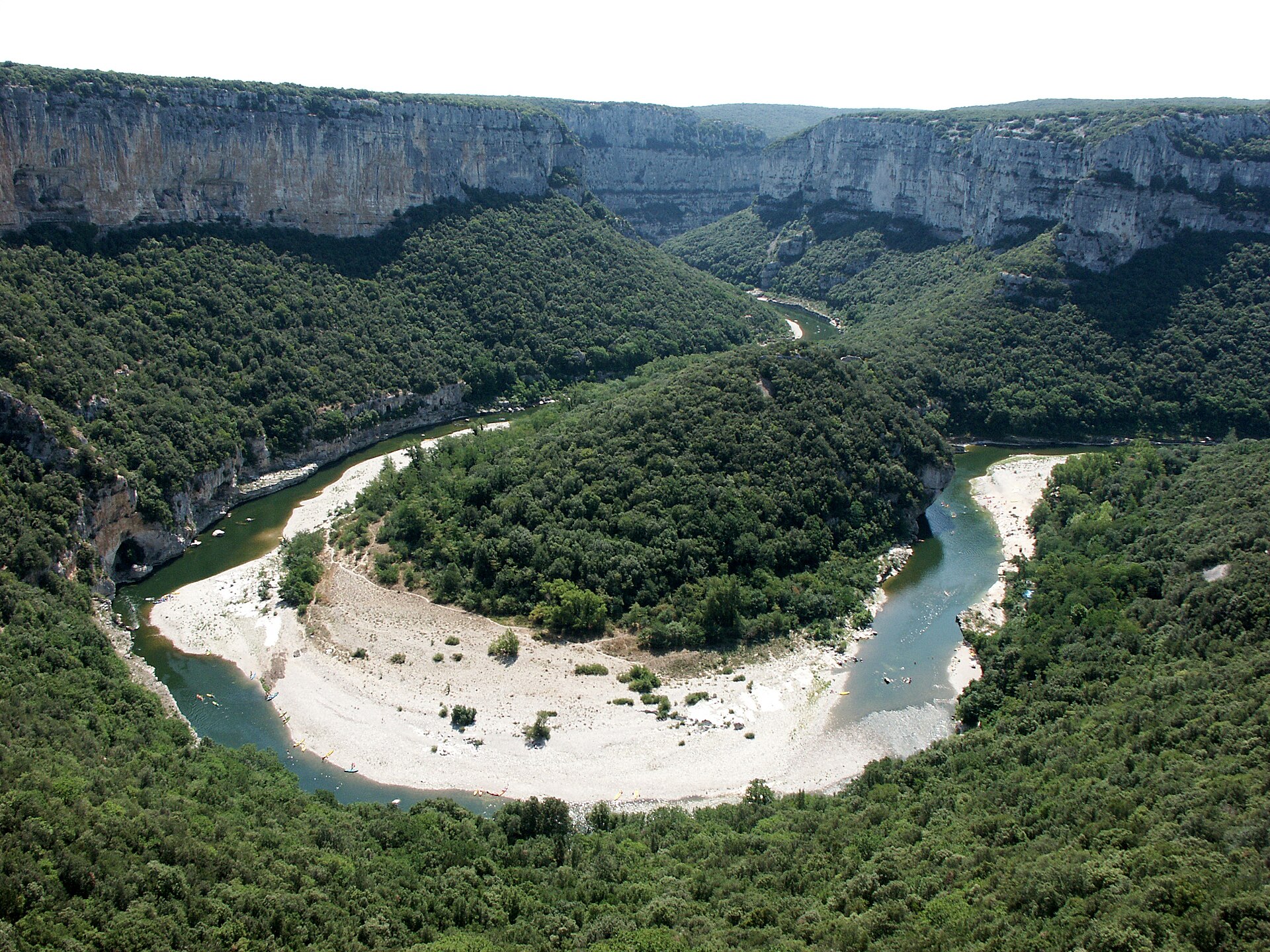
Natura 2000
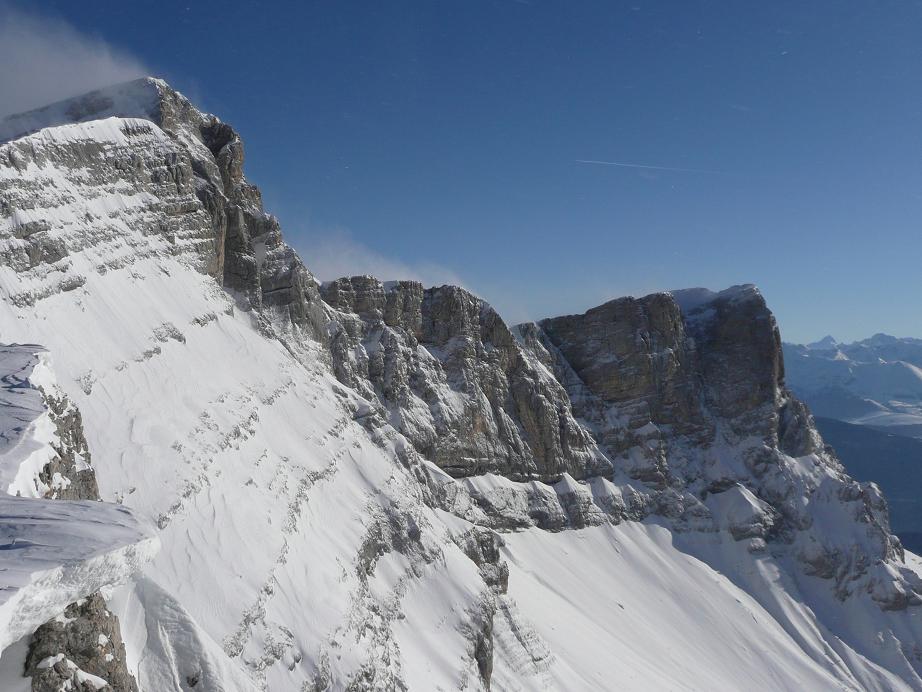
Natura 2000
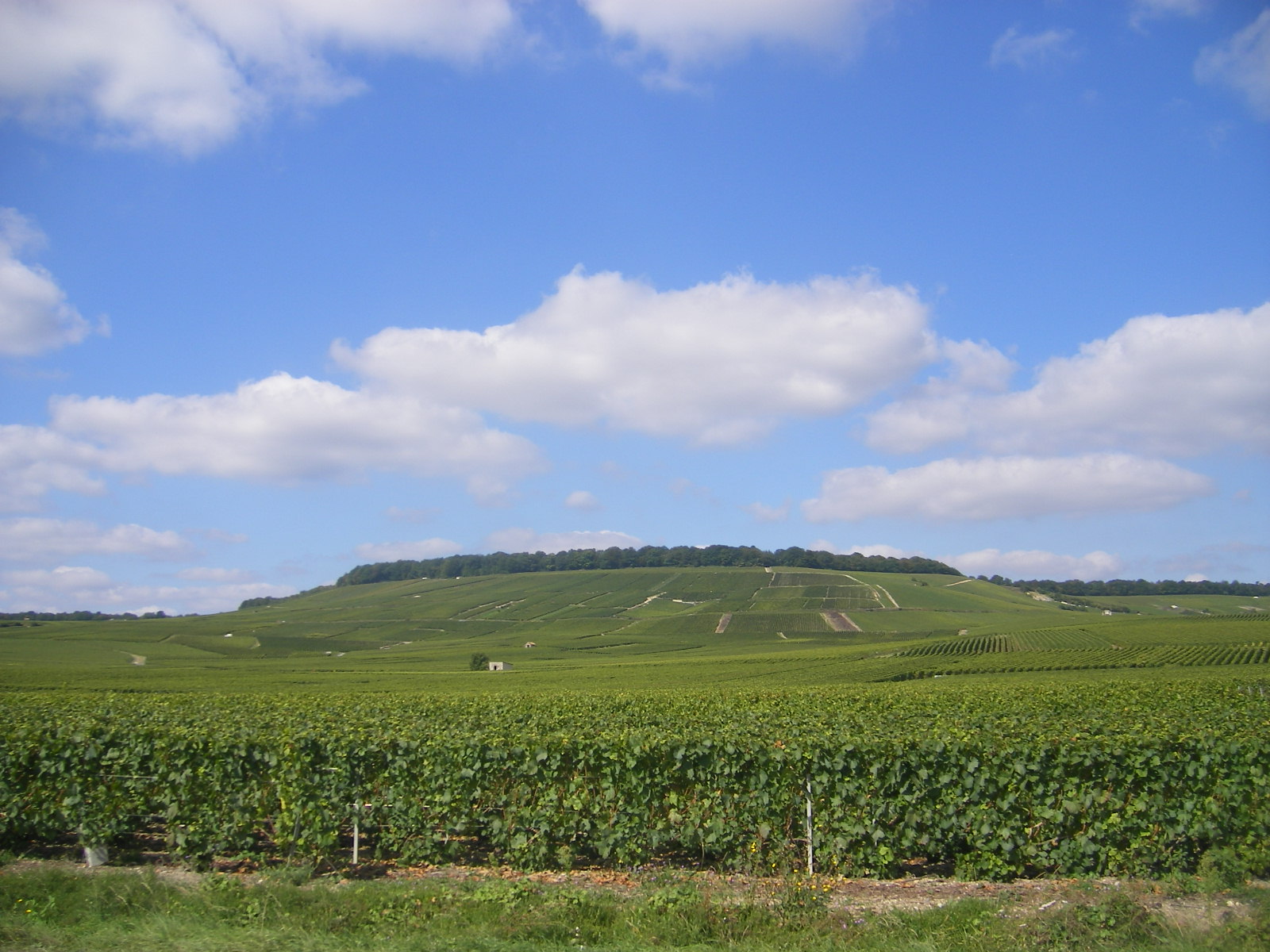
Natura 2000
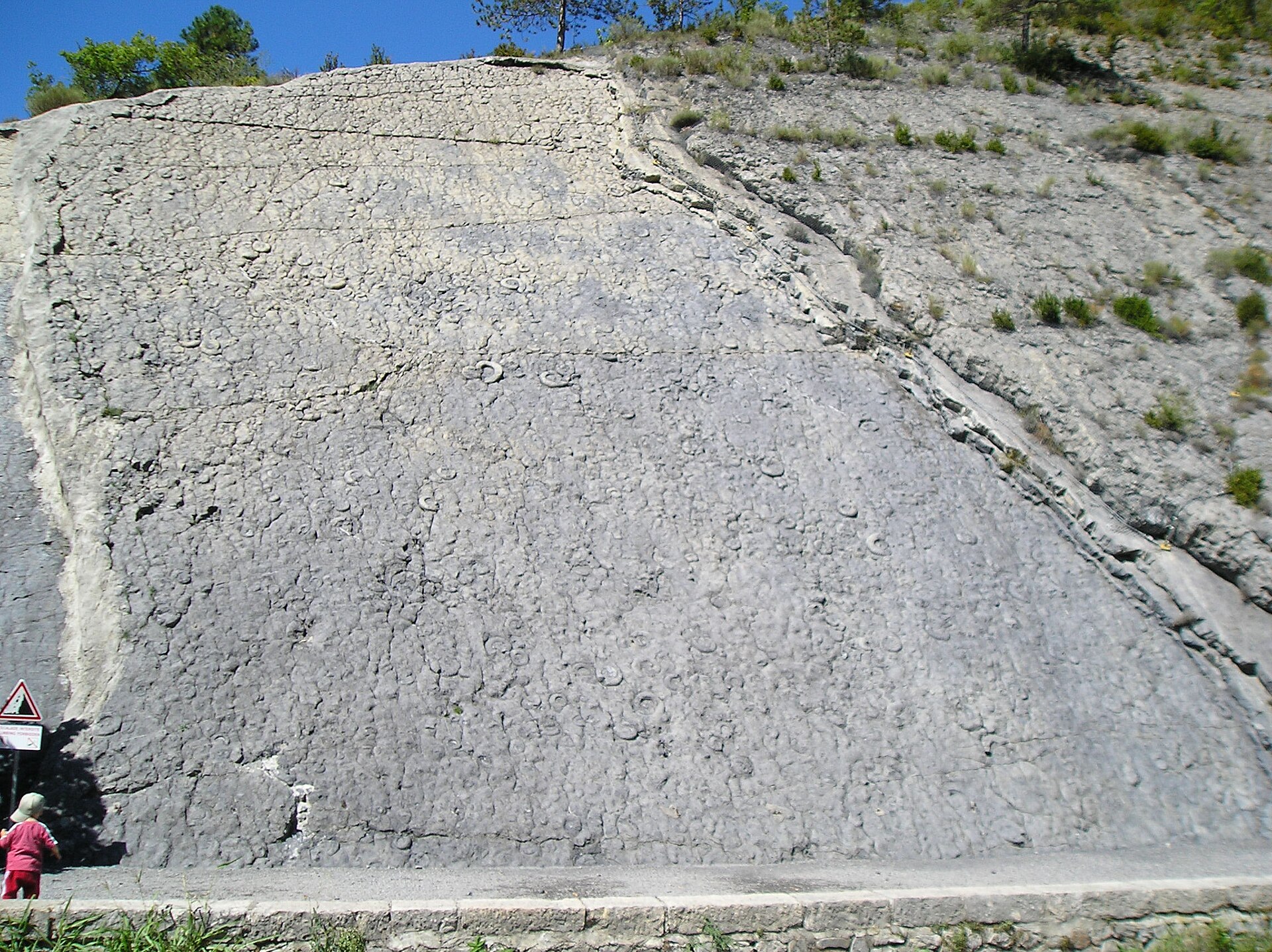
Natura 2000
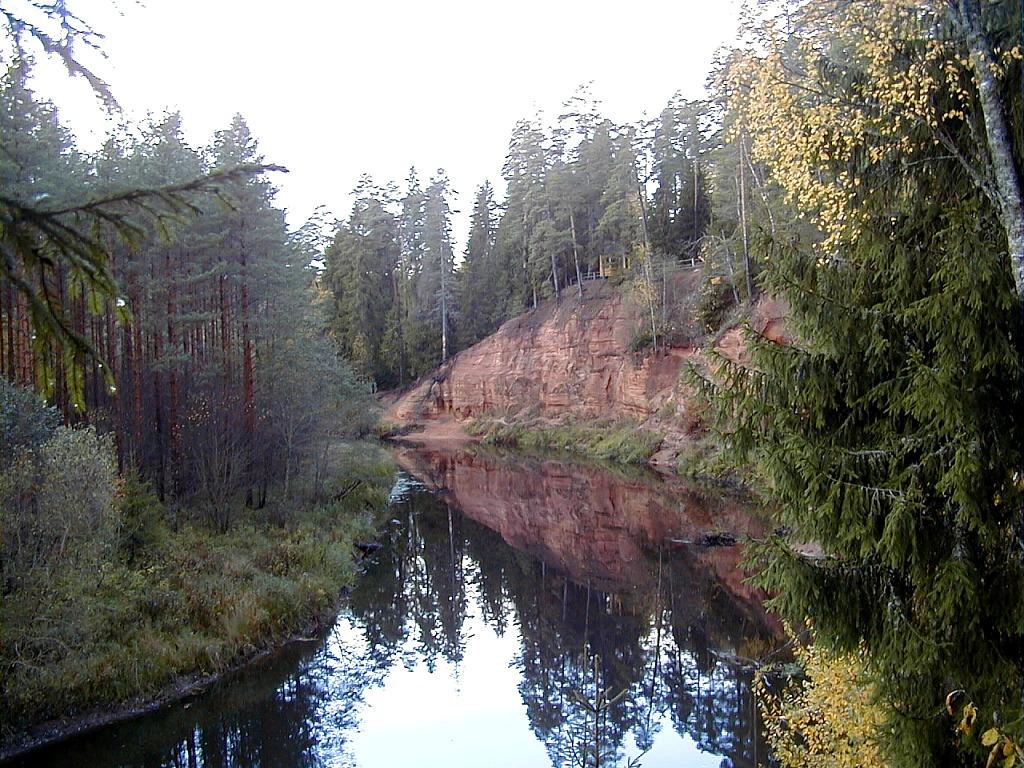
Natura 2000

Natura 2000
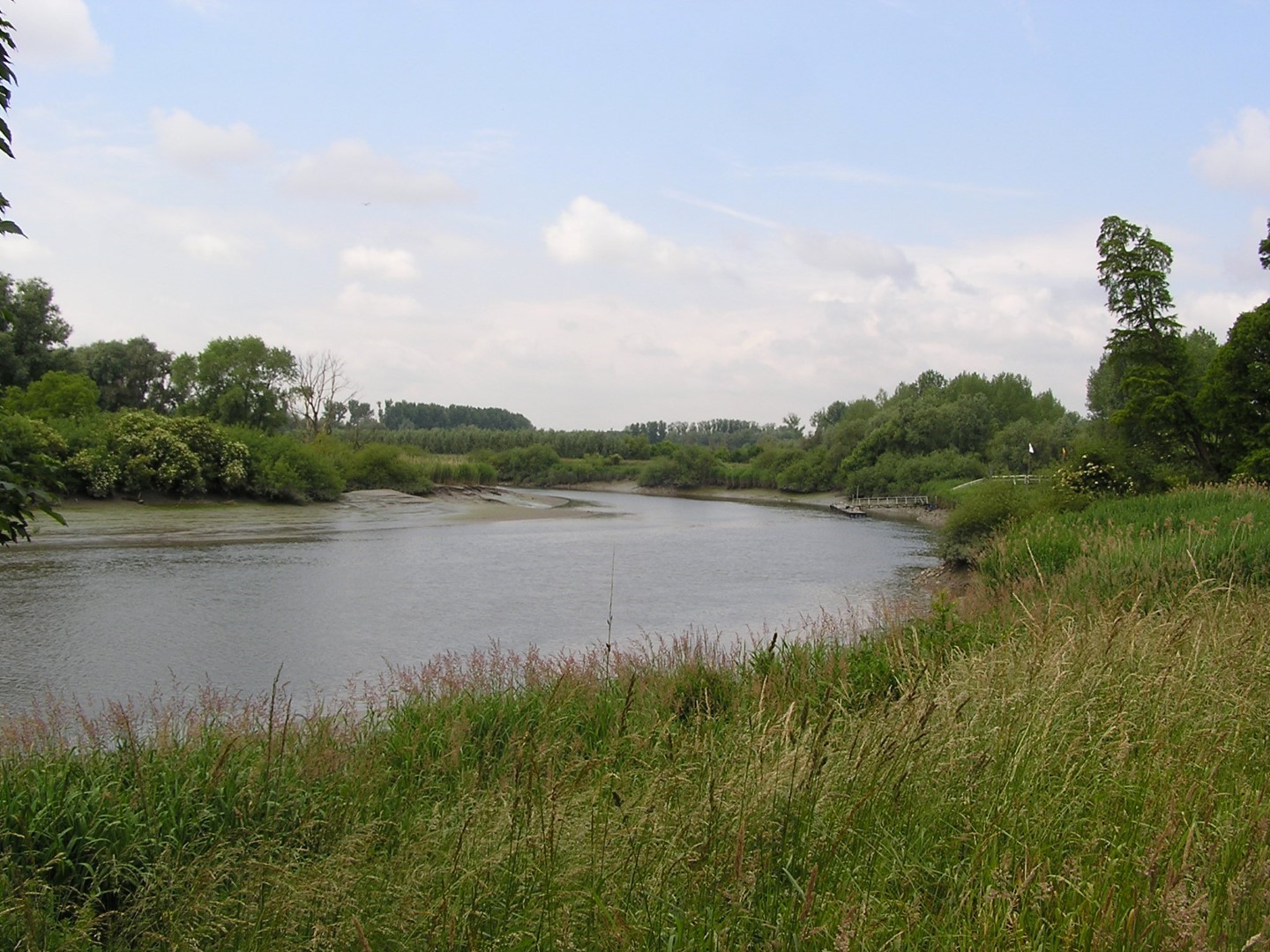
Natura 2000
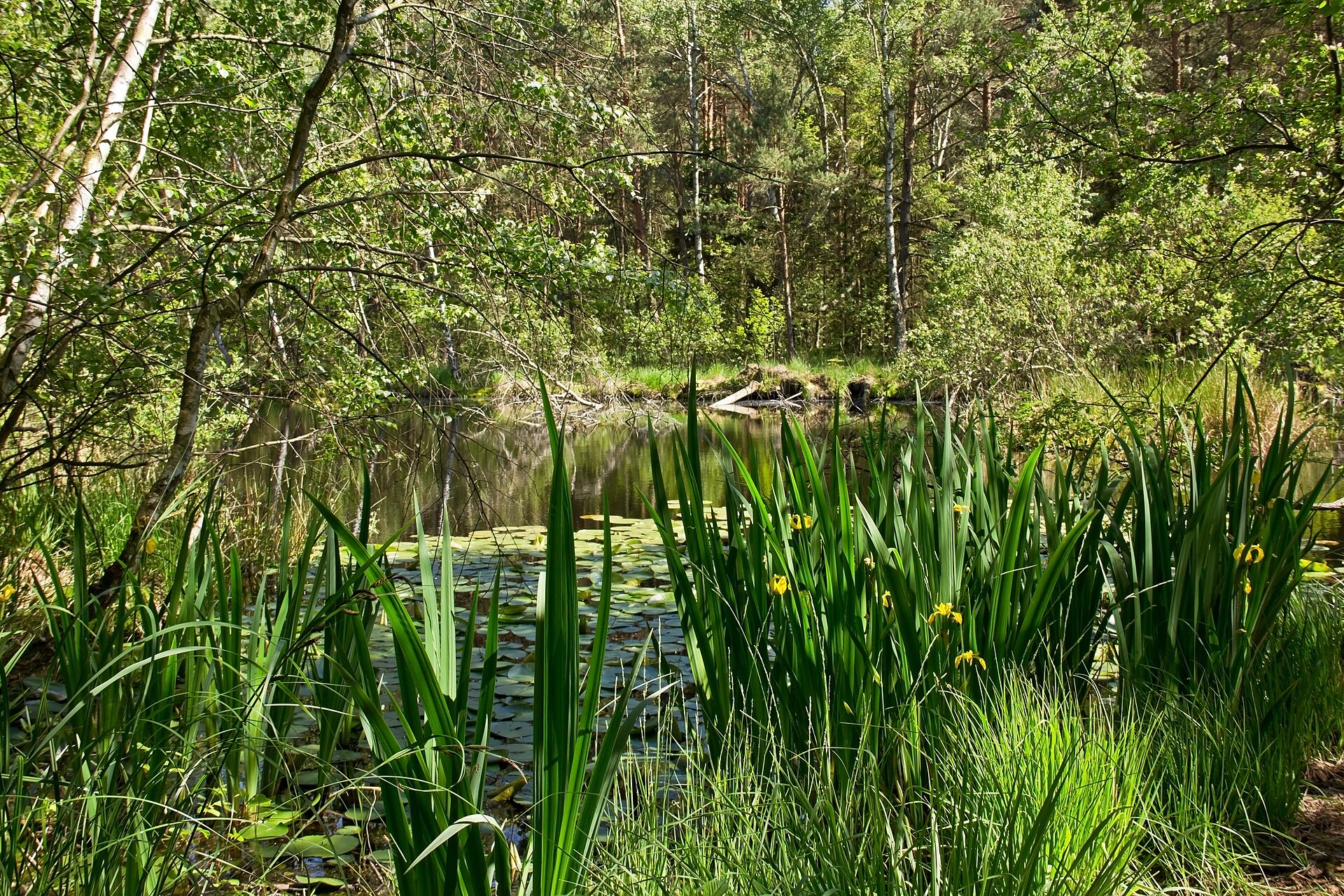
Natura 2000
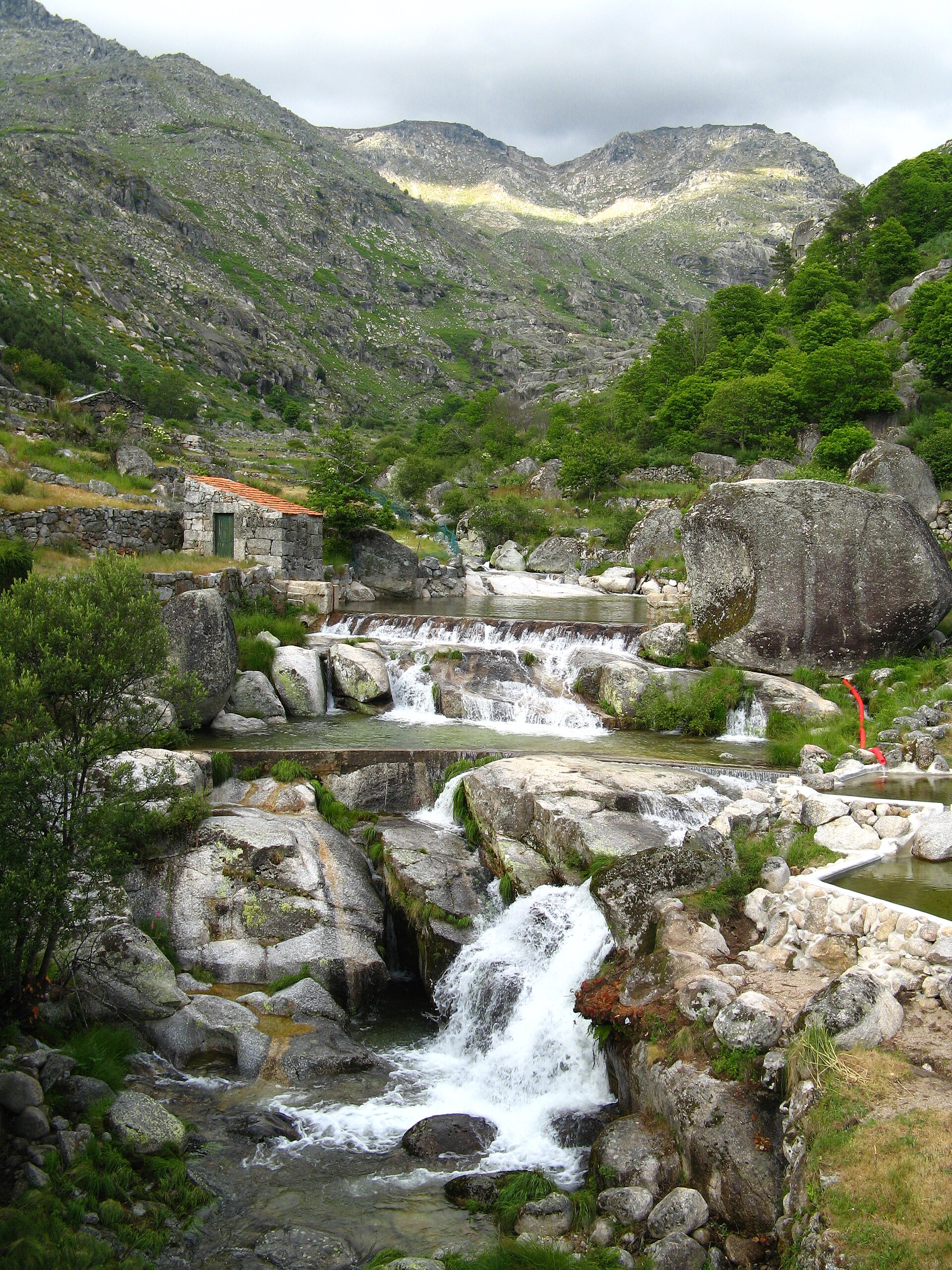
Natura 2000

Natura 2000

Natura 2000
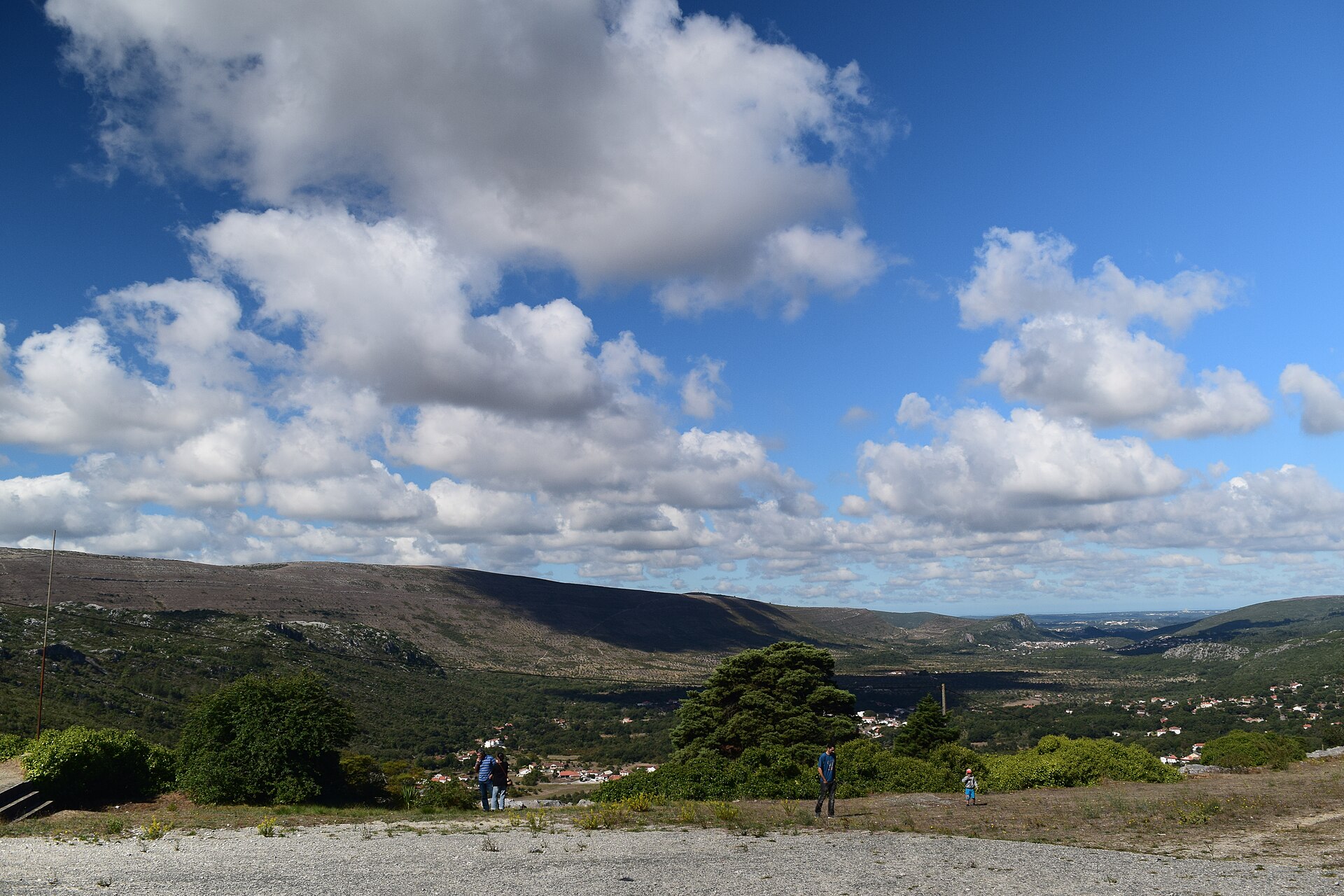
Natura 2000
Natura 2000
Natura 2000

Natura 2000
Natura 2000
Natura 2000
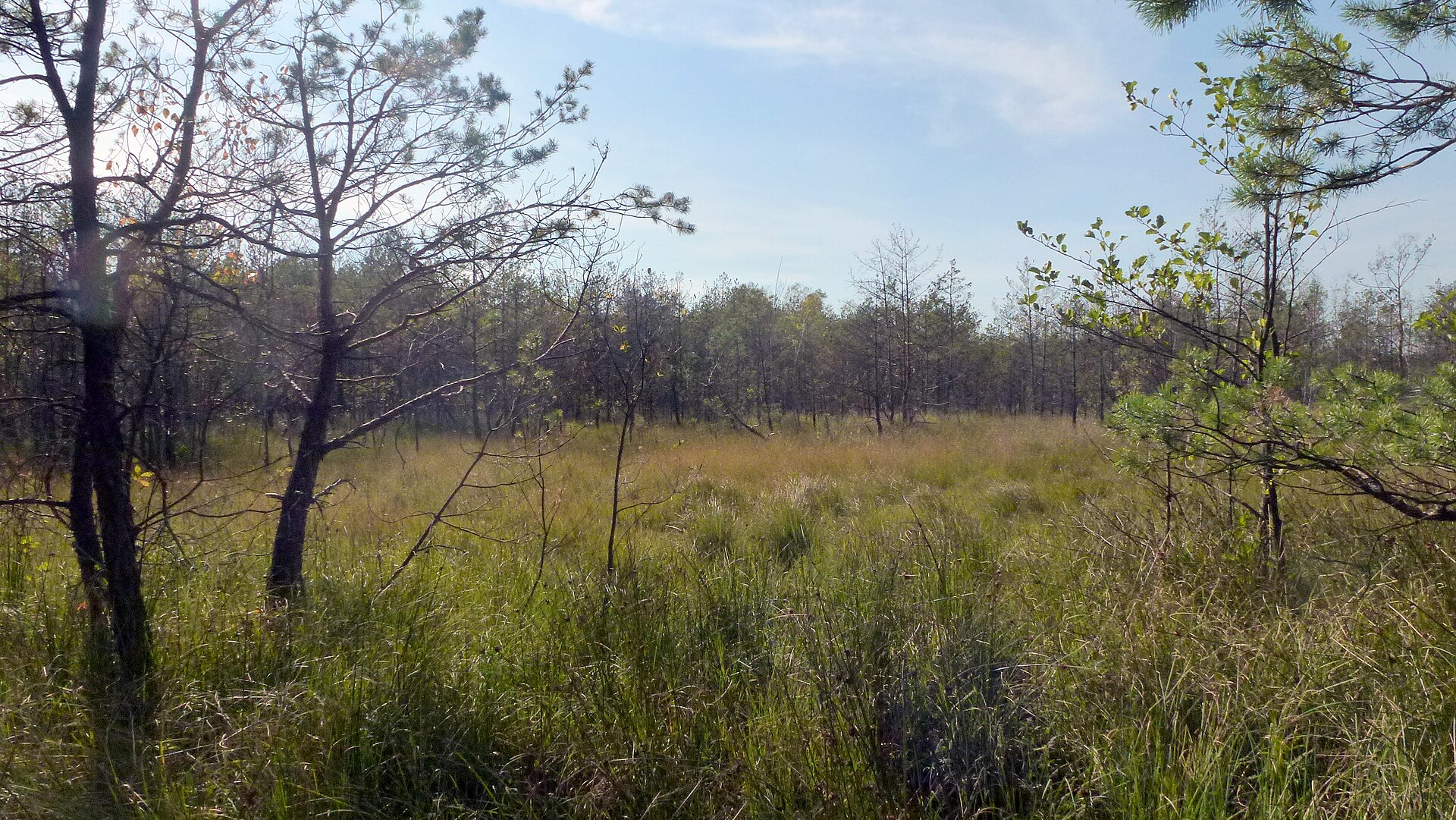
Natura 2000
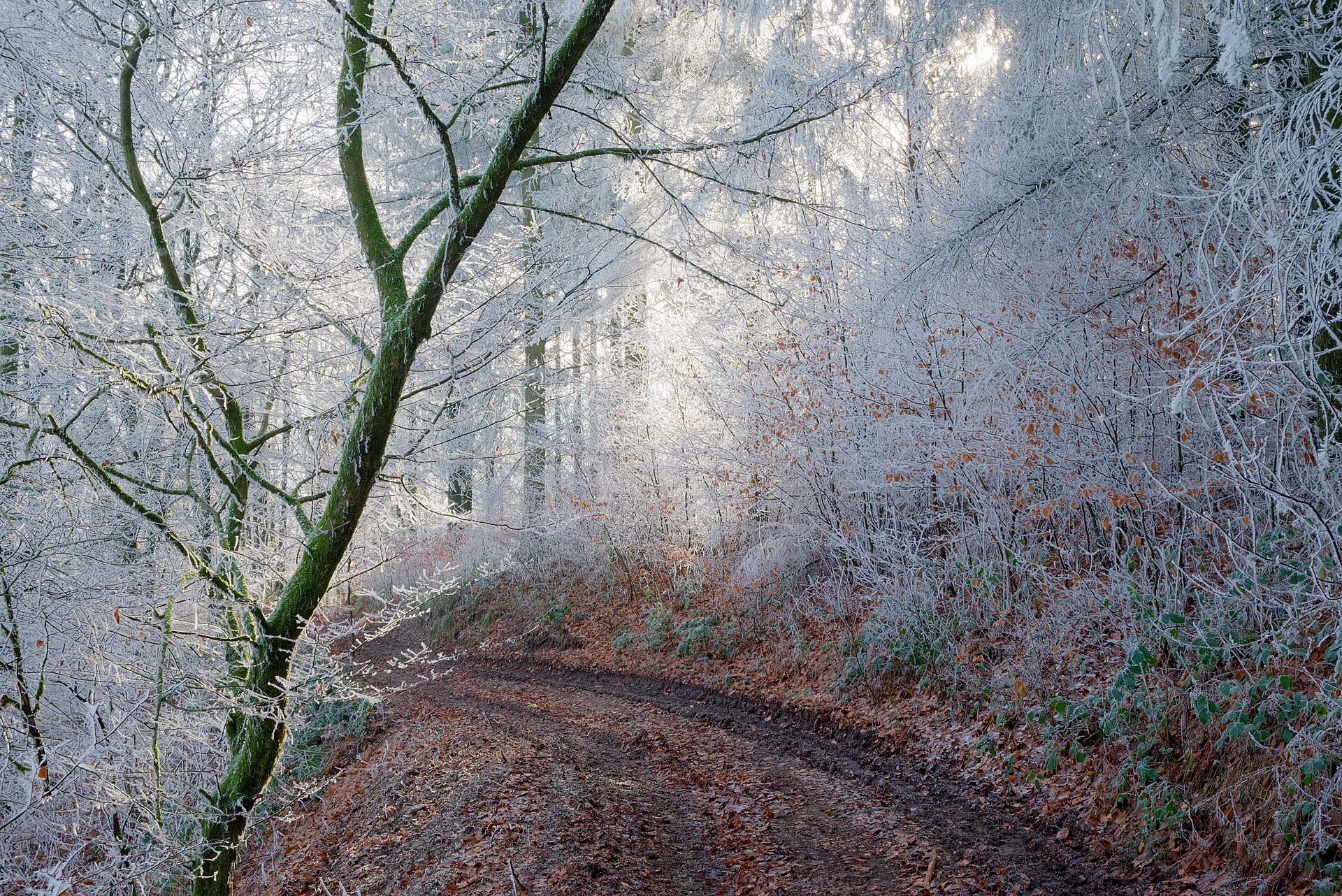
Natura 2000

Natura 2000
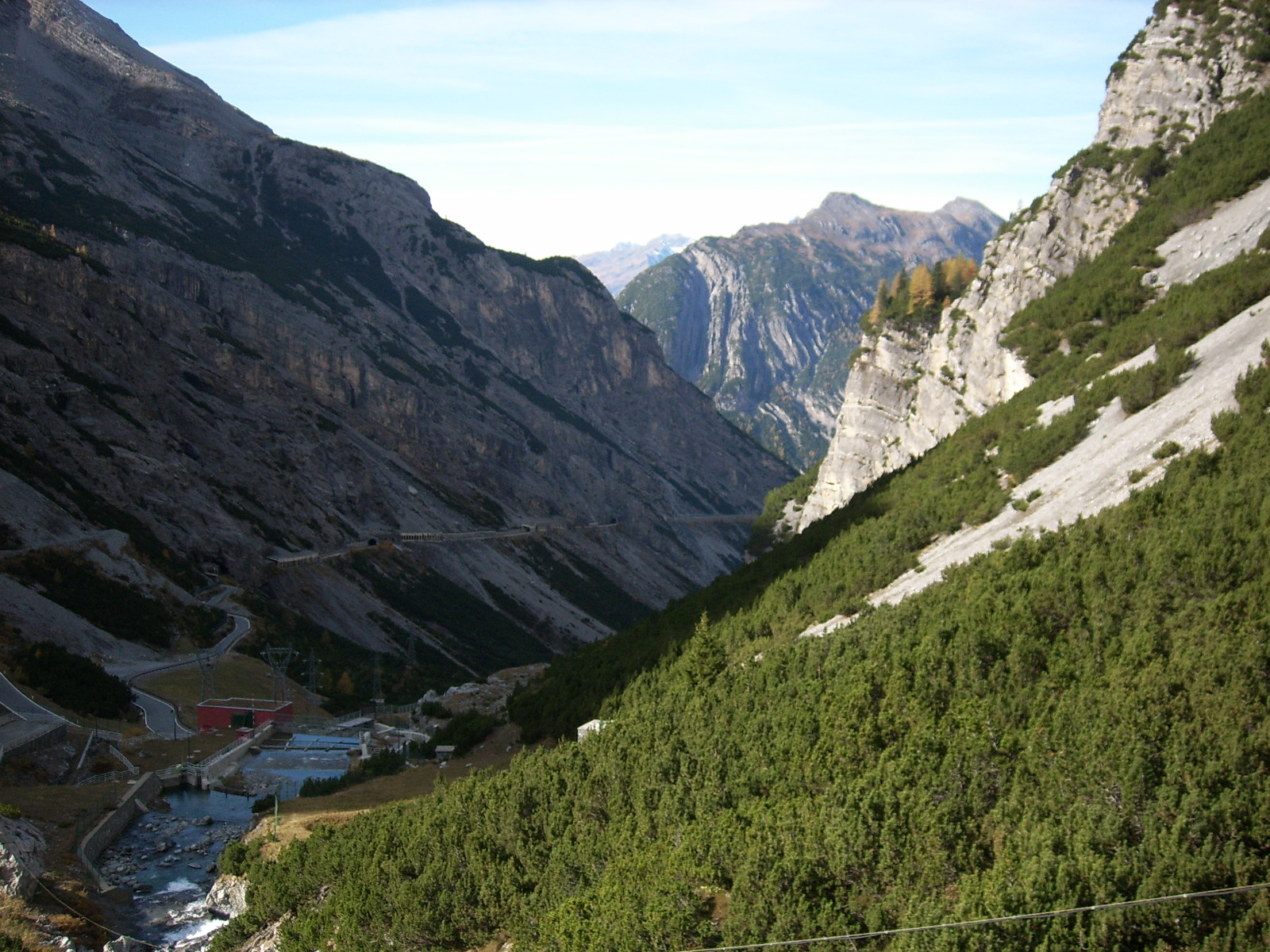
Natura 2000

Natura 2000

Natura 2000
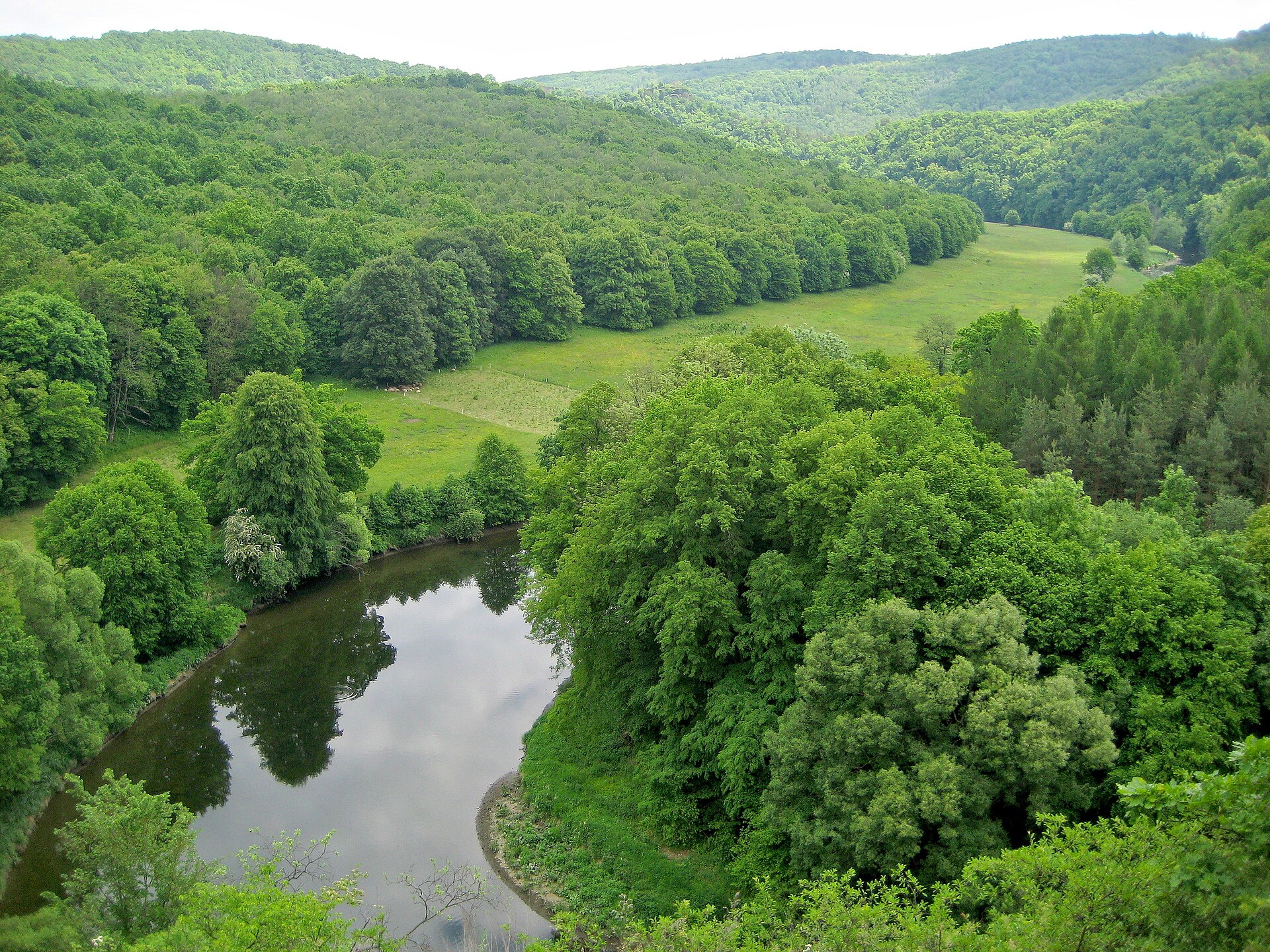
Natura 2000

Natura 2000
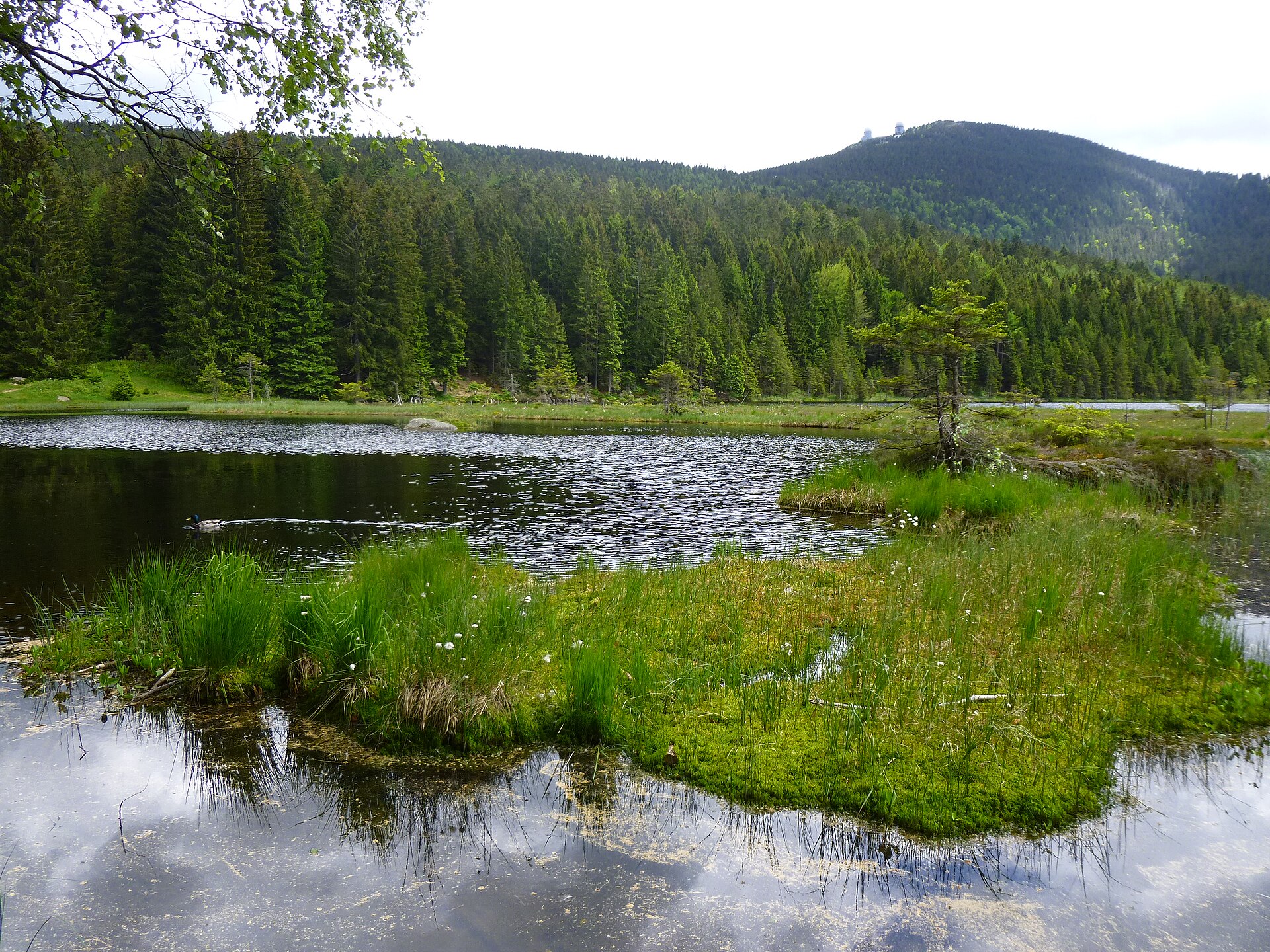
Natura 2000
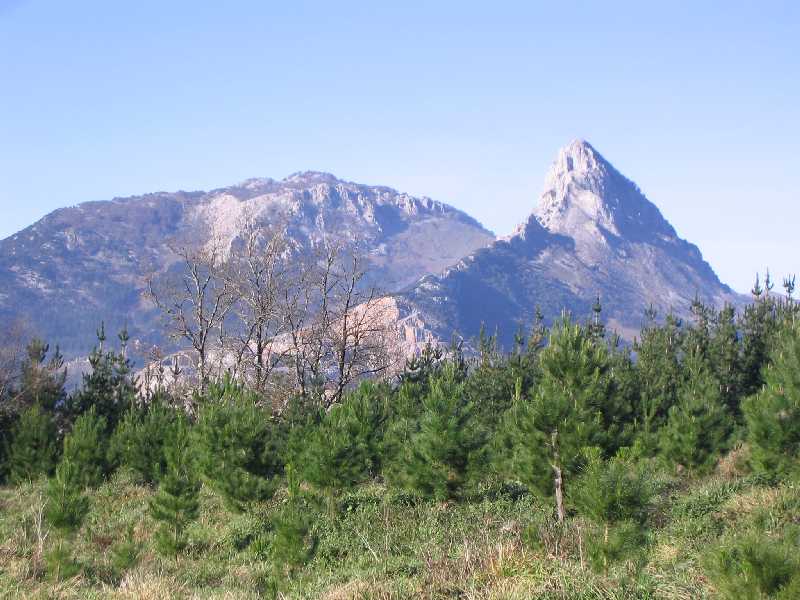
Natura 2000
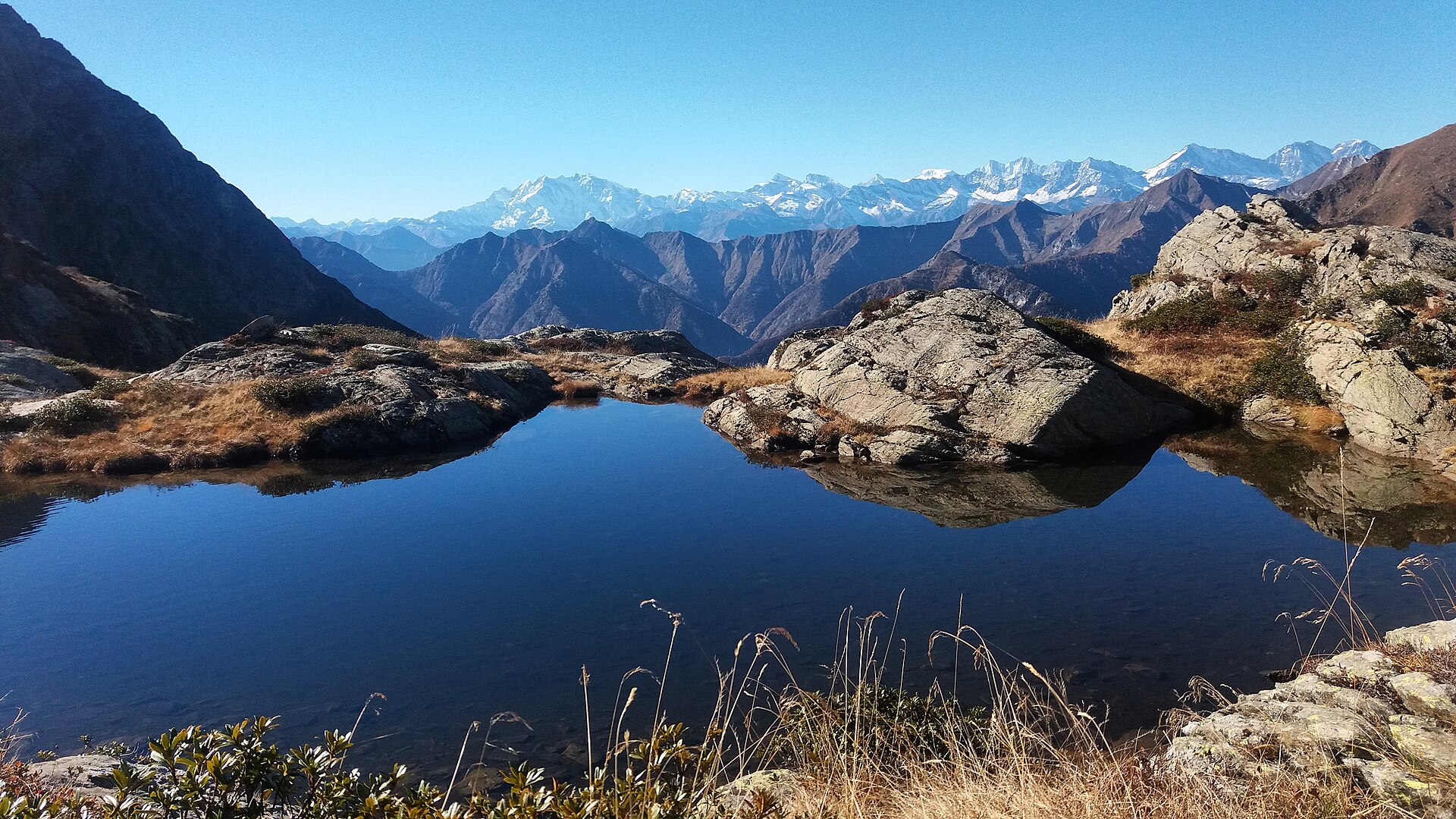
Natura 2000
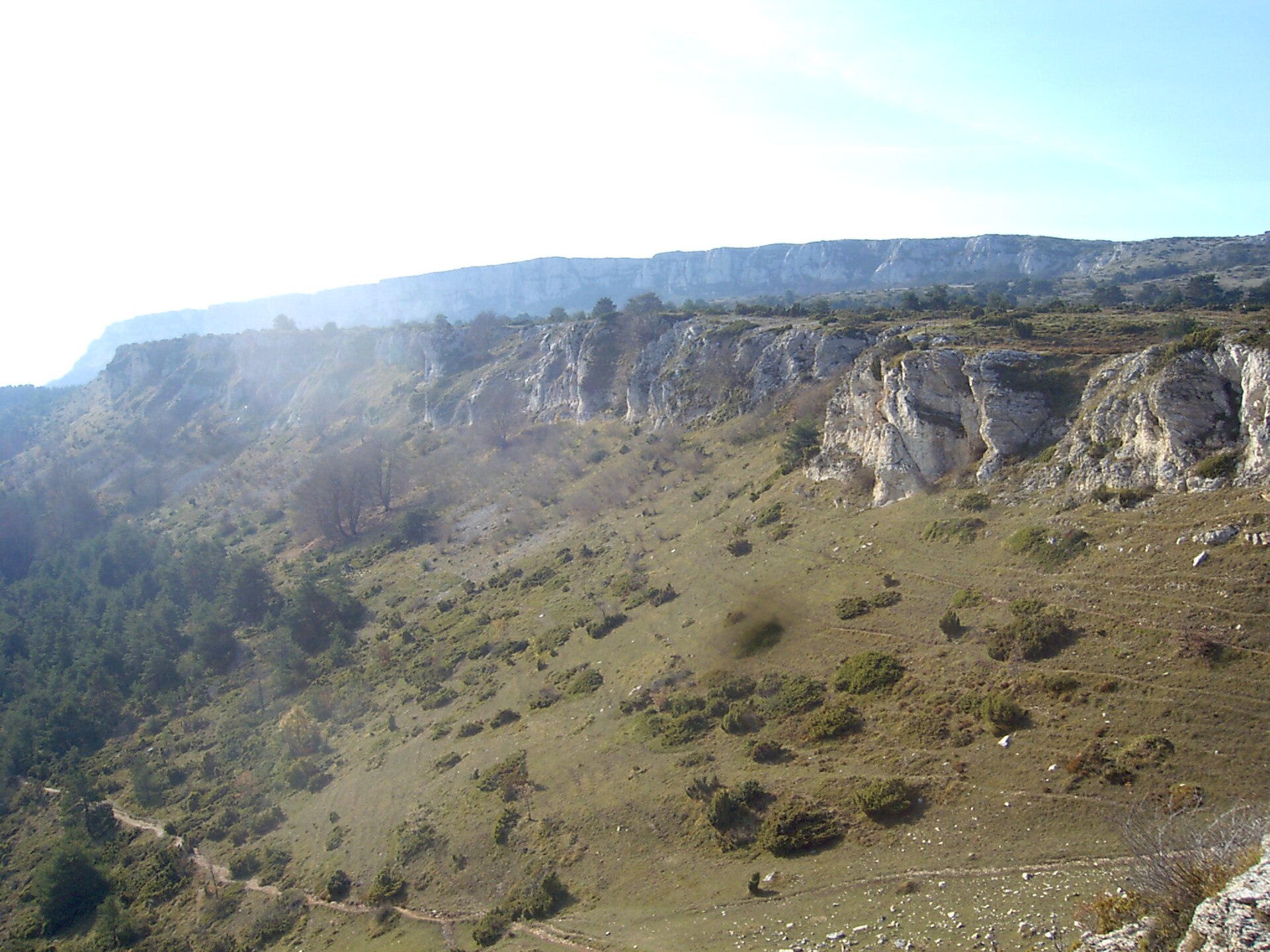
Natura 2000

Natura 2000
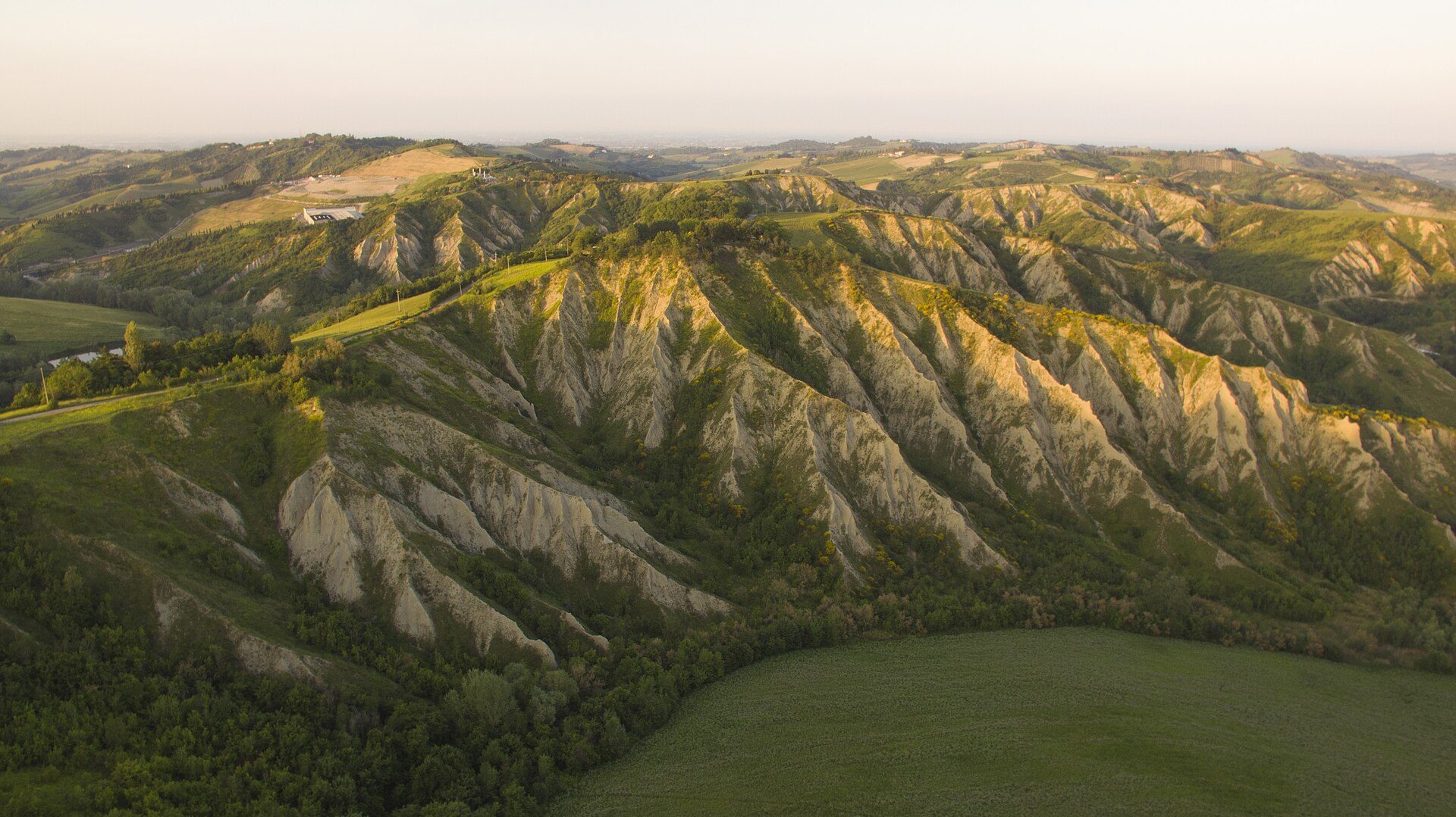
Natura 2000
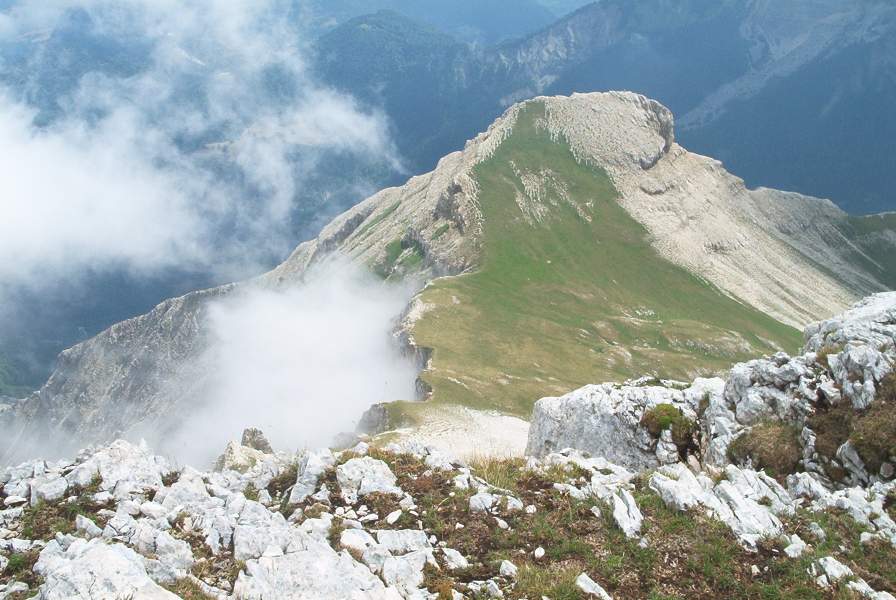
Natura 2000

Natura 2000
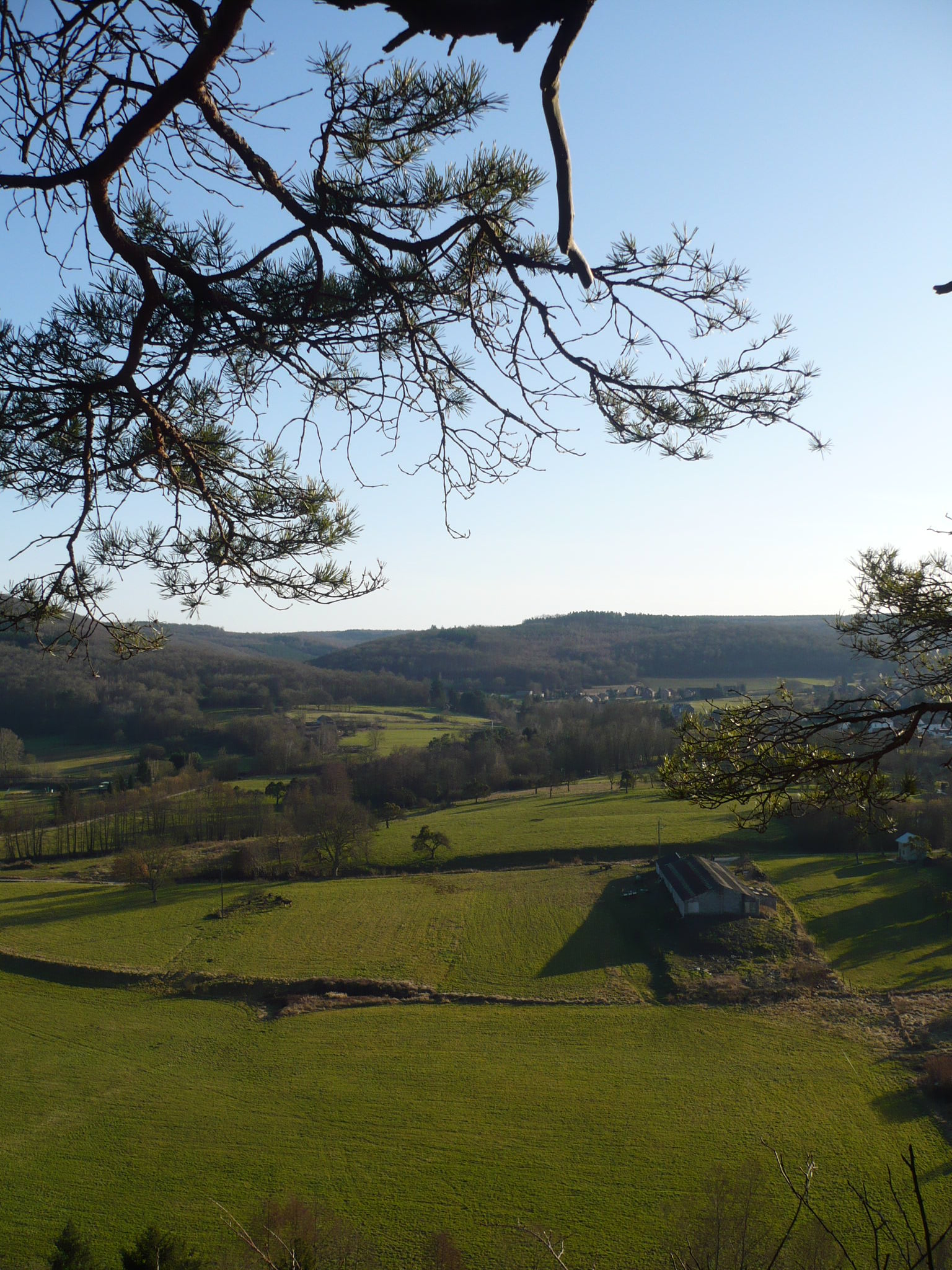
Natura 2000
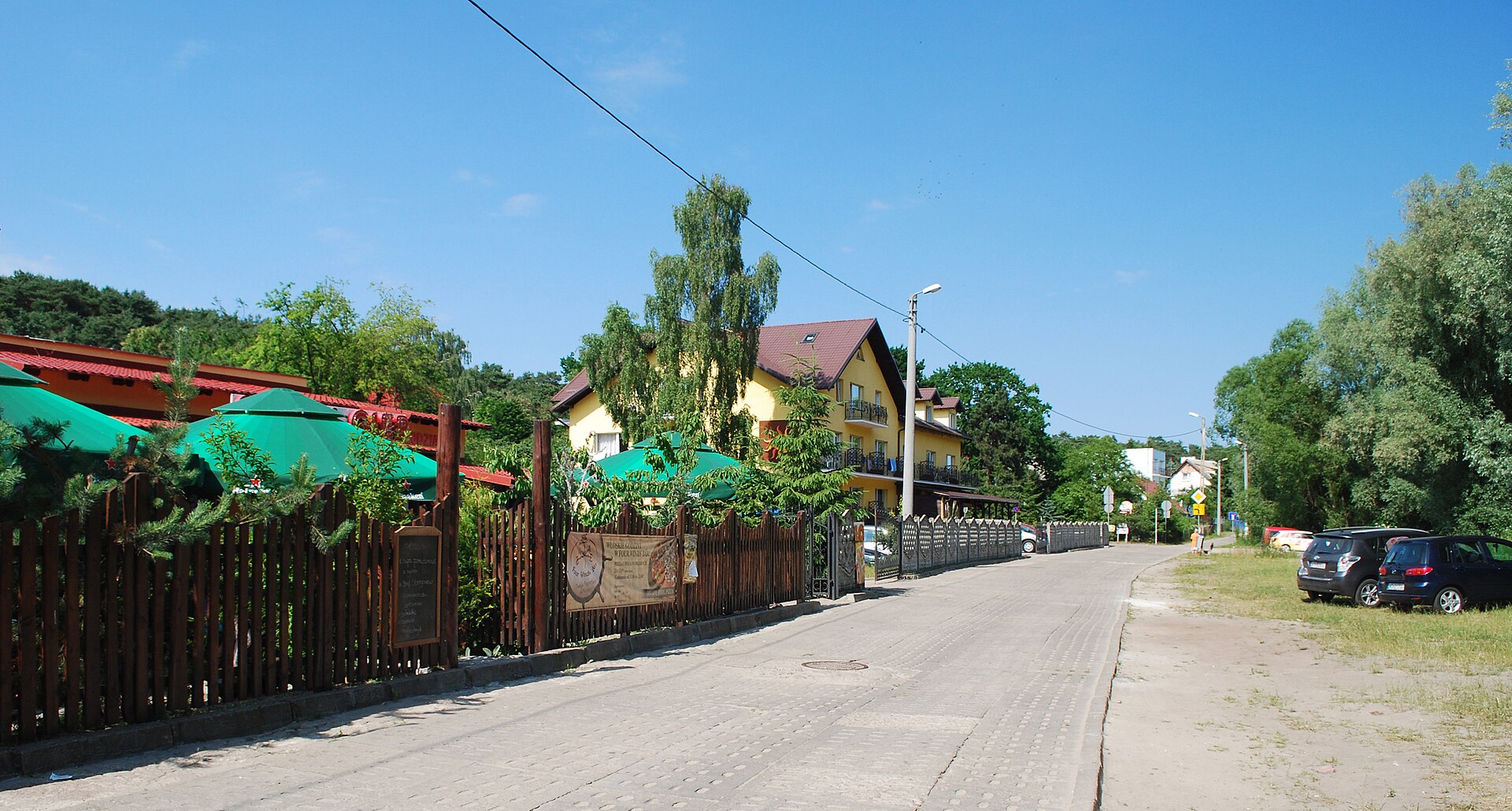
Natura 2000
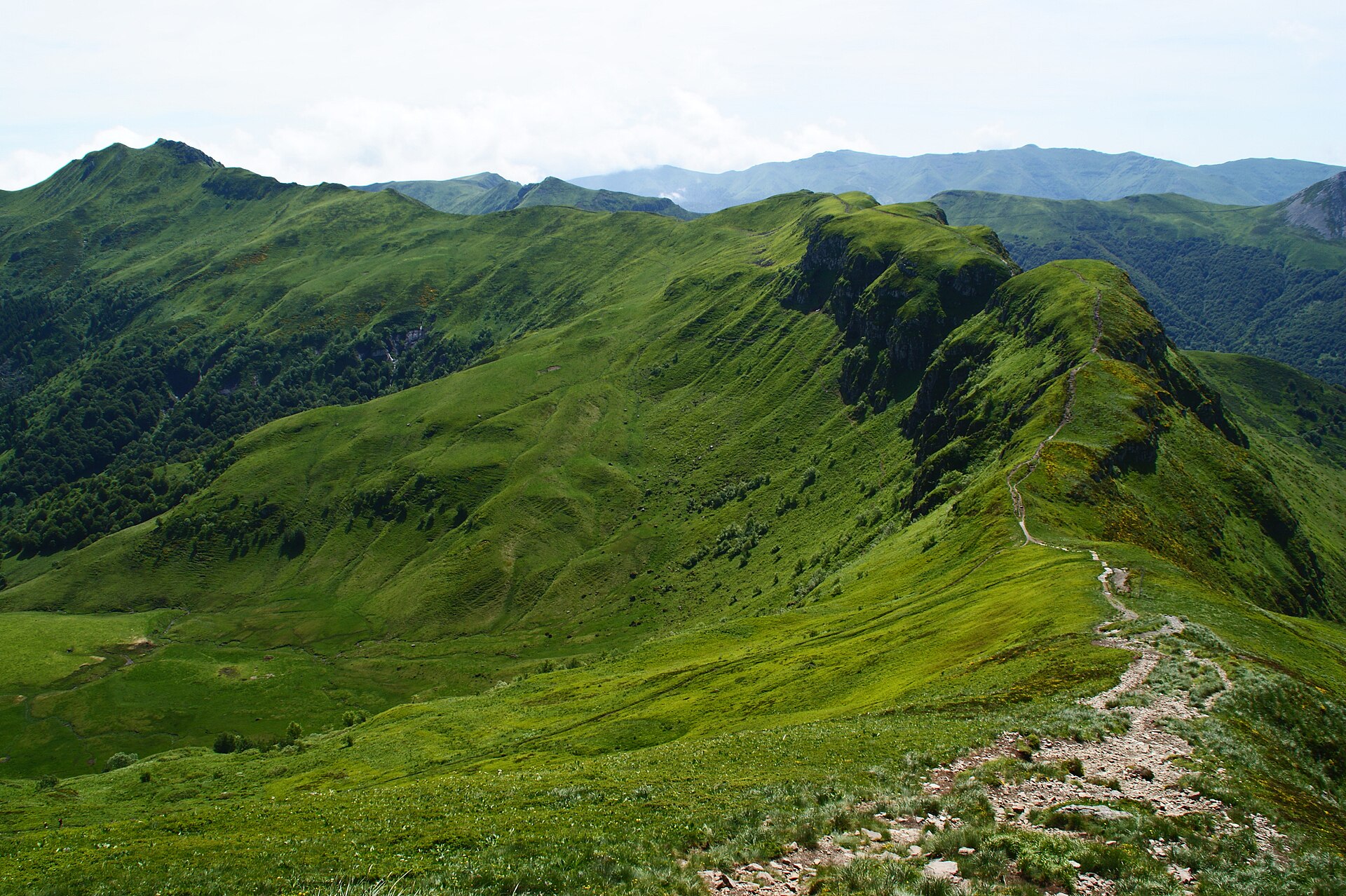
Natura 2000
Other species to discover

Sources and credits
- Presence: most-recorded species of each place on GBIF and species of Community interest in the Natura 2000 forms (EEA, CC-BY 4.0); absence from the list does not mean the species is absent.
- Common names: Wikidata (CC0) and GBIF.
- Photos and sounds: Wikimedia Commons, author and licence given for each file.
- Classification: GBIF Backbone Taxonomy (GBIF Secretariat), CC BY 4.0, doi:10.15468/39omei.
- Countries, elevations, months and maps: GBIF.org, CC0 or CC BY 4.0 occurrences only, accessed October 22, 2026, GBIF.org.
- Base map: Natural Earth (public domain).
- Excerpt: Wikipedia, CC BY-SA 4.0 (full credit below the excerpt).
- Key facts: Wikidata (CC0), with the references cited under each value.
- Annexes: Directive 92/43/EEC (consolidated version), © European Union, EUR-Lex.
- Conservation status: EEA / DG ENV, Article 17 Habitats Directive reporting (2013–2018), CC BY 4.0.